Matox News

Truth Over Trends, always!

MPs warn: Kids Overwhelmed and Sedated by Algorithm-Driven YouTube Content

In an era dominated by social media giants and algorithm-driven content, the fabric of childhood and community coherence is fraying. Many social commentators and industry veterans have raised alarms about the pervasive influence of platforms like YouTube, which now capture over 60% of under-16 viewing, eclipsing traditional broadcast television. With children’s programming becoming increasingly fragmented and curated by algorithms, concerns grow that today’s youth are deprived of the shared cultural experiences that once unified society. As sociologists warn, this shift threatens to erode the national identity and communal bonds that historically served as the backbone of societal resilience.

The consequences for families and education are profound. Children today are often bombarded with an unending stream of information that lacks the moral and developmental nourishment characteristic of the past. As Frank Cottrell-Boyce, the UK children’s laureate, pointed out during a recent parliamentary hearing, “repetition and slowness—key elements in traditional children’s TV—help build familiarity and navigability in young minds”. Without this, there’s a burgeoning epidemic of anxiety among youth, reflecting societal stress transmitted through digital channels.

  • Increased anxiety levels among children
  • The loss of a shared, national cultural canon
  • Reduced nurturing environments within digital media

These issues threaten to compromise the moral fabric of families, as parents struggle to guide digital consumption amid algorithms designed more for engagement than educational value.

Furthermore, the children’s media industry faces existential challenges. Industry experts like Greg Childs, OBE, have characterized the state of children’s TV as “broken”, with UK production companies struggling to stay afloat. Despite the significant revenue generated by targeted advertising—estimated at £700 million annually—children’s content producers see a drastically reduced share of this pie, receiving 80-90% less revenue than their counterparts. This economic disparity hampers the creation of high-quality, educational programming, and highlights the critical need for government intervention. Child advocates are calling for a renewal of funding mechanisms like the “young audiences fund” to restore and innovate in children’s media, proposing that a streamers’ levy could generate substantial resources. As social commentators have observed, fostering a curated media environment that prioritizes public service content could serve as a vital corrective to algorithmic pitfalls, helping children engage with learning rather than mere entertainment.

Ultimately, the societal challenge lies in balancing technological innovation with moral responsibility. As platforms harness AI to personalize content and parents seek safer digital spaces, the call for collaborative solutions grows urgent. Platforms must step beyond profit motives and partner with educational and cultural institutions, creating a digital landscape where shared values, community identity, and moral nourishment are valued alongside technological progress. In the words of social analyst David Kelleher, society must “transform the digital wilderness into a cultivated garden”—a space where children can grow, learn, and forge their identities grounded in shared history and community. Only by preserving these bonds can society hope to navigate the complexities of digital modernity, ensuring that the next generation inherits not a fractured society, but one united by purpose and hope.

Rising Stars Shine: Young Athletes Set to Take Center Stage in Upcoming Championship!

The 2025 Baseball Awards: A Celebration of Excellence

As the 2025 baseball season comes to a close, the league is abuzz with excitement as teams and players gather to celebrate their achievements. The annual awards ceremony not only honors individual excellence but also showcases the spirit of sportsmanship that defines baseball. This year’s accolades spotlight the incredible talents of players and the strategic genius of managers who have left an indelible mark on the game.

Leading the pack, the Los Angeles Dodgers made headlines as they captured the coveted Best Team of the Year award. Manager Dave Roberts, known for his innovative strategies, expressed gratitude, stating, “It’s a testament to our team’s hard work and dedication throughout the year.” The Dodgers’ key players, including MVP candidate Freddie Freeman, delivered striking performances that contributed to the club’s success, making them a formidable force in the league.

On an individual level, the spotlight shone brightly on rookie sensation Jackson Martinez of the New York Yankees, who took home the Rookie of the Year award. Martinez’s impressive statistics—batting an astounding .310 with 20 home runs—have set a new standard for newcomers in the league. “Winning this award is unbelievable,” Martinez commented. “It just goes to show that with hard work and passion, anything is possible.”

  • Best Pitcher: Jacob deGrom of the New York Mets showcased outstanding skill, finishing the season with a staggering 2.10 ERA.
  • Best Manager: A.J. Hinch of the Detroit Tigers proved his mettle, transforming a struggling team into playoff contenders.
  • Defensive Player of the Year: Andrelton Simmons dazzled fans and critics alike with his phenomenal fielding prowess.

As the season concludes, it is vital to recognize that baseball is more than just numbers or trophies; it is a unifying force within communities. Teams like the Chicago Cubs and the Atlanta Braves, who battled fiercely on the field this year, represent the hope and resilience found in every fan that supports them. In the words of renowned commentator Bob Costas, “Baseball is a celebration of life—triumphs and defeats, but above all, the bonds shared among those who watch and play.” As we look forward to the next season, let us carry this spirit of camaraderie and sportsmanship into the off-season, reminding us that in baseball, and in life, unity amidst competition is the ultimate victory.

Source link

US Catholic Bishops Pick Conservative Paul Coakley as New President

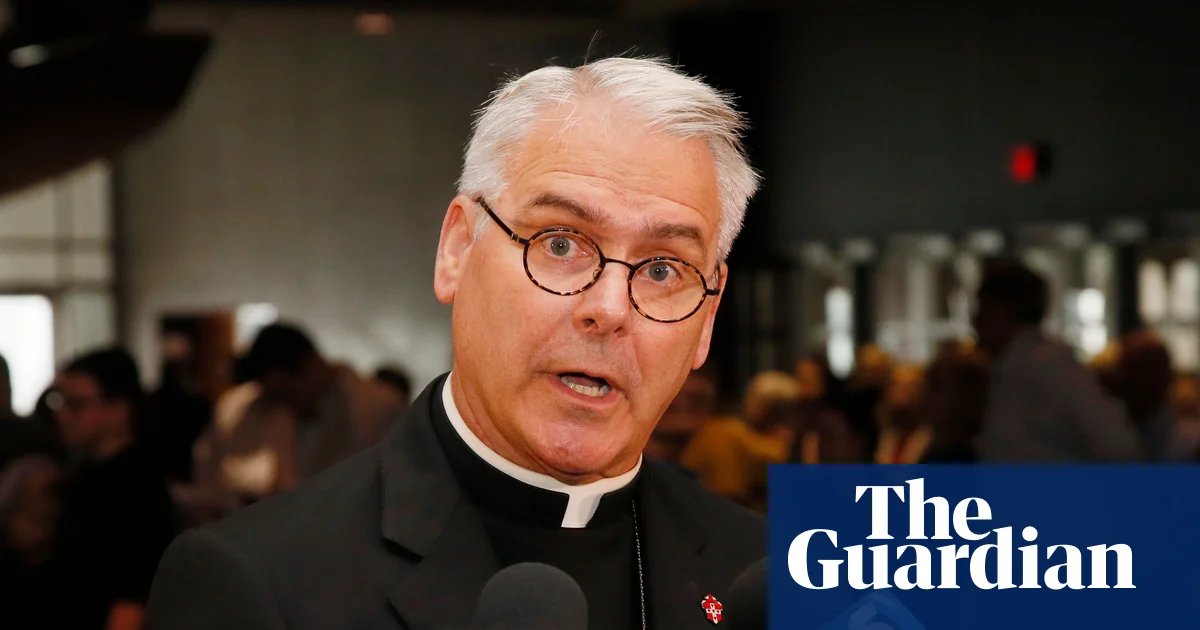
In a decisive move reflecting the deepening ideological divide within America, the U.S. Catholic bishops have elected Archbishop Paul Coakley of Oklahoma City as their new president. His victory underscores a clear shift toward a conservative, culture-war orientation, positioning the church leadership in alignment with the policies of Donald Trump‘s administration. The vote, held amidst a landscape of internal division within the American hierarchy, reveals how longstanding religious institutions continue to influence, and are influenced by, broader geopolitical and cultural battles. The selection of Coakley, known as a staunch conservative with ties to the powerful Napa Institute, signals a strategic emphasis on defending traditional values against perceived societal erosion—a move that resonates beyond national borders, impacting the Church’s global posture.

Meanwhile, the bishops’ stance on immigration highlights the complex interplay between religious morality, national sovereignty, and international diplomacy. Despite their conservative leanings, the bishops have publicly affirmed their support for migrants, condemning harsh policies enacted under the Trump administration that have marginalized and detained countless individuals. Analysts from organizations like the International Crisis Group warn that such internal church debates mirror a larger geopolitical fissure: the clash between sovereign border control and international human rights standards. The bishops’ letter to the Vatican emphasizes their intent to stand with migrants, asserting that “the right to worship and due process” must be safeguarded, even as federal policies tilt toward stricter enforcement. This internal debate echoes in Europe and other regions, where migration remains a flashpoint of political conflict, and religious leaders are increasingly vocal about humanitarian obligations.

The international community watches intently as these internal church dynamics unfold amidst a global landscape riddled with uncertainty. The Vatican’s papal leadership, especially under Pope Leo XIV, whose recent call for “deep reflection” on the treatment of detained migrants, reflects a nuanced desire to influence American policy from within. Yet, their influence risks being overshadowed by the hardline policies embraced by segments of the global far right, which see in migration a threat to national identity and sovereignty. Prominent historians and geopolitical analysts argue that the internal polarization within the Catholic Church parallels the wider geopolitical shift toward nationalism and populism. The outcome of this internal religious struggle, coupled with national policy decisions, will almost certainly influence how nations cooperate—or clash—over issues of border security, migration, and human rights.

As this complex web of internal church politics and international relations continues to evolve, the weight of history presses heavily on future generations. The decisions taken now—whether to fortify national borders or to champion inalienable human dignity—will define the character of the 21st century. The world watches with bated breath, knowing that the lines of faith, policy, and power are converging in ways that could shape the global order for decades to come. The question remains: will the church and world leaders alike choose unity over division, or will this chapter of history be etched with further conflict, silence, and unresolved tensions—leaving future generations to navigate the fallout of decisions made in this pivotal moment?

Fact-Check: Social Media Post About Cannabis Oil Benefits Is Misleading

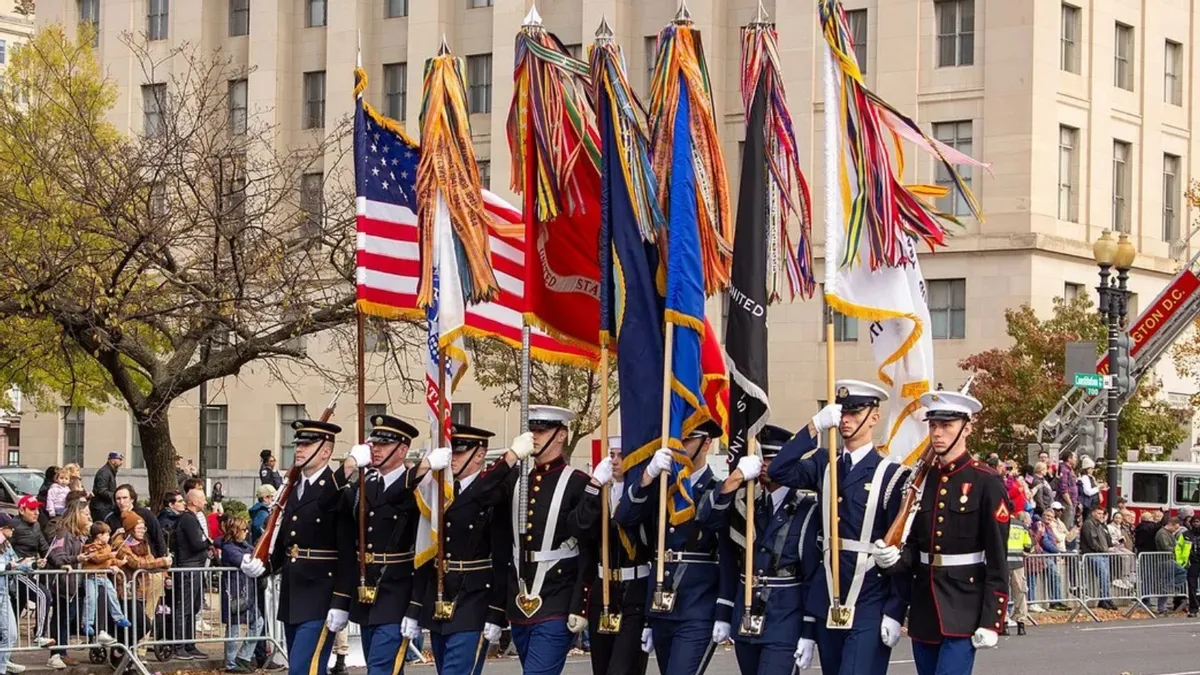
Fact-Checking: Did President Dwight Eisenhower Issue the First Veterans Day Proclamation in 1954?

Recent claims suggest that U.S. President Dwight D. Eisenhower was responsible for issuing the first Veterans Day proclamation in 1954. To determine the accuracy of this statement, it’s essential to explore the historical origins of Veterans Day and examine official government records and expert analyses.

Historical Background of Veterans Day

Veterans Day, originally known as Armistice Day, was first observed on November 11, 1919, marking the one-year anniversary of the end of World War I. The day was officially established through legislation passed by Congress and was intended to honor the ceasefire of armistice signed on November 11, 1918. President Woodrow Wilson was the first U.S. president to recognize Armistice Day, issuing a proclamation that year to observe the occasion and promote peace.

Over subsequent decades, the observance of the holiday evolved. President Franklin D. Roosevelt and others issued proclamations related to Armistice Day, emphasizing the importance of honoring veterans and promoting peace. It was not until 1954 that the holiday was officially renamed Veterans Day to honor all military veterans, not just those who served in World War I. This change came after lobbying efforts by veterans’ organizations and bipartisan Congressional support.

Dwight Eisenhower’s Role in Veterans Day

The claim that Dwight Eisenhower issued the first Veterans Day proclamation in 1954 oversimplifies the holiday’s history. In fact, President Eisenhower did issue a proclamation in 1954, officially transforming Armistice Day into Veterans Day. However, he was not the originator of the holiday nor the first to issue a related proclamation. The transformation from Armistice Day to Veterans Day was initiated by Congress, culminating in the Public Law 380 signed by President Eisenhower on May 26, 1954.

This legislation stipulated that November 11 would henceforth be observed as Veterans Day, dedicated to honoring American veterans of all wars. Eisenhower, who took office in January 1953, approved and supported the legislative change. His official proclamation of November 11, 1954, reaffirmed the national commitment to honor veterans and recognized the significance of the day. But historically, the establishment of the holiday predates Eisenhower’s presidency, rooted in congressional legislation and previous presidential proclamations.

Sources and Expert Opinions

  • The U.S. Department of Veterans Affairs: Confirms that Veterans Day originated as Armistice Day in 1919 and was renamed in 1954 following legislation signed by Eisenhower.
  • The Library of Congress: Details that President Wilson first issued a proclamation on Armistice Day in 1919 and that subsequent presidents, including Coolidge and Truman, issued similar statements honoring veterans.
  • Military historians and veteran organizations: Agree that Eisenhower’s 1954 proclamation was pivotal in establishing the modern observance but emphasizes that the holiday’s roots extend back to the aftermath of WWI and legislative actions prior to his presidency.

Conclusion: Clarifying the Timeline of Veterans Day

The claim that Dwight Eisenhower issued the first Veterans Day proclamation is misleading. Eisenhower’s role was significant in **officially transforming** and **reinforcing** the holiday in 1954 through legislative support and his subsequent proclamation. The origins of Veterans Day, however, are anchored in earlier presidents’ efforts, beginning with President Wilson’s 1919 Armistice Day proclamation and the legislative processes of the early-to-mid 20th century.

Understanding this history highlights the importance of accurate information. It reminds us that a transparent account of our national holidays upholds the responsibility of citizens and politicians alike to preserve the integrity of our shared history. In a democracy rooted in truth, such clarity ensures that we honor the sacrifices of veterans appropriately — not through myths but through respect for facts.

Score Big: Over 10 Must-See Early Black Friday Apple iPad Deals for the Trendsetters

The Rise of Early Black Friday Apple iPad Deals and Their Cultural Significance

As Black Friday approaches, a shift in consumer behavior is underway that reveals much about our evolving social norms and relationship with technology. Traditionally seen as a single, explosive shopping event in late November, the holiday season now kicks off early, with tech giants like Apple leading the charge in offering substantial discounts on their most coveted devices. This phenomenon is more than mere consumerism; it is a reflection of changing social values and the heightened importance of digital connectivity among young Americans. The early bird gets the deal—and for many, that means securing the latest iPad models at prices that highlight an increasingly competitive landscape among major retailers.

Influencers and tech analysts now recognize that these early deals shape a new cultural narrative: the merging of lifestyle enhancement with practical productivity. For instance, brands like Amazon, Best Buy, and Walmart are competing head-to-head, spotlighting not only savings but also the social status that comes with owning cutting-edge Apple gadgets. The iPad Pro, for example, is on sale for up to $200 off, with models like the 13-inch M4 chip variant already chilling at close to its historic low of $1,299. This is significant—especially when considering how such devices are now embedded in our identity as digital natives. The graying line between work and leisure continues to blur as young users embrace tablets not just for entertainment but as essential tools for education, content creation, and social connection.

Beyond the pricing hacks and flash sales, these tech discounts serve as a marker of a broader societal shift—a shift towards prioritizing digital fluency and self-optimization. Sociologists suggest that Early Black Friday deals on tools like the iPad Air and iPad Mini mirror the ambitions of a generation eager to leverage technology to shape their future. Experts observe that this trend emphasizes a collective aspiration for innovation and self-reliance. A prime example: the iPad Air in a vibrant purple or sleek blue, now offered at nearly $50 off, symbolizes not just affordability but a form of lifestyle branding—an emblem of youth empowerment in the digital age. These devices are not mere gadgets; they are *extensions* of our identity and social capitalization.

But here’s the next big question: as these early Black Friday deals become the new norm, are we witnessing a permanent shift in how the younger generations approach consumerism and technology? Will the accumulation of digital tools redefine notions of status, productivity, and community? Influencers and tech futurists are already debating whether this early shopping frenzy signals a predictable evolution or a disturbance in the traditional retail calendar. What remains clear is that the cultural impact of snagging your latest iPad at a discounted rate may be just the beginning—prompting us to ask whether the future of society will be more driven by *early adoption* and *digital identity* than by the conventional rhythms of commerce.

El-Fasher hospital worker warns of chilling terror ahead of suspected massacre exit

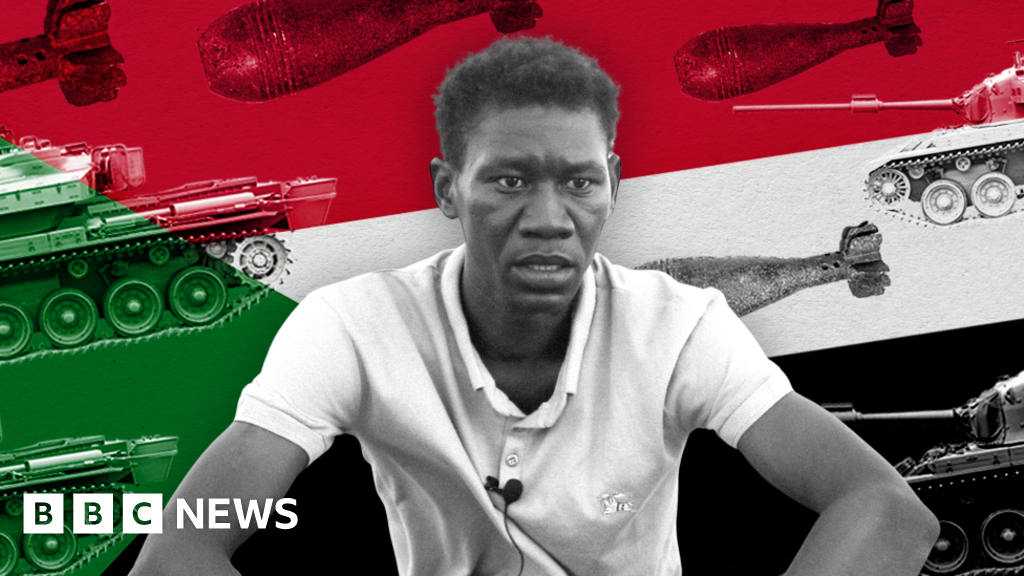
The ongoing Sudanese civil conflict has reached a catastrophic turning point with reports of mass atrocities in the city of el-Fasher. Since April 2023, a brutal power struggle between the Sudanese army and the Rapid Support Forces (RSF) has torn a nation apart, plunging countless lives into chaos, suffering, and despair. The recent escalation, especially in the western region, exposes a heartbreaking decline of humanity amid an already fragile geopolitical landscape. An eyewitness account from Abdu-Rabbu Ahmed, a doctor who survived the massacre at the Saudi Hospital, describes scenes of terror — bodies burned and buried in makeshift graves, hospitals devastated, and families shattered by violence. As analysts from international organizations highlight, this conflict is more than a domestic power struggle; it threatens regional stability and underscores the dangerous consequences when geopolitical interests collide with human rights.

Growing evidence indicates that the fighting has resulted in widespread atrocities, with satellite imagery suggesting the possibility of mass graves in el-Fasher’s hospitals and surrounding areas. Humanitarian agencies, such as the World Health Organization, condemn these acts as atrocities, while the RSF dismisses such allegations as propaganda, claiming all hospitals are abandoned. However, firsthand reports tell a starkly different story: witnesses describe bodies being dumped and set ablaze, medical staff kidnapped, and innocent civilians killed indiscriminately. These narratives, corroborated by satellite data and investigative footage, paint a grim picture of a city under siege. Historians and military analysts warn that such patterns of violence could establish a dangerous precedent for future conflicts in Africa and beyond, potentially destabilizing fragile states and encouraging similar tactics in regional insurgencies.

The geopolitical impact of this crisis extends far beyond Sudan’s borders. As neighboring nations grapple with the influx of refugees and displaced persons, global powers are divided in their responses, with some calling for intervention and others urging caution. The United Nations and regional bodies face mounting pressure to broker ceasefires, but institutional paralysis often hampers decisive action. Meanwhile, broader geopolitical interests — including strategic alliances, resource control, and influence over the Horn of Africa — complicate efforts to stabilize the country. Critics argue that foreign governments, by engaging in selective diplomacy, inadvertently embolden factions such as the RSF, worsening the humanitarian catastrophe. The loss of hope among Sudanese civilians, like Abdu-Rabbu Ahmed, serves as a stark warning of how international indifference can accelerate societal collapse. As the world’s gaze remains fixed on the unfolding chaos, many ask: how much longer can this cycle of violence continue before it tears the region apart?

The appalling images and testimonies emerge amid warnings from historians and political analysts that Sudan’s disintegration could ignite regional conflicts, drawing in rival states and creating a breeding ground for terrorism. The escalation demonstrates how international decisions—whether through embargos, peacekeeping missions, or diplomatic intervention—directly affect societal stability and the safety of millions. The conflict’s recent atrocities serve as a brutal reminder that the weight of history continues to unfurl, with each passing day shaping the future of a nation and the broader geopolitical universe. As Sudan’s cities burn and families flee, the silent question lingers: will the international community step up, or will Sudan be consigned to the pages of history as another victim of failed diplomacy and moral neglect?

Four Challenges on the Horizon as House Moves to End the Shutdown — What Young Americans Need to Know

Amidst the chaos of ongoing political tug-of-wars in Washington, the nation’s focus turns to the impending budget battle in the House of Representatives. As the longest government shutdown in U.S. history threads into the past, the current financial debate centers on an issue that touches everyone—healthcare affordability. The primary obstacle remains whether House Republicans will support the renewal of tax credits that help 24 million Americans maintain accessible insurance. While the Senate, under the influence of conservative voices, has taken tentative steps toward extending subsidies, the House leadership, spearheaded by Speaker Mike Johnson, remains cautious, likely hesitant to commit to votes that could risk political fallout. With the clock ticking, all eyes are on whether these vital safety nets will survive the partisan crossfire, or if the US will face another surge in healthcare costs.

This contentious debate about healthcare subsidies exemplifies a broader ideological divide—one between those prioritizing fiscal responsibility and those fighting for social safety. Conservative voices, such as Marjorie Taylor Greene, warn against any move that could cause premiums to skyrocket, emphasizing that healthy, affordable insurance is a cornerstone of American vitality. Meanwhile, Democrats, energized from recent election wins, argue that cutting these tax credits would be a setback for everyday Americans who rely on affordable coverage to stay healthy, especially amid rising healthcare costs. The political stakes are high, as a failure to extend these credits risks not just financial hardship for millions but also tarnishes the credibility of a government purported to serve its citizens’ interests. Citizens are watching, their health directly linked to national political will and leadership.

Beyond healthcare, the debate highlights a deeper cultural shift centered on personal responsibility and self-reliance. As fiscal hawks push for tighter spending controls, including income caps and direct aid to individuals, renaissance thinkers like Jordan Peterson and Ben Shapiro encourage a return to the values of individual empowerment. The narrative is shifting away from dependence on government assistance and toward embracing a lifestyle rooted in personal impact. For the youth, especially, this signifies an awakening—an opportunity to forge a path where wellness hinges on personal choices, resilience, and a pragmatic outlook on government’s role. For many, this isn’t just about fiscal policy; it’s about reclaiming agency and shaping a life where freedom fuels wellbeing and independence.

  • Stay informed about potential travel delays—they’re inevitable as staffing for air traffic controllers faces constraints.
  • Focus on self-care and wellness routines that enhance resilience during uncertain times.
  • Engage with trusted voices advocating personal responsibility and prudent fiscal policy to understand the larger picture.

As political debates continue to unfold, it’s important to remember that life is a journey, where every decision—from voting to personal health choices—shapes our collective future. In a world where government and individual responsibility are intertwined, finding balance is the key. The current moment in American politics underscores a crucial lesson: true wellbeing isn’t solely dependent on policy, but on how each of us chooses to navigate the complexities of modern life with integrity, hope, and purpose. In this moment of flux, perhaps the greatest power lies in our ability to adapt, stay grounded, and embrace the timeless values that foster a resilient and prosperous society.”

Turkey calls for over 2,000 years in prison for Istanbul’s popular Mayor Imamoglu

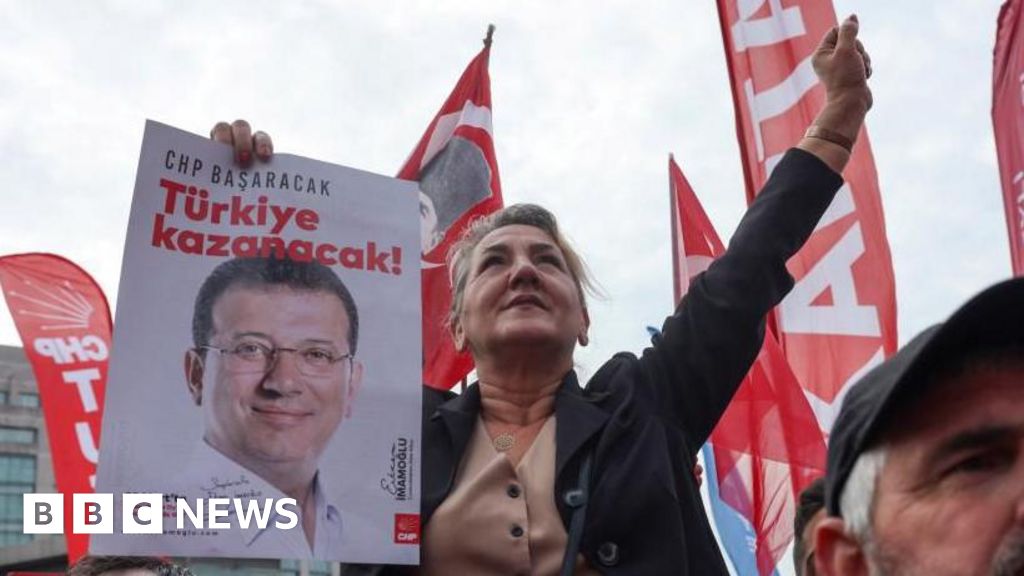
In a move that has sent shockwaves through Turkey’s political landscape, the mayor of Istanbul, Ekrem Imamoglu, faces a barrage of serious charges that threaten to reshape the nation’s trajectory. The prosecutor’s office in Istanbul has leveled accusations of 142 counts of corruption, bribery, and money laundering, claiming that Imamoglu was at the helm of a sprawling criminal network. Such allegations, if proven, could lead to a combined jail sentence exceeding 2,400 years — a staggering figure that underscores the gravity of what some analysts are calling an attempt to quash Turkey’s most prominent opposition figure.

The charges against Imamoglu, who achieved national prominence by defeating President Recep Tayyip Erdogan’s allies in the 2019 mayoral race and securing a landslide victory in April 2024, are widely viewed as a politically motivated crackdown. His supporters and opposition leaders alike argue that this move is aimed at dismantling the secular CHP’s strongest presidential contender for 2028. The Turkish government denies political bias, insisting that the judiciary operates independently and that these prosecutions are based on concrete evidence of corruption. Yet, many international observers, including analysts from the European Union and human rights watchdogs, see this as part of a broader pattern of eroding judicial independence under Erdogan’s increasingly authoritarian rule.

What makes Imamoglu’s case particularly significant is how it exemplifies the *turning point* in Turkey’s domestic politics — a nation increasingly polarized, with political rivals retreating into entrenched factions. Imamoglu, a figure representing secularism and democratic principles, has articulated a vision of reform that resonates with millions of Turks weary of authoritarian overreach. His detention, coupled with accusations of espionage, forging documents, and engaging in a criminal conspiracy, frames a critical geopolitical impact: Turkey’s internal political turmoil could ripple outward, unsettling regional stability and complicating its relations with Western allies. As society watches, the President’s supporters argue that this is a necessary step to root out deep-seated corruption, while opponents warn of the rise of a political witch-hunt disguised as justice.

Historically, such tactics — where judiciary processes are weaponized against opposition leaders — have been observed in other regimes transitioning from democratic ideals towards authoritarian consolidation. The United Nations and European Union have both expressed cautious concern over the increasing politicization of Turkey’s judiciary. Meanwhile, regional powers such as Greece and Europe are keenly monitoring the unfolding crisis, aware that Turkey’s internal stability directly influences broader geopolitical fluidity, especially in the context of conflicts in the Middle East and NATO dynamics.

As Imamoglu faces what many see as an orchestrated attempt to eliminate the opposition, the future of Turkey’s democracy hangs in the balance. His case has ignited protests across Istanbul and beyond, underscoring a profound societal divide. The decision of the courts next will forever shape the historical narrative of the nation: whether Turkey will regain its democratic footing or spiral further into a dangerous era of political repression. With history’s pen poised on the edge of a new chapter, the world remains watchful — for in Turkey’s fate lies a commentary on the resilience of democracy itself. The echoes of this tumult are sure to resonate, leaving a legacy that future generations will scrutinize — a story still being written with every bold step and every heavy silence in the corridors of power.

Squid Game star cleared of false misconduct allegations

The recent legal developments surrounding South Korea’s beloved actor O Yeong-Su, star of the global sensation Squid Game, underscore the complex intersection of fame, justice, and societal values in the modern era. Initially charged with allegations of sexual misconduct dating back to 2017, the case has ignited fierce debates both domestically and internationally about the boundaries of truth and the impact of social narratives. The court’s decision to overturn the guilty verdict and acquit O Yeong-Su raises vital questions about how nations grapple with accusations that threaten to tarnish cultural icons, especially when the alleged crimes are distant in time and clouded by evolving memory and societal pressures.

Turning Points in Justice and Cultural Shifts

  • In 2022, O Yeong-Su was convicted and sentenced to an eight-month suspended prison term, a verdict that immediately sparked outrage among feminist groups and social advocates who accused the justice system of shielding abuses within South Korea’s theatre and entertainment spheres.
  • However, in a dramatic turn, the Suwon District Court in South Korea overturned this conviction in 2024, citing the possibility that the victim’s memory could be distorted over time and noting her apology during the legal proceedings.
  • This decision has intensified the ongoing debate about the treatment of sexual assault allegations in a society where traditional values clash with progressive calls for accountability, especially within the arts and cultural sectors.

Distinguished **analysts** and **historians** have warned that such cases become pivotal points for the nation’s moral and judicial trajectory. They underscore the importance of safeguarding the presumption of innocence while confronting the societal undercurrents that influence public perception and legal outcomes. How South Korea balances these factors now will influence its legal worldview and societal cohesion for generations to come.

Implications for Global Perception and Social Justice

South Korea’s case is not isolated; it reflects a broader shift seen across several societies where public accountability collides with cultural sensitivities and social media’s influence. For international institutions, such as the United Nations and various human rights organizations, the verdict embodies a critical lesson: social justice must not be weaponized to silence dissent or protect the powerful. Yet, it also highlights the danger of rushing to judgment, especially when legal proceedings hinge on memories that can evolve or be tainted by societal biases.

As global eyes watch, escalating tensions could foment a precipice where justice and political correctness are misaligned. The case echoes debates about sexual violence in the *meToo* era but also reveals the potential for societal backing of such allegations to be manipulated, ultimately endangering genuine victims and fostering skepticism that undermines the very causes these movements seek to champion.

In the broader context, North Korea, China, and other authoritarian states observe these fissures cautiously. Their leadership likely perceives these controversies as opportunities to reinforce control over cultural narratives, positioning themselves as the guardians of tradition against what they portray as Western-influenced social liberalism. Conversely, Western and liberal societies risk sliding into complacency or overreach, as seen in instances where justice appears compromised or manipulated for ideological gain.

What Lies Ahead: The Weight of History

The case of O Yeong-Su is more than a trial of an individual; it embodies how nations confront their evolving moral standards amid a rapidly changing world. Historians project that the decisions made now will echo for decades, shaping how future generations perceive justice, arts, and societal accountability. With the weight of history bearing down, the ongoing tug-of-war between tradition and progress continues to carve its mark across East Asia and the globe at large. As the story unfolds, the world watches a society at a crossroads—where every verdict, every social debate, becomes a chapter in history’s relentless march towards an uncertain future.

Islamabad Bombing Claims 12 Lives, Authorities Vow Justice

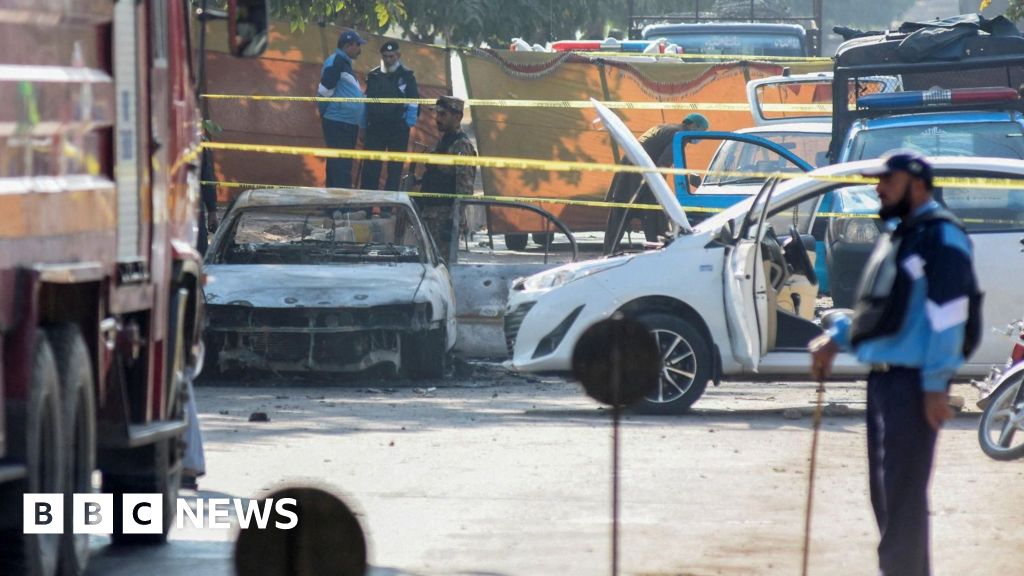
The recent suicide attack in Islamabad, resulting in the loss of 12 lives and devastating injuries to at least 27 others, underscores a troubling resurgence of violence in the heart of Pakistan. This attack, occurring outside a district courthouse, marks a significant deviation from recent trends, as Islamabad had largely been spared from the wave of terrorist violence that afflicted other regions of the country over the past few years. Pakistani authorities swiftly denounced the act, with Interior Minister Mohsin Naqvi emphasizing their resolve to identify and bring the perpetrators to justice. The incident, occurring at 12:39 local time, is a somber reminder of the complex internecine conflicts, regional insurgencies, and internal political strife that continue to threaten stability in this nuclear-armed nation.

Analysts suggest that this surge in violence may be indicative of deeper geopolitical shifts and internal struggles for power. Historically, Pakistan’s internal security has been challenged by militant groups linked to both state and non-state actors, often exploiting geopolitical tensions between neighboring India, Afghanistan, and superpower influences from China and the United States. The timing of this attack—coming three years after Islamabad’s last major suicide bombing—raises questions about the effectiveness of the country’s counter-terrorism policies. According to respected geopolitical analyst Rajat Sharma, such acts of violence are “a reflection of the fragile stability that underpins Pakistan’s internal security apparatus, especially in a regional climate heavily influenced by contestation over influence and sovereignty.”

In the broader context, this incident may also impact international perceptions of Pakistan. The United Nations and various regional watchdogs have often warned that fragile security in countries like Pakistan could serve as a catalyst for destabilization across South Asia. The Pakistani government now faces increased scrutiny from allies and adversaries alike—ewn governments seek stability, while militant factions aim to destabilize. As President Asif Ali Zardari condemned the attack, many regional experts pointed out the importance of strengthening societal resilience and security agencies, or risk allowing these acts of terror to spiral into broader chaos with unpredictable, possibly global, repercussions.

Historically, Islamabad’s last major terrorist event was three years ago, yet the recurrence of such violence indicates a persistent threat that could deepen regional instabilities. The international community, including actors like Russia and China, closely monitors Pakistan’s trajectory, aware that its internal security deeply influences regional and even global geopolitical balance. The significant costs of mounting internal conflicts are not only measured in lives lost but also in the fragility of international alliances, trade routes, and strategic interests spanning from the Middle East to Asia. As the dust settles over the charred remains of the scene, the weight of history presses down—these moments, fleeting yet profound, continue to shape the course of an increasingly interconnected world. Today’s violence in Islamabad could be a harbinger of renewed instability, a reminder that in the theatre of geopolitics, the stakes are nothing short of global security itself.

Social Media Auto Publish Powered By : XYZScripts.com