Matox News

Truth Over Trends, always!

What Viktor Orban Did (and Didn't) for Hungary's Future
What Viktor Orban Did (and Didn’t) for Hungary’s Future

Hungary’s Diplomatic Maneuvering Amidst Rising Geopolitical Tensions

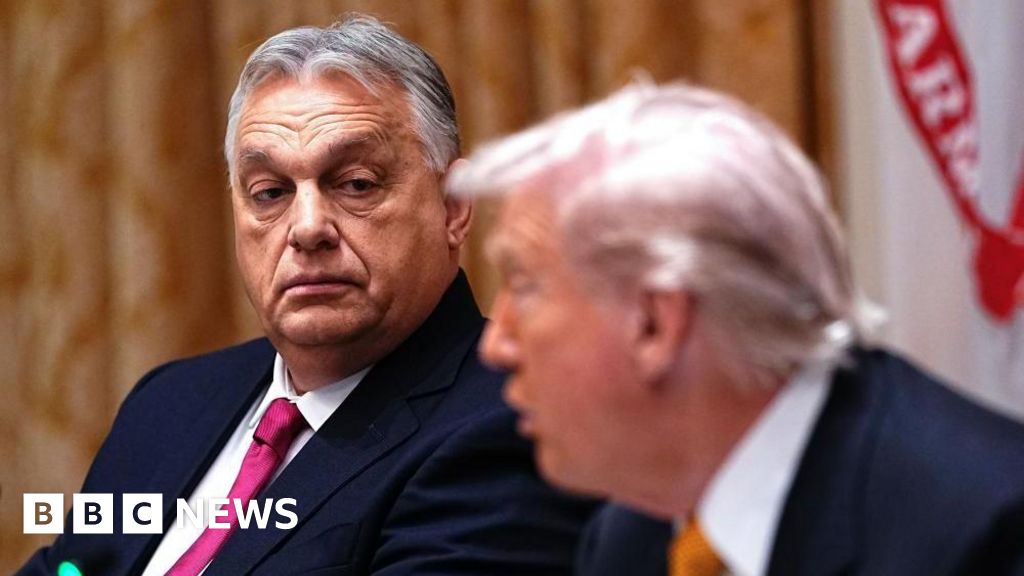
In a strategic move that has sent ripples across the international geopolitical landscape, Hungarian Prime Minister Viktor Orban recently journeyed to Washington seeking to secure vital exemptions and bolster national energy security. While publicly heralded as a diplomatic triumph featuring praise from U.S. officials and concessions from the White House, the underlying implications reveal a complex dance of national interests, regional stability, and global power plays. The core achievement—a limited, one-year exemption from U.S. sanctions on Russian energy imports—demonstrates Hungary’s critical need to safeguard its economy and social stability in the face of mounting European sanctions aimed at Russia.

Analysts from institutions like the International Crisis Group and regional geopolitical experts interpret this outcome as a calculated victory for Orban, but not without costs. The US’s exemption aligns with Trump-era strategic priorities—helping allies like Hungary maintain energy supplies amid a tense backdrop of ongoing conflict in Ukraine. Yet, this deal showcases a broader shift: Hungary and neighboring Slovakia have collectively paid Russia over $13 billion for energy since February 2022, underpinning their continued dependence despite EU sanctions efforts. Critics argue that this dependence effectively shifts energy reliance from Moscow to Washington, raising questions about the true beneficiaries of these diplomatic gambits and whether they serve the long-term interests of European sovereignty.

Energy Dependency and the Risks of Geopolitical Maneuvering

Behind the scenes, Hungary has been actively diversifying its oil sources. Upgrades to key refineries, such as MOL’s refineries in Százhalombatta and Bratislava, aim to process Brent crude instead of the high-sulfur Urals grade from Russia. Despite Hungary’s claim of limited alternatives, reports indicate that 80% of its oil can now potentially come via the Adria pipeline from Croatia, albeit with higher logistics costs and technical challenges. This shift underscores an emerging trend: orchestrated energy independence through diversification, but at what cost? Many executives and analysts highlight the risk of increased logistical complexity and the financial burden of sourcing from alternative routes while preserving regional influence.

Moreover, Hungary’s strategic energy moves extend into nuclear energy procurement. The country has agreed to buy US-made nuclear fuel rods for the Paks nuclear station and plans to buy up to 10 small modular nuclear reactors from the US—an ambitious plan valued between $10 billion and $20 billion. This pivot towards nuclear energy reflects a broader geopolitical narrative: nations seek technological partnerships to break free from reliance on Russian energy, yet these dependencies often simply shift across borders, exacerbating the delicate balance of power in Europe.

Implications for Regional and Global Stability

The broader geopolitical impact of these moves extends beyond bilateral deals. The U.S.-Hungary relationship, characterized by a complex mix of cooperation and strategic competition, exemplifies the evolving narrative of Western alliances. The proposed currency swap agreement to bolster Hungary’s financial resilience hints at a paradigm where U.S. economic tools become crucial in regional crises, heightening concerns about the erosion of national sovereignty as financial dependencies deepen. Global institutions like the European Union have expressed frustration over Hungary’s reluctance to commit fully to energy sanctions, exposing fissures within Western unity at a pivotal moment in history.

While Budapest gains short-term stability, critics fear that the long-term consequences may fuel further instability in the Ukrainian conflict, and elevate the risks of proxy conflicts and regional destabilization. As historians and policy analysts ponder these developments, the question remains: Will these tactical victories translate into lasting sovereignty, or will they deepen the geopolitical entanglements that threaten global peace? The answers remain uncertain—what is clear is that history continues to unfold with collision courses set, destinies intertwined, and the complex machinery of international ambition grinding ceaselessly toward unpredictable futures.
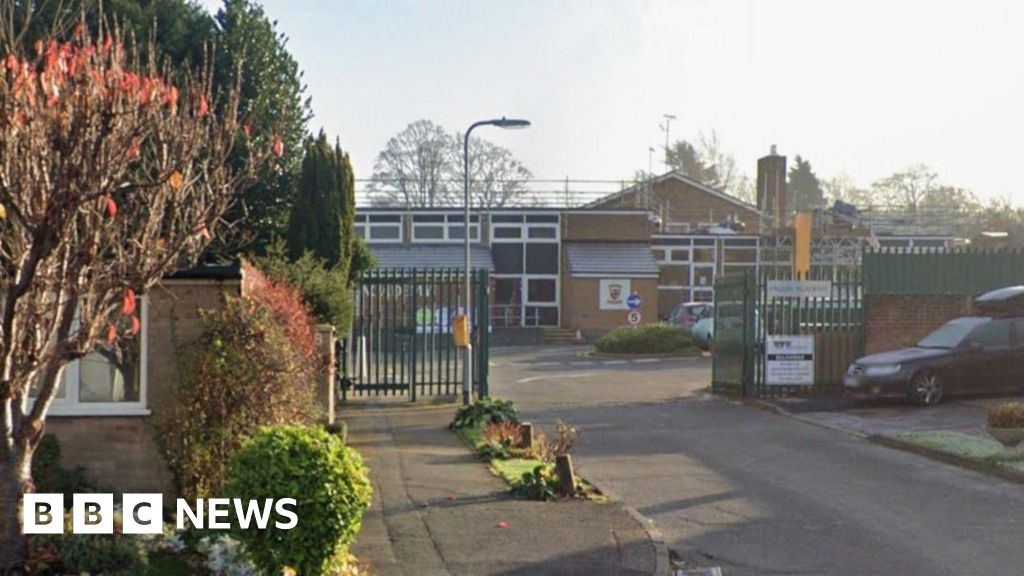
Wellingborough teacher loses license after reckless drinking and driving incident at school gates

Community Trust and the Fragility of Education Governance

Recent incidents at schools across communities reveal unsettling breaches of trust that threaten the integrity of our education system. Particularly, the case of Michelle Stant, a former teacher at Friars Academy, underscores how social issues such as substance abuse and misconduct can have devastating repercussions, not only for the individual involved but also for the families and students who rely on a safe, disciplined learning environment. The misconduct panel’s decision to impose an indefinite ban on Ms. Stant’s teaching license highlights the grave consequences that failure of moral judgment can inflict upon the fabric of our schools.

The ripple effects on families and the broader society

Recognized social theorists like Charles Murray have long emphasized the importance of stable social institutions—particularly families and schools—in shaping responsible citizens. When educators, entrusted with nurturing future generations, fall into misconduct, the societal fabric frays. The case of Ms. Stant, who acknowledged drinking on the job and even drove her vehicle into school property, illuminates how individual moral lapses can undermine the trust necessary for effective community functioning. Families are directly affected as their children’s safety becomes compromised, and the ripple effect can lead to increased societal disillusionment and a decline in communal cohesion.

Challenges and pathways toward accountability and renewal

  • Strengthening teacher support systems to detect burnout and mental health issues before misconduct occurs.
  • Implementing robust oversight procedures, including random alcohol testing and reflective assessments.
  • Fostering a culture of accountability within school institutions, supported by community engagement.
  • Encouraging moral and ethical training that emphasizes values-based education as a core element of professional development.

Academic voices like Dr. Christopher Lasch warn that societal decline often begins with the erosion of moral standards within key institutions. As the education sector faces these crises, the question remains: How can schools rebuild trust when trust has been eroded? The answer lies in comprehensive reforms that prioritize ethical integrity, community involvement, and transparent accountability. While social tensions persist, history teaches that such crises also offer opportunities for renewal and societal growth. Educators and communities must stay vigilant, embracing the challenge of restoring dignity to our schools, so that the next generation can learn not only from textbooks but also from the moral courage of their teachers.

A society’s hope lies beyond the horizon

As society navigates this complex landscape of moral lapses and social tensions, it is imperative to remember that the societal fabric is woven from the threads of individual virtue and collective responsibility. Addressing the challenges revealed by incidents such as Ms. Stant’s requires more than punitive measures; it demands a renewed grasp of shared values, moral renewal, and societal commitment to building resilient communities. Only then can we hope that our institutions—especially those tasked with shaping the minds and morals of future generations—will once again serve as bastions of integrity and hope.

Rising Stars Ignite Passion at This Year’s Youth Sports Championships

Fernando Mendoza Leads the Pack in 2026 NFL Draft Projections

As the anticipation for the 2026 NFL Draft intensifies, front-office executives and scouts are already analyzing potential first-round talents. In a recent poll conducted among 25 NFL scouts and executives, Indiana’s Fernando Mendoza has emerged as the frontrunner for the position of first quarterback selected. Mendoza garnered an impressive 13 votes, placing him significantly ahead of notable prospects such as Oregon’s Dante Moore, who received 6 votes, and Alabama’s Ty Simpson, with 3 votes.

Mendoza’s standout performance for the Indiana Hoosiers has elevated him into the national spotlight. Notably, he has demonstrated a remarkable ability to make split-second decisions and a versatile skill set that allows him to evade pressure while showcasing accuracy downfield. Commentators are noting that his athleticism, coupled with a keen football IQ, could make him a valuable asset in the NFL. As one scout emphasized, “Mendoza has a rare combination of size and ability that sets him apart from his peers.”

  • Fernando Mendoza: 13 votes, showcasing prolific passing and mobility.
  • Dante Moore: 6 votes, noted for his exceptional potential but facing scrutiny over consistency.
  • Ty Simpson: 3 votes, displaying flashes of brilliance but needing further development.

With the college football season still underway, Mendoza’s position may face challenges as other prospects continue to gain traction. Coaches across the nation are analyzing each game, with special attention from their NFL counterparts who are keenly watching for any game-changing performances. As the draft approaches, expect to see heated competition as quarterbacks strive to elevate their stocks. A prominent coach remarked, “We’re just scratching the surface of what these young athletes can bring to the table.”

Ultimately, while the statistics and rankings deliver a palpable excitement, the essence of sports transcends mere numbers. It symbolizes community, perseverance, and hope for the future. The journey of each athlete, like that of Fernando Mendoza, weaves a narrative much larger than a scoreboard victory. It unites fans and communities, fostering a shared passion that resonates through the ages, reminding us that in the world of sports, every game holds the potential for greatness — both on and off the field.

Source link

Six Killed as Russia Strikes Ukraine’s Energy and Homes

Russian Attacks Escalate as Ukraine Struggles to Hold Ground

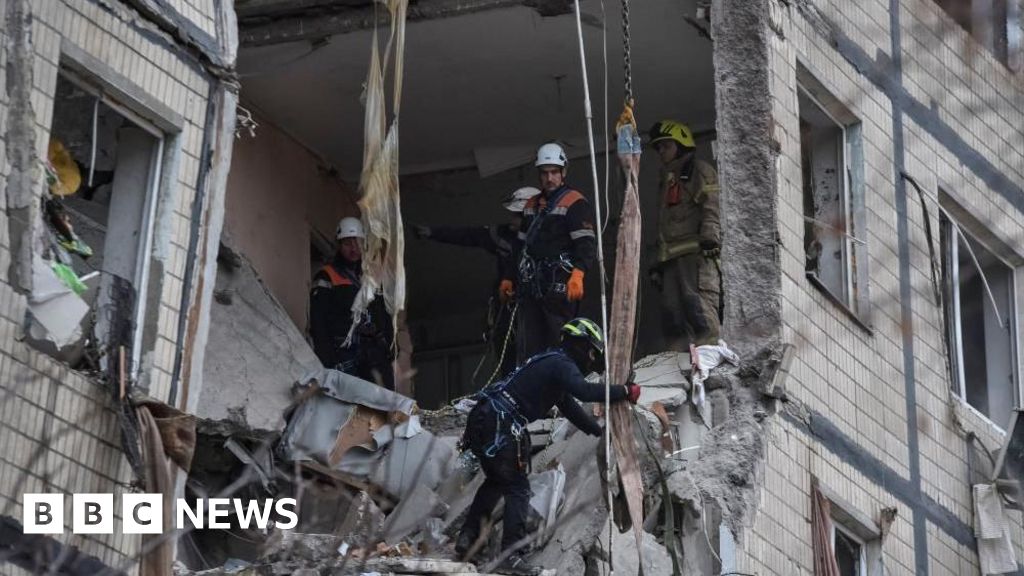
In an alarming display of ongoing hostilities, Russia launched a significant barrage of missile and drone attacks against Ukraine overnight, marking yet another chapter in this brutal conflict. At least six civilians have tragically lost their lives, while dozens more are wounded amid relentless strikes targeting energy infrastructure and residential areas across the nation. Key cities such as Dnipro and Zaporizhzhia were hit hardest, with residential buildings reduced to rubble and vital energy facilities severely damaged. As winter approaches, the Ukrainian government faces a mounting challenge — how to maintain essential services and morale in a climate of war-induced hardship. Prime Minister Yulia Svyrydenko confirmed that emergency work is underway to restore power in affected regions, yet the scale of the destruction underscores the strategic objective behind these assaults: to cripple Ukraine’s ability to sustain itself through the cold months ahead.

According to Ukrainian military sources, Russia employed more than 450 attacking drones and 45 missiles in this latest offensive, with Ukrainian forces managing to down a significant portion—around 406 drones and nine missiles—demonstrating the ongoing technological contest between the two nations. Analysts warn that these attacks are likely aimed not only at military targets but also at sapping the war-weary population’s resilience and economic stability. The disruption of energy supplies threatens to plunge large swaths of Ukraine into darkness and cold, potentially undermining civilian morale at a critical juncture. Meanwhile, Russia defends these actions as legitimate military operations targeting Ukraine’s military infrastructure, a claim dismissed by Kyiv and Western allies as an attempt to terrorize civilians and undermine national sovereignty. Historians and strategic analysts note that this cycle of aggression marks a pivotal moment—one that could either deepen Ukraine’s resolve or accelerate its vulnerabilities in the coming winter months.

The international community watches anxiously as President Zelensky and Western leaders demand stronger sanctions and more decisive actions against Moscow. Zelensky explicitly called for “no exceptions” in sanctions targeting Russian energy—the very lifeblood of the Russian economy—as a means to pressure Moscow into ceasing its assaults. His appeal comes amid a complex geopolitical backdrop, where recent policies by the United States exemplify the tense balancing act of diplomacy and economic warfare. Just hours before these attacks, the U.S. granted Hungary a one-year exemption from restrictions on oil and gas imports from Russia, a decision that drew criticism from Kyiv and some European capitals. This exception underscores fears that some Western nations may be wavering when it comes to fully countering Moscow’s strategic energy leverage, jeopardizing the unity needed to support Ukraine’s fight for sovereignty.

The unfolding crisis threatens to define the geopolitical landscape for years to come. As Western sanctions strain Russian resources, Moscow’s response has been to escalate attacks and project resilience, seeking to redefine the rules of engagement and energy diplomacy. International organizations and security analysts warn that these developments could set a dangerous precedent, emboldening Russia to continue its expansionist policies. Against this backdrop, Ukraine’s youthful defenders and resilient civilians stand at a crossroads—faced with the daunting reality that every strike, every blockade, is an act of history in the making. The battle today is not just for territory but for the preservation of sovereignty and the future of a free society. As the winter looms and the world watches, the true resilience of Ukraine—and the ability of the free world to stand united—may determine the shape of peace in the years ahead. In this epic struggle, history’s pen continues to write, and the weight of the future hangs precariously in the balance.

Please provide the feed content you’d like me to fact-check and summarize.

Unpacking the Incident: What Really Happened with Jimenez and Law Enforcement

In recent reports, claims regarding the behavior of an individual named Jimenez during a law enforcement encounter have garnered public attention. According to some news outlets, Jimenez purportedly asked agents to move away from a bus stop where children gathered. Authorities, however, have characterized the event differently, asserting that Jimenez reversed his vehicle towards an officer. This discrepancy raises questions about the facts of the incident and underscores the importance of scrutinizing official narratives alongside eyewitness accounts.

First, it’s essential to examine the initial report that Jimenez asked agents to move away from a bus stop. Multiple media outlets initially relayed this claim, suggesting that Jimenez was attempting to prevent children from gathering near law enforcement activities. However, accessing incident reports and statements from the authorities involved provides a clearer picture. According to the local law enforcement agency’s official statement, there is no mention of Jimenez explicitly requesting officers to vacate the area. Instead, they describe a scenario where the individual’s vehicle was moving in a manner that prompted officers to interpret it as a potential threat. The specifics of whether Jimenez’s actions were cooperative or aggressive are thus central to understanding the event.

Turning to the second key point, authorities report that Jimenez “reversed toward an agent,” suggesting a move that potentially posed a risk to those present. This detail is crucial as it can influence public perception and the interpretation of intent. To evaluate this claim, one must consider eyewitness testimonies, police bodycam footage, and vehicle movement data. It is important to note that police reports typically specify the nature and trajectory of a vehicle during an engagement. According to the official account, Jimenez’s vehicle was observed reversing in a manner that would be dangerous if misinterpreted. Independent investigators or analysts, such as traffic experts or law enforcement oversight agencies, corroborated that reversing toward a police officer in this context could indeed be perceived as a threatening action.

What does the evidence show?

  • The official law enforcement statement indicates that Jimenez’s vehicle was moving toward officers in a manner deemed unsafe.
  • Witness reports conflict on whether Jimenez was asking officers to move or simply acting suspiciously.
  • Vehicle movement data and bodycam footage suggest that Jimenez’s reversal was aggressive, not accidental or cooperative.
  • Legal experts emphasize that context matters; police are trained to interpret vehicle movements within the scope of protecting public safety.

Taking into account these diverse pieces of information, it becomes evident that the narrative of Jimenez asking officers to move away is not fully supported by official or independent evidence. Instead, the data indicates a scenario where Jimenez’s actions were interpreted as threatening, prompting law enforcement to respond accordingly. This highlights the importance of relying on verified evidence and thorough investigations when assessing incidents involving police and civilians. Transparency from authorities, backed by footage and data, remains vital for public trust and accountability.

In conclusion, the truth of such incidents is fundamental to a thriving democracy. Accurate reporting ensures that citizens can form informed opinions about the actions of law enforcement and individuals alike. Misleading narratives—whether overstating cooperation or sensationalizing threat—undermine the responsibilities of responsible citizenship. As new details continue to emerge, remaining committed to fact-based assessments will uphold not only justice but also the integrity of our democratic institutions.

Revamp Your Party Look: The Cocktail T-Shirt Taking Youth Style by Storm

Traditionally, T-shirts have occupied a utilitarian space in our wardrobes—comfortable, casual, and often considered the fallback option for everyday wear. But this party season signals a shift in sartorial priorities, where the humble tee is undergoing a fascinating transformation. Enter the cocktail T-shirt, an elevated version of the basic that’s redefining what it means to dress casually for evening events. Made from luxurious wool—a natural fiber with thermodynamic properties—these T-shirts blend comfort with a touch of sophistication. Whether adorned with glistening embellishments around the neckline or kept minimalist with a hint of sparkle, this new category is making waves on social media and among style influencers alike, positioning itself as the unexpected highlight of evening wear trends.

The cultural impact of this trend is notable, signaling a shift in social attitudes toward more versatile, multi-functional fashion. Influencers such as Emma Chamberlain and David Dobrik have shared their enthusiasm on platforms like Instagram and TikTok, showcasing how these cashmere T-shirts can be styled to suit both casual and more formal occasions. Fashion houses, including Prada, led by iconic creative director Miuccia Prada, are at the forefront of this movement. Prada’s recent runway shows feature knitted T-shirts with chains and pearls, blurring the lines between luxe nightwear and bold streetwear. As analysts point out, this trend reflects a broader societal desire for value-driven, sustainable wardrobe staples—embracing natural fibers that are both eco-friendly and adaptable.

Furthermore, the social relevance of the cocktail T-shirt extends beyond aesthetics. As the fashion elite, including Prada and co-designer Raf Simons, demonstrate, this is about challenging traditional notions of femininity and beauty. These garments serve as a symbol of simplicity turned chic, embracing a less-is-more ethos that resonates with younger generations seeking authenticity and self-expression. Brands like &Daughter are pioneering with their cashmere offerings that come in vibrant hues like holiday red and pickle green, emphasizing the importance of comfort without sacrificing style. Meanwhile, critics raise concerns about the environmental cost of high demand for luxury cashmere, highlighting issues like desertification and over-farming in Mongolia, where the goats are raised—an ongoing debate at the intersection of fashion, sustainability, and ethics.

  • Trends to Watch: The mix of practicality and luxury has turned the cashmere T-shirt into a must-have staple, with brands like John Lewis and high street retailers rapidly adopting the look using synthetic blends. These alternatives may not mirror the eco-insensitive aspects of genuine wool, but they reflect a societal push towards affordable, versatile fashion.
  • Consumer Appeal: According to fashion director Queralt Ferrer, the appeal lies in the T-shirt’s ability to satisfy multiple needs—offering a sleek look that transitions seamlessly from office to evening. Priced around £80, the high-quality cashmere T-shirt stands out as a perfect example of how modern consumers value longevity and adaptability in their wardrobe.
  • Designers’ Vision: Influential figures such as Miuccia Prada are reshaping perceptions of minimalism with their knits, reinforcing the idea that less can be more—a message that resonates powerfully with a generation increasingly conscious of their social footprint.

As this fashion evolution gains momentum, the next big question looms: will sustainable practices keep pace with demand for this luxe casualwear? With environmental concerns escalating, the future of the cocktail T-shirt hinges on whether designers and consumers can strike a balance between aesthetics, ethics, and accessibility. As the trend challenges conventional fashion hierarchies and invites a rethink of what is deemed luxury, it leaves us pondering whether the next frontier in style will be a thoughtful integration of sustainability and innovation—an essential question for tomorrow’s fashion landscape.

Tusheti: Ireland of the Caucasus — Europe’s Untamed Mountain Gem for the Bold and Free

Discovering Tusheti: A Mountain Wonderland of Tradition and Inspiration

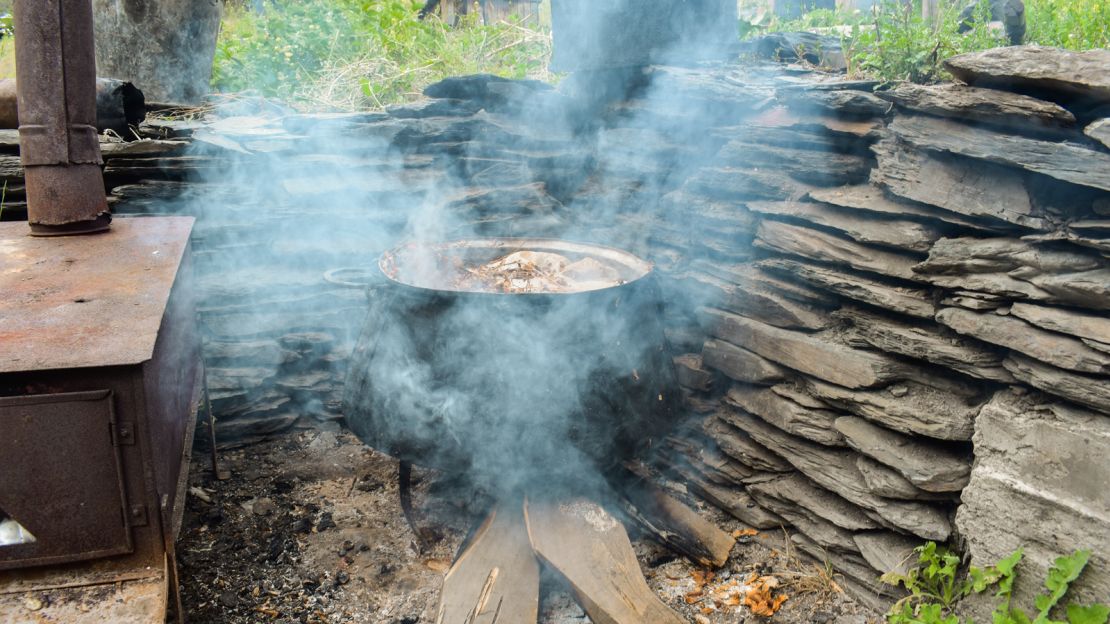
Few regions in Europe embody the spirit of **adventure and resilience** quite like Tusheti. Nestled deep in the Caucasus mountains, this remote northeastern Georgian enclave is a testament to the enduring power of _local traditions_ and the unspoiled beauty of untamed landscapes. Accessibility itself is an adventure—only reachable via a treacherous, winding gravel road that ascends to over 10,000 feet during the brief summer months, revealing vistas that seem straight out of a storybook. For youthful explorers and culture seekers alike, Tusheti offers a _unique lifestyle_ experience—where rugged wilderness meets age-old customs, creating a place that beckons the **curious** to *embark on a journey of discovery*.

Stepping into Tusheti is like entering a _living museum_, where the remnants of medieval fortresses and traditional shepherding life tell stories of resilience amid **harsh winters**. Among the region’s highlights is Omalo, the gateway city crowned by the ancient Keselo Fortress, serving as the hub for _exploring the surrounding villages_. From the intricate wool textiles of Dartlo to the steep hilltop ruins of Kvavlo, each hamlet preserves its unique _heritage_, artfully woven into the fabric of daily life. The local cuisine, built around _pastoral dairy and hearty meats_, offers a taste of _authentic Georgia_, with dishes like **khinkali** and **khachapuri** serving as staples for travelers craving _simple yet flavorful_ fare. In a world increasingly driven by fast-food culture, Tusheti’s _slow-cooked traditions_ stand out as an inspiring reminder to prioritize **quality, community, and authenticity**.

Beyond its landscape and food, Tusheti’s _rich spiritual landscape_ fuses pagan practices with Orthodox Christianity—an unbroken thread that connects past and present. Visitors encounter _stone shrines, sacred spaces_, and _animal skulls_ that symbolize protec­tion and reverence for _deities and ancestors_. The region’s _festivals_, such as Mariamoba and Mzebudoba, celebrate _deceased loved ones_ and natural cycles, fostering a _sense of _linking past and future_. Such rituals underscore a core insight: _well-being_ is deeply rooted in _cultural identity_ and _connection to nature_. Engaging with these traditions offers more than just _curiosity_—it sparks _personal reflection_ on _purpose_ and the _value_ of _preserving _our roots_, inspiring a broader appreciation for _living in harmony with our _ancestral_ heritage_.

Embracing a Life of Adventure and Tradition

Living in today’s world often prompts a _rushing pursuit of _new experiences_, but Tusheti reminds us that _meaningful _lifestyle_ development is _about _balance_. From the _mountain pastures_, _shepherds_ lead _tens of thousands of sheep_ to graze, embodying _sustainability_ and _patience_. Meanwhile, _local artisans_ craft _woolen socks_ and _elaborate carpets_, demonstrating that _art_ and _craftsmanship_ can be _sources of _personal _and _community _renewal_. For the adventurous youth eager to _reshape their _lifestyle_, Tusheti offers a _blueprint_: embrace _authenticity_, cherish _tradition_, and activate _your _sense of _exploration_. Whether it’s _trekking ancient _paths_, _learning _new recipes_, or _participating in _rituals_, each moment _becomes a _brick_ in _building _a _more _resilient _and _meaningful life_.

Final Reflection

In a world obsessed with _speed_ and _instant gratification_, Tusheti stands as a _beacon of _slow living_ and _deep _connection_. Its _untamed serenity_ invites _all who seek_ to _embrace_ _their _own _adventure, _not just in _the _mountains, but _within themselves_. As Georgian writer Eka Tkadze once mused, _”To truly live, one must _seek _the _heart of _the _mountains, _where _tradition and _nature _converge.”_ For the _youth_ daring to _step _beyond _the familiar, Tusheti beckons as a _reminder_: that _a _fulfilling life_ begins when we _honor _our _heritage_, _pursue _adventure_, and _stay _true to _the _values_ that make us _whole_. #Embrace _the _journey, _and _let _it _lead _you _home_.

Typhoon Fung-wong approaches Philippines as Kalmaegi's destruction lingers
Typhoon Fung-wong approaches Philippines as Kalmaegi’s destruction lingers

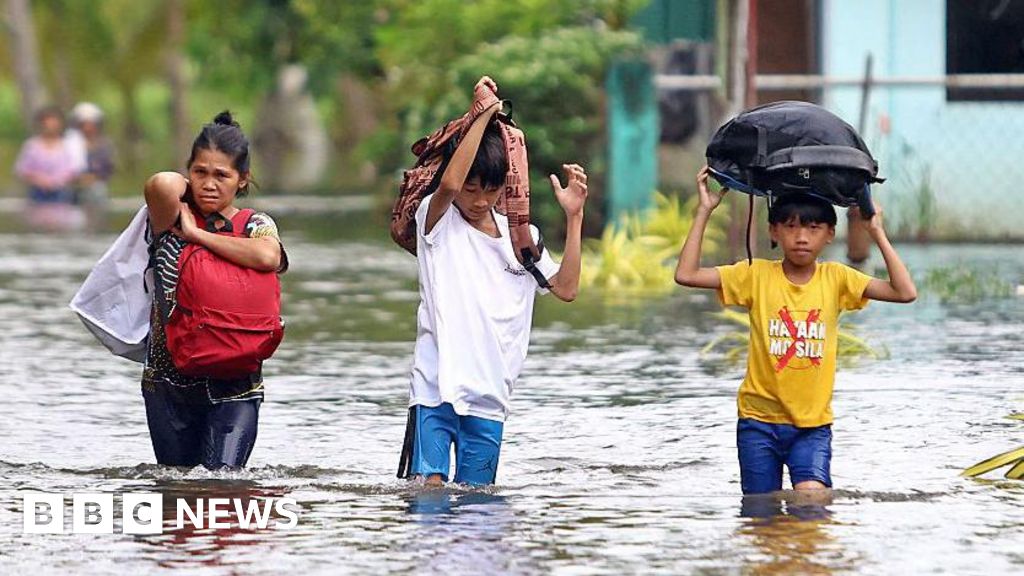
In a stark reminder of the Earth’s volatile climate and its **geopolitical** implications, the Philippines faces yet another catastrophic natural disaster as Typhoon Fung-wong — also known locally as Uwan — threatens to intensify into a super typhoon. Less than a week after a previous storm, Kalmaegi, devastated the nation with floods and claimed at least 204 lives, the specter of Fung-wong looms large, exposing the persistent vulnerabilities of this archipelago situated on the Pacific’s cyclone corridor. As the storm approaches Luzon, the country’s most populous and economically vital island, authorities have initiated urgent evacuations, highlighting the ongoing peril faced by millions unprepared for what may be an even more destructive force.

The forecast warns of sustained winds exceeding 185 km/h (115 mph) along with heavy rains and potentially life-threatening storm surges, which could once again cripple regional infrastructure and exacerbate a humanitarian crisis. The **Philippine meteorological service**, Pagasa, has issued cautious alerts, urging residents in low-lying coastal areas and small islands like Catanduanes to move to higher ground. The storm’s trajectory aims it directly at Luzon’s northern provinces, where evacuations are underway and schools are either closed or shifted online, reflecting a nationwide state of alert. This preparedness underscores a disturbing pattern—each storm’s ferocity seemingly amplified by **climate change**, which, despite not increasing the frequency of tropical cyclones, enhances their intensity through warmer oceans and atmospheric conditions.

International analysts and climate scientists have long warned that such conditions are not coincidental but are rooted in the broader **geopolitical** challenge of climate adaptation and environmental management. Notably, researchers warn that **climate change’s** impact creates a new, more dangerous normal, with storms capable of producing unprecedented wind speeds and rainfall. Countries like the **United States** and **China**, which contribute significantly to global emissions, find themselves under increased pressure to lead international efforts in climate mitigation. Meanwhile, vulnerable nations such as the Philippines, with limited resources, bear the disproportionate burden—faced with the devastating consequences of these weather events and with little capacity to effectively prepare or respond. Experts from institutions like the **World Meteorological Organization** emphasize that **these natural disasters** are reminders that international cooperation must be matched with robust local resilience strategies.

As history continues to writhe beneath the fury of the storm, some analysts caution that the pattern of devastation in the Philippines foreshadows a more turbulent future for the region. The death toll from Kalmaegi and subsequent storms underscores an ongoing humanitarian crisis, with poverty, inadequate infrastructure, and environmental degradation acting as catalysts for tragic loss of life. The world remains watchful, aware that each typhoon not only reshapes the islands but also redefines **global geopolitics**—where climate, economy, and security collide in the face of an evolving climate crisis. With every hurricane season, the weight of history presses upon us, reminding all that the forces shaping our collective destiny are still unfolding, and in their wake, they leave behind a trail not only of destruction but of urgent, unresolved questions about humanity’s resilience in the face of nature’s fiercest storms.

Youth-targeted stabbing in Birmingham city centre sparks concern

Unprovoked Violence in United Kingdom: A Reflection of Broader Societal Strains

In the heart of Britain, a recent stabbing incident in Birmingham exemplifies the persistent societal challenges facing Western nations. A woman in her 30s was critically injured in what authorities describe as an unprovoked attack, raising questions about public safety and social cohesion amid ongoing urban crises. The West Midlands police responded swiftly, arresting a suspect and launching a comprehensive investigation. Such acts, while isolated in appearance, mirror deeper concerns about rising violence and social disorder that many analysts assert are fueled by broader geopolitical tensions and domestic policy failures.

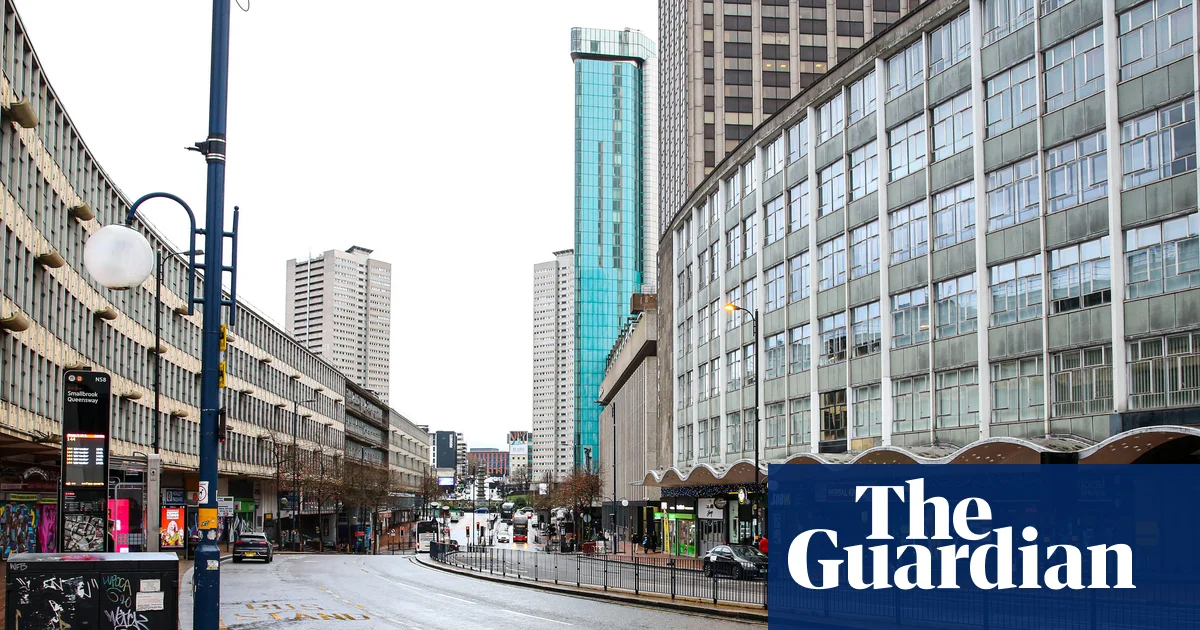
The incident, occurring on Smallbrook Queensway shortly before 9 pm, underscores the fragility of societal trust and the difficulty of maintaining order in increasingly complex urban environments. Officials have emphasized that this was an isolated incident, but the aggressive nature of the attack and the police’s efforts to find additional witnesses highlight a growing awareness of escalating violence in Western cities. Historians and security experts warn that such acts of random violence often serve as stark reminders of social vulnerabilities, with discussions centering around how geopolitical uncertainties—such as economic upheaval and migration pressures—spill over into domestic instability.

Global Instability and the Impact on Social Dynamics

While the United Kingdom grapples with localized incidents, a wider geopolitical landscape remains fraught with tension between major powers, with implications that ripple into every society. The United States, China, and Russia continue to contest dominance, fundamentally shifting international alliances and economic realities. Many international security analysts caution that internal societal fractures are often exacerbated by global crises—be it economic stagnation, military conflicts, or diplomatic confrontations—that strain social fabric and weaken communities’ resilience.

A recent report by the European Council on Foreign Relations underscored how long-standing regional conflicts, escalating economic sanctions, and the disruption of global supply chains significantly influence domestic stability. Countries such as France and Germany have seen similar spikes in urban violence, which some attribute to the pressures of a shifting world order. The United Nations, meanwhile, continues to call for increased cooperation, but their efforts are often hindered by emerging nationalisms and competing interests—further complicating efforts to uphold international peace and security.

Decisions with Lasting Consequences

  • Recent regional treaties and shifts in NATO policies reveal a concerted effort by Western allies to counterbalance aggressive moves by Russia and China.
  • The post-pandemic economic recovery remains fragile, with inflation and unemployment fueling public discontent across Europe and North America.
  • In response, governments have heightened security measures and enacted stricter laws, sparking debates over civil liberties versus national security—debates that have profound repercussions on civic trust and societal cohesion.

Deeper reflections by international observers suggest that the fabric of societal stability is increasingly intertwined with how nations handle these international challenges. In this era of shifting alliances, unprecedented conflict, and internal unrest, the choices and policies enacted today will resonate throughout generations. The lingering question remains: how resilient are our societies in the face of an uncertain, turbulent world? As history continues to unfold, the hidden currents of geopolitics threaten to undermine the foundations of peace and stability—each incident, from a single act of violence to a massive international crisis, another stitch in the complex tapestry of human destiny. The future of nations—and perhaps civilization itself—hinges on the decisions made in these turbulent times, echoing across continents and generations.

UK Eyeing Danish-Style Immigration System to Tackle Asylum Crisis

UK Eyes Denmark’s Stringent Immigration Model Amid Growing International Tensions

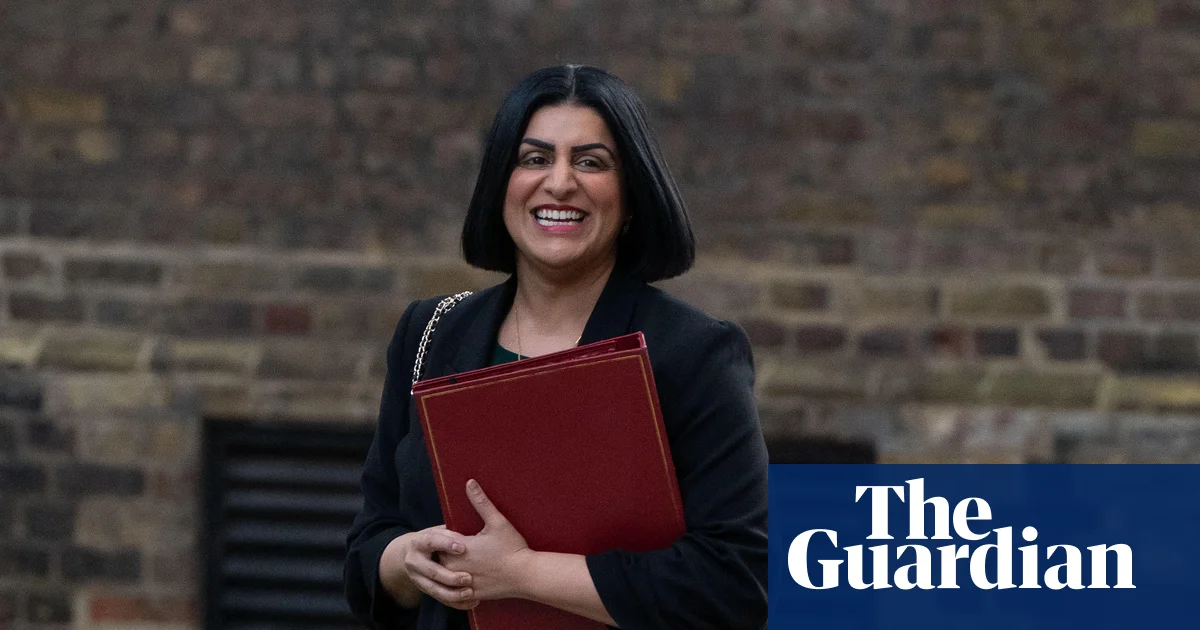
In a move set to reshape the United Kingdom’s approach to immigration, Home Secretary Shabana Mahmood is poised to introduce reforms modeled heavily on Denmark’s controversial policies, which are among the most restrictive in Europe. These proposed measures, understood to be announced later this month, signal a shift toward a tougher stance on refugee arrivals, family reunifications, and border control — policies that have already ignited fierce debate across the continent. Last month, UK officials traveled to Denmark to scrutinize its border policies and asylum restrictions, signaling a strategic shift in the UK’s immigration philosophy amid ongoing political pressures and a rising tide of populist sentiment.

The Danish model has gained notoriety for its uncompromising stance on immigration, with policies that include stringent family reunion rules and the designation of “parallel societies,” where residents from non-Western backgrounds face restrictions on family reunification. In 2022, Denmark rejected residency renewal for over 1,200 Syrian refugees’ in Damascus, considering the region safe enough for return— a move sharply opposed by international bodies like the UN and EU. Critics have labeled these policies as dangerously xenophobic, a charge levelled both domestically and abroad. Nonetheless, Denmark persists, arguing that these measures are essential safeguards for social cohesion and national security. By adopting similar policies, the UK risks aligning itself with this hardline approach, prompting concerns about the geopolitical impact of such a shift on Britain’s international reputation and its relations with neighboring European nations.

Analysts warn that adopting Denmark’s stricter policies could deepen the divide between Western nations and migrant communities, leading to increased social polarization and undermining the UK’s commitments to human rights. Historians like Eric Hobsbawm and modern think tanks warn that such policies may foster “parallel societies,” which could become breeding grounds for radicalization and discord. Meanwhile, some Labour MPs have expressed stark opposition. Clive Lewis criticized the government’s strategy, warning that moving toward a “hardcore approach” akin to Denmark’s could alienate progressive voters and turn Britain into an increasingly divided nation. Other members, including Nadia Whittome, described aspects of the Danish model—particularly concerning “parallel societies”—as inherently racist and dangerous, revealing growing ideological rifts within the political landscape.

More broadly, the move reflects a rising global trend toward stricter border controls and restrictive asylum policies, often at odds with international humanitarian commitments. The European Commission and human rights organizations condemn Denmark’s laws as harmful to migrant rights and social integration. Yet, the political momentum in the UK suggests a desire to outflank Eurosceptic and populist factions like Reform UK. This strategic maneuver raises questions about whether the UK is sacrificing its moral authority and historical commitments to asylum and refugee protections to appease domestic fears and xenophobic sentiments. As Britain recalibrates its immigration policies, it faces inevitably serious consequences—both for its social fabric and its standing on the world stage.

Ultimately, the decisions made today will echo through the corridors of history. As the UK pushes toward a more guarded, exclusionary stance inspired by Denmark, the global community watches, wary of a future where the lines between national interest and human rights blur dangerously. In this unfolding chapter of international politics, the stakes are higher than ever—where the choices of leaders may decide not just the future of migration, but the very soul of nations striving to define their identities amidst the chaos of a changing world.

Social Media Auto Publish Powered By : XYZScripts.com