Matox News

Truth Over Trends, always!

Fact-Check: Viral COVID-19 Cure Claim Debunked as False

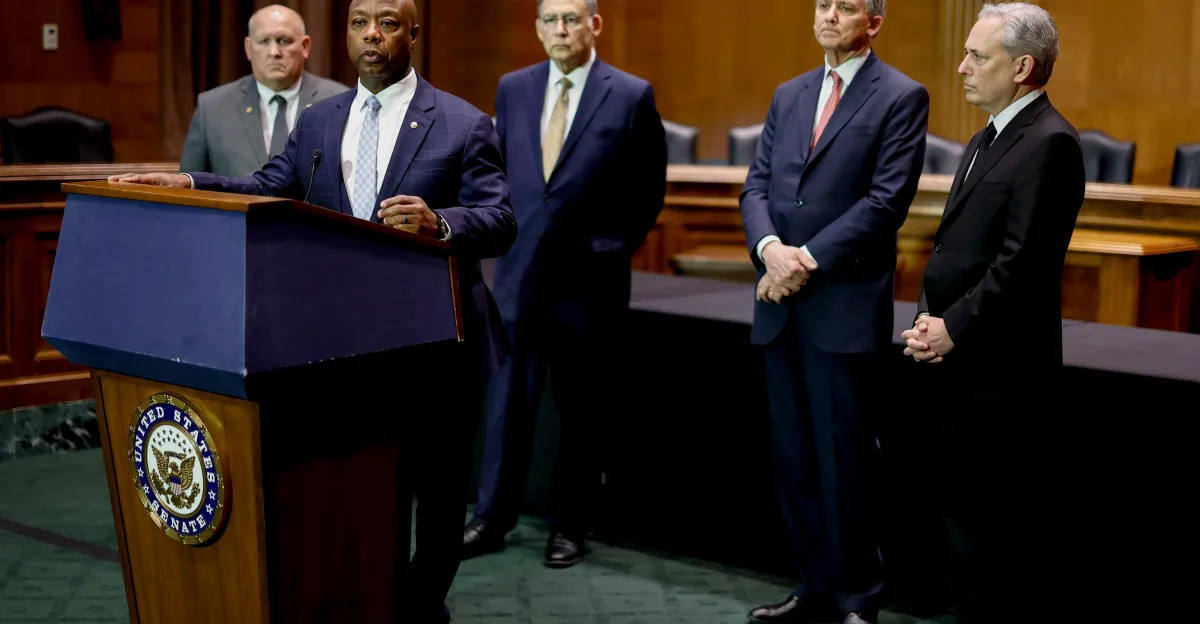
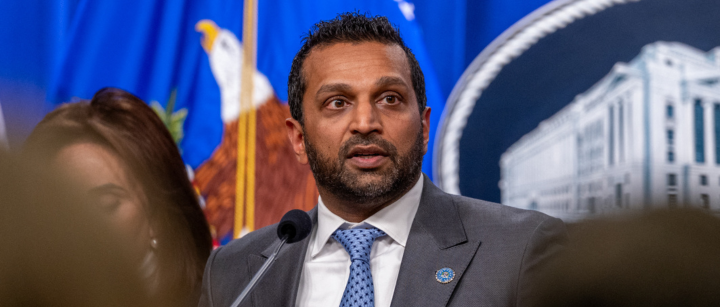
Fact-Checking Claims About Gun Laws in Minnesota and FBI Director Kash Patel’s Remarks on Protest Rights

Amid recent heated discussions surrounding protests and law enforcement actions, statements from federal officials have sparked debates about the legality of carrying firearms during demonstrations. Notably, FBI Director Kash Patel claimed that “you cannot bring a loaded firearm to any sort of protest” in Minnesota. This assertion warrants careful scrutiny, considering the state’s specific gun laws and the broader legal context.

Assessment of Patel’s Claim in Context of Minnesota Gun Laws

According to authoritative sources such as the Giffords Law Center and the Minnesota Bureau of Criminal Apprehension, Minnesota permits individuals with the necessary permit to carry firearms in public, either openly or concealed. Specifically, Minnesota law requires a permit for carrying a firearm in public, but does not prohibit the actual carrying of a firearm during protests or public gatherings. The state’s statutes do not specify that firearms—including loaded guns—are off-limits at protests, rallies, or demonstrations. Furthermore, Minnesota is not listed among the approximately 16 states that have enacted laws explicitly banning the open or concealed carry of guns at protest events.

  • Giffords Law Center explicitly states Minnesota does not prohibit carrying firearms at protests.
  • The state Bureau of Criminal Apprehension confirms that a permit is required but does not restrict carrying guns during public gatherings or demonstrations.
  • Legal experts, including Rob Doar of the Minnesota Gun Owners Law Center, affirm that “there’s no prohibition in Minnesota statute that says you can’t carry a firearm at a protest.”

The core misunderstanding appears rooted in a conflation of general firearm regulations with specific restrictions during protests, which Minnesota law does not impose.

Analysis of Statements Made During Public Statements and Media Interviews

During a Jan. 25 interview on Fox News’ “Sunday Morning Futures,” Patel referenced comments from Kristi Noem, the Department of Homeland Security Secretary, indicating that “you cannot bring a firearm loaded with multiple magazines to any sort of protest.” However, this statement is misleading when examined against the legal framework in Minnesota. Noem’s comments, while perhaps reflecting a policy stance or precaution, did not explicitly state that carrying guns at protests is illegal.

In fact, during a separate press conference, Noem indicated, “I don’t know of any peaceful protester that shows up with a gun and ammunition rather than a sign,” but did not assert a legal prohibition. Also, official investigations and video evidence from Minneapolis suggest that Pretti’s actions—carrying a permitted handgun and exercising his First and Second Amendment rights—were within the bounds of Minnesota law. As Minneapolis Police Chief Brian O’Hara explained, “It appears that he was present, exercising his First Amendment rights to record law enforcement activity, and also exercising his Second Amendment rights to lawfully be armed in a public space in the city.” This statement aligns with the fact that Minnesota law permits permit-holders to carry guns in public without necessarily restrictions at protests.

Conclusion: The Importance of Truth in Democratic Discourse

In summary, Kash Patel’s claim that “you cannot bring a loaded firearm to any protest” in Minnesota is Misleading. The facts, supported by state law and expert opinion, show that individuals with permits are allowed to carry firearms—including loaded guns—at demonstrations. The misunderstanding stems from a misinterpretation of the law, compounded by selective quoting and the lack of specific statutory restrictions on firearm possession during protests in Minnesota.

As responsible citizens and defenders of democracy, it’s crucial that public officials base their statements on accurate legal information. Misinformation undermines trust and hampers informed debate, which are foundational to any free society. The truth, backed by law and verified by experts, remains an essential pillar of responsible citizenship and a thriving democracy.

Growing hints of rate hike as Australia’s inflation hits 3.8%—what it means for the youth and your wallet

Global Economic Tensions Rise as Australia Faces Inflation Surge

In a definitive sign of mounting economic pressures, Australia announced that its inflation rate accelerated to 3.8% in the year ending December, up from 3.4% the previous month. This uptick underscores a world increasingly wary of inflationary spirals that threaten to destabilize national economies. The latest data from the Australian Bureau of Statistics revealed sharp increases in housing costs, electricity, and consumer goods, putting immense pressure on households and prompting policymakers to consider aggressive monetary tightening.

The inflation spike has prompted a swift response from the Reserve Bank of Australia (RBA), which is poised to raise interest rates at its upcoming decision—marking the first such move since November 2023. According to leading economists, the now elevated inflation figures have shifted expectations, with all four major banks predicting a rate hike. While some analysts, like Adam Boyton of ANZ, suggest this might be a temporary “insurance” measure rather than the start of a series of hikes, the geopolitical impact remains significant. Rising rates in Australia echo broader global trends where countries are grappling with inflation caused by post-pandemic recovery, geopolitical tensions, and policy missteps.”

How Inflation and Policy Shifts Reshape The< u>global economic landscape

  • In Europe, inflation rates are also climbing, forcing the European Central Bank to consider tightening monetary policy—potentially affecting trade and investments worldwide.
  • In North America, the U.S. Federal Reserve has already begun tapering measures, but persistent inflation continues to challenge its strategies.
  • In emerging markets, rising U.S. interest rates have led to capital outflows and currency depreciation, heightening social unrest and economic instability in vulnerable societies.

International organizations like the IMF and World Bank warn that aggressive rate hikes could slow growth and escalate social pressures. Historian and economic analysts emphasize that these decisions carry a long-term legacy, shaping societal stability and geopolitical alliances. With inflation now surpassing the target range of many central banks, the risk of *stagflation*—a combination of stagnant growth and rising prices—is becoming a palpable danger on the horizon. Each policy move ripples through the fabric of global society, affecting jobs, homes, and the basic cost of living for millions.

The Broader Geopolitical Impact

As Australia’s economic incident unfolds, it mirrors a broader pattern of nations recalibrating their monetary stance amidst volatile markets. The decision-making process echoes similar dilemmas faced by global policymakers: balancing inflation control with economic growth. Historian Michael Lewis has pointed out that history frequently demonstrates how overzealous tightening can lead to recession, social unrest, and the redefinition of national power dynamics. Meanwhile, the G20 and G7 continue to monitor these developments, acutely aware that their choices could either safeguard prosperity or plunge societies into chaos.

Global markets reacted swiftly—the Australian dollar briefly surged above U.S.70 cents—highlighting the interconnectedness of competitive currencies, trade, and geopolitical influence. How nations respond to inflation will determine the trajectory of world power balance for decades to come. As the IMF warns of potential slowdown and the World Bank assesses rising debt burdens, a delicate dance unfolds—one that may well decide whether history records this era as a turning point or a descent into prolonged turmoil.

In the end, the ongoing battle against inflation in Australia and across the globe is more than economic numbers; it is a reflection of societal resilience, political will, and the enduring struggle for stability amidst chaos. The decisions taken now—by central banks, governments, and international institutions—are reshaping the landscape of international power, with the shadows of today’s choices stretching long into an uncertain future. The echoes of history remind us: in this fragile balance, the weight of the future rests heavily on what is decided today, and the stories of tomorrow remain unwritten in the unfolding fabric of history.

Crypto bill’s Congressional push hits a wall—Youth tech still waiting for breakthroughs

Crypto Industry Faces Disruption as U.S. Policy Gridlock Intensifies

Innovation and disruption are constants in the fast-evolving landscape of blockchain technology and cryptocurrencies, but recent developments in Washington threaten to stall vital progress. Major players like Coinbase are closely watching legislative maneuvers that could redefine the regulatory framework for digital assets. As the U.S. Congress nears a pivotal juncture, the industry stands at a crossroads where political partisanship and industry priorities collide, potentially shaping the future of finance for years to come.

At the center of this turbulent scene is the contentious Clarity Act, which aims to establish clear regulatory guidelines for the burgeoning stablecoin sector. Innovation in stablecoins—cryptocurrencies pegged to traditional mediums like the US dollar—has been a turbocharged driver of adoption, with Coinbase offering 3.5% rewards on USDC holdings—a rate vastly eclipsing traditional bank interest. Such rewards act as powerful incentives for retail and institutional holders, hinting at a future where stablecoins could be central to mainstream financial daily routines. However, the banking lobby perceives these rewards as loopholes that could undermine traditional deposit-based models, lobbying hard to limit or prohibit such yields, which delays crucial market structure legislation. If the bill passes, Coinbase anticipates a significant business impact, with stablecoin rewards potentially curtailed, thereby limiting their competitive edge and the transformative potential of DeFi solutions.

The business implications extend beyond Coinbase alone. Industry analysts from institutions like Gartner and think tanks like MIT warn that the ongoing legislative gridlock could disrupt innovation pipelines and slow the adoption of crypto-based financial products. The political battleground is heated, especially with upcoming midterm elections which threaten to bring partisan polarization into even sharper focus. Democrats and Republicans are at loggerheads over the broader market regulation, with Democrats generally more skeptical of crypto’s risks, while Republicans tend to favor the industry’s potential to disrupt traditional financial institutions. The political calculus becomes increasingly complex as key figures—such as Sen. Elizabeth Warren or Maxine Waters—oppose industry-friendly policies, driven by fears of destabilization and concerns over banking incumbents’ dominance. Meanwhile, industry lobbyists are emphasizing crypto’s voter base; crypto holders are seen as highly motivated, single-issue voters whose wallets significantly influence election outcomes.

The industry’s future hinges on strategic legislative momentum. The Senate Agriculture Committee is scheduled for a crucial markup, but hope dims as bipartisan unity frays. As Cody Carbone, CEO of The Digital Chamber, notes, “The longer the partisan battle persists, the more likely crypto will be sidelined in favor of entrenched bank interests. If Democrats control both chambers, legislative prospects dim further, with prominent committee chairs signaling a focus on enforcement over adoption for crypto.” Such a scenario could result in a policy deadlock that stifles innovation and allows entrenched interests to maintain control. However, industry insiders remain cautiously optimistic if bipartisan support can be rekindled swiftly, as crypto advocates argue their voter base is more influential than assumptions suggest. The upcoming weeks are critical—stakeholders must navigate an urgent landscape where policy, business, and politics intertwine to decide whether the next wave of financial disruption will be unleashed or stymied by congressional gridlock.

With the trajectory of crypto regulation hanging in the balance, the industry faces a stark reality: delay breeds risk. As Peter Thiel and Elon Musk warn about the necessity of proactive innovation, the urgency to push forward legislation that fosters disruptive technologies becomes undeniable. The next legislative cycle could either accelerate America’s leadership in digital finance or cede that ground to emerging global competitors. For entrepreneurs, investors, and consumers alike, understanding this high-stakes game isn’t just advisable—it’s essential. The clock is ticking, and the future of financial innovation depends on decisive action now.

Rising Stars Shine Bright: Young Athletes Set to Transform the Game

The Hall of Fame Dilemma: Legendary Coach Overshadowed

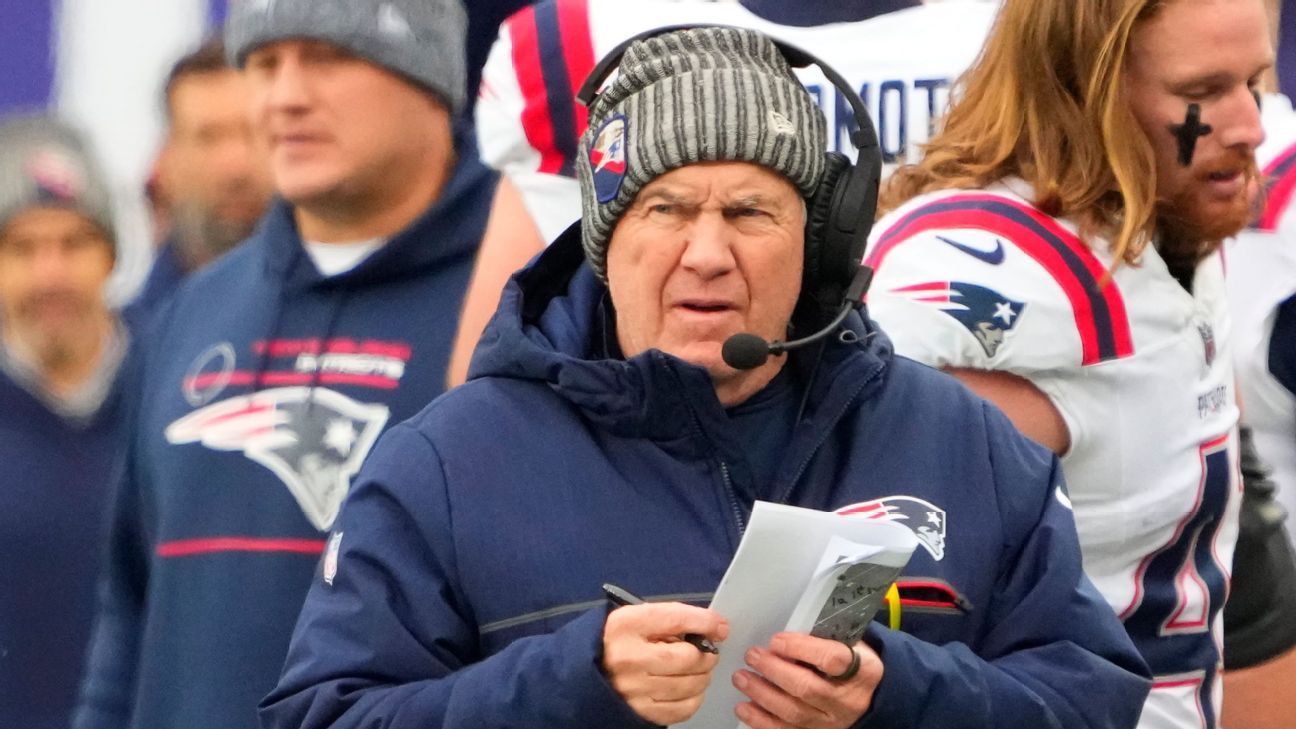
The sports world experienced a significant stir over the weekend as the announcement that legendary coach Frank Reynolds would not be a first ballot Hall of Famer took center stage on social media. As one of the most successful and respected figures in the history of College Basketball, this decision has ignited debates about the criteria for entrance into the prestigious Hall of Fame.

Reynolds, known for his innovative coaching strategies and leadership capabilities, led his teams to numerous championships, showcasing an uncanny ability to nurture talent. He finished his career with an impressive win-loss record of 618–245, a testament to his dedication and skill as a coach. However, the Hall of Fame voting committee’s decision has raised eyebrows, leading fans and players alike to weigh in on what it truly means to achieve greatness in sports.

  • Coach Reynolds retired with three national championships.
  • He produced over twenty NBA players from his programs.
  • Public figures and teammates question the Hall’s criteria.

During a recent interview, Jamal Rivers, a former star player under Reynolds, stated, “It’s hard to fathom that someone with his accomplishments wouldn’t be on that first ballot. He changed the game for so many of us.” These sentiments echo across various platforms, highlighting the conflicted nature of legacy in sports. While some argue that the Hall of Fame should only honor players with the most extraordinary careers, others contend that coaching deserves equal recognition. Sports commentators have pointed out the essential role of coaches in shaping athletes’ careers and influencing game strategies, making this debate all the more relevant.

Sports, at their core, serve as a unifying element; they transcend the scoreboard. The story of Frank Reynolds is not just about individual accolades; it represents the countless hours spent mentoring young athletes, building character, and instilling a passion for the game. As the debate continues, it becomes clear that the true essence of sports is more than the trips to Hall of Fames or record-breaking statistics—it’s the shared experiences, values, and community that bring us all together, reminding us why we love this game in the first place.

Source link

Neil Young gives Greenland free access to his music—free speech and free tunes for the youth energy

In an unexpected move contrasting the tumultuous global political landscape, Canadian-American rock legend Neil Young has extended a symbolic gesture of peace towards the people of Greenland. Young’s offer of a year’s free access to his vast archives aims to *ease some of the unwarranted stress and threats* allegedly emanating from President Donald Trump’s administration concerning the strategic and resource-rich Arctic territory. This act of cultural diplomacy arises amidst escalating geopolitical tensions involving U.S. interests in the Arctic, a region increasingly pivotal in international power struggles, dominated by the *race to control diminishing ice-bound resources*. Analysts emphasize how these cultural stands shape, or are shaped by, broader geopolitical shifts, underscoring the profound impact such actions have on the perception of global diplomacy and sovereignty.

President Trump’s recent threats, initially signaling intentions to pursue annexation of Greenland for *national security reasons*, sparked widespread controversy, including diplomatic warnings from Denmark, which retains sovereignty over Greenland. Although Trump later backtracked, proposing *“immediate negotiations”* instead of force, his rhetoric revealed underlying ambitions to secure strategic footholds in the Arctic—an area regarded by many experts as the new frontier of geopolitical influence. Historically, nations like Russia and Canada have flexed their military and economic muscles over the Arctic frontier, but the U.S. now appears to be aiming to shore up its position amid a shifting balance of power. Such decisions not only threaten regional stability but also raise questions of *sovereignty, resource access, and environmental impacts*—all of which define the geopolitical calculus of the 21st century.

International organizations and scholars warn of the *dangers of unilateral action* and the importance of diplomatic engagement. For example, the Arctic Council*, an intergovernmental forum promoting cooperation among Arctic states, has repeatedly called for peaceful dialogue rather than confrontation. Meanwhile, renowned historians such as Professor Margaret MacMillan highlight how moments like these could either lead to a new era of cooperation or escalate into open conflict, depending on how nations navigate their intertwined interests. Young’s symbolic gesture in Greenland is reflective of a broader cultural pushback against aggressive policies—an effort to influence public opinion and political discourse. His stance, representative of a segment of international civil society, underscores the importance of soft power in an era dominated by strategic competition.

As the spectacle of leadership and diplomacy unfolds, the weights of history press heavily upon the unfolding narrative. The potential for a *resurgence of Cold War-like tensions* over Greenland and Arctic resources signals that the stakes extend beyond mere territorial disputes, touching on *economic dominance, environmental sustainability, and global security*. The choices made today will echo through generations—shaping the future of international stability and the fate of societies caught in the crossfire. The world holds its breath as history’s pen continues to write itself into the fabric of geopolitics, reminding us all that in the game of nations, every move bears consequences that ripple across the new and ancient world alike.

GOP Pressure Grows on Kristi Noem to Step Down

In a stark demonstration of internal political fractures, the recent turmoil surrounding U.S. Homeland Security Secretary Kristi Noem has reverberated across the American political landscape and sent ripples into the broader geopolitical arena. This mounting controversy, precipitated by the tragic death of Alex Pretti in Minneapolis, underscores a crucial void in the U.S. domestic security apparatus. Top House Democrats have openly called for Noem’s removal, threatening impeachment proceedings amidst escalating concerns over border security and law enforcement conduct. The potential dismissals bear not just national but international significance, exposing profound chasms within the world’s most powerful democracy about the principle of sovereignty and internal stability.

While President Trump publicly supports Noem, claiming that the border is “totally secure,” many Republican senators now voice skepticism. Figures such as Thom Tillis and Murkowski argue that her conduct is “disqualifying,” reflecting a faction within the GOP that questions the current direction of homeland security policy. Yet, amid these internal conflicts, the execution of policy—particularly on immigration enforcement—becomes a clear battleground with international consequences. Critics argue that overly aggressive enforcement, especially when combined with inadequate oversight, fosters internal chaos and societal division. Prominent voices like John Fetterman and Elizabeth Warren emphasize that the death of Pretti symbolizes a broader failure to uphold human dignity and maintain order at national borders, framing the issue as a moral and strategic crisis.

In the global context, the U.S. border crisis and internal security disputes influence countries worldwide, especially in the Americas, where migration flows and regional stability are intertwined. International analysts warn that instability within the U.S. government could weaken America’s standing as a defender of global order, embolden adversaries, and destabilize neighboring nations. Outcomes at home — such as the potential shutdown of government departments or the impeachment of a cabinet secretary— are not isolated events but signals that America’s leadership is oscillating on the brink of disarray, inviting questions about future commitments to international security and peace. History, as noted by strategic experts, warns that political upheaval in Washington often precedes eras of diplomatic retreat or reckless miscalculation on the world stage.

The unfolding drama over Noem’s future encapsulates a larger narrative: the struggle between security and liberty, law and order, set against a backdrop of international scrutiny. As the international community watches, the possibility of impeachment and internal chaos casts a long shadow over U.S. credibility. The decisive moments ahead will test whether the nation can reconcile its political divisions or spiral further into disarray at a critical juncture in history. As the dust begins to settle, the world will remain vigilant — for in this history is still being written, and the fate of countless lives hinges on the choices made within the halls of power.

Iran Youth Speak Out on Personal Heartache Amid Crackdown

Iranian Unrest: A Nation in Turmoil

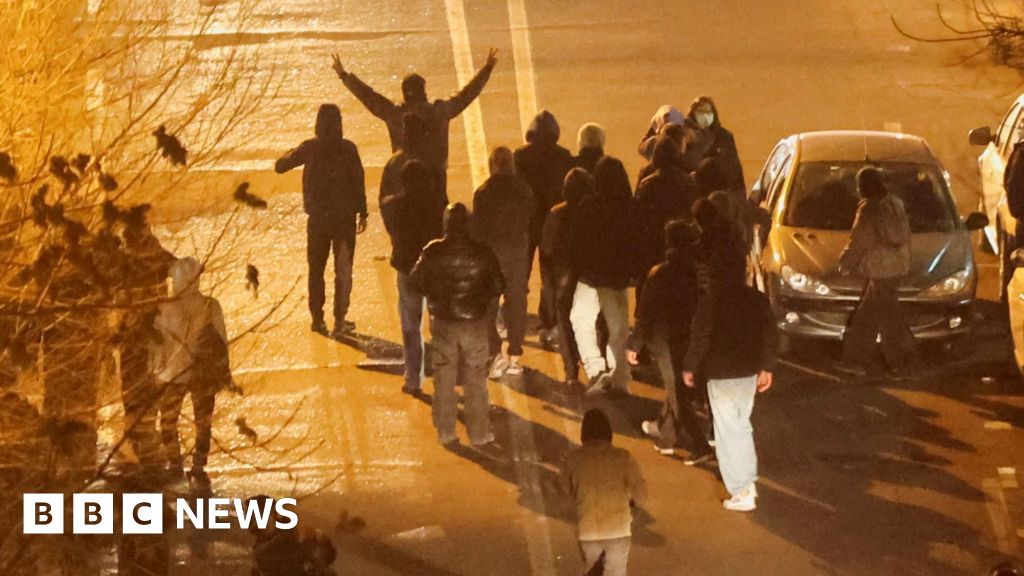
The Islamic Republic of Iran finds itself engulfed in one of the most intense waves of anti-government protests in its modern history. What initially began as a response to economic hardship has quickly evolved into a broader movement calling for fundamental political change. The protests, sparked in late December, have shown an unprecedented level of resilience among Iran’s youth, and their scale suggests an erosion of the regime’s longstanding grip on power. With reports of over 6,000 confirmed deaths—collated by human rights organizations—these events will undoubtedly reverberate across Middle Eastern geopolitics and challenge the narrative of stability traditionally promoted by Tehran’s leadership.

Violence on the Streets and Suppression Tactics

Eyewitness accounts and verified footage attest to the brutal response from Iranian security forces. Reports of security personnel firing live ammunition at protesters with impunity paint a harrowing picture of state repression, which includes the use of pellet guns targeting faces, eyes, and heads of demonstrators. One eyewitness, Parham, described how friends and fellow protesters were victims of targeted violence—some shot in the forehead or eye—resulting in several casualties. The government insists that most of the 3,100 reported deaths involve rioters and security personnel, but eyewitness testimonies and medical reports suggest a different story. As protesters organize despite a near-total internet shutdown, the urban battlegrounds resemble scenes from a conflict zone, stirring fears of a nationwide crackdown that could threaten Iran’s internal stability.

International and Geopolitical Ramifications

The fate of these protests holds significant geopolitical impact. Both Western nations and regional actors are watching closely, aware that regime stability in Tehran affects regional security, energy markets, and the balance of power in the Gulf. While U.S. policymakers and human rights advocates call for accountability, Tehran accuses foreign agents of fomenting chaos, framing the unrest as U.S.-backed riots. Such narratives, disseminated through state-controlled media, aim to legitimize the crackdown and rally nationalist sentiments. Historians like Professor Sarah Johnson warn that suppressing such mass dissent could deepen Iran’s reputation as a pariah state, potentially fueling further instability and driving a wedge between Iran and its neighboring countries.

The Struggle for Truth and the Human Toll

The personal toll of the unrest is staggering. Families are being coerced—forced to pay large sums or falsely record their loved ones as security personnel—an attempt to obscure the real death toll and punish grieving relatives. Survivors like Sina, who bears pellets in his eyes, highlight the brutal physical toll exacted by Iran’s security apparatus, which has used live fire and pellet guns indiscriminately. Reports from medical facilities confirm widespread injuries and trauma, with hospitals overwhelmed by victims of violence. Amid this chaos, the international community faces a dilemma: uphold human rights standards or accept Iran’s narrative of unrest as a foreign conspiracy. As history unfolds, it remains to be seen whether the voices of Iran’s youth and the suffering families will be heard or drowned out by the regime’s heavy-handed tactics.

The End of Silence or the Calm Before the Storm?

As the world stands on the precipice, pondering the significance of this upheaval, history reminds us that such moments are rarely fleeting. With each passing day, the sovereignty of Iran is being tested, and the trajectory of its future hangs in a delicate balance—one that will define the course of the Middle East for decades to come. Will Iran’s leaders tighten their grip, or will the indomitable spirit of its youth ignite a new chapter of reform? The answer is yet to be written, echoing through the corridors of history, with the weight of countless lives and the destiny of a nation hanging in the balance.

Essex PE Teacher Turns Gladiator, Advances to Quarter-Finals

The Societal Tapestry: Chemical Changes in Modern Communities

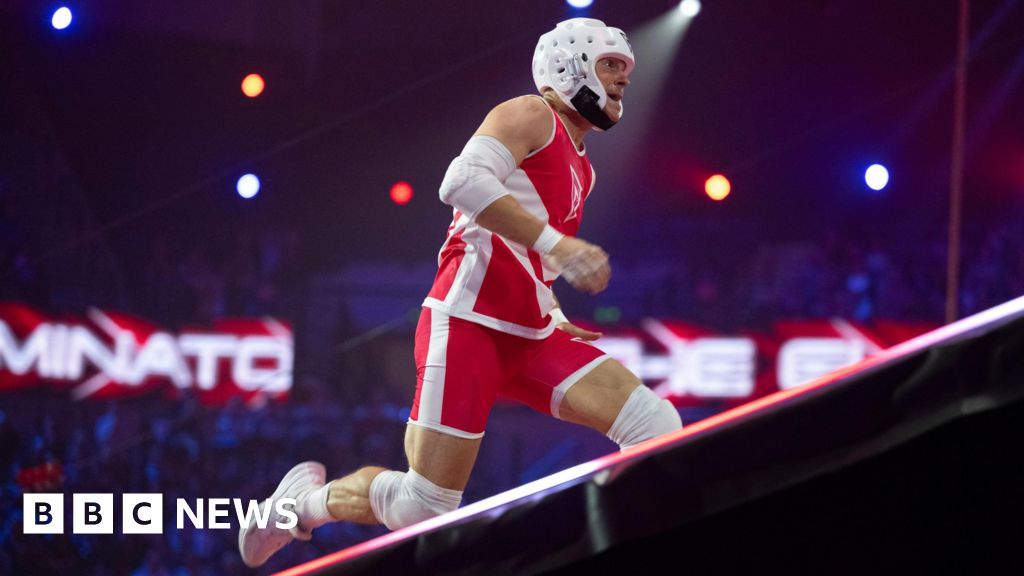
In an era marked by rapid demographic shifts and technological transformation, our society is witnessing profound cultural and social tensions that ripple through families, education systems, and entire communities. The resurgence of popular shows like Gladiators exemplifies society’s desire for heroism and resilience but also highlights underlying struggles faced by families and youth navigating a complex world. From the regional stories of individuals like Mark Billings, a PE teacher from Essex, whose appearance on national television becomes a beacon of hope and perseverance, the broader narrative emerges: society’s fabric is being rewoven with threads of determination amidst adversity.

The Impact on Families and Education

The heart of these social issues lies within families and educational institutions that strive to cultivate resilience. Billings’,story, where his community rallied behind him through a televised challenge, underscores the importance of role models who embody hard work and moral strength.

  • Families are increasingly burdened by economic and social pressures, often struggling to instill these values amidst a landscape of uncertainty.
  • Educational institutions find themselves at a crossroads, tasked with fostering not only academic skills but also moral character and social resilience.
  • Teachers like Billings serve as living examples of perseverance, influencing generations that face pressures to conform or withdraw.

Social commentators like Dr. Alice Johnson, a sociologist specializing in youth behavior, argue that these shared experiences and communal support systems are vital in reinforcing moral resilience. However, without targeted resources and moral guidance, the risk remains that social fractures deepen, leading to fragmented communities where the values of grit, effort, and community backing are often overshadowed by cynicism.

Challenges and Pathways Toward Societal Renewal

Central to societal renewal are challenges rooted in social inequality, educational disparities, and cultural tensions. Communities must grapple with how to nurture a generation rooted in purpose and moral integrity while confronting issues like economic stratification and social alienation. Solutions proposed by social commentators emphasize:

  • Strengthening community-based programs that promote mentorship and moral development.
  • Reinforcing family structures with policies supporting parental engagement and social cohesion.
  • Transforming educational curricula to prioritize character education alongside academic achievement.

Historians point to past societal recoveries where resilient leadership and community solidarity lifted nations from upheaval. As Historian Dr. Richard Hall notes, the moral fabric of a society is constantly tested but can be reinforced through collective effort and shared moral vision. The story of Billings, who speaks of overcoming doubts and demonstrating that “those who work hard will be rewarded”, echoes this timeless truth: societal transformation begins when each individual becomes a pillar of strength for others. As society stands at this crossroads, the hope remains that, through the collective resolve of families, schools, and communities, society can forge a future where hope is reborn from the ashes of social fragmentation—a society renewed not just in structure, but in spirit.

Amazon Alexa+ Now Open to All—Here’s How to Disable It (2026)

Amazon Reinvents Home AI with the Launch of Alexa+

In a bold move marking a new chapter in consumer technology, Amazon has rolled out its latest evolution in AI-driven home assistants: Alexa+. Unveiled at CES earlier this year, this upgraded voice assistant showcases Amazon’s aggressive push to redefine how millions of households interact with smart technology. The immediate deployment to Prime members and the end of the waiting list signal Amazon’s readiness to dominate the next wave of digital disruption, emphasizing innovative conversational AI that extends beyond simple command execution.

Disrupting the Industry Standard

Alexa+ represents a significant innovation, heralding a shift from traditional voice assistants that function primarily as digital butlers, to more advanced chatbots capable of natural, nuanced conversations. Amazon claims this new iteration can better comprehend complex requests, offering a more intuitive user experience that blurs the lines between human and machine interactions. This development aligns with industry trends identified by Gartner and other leading analysts, which highlight the emerging importance of AI that is not just reactive but proactively engaging. With this move, Amazon disrupts the market standard of voice assistant capabilities and sets a new bar for the industry’s competitive landscape.

  • Enhanced Conversationality: Alexa+ allows for context-aware dialogue, reducing misunderstandings and repetitive commands.
  • Broadened Capabilities: It is poised to serve as an advanced chatbot, integrating with broader smart home ecosystems and third-party services.
  • Business Implication: This increases user engagement, providing Amazon with a larger data repository and monetization opportunities through targeted services and subscriptions.

Industry watchers like Elon Musk and Peter Thiel have long emphasized the critical role of AI innovation in future tech dominance. Amazon’s aggressive upgrade strategy reflects a keen understanding of this trajectory, positioning Alexa+ as not merely a product but a platform capable of disrupting entrenched players in the home automation space.

Impacts on Consumer Experience and Market Dynamics

Despite the excitement surrounding Alexa+’s rollout, the transition underscores the persistent tension between innovation and user consent. Reports reveal some users experience forced upgrades and sudden voice changes, illustrating a broader industry challenge: how to effectively balance rapid innovation with user autonomy. Amazon’s move pushes the envelope in this context, making voice assistants more sophisticated but also raising important questions about privacy, data security, and consumer choice.

From a business perspective, Amazon’s decision to integrate Alexa+ seamlessly into existing Prime memberships signifies a strategic intent to deepen ecosystem lock-in and generate additional revenue streams. The AI’s personalized conversational interface reinforces Amazon’s overall dominance in digital retail, smart devices, and cloud services, giving the company an edge in the competitive landscape.

Looking Forward: Innovation as a Double-Edged Sword

As Amazon continues to iterate on Alexa+ and similar AI innovations, the industry’s trajectory appears clear: Innovation will accelerate, competition will intensify, and traditional paradigms of user interaction will be fundamentally challenged. Companies that fail to adapt risk falling behind in the race to create truly disruptive, intelligent assistants capable of transforming everyday life. Meanwhile, consumers and regulators alike must grapple with the long-term implications of pervasive AI, emphasizing the need for robust oversight and strategic foresight.

For the tech industry and young entrepreneurs eager to lead the next big wave, the message is unequivocal: the future belongs to those who innovate boldly and navigate disruption wisely. With Amazon’s Alexa+ setting the pace, the urgency to develop smarter, more intuitive AI solutions has never been greater. The next decade will be pivotal—an era where innovation and disruption will define the competitive landscape of the digital age.

Rising Stars Shine: Young Athletes Dominate at National Championships!

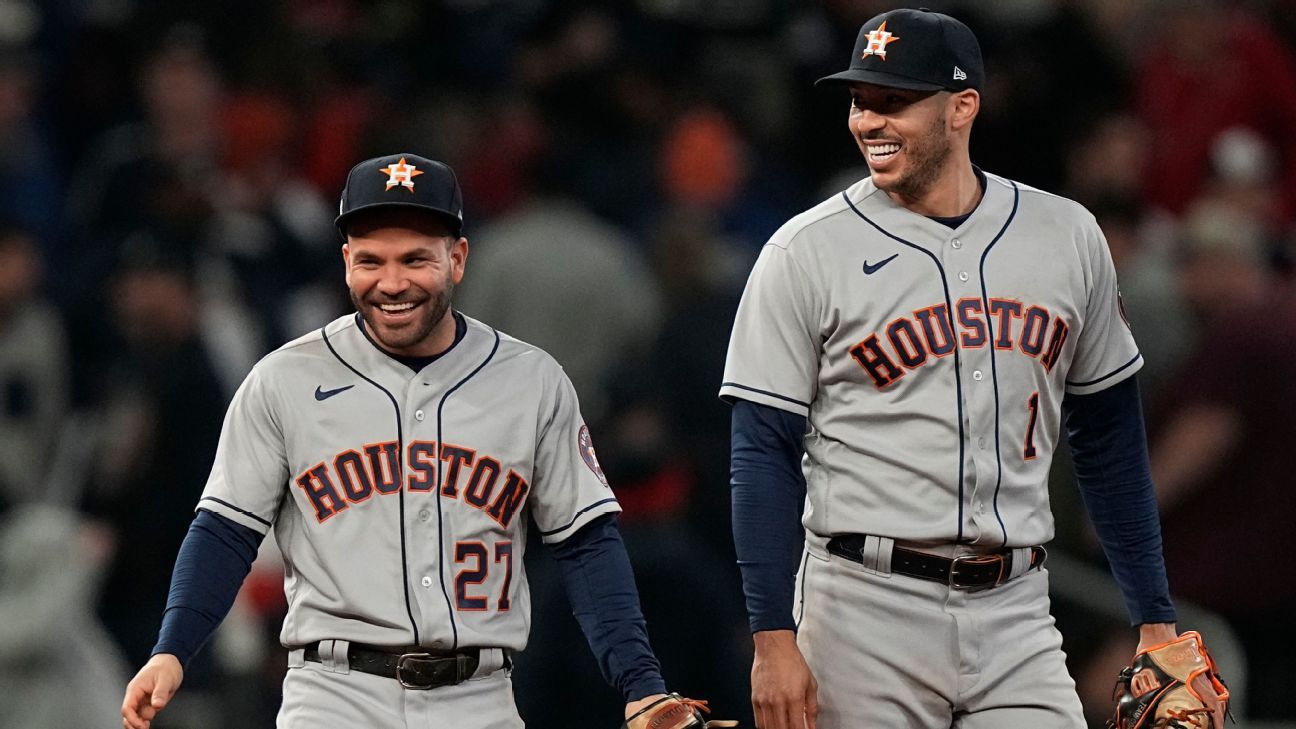
Astros Stars Sit Out World Baseball Classic Over Insurance Concerns

In a surprising turn of events, the Houston Astros will be without two of their premier players, Jose Altuve and Carlos Correa, for the upcoming World Baseball Classic (WBC). Both athletes, regarded as cornerstones of the Astros’ success in recent years, have opted out due to insurance complications that would prevent coverage if they were to sustain injuries during the tournament. This development has left fans and analysts alike buzzing about the implications for both the Astros and the international competition.

Astros General Manager James Click confirmed the situation during a recent press conference, stating, “While we fully support our players’ desire to compete on the international stage, the financial aspects of their health cannot be overlooked.” The World Baseball Classic, which gathers talent from across the globe, is known to offer an exciting format. However, without two of its best, the competition may not be as thrilling for Houston fans. The absence of players like Altuve and Correa deprives not only the team but fans as well of seeing elite talent on the world stage.

In previous seasons, both athletes have garnered significant accolades. Altuve, a multiple-time All-Star and former MVP, has consistently proven to be a driving force in the Astros lineup. On the other hand, Correa has remained a defensive stalwart and offensive powerhouse. As they step back from international play, attention will shift towards emerging players who will now get their chance to shine on a global platform.

  • Astros fans express disappointment over Altuve’s and Correa’s absence.
  • Insurance issues cited as the primary reason for their decision.
  • Emerging Astros players will look to fill the void in the lineup.

In a world often divided by myriad issues, sports remain a beacon of unity, drawing together fans and athletes from diverse backgrounds. The sacrifices made by players, such as Altuve and Correa, underscore a greater narrative—one where the love of the game transcends personal ambition. While the scoreboard might reflect individual and team victories, the stories woven through the fabric of competition remind us that sports can unite us as a collective, even in absence. The World Baseball Classic will undoubtedly proceed, but the journey of athletes is forever marked by moments too vital to be defined by mere statistics.

Source link

Social Media Auto Publish Powered By : XYZScripts.com