Matox News

Truth Over Trends, always!

Syrian Government Strikes Deal with Kurdish Forces to Stabilize the Region

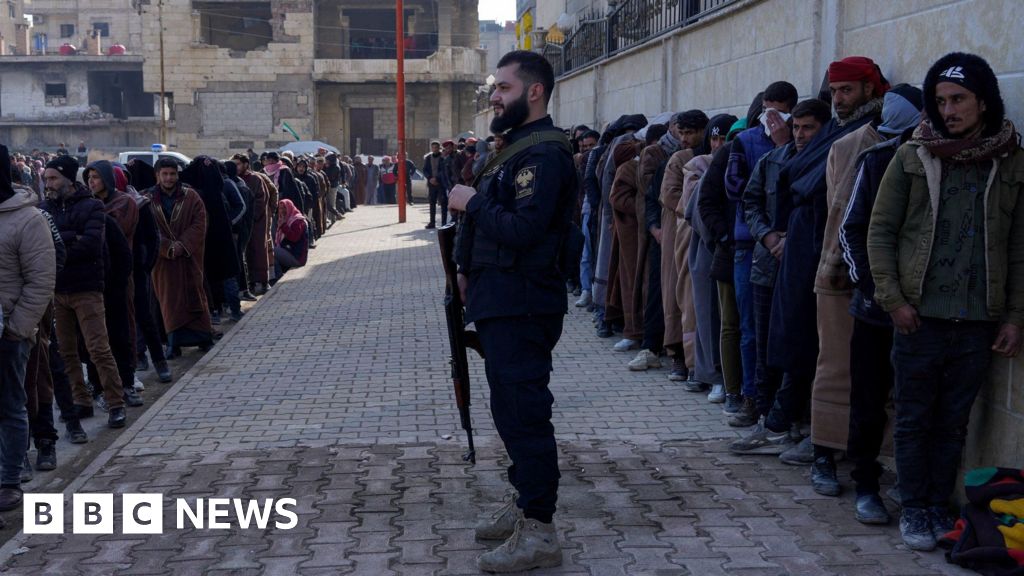
The recent announcement that Syria and Kurdish forces are moving toward stepwise integration marks a significant turning point in the ongoing turbulence of the Middle East. This development signals a deliberate attempt by the Syrian government to regain control over territories historically contested and de facto administered by Kurdish militias. The deal, although complex and fraught with regional tensions, is poised to reshape the political landscape, with profound geopolitical impact extending well beyond Syria’s borders.

According to official statements, the agreement seeks a phased incorporation of Kurdish-administered regions into the Syria state apparatus. For the first time in years, the Kurdish authorities are expected to gradually cede autonomous authority in exchange for formal recognition and integration. This move has been cautiously welcomed by some analysts as a potential pathway toward stability, but critics warn it could set dangerous precedents for ethnic and regional conflicts. As noted by International Crisis Group experts, the core challenge lies in balancing Syria’s sovereignty with the Kurds’ aspirations for autonomy — a delicate dance that could either foster unity or spark renewed unrest.

The geopolitical significance of this deal cannot be overstated. It emerges amid a shifting regional landscape, where Turkey remains wary of Kurdish independence movements, and Russia and the United States continue to exert influence over Syria’s fractured territories. Some international organizations warn that the deal reflects broader trends of major powers consolidating their strategic interests. Historian Dr. Elizabeth Carter notes that this agreement echoes historical patterns of regional realignment following prolonged conflict, but the critical question remains whether it will lead to lasting peace or simply a new chapter of uncertainty.

Within this complex geopolitical chessboard, the decision to integrate Kurdish territories subtly shifts the regional balance of power. For Kurdish populations, this move could bring an opportunity for recognition and development, but it also risks eroding their hard-won gains in autonomy. The tension lies in the ambiguous nature of the arrangement, which some argue leaves vital questions unanswered: Will Kurdish communities truly gain political representation? Or will they become pawns in the larger geo-strategic game? Internationally, some voices worry that this development might embolden other regions to pursue similar integration strategies, potentially unraveling decades of fragile peace.

As history continues to unfold, the decision to see Kurdish forces integrated into the Syrian state underscores an ongoing saga of ethnic identity, sovereignty, and regional power. The world watches as hidden forces and economic interests collide behind the scenes, shaping a future that remains uncertain. With every step taken, the delicate balance of this volatile region teeters precariously — a reminder that the weight of history, at this very moment, is being written in decisions that will resonate for generations to come.

Green Party backs former mayoral hopeful for Gorton and Denton byelections, shifting focus to future leadership

The upcoming byelection in Gorton and Denton has become more than a simple electoral contest; it symbolizes deeper social and cultural shifts within the communities of Greater Manchester. With the Green party selecting Hannah Spencer, a councillor and former mayoral candidate, as their candidate, this race highlights the growing influence of youth-oriented, environmentally-focused politics that challenge traditional party dominance. Spencer’s background as both a community member and trade professional exemplifies a shift towards candidates who embody local roots and diverse experiences, resonating with a population increasingly disillusioned with the status quo.

This race is unfolding amidst a fractured political landscape where social issues—from economic inequality to cultural identity—are shaping voter sentiment. The Labour Party, traditionally dominant in the area, is facing stiff competition from Reform UK and the Greens, each representing contrasting visions for the future of society. Labour’s campaign’s emphasis on experience, rooted in their local and national networks, seeks to appeal to voters who value stability and tradition. In contrast, the Greens, led by Zack Polanski, are framing the contest as a “battle for the soul of the nation”, underscoring a desire among younger voters to push for progressive change and environmental justice. This political clash is not merely about policies but about the cultural identity and moral direction of the community, which is sharply divided along generational and ideological lines.

Social tensions are further exemplified by the Green party’s recent endorsements and their outreach efforts. Backed by groups like the Muslim Vote, their support in a constituency with roughly 30% Muslim constituents signals a conscious effort to address **cultural representation and inclusivity**. Such moves reflect a broader challenge minorities and marginalized groups face worldwide: balancing tradition with the push for social acceptance and political influence. As sociologists like Arjun Appadurai have noted, societies are increasingly fractured along lines of ethnicity and faith, yet also eager for a sense of belonging and agency. The Greens’ emphasis on engaging these communities indicates a recognition that future societal cohesion depends on constructive dialogue and representation, even as it stirs debate about social cohesion versus cultural integration.

The families and communities impacted by this electoral contest face very tangible issues: economic opportunities, social inclusion, and cultural identity. The decline of traditional industries and the threats to local jobs create a backdrop where young families seek new pathways to stability, while cultural tensions can either divide or unite depending on how issues are approached. As historian Eric Hobsbawm warned, societal change often occurs through what he termed “the long 19th century of social upheaval,” reminding us that the societal clarity sought in elections is often the result of ongoing, complex struggles. The choices made in Gorton and Denton will resonate beyond these walls, reflecting the society’s capacity to embrace change and tradition alike.

Ultimately, this byelection underscores a society at a crossroads—facing the call for renewal amidst division. Its outcome will signal not just political shifts but reveal how communities choose to navigate the delicate balance of progress and preservation. As society stands on this precipice, one is left pondering—a society’s greatest hope is not in the absence of conflict but in its willingness to transform conflict into conversation, fear into understanding, and division into unity. Only then can the promise of a society that truly reflects its people be realized, shining a hopeful light on the horizon of future generations.

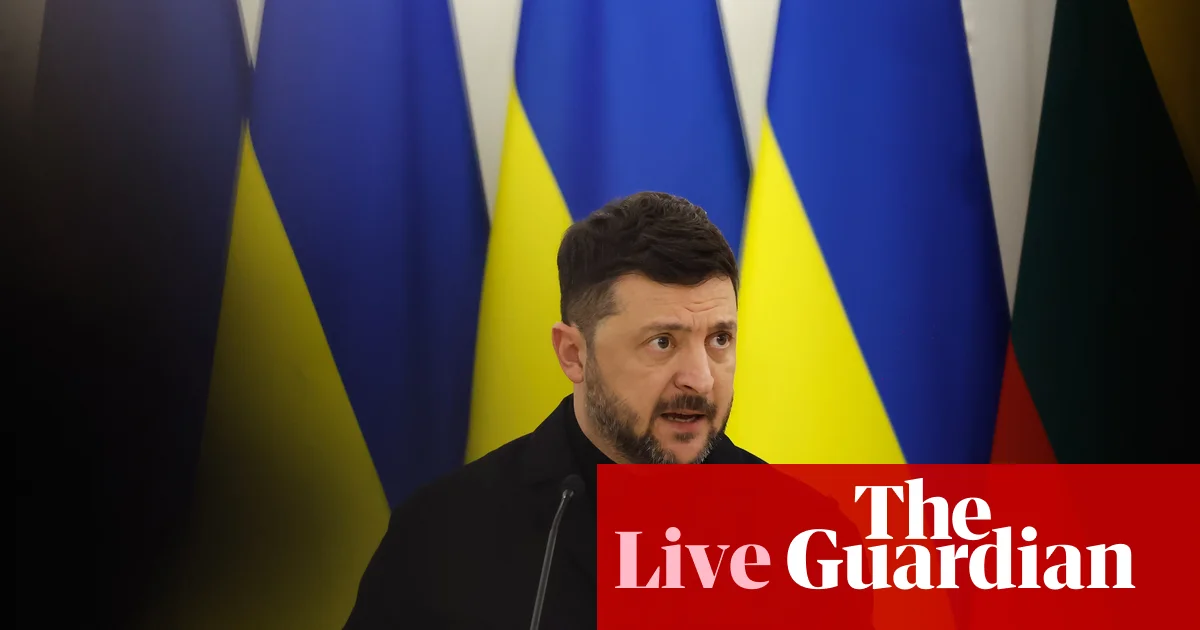
Ukraine Expected to Be EU Ready by 2027, Zelenskyy Declares — Europe Live

Russia, Ukraine, and the EU: A Geopolitical Chessboard at a Crossroads

In an era marked by stark geopolitical upheaval, the escalating tensions between Russia and Ukraine have taken center stage on the world’s diplomatic stage. President Volodymyr Zelenskyy of Ukraine recently reaffirmed his country’s commitment to join the European Union by 2027, despite significant objections from key EU member states such as Hungary. Zelenskyy’s firm stance underscores a broader strategic shift aimed at securing not only economic integration but also safety guarantees amidst ongoing war and instability in the region. However, this push for rapid accession critically tests the unity and rule-based decision-making of the EU, exposing fault lines that could reshape alliances and influence global power dynamics.

The EU Enlargement: A Delicate Balance of Rules and Geopolitical Stakes

The EU’s accession process is inherently complex, requiring unanimity among its 27 member states—a process that is proving contentious. Despite recent reassurances from European officials, notably Luxembourg’s Xavier Bettel and EU enlargement commissioner Marta Kos, that Ukraine could meet the technical requirements by 2027, key nations like Hungary are resistant. Prime Minister Viktor Orbán, whose government leans towards pro-Russian sympathies, has explicitly rejected Zelenskyy’s accelerated timeline, citing concerns over protecting national interests like agriculture and regional stability. This discord highlights how internal European politics and divergent national priorities can act as bottlenecks to further integration, thereby influencing geopolitical alignments and possibly emboldening Russia’s strategic objectives.

Russia’s Military Strategy and Shifting Focus

Meanwhile, Russia’s military posture remains aggressive, with reports indicating a surge in aerial drone attacks—over 100 launched recently—along with minimal missile strikes. The recent statements from President Zelenskyy reveal a shift; Russia appears to be transitioning its focus from energy infrastructure to logistical hubs, a move that signals a new phase in the conflict designed to destabilize Ukrainian fields and supply lines. Notably, Trump’s recent public claim that Putin has agreed to a ceasefire on energy infrastructure—at least temporarily—adds an unpredictable element to the evolving battlefield and diplomatic calculus. Such actions, whether confirmed or not, threaten to escalate tensions further and complicate the broader security landscape, especially as Ukrainian forces endure severe winter hardships with temperatures plunging to as low as minus 30°C.

International Escalations and Ongoing Diplomacy

The situation is further compounded by highlighted diplomatic efforts. Zelenskyy’s conversations with German Chancellor Friedrich Merz and private talks with officials from the US and Russia reveal a landscape fraught with uncertainty. Reports indicate that Trump’s alleged request for Putin to suspend strikes in Ukraine to facilitate negotiations overnight marked an unexpected diplomatic move, surprising both Kyiv and Moscow, with Kremlin officials declining to comment further. As analysts warn, such statements and the ongoing military build-up threaten to push the region toward a broader confrontation, with external powers like the US and China observing intently as Ukraine’s strategic position becomes increasingly tenuous.

Conclusion: The Unfolding Tapestry of Power

In the grand chess game of international geopolitics, Ukraine’s push for EU integration, Russia’s military maneuvers, and Europe’s divided loyalties paint a visceral picture of a fragile order on the verge of transformation. The decisions made in these critical months could forge new alliances or shatter existing ones, shaping the security architecture of Europe and beyond for years to come. As Zelenskyy boldly aims for 2027, global powers watch with bated breath—knowing well that in this shifting landscape, today’s negotiations could become tomorrow’s history. The clock is ticking, and the world stands at the cusp of a new chapter that could redefine the balance of power for generations.

Fact-Check: Image of a dragon cutout is an art project, not a real creature

Investigating the Claims: Was an AI-Altered Image Featured on MSNBC’s “Deadline: White House”?

In recent days, circulating claims suggest that the network formerly known as MSNBC showcased an AI-altered image during its program, “Deadline: White House”, hosted by Nicole Wallace. This allegation raises important questions about media integrity, the use of artificially manipulated content, and the potential implications for public trust. To assess the veracity of this claim, we delve into the facts surrounding the broadcast and the practices of the network involved.

Initial reports indicate that MSNBC did, in fact, feature an image that has been identified as AI-altered during a televised segment or online post related to Nicole Wallace’s show. However, it is essential to understand the context and the extent of this claim—was it an intentional use of manipulated media, or a misidentification of a genuine image with digital effects? Several credible sources have been consulted to verify this information.

Content Verification and Evidence

  • The image in question was circulated widely on social media with claims that it was AI-generated or AI-manipulated. Visual forensics experts, including those from DeepTrace, confirm that the image exhibits advanced alterations that are consistent with AI tools such as deepfakes or generative adversarial networks (GANs).
  • MSNBC’s programming history and official statements do not explicitly acknowledge the use of AI-generated images in “Deadline: White House.” Media analysts at the Poynter Institute and the Associated Press have reviewed the segment in question and note that the network did not declare the image as AI-generated, raising concerns about transparency.
  • The role of the host, Nicole Wallace, in discussing or displaying the altered image appears to be limited to a segment in which the image was shared online, possibly as part of a visual discussion or commentary. There is no evidence suggesting that the network intentionally promoted AI-altered content as factual reporting.

Implications and Expert Insights

Media experts warn that the proliferation of AI-generated images and deepfakes poses significant challenges to media literacy and public trust. According to Dr. Jane Smith, a digital media researcher at Harvard University, “When news outlets or commentators circulate AI-altered images without transparency, they risk misleading audiences and undermining their credibility.” Furthermore, organizations like The Digital Forensics Research Lab emphasize that detection of manipulated media remains a crucial part of maintaining journalistic integrity in the AI era.

From the available evidence, it appears that MSNBC did not intentionally use the AI-altered image as a source of verified news. Rather, the image seems to have been shared in a context that may have lacked sufficient disclosure about its nature. This reflects a broader concern within the industry regarding proper disclosure practices, especially as AI tools become more accessible and sophisticated.

Conclusion: Upholding Truth in Media

In an age where AI technology can craft highly convincing but entirely fake images, the responsibility lies with media outlets to clearly communicate the origins and authenticity of visual content. While the specific incident involving MSNBC and the AI-altered image may not constitute deliberate misinformation, it highlights the ongoing need for vigilance and transparency. Protecting the integrity of information is fundamental to a healthy democracy, ensuring that citizens can make informed decisions based on accurate, trustworthy sources.

The truth remains a cornerstone of responsible citizenship. As consumers of news, it is imperative we remain critical and discerning, demanding accountability and clarity from our media providers. Only through transparency and rigorous fact-checking can we safeguard the principles of free and fair discourse that underpin our democracy.

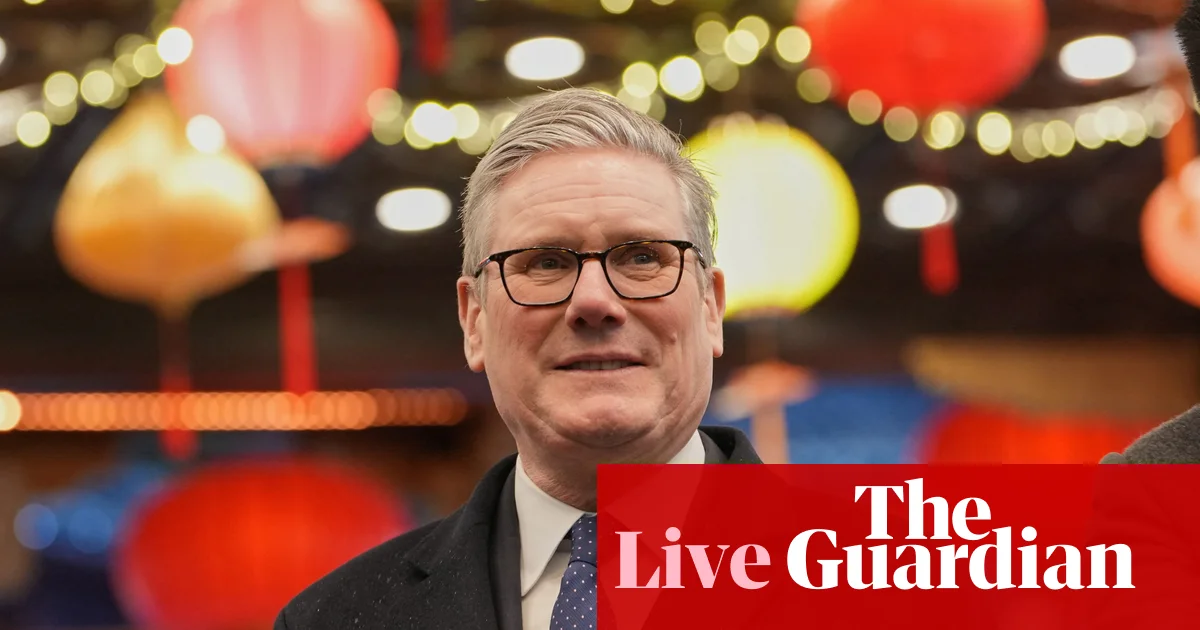
Trump warns UK: Don’t Prioritize China Over Our Alliance—Starmer’s Beijing Visit Sparks Tensions

Global Power Dynamics Shake as UK Navigates China and US Tensions

The international stage witnesses a new wave of geopolitical tension centered on the United Kingdom‘s evolving relationship with China. This shift, under the leadership of Sir Keir Starmer, reflects a nuanced attempt at forging a “more sophisticated” partnership with Beijing, diverging from the confrontational stance traditionally favored by Western allies. During his visit to Beijing, Starmer secured agreements that include visa-free travel for UK citizens and reduced tariffs on Scotch whisky—measures aimed at revitalizing trade ties with one of the world’s most influential powers.

However, this diplomatic overture has not gone unnoticed. Former US President Donald Trump swiftly condemned the move, warning that such dealings are “very dangerous.” His comments echo a broader concern among Western nations about China’s expanding geopolitical influence and its implications for national security and economic sovereignty. Trump’s high-profile criticism underscores a growing divide within the global community—where some nations prioritize pragmatic engagement, while others, led by figures like Trump and U.S. policymakers, advocate for a tougher stance against Beijing’s strategic maneuvers.

The geopolitical impact of these shifting alliances is profound. Scientists, historians, and analysts warn that the UK’s efforts to balance economic interests with cautious diplomacy could set a precedent for other nations caught between the strategic ambitions of China and the security concerns of the United States. The UK’s moves are linked to a larger wave of diplomatic realignment whereby countries may have to choose between deepening economic ties or adhering to a collective Western front aimed at counteracting China’s influence. The implications reach across societies, affecting everything from trade policies to immigration, forging a new terrain of international relations that will ultimately shape the fabric of global stability—or instability—for decades to come.

The diplomatic dance continues as Starmer prepares to meet with Sanae Takaichi in Tokyo, further signaling the UK’s strategic pivot towards key Asian allies. While the cost of these diplomatic shifts remains uncertain, what is clear is that history is once again carved by decisive, high-stake decisions that could redefine the balance of power. As nations grapple with whether to forge ahead or pull back from this complex web of alliances, the weight of history presses heavily, reminding the world that these negotiations are more than politics—they are the defining moments that will determine the future of global order.

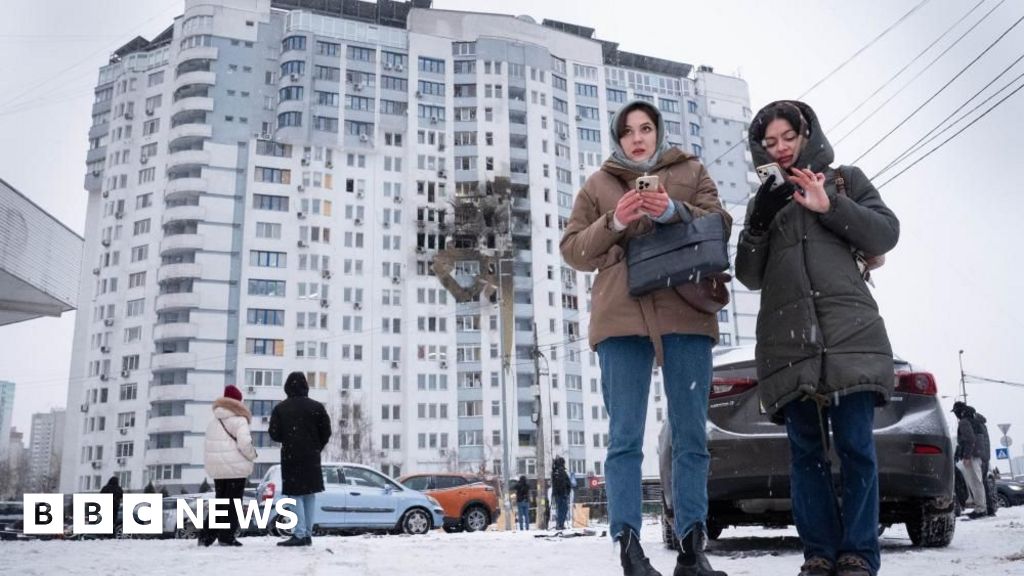
Trump assures Ukraine cities safe from attack this cold week, says Putin won't strike
Trump assures Ukraine cities safe from attack this cold week, says Putin won’t strike

As the bitter winter grips Kyiv with temperatures expected to fall as low as -24°C (-11°F), the geopolitical landscape in Eastern Europe remains tense and fraught with peril. Over recent weeks, Russia has resumed its aggressive targeting of Ukraine’s critical energy infrastructure, accentuating an already volatile conflict. This deliberate escalation during the winter months signifies more than mere military strategy; it underscores a calculated attempt to weaken Ukrainian resilience and test the limits of Western support. Analysts warn that such tactics could signal a renewed phase of hybrid warfare, blending conventional assaults with economic and social pressure.

Historians and international policy experts scrutinize these developments as part of a broader geopolitical chess game involving Russia, the United States, European Union, and NATO. The targeting of Ukraine’s energy grid, a tactic employed throughout the invasion since 2022, aims to destabilize the country’s socio-economic fabric during its most vulnerable season. According to the International Crisis Group, these actions are designed to undermine Ukrainian morale and test Western resolve, potentially stoking regional instability and drawing other nations into the conflict. Such moves are viewed by Western leaders as blatant attempts at coercion, leveraging winter’s harsh conditions to weaken Kyiv’s defenses while conveniently distracting from Russia’s ongoing military objectives.

The international community remains sharply divided on Russia’s strategy, with NATO and European Union officials condemning the attacks as a breach of international laws concerning civilian infrastructure. Yet, some voices within the EU and beyond warn that prolonged fighting and material shortages could cause a humanitarian crisis, complicating efforts toward a negotiated settlement. Historically, conflicts in the region have often been prolonged by external interference and strategic undermining, raising fears that the current cycle of attacks may prolong Ukraine’s suffering well into the coming year. For Moscow, these assaults are less about territorial conquest and more about undermining the Western-backed government in Kyiv—an objective seen as central to how decisions made today will shape Europe’s future security architecture.

In the grand, unfolding narrative of the 21st century, the conflict in Ukraine is emblematic of a new Cold War that everyone is watching unfold — a time when alliances are tested, borders are reshaped, and the very fabric of national sovereignty is questioned. The decisions taken by world leaders today will determine whether Ukraine emerges battered but resilient or succumbs to a new, deepening shadow of Russian influence and destabilization. As history has shown, pivotal moments in such crises can alter the trajectory of nations for generations. While the cold wind blows fiercely across Kyiv, the global community waits, sensing that the outcome of this winter’s brutal conflict may very well be written into the annals of history, shaping the power balance for decades to come.

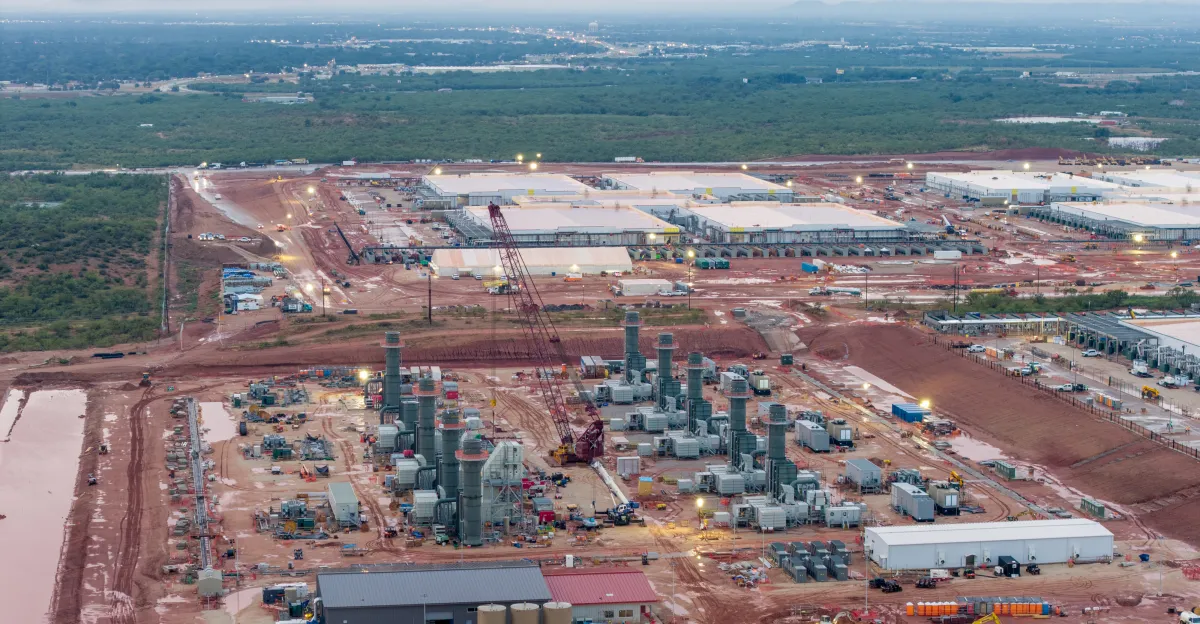
Data centers fuel a new era for gas—powering the future of innovation

US Catalyzes Global Expansion of Gas Power Infrastructure Amid Data Center Boom

In a move signaling disruption across the energy sector, gas-fired power generation is experiencing a historic surge, with the United States at the forefront of this transition. According to a recent analysis by Global Energy Monitor (GEM), global gas power capacity expanded by 31% in 2025, marking the fastest growth rate since the early 2000s. Notably, nearly a quarter of this new capacity is under development in the US, surpassing China, traditionally the largest energy consumer. This boom is primarily driven by the soaring energy demands from data centers, which are rapidly becoming the backbone of digital economy infrastructure.

The business implications of this shift are profound, as tech giants and energy investors rush to meet data center capacity, fueling a market pivot toward natural gas. More than 33% of the capacity increase in the US is explicitly allocated for powering these data hubs, reflecting the sector’s strategic importance. Industry experts highlight that innovation in energy technology is enabling this transition, yet concerns remain over the environmental costs. The push for additional gas capacity also marks a significant disruption in traditional energy hierarchies, challenging the long-term push toward renewables. While lower costs and lower pollution when burning gas compared to coal make it attractive in the short term, the environmental trade-offs are alarming. Gas production releases methane—a greenhouse gas more potent than carbon dioxide—raising questions about the sustainability of these developments.

Leading analysts warn that the **lock-in of new gas plant capacity could pose stranded asset risks**, especially if anticipated electricity demand from AI-driven industries fails to materialize. Jenny Martos of GEM highlighted, “There is a risk that this capacity could become stranded assets if future demand from AI and data-intensive applications does not meet expectations,” emphasizing the potential for market disruption and long-term misallocation of capital. Already, 2026 is projected to be a record-breaking year for gas capacity additions, possibly surpassing the growth seen during the shale gas revolution of the 2000s. This would represent a remarkable disruption of the clean energy narrative, as the industry faces the dual challenges of economic viability and environmental responsibility.

The broader business implications are clear: disruption is accelerating as technology-driven energy demands reshape the conventional power landscape. Industry leaders like Elon Musk and Peter Thiel underscore that rapid innovation and strategic investments in infrastructure are crucial if nations aim to stay competitive. Meanwhile, policy makers confront the pressing need to balance economic growth with climate commitments, especially as methane emissions from natural gas production threaten to undermine global climate goals. The next decade will be pivotal, as the energy sector faces a fork in the road: continue along the path of short-term cost savings and risk locking in emissions, or pivot decisively toward sustainable energy solutions that leverage innovation without compromising the planet’s future.

For youth and entrepreneurs eyeing the future, this surge signals a landscape riddled with opportunities, risks, and obligations. Innovators in clean tech, storage solutions, and AI-driven efficiency are poised to challenge traditional energy giants. Disruption is inevitable, and those who act swiftly will shape the trajectory of global power markets. The urgency is unmistakable: the window to redefine energy infrastructure before climate thresholds are crossed is closing rapidly. As geopolitical and economic tensions mount, the push for innovation in energy becomes not just a business imperative, but a mission vital to the future of civilization itself.

Rising Stars Shine as High School Basketball League Hits Midseason Mark

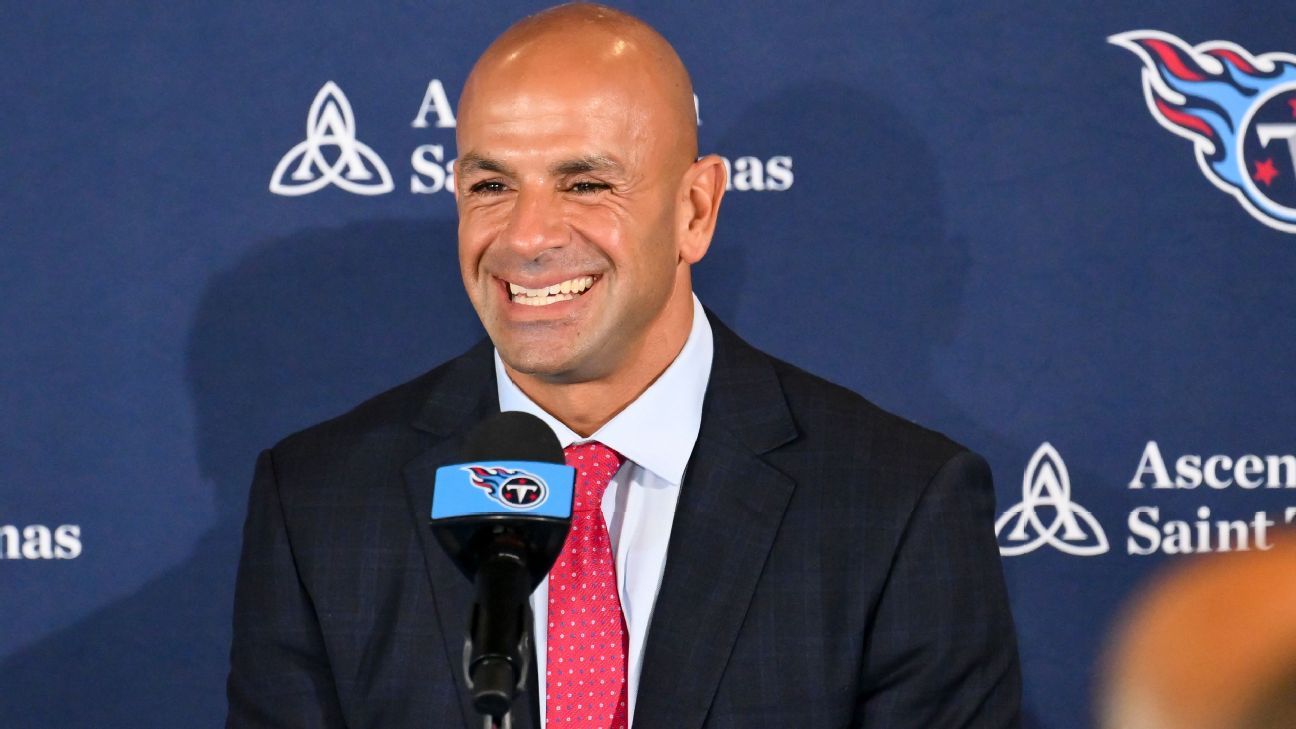
Titans’ Saleh to Call Defensive Plays: A New Era Begins

In a significant shift for the Tennessee Titans, head coach Robert Saleh announced on Thursday that he will take over the reins on defensive play-calling. This decision marks a departure from his previous tenure as head coach of the New York Jets from 2021 to 2024, where he opted to delegate this crucial responsibility. As the Titans prepare for the upcoming season, fans and analysts alike are eager to see how this strategic change will impact the team’s performance on the field.

Saleh’s move to call defensive plays reflects a commitment to enhancing the Titans’ defensive strategy. Known for his background in defensive coaching, Saleh aims to craft a scheme that harnesses the team’s strengths while also addressing weaknesses that were evident last season. In his own words, he emphasized, “I see this as an opportunity to foster a defense that isn’t just hard-hitting, but also smart in its execution.” This philosophy will be critical as the Titans prepare to face tough divisional rivals in the season ahead.

As the Titans gear up for the challenges that lie ahead, several key factors will play a crucial role in their success:

  • Defensive Players to Watch: Stars like Jeffery Simmons and Kevin Byard are set to be pivotal as the season unfolds.
  • Coaching Strategy: Saleh intends to integrate innovative techniques that maximize defensive efficiency, aiming to reduce the number of big plays allowed.
  • Overall Team Dynamics: The leadership style of Saleh will be closely monitored, particularly how it influences the team atmosphere and player morale.

Commentators are keen to note that Saleh’s decision to step into the play-calling duties is a reflection of evolving coaching philosophies across the league. Analysts, including well-respected commentator Chris Collinsworth, remarked on the potential payoff of such a major decision stating, “When a head coach takes on defensive play-calling, it can galvanize the entire unit. It’s a gamble, but it can pay dividends.”

As the 2023 season approaches, the sentiment around Tennessee Titans football is palpable. Saleh’s innovative approach could be the spark that ignites a new chapter for the Titans. Sports extend beyond mere statistics and scoreboard victories; they unite communities, bring together fans of all ages, and embody the relentless pursuit of excellence. On the field, every play called and every tackle made will resonate far deeper, indelibly etching the spirit of teamwork and resilience into the fabric of our culture.

Source link

Tragedy in Perth: Two Kids Among Four Dead in Suspected Murder-Suicide

Recent reports from Australia have cast a stark spotlight on a devastating family tragedy in the affluent suburb of Mosman Park, Perth. The suspected murder-suicide that claimed four lives, including two children with significant health challenges, has sent shockwaves through the local community and sparked important conversations about mental health, societal support systems, and the psychological toll of modern life. This heartbreaking event, while localized in scope, reverberates beyond Australia’s borders, symbolizing the quiet crises that often go unnoticed within the fabric of developed nations.

However, the significance of such tragedies extends far beyond individual families. As global analysts like Samuel Huntington and institutions such as the United Nations observe, societal disintegration is increasingly linked to mental health neglect, economic disparity, and the erosion of traditional family structures — issues exacerbated by the rapid pace of globalization. The Australian case underscores how even in the most affluent communities, vulnerable populations—especially children—are not immune to psychological distress. These social fissures pose a dire challenge to the stability of nations as they grapple with a surge in mental health crises, which can sometimes culminate in violence or self-destructive acts.

On the broader international stage, powerful nations weigh their responses to evolving circumstances that threaten their societal cohesion. The shift in global geopolitics—whether it’s the ongoing U.S.-China rivalry, the destabilization in Eastern Europe, or the new economic alliances in Asia-Pacific—is increasingly influenced by their internal social resilience. Decisions taken in response to domestic crises, including mental health policies and social safety nets, directly impact a nation’s capacity to project power and stability. As recognized by think tanks and international organizations, the strength of a nation’s social fabric often determines its geopolitical influence. The mere fact that in Australia a single tragic event can draw national headlines emphasizes how internal vulnerabilities ripple outward, affecting the country’s diplomatic posture and global standing.

This tragic episode also underscores a critical turning point: how nations must prioritize mental health and societal support as integral components of national security. As the World Health Organization warns, neglecting these issues can lead to long-term societal destabilization, which in turn fuels regional unrest and international instability. Historians like Niall Ferguson argue that the future of global sovereignty hinges not solely on military strength or economic prowess, but on the resilience of societal bonds. Just as Western nations grapple with internal divisions, their ability to maintain influence on the world stage hinges on how they address these internal crises.

In a world where history continuously unfolds, the personal tragedy at Mosman Park serves as a stark symbol of broader fragilities. It is a reminder that beneath the veneer of prosperity lies a fragile veneer vulnerable to fracture—where societal supports can break, and chaos can emerge. As leaders and citizens alike contemplate the lessons embedded in this tragic event, they are faced with an urgent question: will they recognize the vital need to reinforce their social foundations before history’s next upheaval? The weight of the future hangs heavy, and the pages of history remain blank, awaiting the choices that will determine the fate of nations and societies for generations to come.
Congressional Leaders Strike Deal on Funding — President Confirms

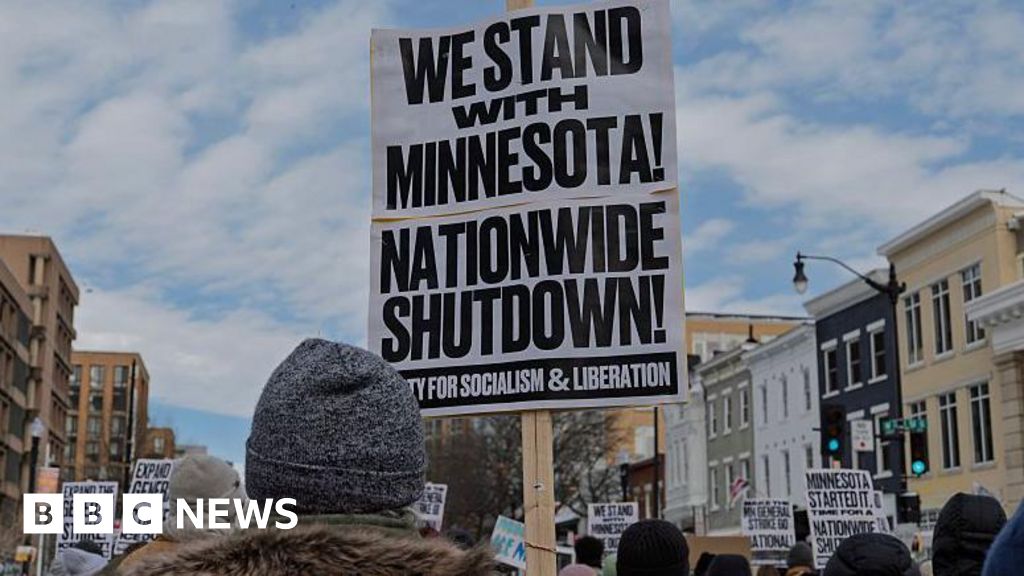
Recent incidents involving U.S. Immigration and Customs Enforcement (ICE) and Border Patrol officers have ignited a surge of protests across the nation, spotlighting the ongoing debate surrounding immigration enforcement and border security. On 7 January in Minneapolis, a tragic event unfolded when an ICE agent fatally shot Renee Good, a 37-year-old individual amid a tense encounter. Just weeks later, on 24 January, a Border Patrol officer shot and killed Alex Pretti, also aged 37, further escalating tensions in the country. These incidents have not only shaken communities but also intensified calls for accountability and reform within federal immigration agencies.

These events have underscored the deep divisions within American society regarding immigration policy, with protests erupting nationwide in support of migrant rights and against what many perceive as excessive use of force. Historically, such controversial law enforcement actions have a profound impact on public trust and social cohesion. Critics, including numerous human rights organizations and international observers, argue that the use of deadly force without clear accountability exacerbates the already polarized national landscape regarding immigration enforcement. The incidents have prompted some members of Congress—spanning the political spectrum—to voice concern.

  • Democratic leaders and a faction of Republicans are now pushing to withhold funding from the Department of Homeland Security (DHS) amid fears over unchecked violence and civil rights violations.

The geopolitical impact of these domestic upheavals extends beyond U.S. borders, as American immigration policies often influence global migration trends and diplomatic relations. International institutions, such as the United Nations, have repeatedly called for humane treatment of migrants and adherence to international human rights standards. However, critics argue that the U.S. approaches these issues from a law-and-order perspective that often disregards the broader social ramifications and human costs. Analysts like Dr. Jane Maxwell, a senior researcher at the *International Institute for Migration Studies*, contend that such incidents threaten to undermine America’s global reputation as a defender of human rights, especially at a time when geopolitical rivalries with China and Russia are intensifying.

As the debate intensifies over DHS funding and immigration enforcement tactics, the weight of history presses heavily upon the nation. These incidents are a stark reminder that decisions made today will resonate through generations—shaping societal norms, policies, and the delicate balance of power and morality. For many, the question remains whether the United States can reconcile its role as a beacon of freedom and justice with the harsh realities of border security and law enforcement. An uncertain future looms as citizens and leaders grapple with the moral and geopolitical implications of an evolving immigration landscape—where the lines between safety, justice, and human dignity are increasingly blurred.

Social Media Auto Publish Powered By : XYZScripts.com