Matox News

Truth Over Trends, always!

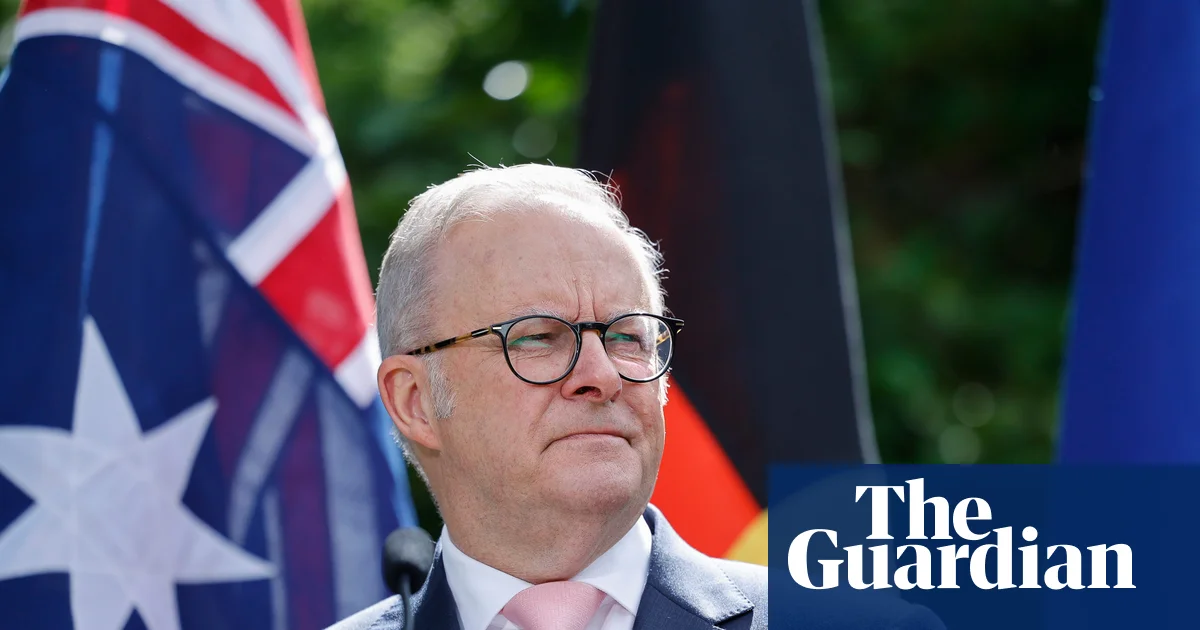
Albanese backs Herzog’s Australia trip as MP demands cancelation — Bondi terror attack aftermath

The Geopolitical Tensions Ignite in Australia Over Herzog’s Planned Visit

The upcoming visit of Isaac Herzog, the President of Israel, to Australia in February has transformed a diplomatic gesture into a flashpoint for international and domestic controversy. The Albanese government’s decision to host Herzog, amidst mounting violence in the Israel-Gaza conflict, underscores the profound geopolitical impact that international diplomatic decisions are increasingly carrying in an era of amplified global tensions. As pro-Palestinian protests threaten to flood streets nationwide, and security measures are heightened, analysts warn that this situation could further destabilize Australia’s social fabric and influence international relations.

This tension was precipitated by the December 2023 terror attack in Bondi, which left 15 civilians dead, prompting a deeply divisive debate on whether inviting Herzog to visit amid ongoing conflict and alleged war crimes is a prudent decision. Anne Aly, Australia’s Minister for Multicultural Affairs, refrained from outrightly endorsing the visit but acknowledged its importance in fostering unity. Conversely, Sophie Scamps, a member of Australia’s parliamentary opposition, and the Palestine Action Group have voiced vehement opposition. They argue that Herzog’s presence could “ignite further division” and could serve to legitimize a controversial figure accused by some international bodies of inciting genocide. These domestic divisions echo wider international debates over how nations should navigate relationships with Israel in a landscape scarred by accusations of war crimes and the ongoing humanitarian crisis in Gaza.

International Organizations and Historical Perspectives Shape the Discourse

Adding to the complexity, the United Nations—or more precisely, a commission of inquiry—has accused Israel of genocide in Gaza in a 2025 report, a document dismissed by Israel as “distorted and false.” Despite this, critics highlight that such accusations reflect a growing international criticism of Israel’s military conduct and raise questions about the legitimacy of Herzog’s visit. Historically, the international community has been divided over how to address Israel’s actions in Gaza, with some, such as the UN panel, framing Israeli policies as genocidal, while others, like Israel’s foreign ministry, dismiss such claims as “Hamas falsehoods”.

Observers including historians like Beverly Crawford and international analysts emphasize that the decisions taken by Australia in this context could have ripple effects well beyond bilateral relations. As U.S. and European alliances continue to grapple with their own external pressures, Australia’s handling of Herzog’s visit serves as a microcosm for the global debate over morality, solidarity, and strategic interests. The planned protests witness Australia’s detailed confrontation with its identity—balancing its historic alliance with Israel and its moral responsibility amidst a humanitarian crisis.

Decisive Actions Shape the Future of International Diplomacy

  • The Albanese government’s insistence on maintaining the visit despite protests reflects a broader choice—prioritizing diplomatic engagement over domestic and international dissent.
  • Major security responses and policy restrictions, such as the controversial protests and police restrictions in Sydney’s CBD, illustrate how internal security concerns are directly linked to international diplomatic gestures.
  • The ongoing debate about Herzog’s visit—and whether it will serve to deepen divisions or foster reconciliation—underscores **the critical importance of diplomatic strategy** in shaping regional stability and international perceptions of Australia’s role on the world stage.

As protests continue and the world watches, Australia’s decision stands as a stark reminder of how history’s heaviest questions—about justice, morality, and international order—are judged in its courts, in its streets, and in the corridors of power. The weight of history is relentless, and with each decision, the world edges closer to defining its moral compass in an era where illusions of separation give way to the profound interconnectedness of nations and peoples. In this moment, the future hangs in a delicate balance, a testament to how echoes of decisions made today will shape the legacy of generations to come—and the unfolding story of a divided world that seeks unity amidst chaos.

Discover 50% Off DoorDash with This February 2026 Promo—Save Big, Eat Easy!

DoorDash’s Evolution: Disruption, Innovation, and Future Business Implications

In a landscape defined by rapid technological disruption, DoorDash emerges not merely as a food delivery service but as a pioneering force in shaping the future of consumer interaction and retail logistics. The company’s recent advancements—ranging from expanded dine-in capabilities to strategic partnerships—underscore a broader shift towards integrated on-demand experiences that cater to a digitally native demographic eager for convenience and personalized rewards. According to industry analysts at Gartner, companies that innovate beyond their core offerings are set to dominate the emerging *hypermobility* economy, where seamless user engagement is paramount.

DoorDash’s latest initiatives, such as the Going Out program, exemplify a disruptive approach by blending traditional dining with app-based reservations and loyalty rewards. This move signifies a fundamental transformation of the restaurant experience, driven by hyper-personalization and data-driven loyalty mechanisms. By allowing customers to book, earn incentives, and receive exclusive in-store benefits through a single platform—initially in metropolitan hubs like NYC and Miami—DoorDash is strategically positioning itself at the intersection of e-commerce, hospitality, and social commerce. This integrated approach is poised to challenge rudimentary delivery models, pushing competitors to innovate rapidly or risk obsolescence.

From a business perspective, these innovations have profound implications. The company’s aggressive promotional strategies, including free delivery offers and substantial DashPass discounts, serve as a gateway to increasing user engagement. Partnerships such as the Chase partnership for three months of free DashPass reflect strategic moves to lock in customer loyalty while expanding market penetration. Moreover, DoorDash’s embrace of subscription-based models, like DashPass, aligns with emerging consumer preferences for subscriptions and recurring engagement, which are predictions shared by MIT researchers exploring future retail ecosystems.

From a broader industry standpoint, these advancements signal a shift in competitive dynamics. Major players such as Uber Eats and Grubhub are responding by increasing their own investments in hybrid retail concepts. This trend not only fuels disruption but also accelerates the push towards a new retail paradigm—where delivery, dine-in, and social experiences are seamlessly integrated within a single digital platform. As Elon Musk emphasizes, innovation thrives on “cross-industry synergy,” and DoorDash’s multi-faceted approach exemplifies this principle. In the coming years, if these strategies prove successful, the implications could extend beyond food delivery, fundamentally transforming retail, hospitality, and even urban planning.

With these developments happening now, the urgency for established players and startups alike is clear. The fight for market share in the on-demand economy is intensifying, with innovation set to redefine consumer expectations. As industry experts warn about *technology fatigue* and *market saturation*, the companies that leverage disruption, innovate rapidly, and harness data-driven loyalty will carve out dominant positions. DoorDash’s trajectory indicates a future where on-demand convenience is not just about delivery—it’s about creating integrated, personalized, and incentivized ecosystems that prioritize consumer loyalty and operational agility. Now is the moment for stakeholders to watch closely: the next chapter of digital commerce is unfolding, and those who act swiftly will dictate the pace of tomorrow’s retail revolution.

Young Talent Shines as Rising Stars Battle for Championship Glory!

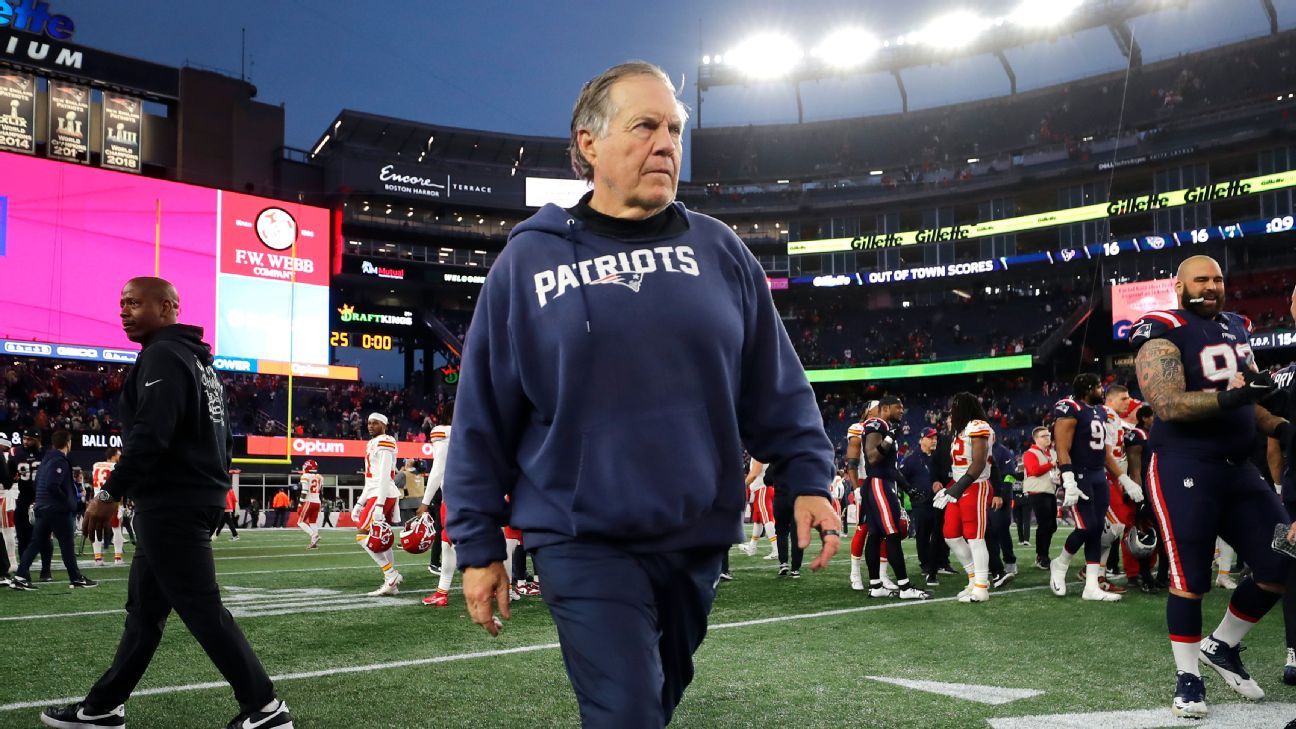
Bill Belichick’s Hall of Fame Journey Takes a Surprising Turn

In a stunning revelation that has sent shockwaves through the world of football, it has been reported that Bill Belichick, the eight-time Super Bowl-winning coach, will not receive first-ballot Hall of Fame status when he becomes eligible. Sources close to the situation have confirmed this surprising development, which raises questions about the criteria used to determine such prestigious honors within the sport.

Belichick, widely heralded as one of the greatest coaches in NFL history, has led the New England Patriots to an astounding six Super Bowl victories as head coach. His revolutionary strategies and unparalleled ability to adapt have set standards that many aspiring coaches strive to emulate. However, despite this impressive resume, it appears there may be more complexities at play when it comes to Hall of Fame selection.

Commentators and analysts have weighed in on the situation, noting that “Belichick’s legacy is not defined solely by championships, but by his approach to the game,” as stated by former player and analyst Jeff Saturday. The nuances of the Hall of Fame voting process are often shrouded in mystery, with factors such as player relationships and off-field controversies sometimes overshadowing on-field achievements. This adds an intriguing layer to the narrative surrounding Belichick’s impending nomination.

  • Championships: 6 Super Bowl wins with the Patriots.
  • Coaching Style: Renowned for his adaptability and game plans.
  • Controversies: The Spygate and Deflategate incidents have lingered in discussions.
  • Influence: Belichick’s coaching tree has produced several successful NFL head coaches.

Despite this unexpected turn of events, Belichick’s impact on football remains undeniable. Whether first-ballot or not, his legacy will surely endure, remembered by fans and players alike. In the grand tapestry of sports, it’s not just about the accolades; it’s about how these figures shape the game and connect fans with moments of triumph and heartbreak. As we await the Hall of Fame voting results, one thing is for certain: in the realm of sports, community and passion go beyond individual achievements, forming a collective heartbeat that unites us all.

Source link

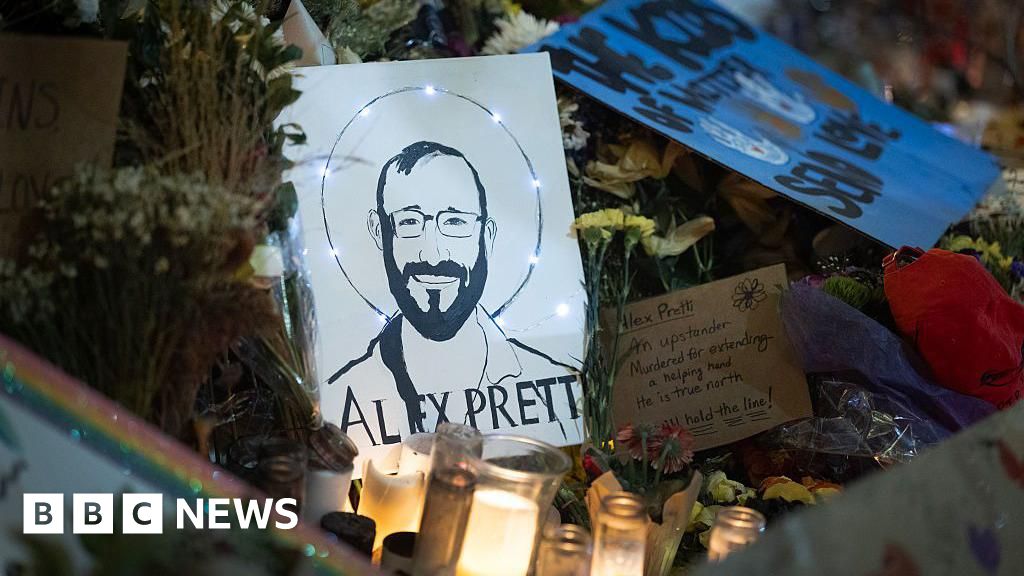
Border agents linked to Alex Pretti's deadly shooting put on leave
Border agents linked to Alex Pretti’s deadly shooting put on leave

In an era marked by complex geostrategic shifts, the United States finds itself embroiled in a tumultuous domestic debate that has far-reaching implications beyond its borders. Recent exchanges on social media between former President Donald Trump and the Mayor of Minneapolis underscore the deepening ideological rifts over immigration law enforcement, illustrating how internal political struggles influence perceptions of national stability and foreign policy. As the nation grapples with these discordant narratives, international analysts warn that such upheavals could diminish America’s global standing at a critical juncture in history, especially amidst mounting challenges from rival powers like China and Russia.

The clash over immigration enforcement encapsulates broader debates on sovereignty and security that resonate well beyond U.S. borders. These internal conflicts, often amplified by social media, serve as a mirror to a nation divided, revealing fault lines that increasingly influence its ability to project power worldwide. Experts from the Council on Foreign Relations emphasize that how America manages these internal tensions will directly impact international partnerships and its ability to promote stability and democracy globally. As U.S. policymakers navigate this storm, the geopolitics of diplomacy is shifting, compelling allies and adversaries alike to reconsider their engagements with an America that appears fractured from within.

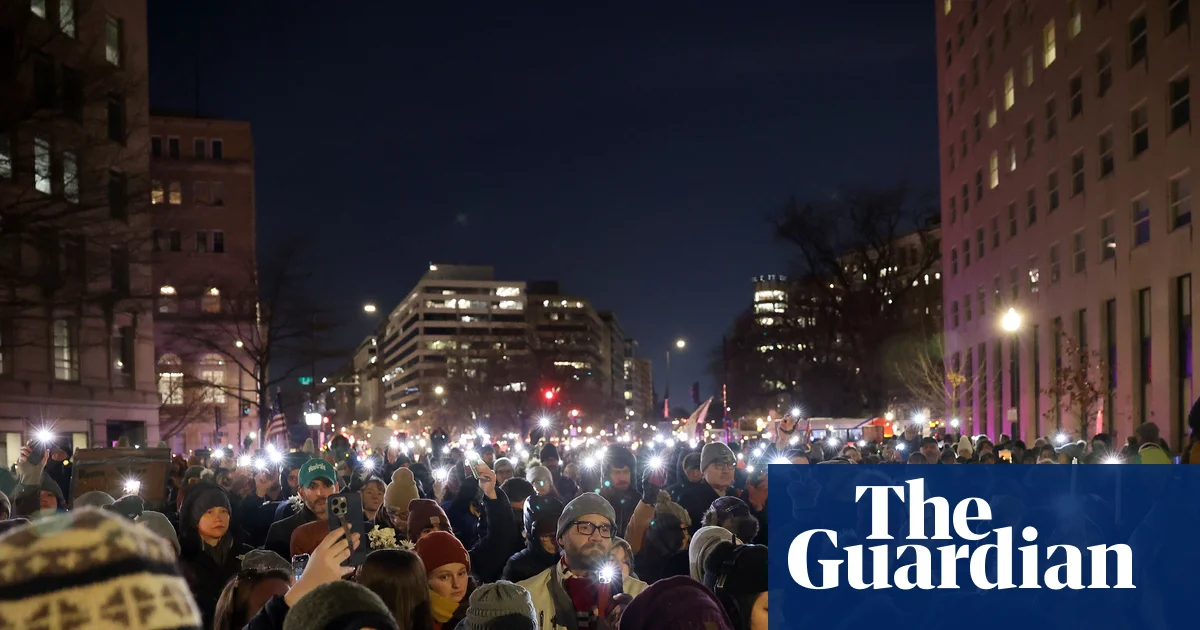
Meanwhile, a tragic incident involving the death of nurse Alex Pretti has sent shockwaves across American society, further fueling national crises of trust and social cohesion. The ongoing investigation and unresolved questions surrounding this event exemplify the broader social distress that defines contemporary America. Historically, analysts suggest, such domestic turbulence can weaken a nation’s ability to effectively engage on the international stage. Countries like China and Russia are closely monitoring these developments, viewing America’s internal strife as an opportunity to advance their own geopolitical agendas while undermining American influence. The situation underscores a critical lesson from history: internal cohesion is the bedrock of global power, and when fractured, even the mightiest nations falter.

As the world watches these unfolding dramas, the geopolitical landscape remains dynamic and unpredictable. US leaders face the daunting task of restoring stability amidst division, fully aware that their decisions today will ripple through history’s fabric. Analysts warn that a failure to unify and lead decisively could embolden rising authoritarian powers and accelerate the decline of Western influence. This ongoing saga, marked by political clashes, social upheaval, and international strategic recalculations, leaves the global community bracing for what lies ahead. In the shadows of this turmoil, the true test of resilience and leadership unfolds, reminding us all that history’s greatest moments are often born through chaos, forging new epochs in the relentless march of time.

Judge Stops Trump Officials from Detaining Refugees in Minnesota

United States judicial intervention has temporarily halted the controversial policy of re-vetting and detaining lawfully resettled refugees in Minnesota. This abrupt series of arrests, initiated under the Trump administration’s recent initiative, Operation Parris, has ignited a fierce debate around human rights, sovereignty, and immigration policy. The decision by Federal Judge John R. Tunheim signals a significant judicial pushback against what critics describe as a draconian crackdown on individuals who had undergone extensive vetting processes and had established legal residence in the country.

  • More than 100 refugees arrested in Minnesota, some transported to detention centers in Texas
  • Refugees were detained, often abruptly and without notice, and then released to navigate an uncertain return journey
  • The Biden administration, facing mounting criticism, has paused these detentions following legal challenges and public outcry

This decision comes in the wake of widespread alarm among civil rights groups and international observers. Critics, including human rights advocates and analysts such as Noam Chomsky and Amnesty International, argue that the U.S. government’s actions undermine core commitments to international refugee agreements like the 1951 Refugee Convention and the 1980 Refugee Act. The policy, aimed at intensifying background checks and verification, has paradoxically resulted in the very trauma and chaos these laws seek to prevent, exposing the persistent tensions between national security and human dignity. The federal court’s ruling emphasized the human toll—stories of terror, confusion, and sharp trauma recounted by affected refugees—that are simply impossible to ignore in the face of alleged national security concerns.

Underlying this crackdown is a broader geopolitical impact. Critics argue that the administration’s aggressive stance not only alienates vulnerable populations but also risks tarnishing the image of the United States on the global stage as a champion of human rights. European nations, Canada, and international organizations have watched closely as the U.S. grapples with its humanitarian obligations. As Foreign Policy analysts warn, such policies may inspire similar hardline measures elsewhere, fueling regional instability and jeopardizing the fragile consensus on refugee protections. Historian Stephen Walt notes that “when a superpower reneges on its international commitments, it sends a dangerous message about the durability of these treaties and the moral authority of the West.”

The judiciary steps in amid a landscape of high-stakes geopolitical shifts. The United States finds itself at a crossroads, with internal debates over security versus humanity and external perceptions of strength and moral standing. The policy’s enforcement, which results in abrupt detentions, threatened to undo decades of progress on refugee rights, with families torn apart and communities destabilized—an unsettling reminder that decisions made today will echo through the corridors of history. As the court’s ruling takes hold, the weight of this unfolding chapter remains—and the world watches as the balance between sovereignty and human rights continues to be tested amid seismic shifts in geopolitics, migration, and the enduring quest for justice.

Colombia plane crash claims lives of all 15 onboard, raising safety concerns

Tragedy in the Skies: Satena Flight Disaster Sparks International Concern

In a devastating announcement, Colombia-based airline Satena disclosed that one of its aircraft, operating with a modest flight crew and carrying a total of 15 passengers, tragically suffered a fatal accident. The incident, which unfolded amidst ongoing regional tensions and geopolitical shifts, has sent shockwaves across the Latin American continent and beyond. While authorities have yet to release complete details, early reports point toward a catastrophic event that underscores the persistent perils of regional air travel in conflict-affected zones.

The geopolitical impact of this tragedy reaches deeper than the immediate human loss. It raises pressing questions about the safety protocols, security challenges, and infrastructural vulnerabilities faced by airlines operating in volatile regions. Analysts from the International Civil Aviation Organization (ICAO) warn that the incident could mark a turning point in how international aviation safety standards are enforced in conflict zones. For many nations, especially those like Colombia, where internal unrest and political instability persist, such accidents threaten to destabilize regional cooperation and expose cracks in the fragile fabric of peace and stability.

The incident comes at a time when the global community is closely watching Latin America’s evolving geopolitical landscape. The region, historically a battleground for influence between major powers, now finds itself grappling with a mix of internal conflict, economic instability, and external pressures from North America and China. According to geopolitical analysts, this tragedy could serve as a somber reminder that the consequences of regional unrest extend far beyond political discourse, affecting innocent lives and tangible infrastructure. International organizations emphasize the need for enhanced security cooperation among neighboring nations to mitigate risks and stabilize the region’s fragile borders.

Historically, airlines operating in conflict-prone areas have often faced disproportionate challenges, but this incident underscores that safety cannot be compromised, especially when human lives are at stake. Experts like Dr. Elena Martinez, a senior analyst at the Latin American Institute for Peace and Security, caution that such tragedies could usher in a chapter of increased scrutiny and tighter international oversight, potentially impacting regional diplomacy and economic development. As nations grapple with whether to prioritize security measures over economic activity, an evolving battlefield of geopolitical interests takes shape. How governments and international agencies respond in the coming days will shape regional stability for years to come.

In this chapter of ongoing crises, history’s pen remains poised. The weight of countless lives lost in moments of sudden disaster reminds the global community that the unfolding war of geopolitics is not only written in treaties and speeches but also etched into the very skies where countless flights, innocent and unknowing, still voyage through the chaos of our changing world. As nations mourn, prepare, and respond, the haunting question persists: how many more stories of tragedy must be written before the lessons of safety, stability, and international responsibility are truly heeded?

Storm Kristin claims at least five lives in Portugal—urgent action needed

The recent natural disaster that swept through several regions has demonstrated the profound geopolitical impact of environmental events, highlighting vulnerabilities and exposing the delicate balance of modern society’s resilience. The storm, characterized by its unprecedented strength, resulted in widespread destruction, including the toppling of trees and damage to countless homes. Over 800,000 people were left without power—an immediate reminder of how natural forces can threaten the stability of urban and rural communities alike.

Officials from local governments and international organizations have responded swiftly, dispatching emergency crews and aid. Yet, such responses reveal larger questions about how nations are prepared for environmental catastrophes in an era of climate change. Analysts warn that this event underscores a critical turning point in the ongoing debate about infrastructure resilience and the need for global cooperation in disaster preparedness. Many experts, such as climatologists and emergency management officials, emphasize that climatic shifts are intensifying storms, and without coordinated efforts, future events could dwarf this latest crisis. Historically, as noted by scholars like Dr. Alexander Bennett, similar disasters have often served as catalysts for policy reforms—though often the reforms are reactive, not proactive.

On the geopolitical front, the storm’s aftermath is shaping international discourse. Countries such as the United States, China, and European nations are evaluating their own emergency protocols, seeing this event as a bellwether for future environmental crises. The response also strains international institutions, such as the United Nations, which are called to coordinate relief efforts and promote resilience strategies that cross borders. Critics argue that climate diplomacy has thus far been insufficient, and the storm serves as a stark reminder that the global community must accelerate its efforts toward climate adaptation and mitigation. The divide between nations that are prepared and those vulnerable to such disasters risks deepening, potentially leading to geopolitical tensions over resource allocation and aid responsibilities.

Moreover, the social consequences of the disaster are profound. Displaced populations are increasingly vulnerable, becoming refugees within their own borders. The destruction of infrastructure exacerbates economic inequalities, as those with fewer resources face greater difficulty in recovery. Historians and analysts cite past events, such as the Hurricane Katrina or the Philippine typhoons, as cautionary tales illustrating how environmental disasters can accelerate social discord and political instability. The ongoing crisis underscores the importance of foresight and the potential for such natural events to reconfigure societal structures long after the storm has passed.

As the dust begins to settle, the true scale of this calamity remains yet to be fully understood. What cannot be ignored is the layered narrative of nature’s fury intersecting with geopolitical ambition, economic resilience, and societal endurance. The storm’s ferocity has left a mark not just on physical landscapes but on the very foundations of international cooperation. The world now faces a pivotal question: will this event catalyze meaningful change or fade as just another chapter in a long history of neglect and reactive policymaking? The answer lies hidden beneath the storm’s aftermath, waiting for history to decide—while the legacy of this natural disaster continues to unfold, shaping the destiny of nations for generations to come.

Could 1911 Act Empower Supporters to Overcome Lords on Assisted Dying?

In contemporary society, the interplay between political institutions and social activism continues to shape the fabric of communities, especially as debates around private moral issues intensify. One such poignant debate surrounds the potential use of the Parliament Act to bypass the House of Lords in passing legislation on assisted dying. This scenario exemplifies a societal conflict: balancing democratic processes with the imperative for social reform, especially when communities feel marginalized by traditional institutions.

Throughout history, the Parliament Act of 1911 was a revolutionary tool that curtailed the veto power of the Lords, marking a critical shift toward parliamentary sovereignty. Originally introduced amid tensions over social justice and political accountability, its usage has remained rare, often reserved for contentious issues touching on individual rights. The recent push by supporters of assisted dying to invoke this Act demonstrates an evolving societal landscape where moral debates increasingly challenge entrenched legal and institutional barriers. Such efforts reveal how families and communities are deeply affected when the legislative machinery is utilized not just to implement policy but to reshape societal morals.

This political maneuvering exposes a critical tension: How do institutions adapt to shifting social values? Sociologists like Anthony Giddens warn that cultural shifts—such as increasing acceptance of assisted dying—must be matched with institutional flexibility. Yet, the demographic changes and moral reevaluations often collide with traditional hierarchies, fostering conflicts within society’s families and local communities. When debates around medical autonomy and personal dignity come to the forefront, they challenge society to reconceptualize what ethical leadership really entails, risking societal division if progress is blocked by outdated legislative entrenchments.

Moreover, the social issues at stake extend beyond policy discussions—they have profound consequences for education and community cohesion. As these debates unfold, youth and families are often caught in the crossfire, with disagreements over moral values impacting child-rearing, educational content, and community engagement. Historians like Eric Hobsbawm highlight that societal transformations—whether through legal reforms or cultural shifts—are processes that require inclusive dialogue and respect for diverse moral outlooks. Yet, the current political climate reveals a tendency toward cherry-picking reforms, sometimes bypassing meaningful consultation or democratic consensus, raising questions about public trust and legitimacy.

At this pivotal moment, society faces a stark choice: continue navigating the turbulent waters of moral progress through contested legislative battles or seek unified pathways of social reconciliation. As communities grapple with the moral terrain of assisted dying, one hopes that the greatest legacy we leave future generations is not the victory of one political faction but the societal willingness to embrace ethical pluralism and compassionate dialogue. Only then can society evolve beyond its divisions, transforming its collective moral landscape into a realm where justice is truly grounded in respect for human dignity—an enduring testament to our capacity for moral growth amidst social upheaval.

Rising Stars Shine: Youth League Championship Sparks Excitement for Tomorrow’s Athletes

NFL Free Agency: A New Era of Opportunity Awaits

The NFL landscape is about to shift dramatically as free agency commences on March 11. Fans and analysts alike are eagerly anticipating the fate of multiple high-profile players who are set to test the waters of the open market. With 32 franchises looking to improve their rosters, this year’s free agency could see some unexpected moves that might redefine team dynamics in the upcoming season.

This offseason, a host of talented soon-to-be free agents are poised to make headlines. Many eyes are on players such as Aaron Rodgers, whose leadership and experience could be a game-changer for any team willing to take a chance. Additionally, the market will buzz with speculation surrounding defensive powerhouse , whose ability to disrupt offenses makes him a prime target for franchises looking to bolster their defensive line.

  • Free Agency Start Date: March 11
  • Top Free Agents: Aaron Rodgers, Von Miller
  • Key Positions in Demand: Quarterback, Linebacker, Offensive Tackle

The significance of this period extends beyond mere statistics. As NFL Network analyst Daniel Jeremiah notes, “This is the chance for teams to reshape their futures.” Coaches, including Bill Belichick and Mike Tomlin, will be carefully eyeing the free agent pool to strengthen their respective squads. With every signing and trade, the fabric of the league will begin to weave a new narrative of competition and rivalry.

For fans, this season’s free agency signifies more than transactions; it’s a symbol of hope and renewal. As new players don the jerseys of different teams, they bring not only skills but stories of resilience and ambition. In a world increasingly divided, sports serve as a reminder of unity. The thrill of the game lies not just in the victories, but in shared experiences, moments of joy, and the collective heartbeat of communities rallying behind their teams. As fans wait in anticipation for March 11, it is clear that while fortunes may change, the spirit of competition will always prevail.

Source link

Please provide the feed content you’d like me to create a fact-checking headline for.

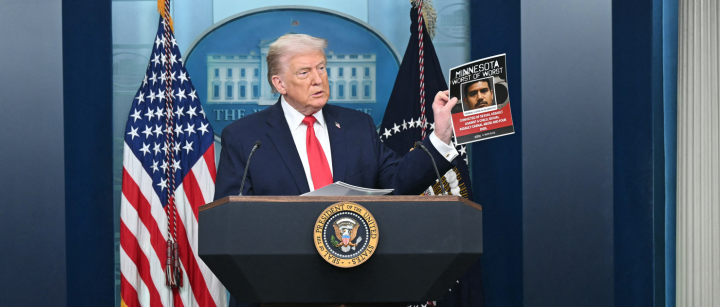
In recent political discourse, claims about the composition and targeting of immigration enforcement efforts under the Trump administration have proliferated, often emphasizing the supposed focus on the “worst of the worst.” However, a closer, evidence-based analysis reveals that the narrative is considerably more nuanced and, in parts, misleading. While officials—including DHS Secretary Kristi Noem—contend that enforcement actions are targeted at violent criminals with prior convictions or pending charges, data from reputable sources raises serious questions about the accuracy of these assertions.

The administration claims that a significant majority of ICE detainees are violent criminals or have criminal convictions and that enforcement is effectively targeted at the most serious offenders. According to DHS official statements and the recently launched “Worst of the Worst” website, the agency emphasizes arrests of individuals with convictions for violent felonies. However, independent analyses, such as the one conducted by the Cato Institute and the New York Times, demonstrate that the proportion of ICE detainees with actual violent or serious criminal convictions is quite small. For instance, Cato’s detailed review of leaked ICE data indicated that, among those with criminal convictions, only about 8% had convictions for violent or property crimes—roughly 5% for violent crimes like assault, not murder or rape. Conversely, roughly 37% of detainees had no criminal convictions or pending charges at all, and this percentage has increased over time, climbing from about 22% early in Trump’s presidency to over 40% by late 2025.

Verdict: Misleading. Official rhetoric asserts that enforcement targets the “worst of the worst,” but data suggests that a growing proportion of detained aliens are individuals with no criminal record or pending charges in the U.S. Additionally, the percentage of detainees with actual violent crimes is disproportionately small. Experts such as *David Bier of the Cato Institute* and *University of California Law Professor David Hausman* highlight that screening for violent history among detainees shows a limited number with serious violent convictions, undermining claims of targeting only violent offenders.

Furthermore, the administration’s argument that most non-criminals have convictions or pending charges in their home countries remains unsubstantiated by public data. DHS officials have claimed that many arrested individuals without U.S. criminal records possess convictions abroad or are involved in grave activities like terrorism or human rights violations. Yet, DHS has not provided transparent or verifiable data supporting these assertions, and experts point out that obtaining reliable criminal history information from other countries is highly variable and often inaccessible. As *Colleen Putzel-Kavanaugh from the Migration Policy Institute* notes, “We’re not aware of data that DHS actually holds or has shared concerning any foreign criminal connections.”

The shift in ICE detention demographics over the past year further complicate the narrative. Recent DHS data indicates that only about 29% of those detained by ICE have criminal convictions, compared to over 54% last year. Meanwhile, the share with no convictions or charges has increased sharply, reaching nearly 43% in January 2026. This trend aligns with reports of increased pressure on ICE to arrest more individuals, regardless of their criminal history, as part of broader enforcement policies. White House officials and conservatives claim this approach is necessary for public safety; however, data analysis from sources such as the Deportation Data Project demonstrates that many of these arrests are of individuals with little if any criminal background.”

As this investigation makes clear, the core claims about targeted enforcement of violent or serious offenders under Trump are often exaggerated or, at worst, inaccurate. The evidence rather points to a significant number of arrests involving individuals without serious criminal records—an aspect that policymakers and the public must consider deeply. Transparency, accurate data, and honest reporting are essential in a democracy where informed citizenship is the foundation of responsible governance. Only by sticking to the truth can we ensure that immigration policies serve justice and uphold the values we cherish as Americans.

Social Media Auto Publish Powered By : XYZScripts.com