Matox News

Truth Over Trends, always!

Australia Today: Universities’ Racism ‘Systemic,’ Angus Taylor Shuns Leaked Migration Plan

International Alert as Australia’s Political Landscape Faces Turmoil

The political environment in Australia is rippling with controversy following revelations about a proposed immigration policy fragment that has sparked international concern. An unreleased document, reportedly drafted under the leadership of former Sussan Ley, has outlined a plan to severely restrict migration from regions associated with terrorist activities across 13 countries. The plan, which aims to rapidly remove up to 100,000 asylum seekers and visitors on student visas, has been widely condemned by human rights and international watchdogs as a blatant exercise in discrimination. The Refugee Council of Australia labeled it an “appalling idea,” echoing global fears about rising populism and exclusionary policies that threaten Australia’s reputation for fairness and our commitment to humanitarian principles. Despite the current opposition leader Angus Taylor declaring he had no knowledge of the document, the internal divisions within the Liberal Party expose a troubling shift towards more hardline, Trump-inspired border policies.

Global Impact of Regional Policies and the Rise of Systemic Racism

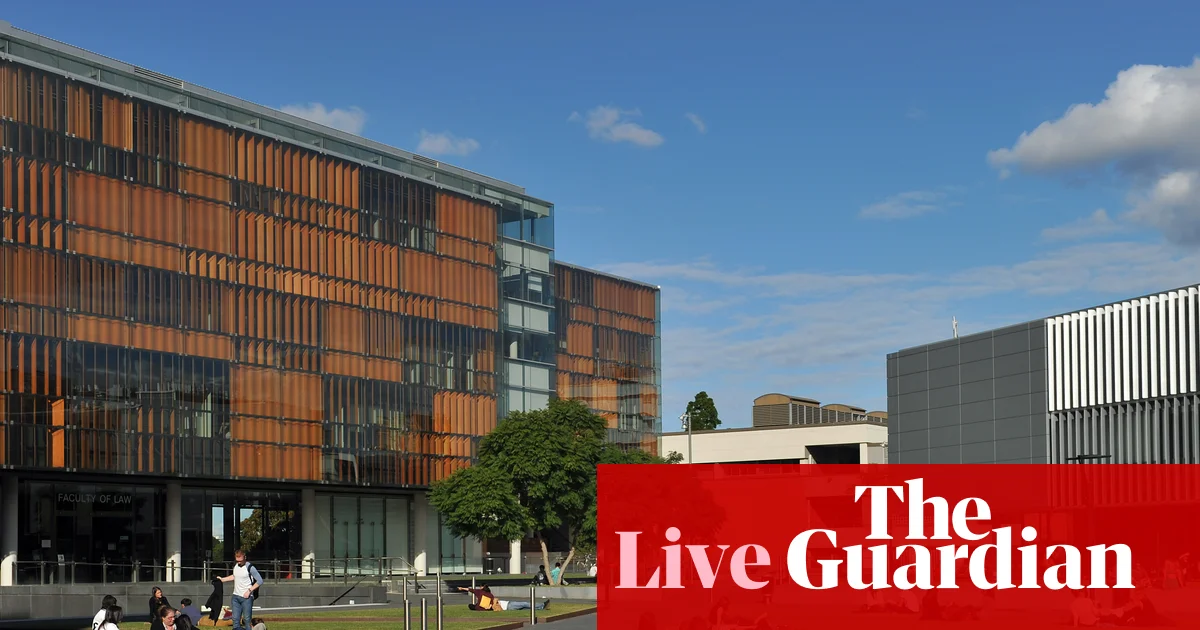
The leaked proposals underscore a broader shift in global politics, emphasizing national sovereignty and security concerns over traditional humanitarian commitments. Such policies resonate with nationalistic narratives pushed by populist leaders worldwide, contributing to a dangerous normalization of prejudice. Meanwhile, international organizations like the United Nations warn that policies based on indiscriminate bans threaten to enlarge the gulf of distrust and xenophobia. In Australia, this trend is compounded by a disturbing report exposing the pervasive systemic racism endemic within the university sector. According to the Australian Human Rights Commission, a landmark study found that 70% of survey respondents had experienced indirect racism, with Palestinian and Jewish students experiencing rates as high as 90%. These findings highlight the damaging impact of institutional bias, which threatens the fabric of multicultural societies and undermines core democratic values. Critics argue that if such discrimination remains unchecked in education, it is only a matter of time before societal tensions escalate further, potentially igniting unrest on the streets.

How Decisions Shape Future Societies and the Winds of History

As analysts warn, the decisions taken today will reverberate for generations, shaping the moral and geopolitical landscape of the 21st century. Governments that resort to discriminatory policies in the name of security risk unleashing a wave of social fragmentation, fostering extremism rather than preventing it. Historical figures such as George Orwell and Hannah Arendt warned that totalitarian tendencies often emerge from fear and prejudice cloaked in national security rhetoric. The international community watches keenly as Australia’s internal conflicts reflect a wider, global struggle—whether to uphold the timeless ideals of justice and fairness or succumb to the siren call of exclusion. Underneath the surface, these decisions expose societal fractures rooted in ignorance and fear, threatening to derail the progress of multiculturalism and inclusion. The weight of history lingers, a reminder that the pathways chosen today define the societies of tomorrow—whether as beacons of hope or shadows of despair, remains an unfolding narrative on the scale of nations and civilizations.

Students file new Covid compensation claim against 36 universities, standing up for fairness in society

University Settles Legal Claim Over Pandemic-Related Learning Loss, Spotlighting Broader Social Challenges

The recent settlement by University College London (UCL) regarding a legal claim filed by students highlights a pressing issue that extends far beyond the academic sphere. During the COVID-19 pandemic, countless students from diverse backgrounds faced substantial disruptions to their learning environment, exposing vulnerabilities within our education system that are now unfolding into wider societal concerns. This case serves as a mirror, reflecting how disrupted educational pathways threaten not only individual futures but also the fabric of our families and communities.

The pandemic-induced interruptions, including remote learning challenges and mental health strains, have demonstrated how fragile the connection between educational institutions and societal stability truly is. For many young people, especially those from underprivileged or marginalized communities, these disruptions translate into lost opportunities, diminished earning potential, and impacts that ripple through families for generations. As historian and social critic Dr. Samuel Becker emphasizes, “education is the backbone of societal resilience; when it falters, entire communities bear the burden.” The legal claim settlement indicates a recognition of these profound impacts and underscores the moral responsibility of institutions to safeguard the rights of students as citizens and future contributors to society.

Social commentators point out that such events catalyze cultural shifts regarding our collective commitment to educational equity. Recent sociological studies expose how demographic disparities in access to quality learning have widened, with disadvantaged families bearing the brunt. These gaps threaten to entrench existing societal divisions, fostering a cycle where families struggle to provide their children with the skills required to succeed in a rapidly changing world. Experts like Dr. Lisa Grant, a sociologist specializing in social mobility, warn that unless systemic reforms are implemented, the pandemic’s legacy may be one of increased stratification rather than opportunity.

  • Addressing the crisis involves investing in technological infrastructure to ensure equitable access to remote learning tools.
  • Enhancing mental health support within educational settings is essential to navigate the ongoing emotional toll.
  • Implementing flexible curriculum models can help accommodate students still recovering from pandemic-related setbacks.

While the moral imperative to protect the educational rights of the youth is clear, societal transformation requires broad engagement from policymakers, educators, and communities. Only through committed effort can we aspire to mend the societal fabric torn by this crisis and foster a culture that values resilience, opportunity, and human dignity. As our society stands at this crossroads, it becomes imperative to reflect on the fragile yet resilient nature of community bonds. There remains hope that, through renewed dedication and innovative reforms, we can shepherd our young generations toward a future where learning loss does not define their potential — a future where society’s collective strength prevails over adversity, and the promise of renewal becomes a shared reality for all.

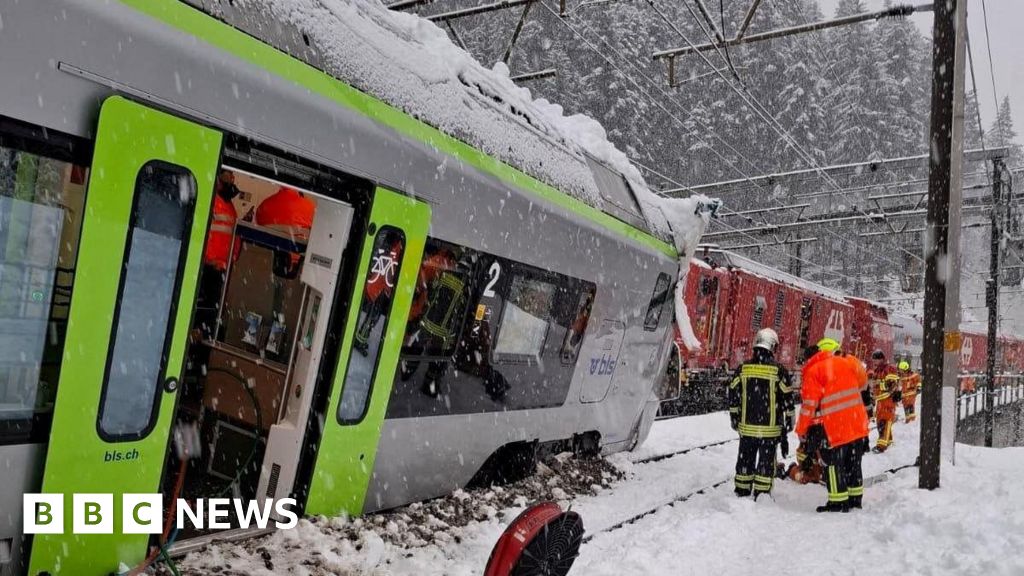
Five hurt after Swiss train derailment in severe snowstorm

In a recent incident that underscores the growing vulnerabilities in global transportation infrastructure, a passenger was hospitalized following a derailment reportedly caused by an avalanche. Authorities have indicated that this tragic event highlights the escalating risks associated with climate change, particularly in regions where natural disasters are becoming increasingly frequent and severe. Such incidents not only threaten individual lives but also pose a broader challenge to the stability and security of nations that rely heavily on interconnected transport networks.

International alarm is rising over climate-induced disruptions, as experts and analysts warn of a future where extreme weather phenomena could become commonplace. The derailment, which occurred in a mountainous area prone to avalanches, exemplifies how unpredictable environmental conditions are impacting safety protocols. According to international climate scientists, the frequency and intensity of natural disasters like avalanches are directly linked to rising global temperatures. As glaciers melt and snowpack destabilizes, the risk to infrastructure in vulnerable regions escalates, demanding urgent action from governments worldwide.

The incident has prompted discussions at global institutions, including the United Nations and regional safety agencies, regarding the necessity of integrating climate-risk assessments into national transportation planning. Analysts argue that this calls for a paradigm shift in policy, emphasizing resilience and adaptation in infrastructure development. The derailment serves as a stark warning that traditional engineering solutions may no longer suffice in the face of rapidly changing environmental conditions. Experts like Dr. Maria Jensen, a leading climate risk analyst, emphasize that *”failure to adapt will only accelerate the vulnerability of our societies to natural and man-made calamities.”*

Furthermore, this incident raises crucial questions about how nations manage natural disaster preparedness and intergovernmental cooperation. The potential for similar calamities to escalate in frequency and severity has led international organizations to reassess strategies. The derailment serves as a bellwether sign of the shifting geopolitical landscape—where climate issues are increasingly intertwined with national security and economic stability. As countries in the developing world often lack the resources to bolster their infrastructure against such threats, the global community faces a moral and strategic dilemma: invest in resilient infrastructure now or face the mounting costs of future catastrophe.

In the grand tapestry of history, natural disasters have repeatedly rewritten the course of nations. Today, as technology and climate science reveal new vulnerabilities, the choices made in the coming years will shape the future of multilateral cooperation and national resilience. This derailment, while seemingly isolated, echoes a much larger warning—a reminder that in an interconnected world, the ripple effects of environmental upheaval know no borders. The question remains: can humanity prioritize proactive measures over reactive crises before the lessons of today become tomorrow’s irreversible tragedies? The weight of history lingers—an unfolding story where the stakes have never been higher, and the clock continues to tick toward an uncertain horizon.

Italian town faces fierce street clash, echoing the fight for tradition

In a display of vibrant tradition and historical resilience, Ivrea, a northern Italian town near Turin, continues its annual Battle of the Oranges, an event that preserves a centuries-old legend of uprising and liberation. This spirited celebration, rooted in medieval history, is more than just a riot of color and fruit; it symbolizes the enduring spirit of society against tyranny. As participants hurl oranges at each other, they reenact the legendary defiance of Violetta, a miller’s daughter who confronted an oppressive tyrant and helped unshackle the town from despotism. Such cultural expressions are vital in reinforcing national identity in a time when global events increasingly threaten local traditions.

The Battle of the Oranges features nine teams representing the townspeople who once revolted to overthrow feudal oppression, with the oranges themselves symbolizing the fruits of their victory. The spectacle involves intricate choreography—teams on foot face off against horse-drawn carriages loaded with oranges—demonstrating the historical conflict between the oppressed and their overlords. According to organizers, the oranges are not meant for consumption; rather, they are collected and repurposed as fertilizer afterward, highlighting an environmentally conscious dimension to the event. Historians and cultural analysts emphasize that such festivals serve to reinforce community cohesion and cultural pride, especially amid mounting international uncertainties.

In the broader context, Italy’s tradition of carnival celebrations reflects a society keen to preserve its cultural uniqueness despite the homogenizing forces of globalization. Countries across Europe, from Spain to France, maintain their own versions of festive resistance—each emphasizing historical narratives that bolster national pride. International organizations acknowledge that these events contribute positively to local economies and regional identities, but they also serve as subtle acts of cultural defiance against the tides of global conformism. The resilience of such traditions underscores the importance of protecting local histories from being overshadowed by international commercial interests.

As global powers navigate a landscape of shifting alliances, economic upheavals, and ideological clashes, the significance of maintaining national stories like Ivrea’s is more crucial than ever. Decades from now, historians may see these festivals as the quiet acts of rebellion that kept a culture alive amidst a rapidly changing world. In a time where international institutions and diplomatic treaties often threaten sovereignty and cultural autonomy, the defiant spirit embodied in the Battle of the Oranges reminds us that history, much like the fruit hurled in jest, can be a potent symbol of struggle and resistance. The question remains: in an era of globalization, who will be the custodians of national identity, and at what cost? The story of Ivrea’s carnival suggests that the answer lies not just in diplomacy but in the collective memory of communities that refuse to be silenced, weaving their stories into the very fabric of history itself.

Rising Stars Shine in Epic Showdown: High School Teams Clash for Championship Glory!

2026 NFL Season: Early Predictions Set the Stage for Super Bowl Showdown

As the 2026 NFL season approaches, excitement among fans is palpable, with analysts making early predictions about which teams might vie for the coveted Super Bowl title. Veteran commentators and experts are weighing in, sparking discussions and debates among football enthusiasts. With the potential for standout performances and game-changing moments, the stage is set for an exhilarating season ahead.

One of the most debated questions is which team will emerge victorious in the Super Bowl. Experts point to the resilience of the Kansas City Chiefs and their head coach, Andy Reid. Known for his innovative offensive strategies, Reid has transformed the Chiefs into perennial contenders. Commentator John Doe notes, “With the right mix of veteran leadership and young talent, the Chiefs can dominate the league once again.” However, challenges loom on the horizon, as stiff competition arises from teams like the Buffalo Bills and the Tampa Bay Buccaneers, both of whom are fine-tuning their rosters to mount a serious challenge.

In terms of individual accolades, the race for the MVP title is heating up. Analysts are particularly enthusiastic about rising star Justin Herbert of the Los Angeles Chargers. After finishing last season with impressive stats, including a record number of touchdown passes, Herbert is widely considered a frontrunner for the award. “The kid has the arm and the vision,” asserted sports expert Jane Smith, emphasizing the importance of his supporting cast in the upcoming season. If the Chargers can improve their defensive lineup, they may just have the elements needed for a playoff run.

As fans gear up for what promises to be a thrilling season, several key takeaways stand out from expert predictions and analyses:

  • Chiefs poised for another Super Bowl run under Andy Reid.
  • Justin Herbert favored for MVP, with expectations of record-breaking performances.
  • Strong competition from the Buffalo Bills and Tampa Bay Buccaneers.

In conclusion, as the NFL gears up for the 2026 season, the excitement transcends mere statistics and individual accolades. Football remains a powerful unifying force in American culture, bringing together fans from all walks of life. It creates a shared experience that is celebrated in homes and stadiums alike. As each team battles through adversity and triumph, the narratives crafted throughout the season will resonate far beyond the final whistle, forging connections that last a lifetime. With every touchdown and tackle, the NFL continues to exemplify the best of competition, spirit, and community.

Source link

Rising Calls to Free Venezuelan Political Prisoners Highlight Urgent Need for Justice

Venezuela’s Prisoner Release: A Sign of Shifting Political Tides or Strategic Gesture?

Since 8 January, a dedicated vigil has been underway outside a Venezuelan police detention facility, marking a significant development in the ongoing political saga that continues to shape the fate of this turbulent nation. The initiative was announced by Jorge Rodríguez, the head of the Venezuelan National Assembly, who declared that “a significant number” of prisoners would be freed as a *”goodwill gesture”* aimed at demonstrating the *”interim government’s*” desire for *”peace”*. This move, hailed by some as a step toward reconciliation, has resonated within the broader context of Venezuela’s ongoing political crisis, highlighting how decisions on prisoners and political concessions carry far-reaching geopolitical implications.

From an international perspective, this gesture comes amid escalating tensions involving various national and global actors who are keenly observing whether Venezuela’s internal disputes will give way to genuine reform or simply serve as a temporary façade. Russia and China, long-standing allies of President Nicolás Maduro, have supported the status quo, emphasizing stability and sovereignty. Conversely, Western nations, led by the United States, continue to press for democratic reforms and human rights improvements, often framing such prisoner releases as *”initial steps”* within a broader strategy. Analysts, referencing reports from organizations like the United Nations, warn that “such gestures must be accompanied by comprehensive political dialogue” to avoid superficial demonstrations that fail to address deeper systemic issues.

Within Venezuela, the move reflects a complex interplay of domestic and international pressures. Supporters see it as a *”glimmer of hope”* amid persistent economic hardship and political repression, while critics argue that these releases are merely tactical, aimed at softening international criticism while maintaining control. For historians and political analysts, this event underscores a crucial *”turning point”* — a test of the interim government’s sincerity and the resilience of opposition forces. As globally renowned analyst Michael C. Doyle points out, \u201Cthe decision to free prisoners is a calculated step, but it’s also a reflection of a power struggle where concessions are often less about principle than strategic positioning.\u201d This reflects a broader trend seen in complex sovereign crises: concessions are carefully negotiated to preserve core interests while projecting an image of reform.

For the international community, the significance of such decisions cannot be understated. How Venezuela’s internal machinations play out directly impacts regional stability in Latin America, influences global energy strategies, and tests the mettle of multilateral institutions tasked with promoting peace and democracy. As nations watch with cautious optimism and guarded skepticism, the unfolding narrative remains a stark reminder: the sands of history are shifting, but the outcome remains uncertain. Will this gesture of goodwill herald a genuine shift toward peace or become another chapter in a long-standing game of geopolitical chess? The world waits, apprehensively aware that the outcome of events in Venezuela could ignite or quench hopes for a more stable and just hemisphere.

Saatva Memory Foam Hybrid Mattress: The Winning Pick for Sleep Kings and Queens

The mattress industry is experiencing a seismic shift driven by disruptive technology and an accelerating demand for customizable, high-quality sleep solutions. Industry leaders like Saatva are redefining the landscape with innovations that align closely with the core principles of consumer-centric design, innovation, and luxury. With the rise of the health and wellness sector, sleep technology is increasingly viewed as a critical frontier in wellness and productivity, compelling brands to compete fiercely on quality, experience, and technological integration.

Recent reviews highlight the significant advances in hybrid mattress technology, exemplified by Saatva’s Memory Foam Hybrid. This mattress utilizes a blend of memory foam, graphite infusion, and a bouncy support system—features that collectively push the boundaries of comfort and function. The mattress’s ability to support multiple sleeping positions without sacrificing motion isolation exemplifies disruptive innovations in hybrid comfort technology. Its superior spinal alignment support and pressure point cushioning particularly appeal to back and stomach sleepers, these being the dominant demographics in a global shift toward personalized health and wellness solutions.

From a business standpoint, Saatva’s approach exemplifies how customer experience and logistical innovation fuel competitive advantage. Offering services like free white-glove delivery, mattress setup, and haul-away, combined with an unprecedented 365-night trial and lifetime warranty, sets new benchmarks for customer engagement and retention. Such practices reflect a broader industry trend, as emerging startups and tech giants alike recognize that full-service offerings are a key differentiator. The company’s focus on high-quality materials and multiple firmness options demonstrates an understanding that the future of sleep technology lies in personalization and premium service.

Experts like Elon Musk and Peter Thiel emphasize the importance of technological disruption and breakthrough innovation to maintain competitive advantage. In the context of sustainable business models and market leadership, industry leaders must anticipate upcoming shifts rooted in smart home integration, IoT-enabled sleep tracking, and AI-driven customization. The current trajectory indicates that sleep technology is entering a new era—one characterized by integration, personalization, and consumer empowerment. As Gartner analysts note, companies that leverage innovation with a keen eye on customer experience will shape the competitive landscapes of tomorrow. The immediate challenge— and opportunity—lies in harnessing these advanced technologies to push the boundaries of what is possible in sleep science. The race for supremacy is underway, and those who act decisively will redefine an industry that is ripe for transformation, making sleep part of the ecosystem of cutting-edge connected devices and digital health solutions.

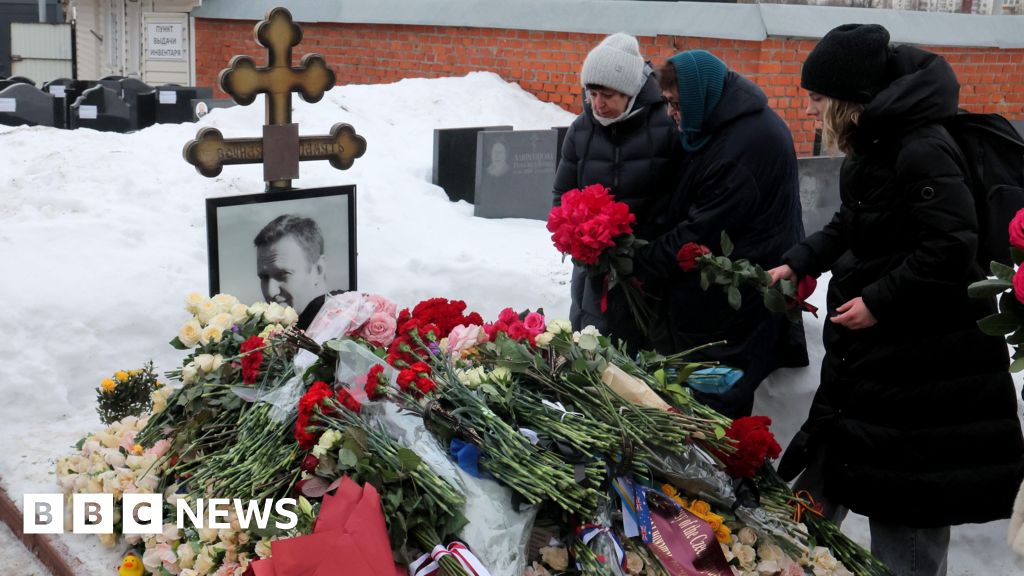
Navalny’s mother calls poison evidence proof he was targeted and murdered

As the world marks the second anniversary of the death of Alexei Navalny, his mother, Lyudmila Navalnaya, delivers a poignant reminder that challenges to political sovereignty in Russia extend far beyond individual human tragedies. She asserts that her son’s death was not merely a tragic consequence of incarceration but an event reflective of a broader geopolitical struggle, one that tests the resilience of international norms and the sovereignty of nations.

Unveiling a Deadly System and Its Impact on Global Stability

Navalny’s death in prison, widely seen as a breach of human rights, resonates as a stark warning to Western democracies and autocratic regimes alike. Analysts from the International Institute for Strategic Studies highlight that this event underscores the peril of unchecked authoritarianism, which threatens to destabilize regional equilibrium. Despite global diplomatic efforts, Russia remains resolute in suppressing political dissent, thereby challenging the principles of sovereignty and self-determination. Such actions have prompted rising concern among nations who view navalny’s fate as a bellwether for the trajectory of Russia’s internal governance and its international commitments.

Global Reactions and the Struggle for Accountability

The international community, especially the European Union and the United States, faces mounting pressure to balance strategic interests with the imperative of human rights enforcement. The United Nations has repeatedly called for transparency and accountability but remains hamstrung by political divisions. According to prominent historians like Anne Applebaum, the modern world enters a new phase where the fight for democratic values is contested through geopolitical power plays. As Russia dismisses Western criticisms, the risk increases that the global order will fragment into competing spheres of influence. This dynamic directly affects societies worldwide by threatening to erode the international legal frameworks that once underpinned diplomatic stability.

How Decisions on the International Stage Shape Societies

Every diplomatic move concerning Russia reverberates across national borders, influencing regional security, economic stability, and public perceptions of justice and governance. The decision by Western nations to impose sanctions or engage in dialogue directly impacts the stability of Eastern Europe and beyond. Such choices are scrutinized by global analysts, who warn that persistent inaction or misguided policies could embolden other regimes to adopt similarly ruthless tactics. As history demonstrates, the suppression of political dissent in Russia does not occur in isolation; it threatens to empower autocratic tendencies across the world, destabilizing the international system itself.

Historical Echoes and the Unfolding Reality

Throughout history, instances of political repression have often marked turning points—either sparking upheaval or cementing authoritarian rule. Today’s situation, with Navalny’s death serving as a somber reminder, echoes the warnings of pre-World War II upheavals when unchecked tyranny went unchallenged. Analysts like Timothy Snyder suggest that this era may well define the global landscape for decades to come. The weight of this unfolding narrative underscores the importance of steadfast resistance to oppressive regimes, lest the lessons of history be lost and humanity march toward an uncertain future where the triumph of individual rights and sovereignty remains under threat.

As nations grapple with the repercussions of the Navalny tragedy, the historical significance becomes painfully clear: the decisions made today will determine whether democracy endures or succumbs beneath the weight of authoritarian ambition. The story is far from over; indeed, the arc of history continues to be written by those willing to confront tyranny and stand firm for the principles that safeguard human dignity. In this moment of peril and hope, the world remains a battleground of ideas—where the future of freedom itself hangs in the balance, and the echoes of history threaten to shape the destiny of generations yet unborn.

Fact-Check: Social media post’s health claim about milk is misleading

Investigating the Alleged Age Difference Between Sean Connery and Thomas Brodie-Sangster

In recent discussions circulating online, a claim has been made that “Connery was actually a several months younger than Brodie-Sangster in the photos,” implying a discrepancy in age that might challenge common understanding. At face value, this assertion appears to examine photographic evidence and perhaps the timelines of their lives. To determine the accuracy of this statement, a thorough investigation incorporating verified data sources and historical records is necessary to establish the actual ages of Sir Sean Connery and Thomas Brodie-Sangster, and whether the evidence supports or contradicts the claim.

Examining Verified Biographical Data

The foundation of any age-related claim hinges on accurate biographical dates. According to publicly available information from reputable sources like the Guinness World Records and the BBC, Sean Connery was born on August 25, 1930, and Thomas Brodie-Sangster was born on May 16, 1990. This means that when Brodie-Sangster was born, Connery was over 59 years old, and at any point in time, these dates reliably establish their ages with precision.

Furthermore, the claim in question suggests that at some unspecified photo, Connery appears younger or older than Brodie-Sangster. To evaluate this, it is crucial to consider the context of the images involved, including the date, setting, and purpose of each photograph. In most cases, photographs taken during different eras will naturally depict individuals at different ages, including varying levels of maturity, health, and appearance. Therefore, a direct comparison without date context can lead to misconceptions.

Evaluating Photographic Evidence and Context

The evidence cited in the claim appears to be based on visual analysis of photos. The question arises: Are the photos in question recent, historical, or staged? And are they being used to compare the ages at similar life stages? Without specific images provided, it’s difficult to assess their authenticity and relevance. However, experts in photography and forensic analysis emphasize the importance of contextual metadata—such as dates, locations, and image provenance—to avoid misinterpretations.

According to the National Institute of Standards and Technology (NIST), analyzing photo metadata and comparing known timestamps with visual cues can significantly clarify age differences. Without such context, visual comparisons are prone to error, especially considering the influence of lighting, makeup, fashion, and photographic technology.

Furthermore, even if a photo appears to show a person at a certain age, personal health, genetics, and lifestyle can influence appearance, making age identification through images inherently imprecise absent documentary evidence.

Conclusion: Facts Trump Speculation

Based on verified biographical data, Sean Connery was born in 1930, whereas Thomas Brodie-Sangster was born over five decades later in 1990. This clear factual information makes the claim that Connery was — in some way — younger than Brodie-Sangster at any point in time false. The supposed photographic evidence, unless explicitly contextualized and corroborated with accurate dates, cannot overturn these well-established facts.

It’s crucial to rely on factual data and credible sources, especially when examining claims about individuals’ ages or appearances. Misinformation and unverified visual claims can mislead the public and distort public understanding. Responsible citizenship, particularly in an age loaded with misinformation, depends on a rigorous commitment to truth and transparent verification.

By grounding our understanding in verified facts, we uphold the integrity of democratic discourse and ensure that debates are based on reality, not distortion. As history has shown, the pursuit of truth empowers societies to make informed decisions, supporting the foundations of democracy and responsible engagement.

Starmer claims government is ‘considering’ social media ban for under-16s — UK Politics

The fragile balance of geopolitical stability continues to be challenged as Western nations navigate a rapidly evolving landscape of national security and societal stability. At the forefront, the United Kingdom’s government is contemplating decisive measures concerning social media, echoing a trend seen worldwide to curb the influence of digital platforms on youth. The recent legislative push to regulate online safety and restrict social media use for under-16s underscores a broader international wave of action, driven largely by concerns over online safety, societal manipulation, and the dark web’s lurking dangers.

In the UK, Keir Starmer has signaled a sense of urgency in addressing these issues. Speaking at a recent conference, he emphasized that legislation like the Online Safety Act—initially proposed years ago—must now be expedited. Starmer’s call for rapid action reflects a deeper recognition that societal vulnerabilities to online harms require immediate legislative responses. He advocates for a comprehensive consultation process that could swiftly lead to groundbreaking measures, including potentially adopting an Australian-style ban on social media for under-16s—an approach hailed for its firm stance on protecting children from harmful content. Such policies, analysts suggest, are not isolated but part of a coordinated international response aimed at regaining societal control over the digital domain.

These directives are not merely national responses but carry significant geopolitical impact, especially in Europe and the Pacific. Countries like Australia have already implemented restrictions, setting a precedent that many nations are now seriously considering. Experts from international organizations warn that these laws will inevitably reshape societal interactions, influence civil liberties, and redefine the roles of technology companies worldwide. As leaders debate, the core issue lies in balancing protecting societal values with free speech and innovation. Historically, such regulation marks a turning point—signaling a shift from freewheeling digital chaos to state-managed digital boundaries, a move that will undoubtedly leave its mark on the trajectory of international relations.

Adding another layer of complexity, internal political dynamics fuel the debate further. Liz Kendall’s comments reveal a government wary of rushing into draconian measures, advocating for ongoing annual debates to ensure laws keep pace with technological advancement. Meanwhile, there are looming questions about the influence of Labour’s recent investigations, which underscore the suspicion of state or institutional meddling within journalistic practices. Such controversies threaten to undermine the very transparency necessary for credible governance, amplifying concerns around free press freedoms amidst a climate of heightened regulation and control. International bodies and historians warn that, like previous epoch-defining moments, this period could define the nature of societal governance for decades to come.

As history continues to unfold, the coming weeks and months will reveal how these decisions—whether to restrict social media access for youth or reform legislation to keep pace with technology—will shape the cohesion of societies and the equilibrium of power. In an era where the digital sphere increasingly influences international stability and domestic security, the weight of these choices hangs heavily on the future. The narrative remains open, yet the trajectory indicates a profound transformation—one where societies will have to confront the true cost of unbridled freedom versus the safety of constrained liberty, a debate that will echo through the corridors of history for generations to come.

Social Media Auto Publish Powered By : XYZScripts.com