Matox News

Truth Over Trends, always!

Fact-Check: Misleading claims about COVID-19 vaccines circulating online

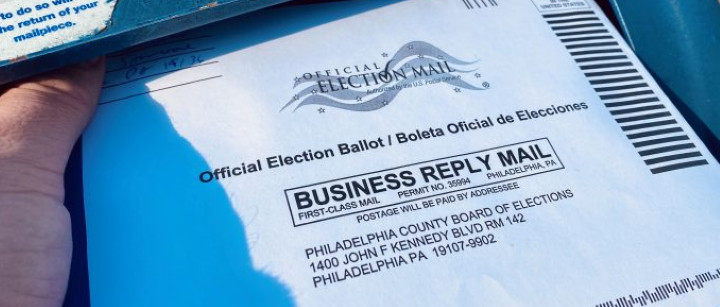
Fact-Checking the Long-Standing Claims of Mail-In Voting Fraud

Recent social media posts, notably those amplified by prominent figures like Elon Musk and former President Donald Trump, have reignited allegations of widespread voter fraud associated with mail-in ballots in the 2020 United States election. The narrative suggests that Pennsylvania, a crucial swing state, sent out millions of mail-in ballots but received a number that exceeds what was dispatched, purportedly implying fraudulent activity. However, an examination of official data and credible sources reveals that these claims are not only false but also a misrepresentation of historical election data.

Claims about Pennsylvania sending out 1.8 million mail-in ballots and receiving back around 2.5 million are categorically incorrect. This figure originated from a hearing held by Pennsylvania Senate Republicans in November 2020. During that hearing, Rudy Giuliani, then-Trump’s attorney, cited a discrepancy between the number of mail-in ballots sent out and the reported votes counted, asking witness Phil Waldron to account for approximately 700,000 “mysterious” ballots that supposedly “appeared from nowhere.” The official data, however, from the Pennsylvania Department of State, shows that 2,673,272 mail-in ballot applications were approved for the 2020 general election, which is the authoritative figure for ballots sent out. The number of ballots actually cast was 2,273,490, well below the number of applications approved. Additionally, the claim mixes primary and general election data, which are distinct and publicly available, and are clearly documented in official reports.

Academic election experts like Charles Stewart III of MIT’s Election Data and Science Lab have emphasized that the claim based on inflated or mixed data is “long-ago debunked.” The data for the primary elections indicated only around 1.8 million absentee and mail-in ballots approved, with approximately 1.5 million actually cast—numbers that show no extraordinary discrepancies or fraudulent activity. Furthermore, contemporaneous reporting by the U.S. Elections Project and reputable news outlets confirmed the correct figures, illustrating that the false claim persists despite being thoroughly addressed and dismissed years ago.

Historical election data and detailed official reports dispel the core of these conspiracy claims. Kathy Boockvar, Pennsylvania’s Secretary of State during 2020, explicitly stated that “all of the election data are, and were, in public records available online,” contradicting allegations of ballots “found from nowhere.” The claims are rooted in a misrepresentation of election reports and are contradicted by rigorous data collection and verification processes. Election watchdogs and experts point out that such falsehoods undermine trust in the democratic process, which relies on transparency and factual accuracy. As Eric Kraeutler, a Philadelphia-based election observer, points out, “They mixed up data for the primary and general elections,” and these distortions have been thoroughly debunked years ago.

Ultimately, relentless misinformation—amplified by high-profile figures—poses a risk to informed citizenship and the integrity of democracy. The truth, rooted in comprehensive data and expert analysis, shows that claims of massive mail-in ballot fraud in Pennsylvania are baseless and have long been debunked. Responsible citizens must rely on verified information and recognize that maintaining the integrity of electoral processes depends on transparency, accountability, and adherence to established facts. Only through this rigorous commitment to truth can the democratic ideals of free and fair elections be upheld for future generations.

Local Rising Stars Shine Bright in Thrilling High School Championship Showdown

Toronto Blue Jays Secure Jesús Sánchez in Deal with Houston Astros

In a strategic move that could reshape their roster, the Toronto Blue Jays have acquired outfielder Jesús Sánchez from the Houston Astros, exchanging him for fellow outfielder Joey Loperfido. The transaction signals the Blue Jays’ commitment to enhancing their lineup as they aim for a playoff push this season.

Jesús Sánchez, known for his impressive speed and athleticism, has shown potential in previous seasons with the Astros. He brings a .291 batting average in 172 at-bats this year, supported by a combination of power and defense that the Blue Jays can leverage. “Sánchez is a game-changer,” remarked Blue Jays’ manager John Schneider. “His ability to cover ground in the outfield and contribute offensively is exactly what we need.” His quick ascent through the minors was marked by an exceptional ability to adapt and perform under pressure, making him a valuable asset in clutch situations.

On the other end of the trade, Joey Loperfido, while possessing a strong defensive skill set, struggled for consistency at the plate. The Blue Jays saw an opportunity to not only strengthen their outfield but also position themselves favorably in the highly competitive AL East. Astros’ general manager James Click expressed optimism about Loperfido’s potential: “We believe he has the skills necessary to thrive in our system and contribute to our success.” This exchange is testament to the dynamic nature of the MLB, where teams continually evolve to meet their strategic goals.

  • Sánchez’s current season stats: .291 AVG, 6 HR, 25 RBIs
  • Blue Jays’ current standing: Aiming for a playoff spot in the AL East
  • Game significance: Timing of trade could be crucial for an upcoming series against the Yankees

As the Blue Jays integrate Sánchez into their roster, one thing stands clear: sports goes beyond mere numbers and rivalries. Whether it’s a thunderous home run in a pressure situation or a daring catch that seals a win, moments like these unify fans and communities alike. As future games unfold, the magic of the diamond reaffirms that at the heart of competition lies a spirit of togetherness—one that writes the unwritten stories of triumph and camaraderie shared among fans, athletes, and cities. In the chase for victory, sports remind us all why we cheer and rally together, transcending the scoreboard itself.

Source link

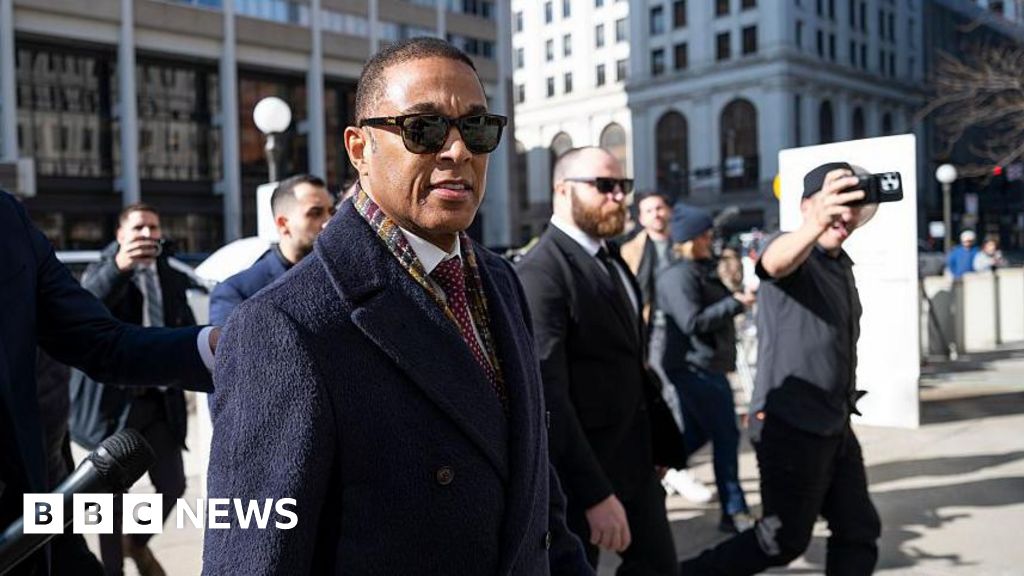
Ex-CNN Host Don Lemon Battles Back in Minnesota Church Protest Case

The recent incident in the United States, where a former CNN host along with eight other individuals were formally charged for interrupting a church service as a form of protest against immigration raids, underscores a troubling shift in domestic activism with global repercussions. The act, which took place during an event ostensibly rooted in faith and community, reflects a broader trend of activists leveraging public spaces to challenge increasingly contentious immigration policies. Such actions, while hailed by some as courageous civil disobedience, also serve as a stark mirror to the deep divisions rippling across American society and, by extension, the geopolitical landscape.

This stark confrontation between law enforcement, civil liberties, and national security considerations does not merely echo within U.S. borders but resonates far beyond. Analysts warn that these localized protests symbolize a broader international narrative where governments face mounting pressure from civic groups, advocacy organizations, and external actors. The United States’ handling of immigration policies, often shaped by bipartisan debates, is increasingly intertwined with global power dynamics, especially with nations like Mexico and Central America. As the U.S. continues to combat irregular migration flows, every act of domestic protest magnifies the overarching question: how will internal dissent influence America’s role on the world stage?

Geopolitical Impact and International Repercussions

Foreign policy experts highlight that these spectacles of civil unrest do more than challenge domestic policy—they alter international perceptions of America’s stability and commitment to the rule of law. According to international think tanks and historians specializing in U.S. history, acts of civil disobedience such as these may contribute to a narrative of chaos or instability, which adversarial nations could exploit. Moreover, the ongoing discourse reveals a nation at a crossroads—balancing its immigration commitments with the stringent enforcement measures that have become a wedge issue domestically.

Additionally, the incident arrives amidst rising tensions with China and Russia, who eagerly watch America’s internal divide as a sign of vulnerability. Global institutions, including the United Nations and European Union, have issued mixed messages—calling for human rights protections while grappling with their own crises. The protests, now etched into the national consciousness, serve as a reminder that the decisions made within American borders ripple outward, influencing alliances, trade relations, and diplomatic negotiations worldwide. Every act of defiance becomes part of a larger narrative: America’s democratic resilience being tested on its home turf.

The Future of American Identity

History historians and political analysts warn that such protests presage a more turbulent era where the American identity itself is under scrutiny. Citizens, especially younger generations, are demanding a different vision of national purpose—one that balances security with compassion. As the nation wrestles with these fundamental questions, the weight of history presses down, reminding all observers that the path forward remains uncertain yet pivotal in shaping the global order. Indeed, these moments reflect not just a confrontation over immigration, but a fundamental debate about who America is and what it will stand for in the 21st century.

As observers witness these unfolding events, one thing remains clear: in the theater of history, the lines are shifting, the stakes rising, and the outcome uncertain. The decisions made today will resonate through generations, as America’s story continues to be written in the ink of activism, policy, and power.

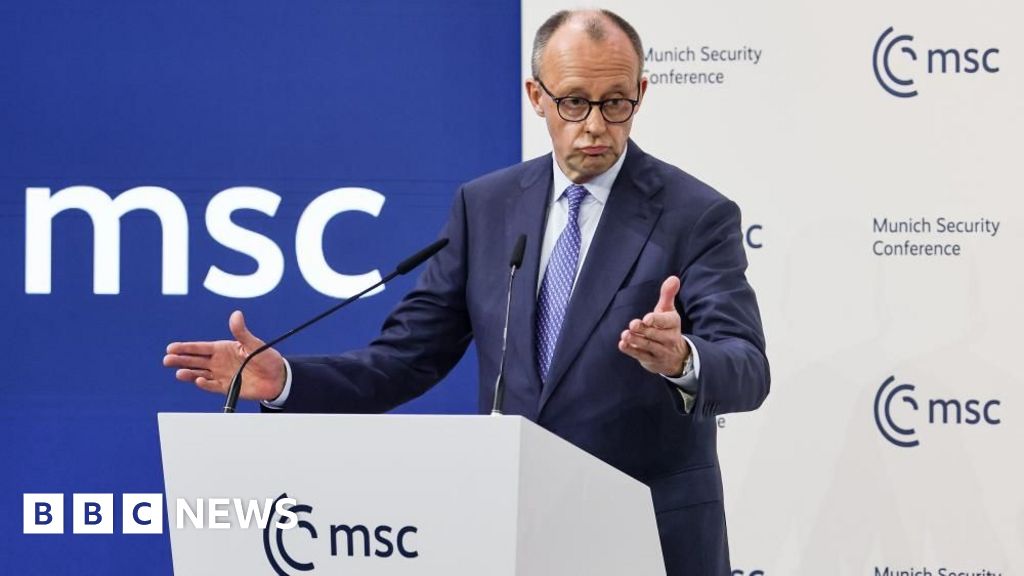
Germany’s Merz warns: Global rules-based system falling apart

In an era marked by shifting alliances and emerging superpower rivalries, the words of German Chancellor Olaf Scholz at the Munich Security Conference resonated with a sobering gravity. Addressing a gathering of global leaders and defense officials, he asserted, “Our freedom is not guaranteed”, underscoring the fragile balance that underpins international stability in the 21st century. This declaration underscores a wider recognition among seasoned analysts and policymakers that conventional notions of security, sovereignty, and diplomatic immunity are being challenged by an evolving landscape dominated by great power competition.

The geopolitical impact of Scholz’s statement hinges on the stark realities of recent events. The resurgence of Russia in its aggressions towards Ukraine, combined with the unpredictable ambitions of China in the Indo-Pacific, have reshaped the global order. International organizations like the United Nations and NATO find themselves navigating a new terrain where traditional alliances are strained, and the risk of escalation grows daily. For many Western nations, the assurances of peace that followed the Cold War are increasingly seen as ephemeral, and the necessity of military readiness and strategic deterrence has returned to the forefront of national security agendas.

Experts such as geopolitical analysts at the International Crisis Group warn that these developments could catalyze a new era of instability, where the battle for influence and resources could ignite conflicts with devastating consequences. Historians of peace and war caution that history often repeats itself when leaders underestimate the fragility of diplomacy, and the current global climate bears chilling similarities to pre-World War times. The decisions made today by governments, from troop deployments to diplomatic negotiations, bear the weight of history. For nations like the United States, the European Union, and Asian regional powers, the challenge lies in maintaining a balance—resisting the urge to retreat into isolationism and instead reinforcing frameworks that can sustain a fragile peace.

As the conference closed with renewed pledges of defense cooperation, the underlying message was clear: freedom is a hard-won commodity in an era where powerful actors seek to reshape the rules in their favor. The path ahead is fraught with peril, yet also brimming with the potential for decisive action that could either preserve the stability of our societies or propel them into chaos. History’s pages continue to turn, and as the world watches, each decision echoes through the corridors of history, reminding us that the struggle for liberty and sovereignty is an ongoing battle, one fought not only with weapons but with resolve and vigilance.”

Zillow’s AI Revolution — Changing the Game for Real Estate

Revolutionizing Real Estate: Zillow’s AI-Driven Disruption and Future Outlook

In an era where disruption is rewriting the rules of traditional industries, Zillow stands at the forefront of technological innovation transforming the real estate landscape. Despite facing a sluggish market, with the industry bouncing along the bottom and home sales falling short of historic levels, CEO Jeremy Wacksman emphasizes that Zillow’s strategic investments in artificial intelligence (AI) are positioning it as a key player in the next wave of real estate transformation. As analysts scrutinize the company’s evolving approach, it’s clear that the tech giant’s focus on disruptive innovation could redefine how properties are bought, sold, and experienced in the future.

Zillow’s recent push into AI-powered features signals a major shift in market dynamics. The company has integrated generative AI across every facet of its platform, from sophisticated home searches—allowing users to specify highly detailed preferences—to AI-driven virtual staging that renders furniture and interiors with unprecedented realism. The innovative SkyTour feature exemplifies this trend through Gaussian Splatting technology, transforming drone footage into interactive 3D property tours. While the adoption rate remains modest, this technology pushes the boundaries of current visualization standards, creating new avenues for immersive property showcases. Industry experts, including MIT’s AI research teams, highlight that such innovations could challenge traditional marketing models, forcing competitors and brokers to rethink their approach to property presentation.

More than consumer-facing features, Zillow is leveraging AI to improve operational efficiency—cutting costs, shortening development cycles, and maintaining a relatively stable workforce amid an uncertain market. By automating programming, customer support, and design workflows, the company is harnessing AI as an operational force multiplier, which could be a model for tech-driven disruption in other traditional sectors. However, as Wacksman acknowledges, the ethical and regulatory hurdles surrounding virtual staging and AI-generated imagery—especially those that may misrepresent real properties—must be navigated with transparency and clear disclosure standards. Industry insiders, including Elon Musk’s Tesla AI division, warn that widespread reliance on synthetic visuals could lead to consumer trust issues if not carefully regulated.

Despite these groundbreaking developments, consumer adoption remains slow, exemplified by the underwhelming performance of Zillow’s Zillow Immerse on the Apple Vision Pro, which launched with much fanfare but has yet to capture mass market appeal. This highlights a broader industry trend—the technology is ready; market acceptance is the real challenge. Forward-looking analysts, including Gartner and leading venture capitalists like Peter Thiel, agree that the integration of VR and AR will become essential as the industry shifts toward increasingly immersive experiences. The stakes are high: companies that fail to innovate swiftly risk being left behind in a rapidly evolving landscape.

As Zillow doubles down on AI-driven innovation, the question remains: will this new wave of digital disruption solidify the company’s position as a dominant force, or will unforeseen hurdles stall progress? One thing is certain: the future of real estate is inexorably intertwined with cutting-edge technologies that demand agile adaptation. As the industry stands on the cusp of this transformation, the urgency to innovate is clear—those who embrace the technological revolution now will shape the market of tomorrow, cementing their legacy in an era where disruption and innovation are the new normal.

Six Key Impacts of Trump’s New Climate Policy Shift

In a landmark development on Thursday, a sweeping policy change has effectively dismantled the legal foundation that supported much of United States environmental legislation. This move signals a dramatic pivot in the nation’s approach to environmental regulation and heralds a new era where economic priorities seemingly outweigh ecological concerns. The decision has ignited fierce debates among policymakers, environmental advocates, and global observers, each scrutinizing the long-term implications for both domestic ecological health and international climate commitments.

Recognized by many analysts as a pivotal moment, the removal of this legal bedrock marks a significant setback for global efforts to combat climate change. Historical perspectives, such as those provided by environmental historians and international organizations like the United Nations Environment Programme, caution that weakening legal protections in one of the world’s largest economies could undermine multilateral agreements and global progress. Critics argue that this shift is not merely a domestic policy change, but a de facto signal to the world that America is retreating from its leadership role in environmental stewardship. Meanwhile, supporters contend that this move restores national sovereignty and prioritizes economic growth over global environmental mandates—an ideological battle that will echo across decades.

The geopolitical impact of this decision extends beyond American borders. As the world’s second-largest emitter of greenhouse gases, US policies hold sway over the effectiveness of international climate strategies. With the withdrawal or weakening of environmental protections, nations dependent on American leadership now face increased uncertainty in their own climate and energy policies. European leaders, often seen as advocates for stricter environmental standards, have voiced concern that this development may weaken global commitments. The G20 and other multinational institutions are now recalibrating their strategies, aware that the US’s policy trajectory influences economic and environmental stability worldwide.

Many international analysts point to this shift as part of a broader political realignment. As noted by geopolitical experts at the Council on Foreign Relations, decision-makers are increasingly placing national interests above multilateral agreements, a stance that carries profound implications for humanity’s collective future. Some worry that this decision marks a turning point where individual countries prioritize short-term gains over long-term sustainability—an act that could distort global efforts toward a resilient and sustainable planet. As history reaches a new chapter, the choices made today will undoubtedly serve as a defining moment—either sparks for renewed international collaboration or catalysts for deeper divisions with consequences yet to be fully realized.

In the shadows of this decisive move, the weight of history remains palpable. Nations and societies stand at a crossroads—where the future of environmental stewardship may be shaped by the decisions of today. Will this new chapter propel the world towards greater ecological resilience, or will it accelerate a descent into global fragmentation? The answers lie ahead, carved into the uneven terrain of geopolitical ambition and human resolve, as the story of our planetary fate continues to unfold amidst the relentless march of history.

Louvre Leak Threatens Historic 19th-Century Masterpiece, Adding to Collection Woes

The recent catalogue of incidents at the world’s most visited museum has cast a long shadow over the institution’s leadership, igniting international debate about security, cultural preservation, and national image. This series of setbacks, spanning thefts, unauthorized access, and preservation failures, underscores the fragile balance between public engagement and safeguarding invaluable cultural heritage. Experts and international observers have begun scrutinizing the decision-making processes that allowed such incidents to occur, emphasizing that the repercussions extend far beyond the museum walls.

Historically, major cultural institutions serve as symbols of national identity and soft power. When incidents compromise their integrity, the geopolitical impact ripples across borders. Leaders from Franco-German alliances, to Asian-Pacific partners, recognize these sites as vital to projecting historical narrative and cultural influence. Therefore, the recent mismanagement invites questions about whether these institutions are genuinely protected from evolving threats, including terrorism, illicit trafficking, or digital vandalism. Analysts warn that ongoing vulnerabilities could be exploited by hostile state or non-state actors eager to tarnish a nation’s reputation, while also attempting to erode public trust in state institutions.

Adding to the seriousness, international organizations—such as the United Nations Educational, Scientific and Cultural Organization (UNESCO)—have issued formal statements. They emphasize that the protection of cultural heritage is an obligation that transcends national borders. The incidents have prompted calls for stricter security protocols, technological upgrades, and tighter inter-agency cooperation. Some historians, like Dr. Elizabeth Rowe, warn that such crises serve as a stark reminder of how societal complacency can threaten the preservation of history itself. The collective failure to anticipate or prevent these episodes risks setting a dangerous precedent for future generations.

In a broader context, these failures highlight a critical juncture in how nations view the stewardship of the past amid a rapidly changing geopolitical landscape. The world is watching as governments grapple with an array of threats—from digital espionage to physical sabotage—and the way they respond will shape the future of cultural diplomacy. As history unfolded on the floors of this famed institution, it remains to be seen whether reforms will be sufficient to shield our shared heritage or if these incidents merely mark the beginning of a larger crisis. The weight of history presses down unrelentingly, leaving us with a sobering question: Will we learn from these lapses or watch as the torch of cultural memory is gradually dimmed by our own negligence?

Rising Stars Shine: Young Athletes Break Records at National Championships!

Top Premier League Clubs Eye Stankovic As Transfer Season Heats Up

In the fast-paced world of football transfers, interest is swirling around Aleksandar Stankovic, the talented midfielder from Club Brugge. Rumors have emerged that three of England’s leading clubs—Arsenal, Chelsea, and Manchester United—are keenly monitoring the situation as the transfer window approaches.

Stankovic, known for his exceptional vision and playmaking ability, has caught the eye of top scouts across Europe. Veteran commentator and football analyst, Peter Drury, remarked that “Stankovic possesses a rare blend of creativity and tenacity, making him a valuable asset for any squad.” With young talents reshaping the landscape of football, clubs like Arsenal aim to bolster their ranks with players who offer both present impact and future potential.

  • Stankovic averages 2.5 key passes per match, showcasing his attacking prowess.
  • Chelsea has been particularly interested, looking to reshape their midfield after a challenging season.
  • Manchester United sees Stankovic as a potential long-term solution to their midfield conundrum.

The speculation intensified when it was revealed that all three clubs have sent scouts to monitor Club Brugge’s fixtures. This air of anticipation highlights a pivotal moment not just for the player but also for the potential shifting of power within the Premier League. With gaining momentum, the transfer saga surrounding Stankovic could not only enrich the clubs involved but also reshape the fortunes of the teams in pursuit of silverware.

As the football world watches, the calls grow louder: the game is more than just a series of scores and standings. It represents teamwork, dreams, and the electrifying energy that ignites the passions of millions. As Arsenal, Chelsea, and Manchester United vie for Stankovic, we are reminded that while the scoreboard may reflect victories and losses, it is the journey—the shared hopes and aspirations of players and fans alike—that truly binds us. In the grand arena of football, every transfer story and passionate play strengthens the communal love for the game. Sports, after all, are a celebration of unity, transcending far beyond the pitch itself.

Source link

John Kerry slams Trump’s climate rollback as ‘dangerous and Orwellian’—a threat to America’s future

Across the United States and the world, recent developments reveal a resolute shift in geopolitical strategy, marked by aggressive policy changes and international diplomacy that could shape the global order for decades to come. The Biden administration has faced stark opposition from a rising tide of nationalist and conservative voices emphasizing strength, sovereignty, and economic independence. Concurrently, China under Wang Yi and President Xi Jinping is maneuvering through a tense landscape, seeking to assert influence amidst heated U.S.-China diplomatic exchanges at events like the Munich Security Conference. These international movements underscore an ongoing era of confrontation, where decisions in Washington and Beijing have far-reaching impacts that resonate beyond borders.

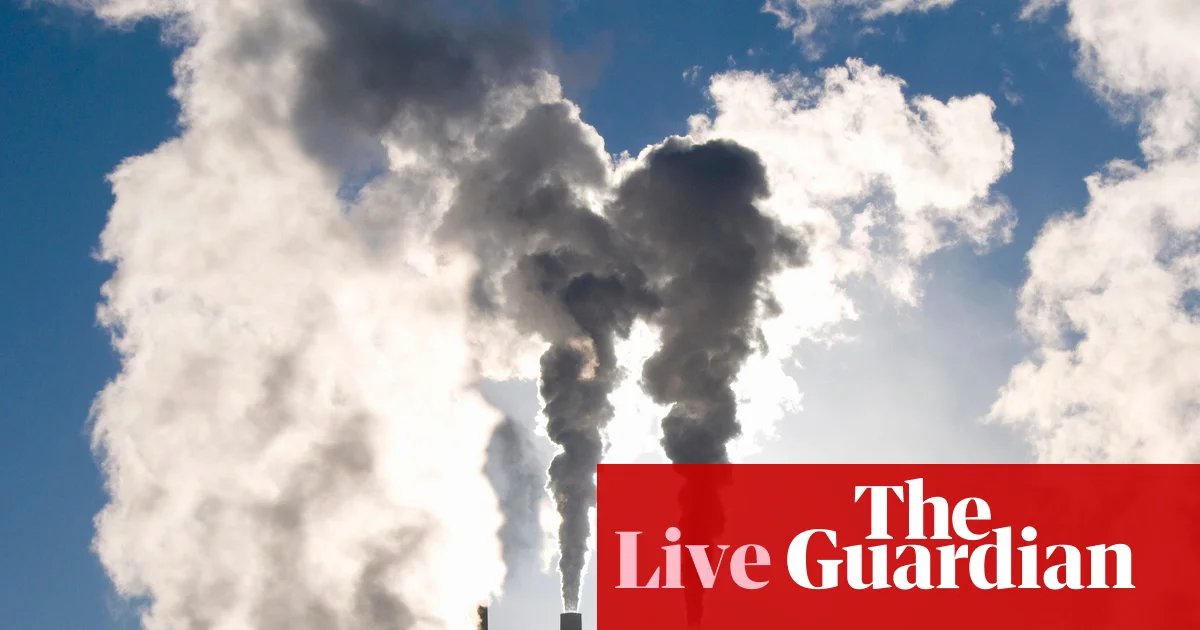
The recent decision by the Trump administration to revoke the endangerment finding—a foundational scientific assessment allowing the U.S. government to regulate emissions contributing to climate change—marked a significant policy reversal. Since 2009, this measure empowered the Environmental Protection Agency (EPA) to enforce emissions limits on vehicles and industry, anchoring the country’s environmental policy in climate science. By declaring this move “the largest deregulatory action in American history,” former President Donald Trump signaled a deliberate retreat from global climate commitments, opting instead for unrestricted fossil fuel expansion. Prominent voices like John Kerry condemned the rollback as “un-American” and warned that it deepens the climate crisis’s global toll, elevating risks not just for Americans but for vulnerable societies worldwide.

Analysts emphasize that such shifts are not isolated; they are part of a broader pattern of U.S. policy retraction that redefines geopolitical impact. The rollback signals a diminished US posture in the global climate arena, likely emboldening regimes like China and Russia that remain less committed to sustainable development. The decision also impacts international cooperation on environmental policy—a domain previously characterized by multilateral efforts like the Paris Agreement. According to renowned historians and geopolitical experts, these policy shifts risk isolating the U.S. diplomatically, while granting authoritarian regimes more leverage in global forums, ultimately challenging the prospects for a united front against climate destabilization. As forewarnings by climate scientists intensify, the impact on vulnerable populations in nations with fragile economies could be catastrophic, further fueling migration, conflict, and economic turmoil.

Meanwhile, strategic conversations at the Munich Security Conference reflect heightened tensions over international security and diplomacy. Secretary of State Marco Rubio’s meeting with his Chinese counterpart amidst rising trade and military rivalry exemplifies how competition between superpowers is escalating. With the U.S. poised to reset relations through a planned summit with Xi Jinping, the underlying question remains: who will shape the new global narrative? Historically, international organizations have called for cooperation, yet current decisions suggest a tilt toward assertive nationalism—a stance that forecloses avenues for peaceful resolution and international stability. Every policy decision—whether Trump’s tariffs rollback or ongoing U.S.-China negotiations—redefines the balance of power, affecting the very societies and economies caught in this anarchical chess game. As warned by seasoned strategists, the world now stands at a crossroads where history’s weight depends on whether nations choose confrontation or cooperation.

In the unfolding narrative of this new era, the choices made today will set the tone for future generations. As history’s pen continues to write the story of power, sovereignty, and survival, it becomes clear that every policy shift—whether aimed at environmental deregulation or diplomatic engagement—has ramifications far beyond immediate headlines. The global community must ponder: in a world teetering on the brink of profound transformation, which path will history remember? The answer, unresolved now, promises to echo through the corridors of power and the hearts of societies, etching a chapter that future historians will scrutinize—one that may determine the fate of civilization itself.

Tropical Cyclone Mitchell Braces Western Australia — Stay Safe, Aussies!

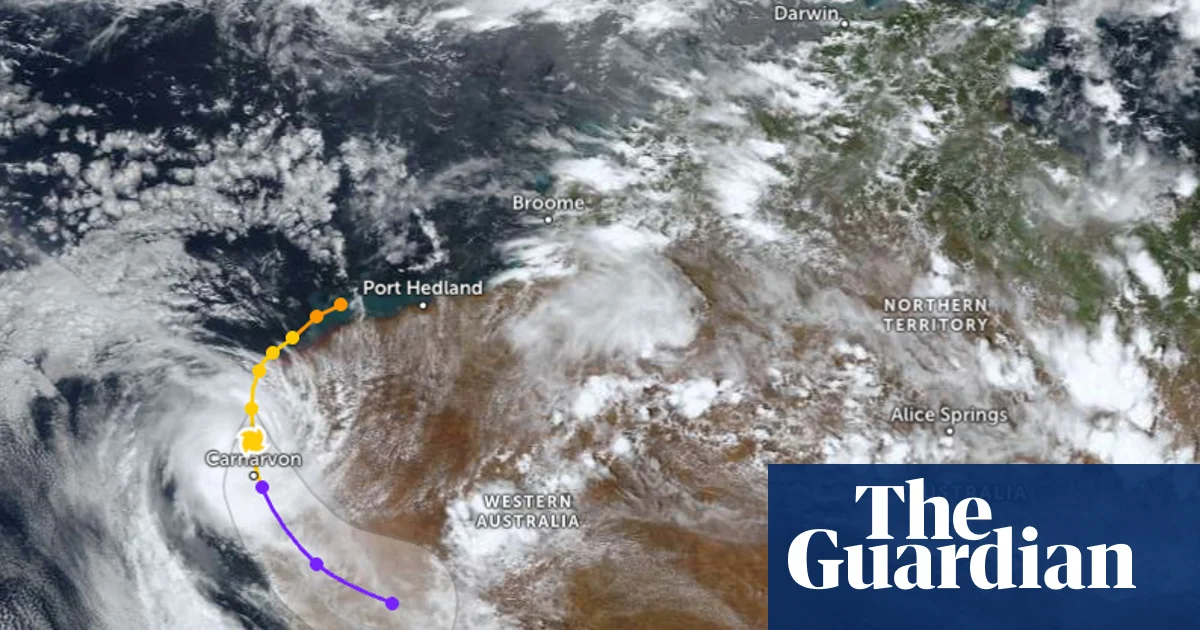
Recent events across the globe underscore the profound influence of climate dynamics on geopolitical stability and societal resilience. Western Australia bore the brunt of Cyclone Mitchell, a powerful storm fueled by rising sea temperatures. Originating as a weak tropical low over the Northern Territory in early February, Mitchell’s intensification to a category three cyclone highlights a troubling trend: the increasing frequency and ferocity of tropical weather systems driven by climate change. Such natural disasters threaten not only local economies but also regional security, as they strain infrastructure, displace populations, and demand international aid. The cyclone’s lingering moisture and subsequent heavy rainfall disrupted agriculture and trade corridors, illustrating how climate systems directly influence national stability and economic prosperity.

Meanwhile, the island of Madagascar faced its second devastating cyclone in less than two weeks. Cyclone Genzani struck with record winds of 155 mph, causing widespread flooding, destroying hundreds of buildings, and claiming at least nine lives. The impact of such storms extends beyond immediate casualties; they exacerbate ongoing humanitarian crises, displace communities, and threaten regional development. Analysts from the International Disaster Emergency Assistance warn that the recurrence of Cyclone Genzani follows the pattern of increasing intensity and frequency—phenomena attributed to the broader context of climate change. This relentless onslaught of nature’s fury underscores the importance of international cooperation in disaster preparedness and climate resilience, with nations like France and the United States providing aid and expertise to Madagascar.

In stark contrast, continental Europe experienced a sharp deviation in climate patterns, with persistent high pressure over northern regions fueling an unprecedented cold snap. The continent endured its coldest January since 2010, with temperatures plummeting into the -40s Celsius in Scandinavia. Experts suggest that this anomaly is a result of blocked weather patterns—a phenomenon that could have far-reaching geopolitical consequences. The chaos caused by the extreme cold, including canceled flights, strained energy supplies, and increased mortality rates, reveals vulnerabilities in Europe’s infrastructure and social systems. Countries like Finland and Poland reported record-high energy demands and tragic losses due to hypothermia. The prolonged cold and icy conditions have not only exposed weaknesses in emergency preparedness but also highlighted debates over energy security and climate policy—debates that are poised to shape Europe’s future amid shifting climatic realities.

Historians and international analysts warn that these climatic upheavals are no longer isolated phenomena but part of a complex web of challenges influencing global stability. The recent pattern of intense storms in the Indo-Pacific and extreme cold in Europe signals a geopolitical landscape increasingly shaped by climate uncertainties. Countries are forced to reconsider alliances, resource management strategies, and disaster response protocols. As the world witnesses nature’s fury, the question remains: will humanity adapt and forge a blueprint for resilience, or will it become another chapter in a story of unmitigated disaster? The unfolding narrative of climate and conflict continues to writhe beneath the surface of international diplomacy, reminding all that the weight of history is now resting heavily on the shoulders of today’s leaders—and the clock is rapidly running out.

Social Media Auto Publish Powered By : XYZScripts.com