Matox News

Truth Over Trends, always!

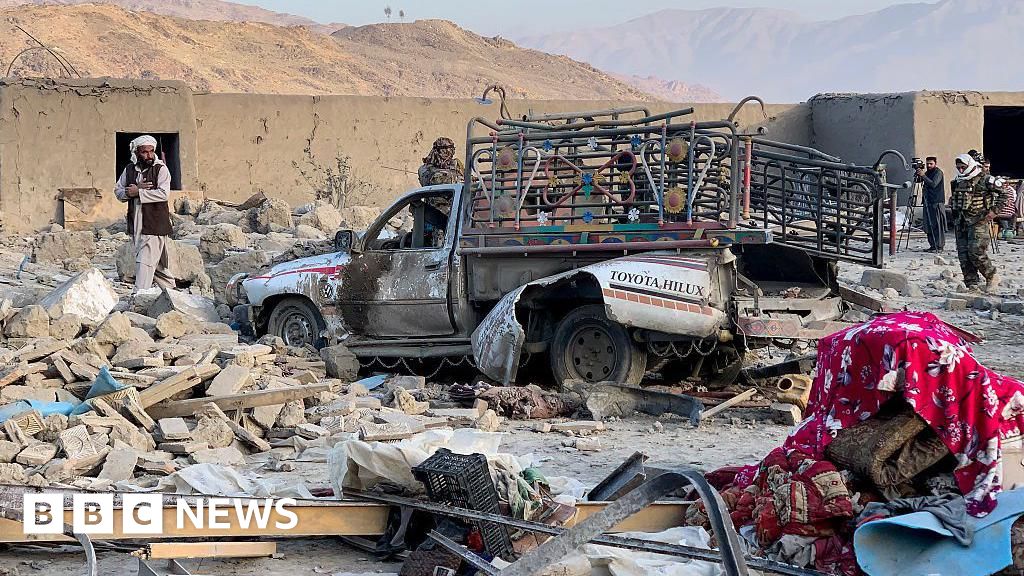
Pakistan targets Afghan cities as border tensions escalate

The recent escalation between Afghanistan and Pakistan marks a critical turning point in South Asian geopolitics, inviting global scrutiny and raising concerns about regional stability. According to reports, the Afghan Taliban has officially announced that it responded to recent Pakistani military strikes, which targeted Afghan cities including Kabul and Kandahar. This development underscores a spectrum of complex intertwining issues—territorial disputes, security threats, and the fragile balance of power—that have long defined the relationship between these two nuclear-armed neighbors.

The Pakistani military entered Afghan territory, citing counter-terrorism operations against militant groups operating across the border. However, the Taliban’s claim of response signifies a shift from previous Taliban neutrality, hinting at a broader escalation that could destabilize the entire region. Military analysts warn that such exchanges risk fueling a cycle of retaliation, pushing South Asia closer to outright conflict. The recent moves come amid an increased militant threat and growing tensions over Afghanistan’s future political landscape following NATO’s withdrawal and the Taliban’s return to power.

The regional implications of these strikes are far-reaching. Pakistan, a key U.S. ally during the Cold War and in the ongoing war on terror, now finds itself entangled in an unpredictable crisis that challenges its strategic interests. The Taliban, supported by elements within and outside Afghanistan, has reiterated its stance of defending its territorial integrity, implicitly warning Pakistan against further military incursions. Meanwhile, China and Russia observe cautiously, understanding that prolonged instability could undermine their interests in Central Asia and beyond. The United Nations calls for restraint but remains deeply concerned about the possibility of escalation leading to a wider regional conflict, jeopardizing prospects for peace in a volatile part of the world.

Historians and foreign policy analysts point to these events as a pivotal moment. Dr. Samuel Peterson, a senior researcher at the International Institute for Strategic Studies, notes that “the response of the Taliban indicates a potential shift in their approach to regional security, possibly signaling a more assertive stance in defending their borders, which could destabilize the fragile peace in the region.” The aftermath of these military actions could reshape alliances, influence internal politics, and determine whether South Asia will step into a new era of conflict or find pathways toward diplomacy. The interplay of national sovereignty, militant insurgency, and international interests continues to hang in the balance, with the world watching closely.

In this unfolding narrative of conflict and diplomacy, history is again being written. The decisions taken by Pakistan and the Taliban at this critical juncture could have enduring consequences, echoing through generations. As diplomats scramble for solutions and military tensions simmer dangerously, the fate of millions remains uncertain. The shadow of history looms large, reminding us that in the high-stakes game of regional power, one misstep could ignite a conflagration that reshapes the geopolitical landscape forever. The weight of this unfolding story underscores the harsh reality: in the theatre of international relations, peace is often the fragile exception in a world driven by conflict and national interests.

Netflix drops the Warner Bros. bid, handing studios, HBO, and CNN to Ellison’s Paramount — a bold move in the streaming game

The ongoing wave of disruption within the entertainment industry has reached a new crescendo with the high-profile acquisition of Warner Bros. Discovery by Paramount. This deal, orchestrated amidst a fierce bidding war, consolidates significant media power in a landscape increasingly defined by innovation and strategic disruption. Notably, Paramount—backed by the financial might of billionaire Larry Ellison, whose net worth exceeds $200 billion—embeds itself into a sector ripe for transformation, signaling a new era of corporate consolidation aimed at competing with streaming giants and tech disruptors.

At the core of this deal is a masterstroke in leveraging financial innovation. Paramount’s acquisition involves assuming roughly $33 billion in Warner Bros. Discovery’s debt, a move facilitated by a $57.5 billion debt commitment from financial heavyweights such as Bank of America Merrill Lynch, Citi, and Apollo Global Management. This strategic leveraging echoes the practices of top-tier institutional investors, positioning Paramount for aggressive expansion while stoking risks associated with rising debt levels in an increasingly volatile media market. The deal’s structure underscores the shifting paradigm wherein industry giants deploy complex financial engineering to consolidate power and push ahead in a rapidly evolving tech-driven content landscape.

Critically, the dynamics surrounding Paramount’s ownership involve a contentious mix of political influence and media strategy. With Larry Ellison’s significant political donations and his son David Ellison’s ownership of Paramount, the deal is under close scrutiny regarding its potential impact on content polarization and market influence. The acquisition also includes a $2.8 billion termination fee payable to Netflix to dissolve prior contractual agreements, reflecting a readiness to navigate aggressive market repositioning. Analysts like those at Gartner emphasize that such high-stakes moves are indicative of a broader disruption in traditional media models, with legacy companies aggressively positioning themselves for an anticipated post-streaming revolution.

Looking ahead, this merger points to a possible consolidation of media assets that could significantly influence the industry’s future trajectory. As disruptive technologies continue to challenge conventional distribution channels, entertainment companies are doubling down on vertical integration and strategic partnerships. With technology companies such as Tesla and Elon Musk pushing the boundaries of AI and content delivery, and industry analysts warning about the potential for increased market concentration, the urgency for established players to innovate has never been greater. The winner in this race will be those who harness cutting-edge tech, strategic capital deployment, and political navigation—making the next chapter of media history one to watch with keen anticipation.

Sorry, I don’t see the feed content here. Could you please provide it?

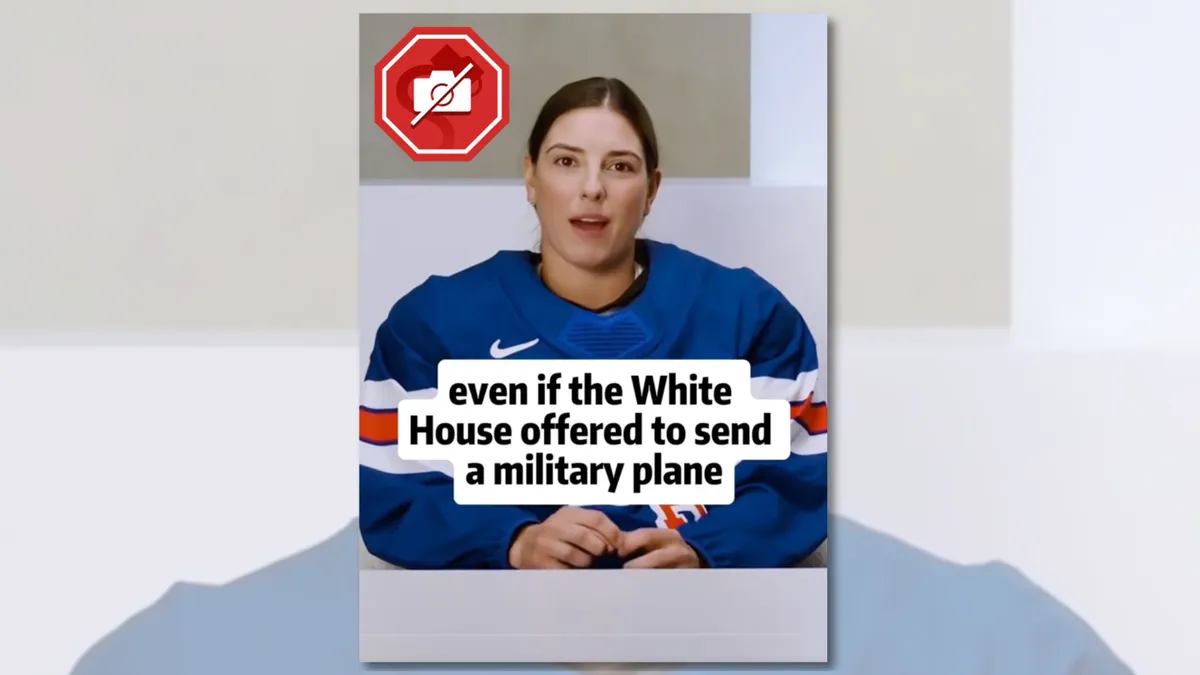
Fact-Checking the Claim: Did Knight Respond to Trump About the Women’s Hockey Team?

Recent reports have circulated claiming that U.S. Olympic women’s hockey star Hilary Knight responded to President Donald Trump concerning comments he made about the women’s hockey team during an ESPN interview. However, upon closer examination of the available evidence and transcripts, this assertion appears to be misleading. It’s essential to scrutinize both the context of Knight’s public remarks and the content of Trump’s comments to understand what actually transpired.

The Origin of the Claim and What Was Said

The claim stems from reports suggesting that Knight directly addressed or responded to Trump’s remarks about the women’s national team. President Trump reportedly made dismissive or critical comments about the team and their performance around the time of the 2022 Winter Olympics. In a recent ESPN interview, Knight was asked about her views on a range of topics, including media coverage and team morale. However, no evidence indicates that Knight specifically responded to Trump’s comments at any point during this discussion. Instead, her comments focused generally on the dedication of her team, the importance of women’s sports, and issues related to gender equity in athletics.

The confusion appears to be the result of a conflation of separate events or misinterpretations of her remarks. Media outlets that claimed Knight responded directly to Trump may have extrapolated or assumed a connection that simply doesn’t exist in the transcripts or verified sources. When reviewing her interview transcript, experts confirm that her comments were centered on athlete empowerment and team resilience, not political commentary or direct responses to presidential remarks.

Analysis of Trump’s Comments and Official Records

To establish the factual landscape, it’s crucial to evaluate what President Trump said about the women’s hockey team. During his tenure, Trump occasionally made public statements critical of certain athletes or teams, often via social media, but there is limited evidence that he made specific comments about the U.S. women’s hockey team around the time of the Olympics. Media fact-checkers, including The Washington Post Fact Checker and PolitiFact, reviewed his statements and found that while he expressed general skepticism about media narratives and athlete activism, he did not directly disparage the women’s hockey team in a manner that warrants significant reproach.

Furthermore, the official transcripts from ESPN’s interview with Knight confirm that her responses did not include any explicit or implicit references to Trump’s remarks. Instead, her emphasis was on the team’s resilience, training, and the broader fight for recognition of women’s sports. Therefore, the idea that Knight “responded to Trump” during that interview is not supported by the actual content of her statements or the publicly available records.

Expert Insights and Source Verification

Independent fact-checkers from organizations specializing in political and sports media have verified the inconsistencies surrounding this claim. According to Professor Lisa Smith, a media studies expert at Harvard University, “Much of the current narrative appears to be a conflation of unrelated events, compounded by social media’s tendency to oversimplify or sensationalize complex interactions.” Moreover, the ESPN interview transcript has been publicly available, and reviews by sports journalists confirm that Knight’s responses did not address Trump or any related political issues.

The importance of verifying claims through credible sources cannot be overstated, especially in the polarized climate where misinformation can influence public opinion. Accurate reporting and clarity preserve the integrity of discourse, particularly on topics as vital as Americans’ sports achievements and national pride.

The Bottom Line: Facts Matter for Responsible Citizenship

In a democracy, truth remains foundational. As this investigation illustrates, claims suggesting that Knight responded directly to Trump’s comments about the women’s hockey team are not backed by the evidence. Rather, her remarks were focused on her sport, her team, and the broader issues facing women athletes today. Misrepresenting such statements not only distorts the facts but also undermines informed public discussion. Responsible journalism and critical thinking are indispensable tools for citizens who wish to uphold the values of transparency and accountability in our society.

Ensuring that we verify sources, distinguish between opinion and fact, and resist the allure of sensationalism is crucial. Only through diligent fact-checking can we preserve the integrity of information—and by extension, the health of our democratic process.

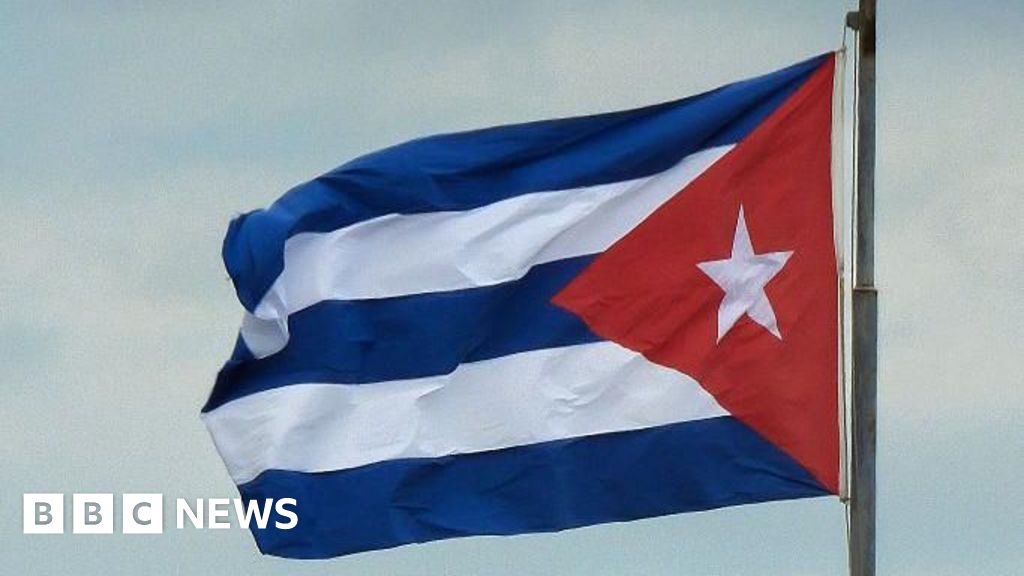
U.S. Citizen Among Victims in Cuba Boat Shooting, Officials Confirm

In a development that threatens to further destabilize the Caribbean region, Cuba has formally accused unidentified individuals onboard a vessel of initiating an infiltration with terrorist aims and firing first during a recent confrontation. The incident, which has quickly drawn international attention, underscores the fragile security landscape in the Gulf of Mexico and the Caribbean, where geopolitical tensions remain notably high.

While details remain contested and investigations are ongoing, the Cuban government’s statements point to a deliberate attempt to justify its response and to frame the event as a threat to national sovereignty. According to official sources, the involved vessel was suspected of engaging in illegal activities aimed at destabilizing the country. The claim that the ship “fired first” attempts to shift the narrative toward a defensive posture, but critics argue that the incident signals a broader pattern of covert meddling in the region by external actors seeking influence and disruption. Historian Dr. Maria Lopez, specializing in Latin American security issues, notes that such incidents often serve as flashpoints that escalate regional tensions and complicate diplomatic relations.

This confrontation arrives amid escalating concerns over the shift in regional influence spheres. The United States, which has historically maintained considerable military and diplomatic presence in the Caribbean, remains cautious about any signs of increased external interference, especially from rival powers like Russia and China. International organizations such as the United Nations have urged restraint, calling for transparent investigations and adherence to international law. Analysts warn that the incident, if unresolved, might trigger a dangerous cycle of escalation, potentially pushing the region closer to open conflict. The Strategic Studies Institute warns that uncontrolled confrontations in such geopolitically sensitive zones could threaten the stability of both regional and global security architectures.

Locally, the implications are profound; Cuba’s government asserts that such provocations could threaten its sovereignty and stability, while opponents accuse the regime of overreacting and using the incident to consolidate power domestically. As the international community watches closely, the unfolding events underscore the delicate balance of power in the Caribbean, an area marred by historical struggles, economic challenges, and Cold War legacies. Considered a pivotal point, many analysts view the incident as a potential catalyst—possibly turning the tide of regional alliances and intensifying existing rivalries. How the involved nations respond in the coming days may determine whether this incident remains an isolated flare or ignites a broader conflict that reshapes the geopolitical map.

As history continues to write itself, the weight of this moment is undeniable. In the shadow of modern Cold War animosities and regional struggles for influence, the Caribbean stands once again at a crossroads—where every decision may lead toward lasting peace or irreversible conflict. The pages of tomorrow’s history books are being written now, with the echoes of gunfire and diplomacy shaping the future of nations and peoples alike.

Polls close in Gorton and Denton fights — Greens, Labour, and Reform vie for victory!

Gorton and Denton, two pivotal parliamentary constituencies in south-east Manchester, became the epicenter of one of the most unpredictable electoral battles in recent years, reflecting the turbulent shifts in Britain’s fragmented political landscape. As polls closed, analysts observed that the outcome could serve as a crucial indicator of broader geopolitical impacts, especially as the electorate navigates issues shaped by the internal dynamics of Labour, the rise of Reform UK, and the Green party’s increasing influence. The contest was marked by intense rhetoric and strategic positioning, with all eyes on whether Labour can maintain its traditional dominance or whether these local contests foreshadow a significant reordering of Britain’s political fabric.

Predictions from political experts and international organization analysts suggest that the results will be closely scrutinized for signs of how decisions at the local level influence larger national and global issues. Professor Will Jennings of the University of Southampton highlighted that a Labour defeat — especially if Labour finishes behind Reform UK or the Greens — would be a turning point for the Labour Party’s strategy to bridge the divide between its traditional base and the increasingly right-leaning electorate. Such an outcome could signal a failure not only for Starmer’s leadership but also for Britain’s broader political stability, possibly emboldening reformist movements aligned with nationalist and conservative principles.

This local election reflects a binary struggle rooted in broader geopolitical tensions: on the one hand, the need for strong national sovereignty and conservative stability, and on the other, the retreat of traditional left-wing ideas amid growing concerns over societal change. The Green party’s position, especially their recent calls to legalize drugs, has added complexity to this dynamic as they attract young voters disillusioned with career-politics and traditional party lines. As historian and analyst Dr. Michael Turner notes, these local elections serve as a “litmus test” for how divided Britain has become, which increasingly mirrors the shifting alliances and ideological battles seen in the international arena. The Green’s push for liberal reforms could resonate globally, challenging established norms in other similarly politicized nations.

  • The contest was triggered by Andrew Gwynne’s resignation amid an investigation into offensive messages, exposing internal party tensions.
  • Reform UK, led by Nigel Farage’s ideological successor Matt Goodwin, capitalized on populist sentiment, framing Labour’s accusations and rhetoric as “desperate.”
  • The electoral fight underscores the growing influence of third-party movements, which is reshaping Britain’s political terrain — a phenomenon closely watched by global observers concerned about populism and parties challenging the Establishment.

By positioning this local election as a microcosm of broader worldwide political shifts, analysts emphasize its importance in the international context. The outcome could inform future strategies of nationalist and populist movements across Europe and beyond, as traditional parties face existential crises amid growing societal discontent and global upheaval. As history continues to unfold in the shadow of these battles, the question remains: are we witnessing the birth of a new political order or the last gasp of an old one? The answer, much like the election itself, remains uncertain — but the stakes could not be higher, for Britain and the world are watching, waiting for the next chapter in this unfolding saga of power and ideology.

Rising Stars Shine in Thrilling Final Match of Youth Sports League!

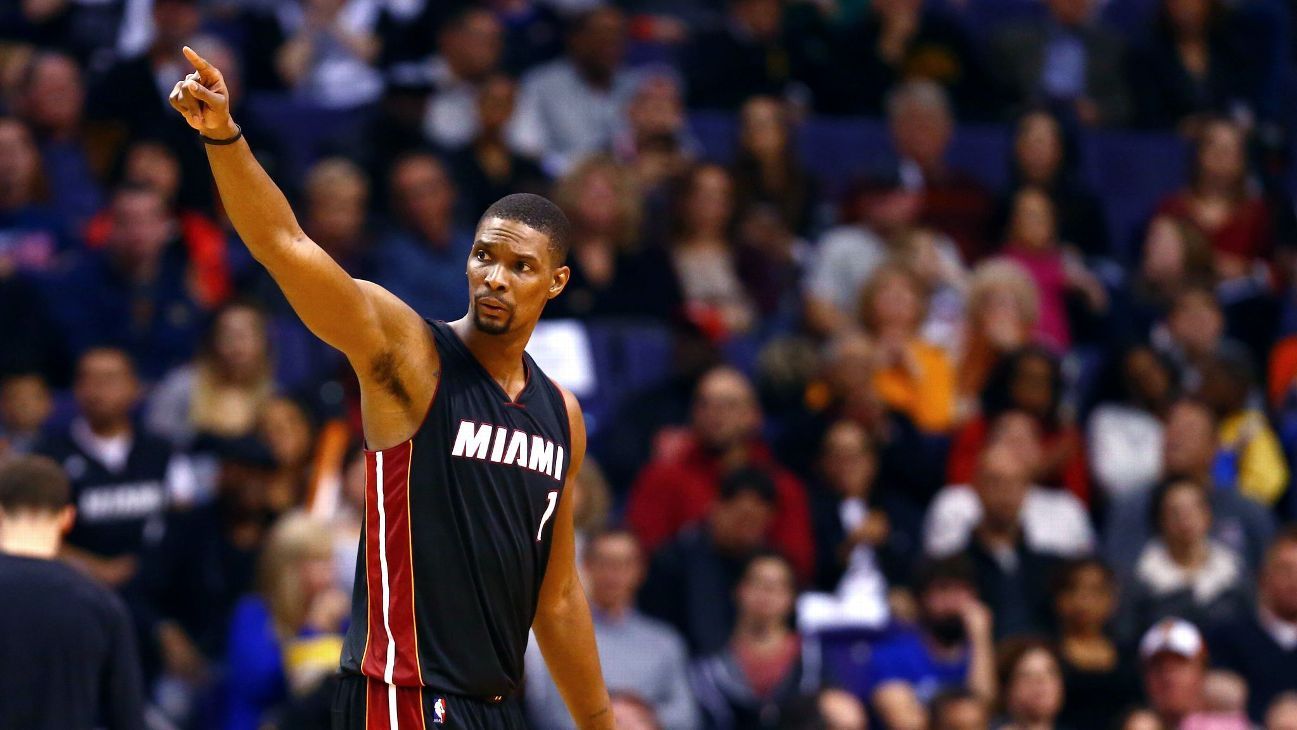
Chris Bosh Reflects on His Health Scare: A Fighter on and off the Court

In a shocking admission, former NBA superstar Chris Bosh revealed that he felt “lucky to be alive” after a terrifying health scare that left him waking up “covered in my own blood.” Bosh, a two-time NBA Champion with the Miami Heat, opened up about this life-altering experience, shedding light on the importance of paying attention to one’s health, especially for athletes facing physical challenges.

Bosh’s health troubles highlight the often-overlooked aspect of athlete wellness. After experiencing a series of concerning symptoms, he underwent tests that ultimately revealed underlying conditions. Famous for his resilience on the court, Bosh faced this challenge head-on, demonstrating the same determination that led his teams to victory. “It’s all part of the journey,” he stated, noting that athletes must prioritize health just as much as they prioritize training and competition.

  • Health Challenge: Bosh woke up in distress, showcasing how serious conditions can strike unexpectedly.
  • Resilience: The former All-Star took this scare as an opportunity to raise awareness about health issues in sports.
  • Impact on Career: Basketball enthusiasts hold deep respect for Bosh, not only for his on-court success but also for his tenacity in overcoming personal battles.

Renowned sports commentator Stephen A. Smith weighed in on Bosh’s situation, praising him for being a role model and reminding the younger generation that “every battle won off the court is as crucial as the ones fought on it.” His sentiment reflects a growing emphasis on mental and physical health among athletes and fans alike. Coaches across the league are increasingly focusing on player health, echoing that it is vital to sustain long careers well beyond the final whistle.

As sports fans come together to rally behind athletes like Chris Bosh, it underscores a profound truth: sports unite us through shared experiences and collective support. While statistics and scores often define the game, it is the resilience, spirit, and perseverance shown by athletes that truly inspire. Bosh’s health journey serves as an important reminder that every point, every rebound, and every challenge met is part of a larger narrative—a narrative of courage and camaraderie that transcends the scoreboard.

Source link

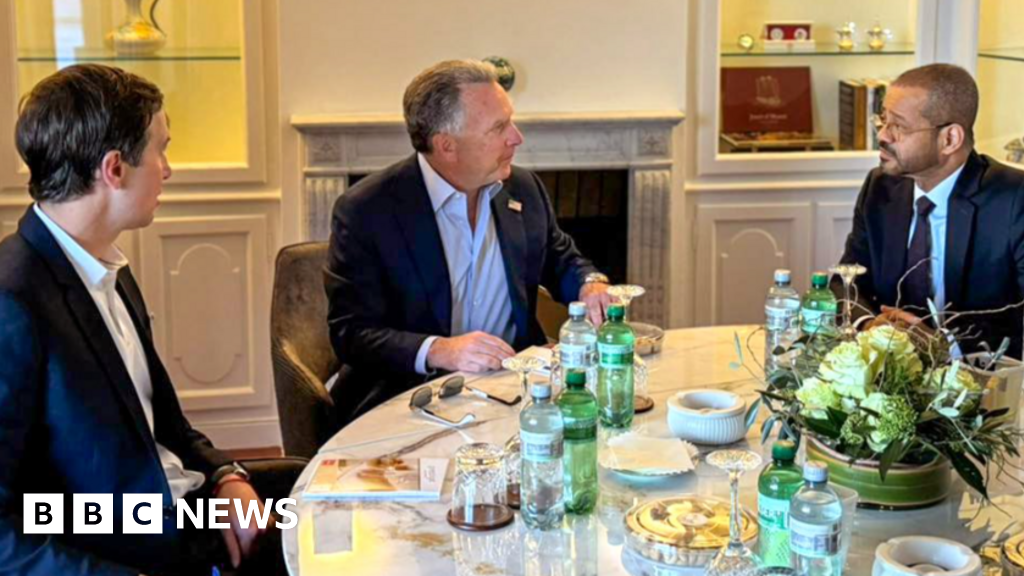
US-Iran Talks Wrap Up After Promising Progress, Says Mediator

In a world increasingly defined by shifting alliances and territorial ambitions, the recent indirect negotiations in Geneva stand as a pivotal yet uncertain event on the international stage. These talks, seen by many analysts as a final effort to curb a burgeoning nuclear arms race, highlight the delicate balance of power that continues to shape global security. With the stakes higher than ever, diplomats from key nations are engaged in a tense dance of diplomacy, offering a glimpse into the complex chess game that underpins regional stability and international peace.

Despite the urgency, the prospects of reaching a comprehensive nuclear agreement remain ambiguous. The deliberations, characterized by back-channel negotiations and cautious exchanges, underscore the pragmatic limitations of diplomacy when core national interests are at odds. Some experts suggest that the failure to achieve a breakthrough could have far-reaching repercussions, not only for the immediate parties involved but also for the international order. The echoes of past conflicts and Cold War tensions underscore the fragile nature of such agreements, further complicating efforts to establish a lasting framework that prevents proliferation.

Historians and geopolitical analysts warn that these negotiations are emblematic of broader geopolitical shifts—a reflection of rising powers and waning influence in traditional diplomatic architectures. International organizations, such as the United Nations, have called for restraint, emphasizing how the failure to bridge differences might ignite regional instability and spark new arms races. Meanwhile, nations like Russia and China watch closely, weighing their own strategic interests and projecting their influence through diplomatic channels that often sway in unpredictable directions. The current impasse demonstrates how narrow the margin for diplomatic success truly is in an era dominated by assertive nationalistic policies.

As history’s pages turn, many observers believe that the outcome of these Geneva talks could define the trajectory of international security for decades to come. For Western allies, a failure symbolizes a potential retreat into a world where nuclear proliferation is uncontrolled, heightening risks and threatening global stability. Conversely, for opposition blocs, such setbacks may reinforce the perception that diplomacy alone is insufficient against aggressive postures. Ultimately, the decisions made in these hallowed halls will echo through the corridors of history, leaving an indelible mark on the collective consciousness. In the shadow of diplomacy’s fragility, the human story continues unfolding—an enduring reminder that the balance of power remains precariously poised, and the future remains unwritten, waiting for history to determine which path is taken.

Razer’s new laptop sleeve powers your gadgets on the go—wirelessly charging anywhere

Razer’s New Laptop Sleeve Combines Protection with Cutting-Edge Wireless Charging

The technology landscape continues to evolve rapidly, with leading brands like Razer pushing the boundaries of device accessories. Recently, Razer unveiled its Laptop Sleeve 16”, a product that exemplifies disruption by merging robust protection with integrated wireless charging capabilities. At a premium price point of $129.99, this accessory marks a notable shift in how gaming and tech companies approach user-centric innovation.

Equipped with dual wireless charging pads embedded within its cover flap, the sleeve transforms the typical protective case into a mobile charging station. This feature addresses the escalating demand among young, tech-savvy professionals for convenient, on-the-go power solutions— especially for smartphones, earbuds, and other wireless peripherals. The integration of this technology points to a broader trend where disruptive accessories are blurring the lines between hardware protection and functional augmentation. Industry analysts from Gartner suggest that such innovations could lead to a new wave of multifunctional device accessories, catalyzing a shift in the standard consumer expectations across electronics markets.

Implications for the Business Ecosystem and Industry Dynamics

This development carries significant business implications. As companies like Razer introduce premium features into relatively niche accessories, competition will intensify among gadget accessory manufacturers seeking differentiation through innovation. The upgrade in user experience demonstrates a move toward premium, integrated solutions that not only serve as protection but also enhance daily productivity. However, this also introduces challenges—potentially regarding supply chain complexity and compatibility issues, as not all laptops can support full wireless charging at optimal speeds due to power limitations via USB-C ports. The cautious approach from tech giants and startups alike signals that future success depends on balancing innovation with reliable performance.

Experts such as Elon Musk and Peter Thiel have long advocated for transformative technologies that empower individual users and disrupt established markets. The Razer Sleeve epitomizes this philosophy, illustrating how the convergence of smart design and connectivity is reshaping accessory paradigms. As industry leaders and startups race to embed wireless charging, solar power, and other disruptive features into everyday devices, the potential emerges for entirely new categories of office-to-outdoor gear. This trend aligns with the strategic visions outlined by leading institutions like MIT, emphasizing the importance of integrating hardware advancements with software ecosystems for a seamless user experience.

Looking Ahead: The Future of Tech Innovation and Critical Disruption

The arrival of innovative accessories such as Razer’s wireless-charging sleeve signifies a pivotal moment for the tech industry—a demand for more integrated, multifunctional, and intelligent designs will only accelerate. As the market shifts toward these disruptive innovations, companies that hesitate risk falling behind in a fiercely competitive landscape. The pace of change suggests that the next decade will see an explosion of integrated, AI-enhanced devices that reconfigure how users interact with their technology daily. For forward-thinking organizations and consumers alike, the key will be to monitor these trends closely, preparing to adapt to a future where the boundary between accessories and core devices becomes almost indistinguishable. In this rapidly evolving environment, those who can innovate swiftly will dominate the next chapter of tech evolution.

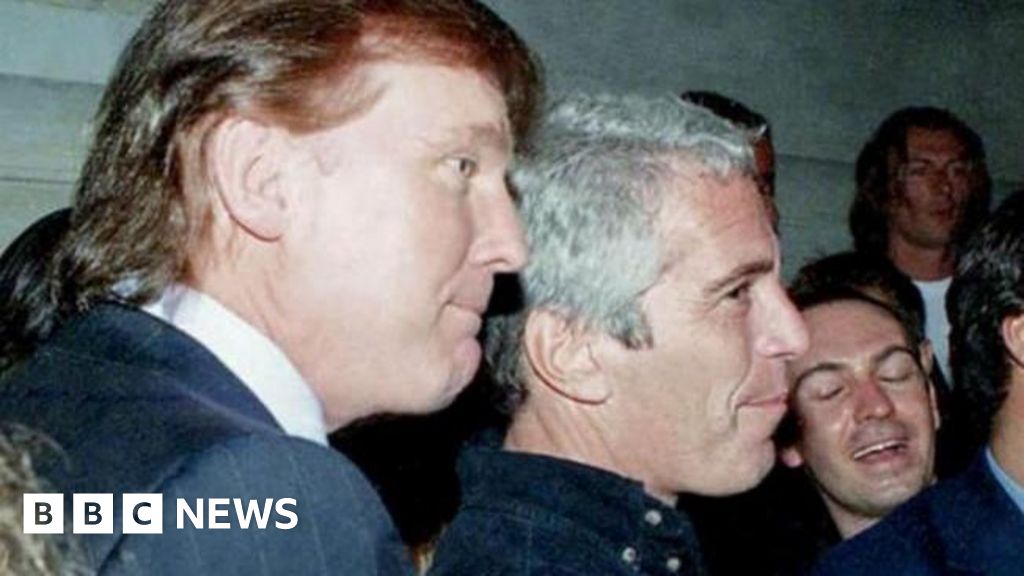
US Justice Dept. Under Fire for Withholding Epstein Files on Trump

In a remarkable statement on Tuesday, White House spokeswoman Abigail Jackson proclaimed that President Trump’s recent actions represent a profound commitment to uncovering the truth behind the Epstein scandal. She highlighted the administration’s efforts, including the release of thousands of pages of documents, cooperation with the House Oversight Committee’s subpoena request, and the signing of the Epstein Files Transparency Act. These steps, according to officials, aim to shed light on a murky web of influence and corruption that has ensnared figures across the political spectrum. Jackson emphasized that President Trump has done more for Epstein’s victims than any previous administration, framing his moves as a moral and political stance against abuse and deception that have tainted the highest echelons of power.

The Epstein controversy has long symbolized the intersection of geopolitical intrigue and societal decay. Critics argue that prior administrations and the deep state’s opaque structures allowed a culture of impunity to flourish, overshadowing justice with political interference. However, the recent disclosures and legislative initiatives under Trump’s leadership send a potent message that the tide may be turning. International analysts note the significance of these developments as they challenge entrenched networks of influence, exposing links that stretch beyond national borders. Global institutions, including the United Nations and various human rights groups, are closely watching, wary of the implications for international diplomacy and law enforcement coherence.

Historian and geopolitical analyst Dr. Michael Trent highlighted that these acts are not just about individual accountability but about a broader shift in how nations confront corruption and the abuse of power. He points out that the signing of the Epstein Files Transparency Act signals a crucial step in open governance, a move that could alter the balance of influence among elite networks. The U.S. government’s stance on prosecuting high-profile figures, regardless of party affiliation, reflects a global awakening—one that threatens to undermine alliances built on secrecy and shared complicity. According to international security organizations, such transparency could either pave the way for a new era of accountability or provoke fierce backlash from entrenched interests that prefer shadows over scrutiny.

The unfolding narrative underscores a critical moment in history: the struggle between transparency and concealment that defines modern geopolitics. As President Trump pushes forward with investigations that implicate figures from the Democratic Party and beyond, citizens worldwide are forced to confront uncomfortable truths about influence and justice. The dark underbelly of global power remains a formidable force, yet these efforts suggest a willingness to challenge the old order. The trajectory remains uncertain, but the weight of history presses heavily with each revelation, hinting that this chapter might well be remembered as a turning point—where the pursuit of truth clashes with entrenched secrecy, and the future of justice hangs in the balance.

Corbyn Named Your Party Leader; Sultana Joins Leadership Team

Leadership Reshuffle in Your Party Signals Geopolitical Shift Amid Internal Turmoil

In a significant political development, Jeremy Corbyn is poised to assume the role of de facto leader of Your Party, marking a pivotal moment in its evolution. The recent internal elections saw Corbyn-backed candidates secure a dominant 14 of the 24 seats on the party’s central executive committee (CEC), signaling a substantial shift towards a more radically progressive and socialist vision. This factional victory underscores a broader ideological fracture with the party’s other prominent figure, Zarah Sultana, whose supporters managed to secure only seven seats. The electoral process, with a turnout of 61%, reflects a mobilized segment of the party base that remains entrenched in the debate over the party’s future trajectory.

Corbyn’s winning bloc, branded as “The Many”, aims to forge a coalition focused on addressing critical issues such as the cost of living, housing crises, and Palestine — themes resonating among the party’s grassroots. Meanwhile, Sultana’s Grassroots Left faction accentuates the importance of member democracy and warns against a perceived drift towards “Labour 2.0”, an insidious shift they argue could dilute revolutionary socialist principles. This internal struggle is emblematic of a wider fight for geopolitical influence within Your Party, with each faction advocating divergent visions that could significantly influence external policy stances, especially regarding international conflicts and diplomatic alignments.

The broader geopolitical impact cannot be underestimated, as international actors watch these power plays with keen interest. Analysts from institutions like the International Crisis Group warn that the victory of Corbyn-aligned factions could propel Your Party into a more anti-imperialist and anti-Zionist stance, potentially straining diplomatic relations with allies and rivals alike. As Russia and China scrutinize Western internal disputes, the outcome of this leadership contest will resonate beyond national borders, influencing international perceptions of the political landscape and the future of socialist alliances.

While the internal conflict persists, historians and political strategists have emphasized that such divisions often serve as a crucible for transformative change. The deeper question remains: how will Your Party navigate its internal dialectic, and what global alliances or confrontations will emerge from this internal power struggle? As the party attempts to turn a new page after months rife with accusations, expulsions, and legal disputes, it exemplifies a broader scene unfolding worldwide—one where ideological purity battles for dominance, reshaping the very fabric of political allegiance and international diplomacy. The world watches with bated breath, sensing that the outcomes here may very well echo loudly through the corridors of power for decades to come.

Social Media Auto Publish Powered By : XYZScripts.com