Matox News

Truth Over Trends, always!

Gaza’s Rafah Border Reopens for Select Travel Amid Tensions — What You Need to Know

Amid mounting international scrutiny, European Union officials and former diplomats are raising alarms over the ongoing humanitarian and legal crises in Gaza and the broader West Bank. A coalition of more than 400 former European top diplomats has called for intensified pressure on Israel, condemning what they describe as “excesses and unremitting violations of international law.” This unprecedented appeal underscores the deepening global concern about the conflict, as the bloc considers suspending or revisiting its strategic relations with Israel, including the engagement under the EU-Israel association agreement. The signatories, many of whom previously held senior diplomatic positions, are urging the EU to adopt a firm stance by initiating a “time-limited dialogue” with Israeli authorities, potentially including the suspension of agreements if Israel fails to respond constructively.

This diplomatic push comes at a time when the United Nations and human rights organizations warn of a dire reality on the ground. More than 500 Palestinians, including approximately 100 children, have been killed during Israeli military operations since last year’s ceasefire, according to Gaza’s health ministry. Heavy restrictions on humanitarian aid and ongoing Israeli settlement projects, particularly in East Jerusalem and the West Bank, threaten the viability of a two-state solution. Notably, Israel’s moves towards annexation and settlement expansion have drawn international condemnation, further complicating the prospects of peace and stability in the region. Critics argue that such policies not only violate international law but also bolster radical factions, which perpetuate cycles of violence and instability across the Middle East, with the global geopolitical landscape sharply affected as a result.

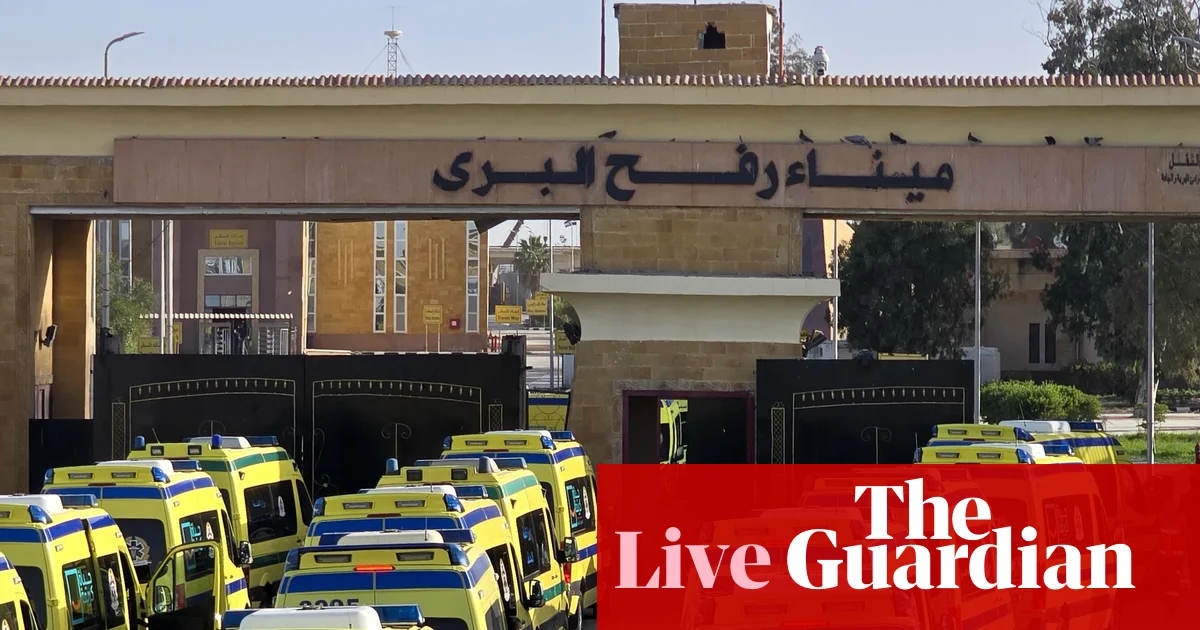
The recent reopening of the Rafah border crossing between Gaza and Egypt, after months of closure, symbolically marks a new but fragile chapter in the ongoing crisis. The limited movement of Palestinian civilians—just fifty people daily—mainly those in need of medical treatment, reflects the complex security calculus driven by Israeli and Egyptian authorities. Israeli officials stipulate that ongoing security checks will regulate crossing, and the process involves multi-layered screening. The Gaza health ministry reports approximately 20,000 patients, many of them wounded or ill, waiting to evacuate, emphasizing the persistent humanitarian catastrophe. This partial reopening, aligned with the US-led ceasefire efforts, comes amidst the deadliest Israeli airstrikes in months, which have resulted in the deaths of at least 30 Palestinians, including civilians sheltering in tent cities, highlighting the precariousness of peace prospects and the ongoing toll of conflict.

International organizations and analysts highlight how these strategic decisions and geopolitical maneuvers ripple through societies and influence global stability. The World Health Organization warns of worsening health conditions in Gaza, with rising cases of respiratory infections and hypothermia, exacerbated by the blockade and infrastructure destruction. Meanwhile, the International Criminal Court continues to investigate potential war crimes, including Israel’s conduct amidst accusations of a “genocide,” as a prominent UN human rights lawyer openly condemns Israeli policies — a stance that has led to sanctions and diplomatic fallout, especially from the US. The confluence of military action, diplomatic isolation, and international moral debates reveals a landscape of profound instability, where each decision echoes beyond borders. As the world watches, history’s ink continues to be written with every strike, treaty, and diplomatic reprimand—reminding all that peace in Gaza is not merely a local issue but a chapter in a larger story of justice, sovereignty, and international law that remains unfinished.

Gaza’s Rafah Crossing with Egypt Opens Again, Boosting Hope and Access

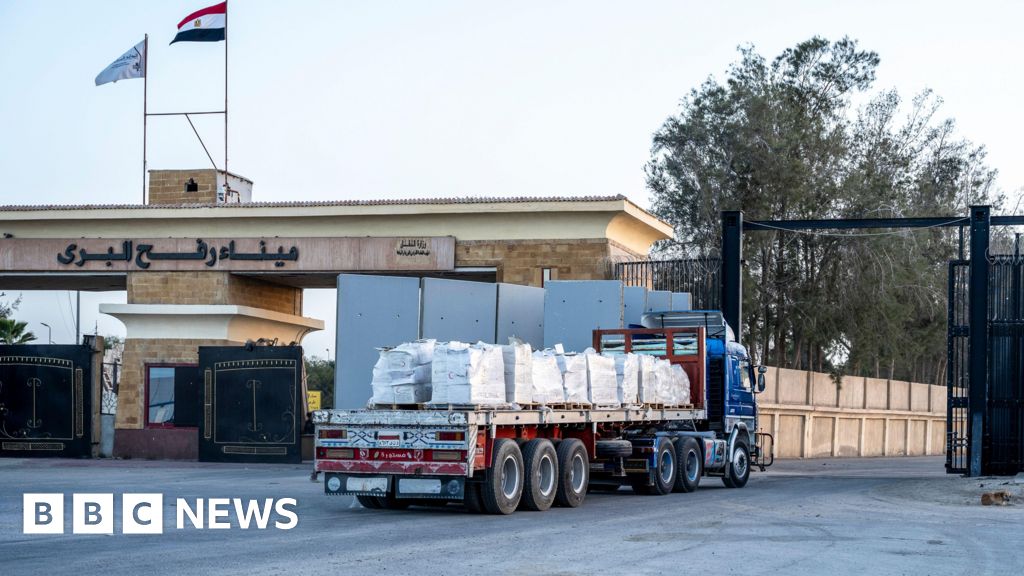
Recent developments in the Israeli-Palestinian conflict have once again underscored the fragile state of peace and stability in one of the world’s most volatile regions. Reports indicate that Palestinians will now be restricted to only a few dozen individuals and a negligible volume of goods crossing borders in both directions daily. Such stringent limitations reflect ongoing efforts by Israel and regional authorities to tighten control over Palestinian territories, particularly in the Gaza Strip and the West Bank.

This measure, which comes amid heightened tensions and sporadic clashes, represents a significant shift in border policies, impacting not only daily life but also the broader geopolitical landscape. Analysts from institutions like the International Crisis Group warn that such restrictions could exacerbate economic hardship and deepen humanitarian crises, especially as the Palestinian population faces shortages of essential supplies. The move draws criticism from Palestinian leaders and international observers, framing it as a form of collective punishment that might derail fragile peace efforts. Yet, from an Israeli strategic perspective, these restrictions are justified as necessary measures to prevent militant activity and ensure security.

Historically, border controls have been pivotal in shaping the conflict’s trajectory. Observers note that decisions to tighten or relax border crossingssuch ashave often been catalysts for escalation or de-escalation. According to noted historians specializing in Middle Eastern affairs, the recurring pattern suggests that such measures tend to deepen mistrust and foster resentment among Palestinian communities, which often view these policies as systemic oppression. The United Nations and European Union have expressed concern over these latest restrictions, warning that they could hinder efforts towards a two-state solution. Despite international calls for de-escalation, both sides appear entrenched in policies that maintain the status quo but risk further destabilization.

The geopolitical impact of this development extends well beyond the immediate region. As the world’s eyes remain fixed on the Middle East, nations across Europe, Asia, and the Americas watch how these policies influence regional stability and global security. Critics argue that such restrictions might serve as a catalyst for broader Sunni-Shia tensions, or even trigger a new wave of militant resurgence, thereby complicating the broader fight against terrorism. Moreover, these border policies have implications for international commerce, diplomatic relations, and the global balance of power—especially amid ongoing conflicts and spontaneous flare-ups elsewhere.

As the conflict persists and decisions take shape that affect millions of lives, the shadow of history looms large. Historians remind us that border policies and security measures are often the first dominoes to fall in the chain of events that can lead to prolonged conflict or peace. In this moment, with the weight of past failures and future uncertainties hanging heavy, the world watches as the decision of who crosses, and how, could well determine not only the fate of Palestinians and Israelis but also the future of international diplomacy itself. The pages of history remain unwritten, yet every decision echoes, reverberating through corridors of power and shaping the destiny of generations unborn.

Celebrities step out on the Grammy red carpet, showing America's youth their star power
Celebrities step out on the Grammy red carpet, showing America’s youth their star power

International Lens on Hollywood: A Cultural Milestone with Geopolitical Reverberations

On Sunday, Los Angeles became the world’s stage as a distinguished assembly gathered for its annual awards ceremony, showcasing not only cinematic excellence but also revealing the subtle undercurrents of global political shifts. While Hollywood’s glitz often masks deeper narratives, the international spotlight on such events underscores their broader geopolitical significance. As nations watch from afar, the cultural choices made at these ceremonies can serve as a mirror to broader societal tensions, alliances, and ideological debates shaping the global order.

Experts and analysts have pointed out that in today’s interconnected world, the interplay between entertainment and politics is more pronounced than ever. Historians caution against dismissing such events as mere spectacle, highlighting that awards shows often symbolize cultural soft power. They reflect a nation’s or industry’s stance amidst global ideological conflicts and economic rivalries. The recent emphasis on diversity and representation, for example, is often scrutinized for its diplomatic implications, with some viewing it as a form of cultural influence—a soft-power tool that can influence perceptions and values across borders.

The event also highlighted shifting alliances and emerging tensions. Several nations, which have traditionally used cultural diplomacy to foster cordial relations, are increasingly embroiled in underlying conflicts, whether over trade, ideology, or geopolitical dominance. Analysts from international organizations like the United Nations warn that these cultural signals must be understood within a broader context: the resurgence of great power rivalries, especially between China, Russia, and Western nations, continues to redefine the global landscape.

Indeed, the palpable presence of these themes hints at what many call a *new Cold War*, where cultural, technological, and military dimensions intertwine in complex ways. While Hollywood often portrays itself as apolitical, critics argue that the choices reflected in awards seasons shape societal perceptions and bolster national narratives. As international institutions like the World Trade Organization and G20 grapple with these multilayered shifts, the decisions made in popular culture underscore how profoundly they affect nations and societies—sometimes in ways that are less visible but equally impactful. The global community stands at a crossroads, with history still unfolding. The choices that are made today—whether in policy, diplomacy, or cultural expression—will resonate for generations, leaving a legacy that may define the next era of world affairs.

China strikes again: Executes four Myanmar mafia members to crack down on crime

In a dramatic move with significant geopolitical repercussions, China has publicly executed four members of the notorious Bai family mafia, a criminal syndicate responsible for running widespread scam centers across Myanmar. This decisive action signals a clear stance from Beijing against transnational organized crime and underscores the country’s broader efforts to consolidate control over regional stability.

The Bai family’s criminal enterprise, according to official reports, operated a vast network engaged in advanced financial scams, leveraging Myanmar’s relative legal and political ambiguities. These scam centers targeted vulnerable populations across Southeast Asia and beyond, draining billions of dollars from unsuspecting victims. The crackdown, culminating in the execution, illustrates how China is stepping up its law enforcement outreach beyond its borders, aiming not only to dismantle criminal syndicates but also to project strength within the strategic corridors of Southeast Asia.

International analysts, including specialists at the South China Sea Policy Institute and global crime watchdogs, interpret this move as part of a broader strategy to safeguard China’s economic interests and regional influence. By explicitly targeting this notable criminal organization, Beijing seeks to present itself as the defender of stability and order in a volatile neighborhood. The Chinese government has indicated that such actions align with its commitments to regional peace and the fight against transnational crime—an assertion underscored by recent joint operations with Myanmar authorities.

Yet, the decision to execute members of the Bai family mafia also raises critical questions about international law and human rights standards. Critics argue that capital punishment, especially in high-profile cases involving foreign criminal syndicates, risks escalating tensions and complicating diplomatic relations. Nevertheless, advocates within China and aligned allies contend that firm measures are essential to counter organized crime’s corrosive influence on society and sovereignty.

Looking ahead, this bold move from Beijing exemplifies how national security and legal sovereignty are increasingly intertwined with global regional stability. The ramifications extend far beyond the immediate crackdown, shaping China’s reputation as a law-and-order power while also resonating through the corridors of international diplomacy. As the dust settles over this high-profile execution, the story of the Bai mafia’s fall is just another chapter in the unfolding narrative of a nation eager to redefine its role in the global order, with history watching intently at the perilous crossroads of power and justice.

Bad Bunny Takes a Stand: Says 'ICE Out' After Grammy Win
Bad Bunny Takes a Stand: Says ‘ICE Out’ After Grammy Win

The recent surge of international attention surrounding a prominent Puerto Rican artist, poised to win the Album of the Year award, represents more than just a cultural milestone. In an era where pop stars serve as influential voices on political and social issues, this artist’s involvement signals an important intersection of entertainment and geopolitics. While the music industry often reflects societal trends, the implications of such a public figure adopting a political stance extend well beyond entertainment, impacting diplomatic narratives and national identities across the Caribbean and beyond.

Analysts emphasize that the artist’s palpable political engagement can significantly influence geopolitical perceptions. The Caribbean region, historically a crossroads of colonial powers and emerging independence movements, sees its cultural icons increasingly involved in shaping international discourse. Moreover, with the artist’s anticipated win, global institutions and nations are watching how this influence might translate into tangible diplomatic shifts. Certain international observers, including historians specializing in Latin American affairs, argue that when cultural figures mobilize around political issues, they often serve as catalysts—either amplifying local sentiments or challenging established authority structures. Such moments can redefine regional alliances and prompt foreign policymakers to recalibrate their approaches toward Puerto Rico and its cultural exports.

Despite the celebratory view of the artist’s success, critics warn that this bold political stance heralds complexities. The U.S. federal government’s ongoing debates regarding Puerto Rico’s political status, including issues of sovereignty and statehood, are embedded in this cultural backdrop. The artist’s prominence could galvanize diverse political factions on the island, rekindling conversations about independence and autonomy. International organizations, such as the United Nations, have long considered Puerto Rico’s status a matter of decolonization, and this individual’s influence may add fresh momentum or tension to those discussions. As political theorists note, public figures who align with specific ideologies often shape societal debates, influencing the balance between cultural pride and political allegiances.

Historically, artists have played pivotal roles in shaping international perceptions through their work and activism, but the current context signifies something more profound. As global powers watch how this cultural icon’s stance unfolds—potentially a reflection of shifting allegiances or internal divisions—the ripple effects will likely extend to diplomatic corridors. Industry experts and international analysts warn that this phenomenon exemplifies a broader trend: cultural influence increasingly intertwining with geopolitical strategy. Ultimately, as history continues to be written in the charged atmosphere of cultural diplomacy, the question remains whether Puerto Rico’s latest musical star will serve as a unifying symbol or a catalyst for further division—an enduring reminder that, in today’s international arena, the power of the individual is transforming the landscape of global relations.

Is AI Layoff Spin or Genuine Innovation? | TechCrunch

AI-Driven Restructuring Sparks Industry Disruption

The year 2025 has set a new precedent in the technology sector with over 50,000 layoffs attributed directly to artificial intelligence (AI), according to recent reports. Major corporations such as Amazon and Pinterest publicly cited AI as the primary motivator behind significant workforce reductions. However, analysts and industry experts are raising critical questions about the veracity of these claims, exposing a broader trend of ‘AI-washing’—where companies leverage AI narratives to mask economic struggles or strategic reorientations.

Emerging data from Forrester’s January report highlights that numerous firms announcing AI-related layoffs do not possess mature AI applications or implementations capable of supporting those roles, pointing starkly to a disconnect between corporate narratives and operational realities. Layering innovation onto corporate restructuring often appears to be less about genuine automation progress and more about manipulating investor perceptions, complicating the landscape for followers and competitors alike.

This climate underscores a broader warning from thought leaders such as Elon Musk and Peter Thiel, who emphasize the urgency for businesses to differentiate between true technological disruption and superficial ‘buzzword’ adoption. As Molly Kinder of the Brookings Institute remarks, framing layoffs as AI-driven is a “very investor-friendly message”, especially when the alternative might be acknowledging deeper financial issues. The trend indicates that AI is fast becoming a strategic tool for window dressing rather than a concrete engine of productivity—an alarming development for a sector that prides itself on innovation.

Implications for Competitive Edge and Market Dynamics

The widespread use of AI as a scapegoat for layoffs threatens to undermine the credibility of tech giants, potentially stalling disruptive innovation at a time when the industry is ripe for scaling up real AI integrations. Companies that genuinely pioneer AI-driven efficiencies could gain a decisive advantage, disrupting traditional business models and setting new benchmarks for productivity and customer experience. Conversely, those engaged in superficial AI initiatives risk losing investor confidence and market share to nimble competitors with authentic disruptive capabilities.

According to Gartner, organizations that focus on developing mature AI ecosystems—including end-to-end automation, advanced data analytics, and intelligent decision-making—are positioned to overhaul industry standards. But the key to this transformation hinges on industry-wide transparency and commitment to genuine innovation rather than temporary headlines. The disruptive potential rooted in AI can catalyze a new wave of competitiveness but demands bold leadership and strategic foresight.

A Future Shaped by Authentic Innovation

Looking ahead, the importance of authentic AI applications in driving business transformation cannot be overstated. The industry faces a critical choice: embrace transparency and invest in genuine, scalable AI solutions or fall behind in a race increasingly defined by trust, agility, and real technological advancement. As market dynamics accelerate, the window for superficial efforts closes swiftly. Forward-thinking companies will prioritize building resilient, innovative AI infrastructures—those that disrupt rather than deceive—setting the stage for a new era of competitive dominance in the digital economy.

In this rapidly evolving landscape, the companies that lead with integrity and innovation will be best positioned to capitalize on the disruptive power of AI, ensuring their survival and growth amidst turbulent market shifts. As industry experts warn, the race to true automation and technological mastery is not just about staying relevant—it’s about shaping the future of enterprise itself.

Exciting Upsets and Rising Stars: This Week’s Top Highlights in Youth Sports

Arsenal Triumphs in FIFA’s Inaugural Global Women’s Club Competition

The Arsenal Women’s Football Club has etched its name in history by claiming victory in FIFA’s first-ever global women’s club competition, a milestone that positions the Gunners as a formidable contender on the world stage. With this significant achievement, they can rightfully lay claim to the title of the best women’s club in the world. However, the question remains: is this prestigious title truly deserved by the North London side?

In an exhilarating final that had fans on the edge of their seats, the Gunners displayed a masterclass in teamwork and strategy. Under the astute guidance of head coach Jonas Eidevall, the team executed a plan that emphasized both defensive solidity and attacking creativity. The decisive moment came when Vivianne Miedema deftly maneuvered past defenders to score a stunning goal in the 78th minute, securing a 2-1 victory over their opponents.

The match was characterized by intense competition, with notable performances from both sides. The Gunners were particularly impressive in their offensive plays, as evidenced by the following highlights:

  • Vivianne Miedema: Scored the game-winning goal, showcasing her invaluable presence in the attack.
  • Frida Maanum: Provided pivotal assists and consistently disrupted the opposition’s defense.
  • Defensive resilience: The backline, anchored by Leah Williamson, thwarted numerous attempts from the opposing team.

Commentators praised the Gunners for their composure and tactical discipline, with former player Rachel Yankey noting, “This victory is more than just a trophy; it’s a testament to the hard work and dedication from every player on this team.” It is clear that the Arsenal Women’s Football Club has set a significant precedent for women’s football globally, inspiring future generations to excel.

As the final whistle blew, signaling the culmination of a hard-fought campaign, the implications of this victory resonate far beyond the scoreboard. Sports serve as a universal language that transcends borders and unites diverse communities. Whether in North London or across the world, the passion for football ignites camaraderie and connection. The Gunners have not only claimed a trophy but have also reaffirmed the spirit of competition—showing that, in the end, it is the love of the game that binds us together.

Source link

Doctors warn NHS postcode lottery is blocking youth’s access to new cancer treatments

Postcode Lottery in Cancer Treatment Sparks Societal Concerns

In the heart of England’s healthcare system, a troubling divide has emerged—a deepening postcode lottery that determines access to cutting-edge cancer treatments. The Royal College of Radiologists and Radiotherapy UK warn that many cancer patients are being denied access to innovative radiotherapy options such as stereotactic ablative body radiotherapy (SABR) and molecular radiotherapy (MRT), treatments proven to improve survival rates and reduce side effects. These procedures, widely available in other developed nations, are hampered by bureaucratic red tape and an archaic funding system within the NHS. Such disparities threaten to fracture the fabric of equitable healthcare, impacting families, communities, and the very moral fabric of society that aspires to provide everyone with a fair shot at life.

This disparity in treatment access underscores a broader societal failure where social inequalities expand beyond socioeconomic boundaries and into healthcare outcomes. As sociologists like Charles Murray have argued, a society’s strength hinges on its ability to provide equal opportunities—not just economically, but morally through access to essential services like healthcare. The current system, plagued by complex funding policies, restricts the availability of advanced treatments to a handful of hospitals that can afford the £250,000 equipment costs—costs that are often covered by charities rather than the NHS. Consequently, patients in more deprived areas are left with outdated therapies or, tragically, to seek private treatment, creating a two-tier system that fosters social division and erodes societal trust.

This issue resonates deeply within families, where the ripple effect of healthcare disparities influences not only health outcomes but societal stability. Children grow up witnessing inequalities, fostering resentment and disengagement from the common good. The lack of uniform access hampers the collective effort to reduce cancer mortality, which in Britain remains high compared to other countries, despite the UK’s reputation as a leader in medical research. The slow rollout of advanced radiotherapy techniques is emblematic of bureaucratic inertia, which, according to social critic Dr. Nicky Thorp, means we are “missing out on treatments that could treat cancer more effectively, with fewer side effects, and over fewer doses.” Such delays threaten to turn cancer into an unforgiving shadow looming over families, disproportionately impacting those in underserved areas, thus widening societal rifts.

Describing the situation as a “postcode lottery,” Professor Pat Price highlights how the broken funding system perpetuates fundamental inequalities. She emphasizes that the UK’s poor cancer survival rates stem from a failure of policy and resource allocation, not a lack of knowledge or technology. The challenge lies in transitioning from an outdated tariff system that disincentivizes hospitals from adopting newer treatments—an issue that needs urgent reform. As Cancer Research UK points out, the consequences are stark: despite being a global leader in cancer research, Britain’s survival rates lag behind other countries, a reflection of systemic failures that damage not just lives but societal cohesion. Here too, the moral question arises: should healthcare depend on where one lives, or should advancements be available to all by virtue of being citizens? The answer must echo through the halls of policymakers, urging a movement toward true national health equity.

While NHS England asserts that its upcoming cancer plan aims to make these novel treatments more accessible, critics remain cautious. The hope for a future where every hospital offers these life-saving options is buoyed by the moral imperative to provide equal care, but tangible change depends on substantial funding and systemic overhaul. As society faces this ongoing crisis, a reflection surfaces: societal health isn’t solely measured in medical statistics, but in the resilience of families, the strength of communities, and the moral commitment of a nation to protect its most vulnerable. Society’s challenge, then, is not merely technological progress but a collective resolve to bridge divides, to champion fairness, and to forge a future where opportunity and care are not dictated by postcode but are a shared inheritance for all.

Clive Palmer dismisses Bannon's claim he plotted 2019 Aussie election ad gambit
Clive Palmer dismisses Bannon’s claim he plotted 2019 Aussie election ad gambit

Global Political Power Plays Unveiled: The Hidden Hands Behind Elections and Their Geopolitical Impact

In recent developments that underscore the complex web of international influence, controversial revelations have emerged concerning the 2019 Australian federal election. While official narratives often emphasize local democratic processes, evidence suggests that covert foreign interventions and international strategists may have played a significant role in shaping the outcome. An investigation into documents released by the US Department of Justice has shed light on communications allegedly involving Steve Bannon, a notorious figure in American right-wing politics, and the enigmatic figure linked to Jeffrey Epstein. These messages seem to imply that strategic foreign-backed advertising campaigns targeted Australian voters, aiming to polarize politics and influence policy directions.

Specifically, the messages purport that Bannon claimed to have orchestrated a \u201c$60 million anti-China and climate change\u201d advertising blitz for billionaire Clive Palmer. Such assertions are currently under skepticism, with Palmer’s spokesperson dismissing them as mere “bullshit.” Nonetheless, the implications of these claims point to a broader pattern: the use of shadowy political meddling as a tool to sway elections on a national level, with far-reaching geopolitical consequences. As analysts observe, these tactics not only distort democratic processes but also weaponize misinformation to bolster strategic allies and weaken adversaries in Asia-Pacific—a region of escalating importance in global geopolitics.

How Decisions to Influence Elections Reshape Society and Global Power Dynamics

Historically, commentators and analysts such as Professor Anne-Marie Slaughter have warned that the lines between domestic politics and international influence are blurring dangerously. The recent Australian case exemplifies this, with local elections being affected by foreign-funded campaigns that amplify fear and suspicion—particularly regarding China, a rising superpower. The 2019 election’s aggressive advertising campaigns, which included claims of a \u201cclanestine\u201d Chinese takeover, exemplify how powerful narratives can be used to mobilize voters, often based on outright misinformation or fearmongering. This phenomenon exemplifies a new battleground for global influence, where national sovereignty and societal trust are increasingly vulnerable to covert foreign manipulations.

Moreover, influential international organizations such as the United Nations have expressed concerns over these trends, warning that such covert interventions threaten the very foundation of democracy. At the same time, Western governments face a critical challenge: how to combat misinformation without infringing on sovereignty or free speech. The case of Clive Palmer’s campaign also highlights how preferential deals and monetary influence can significantly shift voter behavior, often negatively affecting political stability and public trust. As Western democracies confront these clandestine tactics, the mounting question remains: how much longer can nations remain resilient against a new era of invisible warfare that seeks to manipulate societies from behind the curtain?

The Rising Tide of Influence and the Weight of History

The current controversy encapsulates a crucial turning point in the international arena—where power is no longer confined to traditional military and economic dominance but expands into the digital and informational realms. Historians warn that these covert strategies, if unchecked, risk unleashing a novel form of global instability. As nations like Australia become battlegrounds for influence, their societies are drawn into the larger contest between Western liberal democracies and authoritarian regimes seeking to reshape global governance.

The unfolding story does not merely involve distant political actors wielding influence in foreign elections; it echoes a broader narrative of how decisions made behind closed doors impact countless lives across continents. As state-sponsored misinformation campaigns grow more sophisticated, the boundary between truth and manipulation becomes perilously thin. History whispers warnings—that the struggle for sovereignty and societal integrity hinges on vigilance and resistance to unseen forces. The next chapter in this unfolding drama remains unwritten, but the weight of history presses heavily on the present, urging nations and societies to confront their vulnerabilities before they are forever altered by shadows in the halls of power.

Please provide the feed content you’d like me to base the headline on.

Fact-Check: The Reliability of Census Data on Population Estimates

In today’s data-driven world, understanding how population estimates are derived is crucial for informed citizenship and policy-making. A common claim suggests that, while it’s difficult to provide an accurate population count, Census data offers a credible estimate. To assess the validity of this statement, it’s necessary to explore the methodologies behind census data collection and the inherent challenges involved.

The Nature of Census Data and Its Credibility

The United States Census Bureau, along with similar agencies worldwide, conducts comprehensive population surveys every ten years, aiming to count every resident precisely. According to the Census Bureau, the decennial census is considered the most authoritative source for population data, serving as the basis for congressional representation, federal funding allocations, and policy planning. However, experts acknowledge that achieving a perfect count is inherently challenging due to factors such as undercounting, overcounting, and logistical hurdles.

Several independent studies and audits by organizations like the National Academy of Sciences have examined the accuracy of Census data. These have identified issues like non-response, misreporting, and difficulties accessing certain populations, including transient individuals, undocumented immigrants, and those in hard-to-reach areas. Nevertheless, the Census Bureau employs statistical techniques, such as sampling adjustments and demographic analysis, to refine estimates and compensate for known deficiencies.

Limitations and Challenges of Census Data

  • Undercounting: Marginalized groups, including minorities, low-income families, and undocumented immigrants, tend to be underrepresented. This bias affects the accuracy of demographic and socioeconomic data, potentially impacting policy decisions.
  • Logistical complexities: Remote, rural, or transient populations are difficult to access, leading to potential gaps in the data. The Census Bureau invests heavily in outreach and enumeration efforts, yet some populations remain elusive.
  • Data collection methods: With technological advances and privacy concerns, methods such as online questionnaires, mail-in forms, and field interviews are employed. While these techniques increase reach, they also introduce new sources of error or non-response.

Despite these limitations, experts agree that Census data remains the most credible and comprehensive demographic resource available for policy and research purposes. The key lies in understanding its strengths and constraints rather than dismissing it altogether.

The Importance of Accurate Population Data

Reliable population estimates are foundational to a well-functioning democracy. They influence the allocation of government resources, congressional districts, and civil rights enforcement. According to Dr. John Thompson, a demographer at Harvard University, “While no survey or census can claim complete perfection, the systematic processes and statutory mandates behind the census make it the gold standard for demographic data in the United States.” As citizens, it’s crucial to recognize the value of such data while advocating for continuous improvement and transparency in the process.

Conclusion

In conclusion, the claim that census data provides a credible estimate of population despite inherent difficulties is fundamentally accurate. While acknowledging the challenges like undercounting and logistical obstacles, the rigorous methodologies employed justify trust in the data’s usefulness for governance and societal planning. Upholding the integrity of census procedures—and understanding their limitations—is vital to maintaining a transparent democracy. After all, in a nation founded on the principles of accurate representation and informed decision-making, truth isn’t just desirable; it’s essential.

Social Media Auto Publish Powered By : XYZScripts.com