Matox News

Truth Over Trends, always!

Texas Democrat's Extreme 'Zionist' Remarks Spark Widespread Condemnation
Texas Democrat’s Extreme ‘Zionist’ Remarks Spark Widespread Condemnation

A Democratic congressional candidate in Texas, Maureen Galindo, has ignited a significant controversy with a series of inflammatory social media posts, drawing widespread condemnation from within her own party and beyond. Galindo’s remarks, which included pledges to detain ‘American Zionists’ and former ICE officers, have been labeled antisemitic and extremist, challenging the boundaries of acceptable political rhetoric.

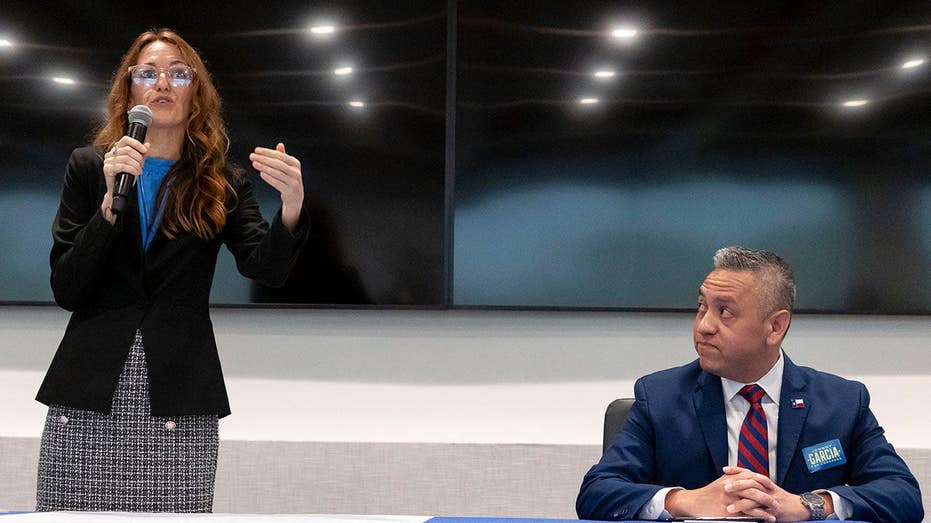
The contentious statements come as Galindo campaigns for a seat in Texas’s newly redrawn 35th Congressional District, heading into a primary runoff against Johnny Garcia. Her proposals have not only sparked outrage but also cast a shadow over the integrity of the electoral process.

Unprecedented Rhetoric from a Congressional Candidate

The core of the controversy stems from an Instagram post last week where Maureen Galindo outlined a chilling vision for a facility currently used for undocumented immigrants. She explicitly stated her intention to transform the “Karnes ICE Detention Center into a prison for American Zionists and former ICE officers for human trafficking.” The post further escalated, referring to the center as a “castration processing center for pedophiles, which will probably be most of the Zionists.”

Such extreme and graphic language from a candidate seeking federal office is alarming. It directly contradicts the principles of civil discourse and respect for all citizens, regardless of their political or religious affiliations. Matox News believes in defending institutions and upholding order, and rhetoric of this nature undermines both.

Widespread Condemnation and Party Disavowal

Galindo’s statements have been met with swift and severe criticism. Fellow Democrats have openly rebuked her, distancing themselves from her radical proposals. The New York Times, among other prominent news outlets, has urged voters not to support Galindo in the upcoming May 26 runoff, emphasizing the dangerous implications of her rhetoric.

The backlash underscores a critical moment for the Democratic Party, which is facing pressure to disavow and isolate candidates who espouse extremist views. Ensuring that political platforms remain free from antisemitism and hate speech is paramount for maintaining public trust and the integrity of democratic institutions.

Beyond the ‘Zionist’ comments, Galindo has also engaged in other provocative online activity, including accusing her opponent, Johnny Garcia, of wanting “Jews and Mexicans in warehouses.” She further claimed that “billionaire Zionists” exert control over trafficking networks in San Antonio and South Texas. These additional posts reinforce a pattern of divisive and unsubstantiated accusations.

“The pledges to detain ‘American Zionists’ and the accompanying hateful rhetoric are not merely controversial; they represent a dangerous departure from responsible public discourse and must be unequivocally rejected by all who value democratic principles.”

The Role of External Influence in Primary Races

Adding another layer of complexity to the runoff is the reported involvement of a mystery super PAC, Lead Left PAC, which some reports suggest has ties to Republicans. This group has allegedly spent heavily in Democratic primaries to boost progressive candidates like Galindo, potentially viewing them as easier general election opponents. Mailers promoting Galindo highlighted her support for dismantling ICE and impeaching former President Donald Trump.

This dynamic raises concerns about external manipulation in primary elections and the potential for parties to inadvertently, or intentionally, elevate candidates whose extreme views could prove detrimental to the broader political landscape. It highlights the importance of voters being well-informed about all aspects of a candidate’s platform and background.

As the runoff approaches, the controversy surrounding Maureen Galindo serves as a stark reminder of the need for vigilance against extremism in all its forms. Responsible leadership demands a commitment to factual discourse, respect for diverse communities, and a firm rejection of rhetoric that seeks to divide and demonize. The integrity of our institutions depends on it.

UK Supermarkets Push Back Against Voluntary Price Cap Proposal

The UK government’s recent plea to supermarkets to implement voluntary price caps on staple goods has been met with a firm rejection from retailers. This initiative, designed to alleviate the burden of inflation on households, particularly concerning rising food costs exacerbated by the Middle East conflict, is viewed by the industry as an unwelcome and potentially counterproductive intervention in the free market.

Government’s call for voluntary price caps on essential foods met with strong resistance from major UK supermarkets, who warn of unintended consequences for consumers and market stability.

Government’s Inflation Battle

The push for price freezes reflects the government’s acute concern over persistent inflation, which continues to squeeze household budgets across the nation. With global supply chain disruptions and geopolitical tensions impacting commodity prices, policymakers are exploring various avenues to mitigate consumer hardship. This proposal aimed to demonstrate proactive measures to protect vulnerable families, particularly those struggling with the cost of essential foodstuffs.

Retailers Warn of Unintended Consequences

Supermarket executives have unequivocally dismissed the idea, labeling it “unjustified” and “completely mad.” Industry insiders, as reported by outlets like The Guardian, argue that rather than easing financial pressure, such caps could force retailers to absorb costs, potentially leading to higher prices elsewhere or reduced investment in product development and supply chain efficiency. Such a move, they contend, would ultimately harm consumers more than help them.

  • Rising operational costs: Retailers are already battling increased taxes, fuel, and energy expenses, which are pressuring profit margins.
  • Market distortion: Artificially capping prices could disrupt delicate supply chains and healthy competition.
  • Consumer impact: Supermarkets fear the overall cost of shopping could increase as they seek to balance their books.
  • Unnecessary intervention: The market, they contend, is best left to operate without government interference, allowing competition to drive fair pricing.

“This is an unnecessary, unwanted and unjustified intervention in the market.”

Upholding Free Market Principles

From a conservative perspective, the resistance from supermarkets underscores the importance of allowing market forces to determine pricing. While consumer protection is paramount, direct intervention in pricing mechanisms often leads to unintended consequences, such as shortages, reduced quality, or higher prices on other goods as businesses seek to cover their operational expenses. A robust free market fosters competition, innovation, and ultimately, better value for consumers without the heavy hand of government dictating terms.

Looking Ahead

The standoff between the government and major retailers highlights the complex challenges of managing inflation without undermining fundamental economic principles. As families continue to grapple with cost-of-living pressures, finding sustainable solutions that respect market dynamics remains a critical task for policymakers. The current rejection of voluntary price caps suggests that alternative, less interventionist approaches may be needed to support both businesses and consumers effectively, ensuring stability and long-term prosperity rather than short-term fixes.

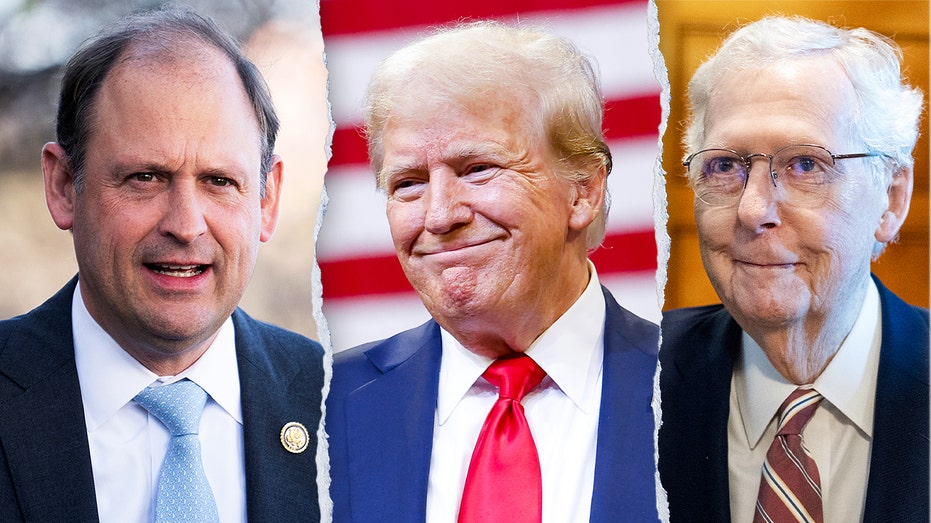
Andy Barr Secures GOP Primary Win for McConnell's Kentucky Senate Seat
Andy Barr Secures GOP Primary Win for McConnell’s Kentucky Senate Seat

Representative Andy Barr, a seasoned Kentucky Republican, has successfully navigated a crowded primary field to secure his party’s nomination for the U.S. Senate. This victory, significantly influenced by a late endorsement from former President Donald Trump, places Barr in a strong position to vie for the seat currently held by retiring Senate Minority Leader Mitch McConnell.

The outcome underscores the enduring influence of President Trump within the Republican Party, even in races not directly involving his own presidential bid. Barr’s win sets the stage for a pivotal general election contest that will shape Kentucky’s representation in the upper chamber and potentially impact the balance of power in Washington.

Trump’s Endorsement Proves Decisive

The Republican primary for Kentucky’s Senate seat was one of the most closely watched races, featuring a robust field of candidates. While Representative Barr had established a lead prior to the former president’s intervention, the impact of the endorsement was undeniable. According to reporting by News Desk, Barr’s campaign noted a significant surge in support following the endorsement, propelling him decisively past his rivals.

This dynamic highlights a recurring theme in modern Republican politics: the power of a presidential endorsement to sway primary voters. For many conservatives, alignment with the former president’s agenda and vision remains a critical factor in their electoral decisions.

A Crowded Field and a Clear Victor

The primary saw eleven Republican candidates vying for the nomination, making it one of the nation’s most contested intra-party battles. Among Barr’s prominent challengers was former Kentucky Attorney General Daniel Cameron, who remained confident in his campaign’s prospects even without the coveted Trump endorsement. Cameron’s platform emphasized a desire for change from Washington’s political maneuvering.

Barr, who has served seven terms in the House of Representatives, leveraged his experience and the momentum from the endorsement to consolidate support. His campaign’s internal polling reportedly showed a dramatic increase in his lead after the former president’s backing, illustrating the tangible effect on voter sentiment.

“Our lead has skyrocketed since then, but we don’t take anything for granted.”

The primary results reflect a clear mandate from Kentucky Republicans, signaling a preference for Barr to carry the conservative banner into the general election.

The Road Ahead: Replacing a Senate Icon

The individual who ultimately prevails in November will inherit the formidable legacy of Senator Mitch McConnell, the longest-serving Republican leader in Senate history. McConnell’s decades in the Senate have seen him become a central figure in American politics, known for his strategic acumen and often polarizing influence.

Replacing a figure of McConnell’s stature presents a significant moment for Kentucky and the national Republican Party. The incoming senator will face immediate challenges in a politically charged Washington, needing to navigate complex legislative landscapes and represent Kentucky’s interests effectively. The general election campaign is expected to be vigorous, with both parties understanding the importance of this particular Senate seat for future institutional power dynamics.

Looking Towards November

As the primary season concludes, the focus now shifts to the general election. Andy Barr’s victory positions him as the Republican standard-bearer in a state that has trended conservative in recent cycles. The upcoming contest will not only determine Kentucky’s next senator but also serve as a barometer for the national political mood. Voters will weigh Barr’s experience and conservative credentials against those of his Democratic opponent, with the future direction of the Bluegrass State’s representation in Washington hanging in the balance.

Hakeem Jeffries' Divisive Call to 'Break Spirit' of MAGA Draws Strong Condemnation
Hakeem Jeffries’ Divisive Call to ‘Break Spirit’ of MAGA Draws Strong Condemnation

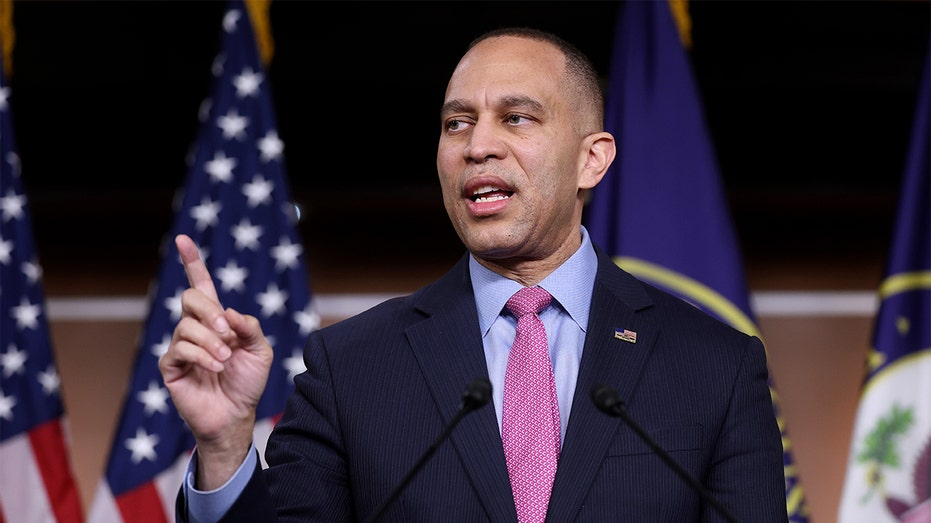
House Minority Leader Hakeem Jeffries (D-N.Y.) has sparked a significant political outcry after publicly stating that Democrats must not only defeat “MAGA extremists” electorally but also “break their spirit.” Delivered at a recent progressive conference, Jeffries’ forceful declaration has drawn immediate and widespread condemnation from Republican lawmakers and commentators, who view the language as inflammatory and a direct attack on millions of American voters.

A Call for Confrontation

Jeffries articulated his vision for the upcoming midterm elections, asserting that Democrats are poised to reclaim control of the House of Representatives. His strategy, however, went beyond mere electoral victory. He reportedly declared that Democrats must “break” MAGA extremists, stating a clear objective: “our goal is to break them.” This confrontational stance, reported by News Desk, suggests a political battle aimed at more than just policy differences, targeting the fundamental resolve of a significant segment of the American electorate. He emphasized the necessity to “beat them electorally, and then we have to break their spirit, because of the extremism that’s being unleashed on the American people, that’s completely and totally unacceptable.”

Republican Outrage and Concerns for Unity

The Minority Leader’s comments quickly elicited sharp rebukes from across the political spectrum, particularly from Republicans. Critics argue that such rhetoric from a high-ranking official fosters division rather than unity, especially in an already polarized nation.

  • House Speaker Mike Johnson’s spokesperson, Edgar Barrios, posted on X, stating that Jeffries’ desire to “BREAK the spirit” targets millions of Americans and exemplifies a “violently” charged Democratic discourse.
  • Illinois Republican congressional candidate Christian Maxwell questioned the consistent use of what he described as “disgustingly violent” language from Democratic leaders.
  • Minnesota state Representative Walter Hudson, a Republican, characterized the statement as “further evidence that Democrats emanate a spirit of malevolence,” arguing that wanting to “break them” is far from a benign policy objective.

These reactions underscore a deep concern about the implications of such strong language on the political landscape and the potential for increased animosity among citizens.

“We have to beat them electorally, and then we have to break their spirit.”

The Stakes of Divisive Language

The Matox News editorial line consistently advocates for professional, factual, and anti-extremist discourse, alongside a commitment to pro-institutions and pro-order principles. When a leading figure like Hakeem Jeffries employs language suggesting the “breaking” of a political movement’s spirit, it raises questions about the health of democratic debate. Such statements risk normalizing an adversarial approach that could undermine the very institutions designed to facilitate peaceful political competition. In a society striving for cohesion, rhetoric that seeks to demoralize or dismantle the resolve of a large voter base can be seen as counterproductive to national stability.

Toward a More Measured Discourse

As the nation approaches critical midterm elections, the words of political leaders carry substantial weight. Jeffries’ remarks serve as a stark reminder of the escalating intensity in American political discourse. While robust debate is essential for a healthy democracy, the call to “break the spirit” of a significant political movement invites further polarization and threatens to erode the common ground necessary for effective governance. Maintaining respect for differing viewpoints, even amidst strong disagreement, remains paramount for the future of our republic.

Garrick Higgo Parts Ways with Caddie After Costly PGA Championship Penalty

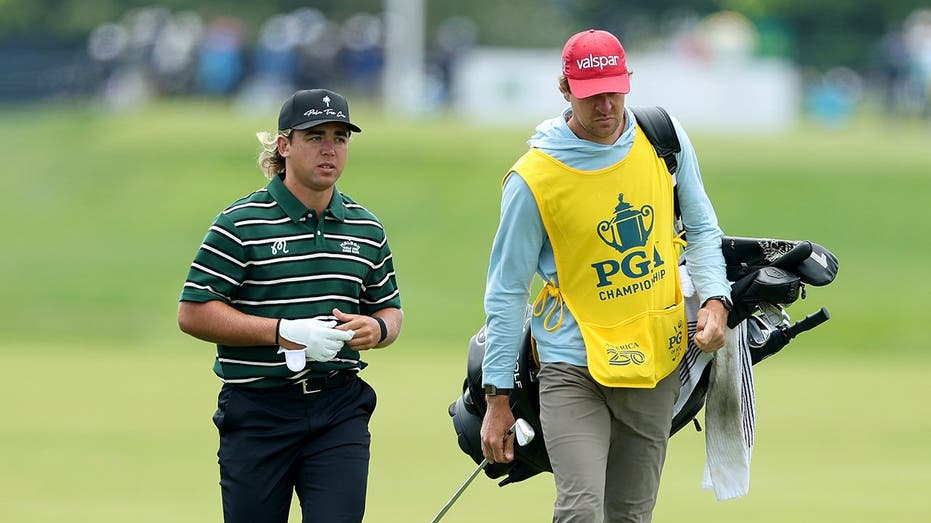
Professional golfer Garrick Higgo has reportedly concluded his working relationship with caddie Austin Gaugert. This significant change follows a costly two-stroke penalty incurred by Higgo at last week’s PGA Championship for missing his designated tee time. The incident proved critical, as the South African ultimately missed the tournament’s cut by a single stroke.

The decision, first reported by Golfweek, sees Higgo reuniting with Nick Cavendish-Pell, a caddie with whom he previously achieved success. This shift underscores the intense pressure and meticulous adherence to rules required at the highest levels of professional golf, where even minor oversights can have substantial competitive and professional repercussions.

The Penalty That Proved Pivotal

Higgo’s two-stroke penalty at the PGA Championship occurred during the opening round. Despite shooting a 1-under 69 on Thursday, the added strokes pushed his score to 71. He followed this with a 76 on Friday, resulting in him missing the cut by just one stroke.

Reflecting on the incident during an ESPN broadcast, Higgo acknowledged the rule’s strictness.

“I was obviously there on time, but late, and that’s a two-shot penalty,” Higgo stated. He added, “I think it shows a lot of mental strength the way I just kept fighting.”

The golfer explained that he typically cuts his timing fine and was attempting to stay warm coming off the range, not having his watch or phone on him at the precise moment. His caddie, Gaugert, was already at the tee box, but Higgo’s personal delay triggered the strict regulation.

A History of Partnership and Performance

Austin Gaugert had been on Higgo’s bag during a notable victory at the 2025 Corales Puntacana Championship. This success highlights that their partnership had previously yielded positive results.

However, Higgo now turns back to Nick Cavendish-Pell, a caddie who was alongside him for his maiden PGA Tour victory at the 2021 Palmetto Championship. This reunion suggests a strategic move to recapture past form and stability, particularly after a season that has seen mixed results for Higgo.

Seeking Renewed Focus and Consistency

The 29-year-old South African has faced a challenging season, making only five of 13 cuts to date and failing to crack the top 25 in any event. The caddie change, therefore, comes at a critical juncture as Higgo looks to improve his consistency and climb the leaderboard.

The professional golf circuit demands unwavering focus and disciplined execution. Higgo’s situation serves as a stark reminder that every detail, from preparation to punctuality, plays a crucial role in a golfer’s success. The hope is that this caddie reunion will provide the necessary impetus for Higgo to refine his approach and achieve his performance goals.

As Higgo prepares for the upcoming CJ Cup Byron Nelson with Cavendish-Pell, all eyes will be on how this renewed partnership impacts his game. The competitive landscape of professional golf is unforgiving, and a return to consistent form will require not only mental fortitude but also a seamless working relationship between player and caddie. This professional adjustment reflects a commitment to order and improvement in a highly demanding sport.

UEFA Anticipates Surge in Champions League Final Viewers Despite Paywall

UEFA is confidently predicting a substantial rise in UK viewing figures for next week’s Champions League final, a forecast that comes despite TNT Sport’s controversial decision to make the game exclusively available via paid subscription for the first time in 34 years. This shift marks a significant moment in the landscape of sports broadcasting, challenging traditional expectations of free-to-air access for major sporting events.

For the past two seasons, TNT Sport’s streaming service, discovery+, offered the final for free, drawing an average audience of approximately 1 million. However, the upcoming Paris Saint-Germain versus Arsenal showdown will be broadcast alongside TNT Sports on HBO Max, a platform accessible to over 10 million UK households. This strategic move, coupled with the presence of an English club in the final, underpins UEFA’s optimistic projections.

The Shifting Sands of Sports Broadcasting

The decision by TNT Sport to transition the Champions League final from a free-to-air model to a subscription-based offering on HBO Max reflects a broader trend in how premium sports content is monetized. For years, major finals were often considered public interest events, warranting widespread, accessible broadcast. This change, while generating debate, highlights the increasing value placed on exclusive streaming rights and the willingness of platforms to invest in securing top-tier content.

This year’s final will require a HBO Max subscription, which starts at £4.99 per month. While this might deter some casual viewers who previously watched for free, the expanded subscriber base of HBO Max and the perceived value of the content are expected to offset any potential loss. It underscores a strategic pivot towards a more direct monetization model for sports, aligning with global shifts in media consumption.

Factors Driving Anticipated Viewership Growth

UEFA’s optimism is not unfounded. Several factors contribute to the expectation of higher viewing figures, surpassing the 2.5 million average recorded by TNT for the 2024 and 2025 finals:

  • Expanded Platform Reach: HBO Max’s availability in over 10 million UK households provides a substantially larger potential audience compared to discovery+’s free offering.
  • English Club Presence: The inclusion of an English club in the final for the first time in three years is a significant draw. National interest traditionally spikes when a domestic team competes for European glory, often translating into higher viewership.
  • Premium Content Value: The Champions League final remains one of football’s most prestigious events. Subscribers to HBO Max are already invested in premium content, suggesting a higher likelihood of tuning in for such a marquee match.

As reported by The Guardian, TNT’s strategy suggests a belief that the intrinsic value of the event, combined with the reach of its new platform, will overcome the barrier of a paywall.

“UEFA is expecting far higher UK viewing figures for next week’s Champions League final than in recent seasons despite TNT Sport’s controversial decision not to make the game available free-to-air for the first time since the competition’s rebrand 34 years ago.”

Implications for Future Broadcasts and Audiences

This move could set a precedent for how major sporting events are delivered to audiences in the future. As streaming services continue to consolidate and expand their offerings, exclusive content like the Champions League final becomes a powerful tool for subscriber acquisition and retention. While some may lament the diminishing access to free sports, the industry appears to be moving towards a model where premium content commands a premium price.

For Matox News, this trend underscores the evolving dynamics of media consumption and the strategic decisions made by major broadcasters. It highlights a confidence in the market’s willingness to pay for high-quality, exclusive content, even for events traditionally enjoyed without charge. The upcoming final will serve as a crucial test case for this evolving broadcast strategy, with its viewership numbers offering valuable insights into audience behavior and the future of sports media.

Unitree Unveils Rideable Robot: A Glimpse into Tomorrow's Personal Mobility
Unitree Unveils Rideable Robot: A Glimpse into Tomorrow’s Personal Mobility

The world of robotics is witnessing rapid evolution, and a recent unveiling from China’s Unitree is turning heads. The company has showcased the GD01, a monumental rideable robot designed to carry a human passenger. This formidable machine, described as a civilian vehicle, blurs the lines between traditional robots and personal transportation, offering a glimpse into a future that once seemed confined to science fiction.

Priced at approximately $574,000, the GD01 is far from an everyday commuter vehicle. Weighing around 1,100 pounds with a rider inside, its sheer scale demands attention. This development highlights how quickly robotics companies are advancing beyond smaller, automated devices towards larger, manned machines, fundamentally altering our perception of personal mobility.

A New Paradigm in Personal Mobility

The GD01’s defining characteristic is its ability to transform. It can walk on two legs, offering potential maneuverability in tighter spaces, and then shift seamlessly into a more stable four-legged form. A short demonstration video released by Unitree, which quickly garnered significant attention, shows company founder Wang Xingxing seated within the machine as it strides forward and even pushes through a stack of bricks. This dual-mode capability is a significant innovation, suggesting versatility for various environments and tasks that might be inaccessible to conventional vehicles.

The very concept of a rideable robot as a civilian vehicle, especially one of this size and power, immediately sparks discussion. While undeniably impressive from an engineering standpoint, its practical application in daily life remains speculative. The implications for urban planning, traffic management, and even public spaces could be profound, raising important questions about infrastructure adaptation and societal integration.

“This unprecedented machine blurs the lines between robots and personal transportation, pushing the boundaries of what’s possible in mobility.”

Innovation Meets Unanswered Questions

Despite the captivating demonstration, Unitree has provided limited technical details about the GD01. Key specifications such as its range, battery life, top speed, and crucial safety systems have not yet been disclosed. Furthermore, the legal framework for operating such a substantial, walking machine in public or private spaces is entirely undefined. These critical gaps leave much to ponder regarding the GD01’s viability and safety in real-world scenarios. The sheer weight and power of a 1,100-pound machine navigating populated areas necessitate rigorous safety standards and clear operational guidelines.

The GD01’s debut comes amidst a period of considerable activity for Unitree. The company recently launched UniStore, an app store for robots, signaling its broader ambitions in the rapidly expanding robotics sector. This broader ecosystem development suggests a long-term vision for integrating advanced robotics into various aspects of life, from industrial applications to, eventually, personal use. The firm’s commitment to pushing technological boundaries is evident, but the path to widespread adoption for such a specialized vehicle will be complex.

Shaping the Future of Order and Innovation

The introduction of the GD01, as highlighted in reports from outlets like Fox News, underscores the accelerating pace of innovation in robotics. It challenges existing notions of personal transport and automated systems. For policymakers and institutions, machines like the GD01 present a compelling need to consider future regulatory landscapes. How will traffic laws adapt? What safety certifications will be required? These are not trivial questions, particularly for a device with the potential to move through diverse terrains and interact closely with human environments.

Maintaining public order and ensuring safety while fostering technological progress is a delicate balance. The development of advanced robotics, including these large-scale, manned units, necessitates a proactive approach from governing bodies. Clear guidelines will be essential to harness the benefits of such innovation without compromising the well-being of citizens or disrupting established societal norms.

The Unitree GD01 represents more than just an engineering feat; it symbolizes a future where personal mobility could take truly unexpected forms. While many operational and regulatory details remain under wraps, this rideable robot offers a compelling vision of what might lie ahead, challenging our current perceptions of vehicles and automated systems and inviting a broader conversation about the responsible integration of cutting-edge technology into our lives.

Report Alleges Hezbollah Grooms Children for Jihad Through Scout Movement

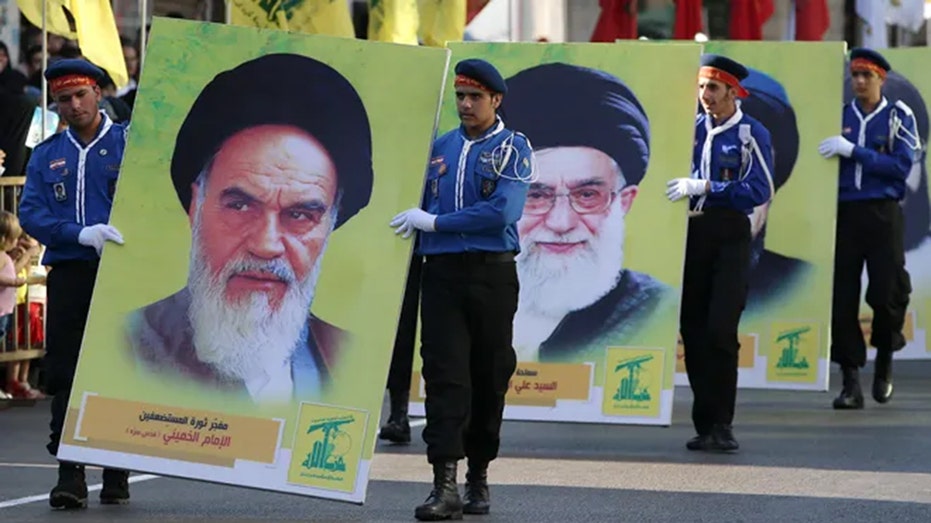
A recent investigative report by Lebanon’s MTV television network, translated and published by the Washington, D.C.-based Middle East Media Research Institute (MEMRI), has brought to light alarming claims regarding the U.S.-designated terrorist organization Hezbollah’s use of child soldiers. The report details how the Lebanon-based group allegedly grooms young children through its ‘Mahdi Scouts’ program, instilling a culture of martyrdom and preparing them for active roles in jihadi missions.

These allegations emerge amid U.S.-brokered peace talks between Israel and Beirut, adding a grave dimension to the complex regional dynamics. The report suggests that Hezbollah not only utilizes children in combat but also publicly glorifies those who die, presenting them as heroes to encourage other youth to follow their path.

A System of Indoctrination and Glorification

According to the MTV report, Hezbollah views the bloodshed by child soldiers as a direct contribution to achieving victory. The organization allegedly leverages its scout movements to cultivate an entire generation of obedient children, systematically prepared to die for the cause. This indoctrination is reportedly achieved through rhetoric that glorifies death and martyrdom, deeply embedding these concepts within the children’s understanding of their role.

The practice of using child soldiers is not new for Hezbollah. The report, as translated by MEMRI, indicates that “Hezbollah child soldiers have been used since the 1980s by this outlaw armed group. Not just as armed fighters but as Khomeini-loyal scouts.” This strategy appears to draw parallels with the late Ayatollah Ruhollah Khomeini, founder of the Islamic Republic of Iran, who reportedly exploited Iranian children during the 1980-1988 Iran-Iraq War. Such historical precedents underscore a deeply troubling ideological lineage.

Hezbollah’s systematic exploitation of children for military purposes is a deeply disturbing and well-documented strategy, fostering a generation prepared for sacrifice rather than peace.

Expert Concerns and Documented Practices

Leading experts on Hezbollah have corroborated the report’s assertions, highlighting that these practices are far from new. Matthew Levitt, a prominent scholar on Hezbollah from the Washington Institute, stated that “Hezbollah’s recruitment and radicalization of youth through its Mahdi Scouts is long documented.” Other experts speaking to Fox News Digital concurred with this assessment, reinforcing the severity of the claims.

Middle East expert Walid Phares further emphasized the pervasive nature of this issue within Lebanon. “Hezbollah has boy scouts, and they have been taught jihad, and it is a well-known thing in Lebanon,” Phares noted, indicating that the group’s indoctrination efforts are an open secret within the country. This widespread knowledge among local populations and experts alike suggests a deeply entrenched system of child exploitation.

Cultivating a Generation of Obedience

The alleged strategy goes beyond merely recruiting fighters; it aims to shape a loyal generation. By integrating children into the Mahdi Scouts, Hezbollah reportedly seeks to cultivate unwavering loyalty and obedience, ensuring a continuous supply of ideological adherents. This long-term approach suggests a deliberate effort to solidify its influence and operational capabilities within Lebanon, fundamentally undermining the well-being and future of the nation’s youth.

The implications of such a program are profound, not only for the individual children whose innocence is stripped away but also for the broader stability of the region. International institutions and human rights advocates frequently condemn the use of child soldiers as a grave violation of international law and fundamental human rights. Hezbollah’s alleged actions represent a direct challenge to these principles, demanding serious international attention and concerted efforts to protect vulnerable children from armed conflict and extremist indoctrination.

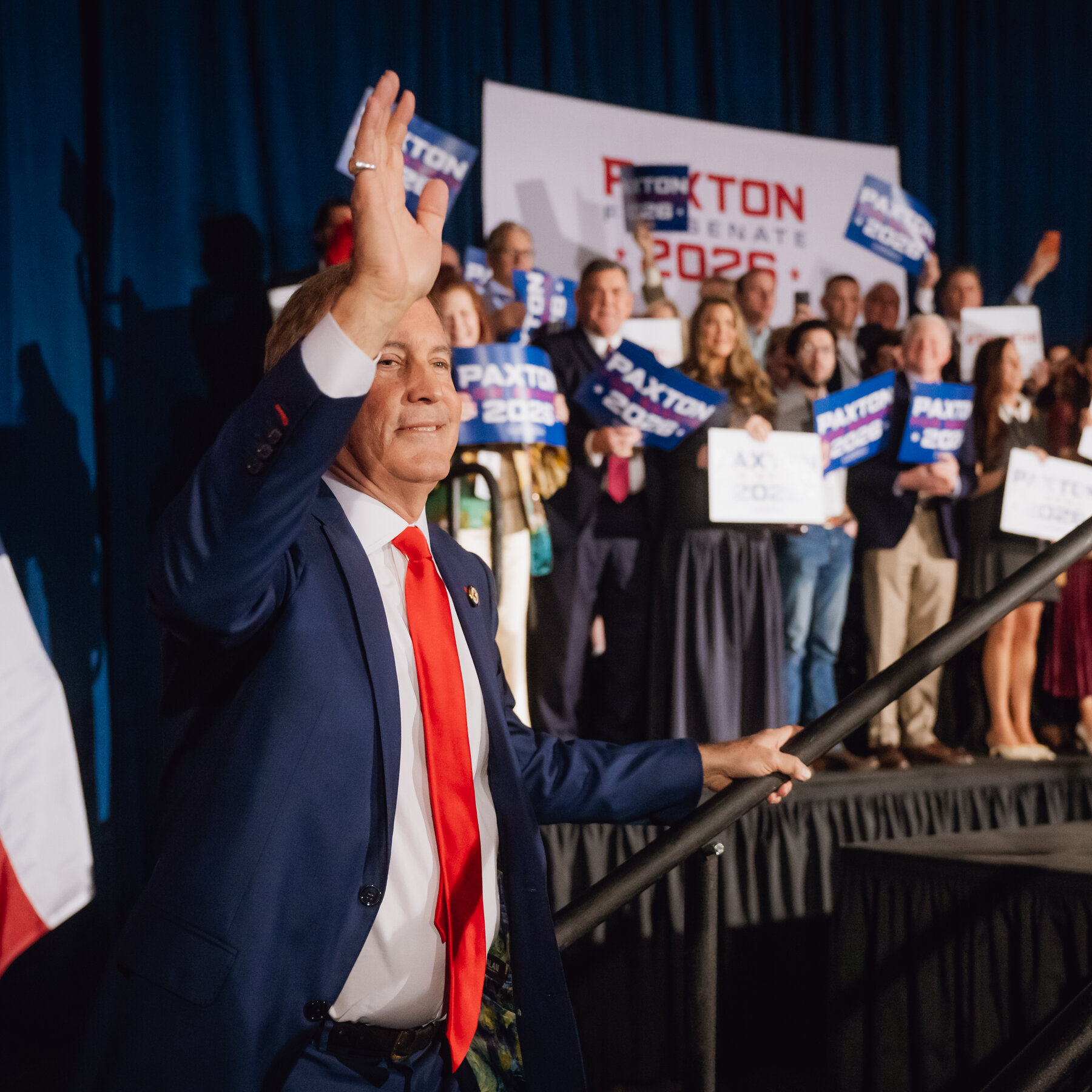
Trump Endorses Ken Paxton, Shaking Up Texas Senate Runoff Against Cornyn

Former President Donald Trump has officially thrown his support behind Texas Attorney General Ken Paxton in the state’s Republican Senate runoff election. This endorsement pits a prominent ‘MAGA loyalist’ against veteran incumbent Senator John Cornyn, a move that has quickly reverberated through national Republican circles.

The decision by Mr. Trump to back Paxton comes just days before the May 26 runoff, underscoring his ongoing effort to shape the Republican Party landscape ahead of the fall midterm elections. However, the endorsement has been met with apprehension by some national Republican leaders, who have privately and publicly expressed concerns that Paxton’s history of scandal could jeopardize the Texas Senate seat.

A Divisive Endorsement in a Key Primary

Mr. Trump’s backing of Ken Paxton is a clear signal of his intent to consolidate power and reward allies within the Republican Party. This strategy often sees him endorsing candidates who align closely with his political movement, even if it means challenging established party figures.

The choice to support Paxton over Senator Cornyn, a respected long-serving senator, highlights a broader tension within the GOP. While some prioritize loyalty to the former president, others emphasize traditional conservative principles, institutional stability, and electability. The concerns voiced by Republican leaders regarding Paxton’s past controversies suggest a fear that his nomination could open the door for Democrats in a state traditionally considered a Republican stronghold.

“The former president’s endorsement of Ken Paxton injects significant uncertainty into the Texas Senate race, potentially creating a challenging path for Republican unity.”

The Stakes for the Texas Senate Seat

The upcoming May 26 runoff election is critical for the future of the Republican Party in Texas and nationally. Ken Paxton, who has actively sought Mr. Trump’s support, embodies a more populist, confrontational brand of conservatism. His campaign has focused on issues aligning with the former president’s agenda, often drawing criticism for his aggressive legal and political tactics.

In contrast, Senator John Cornyn represents a more traditional Republican approach, emphasizing legislative experience and institutional decorum. The contest is not just about two individuals but also about the direction of the Republican Party—whether it will prioritize ideological purity and loyalty to a specific leader or maintain a broader coalition focused on governance and electability.

  • May 26 Runoff: Crucial date for the Republican primary.
  • Party Unity: Endorsement challenges cohesion between Trump loyalists and establishment Republicans.
  • Electoral Risk: Republican leaders warn of potential vulnerability in the general election if Paxton is nominated.

As reported by The New York Times, the warnings from national Republican figures underscore the high stakes involved. Nominating a candidate with a history of scandal could provide ammunition for the opposition, potentially putting a reliably red seat into contention and diverting resources that could be used in other critical races.

Implications for Party Cohesion and Future Elections

This endorsement is more than just a Texas story; it reflects a continuing trend of the former president’s outsized influence in Republican primaries across the nation. His ability to sway voters, even against established figures, demonstrates the enduring power of his base and the challenges facing the GOP establishment.

For the conservative movement, this situation raises fundamental questions about institutional integrity and accountability. While Matox News champions strong leadership and a free market, it also emphasizes order and respect for institutions. The balancing act between populist appeal and maintaining the highest standards for public servants will define many upcoming electoral battles.

The outcome in Texas will offer a significant gauge of the former president’s power within the party and could set a precedent for future primary contests. Voters will ultimately decide whether to prioritize a candidate endorsed by Mr. Trump, or one with a more established, albeit less aligned, record.

WHO Sounds Alarm Over Escalating Ebola Outbreak in Congo and Uganda

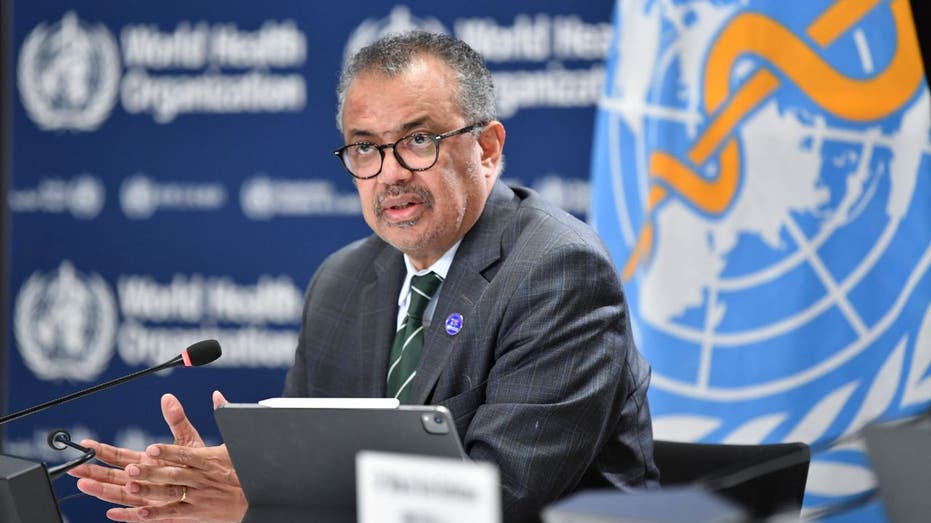
The World Health Organization (WHO) has voiced profound concern regarding the escalating Ebola outbreak across the Democratic Republic of Congo (DRC) and neighboring Uganda. WHO Director-General Tedros Adhanom Ghebreyesus announced Tuesday that an emergency committee would convene to address the crisis, citing the alarming ‘scale and speed’ of the epidemic.

Recent data indicates a rapidly worsening situation, with over 500 suspected cases reported in the DRC and 33 confirmed. Uganda has also registered two confirmed cases. The outbreak has tragically led to 131 fatalities, underscoring the severe threat posed by the virus. This development follows the WHO’s declaration of the outbreak as a public health emergency just days prior.

Escalating Public Health Emergency and Global Response

The urgency of the situation has triggered a robust response from international bodies and national authorities. The WHO has approved significant emergency funding, allocating $3.9 million to support national efforts in containing the virus. Concurrently, the U.S. government issued an urgent travel warning for the DRC, advising caution for those considering travel to the region due to the heightened risk.

These decisive actions reflect the global community’s commitment to mitigating the spread of infectious diseases. The swift convening of the emergency committee by the WHO Director-General highlights the institution’s critical role in coordinating an effective, evidence-based response to protect global health security. Information emerging from various news sources indicates a collective effort to mobilize resources and expertise against this deadly pathogen.

“I’m deeply concerned about the scale and speed of the epidemic.”

— WHO Director-General Tedros Adhanom Ghebreyesus

Understanding the Threat: The Bundibugyo Strain

Officials have identified the current outbreak as being caused by the Bundibugyo strain of Ebola virus. This variant is notably rarer, and existing vaccines may prove less effective against it, posing an additional challenge to public health interventions. Ebola is a severe, often fatal, hemorrhagic fever illness that demands immediate and comprehensive medical attention.

The virus spreads primarily through direct contact with infected individuals, their bodily fluids, or objects contaminated with the virus. Disturbingly, contact with infected corpses also facilitates transmission, complicating traditional funeral practices and requiring sensitive community engagement for safe burials. Understanding these transmission pathways is crucial for implementing effective containment strategies and protecting frontline healthcare workers.

Challenges to Containment and Sustained Vigilance

Several factors are compounding the difficulty of containing this particular Ebola outbreak, making the WHO’s concerns particularly acute. These include:

  • Urban Spread: Cases have been identified in densely populated urban areas, including Kampala in Uganda and Goma in the DRC. High population density significantly increases the potential for rapid transmission.
  • Conflict Zones: The presence of cases in the conflict-affected province of Ituri in the DRC complicates access for health workers and disrupts public health infrastructure, making surveillance and response efforts exceedingly difficult.
  • Rarity of Strain: The Bundibugyo strain’s rarity means less familiarity and potentially reduced efficacy for standard treatments and vaccines, requiring intensified research and adaptive strategies.
  • Community Engagement: Gaining trust and cooperation from local communities is paramount for successful contact tracing and safe health practices, a challenge often exacerbated in areas affected by conflict or misinformation.

These complex challenges underscore the need for sustained international cooperation and a robust, coordinated institutional response. Protecting communities and ensuring global health order requires unwavering commitment and agile strategies from national governments and global health organizations alike. The current situation calls for continued vigilance and a united front against the pervasive threat of infectious disease.

Social Media Auto Publish Powered By : XYZScripts.com