Matox News

Truth Over Trends, always!

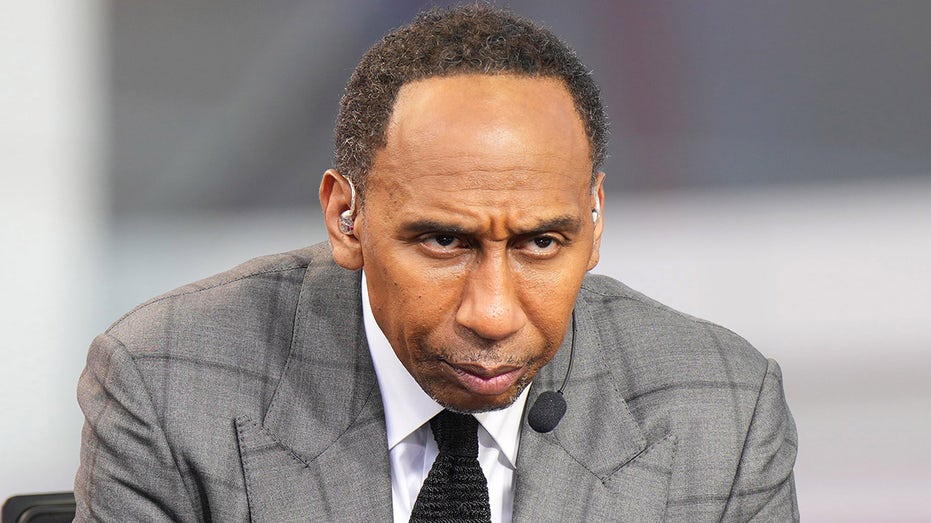
Stephen A. Smith Fires Back at Jaylen Brown Amid 'Clickbait Media' Accusation
Stephen A. Smith Fires Back at Jaylen Brown Amid ‘Clickbait Media’ Accusation

The ongoing public discourse between prominent ESPN analyst Stephen A. Smith and Boston Celtics star Jaylen Brown has intensified, drawing significant attention across the sports world. Following Brown’s pointed remarks labeling Smith as the ‘face of clickbait media,’ Smith utilized his platform on Monday’s ‘First Take’ to deliver a firm and unyielding response, pushing back against the NBA player’s assertions.

The feud underscores a broader debate within sports journalism regarding commentary, accountability, and the role of digital platforms in shaping public perception. Matox News believes in factual reporting and professional analysis, recognizing the importance of integrity in all media.

The Genesis of the Dispute

The friction began when Stephen A. Smith critiqued Jaylen Brown’s characterization of the recent Boston Celtics season as his ‘favorite,’ despite the team’s early playoff exit. Brown, in turn, escalated the exchange during a weekend Twitch live stream, directly challenging Smith’s professional conduct. He referred to Smith as a ‘clown’ and publicly demanded that the analyst ‘be quiet,’ accusing him of not engaging in ‘real journalism’ but rather using his platform for ‘clickbait.’

Brown’s remarks, as reported by Fox News and other outlets, did not mince words, suggesting Smith’s retirement could ‘spark a movement’ to foster greater integrity within sports media. This direct challenge has ignited a conversation about the responsibilities of both athletes and media personalities in the public eye.

Smith’s Firm Rebuttal

During his Monday broadcast, Smith addressed Brown’s comments head-on, delivering a lengthy monologue that staunchly defended his journalistic approach and criticized Brown’s perspective. While stating he would not ‘disrespect Jaylen Brown,’ Smith unequivocally rejected the notion that he was the problem.

He’s pointing the finger in the wrong direction. Point it at yourself, bro,” Smith asserted, doubling down on his initial criticisms of Brown’s season assessment. Smith’s response highlighted his belief that his commentary is rooted in professional analysis, not sensationalism, and that athletes must also take accountability for their own performances and statements.

The veteran pundit’s steadfastness in his position emphasizes the divide between an athlete’s personal experience and a commentator’s professional evaluation. It also brings to light the differing expectations placed upon those who play the game versus those who analyze it for a mass audience.

A Broader Media Debate on Integrity

This public disagreement extends beyond two individuals, touching upon significant themes within contemporary media. Brown’s ‘clickbait media’ accusation resonates with a segment of the public that often questions the depth and motivation behind certain sports commentary. Conversely, Smith’s defense underscores the role of robust, even critical, analysis in holding public figures accountable.

The incident prompts reflection on the evolving landscape of sports reporting, where traditional journalism intersects with personality-driven commentary and direct athlete engagement through social media. For Matox News, the commitment to factual reporting and professional integrity remains paramount, irrespective of the personalities involved. Ensuring that dialogue remains constructive and grounded in reality is essential for maintaining trust in media institutions.

“He’s pointing the finger in the wrong direction. Point it at yourself, bro.”

— Stephen A. Smith, responding to Jaylen Brown

As this high-profile exchange continues to unfold, it serves as a powerful reminder of the delicate balance between criticism and respect in the public sphere. Both athletes and media personalities carry significant influence, and their interactions often shape the broader narrative around sports and public discourse.

Believe's Global Ascent: A Digital Music Powerhouse Commanding 10% of the Market
Believe’s Global Ascent: A Digital Music Powerhouse Commanding 10% of the Market

In a significant shift within the music industry, Believe, the digital music powerhouse co-founded by Denis Ladegaillerie and Romain Vivien, has established itself as a dominant force, securing nearly 10% of the global digital music market. This remarkable ascent underscores a changing landscape where independent artists and labels are increasingly finding pathways to global reach without relying on traditional major label structures. The company’s success is rooted in its commitment to artist ownership and a robust technological infrastructure.

Believe’s business model challenges the long-standing industry norms, offering artists the ability to retain master ownership while leveraging an extensive global distribution network. This approach has attracted top musical acts, including Janet Jackson, Cleo Sol, and Russ, who seek greater control over their creative assets and revenue streams. By prioritizing artist autonomy, Believe has cultivated a loyal roster and demonstrated a viable alternative to conventional record deals.

Disrupting the Traditional Music Model

Believe’s strategy has effectively outmaneuvered the major label system by focusing on efficiency, global reach, and artist-centric services. Unlike traditional models that often require artists to cede ownership of their masters, Believe provides a platform for independent growth and financial independence. This aligns perfectly with free-market principles, fostering competition and innovation in an industry historically dominated by a few large players.

Co-founder Denis Ladegaillerie highlighted the company’s substantial global footprint, stating, “Our market share globally in digital music is close to 10%.” This significant percentage translates into substantial value, enabling Believe to execute specific initiatives that generate tens of millions of dollars. Their operational model prioritizes direct engagement with artists, offering a transparent and supportive environment for career development.

Strategic Global Expansion and Early Bets

Believe’s growth trajectory is also a testament to its shrewd global expansion strategy. The company has secured a top-three position in 12 to 13 of the world’s top 20 music markets, demonstrating its widespread influence. Notably, Believe is now a leading player across Asia, Europe, and the Middle East, with sights set on further expansion into North America.

Romain Vivien recounted a pivotal early decision that fueled their initial success in France: a strategic bet on hip-hop music. At a time when major labels showed little interest, Believe recognized the genre’s potential, particularly its younger demographic’s readiness to embrace digital platforms. This foresight allowed them to cultivate a strong presence within a rapidly digitalizing segment of the market, proving their agility and forward-thinking approach to industry trends. The company’s initial vision in 2005 was clear:

  • Sign new artists.
  • Provide accessible market opportunities.
  • Democratize market access through technology.

Empowering Artists in a Digital Age

From its inception, Believe was founded on the principle of being “artists first.” Ladegaillerie emphasized the company’s core belief that technology could democratize market access, a radical idea in a world still heavily reliant on CD distribution in 2005. This commitment has remained central to their ethos, offering a lifeline to countless artists seeking to navigate the complexities of the modern music business.

The company’s sustained growth and market penetration, as discussed in a recent interview with Billboard News, reflect a successful adaptation to evolving consumer behavior and technological advancements. By offering a robust infrastructure that supports global distribution, marketing, and monetization, Believe empowers artists to build sustainable careers while maintaining creative and financial control.

“Our market share globally in digital music is close to 10%.” — Denis Ladegaillerie

As Believe continues to grow its influence and look towards further expansion, particularly in North America, its model serves as a powerful example of entrepreneurial success and market disruption. The company’s unwavering focus on artist empowerment and leveraging digital innovation positions it as a key player in shaping the future of the global music industry, ensuring that talent can thrive in an increasingly connected world.

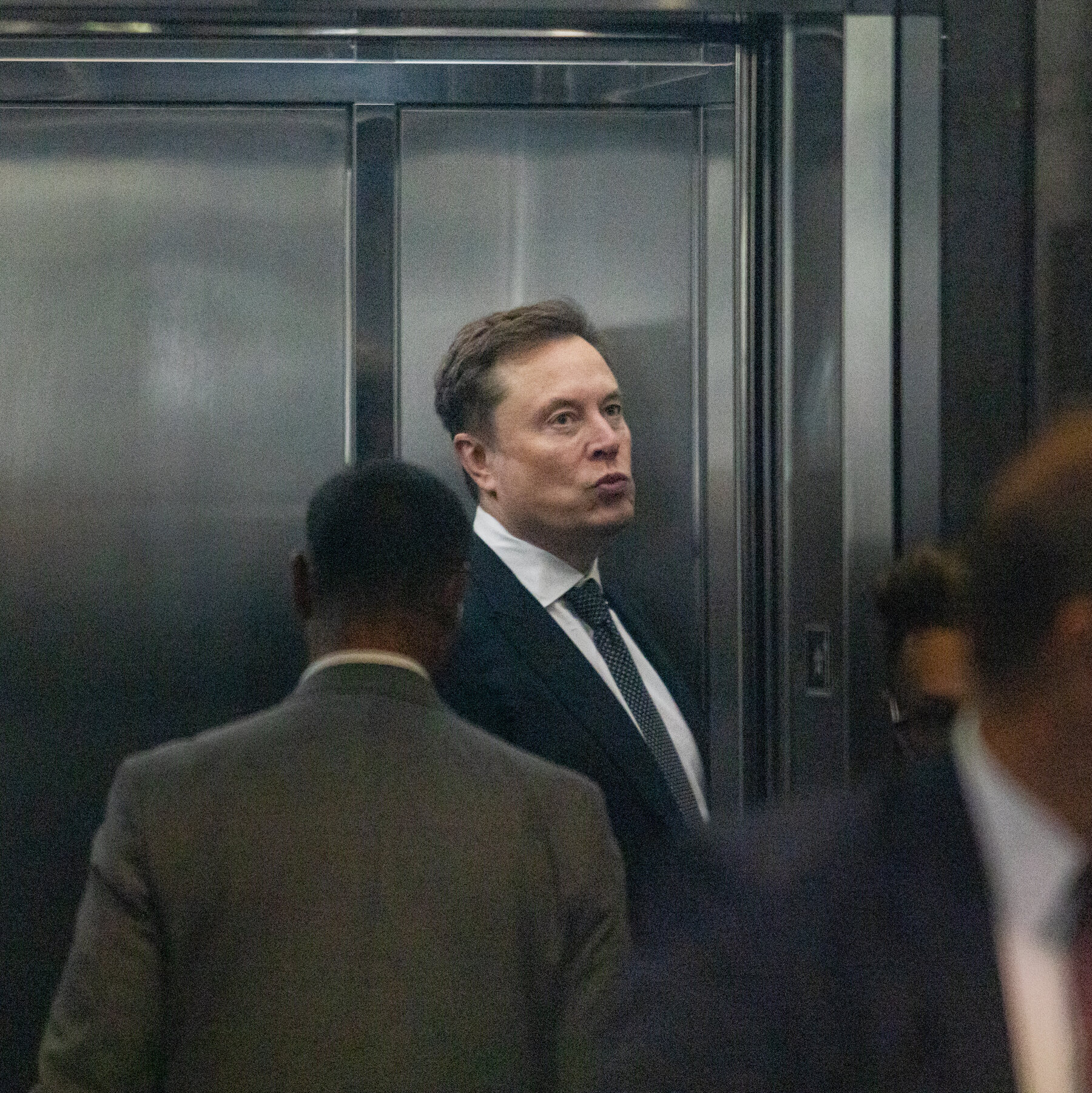
Elon Musk's OpenAI Lawsuit Loss Paves Way for Accelerated AI Development
Elon Musk’s OpenAI Lawsuit Loss Paves Way for Accelerated AI Development

The recent judicial ruling against Elon Musk’s lawsuit targeting OpenAI and its CEO, Sam Altman, marks a pivotal moment for the artificial intelligence industry. This decision, which found Mr. Musk waited too long to sue, effectively removes a significant legal impediment for OpenAI, unleashing a new phase of accelerated innovation across the sector. Observers are now anticipating what some describe as a ‘long hot AI Development summer,’ characterized by intensified competition and rapid technological advancements.

For weeks, the tech world watched as the high-stakes legal battle unfolded. Mr. Musk had sought to challenge OpenAI’s trajectory, arguing a departure from its original non-profit mission. However, a nine-member jury ultimately sided with OpenAI, concluding that the lawsuit had been filed with undue delay. This outcome, as reported by The New York Times, definitively frees OpenAI to continue its aggressive pursuit in the global artificial intelligence race without the immediate threat of this particular legal challenge.

The Verdict: A Green Light for OpenAI

The court’s finding that Mr. Musk had “waited too long to sue” underscores a critical procedural aspect of the case, rather than a deep dive into the merits of his claims regarding OpenAI’s foundational principles. This technicality, however, carries profound implications. With the collapse of this suit, OpenAI can now fully focus its resources and efforts on its ambitious research and product development agenda, unburdened by the immediate shadow of a massive legal battle.

This legal clarity is expected to invigorate investment and talent acquisition within OpenAI and, by extension, across the entire AI ecosystem. Competitors, while facing a formidable rival now operating with renewed vigor, will also be spurred to accelerate their own initiatives, fostering a dynamic environment of innovation that aligns with free-market principles.

Unleashing the ‘AI Summer’ and Market Dynamics

The immediate consequence of this verdict is a projected surge in the pace of AI Development. The industry, already a hotbed of activity, is now poised for an even more intense period of growth and transformation. This acceleration will likely manifest in several key areas:

  • Rapid Innovation: Expect a quicker rollout of new AI models, applications, and services.
  • Increased Investment: Venture capital and corporate funding will likely flow more freely into AI startups and research.
  • Intensified Competition: Companies will push harder to gain market share and technological superiority.
  • Broader Societal Impact: AI’s influence will expand into more sectors, from healthcare to education and defense.

This period of rapid advancement, while promising significant breakthroughs, also brings with it a host of challenges related to market dominance, ethical considerations, and the responsible deployment of powerful technologies. The pro-free-market stance supports innovation, but also recognizes the need for fair competition and robust frameworks.

“The court’s decision clears a significant hurdle, signaling a new era of rapid innovation and competition in artificial intelligence, shaping the future of technology and society.”

Navigating Growth: Calls for Order and Oversight

As the artificial intelligence landscape accelerates, the need for thoughtful deliberation regarding its governance and societal integration becomes even more pressing. A conservative perspective emphasizes the importance of maintaining order, upholding institutions, and ensuring that technological progress serves the common good without undermining foundational values or creating undue instability.

The ‘AI Development summer’ will inevitably bring increased public discourse around regulatory frameworks. Policymakers will face growing pressure to consider how to foster innovation while also addressing concerns about data privacy, algorithmic bias, job displacement, and national security. Striking the right balance between enabling technological advancement and establishing prudent guardrails will be a defining challenge for governments and industries alike.

The outcome of the Elon Musk-OpenAI lawsuit has undeniably reshaped the immediate future of artificial intelligence. It has not only validated OpenAI’s operational independence but has also ignited a renewed sense of urgency and excitement across the tech world. As the industry plunges into this period of unprecedented growth, the focus will shift towards harnessing AI’s immense potential responsibly, ensuring that its transformative power benefits society while respecting institutional stability and ethical considerations. The path ahead is one of both immense opportunity and significant responsibility.

Maduro Ally Alex Saab Deported to US Over Alleged Billion-Dollar Corruption Scheme

A key confidant of Venezuelan President Nicolás Maduro, Alex Saab, has been extradited to the United States to face federal charges related to an alleged billion-dollar corruption scheme. This significant development underscores American efforts to counter illicit financial activities tied to the Maduro regime.

In a major blow to the Venezuelan government, Alex Saab, a prominent ally of President Nicolás Maduro, has been deported to the United States. Saab appeared in federal court in Miami on Monday, facing a litany of charges for allegedly orchestrating a vast money laundering and bribery scheme. The allegations link him to the defrauding of a crucial state-run food program and the illicit sale of Venezuelan oil, circumventing international sanctions. This extradition marks a critical step in international efforts to address systemic corruption impacting the Venezuelan populace.

Allegations of Extensive Fraud

U.S. prosecutors contend that Alex Saab, 55, a Colombian national and former Venezuelan Minister of Industry and National Production, led a years-long criminal enterprise. Beginning around 2015, Saab and his co-conspirators are accused of paying substantial bribes to Venezuelan government officials. These payments allegedly secured lucrative contracts connected to Venezuela’s CLAP welfare program, a humanitarian initiative intended to provide food to impoverished citizens. Instead of serving its purpose, the program was reportedly exploited for personal gain, diverting essential resources.

Circumventing Sanctions and Laundered Billions

Beyond the food program, the Justice Department asserts that Saab and his associates engaged in the illegal sale of billions of dollars’ worth of Venezuelan state-owned oil. This operation was designed to bypass stringent U.S. sanctions aimed at the Maduro regime. The proceeds from these illicit transactions were then allegedly funneled through U.S. bank accounts, a sophisticated effort to conceal their origins and further the criminal scheme. Assistant Attorney General A. Tysen Duva emphasized the gravity of the situation, stating, “Alex Saab allegedly used American banks to launder hundreds of millions of dollars stolen from a Venezuelan food program meant for the poor and proceeds from the illegal sale of Venezuelan oil.” This highlights the commitment of U.S. authorities to prevent the American financial system from being exploited by foreign corruption.

Key aspects of the allegations against Alex Saab include:

  • Orchestrating a bribery scheme targeting Venezuela’s CLAP food program.
  • Illicitly selling billions in state-owned oil to circumvent U.S. sanctions.
  • Laundering proceeds through U.S. bank accounts to conceal transactions.
  • Exploiting a humanitarian initiative for personal and political enrichment.

“The Criminal Division will not allow foreign actors to exploit the American financial system and use it as a safe haven for the proceeds of their corruption.”
— Assistant Attorney General A. Tysen Duva

The Broader Context of Venezuelan Corruption

The deportation of Alex Saab is viewed by many as a significant victory for the rule of law and a deterrent against those who seek to profit from public office. Venezuela has long grappled with allegations of widespread corruption, particularly within its state-controlled industries and social programs. The U.S. Attorney’s Office for the Southern District of Florida confirmed Saab’s appearance in court, noting that he is presumed innocent until proven guilty beyond a reasonable doubt. Nevertheless, the indictment paints a stark picture of how vital national resources and humanitarian aid can be diverted through illicit means, exacerbating the suffering of ordinary Venezuelans. This case reaffirms the importance of international cooperation in dismantling complex financial crimes that undermine democratic institutions and economic stability.

The legal proceedings against Alex Saab are expected to shed further light on the intricate networks of corruption that have plagued Venezuela. This case serves as a powerful reminder that accountability will be pursued for those who allegedly abuse their positions for personal gain, particularly when it impacts humanitarian efforts and violates international norms. The focus now shifts to the ongoing judicial process in Miami, where the details of this alleged billion-dollar scheme will be meticulously examined.

Trump-Backed Challenger Gains Momentum in Key Kentucky GOP Primary

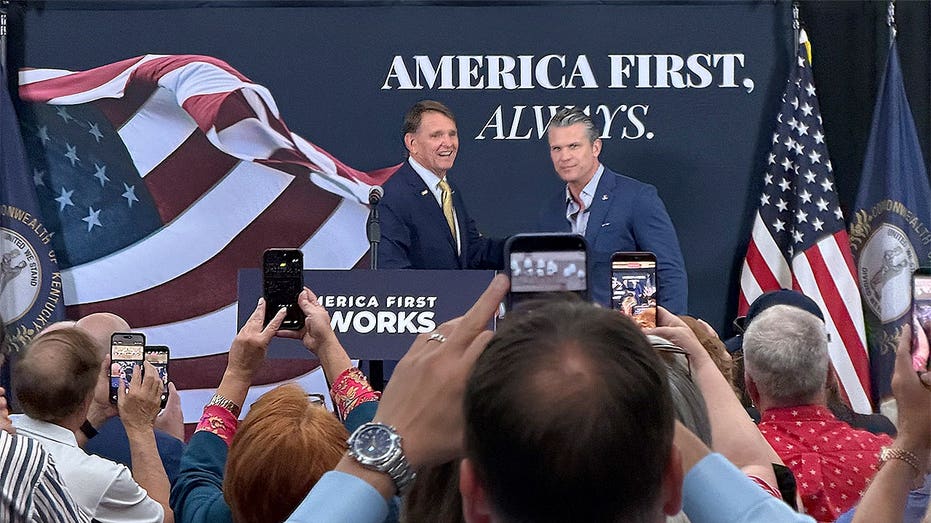
The political battleground of Kentucky is heating up as the state’s 4th Congressional District prepares for a crucial Kentucky GOP Primary. Ed Gallrein, a former Navy SEAL and local farmer, has received a significant boost from President Donald Trump’s endorsement, alongside a powerful rally appearance by Secretary of War Pete Hegseth. Gallrein is challenging incumbent Representative Thomas Massie, a known libertarian-minded lawmaker who has frequently diverged from the former president’s agenda.

On the eve of the primary, Secretary Hegseth joined Gallrein on the campaign trail, delivering a potent message to voters. His presence underscores the Trump administration’s commitment to ensuring loyalists are elected to Congress, particularly in districts where incumbents have demonstrated independence. The event, organized by the Trump-aligned advocacy group America First Works, aimed to galvanize support for Gallrein and solidify the President’s influence within the party ranks.

Hegseth’s Fiery Endorsement

Secretary Hegseth did not mince words when addressing Massie’s tenure, painting a picture of an incumbent out of step with the party’s broader goals. He argued that President Trump requires unwavering support in Washington, contrasting this need with Massie’s record. “President Trump needs reinforcements, and that’s what war fighters do. They stand behind leaders and have their back,” Hegseth asserted, drawing a clear line between loyalty and perceived obstruction.

Hegseth’s remarks, reported by News Desk, critiqued Massie’s legislative approach:

  • Too much grandstanding, too few great votes.
  • Years of acting like being difficult is the same thing as being courageous.
  • A lack of ‘real courage’ in stepping up when critical votes are needed.
  • An unwillingness to help the President win against ‘left-wing lunatic Democrats.’

The Secretary emphasized that the President needs allies who are ready to vote with him “when it matters the most,” rather than those focused on making individual points from within his own party.

Massie’s Independent Stance Under Scrutiny

Representative Thomas Massie has carved out a reputation as a staunch libertarian, often clashing with mainstream Republican positions, including those held by President Trump. His criticisms have spanned foreign policy, particularly regarding the Iran war and unconditional U.S. military aid to Israel. Massie also played a key role in advocating for the release of government files related to convicted sex offender Jeffrey Epstein, an action that garnered both praise and controversy.

While Massie’s supporters commend his principled stands and independence, his detractors, including Hegseth, view these actions as disruptive to party unity and the presidential agenda. This ideological rift forms the core of the Kentucky GOP Primary challenge, posing a direct question to voters about the kind of representation they desire.

“President Trump does not need more people in Washington who are trying to make a point, especially from his own party. He needs people willing to help him win, to vote with him when it matters the most.”

The Broader Battle for GOP Direction

This primary contest in Kentucky’s 4th Congressional District is more than just a local race; it is a microcosm of the ongoing struggle for the soul of the Republican Party. President Trump’s continued influence over the GOP is undeniable, and his endorsements carry significant weight, often shaping the outcomes of intra-party contests. This race serves as another test of that immense grip, demonstrating whether loyalty to the former president’s vision can supersede an incumbent’s established record and local support.

The outcome will send a clear signal about the future direction of the Republican Party—whether it will prioritize ideological purity and independent thought, or coalesce around a unified front aligned with the populist movement spearheaded by President Trump. As voters head to the polls, the choice will reflect not just local preferences, but the broader trajectory of conservative politics in America.

Kentucky Congressman Massie Faces Uphill Battle Against Trump-Backed Opposition

Kentucky Representative Thomas Massie is currently embroiled in a significant Republican primary challenge, a contest that pits his long-standing conservative principles against the formidable influence of former President Donald Trump. Voters in Kentucky are set to decide the fate of a congressman known for his independent streak and consistent opposition to what he views as excessive federal spending.

This high-stakes election serves as a critical test for the direction of the Republican Party, highlighting the ongoing tension between loyalty to a populist leader and adherence to traditional conservative doctrines.

The Roots of Disagreement

The friction between Representative Massie and former President Trump is not new. Massie has notably challenged the former president on issues ranging from substantial federal spending packages to the handling of sensitive government documents, including those related to the Epstein files. These disagreements underscore a fundamental divide over the scope and role of government, a core tenet for many conservative voters.

Former President Trump has not shied away from expressing his displeasure, notably using his Truth Social platform to criticize Massie and those who support him. He specifically targeted Congresswoman Lauren Boebert of Colorado and Senator Rand Paul of Kentucky, both of whom have publicly endorsed Massie. Trump labeled Boebert ‘weak-minded’ and ‘dumb,’ even threatening to retract his endorsement if a challenger emerged, though the filing deadline for her primary has since passed. Senator Paul, a fellow proponent of small-government libertarianism, is not up for re-election for another two years.

High Stakes in the Bluegrass State

The former president’s animosity towards Representative Massie is undeniably potent, carrying significant implications for the Kentucky primary. This contest transcends a simple re-election bid; it serves as a critical barometer for the balance of power within the Republican Party, testing the enduring strength of the America First movement against established conservative fiscal principles.

For Massie, the challenge is to reaffirm his commitment to his constituents and his conservative philosophy, demonstrating that an independent voice can still thrive within the party. His campaign must articulate how his legislative record aligns with the values of limited government and fiscal responsibility that resonate deeply with Kentucky’s conservative base.

“This contest transcends a simple re-election bid; it serves as a critical barometer for the balance of power within the Republican Party.”

Implications for Party Unity and Principle

The outcome of the Massie challenge in Kentucky will send a clear message about the future trajectory of the Republican Party. It will indicate whether adherence to specific conservative doctrines, such as stringent fiscal restraint, can withstand direct challenges from popular figures within the party, or if loyalty to a particular leader will increasingly dictate electoral success.

This situation highlights a crucial debate for conservatives nationwide: how to balance party unity and the pursuit of shared goals with the steadfast defense of core ideological principles. The Matox News Desk has observed similar tensions in other states, suggesting a broader internal reckoning for the GOP.

As the Kentucky primary approaches, all eyes will be on the outcome of this high-profile contest. The results will not only determine Representative Massie’s future but also offer valuable insights into the evolving dynamics of the Republican Party, underscoring the ongoing tension between ideological purity and the powerful currents of populist influence.

Senate Republicans Confirm Key Trump Nominees, Bolstering Executive Branch

In a decisive move to solidify the administration’s presence across the federal landscape, Senate Republicans have confirmed nearly 50 of President Trump’s nominees. This latest round of approvals brings the total number of confirmed civilian nominees to approximately 60 percent, marking a substantial victory for the White House in its ongoing effort to shape the executive branch.

The confirmations, which included a diverse array of appointments, underscore the Republican-led Senate’s commitment to staffing vital government functions. This action represents the fourth instance where Republicans have utilized altered Senate rules to push through a batch of appointments, bypassing traditional procedural roadblocks.

Bolstering Federal Agencies and Departments

The recent slate of 49 confirmed individuals will fill crucial roles across numerous departments and agencies. These appointments are designed to ensure the efficient operation of government and to align federal operations with the administration’s policy objectives. The confirmed positions include:

  • A dozen U.S. attorneys, essential for federal law enforcement.
  • Several U.S. marshals, crucial for judicial security and operations.
  • Ambassadors to various nations, strengthening diplomatic ties.
  • Members and leaders for key departments, including War, Transportation, and Energy.
  • Stevan Pearce, a former member of Congress, to lead the Bureau of Land Management.

These strategic placements are expected to enhance the administration’s capacity to implement its policies, from national security to resource management, reflecting a concerted effort to fill critical vacancies and solidify executive authority.

Procedural Shift Accelerates Confirmations

The latest wave of confirmations was made possible by a significant procedural change implemented by Senate Republicans last year, often referred to as the “nuclear option.” This move lowered the threshold for confirming certain presidential picks from the traditional 60-vote supermajority, required to overcome a filibuster, to a simple majority. This adjustment has proven highly effective in overcoming what Republicans described as persistent obstruction from Senate Democrats.

As reported by News Desk, Senate Democrats, led by Minority Leader Chuck Schumer, D-N.Y., had previously blocked many nominees, aiming to impede President Trump’s ability to mold the federal government. The rule change has since allowed Republicans to dramatically accelerate the confirmation process. Last year alone, over 400 of President Trump’s nominees were confirmed, significantly surpassing the confirmation rates of previous administrations in their initial years.

“These confirmations are vital for effective governance, ensuring our federal institutions are fully staffed and capable of serving the American people.”

The ongoing success in securing these appointments highlights a renewed focus on institutional efficiency and the strategic use of Senate rules to advance the executive agenda. This sustained effort by the Republican majority ensures that President Trump’s administration can more fully implement its vision and policy priorities across the vast federal apparatus.

Nationals Ban Attendee After White Nationalist Banner Incident

In a decisive move underscoring its commitment to a family-friendly and inclusive environment, the Washington Nationals announced they have banned an attendee responsible for unfurling a white nationalist banner during Sunday’s game. The incident, which occurred at Nationals Park during the contest against the Baltimore Orioles, prompted immediate condemnation from the organization.

The team’s rapid response highlights its firm stance against discriminatory and hateful rhetoric within its venue. Such displays violate the fundamental principles of sportsmanship and community that professional leagues strive to uphold.

Swift Institutional Response

Following the disturbing incident, the Washington Nationals issued a clear statement to several media outlets, including Fox News. The organization stated it had identified at least one of the individuals involved and vehemently condemned the hateful rhetoric. “The Washington Nationals vehemently condemn discriminatory and hateful rhetoric, and we strive to ​make our home field a safe space for our fans,” the team’s statement read, emphasizing their dedication to maintaining an atmosphere free from division.

This swift action by the Nationals reinforces the importance of institutions taking definitive steps to protect their spaces from extremist intrusion. Major League Baseball venues are places for collective enjoyment and civic pride, not platforms for divisive political agendas.

Unacceptable Display at Nationals Park

The banner, unfurled by three individuals in an upper deck section along the first baseline, promoted a white nationalist website and called for the deportation of “100+ million.” This offensive display occurred during the Nationals’ customary “Salute to Service” ceremony, an event dedicated to honoring military veterans—a context that only amplified the inappropriateness of the message.

Reports indicate that the attendees resisted an usher’s attempts to confiscate the banner before eventually departing the ballpark. Nationals Park guidelines explicitly prohibit certain activities and displays, designed to ensure a positive experience for all patrons. These guidelines include:

  • Signs, banners, and fan activities must not “distract from the enjoyment of sports games or other forms of entertainment.”
  • The stadium is not designated “a forum or place for use by the public at large for assembly and speech, for use by certain speakers or for the discussion of certain subjects.”
  • Restrictions are also in place regarding the size of such displays.

These regulations are crucial for maintaining order and civility in public gathering spaces, ensuring that the focus remains on the athletic competition and shared experience.

“The Washington Nationals’ swift action sends a clear message: Our ballparks are for baseball, not for extremist ideologies. Maintaining order and respect in public spaces is paramount.”

Broader Implications for Sports Venues

The incident at Nationals Park underscores a broader challenge for sports organizations: how to balance free expression with the need to maintain safe, inclusive, and non-political environments. While a conservative influencer, Jake Lang, reportedly took credit for the banner on social media, the team’s response correctly prioritized the integrity of the game-day experience and the safety of its fans over providing a platform for extremist views.

Sports, at their best, serve as a unifying force, bringing together people from all walks of life. Allowing venues to be co-opted for hateful or divisive messaging undermines this fundamental purpose and erodes the shared enjoyment of the game. The Nationals’ decision sets a commendable precedent for how professional sports organizations should address such challenges, upholding institutional values and public order.

The Washington Nationals have demonstrated a firm commitment to their stated values and the well-being of their community. Their decisive action in banning the attendee sends an unambiguous message: there is no place for hate or extremism at Nationals Park, or within the broader sporting world. Such measures are vital to preserving the integrity and welcoming atmosphere of professional sports events for all.

Champions League Final No Longer Free-to-Air in UK: A Landmark Shift in Sports Broadcasting

The landscape of sports broadcasting in the United Kingdom is undergoing a significant transformation, as the highly anticipated Champions League final will not be available for free public viewing. This marks the first instance since the competition’s modern rebrand 34 years ago that UK fans will be required to subscribe to watch the pinnacle of European club football. The move has ignited debate over accessibility and the evolving business models of major sports rights holders.

Reports originating from The Guardian indicate that TNT Sports, the current rights holder, has chosen to restrict access to all three European club finals: the Champions League, Europa League, and Europa Conference League. This decision comes despite English clubs potentially achieving a clean sweep of titles across these competitions, adding to the frustration for many supporters.

A Decades-Long Tradition Ends

Since its predecessor, BT Sport, first secured UEFA rights in the 2015-16 season, the finals of both the Champions League and Europa League had consistently been streamed live for free. This long-standing tradition of making these major sporting events widely accessible has now been discontinued. The shift means that the upcoming clash between Arsenal and Paris Saint-Germain in Budapest will be behind a paywall, alongside Aston Villa’s Europa League final against Freiburg and Crystal Palace’s Conference League final encounter.

For over three decades, the ability to watch the Champions League final without an additional subscription was a given for UK football enthusiasts. This change represents a significant departure from an established norm, impacting millions of households and potentially altering how major sporting events are consumed across the nation.

UEFA’s Displeasure and Broadcaster’s Strategy

Sources close to the situation suggest that UEFA, European football’s governing body, is understood to be unhappy with TNT Sports’ decision. The governing body traditionally advocates for broader access to its showpiece events, recognizing their cultural importance and ability to unite fans. However, Warner Bros Discovery-owned (WBD) TNT Sports has opted for a different strategy.

Access to these finals will now be restricted to customers of TNT Sports or subscribers to its streaming platform, HBO Max. While new sign-ups are available, the cheapest HBO Max subscription costs £4.99, and TNT Sports packages on most platforms are priced at £31.99 a month. This commercial choice by the broadcaster underscores a growing trend where premium sports content is increasingly utilized to drive subscriptions and bolster streaming service uptake.

“The decision to restrict access to the Champions League final marks a significant shift, raising important questions about the future of sports accessibility for the average fan.”

The Cost to the Fan and Broader Implications

The immediate impact of this policy change is clear: UK football fans who wish to watch the Champions League final and other European showpieces must now pay for the privilege. This could disproportionately affect those with limited disposable income, potentially creating a barrier to entry for what many consider a national sporting spectacle.

This move reflects a broader trend in the media industry, where traditional free-to-air broadcasts are diminishing in favor of subscription-based models. As media companies seek to maximize revenue from valuable sports rights, the balance between commercial interests and public access becomes a critical point of contention. The decision sets a precedent that could influence future negotiations for major sporting events, potentially leading to fewer free-to-air options for other popular competitions in the years to come.

The end of free access for the Champions League final in the UK is more than just a change in broadcasting; it signals a notable evolution in how major sporting events are valued and delivered to audiences. As the digital streaming landscape continues to mature, discussions around universal access to significant cultural and sporting moments are likely to intensify, prompting a reevaluation of the role of broadcasters and rights holders in the public sphere.

Amazon Recall Text Scam: Shoppers Targeted by Sophisticated Phishing Attacks

Cybercriminals are leveraging the trust associated with familiar brands like Amazon, creating urgent, convincing messages that aim to compromise your digital security.

A concerning surge in fraudulent text messages, purporting to be from Amazon, is targeting consumers with fake product recalls. These sophisticated phishing attempts are meticulously crafted to grab immediate attention, often mentioning a specific order and a pressing safety issue. The ultimate goal is to lure unsuspecting individuals into clicking malicious links, thereby exposing their sensitive login and payment details to scammers.

The Anatomy of a Deceptive Message

When an unexpected text message appears, claiming an item from a recent Amazon order has been recalled, it is designed to provoke an immediate reaction. The message typically instructs recipients to cease using the product and click a provided link for a refund. Often signed off as “Amazon Account Support Team,” these communications can appear remarkably legitimate at first glance. For instance, one such scam text highlighted by News Desk referred to a February 2026 order, creating a false sense of authenticity. This tactic exploits consumer trust and the natural inclination to prioritize safety, pushing individuals to act without careful verification.

Identifying the Critical Red Flags

Despite their deceptive appearance, these Amazon recall text scams contain several critical indicators that reveal their fraudulent nature. Vigilance is paramount in distinguishing genuine alerts from phishing attempts.

  • Generic Greetings: Legitimate communications from Amazon typically address customers by name. A generic opening, such as “Dear Customer,” is a significant red flag, signaling a mass-messaging scam.
  • Missing Product Details: A genuine product recall notice would always specify the recalled item. Scams deliberately omit this crucial detail, maintaining vagueness to broaden their potential victim pool.
  • Unusual Sender Information: Official Amazon communications come from verified channels, not random, unidentifiable text numbers.
  • Suspicious Web Links: The most significant red flag is the embedded link. While it may appear innocuous, hovering over or carefully inspecting the URL will reveal a domain entirely unrelated to amazon.com. Scammers use these disposable domains to redirect users to fake login pages.
  • Urgency to Act Off-Platform: Scammers consistently push recipients to click a link and provide information outside of Amazon’s official website or app. Amazon explicitly states it will never request sensitive data through such unofficial channels.

Safeguarding Your Digital Footprint

Protecting yourself from these sophisticated phishing attacks requires a proactive and informed approach. The best defense against an Amazon recall text scam is to verify any suspicious message directly. If you receive a text about an Amazon recall, do not click any links. Instead, log into your Amazon account directly through the official website or app. Check your order history and official notifications there. This ensures you are interacting with verified information. Furthermore, report any suspicious texts to Amazon and delete them promptly. Enabling two-factor authentication on your accounts adds an essential layer of security, making it significantly harder for unauthorized individuals to gain access, even if they somehow acquire your login credentials.

“Legitimate companies usually contact you through verified channels tied to your account, not random text numbers.”

In an increasingly interconnected world, digital vigilance is no longer merely advisable—it is essential. The persistence of fake Amazon recall texts underscores the continuous need for consumers to remain skeptical of unsolicited messages, especially those demanding immediate action or sensitive information. By understanding the common tactics of cybercriminals and adhering to basic security practices, individuals can significantly reduce their vulnerability to these pervasive online threats, ensuring their personal data and financial security remain intact.

Social Media Auto Publish Powered By : XYZScripts.com