Matox News

Truth Over Trends, always!

Fact Check: Unpacking Donald Trump’s Claims on 'Meet the Press'
Fact Check: Unpacking Donald Trump’s Claims on ‘Meet the Press’

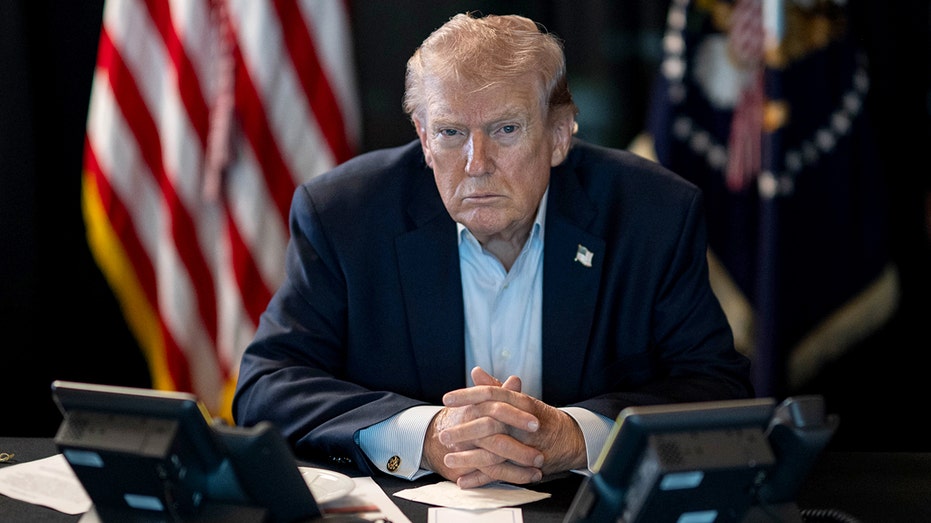
Former President Donald Trump’s recent appearance on NBC’s ‘Meet the Press’ concluded abruptly, leaving a trail of significant claims that warrant careful scrutiny. During the interview, Trump reiterated several assertions concerning election processes, international relations, and domestic security events. Matox News, committed to factual reporting, has examined these statements against available evidence and expert consensus to provide clarity for our readers.

The interview, recorded on June 5 and aired two days later, saw host Kristen Welker challenge some of Trump’s more contentious remarks. Our fact-check aims to dissect the core claims, presenting the evidence and distinguishing between confirmed facts and unsupported allegations.

The Claims Under Scrutiny

During the ‘Meet the Press’ interview, Donald Trump made several notable claims that require verification:

  • California Election Integrity: Trump suggested that California’s recent primary election was “rigged”, linking this assertion to the state’s slow vote-counting procedures.
  • Future War Guarantees: He contended that he “didn’t guarantee” that he would keep the U.S. out of new wars in a potential second term.
  • Iran’s Nuclear Program: Trump claimed Iran was “very close to having a nuclear weapon” under the Obama administration’s multilateral agreement and that the country “got all of this uranium during Obama.” He further asserted that without his specific actions in June 2025, Iran would “right now have a nuclear weapon, and it could be that half of the world would be eradicated already.”
  • January 6 Capitol Events: The former president stated that January 6 rioters were “ushered into” the Capitol by “FBI agents.”

Evidence and Analysis

To assess these claims, Matox News consulted various authoritative sources, including government reports, expert analysis, and historical records, similar to the rigorous approach taken by publications like FactCheck.org in their own reporting on the interview.

California Elections: Slow Counting vs. Rigging

Trump’s claim regarding a “rigged” California primary is not supported by evidence. While California is known for its extended vote-counting periods due to its large population and ballot processing methods, this procedural slowness does not equate to fraud or rigging. Election officials consistently confirm that these processes are designed for accuracy, not to facilitate manipulation.

Promises of Peace: A Look at Past Statements

Regarding his guarantee to avoid new wars, Trump’s assertion that he “didn’t guarantee” this is demonstrably false. Public records and numerous media reports from 2024 show multiple instances where he explicitly promised to keep the U.S. out of new conflicts if re-elected. His past statements directly contradict his recent denial.

Iran’s Nuclear Ambitions: The Reality of Enrichment

Trump’s claims about Iran’s nuclear program under the Obama administration and his own actions require significant correction. Arms control experts widely affirm that Iran’s uranium enrichment program significantly accelerated after Trump withdrew the U.S. from the Joint Comprehensive Plan of Action (JCPOA), not during the Obama era. Furthermore, the International Atomic Energy Agency (IAEA) and the U.S. Intelligence Community reported in March 2025 that “Iran is not building a nuclear weapon.” The dramatic assertion that half the world would be eradicated without his specific intervention is an extreme projection unsupported by intelligence assessments.

“Factual discourse is the bedrock of a stable society. When public figures make assertions, especially on critical issues, those claims must be held to the highest standard of verification.”

January 6: The Role of the FBI

The claim that FBI agents “ushered into” the Capitol on January 6 is false. A 2024 watchdog report confirmed that FBI personnel arrived to assist law enforcement after rioters had already breached the Capitol building. Their presence was in response to the unfolding chaos, not as instigators or facilitators of the breach.

What is Confirmed, What is False or Unsupported

Based on our review of the evidence:

  • Confirmed False: The claim that Donald Trump “didn’t guarantee” avoiding new wars in a second term.
  • Confirmed False: The assertion that Jan. 6 rioters were “ushered into” the Capitol by FBI agents.
  • False and Misleading: The claims about Iran being “very close to having a nuclear weapon” and receiving “all of this uranium during Obama,” as well as the catastrophic prediction of global eradication without his specific actions.
  • Unsupported: The claim that California’s primary election was “rigged.” There is no evidence to support this assertion, despite slow vote counts.

Conclusion

Maintaining a commitment to verifiable facts is crucial for informed public discourse. The former president’s recent interview on ‘Meet the Press’ contained several assertions that are contradicted by established evidence and expert consensus. Matox News will continue to provide diligent, evidence-based analysis to ensure our readers have access to accurate information.

Preserving Britain's Soul: The V&A Chronicles Lost Music Venues
Preserving Britain’s Soul: The V&A Chronicles Lost Music Venues

The vibrant pulse of Britain’s cultural life has long resonated within its independent music venues. These iconic spaces, from intimate clubs to historic halls, have served as crucibles for artistic innovation and community gathering. Yet, a new exhibition at the esteemed Victoria and Albert Museum, as reported by the News Desk, casts a poignant light on the alarming rate at which these cherished sites are disappearing. The exhibition, charting the cyclical forces that lead to their demise, serves as a crucial reminder of the importance of preserving these lost music venues for future generations.

A Cultural Institution’s Timely Reflection

The Victoria and Albert Museum, a bastion of British heritage, undertakes a significant cultural endeavor by dedicating an exhibition to these vanished musical havens. This institutional commitment underscores the profound impact these venues have had on national identity and artistic expression. Far from mere bricks and mortar, these sites nurtured nascent talent, fostered subcultures, and provided a vital social fabric for countless individuals. The V&A’s initiative acts as a powerful testament to the value of public memory and the role of institutions in safeguarding collective history.

The Unseen Forces Eroding Heritage

The exhibition meticulously details the multifaceted pressures contributing to the decline of Britain’s music scene. These challenges are not isolated incidents but rather cyclical forces that repeatedly threaten independent cultural spaces:

  • Urban Redevelopment: Often driven by unchecked commercial interests, historic properties are frequently targeted for demolition or conversion, prioritizing profit over heritage.
  • Complaining Neighbors: The growth of residential areas around existing venues can lead to noise complaints, resulting in licensing restrictions that make operation unsustainable.
  • Shifting Social Habits: Evolving entertainment preferences and economic pressures on younger demographics also contribute to reduced attendance, impacting venue viability.

The delicate balance between economic progress and cultural preservation is clearly at stake, demanding a thoughtful approach to urban planning that respects the intangible value of community spaces. The erosion of these venues speaks to a broader challenge in maintaining civic order amidst rapid change.

The exhibition at the Victoria and Albert Museum serves as a crucial reminder of the importance of preserving these lost music venues for future generations.

The Enduring Fight for Independent Spaces

Despite the grim realities, the narrative is not solely one of loss. The exhibition also celebrates the tenacious spirit of independent venue operators, musicians, and patrons who actively campaign to protect these irreplaceable cultural assets. Their efforts highlight the pro-market principles of grassroots entrepreneurship and community organization, striving to maintain diverse cultural offerings against homogenizing forces. These battles, often against considerable odds, emphasize the enduring human need for spaces that foster creativity, connection, and a sense of belonging. Protecting these venues is not merely about nostalgia; it is about ensuring the continued vitality of Britain’s cultural landscape and supporting the free expression of its artistic community.

The V&A’s insightful exhibition prompts an essential conversation about the future of British cultural heritage. It is a call to action for policymakers, developers, and citizens alike to recognize the intrinsic value of these independent music spaces. Ensuring their survival requires a renewed commitment to balanced urban development, community engagement, and a profound appreciation for the role they play in shaping our collective identity. The echoes of past performances remind us that safeguarding these cultural landmarks is not just about preserving history, but about nurturing the very soul of a nation.

Nadler's Unnecessary Political Jab at Trump Distracts from Key Sports Broadcasting Hearing
Nadler’s Unnecessary Political Jab at Trump Distracts from Key Sports Broadcasting Hearing

A recent congressional hearing on the Sports Broadcasting Act, designed to tackle rising NFL streaming costs and their impact on American households, took an unexpected turn Wednesday. Representative Jerry Nadler, a Democrat from New York, utilized the formal setting to deliver a politically charged remark regarding former President Donald Trump’s attendance at a New York Knicks NBA Finals game, diverting attention from the session’s crucial agenda. This interjection drew scrutiny, highlighting concerns over maintaining professional focus within legislative proceedings.

The Core Mission: Addressing Fan Costs and Access

The primary objective of the House hearing was to scrutinize the National Football League’s growing trend of broadcasting games exclusively on streaming platforms. Lawmakers expressed significant concerns over the financial burden placed on fans, with some facing costs approaching $1,000 annually to access their favorite teams’ games. This shift in broadcasting strategy has sparked a national debate about accessibility, affordability, and the future of sports consumption.

  • The escalating cost of bundled streaming services required to watch out-of-market games.
  • The potential for certain demographics to be priced out of following their preferred teams.
  • The perceived monopolistic practices of sports leagues in controlling distribution channels.

These issues directly impact millions of working families and the integrity of the free market for sports entertainment. The hearing aimed to explore potential legislative remedies or industry accountability mechanisms to ensure broader public access.

An Unwarranted Political Diversion

Amidst these substantive discussions on consumer rights and broadcasting economics, Rep. Nadler chose to interject with a comment about the New York Knicks’ performance in the NBA Finals. Referencing Game 3, which the Knicks lost after winning the first two games against the San Antonio Spurs, Nadler stated, “We cannot discuss anything related to sports today without taking note of the sports story happening in this country today – the New York Knicks’ drive for an NBA championship. Tonight is Game 4, and as long as Donald Trump stays far away from Madison Square Garden, the Knicks should do fine. Let’s go Knicks.” This remark, reported by Fox News Digital, drew immediate attention for its seemingly unrelated nature to the hearing’s focus, injecting partisan politics into a discussion meant to address industry practices.

Maintaining Institutional Decorum

Former President Trump’s appearance at Madison Square Garden for Game 3 marked a notable moment as the first sitting president to attend an NBA Finals game in New York. His presence generated a significant crowd reaction, reportedly a mix of cheers and boos, and necessitated enhanced security measures across the city, including a security fence around MSG. The Secret Service, alongside other law enforcement, performed their duties to the highest standard, resulting in longer lines and wait times for attendees. While such high-profile attendance inevitably draws public interest, the use of a congressional platform for what many observers might consider a partisan jab raises questions about the appropriate use of institutional time and resources. Such commentary risks undermining the seriousness of legislative proceedings and distracting from the pressing issues at hand, such as ensuring fair access to sports for all Americans.

“As long as Donald Trump stays far away, the Knicks should do fine.”

The incident underscores a broader concern regarding the erosion of focus in public forums. Congressional hearings are solemn venues for addressing the nation’s challenges, requiring lawmakers to prioritize their legislative duties over partisan theatrics. Maintaining the decorum and integrity of these institutions is paramount, ensuring that substantive issues like equitable sports broadcasting are given the diligent attention they rightfully deserve, rather than being overshadowed by political diversions. The American public expects its representatives to engage in constructive dialogue, not gratuitous political swipes.

Ariana Grande's 'Eternal Sunshine' Tour Ignites Massive Streaming Surge for Catalog
Ariana Grande’s ‘Eternal Sunshine’ Tour Ignites Massive Streaming Surge for Catalog

Last week marked a pivotal moment for fans and industry observers alike as Ariana Grande launched her ‘Eternal Sunshine’ Tour, her first major tour in seven years. The initial Oakland Arena concert on June 6th proved to be more than just a performance; it served as a powerful catalyst, igniting a remarkable surge in listenership across her extensive musical repertoire. This phenomenon highlights a crucial dynamic in today’s music economy: the direct and measurable impact of live events on an artist’s digital footprint.

Immediate Impact: A Significant Catalog Rebound

The data, compiled by Luminate, paints a clear picture of immediate success. In the two days immediately following the tour’s kickoff (June 7-8), Grande’s official on-demand U.S. streams soared to an impressive 31.7 million. This figure represents an 18.6% increase compared to the 26.7 million streams recorded in the two days prior to the opening show (June 5-6). Such a rapid and substantial boost from a single performance underscores the immense market demand and fan engagement that Grande commands. It demonstrates how a strategically planned tour can instantaneously translate into tangible digital consumption, boosting an artist’s visibility and revenue streams.

‘Eternal Sunshine’ and Deep Cuts See Renewed Interest

While the tour primarily showcases tracks from her latest Billboard 200-topping album, Eternal Sunshine: Brighter Days Ahead, the streaming data reveals a broader impact. The ‘Eternal Sunshine’ album itself witnessed a remarkable 60% jump, pulling in 7.4 million official streams in the post-show period, up from 4.6 million. Crucially, this uplift was not confined to new releases. Fan-favorite deep cuts and tracks from her previous album, Positions, also experienced significant gains, proving that the tour acts as a powerful promotional engine for her entire discography. This catalog-wide resurgence is a testament to the comprehensive appeal of her live show, prompting listeners to revisit her extensive body of work.

The Enduring Power of Live Performance in the Digital Age

In an era dominated by digital platforms, the concert tour remains an indispensable component of an artist’s career and economic strategy. The robust streaming figures observed post-Oakland demonstrate that live performances are not merely supplementary events but fundamental drivers of an artist’s digital health and market value. As industry analysis reported by Billboard Pro’s Trending Up newsletter frequently highlights, the synergy between a physical tour and digital engagement is profound. This trend reaffirms the free-market principle that direct engagement and value creation through performance directly translate into increased consumer interest and digital monetization. For established artists like Grande, a well-executed tour can reignite passion, introduce music to new audiences, and consolidate commercial success across all platforms, ensuring a healthy and dynamic relationship between artist and consumer.

“The immediate 18.6% surge in Ariana Grande’s catalog streams following her ‘Eternal Sunshine’ tour opener vividly illustrates the powerful economic engine that live performances remain for digital music consumption.”

The initial success of Ariana Grande’s ‘Eternal Sunshine’ tour, as evidenced by the significant streaming uplift, offers a compelling case study for the contemporary music industry. It underscores that while digital distribution is paramount, the tangible experience of a live concert retains an unparalleled ability to revitalize an artist’s entire catalog and amplify their presence in the competitive streaming landscape. This powerful connection between the stage and the screen continues to shape how artists cultivate engagement and generate revenue in the modern era.

Urgent Warning: Beware of Fake Amazon Account Recovery Emails

With major online shopping events like Prime Day on the horizon, digital criminals are intensifying their efforts to defraud unsuspecting consumers. A new wave of fake Amazon emails, masquerading as urgent account recovery warnings, is designed to trick users into divulging sensitive information. These sophisticated phishing attempts leverage the urgency of account security to exploit users before they can scrutinize the message’s legitimacy.

These deceptive communications claim unusual activity on a user’s account and often prompt immediate action, such as clicking a ‘Sign In to Verify’ button. The ultimate goal is to redirect individuals to fraudulent websites that mimic Amazon’s official portal, where login credentials, payment details, and even identity information can be stolen. Consumers must exercise extreme caution, as a genuine deal can save money, but a fake Amazon email can cost far more than just a purchase.

Understanding the Threat of Phishing

Phishing scams are a pervasive threat in the digital landscape, relying on social engineering to manipulate recipients into performing actions that compromise their security. The current fake Amazon email campaign is particularly insidious due to its timing, coinciding with periods when shoppers are actively anticipating communications from the e-commerce giant. This creates a fertile ground for scammers, as individuals may be expecting delivery updates, deal alerts, or order confirmations, making a fraudulent account warning seem more plausible.

The modus operandi of these scams typically involves creating a sense of panic or urgency. Users are told there is a problem with their account, and immediate action is required to prevent loss of access. A critical red flag in recent attempts, as highlighted by News Desk, has been the request for users to upload a document to confirm their account. Amazon’s legitimate security protocols do not typically involve such requests for routine account verification, especially not via an unsolicited email link.

Key Indicators of a Fraudulent Message

Identifying a phishing email requires a keen eye and a healthy dose of skepticism. Several tell-tale signs can help distinguish a legitimate communication from a fraudulent one:

  • Junk Folder Placement: While not definitive proof of fraud, an email landing directly in your junk or spam folder should immediately raise suspicion.
  • Awkward Wording: Scammers often use slightly off or clunky phrasing in subject lines or email bodies. For instance, a subject line like “Account Recovery: Sign-in and Verify your Amazon account” might feel unnatural compared to typical corporate communications.
  • Urgent Language: Phrases that demand immediate action or warn of dire consequences if action is not taken quickly are common tactics to bypass critical thinking.
  • Generic Greetings: Legitimate companies typically address you by name. Phishing emails often use generic greetings like “Dear Customer” or “Dear Amazon User.”
  • Suspicious Links: Always hover over links (without clicking!) to see the actual URL. If it doesn’t clearly lead to an amazon.com domain, it’s likely a scam.
  • Requests for Sensitive Data: Be wary of any email asking for personal information such as passwords, social security numbers, or bank account details.

“A real deal can save you money. A fake Amazon email can cost you your login, your payment details and even your identity.”

Fortifying Your Digital Defenses

Protecting your online accounts requires proactive measures and consistent vigilance. The first rule of digital security is to never click on suspicious links in unsolicited emails. If you receive an email regarding your Amazon account that seems unusual, do not use any links provided within that email. Instead, navigate directly to Amazon’s official website by typing the URL into your browser or using the official Amazon app.

Once on the legitimate site, you can log in to check for any account alerts or messages. Furthermore, enabling two-factor authentication (2FA) on your Amazon account and other critical online services adds a crucial layer of security, making it significantly harder for unauthorized individuals to gain access even if they manage to steal your password. Regularly reviewing your account activity and using strong, unique passwords for each online service are also indispensable practices.

In an era where digital interactions are integral to daily life, safeguarding personal information is paramount. Remaining informed about common scam tactics and adhering to fundamental cybersecurity principles can protect individuals and families from falling victim to these pervasive schemes. A cautious approach to online communications ensures that the convenience of digital commerce does not come at the cost of personal security.

Britain Unveils Sweeping New Security Powers to Counter Foreign State Threats

The United Kingdom is implementing a significant overhaul of its national security framework, introducing a comprehensive National Security (State Threats) Bill designed to equip authorities with sweeping new powers. This legislative action comes amidst heightened warnings from intelligence officials regarding escalating threats posed by foreign state-linked groups, particularly those tied to Iran and other adversarial governments.

The bill, introduced this week, aims to provide the UK government with the legal instruments necessary to effectively counter foreign state-linked organizations engaged in nefarious activities such as assassination plots, surveillance, and sabotage on British soil. This proactive measure underscores Britain’s commitment to protecting its sovereignty and the safety of its citizens.

A Robust Framework Against Foreign Interference

The new legislation creates a modern framework specifically tailored to address the complex challenges of foreign state threats, an area where existing counter-terrorism laws were deemed insufficient. Under the provisions of the UK National Security Bill, the Home Secretary, Shabana Mahmood, will gain the authority to formally designate groups deemed responsible for “foreign power threat activity.”

Supporting these designated organizations or accepting financial aid from them could result in severe penalties, including prison sentences of up to 14 years. This aspect of the bill is crucial for deterring individuals and entities from inadvertently or intentionally aiding hostile foreign operations. While officials have not yet confirmed specific designations, the legislation could potentially be applied to groups like Iran’s Islamic Revolutionary Guard Corps (IRGC), a key target of concern for Western intelligence agencies.

Escalating Threats and Intelligence Warnings

The impetus for this legislative push is rooted in tangible intelligence assessments indicating a significant rise in hostile state activity within the UK. MI5 Director General Ken McCallum previously revealed that the security service had tracked over 20 potentially lethal plots backed by Iran and noted a startling 35% increase in state-threat investigations. These figures highlight the urgent need for a more robust legal response.

British authorities have also been actively investigating potential Iranian links to several recent incidents, including arson attacks targeting Jewish sites. Furthermore, the UK has secured convictions against individuals accused of spying for or acting on behalf of Russian and Chinese entities, demonstrating the broad spectrum of foreign threats the nation faces. This bill seeks to consolidate and strengthen the legal tools available to address such diverse and evolving challenges.

“This legislation marks a vital step in safeguarding our nation from the insidious and growing threats posed by hostile foreign powers, ensuring the integrity of our institutions and the safety of our communities.”

Protecting Britain’s Sovereignty and Order

The introduction of the National Security Bill reflects a firm stance by the British government to uphold national security and maintain public order against external aggression. It reinforces the principle that foreign states and their proxies cannot operate with impunity on UK territory. This commitment to strengthening national defenses is a cornerstone of a stable and secure society.

The bill’s comprehensive approach is designed to:

  • Empower authorities to proactively counter state-sponsored espionage, sabotage, and interference.
  • Impose severe penalties for those who support or facilitate foreign power threat activities.
  • Provide a clearer legal basis for addressing threats not adequately covered by existing terrorism legislation.
  • Send a strong message to hostile foreign states that their actions will be met with decisive legal and security responses.

As reported by outlets like Fox News, the government’s move signals a strategic shift towards a more assertive posture in combating sophisticated foreign threats. The new security powers are expected to enhance the UK’s capability to protect its critical infrastructure, democratic processes, and citizens from the increasingly complex landscape of international state-sponsored aggression.

Consumer Burden Grows as Inflation Surges to Three-Year High

The latest economic data reveals a concerning trend of rising prices, placing significant pressure on household budgets and challenging the stability of the free market.

American households are grappling with a significant increase in living costs as inflation accelerates to its fastest pace in three years. Fresh economic figures, reported by the News Desk, indicate that consumers are facing mounting financial pressure, largely fueled by a sharp rise in energy prices. This unwelcome development poses a considerable challenge to family budgets and signals a potential dampening of consumer confidence across the nation.

The Accelerating Cost of Living

For many families, the daily reality of rising prices is becoming increasingly difficult to ignore. From the grocery store to the gas pump, the cost of essential goods and services continues its upward trajectory. This sustained inflationary pressure erodes the purchasing power of the dollar, meaning that every paycheck buys less than it did just a few months ago. The cumulative effect is a squeeze on discretionary spending and, for some, a struggle to cover basic necessities.

The current economic climate demands careful stewardship and sound policy to protect the financial well-being of the average American. Unchecked inflation not only burdens individual households but also introduces instability into the broader economic framework, making long-term planning difficult for both families and businesses.

Businesses Under Pressure, Wages Stagnate

While consumers bear the brunt of higher prices, businesses are also navigating a complex environment. Many companies find themselves in a challenging position, hesitant to fully pass on their own increased operational costs to an already weary consumer base. This reluctance, while understandable, can compress profit margins and potentially stifle investment and job creation. The delicate balance of the free market is tested when input costs rise significantly, but market conditions prevent corresponding price adjustments.

Adding to the concern is the lagging pace of wage growth. Despite the rising cost of living, average wages are simply not keeping pace with inflation. This disparity creates a widening gap between income and expenditure for many working families, diminishing their economic security. The labor market, while showing signs of resilience in some areas, is clearly struggling to provide adequate compensation in the face of persistent price increases.

Energy Prices: A Persistent Driver

A primary catalyst for the current inflationary surge is the sustained climb in energy prices. Whether it’s the cost of gasoline for daily commutes, heating bills for homes, or the energy required to transport goods, these increases ripple throughout the entire economy. Higher energy costs directly impact consumer pockets and indirectly raise the price of almost everything else, as businesses incur greater expenses for production and distribution.

The volatility in energy markets underscores the need for robust domestic energy policies that prioritize stability and affordability. Over-reliance on external factors or restrictive regulations can exacerbate these price shocks, ultimately harming the consumer and hindering economic growth.

Families across America are feeling the squeeze, as unchecked inflation erodes their purchasing power and threatens financial security.

The current inflationary trend demands serious attention from policymakers. Protecting the purchasing power of American families and fostering a stable environment for businesses are paramount for sustained economic health. Addressing the root causes of rising costs, particularly in the energy sector, and ensuring that fiscal policies support rather than undermine economic stability, will be crucial in restoring confidence and easing the burden on households nationwide.

Federal Judge Faces Misconduct Complaint Over Alleged Anti-Trump Bias

A judicial misconduct complaint has been formally lodged against U.S. District Judge Christopher Cooper, an Obama appointee, following his decision in a lawsuit related to former President Donald Trump’s efforts to rename the Kennedy Center. The complaint, filed by the conservative watchdog group, the Center to Advance Security in America (CASA), asserts that Judge Cooper should have recused himself from the case due to his wife’s extensive legal work against the former president.

The allegations center on the judge’s alleged failure to disclose or withdraw from the proceedings, despite what CASA describes as significant financial and professional interests stemming from his spouse’s involvement in litigation opposing Trump’s agenda. This development underscores growing scrutiny over judicial impartiality in politically charged legal battles.

Allegations of Conflict of Interest

The core of CASA’s complaint, filed with the U.S. Court of Appeals for the District of Columbia Circuit, directly challenges Judge Cooper’s ethical conduct. According to the watchdog, his wife, Amy Jeffress, has a notable history of representing individuals and entities described as ‘anti-Trump’ clients. This includes high-profile figures such as former FBI lawyer Lisa Page and, currently, former President Joe Biden, who is engaged in a lawsuit against Trump’s Justice Department over document release.

Curtis Schube, CASA’s Director of Research and Policy, issued a statement articulating the group’s concerns. He emphasized that the complaint targets Judge Cooper for his “potentially unethical behavior” and his “failure to recuse himself from the frivolous Kennedy Center lawsuit,” citing his wife’s financial interests in opposing President Trump’s agenda through litigation. The complaint suggests a direct conflict that should have precluded Judge Cooper from presiding over the case.

The Kennedy Center Naming Dispute

The specific ruling that triggered the misconduct complaint involved a lawsuit initiated by Representative Joyce Beatty (D-Ohio). The suit aimed to block President Trump’s proposal to rename the Kennedy Center. In May, Judge Cooper sided with Rep. Beatty, issuing a permanent injunction that effectively blocked the renaming efforts. This decision, emerging from a report by News Desk, set the stage for CASA’s formal challenge to his judicial integrity.

The controversy highlights the intersection of presidential actions, congressional oversight, and judicial review, particularly when the personal ties of judicial officers come into question. For Matox News, the preservation of judicial independence and the appearance of impartiality are paramount for public trust in our institutions.

Calls for Recusal and Transparency

Concerns about Judge Cooper’s potential conflict of interest are not entirely new. Weeks prior to CASA’s filing, former President Trump himself publicly criticized the judge, pointing to his wife’s track record of representing his political adversaries. Such public statements, whether from political figures or watchdog groups, underscore the persistent demand for transparency and adherence to recusal standards within the judiciary.

Judicial ethics guidelines are clear that judges must recuse themselves from cases where their impartiality might reasonably be questioned, including situations involving a spouse’s financial or professional interests. The complaint against Judge Cooper will now undergo a review process to determine if these standards were indeed violated. The outcome will be closely watched by those concerned with the integrity of the federal courts.

  • Key Allegation: Judge Cooper failed to recuse himself from a Trump-related case.
  • Basis of Complaint: His wife’s financial and professional ties to ‘anti-Trump’ litigation.
  • Immediate Impact: Ruling blocked Trump’s Kennedy Center renaming initiative.
  • Watchdog Group: Center to Advance Security in America (CASA).

“CASA is filing a judicial complaint against Obama-appointed DC District Court Judge Christopher Cooper for his potentially unethical behavior after his failure to recuse himself from the frivolous Kennedy Center lawsuit filed against President Trump, given his wife’s financial interests in opposing President Trump’s agenda through litigation.”

This complaint serves as a stark reminder of the delicate balance required to maintain public confidence in the judicial system. As the review proceeds, the principles of unbiased adjudication and the importance of avoiding even the appearance of impropriety will remain at the forefront of the discussion.

Don't Fall for Fake Amazon Email Scams This Prime Day
Don’t Fall for Fake Amazon Email Scams This Prime Day

The digital marketplace buzzes with anticipation for Amazon’s Prime Day, yet this excitement also creates fertile ground for cybercriminals. Shoppers are increasingly encountering sophisticated fake Amazon email scams, specifically designed to exploit the heightened volume of online activity. These fraudulent messages often mimic legitimate account recovery warnings, pressuring recipients to “Sign In to Verify” unusual account activity, with the ultimate goal of pilfering login credentials and personal data.

A recent report from News Desk highlighted the prevalence of these deceptive tactics. An editor received a convincing fake Amazon email that warned of unusual account activity and urged an immediate sign-in. Such messages are crafted to evoke unease and prompt a hasty reaction, making it imperative for consumers to exercise caution before clicking any links.

The Anatomy of a Phishing Attack

Cybercriminals are adept at leveraging major shopping events like Prime Day to enhance the credibility of their scams. The timing makes these phishing attempts particularly potent, as many consumers are already monitoring their inboxes for delivery updates, deal alerts, and order confirmations from Amazon. This creates a perfect window for a fake account warning to appear legitimate.

These fraudulent emails typically employ several common phishing tricks:

  • Urgent Language: They claim there’s an immediate problem with your account, such as “unusual activity” or a “security breach,” to create a sense of panic.
  • Call to Action: A prominent button, often labeled “Sign In to Verify” or “Recover Account,” is included to direct users to a malicious website.
  • Deceptive Requests: The most significant red flag in recent scams is the request to upload personal documents for account verification. This is a tactic Amazon does not typically employ for routine account checks.

The scammers’ primary objective is to make you react impulsively, signing into a fraudulent site before you can critically inspect the message. This allows them to harvest your login credentials, payment details, and potentially even your identity.

While legitimate deals offer savings, a deceptive email can compromise your login, payment details, and even your identity.

Identifying the Red Flags

Vigilance is your strongest defense against these sophisticated scams. Several warning signs can help you identify a fake Amazon email:

  • Sender’s Address: Always check the sender’s email address. Fraudulent emails often come from addresses that look similar to Amazon’s but contain subtle misspellings or unusual domains.
  • Junk Folder Placement: If an email claiming to be from Amazon lands directly in your junk or spam folder, it’s a strong indicator of potential fraud.
  • Awkward Subject Lines: Phishing emails frequently have subject lines that sound slightly off or grammatically incorrect, such as “Account Recovery: Sign-in and Verify your Amazon account.”
  • Requests for Documents: Any email asking you to upload documents like a driver’s license or passport to verify your Amazon account should be treated with extreme skepticism. This is not standard practice for routine account issues.
  • Generic Greetings: Legitimate Amazon communications typically address you by name, while scams often use generic greetings like “Dear Customer.”

Protecting Your Account and Identity

Safeguarding your online presence requires proactive measures. Here are essential steps to protect yourself from phishing attempts:

  • Do Not Click: Never click on links within suspicious emails. Instead, if you receive an account warning, navigate directly to the official Amazon website by typing the URL into your browser.
  • Verify Directly: Log into your Amazon account directly to check for any alerts or messages in your account’s notification center.
  • Enable Two-Factor Authentication (2FA): This adds an extra layer of security, requiring a second verification step (like a code sent to your phone) beyond your password.
  • Monitor Account Activity: Regularly review your Amazon order history and payment methods for any unauthorized activity.
  • Report Phishing: Forward any suspicious emails to Amazon’s dedicated phishing reporting address ([email protected]) and then delete them.

By understanding the tactics employed by cybercriminals and remaining vigilant, consumers can protect themselves and their sensitive information during the busy Prime Day shopping season and beyond. Staying informed and cautious is the best way to ensure your online shopping experience remains secure and enjoyable.

President Trump's 'Love' for Inflation Raises Economic Concerns as Prices Soar
President Trump’s ‘Love’ for Inflation Raises Economic Concerns as Prices Soar

New data from the Bureau of Labor Statistics (BLS) indicates that US inflation accelerated to its fastest rate in three years during May, with consumer prices climbing by 4.2% from a year earlier. This significant increase, up from 3.8% in April, is largely attributed to surging energy costs exacerbated by the ongoing US Israel war in Iran. The announcement has placed renewed focus on the economic pressures facing American families and businesses.

Adding a layer of complexity to the economic discourse, President Trump offered a surprising take on the figures. Speaking from the White House, the President stated, “I love it. The numbers were great. You know what? I really love the inflation.” His comments have sparked considerable debate, prompting questions about the administration’s understanding of, and approach to, the rising cost of living.

Inflation’s Grip Tightens on American Wallets

The 4.2% year-over-year increase in May marks a substantial acceleration in price growth, the most rapid pace recorded in three years. This trend directly impacts the purchasing power of every dollar earned by hardworking Americans. The primary catalyst for this surge has been the dramatic rise in energy prices.

  • Energy Costs: Geopolitical tensions, particularly the US Israel war in Iran, have significantly disrupted global energy markets. While President Trump claimed US forces have conducted operations to remove millions of barrels of oil from Iran, contributing to a “slight drop” in oil prices, the global benchmark, Brent crude, remains substantially higher than its pre-war levels. This persistent elevation in energy costs translates directly into higher prices at the pump and for household utilities, squeezing family budgets.

The broader implications of such sustained inflation are profound, affecting everything from groceries to housing. Businesses, too, face increased operational costs, which they may eventually pass on to consumers, creating a challenging cycle.

Presidential Rhetoric Meets Economic Reality

President Trump’s declaration of ‘love’ for the inflation figures has drawn sharp reactions from various economic observers and the public alike. While some may interpret the President’s remarks as an attempt to project confidence in the economy or to highlight specific, perhaps positive, underlying trends he perceives, the statement stands in stark contrast to the daily financial struggles many Americans are experiencing.

A recent report highlighted by the BBC News Desk detailed the growing strain on consumers. For many, rising prices erode savings and make essential goods and services less affordable. A transparent and empathetic approach to economic challenges is crucial for maintaining public trust and stability.

“I love it. The numbers were great. You know what? I really love the inflation.”

— President Trump

The Road Ahead: Stabilizing the Economy

Addressing persistent inflation requires a clear-headed strategy focused on fostering economic stability and supporting free markets. For families grappling with higher costs, the focus must be on policies that encourage sustainable growth without fueling further price increases. This includes monitoring global supply chains, promoting domestic energy production where feasible, and ensuring fiscal discipline.

The current economic climate underscores the need for sound financial management and a commitment to policies that protect the value of the dollar. As policymakers navigate these complex challenges, the impact on everyday Americans must remain paramount. The goal should be to restore price stability, enabling households and businesses to plan for the future with greater certainty.

Social Media Auto Publish Powered By : XYZScripts.com