Matox News

Truth Over Trends, always!

Knowsley's Youth Services at Risk: Young People Fight to Keep them Alive
Knowsley’s Youth Services at Risk: Young People Fight to Keep them Alive

Society’s Invisible Crisis: The Battle for Youth in Deprived Communities

In communities like Knowsley, a stark picture emerges of young lives teetering on the edge of societal disintegration. As social commentators and sociologists warn, demographic shifts and economic deprivation have created a generation adrift without the necessary community structures to guide them. The struggles of those like Nathan Orr, a young man whose life was transformed by a local youth center, highlight the importance of accessible, sustained youth services. Yet, the ongoing cutbacks and neglect threaten to undo the fragile safety nets that provide hope and purpose to vulnerable children. This is a social issue that impacts families, school achievement, and overall community stability, demanding immediate attention before it spirals further into chaos.

Research by the Social Investment Business (SIB) and the University of Leeds reveals an alarming reality: Knowsley’s youth work “black holes”. In these areas of severe deprivation, the absence of youth services leaves children exposed to antisocial behaviors and criminal influences. The disruption extends far beyond adolescence—affecting families, limiting access to quality education, and perpetuating cycles of poverty. The borough lacks A-level provision, condemning its students to travel long distances for higher education and stifling local ambitions. With only 23% of students achieving top GCSE grades, the cycle of educational underachievement persists, undermining societal progress and reinforcing social inequalities.

On the ground, dedicated youth workers like Mark Nelson and Dawn Corrie battle to keep centers operational amid dwindling funding. Nelson warns of “being on the edge of collapse”, with the financial support only stretching a few months ahead. Their efforts are vital; as Corrie laments, many clubs have vanished over the years, leaving fewer opportunities for young people to engage in constructive activities. These centers are more than recreational spaces—they serve as essential anchors for discipline, respect, and belonging. For many youths like Nathan, the absence of such outlets would mean a higher likelihood of slipping into antisocial behaviors or worse. The societal toll is profound: families are strained, communities fractured, and generations risk being lost without intervention.

This crisis, while rooted in economic hardship, is fundamentally a moral challenge for society. As social historian Richard Hofstadter noted, societal inequalities foster “a sense of alienation and marginalization,” which can be exploited by negative influences. Yet, the stories of hope—like Nathan’s rise from the streets to become a kickboxing coach—remind us that with sustained investment and moral resolve, communities can be revived. The recent influx of government funding and initiatives to rebuild youth services offer a glimmer of hope. Still, the battle to protect our youth requires ongoing commitment, a recognition that these centers are the backbone of resilient families and strong communities. Society’s future depends on how well we nurture that next generation—by ensuring they have more than just a fighting chance, but the support, stability, and moral guidance needed to forge a brighter tomorrow.

Rising Stars Shine Bright in Latest Youth Sports Showdown!

Buffalo’s Path Forward: A Reflective Look at 2026

In the wake of a disappointing season, the Buffalo Bills have begun the process of reflection and strategy as they look to the future. General Manager Brandon Beane and head coach Joe Brady face a significant challenge in reshaping the roster and revitalizing the team’s competitive edge. The 2026 season saw the team struggle, marked by missed opportunities and close losses that demoralized both players and fans alike.

Throughout the season, the Bills showed flashes of brilliance but ultimately fell short in pivotal moments. Key games highlighted this struggle, notably their nail-biting defeat to the Tennessee Titans, where an overturned touchdown in the final seconds turned the tide and sealed the Bills’ fate. Reflecting on the season, Coach Brady remarked, *“We have the talent; it’s about putting the pieces together and capitalizing on those critical moments.”* His commitment to improvement is resolute as he emphasizes the need for growth and accountability within the squad.

  • Defensive inconsistencies plagued Buffalo throughout the season.
  • Quarterback performance fluctuated, contributing to missed scoring opportunities.
  • The special teams unit struggled notably in high-pressure situations.

As the team reviews performance metrics and game film, adjusting strategies is paramount. Beane recognizes that roster changes may be necessary to bring a more dynamic approach to both offense and defense. His strategic mindset is apparent, as he stated, *“We need to identify our strengths and exploit them effectively. It’s time to take bold steps.”* With the NFL Draft and free agency on the horizon, the Bills are preparing to revamp their team while staying true to the core values that define their identity.

As the Buffalo Bills navigate this period of transition, it’s essential to remember that sports extend beyond mere statistics and win-loss records. They cultivate community and foster a sense of belonging among fans. Each season, regardless of its outcome, is filled with moments that unite individuals in a shared passion. As the Bills begin their journey toward redemption, one can only hope that the spirit of resilience will echo throughout the 2027 season, reinvigorating not only the team but also the unwavering fanbase that stands behind them.

Source link

Russia clamps down: WhatsApp blocked amid messaging crackdown

Global Implications of Nation-State Internet Censorship: A Closer Look at Recent Digital Suppression

In a move that underscores the escalating tension between national sovereignty and the unchecked influence of global digital platforms, an unnamed country has significantly increased its control over the online domain landscape. Reports indicate that 13 prominent resources—including YouTube, Facebook, WhatsApp Web, Instagram, the BBC, and Deutsche Welle—have been systematically removed from the National System of Domain Names (NSDI). This act marks a decisive shift towards digital sovereignty, with profound implications for global information flow and individual freedoms.

Observers and analysts highlight that, since these sites’ removal, access is now only possible via a virtual private network (VPN), effectively sealing off the country’s population from the global digital commons. This scenario echoes Cold War-era censorship but now manifests in the modern era’s digital battleground, symbolizing a strategic move to control information and shape perceptions within borders while isolating citizens from international viewpoints. Several independent cybersecurity experts warn that such measures not only hinder citizens’ ability to access international news and social networks but also set a dangerous precedent for digital authoritarianism. By restricting access to platforms like the BBC and Deutsche Welle, which are known for their independent reporting, the ruling regime signals its intent to monopolize information and deter dissent.

Geopolitical Ripple Effects and the Role of Global Institutions

Leading international organizations, including the United Nations and the International Telecommunication Union (ITU), are now under increased scrutiny, as their previous calls for open internet access clash with rising nationalistic pursuits. Historians and geopolitical analysts warn that such censorship acts threaten the delicate balance of international digital cooperation established in post-Cold War decades. When a country isolates itself in cyberspace, it not only diminishes its citizens’ access to global economic opportunities but also risks alienating itself from the collective effort to combat transnational cyber threats.

The geopolitical impact extends beyond individual nations’ borders. Regions with restrictive internet policies risk deepening divides, fueling distrust, and fostering a digital “firmament” that could culminate in a bifurcated world order—one where Western-led norms of open communication coexist with increasingly isolated, national-controlled digital spheres. The warnings from international cybersecurity agencies suggest these developments might embolden other regimes contemplating similar measures, thereby threatening the freedom of information that has underpinned modern democracies.

How Decisions Shape Societies and Future Trajectories

This strategic digital isolation is not merely a matter of technical control but a reflection of broader societal shifts. As social media platforms serve as modern town squares, governments that control access to these spaces directly influence public discourse and social cohesion. The removal of sites like Facebook or Instagram reduces opportunities for civic engagement, especially among youth, who increasingly depend on these avenues for information and activism. Such actions could lead to increased societal polarization and hamper the development of informed citizenry vital for democratic resilience.

International experts warn of the long-term consequences, emphasizing that decisions made now will shape generations. Were this trend to deepen, it could pave the way for digital enclaves—pockets of internet where only state-approved narratives flourish. The danger lies not only in censorship but in the systematic suppression of dissent, ideas, and innovation. As nations grapple with this new reality, the prospects for a free, interconnected world appear increasingly strained, leaving the echoes of history—once peaceful digital exchanges—shattered by authoritarian ambitions.

In the unfolding narrative of the 21st century’s geopolitical theater, the question remains: who will control the digital future, and at what cost for human liberty? The weight of history presses on, as nations continue their silent, yet decisive, moves to define the boundaries of freedom in an era where information is both a weapon and a right. The outcome of this digital clash will indelibly mark the tapestry of international relations, shaping societies and influencing the very fabric of global civilization for decades to come.

Fact-Check: Claim about AI’s impact on jobs assessed as Mostly False

Fact-Checking Trump’s Claims on U.S. Economic Performance in 2025

Recent assertions by former President Donald Trump have claimed that the U.S. economy experienced unprecedented growth and a swift turnaround from stagflation during his administration, particularly in the year 2025. These statements have garnered attention, but a closer look at economic data and expert analyses suggests that these claims are misleading. Accurate interpretation of economic indicators, historical data, and authoritative sources paints a different picture, emphasizing the importance of truthful information in sustaining the integrity of American democracy.

Economic Growth Claims

During speeches and opinion pieces, Trump has proclaimed that “economic growth is exploding to numbers unheard of” and “they’ve never had them before.” Specifically, he cited quarterly growth figures of 5.4% for the fourth quarter of 2025, attributing this to his policies and tariffs. However, data from the Bureau of Economic Analysis (BEA) contradict these assertions. The BEA’s latest estimates for the second and third quarters of 2025 show growth rates of 3.8% and 4.4%, respectively—significant increases but not record-breaking. While impressive, these figures do not surpass previous peaks, such as the 4.7% growth in late 2023 under President Biden, or the historic 34.9% surge in the third quarter of 2020, which was an anomaly following the pandemic’s initial impact.

  • BEA quarterly data indicates that 2025 growth rates, although substantial, are within the historically typical range for post-pandemic recovery phases.
  • The record for the highest quarterly growth remains at 34.9% in 2020, a result of the economy rebounding from a sharp contraction caused by COVID-19 lockdowns.
  • Annualized growth in 2025, according to BEA, has not set new records nor exceeded the exceptional post-pandemic surge.

Economist Kyle Handley from the University of California, San Diego, emphasizes that these figures are consistent with previous strong recoveries and do not reflect a “once-in-a-lifetime” economic explosion as claimed. Moreover, projections for the last quarter of 2025, cited by Trump as a 5.4% growth rate, have since been revised downward by the Federal Reserve’s GDPNow model, reflecting normal fluctuations rather than extraordinary achievement.

Stagflation and Economic Health under Biden

Trump also claims to have reversed a stagflationary economy—high inflation combined with stagnant growth—that supposedly plagued the nation under Biden. Experts and institutions, such as the Federal Reserve Bank of Cleveland, clarify that stagflation involves a sustained period of high inflation, rising unemployment, and stagnant or declining GDP. According to Kyle Handley, this pattern does not accurately describe U.S. economic conditions during Biden’s tenure. While inflation did peak at 9.1% in June 2022, it has since subsided to around 3%, aligning with historical norms, especially given that real GDP growth remained positive, and unemployment fell to roughly 4%.

  • The U.S. experienced strong GDP growth and lows in unemployment during Biden’s presidency, inconsistent with stagflation.
  • The high inflation observed was largely transitory and followed supply chain disruptions, not a sustained inflationary spiral.
  • Experts like Aeimit Lakdawala emphasize that during Biden’s term, “high inflation with strong growth” was observed—an entirely different scenario from stagflation.

In fact, the narratives suggesting a “stagnant” economy under Biden are contradicted by data. Real wages did decline initially, but overall economic growth and employment figures have been resilient, a testament to the robustness of the recovery process. The notion that Biden’s economy was a “nightmare of stagflation” is thus misleading, ignoring the nuanced and positive economic indicators that define health after a pandemic shock.

Impact of Tariffs and Trade Policies

Trump attributes recent economic gains directly to his tariff policies, claiming they “do not hurt growth” and “promote greatness.” Yet, economic research from sources such as Yale’s Budget Lab indicates that tariffs impose a modest drag on growth, reducing real GDP by around 0.4% to 0.5%. Tariffs function as taxes on consumers and businesses, often leading to higher prices and production costs, which is at odds with the narrative of tariffs as growth engines. Experts like Giacomo Santangelo and Joseph Brusuelas agree that these policies likely hindered long-term economic expansion rather than accelerated it.

  • Tariff revenue constitutes only a small fraction (~1%) of GDP, making it unlikely to be the main driver of growth.
  • Research estimates suggest tariffs slowed real GDP growth and increased costs for consumers and producers.
  • Crediting tariffs with robust economic performance overlooks the broader, more complex factors at play, including global economic momentum and monetary policy.

Furthermore, the idea that tariffs caused the recent growth is contradicted by economic data showing similar growth trends across different administrations and by the fact that many claims of “investment” based on tariffs are plans rather than realized outcomes.

The Truth as a Foundation for Democracy

Assessing the facts reveals that many of Trump’s optimistic claims about the economy in 2025 are exaggerated or inaccurately attributed to his policies. While the U.S. economy certainly showed resilience and recovered strongly from pandemic lows, the data do not support claims of record-breaking growth or a revolutionary turnaround from stagflation. Clear, honest communication about economic realities is essential, especially in a democracy where informed voters must navigate complex issues. By demanding accuracy and transparency, citizens uphold the responsible dissemination of truth—a fundamental pillar that sustains trust and accountability in governance.

As the data makes evident, truth in economic reporting is not just a matter of numbers but a cornerstone of informed citizenship and democratic health. Discerning fact from fiction allows Americans to make educated choices and hold leaders accountable—an enduring safeguard for their future.

Minister clashes with Ratcliffe over claim UK built by immigrants – Politics Update

UK Politics in Turmoil as Immigration Debate Sparks Government Backlash

Recent developments in London’s political landscape indicate a notable shift in governmental response to contentious issues surrounding immigration and national identity. The controversy erupted when Jim Ratcliffe, a prominent billionaire and co-owner of Manchester United, made inflammatory remarks claiming that the UK is being “colonised” by immigrants. Such statements, especially from a figure known for his financial influence and subsequent relocation to Monaco to optimize his tax obligations, have ignited a fierce debate within political corridors. The UK government, led by Prime Minister Rishi Sunak, swiftly condemned Ratcliffe’s comments, a departure from previous approaches where officials often downplayed or tacitly supported concerns about immigration.

Revelations from Downing Street suggest a strategic recalibration in the government’s stance on immigration discourse. According to sources close to the administration, the rapid rebuttal signals an emerging desire to distance the government from populist inflammatory rhetoric and to avoid alienating moderate voters. Starmer’s Labour opposition has seized the moment, criticizing the government’s perceived reluctance to confront divisive narratives openly. Meanwhile, New Prime Minister Keir Starmer gains confidence to articulate his progressive instincts more boldly, especially as key figures such as Morgan McSweeney, a former chief of staff of Downing Street, have stepped back from the spotlight, providing space for a shift toward more explicit policy debates on migration. The unfolding scenario underscores a broader geopolitical impact: how national narratives around immigration influence international perceptions and negotiations.

Furthermore, senior officials like Justice Minister Jake Richards escalated the rhetoric against Ratcliffe’s comments, asserting that while everyone has a right to their opinion, inflammatory language like “colonised” is offensive and inaccurate. Richards highlighted the hypocrisy of Ratcliffe, pointing out that the billionaire’s personal move to Monaco—primarily to dodge billions in taxes—renders his critique of immigration hypocritical and tone-deaf to common societal concerns. International analysts warn that such internal political maneuvers have broader geopolitical implications, especially as the UK seeks to maintain its global standing amidst shifting alliances and domestic upheaval. Historically, experts like Dr. Eleanor Clarke, a scholar of British politics, emphasize that the British identity remains malleable, but recent verbal battles threaten to deepen societal divides and challenge the country’s international image.

The domestic agenda remains packed, with key moments planned for the day, including healthcare performance data, local political debates, and visits from ministers to regions hit hard by socio-economic challenges. Yet, the real story is transpiring in the corridors of power—where decisions on how to frame national questions about immigration, sovereignty, and economic fairness are setting the stage for future geopolitical positioning. The weight of history presses down on these fleeting moments of political spectacle, as the UK’s internal divisions threaten to redefine its role on the world stage. How leaders navigate these turbulent waters will determine whether the country emerges united or fractured, shaping the narrative for generations to come.

Rivalry Sparks Youth Interest in Hockey — Is the Game Ready for the Next Generation?

Sports Industry Under the Microscope: Cultural Shifts and Technological Disruption

In a rapidly evolving landscape, the traditional sports industry is experiencing a transformation driven not just by technological innovation, but also by a critical reevaluation of its cultural norms. The NHL, often seen as a bastion of physicality and tradition, is now navigating the turbulent waters of inclusivity, social responsibility, and transparency. This shift is emblematic of a broader disruption rippling across sports, media, and associated industries—pointing toward a future where technology and societal values are increasingly intertwined in defining business success.

The league’s recent partnership with organizations like You Can Play, and the announcement of its upcoming Pride Cup, underscore its attempts to rebrand and redefine what it means to be inclusive. However, beneath the surface lies a debate about performative gestures versus genuine cultural change. Experts like Teresa Fowler and Tim Skuce, who have extensively studied hockey culture, argue that some initiatives remain superficial, masking deeper issues of toxicity and systemic misconduct—highlighted by revelations of hazing practices and mishandling of sensitive matters, such as sexual assault allegations involving Hockey Canada. These scandals threaten to undermine the league’s credibility, forcing a reckoning that could have long-term business repercussions.

Innovation and Disruption: Rethinking Sports Culture and Industry Norms

Amid this cultural upheaval, technology firms and data analytics giants are poised to reshape how sports organizations operate, engage audiences, and promote social values. The integration of advanced data analytics, artificial intelligence, and immersive media experiences—such as virtual reality—are enabling leagues to not only enhance fan engagement but also foster more inclusive environments. As Gartner and MIT researchers highlight, the ability to leverage big data to tackle issues like hazing, discrimination, and mental health is opening new avenues for social responsibility initiatives intertwined with business models.

This technological disruption is reaching beyond grassroots activism into core operational strategies. Player safety, mental health awareness, and inclusivity programs are becoming measurable and transparent, steering sports organizations toward accountability-driven models that appeal to younger, socially conscious audiences. The competition for market share is intensifying, with startups and tech giants vying to deliver innovative solutions that merge social impact with commercial viability.

Business Implications and Future Outlook

The increasing emphasis on social responsibility and cultural authenticity signals a fundamental shift in the business of sport. Legacy brands are under pressure to adapt or risk obsolescence. Companies like Nike and Adidas are already capitalizing on sports-led branding campaigns centered around diversity and inclusion, establishing a new paradigm where authenticity and innovation are key differentiators. Furthermore, as international markets such as Asia and Africa expand their engagement with Western sports leagues, the need for culturally sensitive and disruptive strategies becomes even more critical.

Looking ahead, the intersection of disruptive technology, evolving societal values, and market dynamics heralds an era where sports organizations must act swiftly to harness innovation and address systemic issues transparently. This is no longer merely about entertainment; it is increasingly about forging a brand that resonates with a globally connected, socially aware youth. The urgency is palpable—those who adapt to these seismic shifts will shape the future of entertainment, social influence, and global sports economics. Conversely, failure to innovate and authentically reform risks marginalization in an increasingly competitive, values-driven landscape.

UK economy edges up 0.1% amid Budget doubts, showing resilience in uncertain times

The recent United Kingdom economic data signals a cautiously positive outlook amidst global economic turbulence. Official figures from the Office for National Statistics reveal that the UK’s gross domestic product (GDP) grew by 0.1% in the final quarter of last year, defying expectations of a stagnation or contraction. Despite persistent economic headwinds, including consumer hesitations driven by political speculation around Rachel Reeves’ budget and the fallout from recent cyber-attacks on major industries, the UK’s economy managed to demonstrate resilience. This modest growth, combined with a 1.3% increase in 2025 overall, is seen by analysts as a sign that the British economy continues to adapt to shifting global circumstances, although challenges remain.

Global financial institutions and economic analysts have underscored that how decisions are made within the UK government—particularly around fiscal policy and national security—directly impact the broader geopolitical landscape. The late-November budget, which spurred speculation about significant tax hikes, temporarily suppressed consumer and corporate activity, highlighting the precarious balance governments must maintain between fiscal austerity and growth stimulation. The Bank of England, in its recent policy statement, chose to keep interest rates steady at 3.75%, while signaling that the decline in inflation—partly driven by cost-of-living measures tied to Reeves’ strategic budget—might pave the way for future rate cuts. This signals for markets that, despite present caution, there is confidence within the British establishment that stabilization can be achieved without aggressive monetary tightening.

The broader geopolitical impact of the UK’s economic performance and policymaking extends well beyond its borders. As one of the world’s largest financial centres, London’s resilience influences international markets, diplomatic relations, and global supply chains. The recent cyber-attack targeting Jaguar Land Rover and its subsequent economic repercussions underscore how interconnected national security and economic stability have become. While the UK attempts to navigate domestic challenges, it remains entrenched in the complex web of international competition—with analysts warning that economic stability at home is vital for maintaining influence in a shifting international order. Historical perspectives from institutions like the International Monetary Fund highlight that resilient economies tend to form the backbone of geopolitical strength and alliances in uncertain times.

  • The UK’s modest growth in late 2025 reflects cautious optimism but also exposes vulnerabilities in productivity and investment.
  • The Bank of England’s strategic hold on interest rates indicates confidence in ongoing inflation control and potential for future monetary easing.
  • Cybersecurity threats and economic shocks, such as the JLR attack, illustrate the new battlegrounds in modern geopolitics.
  • The trajectory of UK policy, especially its impact domestically and internationally, will be closely monitored as history continues to write itself in these uncertain yet pivotal times.

As the world’s eyes fixate on the unfolding dramas of economic resurgence and geopolitical maneuvering, the question remains: how will Britain, in its pursuit of stability and influence, shape the next chapters of global history? With decisions made today echoing through the corridors of power and into the fabric of society, the weight of history presses ever heavier. The unfolding story of the UK economy is not merely a tale of numbers but a testament to a nation striving to navigate the treacherous waters of an uncertain world—where every move could define the future for generations to come.

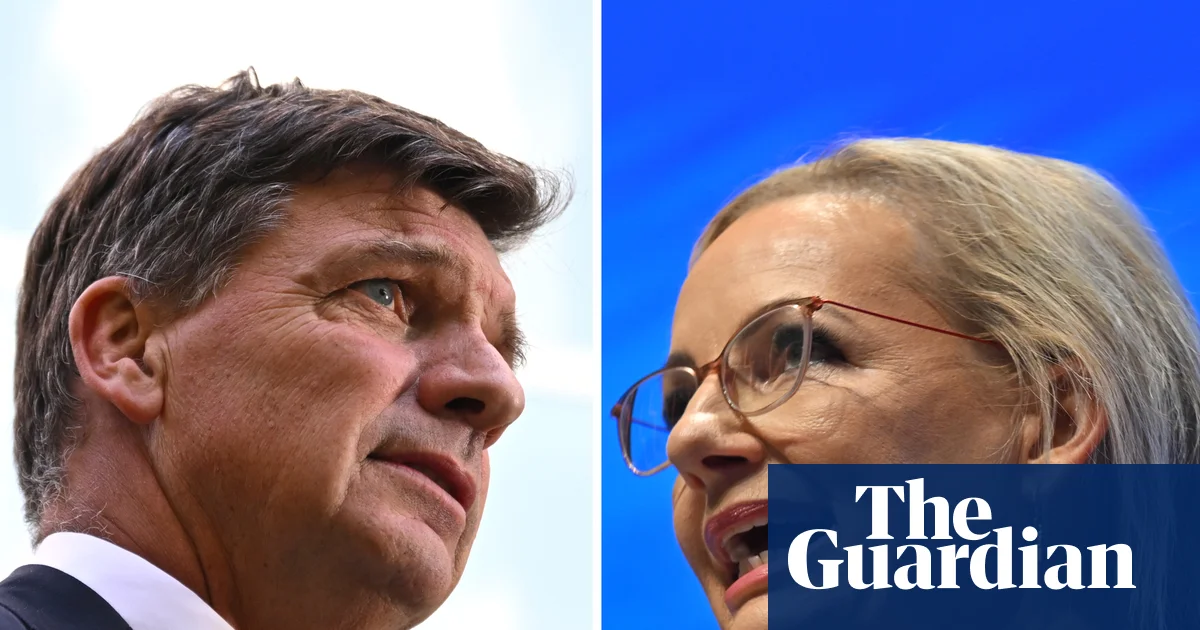
Young conservatives rally behind Angus Taylor in leadership bid against Sussan Ley

Australia’s Political Landscape Shaken as Liberal Party Faces Leadership Crisis

In a dramatic turn of events, Australia’s political arena is witnessing a pivotal moment as the Liberal Party grapples with internal turbulence that could reshape the nation’s leadership. The outgoing leader, Sussan Ley, finds her position under threat amid a wave of resignations and shifting allegiances, signaling a deeper crisis within the party. The mounting tension reflects not only party dynamics but also a wider contest over the future direction of Australia, particularly in response to domestic and international challenges that demand firm leadership. Experts and analysts warn that the outcome of this leadership contest could influence Australia’s policy stance on issues such as climate change, immigration, national security, and economic recovery.

Key figures emerged as the battle lines solidified during this political upheaval. Angus Taylor, a former shadow defence minister known for his conservative stance, has garnered significant backing from influential party members, including Queensland senator James McGrath and opposition figures like Michaelia Cash. Their support underscores a growing divide within the party—between moderates who favored Ley’s leadership and conservatives rallying behind Taylor. The tension culminated when Taylor resigned from his shadow cabinet position to formally challenge Ley, claiming the party has “lost its way” and emphasizing the need for “strong and decisive leadership” to address Australia’s pressing issues. His narrative resonates with many young conservatives across the country who yearn for a return to traditional values and robust national policies, especially in light of international complexities such as regional security and economic resilience.

The leadership election, scheduled to be decided this week at Parliament House, is tightening as both sides claim the support of the 51-member party room. The possibility of a narrow victory hangs in the balance, with Ley maintaining that she still commands “the numbers,” even as critics argue her position has become increasingly untenable. Notably, the broader geopolitical impact of this internal party conflict extends beyond Australia’s borders—potential leadership shifts could influence Australia’s foreign relations, especially its stance toward China, the Indo-Pacific region, and global trade alliances. Historically, Australian parties’ leadership stability has impacted its international posture, with quick leadership changes often seen as destabilizing for diplomatic consistency and economic policy.

As Australia faces these tumultuous internal debates, the international community observes with cautious interest. The contest mirrors global struggles where nations look to their political parties to deliver stability amidst geopolitical turbulence. Analysts from organizations such as the Lowy Institute warn that a leadership upheaval could create a temporary vacuum, affecting Australia’s commitments to regional security pacts and trade agreements. The internal party dispute, while ostensibly about policy direction, symbolizes a broader cultural clash—between traditional conservatism and progressive ambitions—that will indelibly shape the country’s future. As the vote nears, the weight of history presses heavily, reminding all that leadership crises are not merely internal squabbles, but pivotal moments that may define a nation’s course for generations to come.

El Paso airspace shut down sparks chaos — blame balloons or drone threats?

In a move that has sent shockwaves through the regional and international landscape, El Paso‘s airspace was abruptly closed for ten days, a shutdown reportedly triggered by a dispute over drone technology testing conducted by the United States military. This unexpected decision underscores the fragile geopolitical climate in North America and its potential implications for broader security dynamics. Although official sources remain tight-lipped about the specific causes, various intelligence reports and military analysts suggest that the closure was directly linked to advanced drone testing operations—an area where technological escalation intertwines dangerously with sovereignty and security concerns.

The resurgence of drone capabilities has become a focal point of contention between military authorities and regional stakeholders. Critics argue that such testing, especially when conducted near border regions like El Paso, could inadvertently escalate tensions with neighboring nations or destabilize an already volatile security environment. The incident highlights the rapid pace at which technological advancements in military hardware are influencing geopolitical stability. Historians and security experts warn that without clear international protocols, these tests risk fueling an arms race that could destabilize diplomatic efforts and trigger an unintended escalation of conflict.

This closure has far-reaching geopolitical impact. Regional actors—including Mexico and various Latin American nations—are closely monitoring the United States’ military maneuvers, wary of how these tests might affect border security and regional stability. Furthermore, global institutions such as the United Nations have increasingly voiced concern over the reckless deployment of emerging military technology in sensitive zones. The turning point lies in how these technological demonstrations are perceived: as defensive innovations or as acts that could inadvertently trigger a new arms race. The decision to shutter airspace—although temporary—intensifies existing debates about transparency, sovereignty, and the need for international regulations governing drone warfare.

As the dust settles on this dispute, the world’s eyes remain fixed on Washington and its military-industrial complex. Analysts warn that such isolated incidents, if unchecked, herald a new era of confrontational posture. The international community, under increasing pressure from peace advocates and global watchdogs, faces a critical choice: to embrace arms control or risk spiraling into unprecedented levels of technological conflict. History will judge whether this brief closure marks a relic of posturing or the beginning of a broader strategic recalibration. The pages of history continue to turn swiftly, with the next chapter yet unwritten, leaving nations to ponder—are we entering a phase of responsible stewardship or reckless escalation?

Rising Stars Shine: Young Athletes Break Records in Thrilling Weekend Competitions

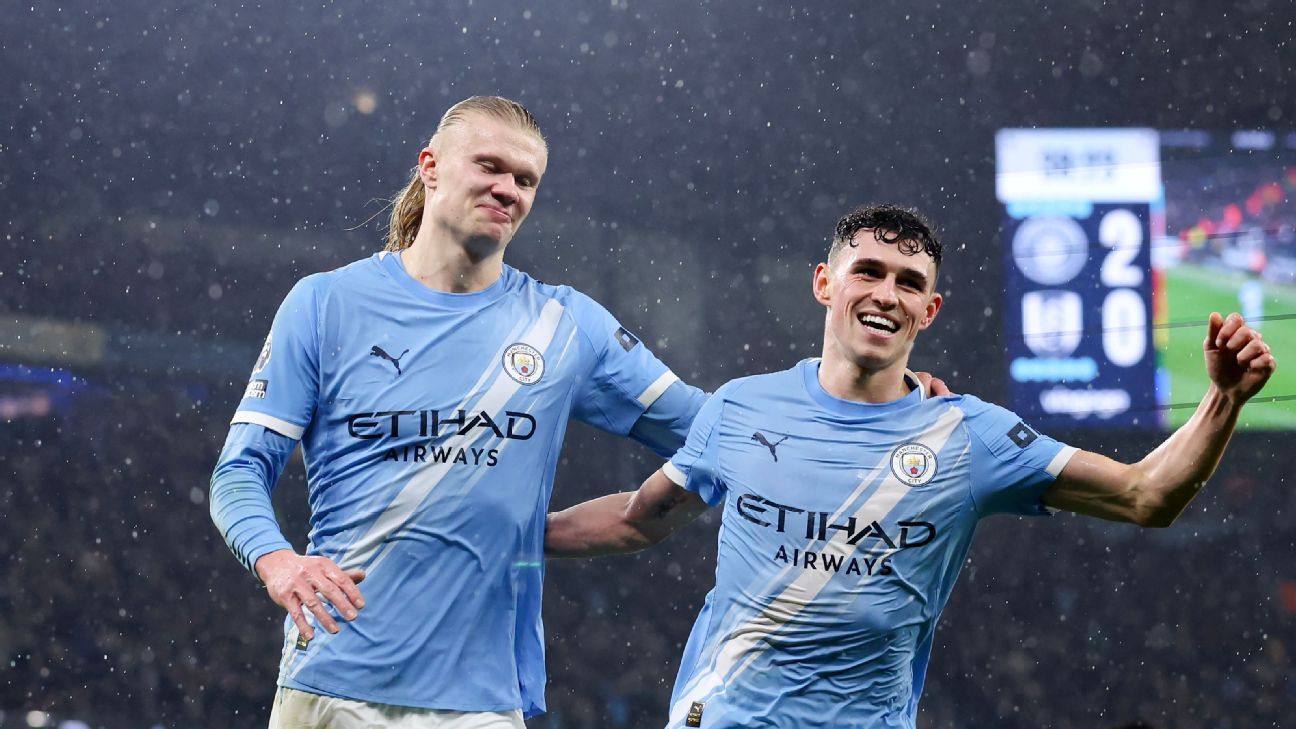
Manchester City Dominates Fulham, Setting the Stage for Arsenal’s Title Chase

In a decisive clash at the Etihad Stadium, Manchester City comfortably overcame Fulham with a scoreline of 4-0, bolstering their position in the Premier League title race. The outcome not only showcased City’s relentless pursuit of the title, but also posed a pressing question: Can Arsenal rise to the occasion and respond in kind? The stage has been set, and the stakes could not be higher.

The match began with an electric performance from City’s attacking unit, with Erling Haaland netting a brace within the first 30 minutes. His opening goal, a fierce strike from inside the box, was a clear indication of City’s intent to dominate. Coach Pep Guardiola lauded his star striker’s efforts post-match, emphasizing, “His ability to find the net when it matters most is invaluable in a tight title race.” This victory not only demonstrated City’s offensive prowess but also their defensive solidity, keeping a clean sheet against a Fulham side that struggled to create scoring opportunities.

As City celebrates their latest triumph, all eyes now turn to the Gunners, who face a crucial matchup against Newcastle this weekend. Arsenal must win to maintain their grip on the title and avoid being eclipsed by City’s growing momentum. Commentator Gary Neville remarked, “This is the moment that defines champions. If Arsenal can rise to the challenge, it sends a statement across the league.”

  • Manchester City achieved a 4-0 victory against Fulham.
  • Erling Haaland scored two goals, pushing his tally to 25 for the season.
  • Pep Guardiola praised his team’s performance and Haaland’s crucial contributions.
  • Next up for Arsenal is a high-stakes match against Newcastle.

In the grand tapestry of sports, moments like these transcend mere competition; they serve as a reminder of the unifying force that athletics represents. With emotions running high and rivalries igniting passion, the Premier League remains a compelling theater where dreams are chased, and heroes are born. Whether it’s through a narrow victory or a stunning comeback, the essence of sport lies not just in the outcome but in the heart and determination displayed on the field. As the tension mounts, fans are reminded that the real victory is in their shared love for the game.

Source link

Social Media Auto Publish Powered By : XYZScripts.com