Matox News

Truth Over Trends, always!

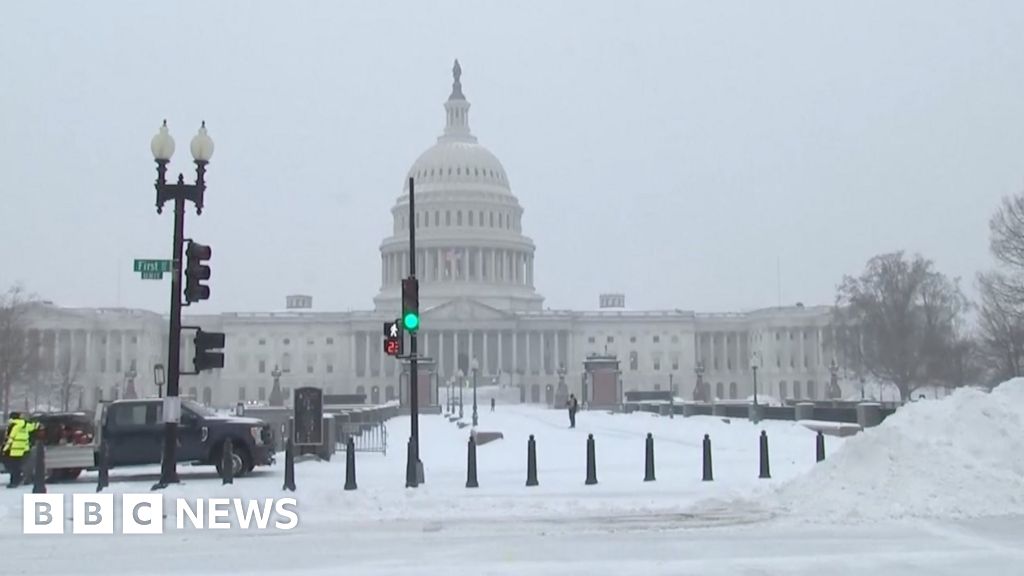
Winter storm hits America: millions left in the cold amid outages and chaos

In recent days, The United States has experienced an unprecedented winter storm, characterized by severe snowfalls and dangerously low temperatures that have crippled large swaths of the country. The National Weather Service issued urgent warnings about wind chills plunging below -20°C in numerous urban centers, turning once bustling metropolises into frosty battlegrounds of survival. President Donald Trump responded decisively by declaring a series of federal emergency disaster declarations spanning nearly a dozen states, including South Carolina, Virginia, and Kentucky.

This meteorological crisis is notable not just for its immediate humanitarian toll but also for its broader geopolitical ramifications. As extreme weather events like this winter storm become increasingly frequent and severe, they underscore the pressing need for nations to re-evaluate their preparedness and resilience strategies. Major international organizations, such as the World Meteorological Organization, have repeatedly warned that climate variability poses a formidable threat to security, economies, and societal stability worldwide. While the U.S. swiftly mobilizes internal resources, the incident exemplifies a reality where climate change acts as a force multiplier for geopolitical instability, influencing diplomacy and international relations.

Furthermore, the decision by U.S. authorities to declare emergencies in multiple states highlights a broader pattern of how nations respond to internal crises with implications that extend beyond borders. These measures serve as a reminder for allies and adversaries alike of the importance of resilience in the face of natural disasters—yet they also raise questions about the long-term impact of environmental disruptions. Historically, analysts have pointed out that countries unable to adapt swiftly to climate-induced catastrophes risk becoming more vulnerable to geopolitical shocks. In a world where chaos often begets opportunism, the challenge remains: how do nations secure their sovereignty amid a rapidly changing climate?

The international community, including major powers and emerging nations, is watching with keen interest as the United States navigates this crisis. While the immediate concern lies in rescuing stranded communities and restoring basic services, the larger geopolitical dialogue shifts towards resilience—a debate that intertwines environmental policy, economic stability, and national security. Historical analysts warn that failure to address these environmental threats could result in a new chapter of instability—one where climate change acts as a catalyst for conflict, displacement, and resource wars. As the cold grips the nation, the world must reflect on the lessons etched into the icy face of adversity: the decisions made today set the stage for the future balance of power.

As history watches silently from the pages yet to be written, the cold truth remains: in an era of unpredictable and escalating natural disasters, the line between environmental catastrophe and geopolitical crisis has grown dangerously thin. The icy winds sweeping across the United States serve as a stark reminder—nature’s fury respects no borders, and the decisions taken in one nation ripple across the fabric of international stability. The question remains—not if, but when—and how, will the world unite to confront the unyielding forces of change that threaten to reshape the geopolitical landscape forever.
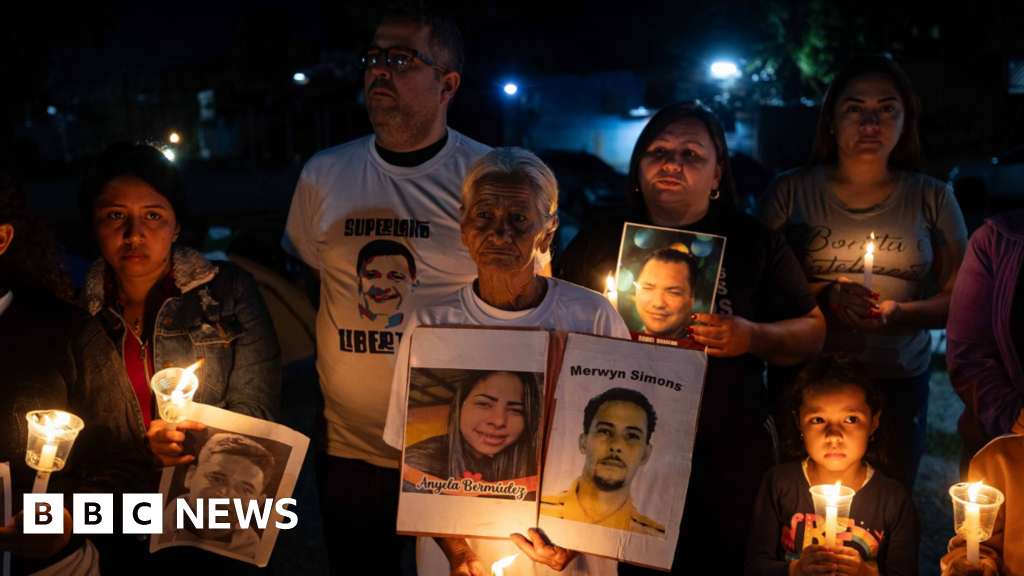

Venezuela Releases Dozens of Political Prisoners, Human Rights Group Reports

Venezuela’s Political Prisoner Releases: A Tactical Move Amid Growing International Tensions

In a striking development that underscores the ongoing geopolitical struggle between the United States and Venezuela, reports indicate that at least 80 political prisoners have been released from captivity. According to a leading Venezuelan human rights organization, these releases are largely attributed to pressure exerted by Washington, which recently seized Venezuelan President Nicolás Maduro in a covert operation in New York and took him to stand trial on drug trafficking charges. This move by the US signals a significant escalation in its approach to Bolívarian politics, aiming to destabilize the Maduro regime and shift regional power dynamics.

Since the drug-trafficking raid, Caracas has been under mounting international scrutiny. Venezuelan interim President Delcy Rodriguez claimed that more than 600 prisoners had been freed—an assertion swiftly contested by Foro Penal, a reputable human rights group, which stated that the figure has likely been inflated. Meanwhile, the group has confirmed the release of 156 political detainees since early January—many of whom remain in limbo without formal charges dropped, effectively barred from speaking publicly. Such measures highlight the Venezuelan government’s ongoing efforts to diffuse internal dissent while managing international image.

Legal limbo and suppression continue to haunt many of those released. Gonzalo Himiob, a lawyer representing Foro Penal, emphasized on social media that the number of freed prisoners might increase as verification continues. This cautious optimism comes amid accusations from human rights activists who contend that the regime’s motivation is less about justice and more about manipulating international perception. The impending phone call between Rodriguez and the United Nations High Commissioner for Human Rights reflects a fraught attempt to legitimize the releases while navigating accusations of political repression. Critics argue that the Venezuelan government has long exploited arrests to silence critics and suppress opposition—especially following the disputed 2024 presidential election, which Maduro claimed victory amid widespread allegations of fraud.

This scenario reveals a delicate geopolitical balancing act. While the US aims to weaken Maduro’s influence, its intervention risks further destabilizing Venezuela—potentially opening the door to greater chaos and regional insecurity. Analysts warn that international pressure could push Caracas to double down on authoritarian measures, using the guise of political openness as a façade for continued repression. Historically, such tactics have created a volatile environment, fostering lawlessness and deepening societal divisions. The situation remains volatile, with the weight of history pressing down; the steps taken today might echo through generations, defining whether Venezuela’s future will be marked by renewed hope or irreversible decline.

Footage reveals key moments in Minneapolis deadly shooting

In a development that underscores ongoing tensions within the United States regarding immigration enforcement and law enforcement accountability, a tragic incident unfolded in Minneapolis involving federal immigration officers. Bystander footage has surfaced, capturing tense moments leading up to the fatal shooting of 37-year-old Alex Pretti. The recordings, shot from multiple perspectives, reveal a chaotic confrontation that has ignited controversy and intensified debates over federal authority and civil liberties in the nation’s heartland.

As details emerge, conflicting narratives from federal officials and state authorities have further muddled the incident’s circumstances. Homeland Security Secretary Kristi Noem claimed that agents fired “defensive shots” after Pretti allegedly “reacted violently,” presenting an account aligned with justified self-defense. Conversely, Governor Tim Walz dismissed the federal explanation as “nonsense” and “lies,” emphasizing a need for transparency and accountability. This internal dispute exemplifies the broader divide within American governance, where federal and state authorities seem increasingly at odds over immigration enforcement tactics and the use of lethal force.

The incident’s timing adds to its significance, occurring less than three weeks after the tragic killing of Renee Good, an American citizen shot by an immigration agent in similar circumstances. Such events have sparked nationwide outrage and raised questions about the overreach of immigration authorities operating under policy shifts favoring aggressive enforcement. Many analysts see these events as a reflection of a broader geopolitical and domestic struggle — one that tests the limits of federal power, the rule of law, and the safety of American citizens. International observers and rights watchdogs warn that unchecked force and lack of transparency threaten the social fabric of the nation, fueling suspicion and unrest across communities.

  • Key event: The deadly confrontation, captured on video, sparks nationwide debate on immigration and law enforcement conduct.
  • International impact: Foreign allies and adversaries scrutinize the U.S. for its internal stability, affecting diplomatic relations.
  • Potential consequences: Policymakers face mounting pressure to implement reforms that balance enforcement while safeguarding civil liberties, yet fears persist of increased militarization and societal division.

This incident highlights how decisions made in the corridors of power resonate profoundly. The policy environment has shifted towards a more assertive stance on immigration, with the federal government emphasizing national security over individual rights. These measures, while backed by some as necessary for national sovereignty, legal advocates warn threaten the very foundations of civil liberties. Who bears the weight of justice in such conflicts — the individual or the state? This question now haunts America’s conscience.

As the story continues to unfold—shrouded in conflicting accounts, political theatrics, and the relentless march of history—one thing remains clear: the choices made here will echo far beyond the streets of Minneapolis. They will shape the future of public trust, law enforcement policies, and America’s role on the world stage. The echoes of this tragedy serve as a stark reminder that in a world fraught with conflict and uncertainty, the line between order and chaos is often razor-thin, and the weight of history presses heavily upon the present.

Bradford Mosques Launch Men's Pilates Classes to Build Strength and Brotherhood After Prayers
Bradford Mosques Launch Men’s Pilates Classes to Build Strength and Brotherhood After Prayers

Reclaiming Community and Wellbeing: The Unexpected Rise of Pilate Sessions at Bradford’s Mosques

In a world increasingly fragmented by social and cultural tensions, innovative community initiatives are emerging to bridge divides and foster solidarity among diverse populations. At the Jamia Usmania mosque in Bradford, a quiet revolution is unfolding, blending faith-based practices with physical and mental health pursuits. A seemingly simple activity — a pilates class designed primarily for older men — has become a beacon of social cohesion, illustrating how communities can adapt to societal challenges and reinforce their social fabric.

What differentiates this initiative is the cultural shift among elderly Asian men, who traditionally might have limited outlets for social interaction beyond religious routines. The classes, which happen after prayer sessions, bring together men aged 50 to 80, offering them a space to improve their health while also building friendships. Social commentators emphasize that such efforts are vital for families, as they provide older generations with support networks that can prevent loneliness and mental health decline. As sociologist Dr. Sarah Ahmed notes, “When communities create accessible, non-judgmental spaces, it not only improves physical health but also redefines societal roles for elders, empowering them to participate actively in community life.”

  • Within weeks, the classes gained virality through TikTok, with almost 2 million views, sparking a wave of interest that extends beyond Bradford to mosques across the UK, Malaysia, and Canada.
  • The initiative’s viral success underscores the potential of social media as a tool to promote positive social change and community engagement
  • Participants have reported significant improvements in physical wellbeing, with some overcoming chronic ailments through regular activity.
  • This movement lends weight to the argument that health is holistic — intertwining physical, mental, and social dimensions.

The social impact extends beyond health benefits; it nurtures a sense of belonging that can combat the social isolation often faced by immigrant communities. Families benefit as elders become more active participants in community life, which can translate into stronger intergenerational bonds. Moreover, the initiative exemplifies a fundamental shift towards inclusive community spaces: a mosque transforming into a community hub capable of hosting a variety of activities, including future female pilates classes and youth clubs. As Ilyas, the mosque’s general secretary, remarks, “We want to make our mosque a place not just for prayer but for life — accessible, welcoming, and vibrant.”

Facing societal challenges such as aging populations, mental health crises, and social fragmentation, communities are called to reimagine the role of traditional institutions. These pilates sessions showcase how grassroots actions, driven by local leaders and social innovators, can gradually reshape societal norms and expectations. As historian David Lloyd observes, “Community resilience hinges on capacity for adaptation — turning existing spaces into engines of societal cohesion”. With each stretch and smile, these men reclaim not only their health but their place within a society that increasingly values their contribution and dignity. Ultimately, society’s greatest hope lies in recognizing that even the smallest acts—like a gentle lift or a shared laugh—can set in motion profound transformations, inspiring a future where every individual, regardless of age or background, feels valued, connected, and empowered to contribute to the collective wellbeing.

Why Is Ice Still a Mystery to Science?

Groundbreaking Research Challenges Long-Standing Theories on Ice Slipperiness

The age-old mystery of why ice remains perpetually slippery has entered a new phase of understanding, with recent scientific advancements threatening to disrupt traditional perspectives in physics and materials science. German researchers have proposed a compelling fourth hypothesis—known as the premelting theory—that suggests an intrinsic, microscopic layer of liquid water exists on ice surfaces prior to contact, fundamentally redefining the phenomenon. This innovative approach tailors to a broader trend in scientific disruption—where classic theories are being replaced by more nuanced, real-world models.

The Evolution of Theories: From Pressure to Premelting

The longstanding debate began in the 1800s with James Thomson, who theorized that additional pressure from a human step could locally lower the melting point, thus creating a slippery layer of water. His idea was supported by Lord Kelvin, but later challenged in the 1930s by scientists like Frank Bowden and T. P. Hughes, who argued that the pressure exerted by even vigorous skaters isn’t sufficient to cause melting. Their calculations indicated that the force generated on a typical skate is orders of magnitude too weak to influence ice’s phase change significantly. This skepticism prompted the scientific community to look elsewhere.

Friction and its Falling Out of Favor

Another dominant hypothesis suggested that heat generated through motion—the idea of frictional heating—caused the ice to melt at the contact point. However, recent experimental studies, including those by Daniel Bonn at the University of Amsterdam, have challenged this assumption. By creating microscopic ice slabs and measuring the forces involved, Bonn’s team discovered that ice slipperiness appears largely independent of the speed of movement, undermining the frictional heating explanation. These findings place the role of surface physics into sharper focus, emphasizing that the phenomenon might arise from more subtle, surface-specific processes rather than bulk heat generation.

The Rise of the Premelting Hypothesis and Industry Implications

Perhaps the most revolutionary shift is the renewed support for the premelting hypothesis—an idea originating from Charles Gurney and others—that ice’s surface is inherently wet at temperatures below 0°C. This microscopic wet layer could be responsible for the persistent slipperiness, and its understanding opens doors for disruptive applications across multiple industries. For instance, manufacturers of anti-icing and de-icing products could leverage this knowledge to develop more effective solutions, reducing reliance on chemical de-icers that harm the environment. Similarly, advances in ice-related transport technologies—like autonomous snow plows or luxury skating rinks—stand to benefit from a profound grasp of the surface physics involved.

  • Emerging technologies in surface coating and material design aiming to manipulate or reinforce the premelted layer.
  • Potential for reduced energy costs and increased safety in winter transportation through advanced understanding of ice’s natural properties.
  • Strategic positioning for companies innovating in climate resilience and infrastructure adaptation.

The Future: Innovation, Disruption, and Competitive Edge

As top industry analysts from Gartner and innovation leaders like Elon Musk and Peter Thiel emphasize, those companies that quickly adapt to the evolving scientific landscape hold the keys to gaining a first-mover advantage. The shift toward understanding surface premelting not only symbolizes a significant paradigm change but also indicates an upcoming wave of technological disruption in fields ranging from transportation to renewable energy. With research like Bonn’s providing a clearer picture of ice’s intrinsic properties, the energy sector and smart infrastructure developers are keenly watching for how to incorporate this knowledge into next-generation solutions.

The decades ahead will determine whether traditional industry giants or agile startups lead the charge—yet one thing remains clear: the race to harness the fundamental science of ice is more urgent than ever. Those who can translate these breakthroughs into practical, scalable applications will set the course for resilience and innovation in a warming world, cementing their position at the forefront of the new technological frontier.

This Bulletproof Brand T-Shirt Still Looks Fresh After 300+ Washes — Here’s Why it’s a Must-Have for Trendsetters

In a world where fast fashion dominates and disposable trends flood social media feeds, the quest for lasting quality and authentic style has resurfaced among the youth committed to purposeful living. Many young Americans are shifting away from the cycle of constantly replacing worn-out garments, seeking instead clothing that endures both in its durability and its ability to express individuality. The ideal wardrobe now blends rugged practicality with bold aesthetics, and brands like Into the AM are leading the movement towards long-lasting, vibrant apparel that doesn’t compromise on style or sustainability.

Founded with a mission to craft graphic tees built to withstand the rigors of daily wear, Into the AM exemplifies how quality apparel can resonate with youth who refuse to settle for fleeting fashion. Their design ethos combines eye-catching artistry with a commitment to durability—ingredients that appeal to the new generation of conscious consumers. Unlike typical fast fashion brands that flood the market with cheaply made items destined for landfill, Into the AM uses a strategic blend of 60% cotton and 40% polyester. This combo ensures their tees are not only soft and breathable but also resistant to shrinking, fraying, and fading, even after hundreds of washes. For confident young individuals embracing a lifestyle of resilience and self-expression, such apparel becomes a personal statement rooted in value and sustainability.

What truly sets Into the AM apart is their commitment to built-to-last textiles and artistic integrity. Their designs, created by in-house artists, avoid fleeting fads and instead focus on timeless, bold imagery. This approach aligns with a growing paradigm among youth who want their fashion choices to reflect not only their personality but also their principles. As wellness experts like Dr. David B. Agus have emphasized, investing in durable, quality clothing can have a profound personal impact—reducing waste, lowering expenses, and fostering a sense of authenticity. In an era where 34 billion pounds of textile waste are discarded annually in the U.S., choosing versatile, durable garments becomes a form of quiet activism—supporting a more sustainable and mindful approach to consumption.

Embrace Lasting Style

  1. Prioritize quality over quantity—invest in versatile pieces that can stand the test of time.
  2. Support brands committed to sustainability and craftsmanship, like Into the AM, which produce textiles designed for longevity.
  3. Choose designs that express individuality without relying on fleeting trends, fostering a more authentic wardrobe.
  4. Combine comfort with durability—embrace functional fashion that empowers your lifestyle.

As the narrative of fashion continues to shift, young people are discovering more than just surface-level style—they’re cultivating a lifestyle rooted in resilience and responsibility. Materials and designs that endure become symbols of a mindset that refuses to accept mediocrity, favoring instead a long-term outlook. Think of your wardrobe as a personal journey, where each well-made garment is a chapter in a story of self-respect and respect for the environment. Through these choices, the youth are not only redefining what fashion means—they are embracing a paradigm where quality, authenticity, and sustainability converge to shape a future worthy of aspiration.

Ultimately, the movement towards durable apparel signifies more than just shopping habits; it embodies a broader desire for meaningful living—a recognition that true style is about more than appearance. It’s about investing in oneself and in the planet, forging a path where fashion becomes a reflection of values, strength, and a relentless pursuit of excellence. As the journey unfolds, the young generation stands as a testament to the idea that high-quality, enduring fashion is not a luxury but a vital part of living intentionally in the modern age.

How Composer Marc Shaiman Brought the Heartbeat to ‘Hairspray’—A Youthful Sound of Cultural Pride

In the realm of cultural expression, musical theater stands as a testament to our societal values and collective memory. When Marc Shaiman, the distinguished composer and lyricist, sheds light on the creative process behind “Hairspray”, he offers more than just an inside look at catchy tunes; he unveils a window into the transformative power of cultural artifacts. The songbook that elevated “Hairspray” from mere entertainment to a Broadway phenomenon encapsulates the enduring human desire to reconcile the past with the present, forging identities that resonate across generations.

Such artistic endeavors exemplify how culture functions as a mirror and guide for society. As David Hume insightfully observed, “We are; therefore, we think,” emphasizing that the institutional and creative expressions of a people reveal their innermost convictions. The luminous success of “Hairspray”—a work rooted in themes of acceptance, change, and resilience—foregrounds the importance of cultural symbols in shaping societal consciousness. Like the Jazz Age of the 1920s or the Great Romantic movements, contemporary musical theater charts a course through the tumultuous waters of cultural identity, reaffirming our shared values while confronting societal contradictions.

Historically, critics such as Tocqueville pointed to the delicate balance between tradition and progress, warning that a society disconnected from its cultural roots risks losing its soul. In this regard, the arts serve as custodians of tradition, anchoring society amidst currents of change. Shaiman’s behind-the-scenes revelations remind us that beneath the veneer of modern entertainment lie stories that shape our collective personhood. When we embrace the melodies that echo our triumphs and struggles, we recognize that culture is neither static nor trivial but a vital force that informs our sense of self and our destiny.

As the philosopher G.K. Chesterton argued, “Art is the signature of man,” and in that signature resides both memory and prophecy—an enduring testament to our heritage and a foretelling of what we may become. Through the spirited harmonies of “Hairspray” and others like it, we find that culture persists as an ongoing dialogue, a living chronicle of human hopes, fears, and values. As we stand at the crossroads of tradition and innovation, let us remember that culture is both the index of our history and the compass guiding our future, a luminous thread woven into the very fabric of human existence.

Fact-Check: TikTok challenge claims false, safety concerns unverified

Unveiling the Truth Behind Trump’s Greenland Assertions

Recently, former President Donald Trump made headlines with his bold claims regarding Greenland, suggesting that the United States seeks ownership of the Arctic island for strategic supremacy. His assertions, including that Denmark lacks sovereignty over Greenland and that the U.S. needs legal ownership to defend it, prompted widespread debate. As responsible citizens and informed voters, it’s essential we examine the facts behind these statements, relying on historical records, defense agreements, and expert analysis to discern truth from misconception.

Greenland’s Sovereignty: A Well-Established Legal Reality

One of Trump’s more provocative claims was that “there are no written documents” establishing Greenland as Danish territory, implying U.S. sovereignty might be justified by historical landing claims. However, this is a *misleading* portrayal. Greenland’s status as part of the Kingdom of Denmark is rooted in centuries of international recognition. Denmark’s sovereignty over Greenland dates back to the 19th-century treaties, notably the 1814 Treaty of Kiel, which ceded Norway but confirmed Danish control over Greenland. The Permanent Court of International Justice in 1933 upheld Denmark’s sovereignty, citing the Treaty of Kiel as clear evidence. Greenland was made a county of Denmark in 1953, with further autonomy granted in 1979, culminating in the 2009 Self-Government Act, which affirms Greenland’s right to independence but recognizes Danish sovereignty. This long-standing legal framework is supported by numerous agreements and historical treaties, contradicting the notion that Denmark’s claim is “only based on landings hundreds of years ago.”

  • 1953: Greenland becomes a county of Denmark.
  • 1979: Greenland gains Home Rule.
  • 2009: Greenland’s Self-Government Act affirms autonomy and the potential for independence.
  • 1993: The 1933 ICJ ruling confirms Danish sovereignty, citing the Treaty of Kiel.

Moreover, the U.S. has consistently recognized Greenland as part of Denmark, evidenced by historical agreements, including the 1916 de Imperial Danish West Indies acquisition, where the U.S. explicitly acknowledged Danish sovereignty over Greenland. Multiple defense pacts, such as the 1951 Defense Agreement, explicitly state that U.S. access to Greenland does not challenge Danish sovereignty.

The U.S. Military Presence and Legal Access: Not Contingent on Ownership

Trump’s assertion that the U.S. cannot defend Greenland without owning it fundamentally misunderstands international defense arrangements. The U.S. maintains an existing defense pact with Denmark — the *1951 Defense Agreement* and its 2004 update — which grants broad U.S. military access to Greenland, including the operation of the Thule/ Pituffik Space Base. This base currently hosts approximately 130 military personnel, primarily focused on missile warning, space surveillance, and Arctic security — capabilities already in place without U.S. ownership. Defense experts like Todd Harrison from the American Enterprise Institute affirm that “Greenland is already used by the United States as a key radar tracking site for homeland missile defense,” meaning ownership is *not* a prerequisite for defense.

Furthermore, the U.S. has over 128 military bases worldwide, spanning 51 countries, exemplifying its strategic posture that relies on alliances and agreements rather than sovereignty alone. Analysts like Ivo Daalder, a former U.S. ambassador to NATO, emphasize that “merely suggesting that the U.S. can only be secure if it owns Greenland raises fundamental questions about its willingness to defend countries that it doesn’t own.” Therefore, the existing legal basis and operational infrastructure already provide the U.S. with strategic access in Greenland, undermining Trump’s argument.

The Political and Strategic Context of Greenland Policy

Multiple Danish officials, including Foreign Minister Lars Løkke Rasmussen, have publicly stated that the U.S. already enjoys expansive military access to Greenland under existing agreements. Rasmussen noted, “The U.S. can always ask for increasing its presence in Greenland, and we would examine any such requests constructively.” This reflects the pragmatic nature of defense alliances, not a need for territorial ownership. Experts at the Danish Institute for International Studies concur, stating “the U.S. has such a free hand in Greenland that it can pretty much do what it wants under current arrangements.”

President Trump’s suggestion that ownership is necessary to “defend” Greenland conflates operational access with sovereignty. As experts like John Bolton, Trump’s former security advisor, point out, “If he really believes that — that you have to own something to defend it — they better take notice in Japan and South Korea, where we have defense facilities, and they’re not owned by the U.S.” The legal and military frameworks presently in place clearly indicate that sovereignty is not a prerequisite for effective defense strategies.

Conclusion: The Significance of Accurate Information in a Democracy

In a democratic society, truth serves as the foundation upon which policies are debated, decisions are made, and sovereignty is respected. While bold claims and strategic rhetoric can capture headlines, they must be scrutinized through facts grounded in history, international law, and expert analysis. Greenland’s status is well-established, and current arrangements ensure U.S. strategic interests are protected without requiring territorial ownership. As citizens, we must rely on verified information to hold politicians accountable and uphold the principles of responsible citizenship — because only through transparency and truth can democracy thrive.

Young Stars Shine as Next Generation of Athletes Takes Center Stage

2025-26 Midseason Recap: Insights from the First Half

The 2025-26 sports season has been nothing short of electrifying, showcasing a blend of emerging talent and seasoned veterans across various leagues. As we analyze the first half, it’s clear that teams are starting to establish their identities, leading to thrilling matchups and unforgettable moments.

The Los Angeles Falcons have emerged as serious contenders with their stunning offensive lineup. Led by quarterback Jake Michaels, who threw for a staggering 2,500 yards and a league-high 25 touchdown passes in the first half, the Falcons have adopted a high-octane style that keeps fans on the edge of their seats. Coach Sarah Thompson remarked, “We are just getting started. The chemistry within the team is unmatched this season.”

Meanwhile, the Chicago Bears showcased a strong defensive strategy that has kept them competitive in a tough division. Defensive coordinator Mark Ellis emphasized, “We focus on pressure. Our goal is to make quarterbacks uncomfortable.” The Bears recorded an impressive 30 sacks thus far, ranking them among the top defenses in the league. This commitment to defense could be their ticket to the playoffs.

  • Highlights from the first half of the season:
  • Top Players: Emily Carter of the Miami Rhinos has emerged as a leading scorer, averaging 28 points per game.
  • Team Performance: The New York Titans have surprised analysts with their timely three-point shooting, leading the league in efficiency.
  • Upcoming Matchups: Key games in the following months could sway playoff positions, especially clashes between division rivals.

As the season progresses, the camaraderie and rivalry weave together a narrative that transcends mere statistics. Athletes, coaches, and fans unite in shared passion, bringing communities together. Each game is a reminder that in the world of sports, triumphs and trials resonate far beyond the final score. In this journey, we see the essence of teamwork, perseverance, and the collective spirit that binds us all, making sports a true unifying force in our society.

Source link

North-East Syria Security Tension Grows as Fear of IS Return Flares Up

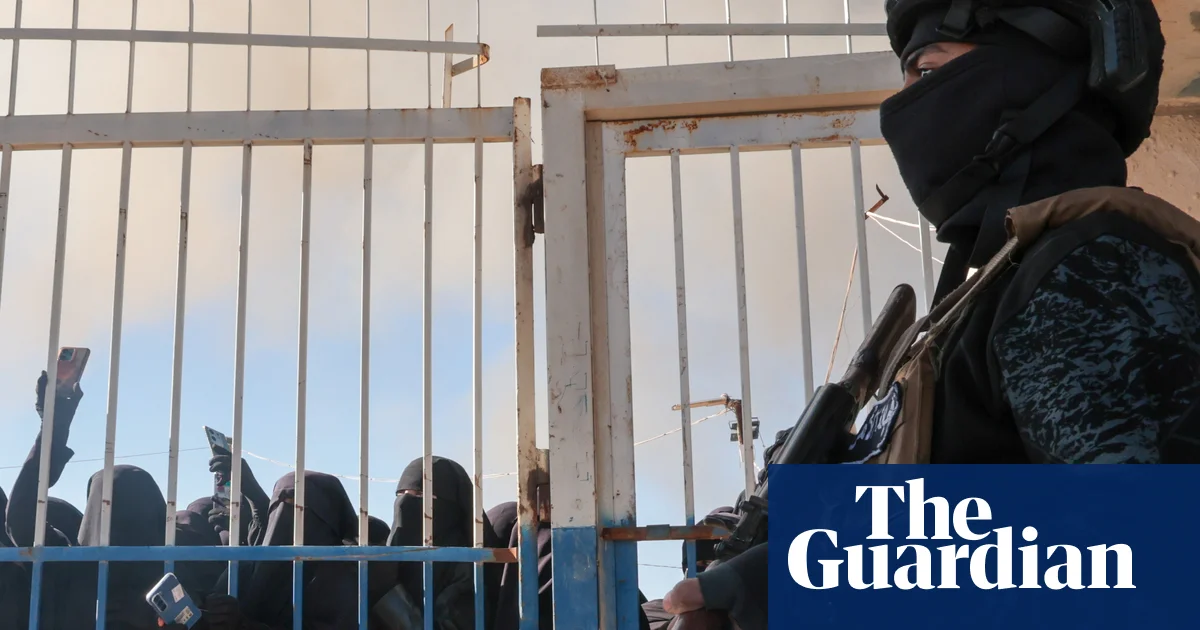
Amidst the tumultuous landscape of north-east Syria, a crisis of monumental proportions is unfolding, with consequences that reverberate across the geopolitical spectrum. Western officials, closely monitoring the deteriorating security situation, express grave concern over the resurgence of Islamic State militants (IS). The recent chaos involves a dramatic transfer of approximately 150 IS fighters from a frontline prison in Hasakah to Iraq, as the United States signals a readiness to evacuate up to 7,000 detainees. This move underscores the fragility of peace in the region and the peril that lurks within these unresolved conflicts, making it clear that the threat of a dangerous breakout remains alive—an alarming development for global security.

The chaos was fueled by a swift advance of Syrian government forces, which seized control of key prisons and camps housing former IS fighters and thousands of women and children connected to the terror network. The events led to an unprecedented change of hands over camps like al-Hawl, home to over 20,000 women from roughly 70 countries, highlighting the international dimension of this humanitarian crisis. Reports of escapes and a loss of control have amplified fears across Europe, where many of these foreign detainees pose a persistent threat. According to analysts such as Nanar Hawach from Crisis Group, the region is not witnessing a reborn caliphate but rather a dispersed insurgency rebuilding in the cracks—an insidious threat that could ignite anew if containment fails.

The geopolitical impact of these developments extends deeply into the strategic calculations of global players. The recent Washington decision to abandon support for the Syrian Democratic Forces (SDF)—long considered the primary anti-IS force on the ground—marks a pivotal shift. US special envoy Tom Barrack emphasized that the US’s primary partner in holding down IS had shifted towards reliance on the Damascus regime, led by President Ahmed al-Sharaa. Such a move signals a strategic recalibration, as Washington appears to prioritize stability over ideological affinity, even if it means tacitly endorsing the Assad regime’s evolving authority. This shift not only impacts the balance of power but also risks empowering insurgent networks and prolonging chaos, which analysts warn could destabilize the entire region further.

The ongoing conflict, marked by rapid territorial gains by Syrian government forces and fragile ceasefires, continues to ripple through the region’s delicate mosaic of alliances and enmities. Despite the official cessation of hostilities, the collapse of the ceasefire and the rapid advances by Assad’s forces threaten to escalate into a wider confrontation, with Kurdish factions caught in the middle. As the international community watches with concern, the fate of camps like al-Hawl remains uncertain, burdened by resource shortages and the inability of the Syrian government to fully manage the complex humanitarian demands. Experts like Hawach warn that managing these camps and preventing the resurgence of insurgent elements is complicated by institutional weakness—an issue that could undermine any efforts toward stabilization.

As history unfolds in the shadows of war, the fate of north-east Syria hangs in the balance. With alliances shifting and the specter of chaos lurking, this volatile corner of the Middle East embodies the high stakes and profound consequences of modern geopolitical decisions. Whether this crisis escalates into a renewed caliphate or spirals into broader regional destabilization, the world bears witness to a chapter where the weight of history continues to be written in the dust and violence of a land scarred by decades of conflict—an uncertain future that demands vigilance, resolve, and a careful understanding of the intricate webs that bind nations together in this stage of relentless upheaval.

Social Media Auto Publish Powered By : XYZScripts.com