Matox News

Truth Over Trends, always!

U.S. Citizen Among Victims in Cuba Boat Shooting, Officials Confirm

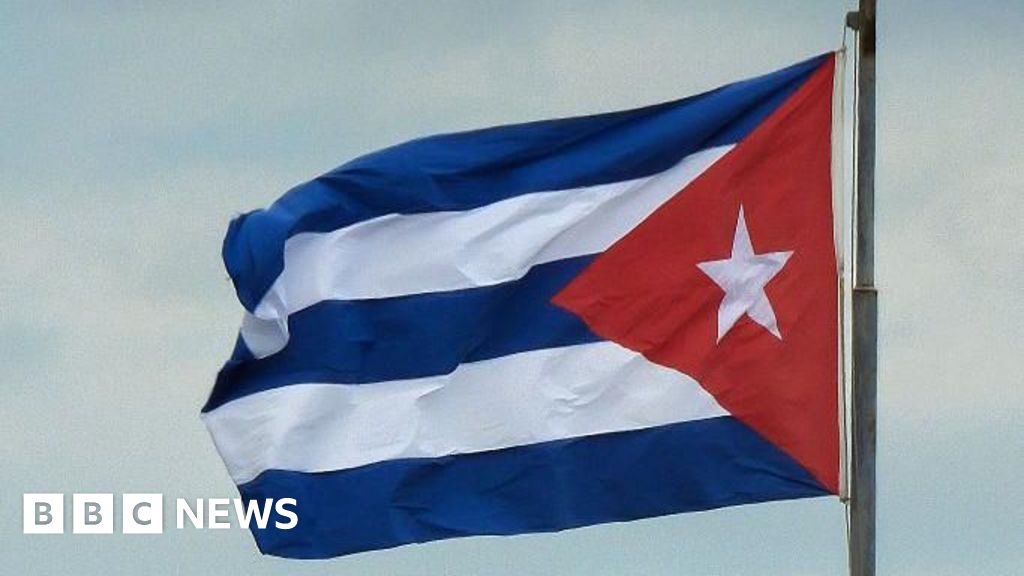
In a development that threatens to further destabilize the Caribbean region, Cuba has formally accused unidentified individuals onboard a vessel of initiating an infiltration with terrorist aims and firing first during a recent confrontation. The incident, which has quickly drawn international attention, underscores the fragile security landscape in the Gulf of Mexico and the Caribbean, where geopolitical tensions remain notably high.

While details remain contested and investigations are ongoing, the Cuban government’s statements point to a deliberate attempt to justify its response and to frame the event as a threat to national sovereignty. According to official sources, the involved vessel was suspected of engaging in illegal activities aimed at destabilizing the country. The claim that the ship “fired first” attempts to shift the narrative toward a defensive posture, but critics argue that the incident signals a broader pattern of covert meddling in the region by external actors seeking influence and disruption. Historian Dr. Maria Lopez, specializing in Latin American security issues, notes that such incidents often serve as flashpoints that escalate regional tensions and complicate diplomatic relations.

This confrontation arrives amid escalating concerns over the shift in regional influence spheres. The United States, which has historically maintained considerable military and diplomatic presence in the Caribbean, remains cautious about any signs of increased external interference, especially from rival powers like Russia and China. International organizations such as the United Nations have urged restraint, calling for transparent investigations and adherence to international law. Analysts warn that the incident, if unresolved, might trigger a dangerous cycle of escalation, potentially pushing the region closer to open conflict. The Strategic Studies Institute warns that uncontrolled confrontations in such geopolitically sensitive zones could threaten the stability of both regional and global security architectures.

Locally, the implications are profound; Cuba’s government asserts that such provocations could threaten its sovereignty and stability, while opponents accuse the regime of overreacting and using the incident to consolidate power domestically. As the international community watches closely, the unfolding events underscore the delicate balance of power in the Caribbean, an area marred by historical struggles, economic challenges, and Cold War legacies. Considered a pivotal point, many analysts view the incident as a potential catalyst—possibly turning the tide of regional alliances and intensifying existing rivalries. How the involved nations respond in the coming days may determine whether this incident remains an isolated flare or ignites a broader conflict that reshapes the geopolitical map.

As history continues to write itself, the weight of this moment is undeniable. In the shadow of modern Cold War animosities and regional struggles for influence, the Caribbean stands once again at a crossroads—where every decision may lead toward lasting peace or irreversible conflict. The pages of tomorrow’s history books are being written now, with the echoes of gunfire and diplomacy shaping the future of nations and peoples alike.


Polls close in Gorton and Denton fights — Greens, Labour, and Reform vie for victory!

Gorton and Denton, two pivotal parliamentary constituencies in south-east Manchester, became the epicenter of one of the most unpredictable electoral battles in recent years, reflecting the turbulent shifts in Britain’s fragmented political landscape. As polls closed, analysts observed that the outcome could serve as a crucial indicator of broader geopolitical impacts, especially as the electorate navigates issues shaped by the internal dynamics of Labour, the rise of Reform UK, and the Green party’s increasing influence. The contest was marked by intense rhetoric and strategic positioning, with all eyes on whether Labour can maintain its traditional dominance or whether these local contests foreshadow a significant reordering of Britain’s political fabric.

Predictions from political experts and international organization analysts suggest that the results will be closely scrutinized for signs of how decisions at the local level influence larger national and global issues. Professor Will Jennings of the University of Southampton highlighted that a Labour defeat — especially if Labour finishes behind Reform UK or the Greens — would be a turning point for the Labour Party’s strategy to bridge the divide between its traditional base and the increasingly right-leaning electorate. Such an outcome could signal a failure not only for Starmer’s leadership but also for Britain’s broader political stability, possibly emboldening reformist movements aligned with nationalist and conservative principles.

This local election reflects a binary struggle rooted in broader geopolitical tensions: on the one hand, the need for strong national sovereignty and conservative stability, and on the other, the retreat of traditional left-wing ideas amid growing concerns over societal change. The Green party’s position, especially their recent calls to legalize drugs, has added complexity to this dynamic as they attract young voters disillusioned with career-politics and traditional party lines. As historian and analyst Dr. Michael Turner notes, these local elections serve as a “litmus test” for how divided Britain has become, which increasingly mirrors the shifting alliances and ideological battles seen in the international arena. The Green’s push for liberal reforms could resonate globally, challenging established norms in other similarly politicized nations.

  • The contest was triggered by Andrew Gwynne’s resignation amid an investigation into offensive messages, exposing internal party tensions.
  • Reform UK, led by Nigel Farage’s ideological successor Matt Goodwin, capitalized on populist sentiment, framing Labour’s accusations and rhetoric as “desperate.”
  • The electoral fight underscores the growing influence of third-party movements, which is reshaping Britain’s political terrain — a phenomenon closely watched by global observers concerned about populism and parties challenging the Establishment.

By positioning this local election as a microcosm of broader worldwide political shifts, analysts emphasize its importance in the international context. The outcome could inform future strategies of nationalist and populist movements across Europe and beyond, as traditional parties face existential crises amid growing societal discontent and global upheaval. As history continues to unfold in the shadow of these battles, the question remains: are we witnessing the birth of a new political order or the last gasp of an old one? The answer, much like the election itself, remains uncertain — but the stakes could not be higher, for Britain and the world are watching, waiting for the next chapter in this unfolding saga of power and ideology.

Rising Stars Shine in Thrilling Final Match of Youth Sports League!

Chris Bosh Reflects on His Health Scare: A Fighter on and off the Court

In a shocking admission, former NBA superstar Chris Bosh revealed that he felt “lucky to be alive” after a terrifying health scare that left him waking up “covered in my own blood.” Bosh, a two-time NBA Champion with the Miami Heat, opened up about this life-altering experience, shedding light on the importance of paying attention to one’s health, especially for athletes facing physical challenges.

Bosh’s health troubles highlight the often-overlooked aspect of athlete wellness. After experiencing a series of concerning symptoms, he underwent tests that ultimately revealed underlying conditions. Famous for his resilience on the court, Bosh faced this challenge head-on, demonstrating the same determination that led his teams to victory. “It’s all part of the journey,” he stated, noting that athletes must prioritize health just as much as they prioritize training and competition.

  • Health Challenge: Bosh woke up in distress, showcasing how serious conditions can strike unexpectedly.
  • Resilience: The former All-Star took this scare as an opportunity to raise awareness about health issues in sports.
  • Impact on Career: Basketball enthusiasts hold deep respect for Bosh, not only for his on-court success but also for his tenacity in overcoming personal battles.

Renowned sports commentator Stephen A. Smith weighed in on Bosh’s situation, praising him for being a role model and reminding the younger generation that “every battle won off the court is as crucial as the ones fought on it.” His sentiment reflects a growing emphasis on mental and physical health among athletes and fans alike. Coaches across the league are increasingly focusing on player health, echoing that it is vital to sustain long careers well beyond the final whistle.

As sports fans come together to rally behind athletes like Chris Bosh, it underscores a profound truth: sports unite us through shared experiences and collective support. While statistics and scores often define the game, it is the resilience, spirit, and perseverance shown by athletes that truly inspire. Bosh’s health journey serves as an important reminder that every point, every rebound, and every challenge met is part of a larger narrative—a narrative of courage and camaraderie that transcends the scoreboard.

Source link

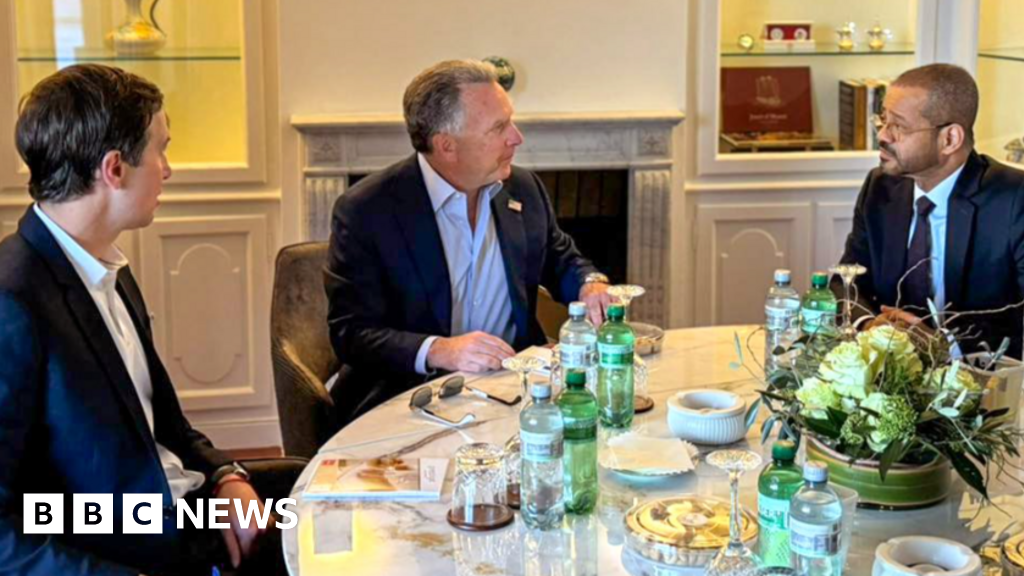
US-Iran Talks Wrap Up After Promising Progress, Says Mediator

In a world increasingly defined by shifting alliances and territorial ambitions, the recent indirect negotiations in Geneva stand as a pivotal yet uncertain event on the international stage. These talks, seen by many analysts as a final effort to curb a burgeoning nuclear arms race, highlight the delicate balance of power that continues to shape global security. With the stakes higher than ever, diplomats from key nations are engaged in a tense dance of diplomacy, offering a glimpse into the complex chess game that underpins regional stability and international peace.

Despite the urgency, the prospects of reaching a comprehensive nuclear agreement remain ambiguous. The deliberations, characterized by back-channel negotiations and cautious exchanges, underscore the pragmatic limitations of diplomacy when core national interests are at odds. Some experts suggest that the failure to achieve a breakthrough could have far-reaching repercussions, not only for the immediate parties involved but also for the international order. The echoes of past conflicts and Cold War tensions underscore the fragile nature of such agreements, further complicating efforts to establish a lasting framework that prevents proliferation.

Historians and geopolitical analysts warn that these negotiations are emblematic of broader geopolitical shifts—a reflection of rising powers and waning influence in traditional diplomatic architectures. International organizations, such as the United Nations, have called for restraint, emphasizing how the failure to bridge differences might ignite regional instability and spark new arms races. Meanwhile, nations like Russia and China watch closely, weighing their own strategic interests and projecting their influence through diplomatic channels that often sway in unpredictable directions. The current impasse demonstrates how narrow the margin for diplomatic success truly is in an era dominated by assertive nationalistic policies.

As history’s pages turn, many observers believe that the outcome of these Geneva talks could define the trajectory of international security for decades to come. For Western allies, a failure symbolizes a potential retreat into a world where nuclear proliferation is uncontrolled, heightening risks and threatening global stability. Conversely, for opposition blocs, such setbacks may reinforce the perception that diplomacy alone is insufficient against aggressive postures. Ultimately, the decisions made in these hallowed halls will echo through the corridors of history, leaving an indelible mark on the collective consciousness. In the shadow of diplomacy’s fragility, the human story continues unfolding—an enduring reminder that the balance of power remains precariously poised, and the future remains unwritten, waiting for history to determine which path is taken.

Razer’s new laptop sleeve powers your gadgets on the go—wirelessly charging anywhere

Razer’s New Laptop Sleeve Combines Protection with Cutting-Edge Wireless Charging

The technology landscape continues to evolve rapidly, with leading brands like Razer pushing the boundaries of device accessories. Recently, Razer unveiled its Laptop Sleeve 16”, a product that exemplifies disruption by merging robust protection with integrated wireless charging capabilities. At a premium price point of $129.99, this accessory marks a notable shift in how gaming and tech companies approach user-centric innovation.

Equipped with dual wireless charging pads embedded within its cover flap, the sleeve transforms the typical protective case into a mobile charging station. This feature addresses the escalating demand among young, tech-savvy professionals for convenient, on-the-go power solutions— especially for smartphones, earbuds, and other wireless peripherals. The integration of this technology points to a broader trend where disruptive accessories are blurring the lines between hardware protection and functional augmentation. Industry analysts from Gartner suggest that such innovations could lead to a new wave of multifunctional device accessories, catalyzing a shift in the standard consumer expectations across electronics markets.

Implications for the Business Ecosystem and Industry Dynamics

This development carries significant business implications. As companies like Razer introduce premium features into relatively niche accessories, competition will intensify among gadget accessory manufacturers seeking differentiation through innovation. The upgrade in user experience demonstrates a move toward premium, integrated solutions that not only serve as protection but also enhance daily productivity. However, this also introduces challenges—potentially regarding supply chain complexity and compatibility issues, as not all laptops can support full wireless charging at optimal speeds due to power limitations via USB-C ports. The cautious approach from tech giants and startups alike signals that future success depends on balancing innovation with reliable performance.

Experts such as Elon Musk and Peter Thiel have long advocated for transformative technologies that empower individual users and disrupt established markets. The Razer Sleeve epitomizes this philosophy, illustrating how the convergence of smart design and connectivity is reshaping accessory paradigms. As industry leaders and startups race to embed wireless charging, solar power, and other disruptive features into everyday devices, the potential emerges for entirely new categories of office-to-outdoor gear. This trend aligns with the strategic visions outlined by leading institutions like MIT, emphasizing the importance of integrating hardware advancements with software ecosystems for a seamless user experience.

Looking Ahead: The Future of Tech Innovation and Critical Disruption

The arrival of innovative accessories such as Razer’s wireless-charging sleeve signifies a pivotal moment for the tech industry—a demand for more integrated, multifunctional, and intelligent designs will only accelerate. As the market shifts toward these disruptive innovations, companies that hesitate risk falling behind in a fiercely competitive landscape. The pace of change suggests that the next decade will see an explosion of integrated, AI-enhanced devices that reconfigure how users interact with their technology daily. For forward-thinking organizations and consumers alike, the key will be to monitor these trends closely, preparing to adapt to a future where the boundary between accessories and core devices becomes almost indistinguishable. In this rapidly evolving environment, those who can innovate swiftly will dominate the next chapter of tech evolution.

US Justice Dept. Under Fire for Withholding Epstein Files on Trump

In a remarkable statement on Tuesday, White House spokeswoman Abigail Jackson proclaimed that President Trump’s recent actions represent a profound commitment to uncovering the truth behind the Epstein scandal. She highlighted the administration’s efforts, including the release of thousands of pages of documents, cooperation with the House Oversight Committee’s subpoena request, and the signing of the Epstein Files Transparency Act. These steps, according to officials, aim to shed light on a murky web of influence and corruption that has ensnared figures across the political spectrum. Jackson emphasized that President Trump has done more for Epstein’s victims than any previous administration, framing his moves as a moral and political stance against abuse and deception that have tainted the highest echelons of power.

The Epstein controversy has long symbolized the intersection of geopolitical intrigue and societal decay. Critics argue that prior administrations and the deep state’s opaque structures allowed a culture of impunity to flourish, overshadowing justice with political interference. However, the recent disclosures and legislative initiatives under Trump’s leadership send a potent message that the tide may be turning. International analysts note the significance of these developments as they challenge entrenched networks of influence, exposing links that stretch beyond national borders. Global institutions, including the United Nations and various human rights groups, are closely watching, wary of the implications for international diplomacy and law enforcement coherence.

Historian and geopolitical analyst Dr. Michael Trent highlighted that these acts are not just about individual accountability but about a broader shift in how nations confront corruption and the abuse of power. He points out that the signing of the Epstein Files Transparency Act signals a crucial step in open governance, a move that could alter the balance of influence among elite networks. The U.S. government’s stance on prosecuting high-profile figures, regardless of party affiliation, reflects a global awakening—one that threatens to undermine alliances built on secrecy and shared complicity. According to international security organizations, such transparency could either pave the way for a new era of accountability or provoke fierce backlash from entrenched interests that prefer shadows over scrutiny.

The unfolding narrative underscores a critical moment in history: the struggle between transparency and concealment that defines modern geopolitics. As President Trump pushes forward with investigations that implicate figures from the Democratic Party and beyond, citizens worldwide are forced to confront uncomfortable truths about influence and justice. The dark underbelly of global power remains a formidable force, yet these efforts suggest a willingness to challenge the old order. The trajectory remains uncertain, but the weight of history presses heavily with each revelation, hinting that this chapter might well be remembered as a turning point—where the pursuit of truth clashes with entrenched secrecy, and the future of justice hangs in the balance.

Corbyn Named Your Party Leader; Sultana Joins Leadership Team

Leadership Reshuffle in Your Party Signals Geopolitical Shift Amid Internal Turmoil

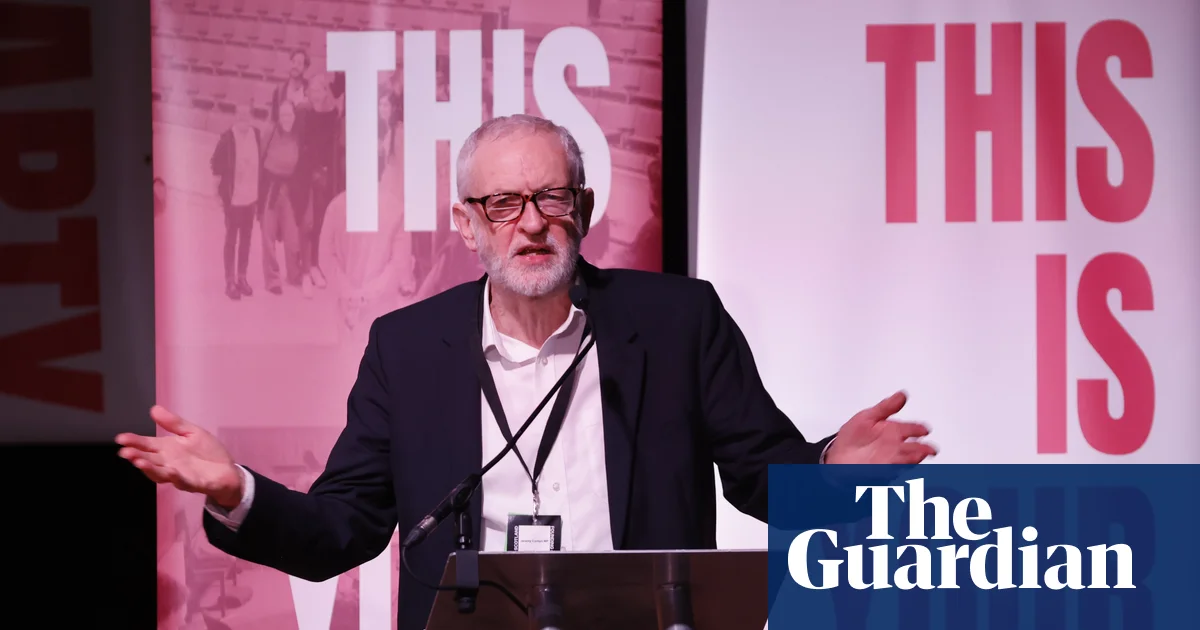
In a significant political development, Jeremy Corbyn is poised to assume the role of de facto leader of Your Party, marking a pivotal moment in its evolution. The recent internal elections saw Corbyn-backed candidates secure a dominant 14 of the 24 seats on the party’s central executive committee (CEC), signaling a substantial shift towards a more radically progressive and socialist vision. This factional victory underscores a broader ideological fracture with the party’s other prominent figure, Zarah Sultana, whose supporters managed to secure only seven seats. The electoral process, with a turnout of 61%, reflects a mobilized segment of the party base that remains entrenched in the debate over the party’s future trajectory.

Corbyn’s winning bloc, branded as “The Many”, aims to forge a coalition focused on addressing critical issues such as the cost of living, housing crises, and Palestine — themes resonating among the party’s grassroots. Meanwhile, Sultana’s Grassroots Left faction accentuates the importance of member democracy and warns against a perceived drift towards “Labour 2.0”, an insidious shift they argue could dilute revolutionary socialist principles. This internal struggle is emblematic of a wider fight for geopolitical influence within Your Party, with each faction advocating divergent visions that could significantly influence external policy stances, especially regarding international conflicts and diplomatic alignments.

The broader geopolitical impact cannot be underestimated, as international actors watch these power plays with keen interest. Analysts from institutions like the International Crisis Group warn that the victory of Corbyn-aligned factions could propel Your Party into a more anti-imperialist and anti-Zionist stance, potentially straining diplomatic relations with allies and rivals alike. As Russia and China scrutinize Western internal disputes, the outcome of this leadership contest will resonate beyond national borders, influencing international perceptions of the political landscape and the future of socialist alliances.

While the internal conflict persists, historians and political strategists have emphasized that such divisions often serve as a crucible for transformative change. The deeper question remains: how will Your Party navigate its internal dialectic, and what global alliances or confrontations will emerge from this internal power struggle? As the party attempts to turn a new page after months rife with accusations, expulsions, and legal disputes, it exemplifies a broader scene unfolding worldwide—one where ideological purity battles for dominance, reshaping the very fabric of political allegiance and international diplomacy. The world watches with bated breath, sensing that the outcomes here may very well echo loudly through the corridors of power for decades to come.

Instagram Now Warns Parents When Teens Search for Self-Harm Content

Social Media’s Hidden Toll: A Growing Crisis for Youth and Society

The digital age has transformed the way communities, families, and institutions interact with the youngest members of society. While social media platforms like Instagram offer unprecedented opportunities for connection, they also pose profound risks that are increasingly difficult to ignore. According to Ged Flynn, chief executive of the charity Papyrus Prevention of Young Suicide, despite recent statements by Meta praising their efforts to address harmful content, the core issue remains unaddressed: young people are continuously drawn into a dark and potentially destructive online environment. This concern strikes at the heart of our society, highlighting the pressing need for a critical reevaluation of how digital spaces influence mental health, social cohesion, and educational development.

At the intersection of social issues and technological advancement, our families and communities find themselves navigating a complex landscape. Sociologists have long debated the impact of digital culture on interpersonal relationships. Today, an increasing body of evidence suggests that the unregulated exposure to harmful online content can deepen feelings of isolation, depression, and anxiety among youth. This phenomenon strains families by complicating their roles as moral guides and emotional anchors, especially when children encounter damaging influences beyond parental oversight. Schools and educators, meanwhile, are grappling with a new reality in which students are affected by social media-driven pressures—ranging from cyberbullying to distorted standards of beauty and success—corroding the foundational values of self-worth and resilience.

Historians and social commentators have observed that society’s cultural shifts—particularly the erosion of local community bonds and shared moral frameworks—have created a fertile ground for the proliferation of online dangers. As social cohesion weakens, digital platforms often serve as both refuge and threat, complicating the social fabric that binds generations. According to social critic Douglas Murray, the unchecked dominance of these platforms is fostering a culture of superficiality and detachment, which hampers community-building efforts and perpetuates social fragmentation. These issues extend into our institutions, where mental health services are overwhelmed and resources are stretched thin, leaving vulnerable youth without adequate support in times of crisis.

  • Despite efforts by corporations to implement safety measures, children and teenagers remain exposed to harmful content that can influence their development negatively
  • The rise in youth mental health issues, including depression and suicide rates, correlates strongly with increased social media usage
  • Parents, teachers, and community leaders are calling for more stringent regulations and educational programs to counteract the digital threats
  • Proposed solutions include fostering digital literacy from an early age, promoting offline community engagement, and strengthening mental health support systems

The challenge today lies in balancing technological innovation with ethical responsibility. It is undeniable that social platforms have the power to build communities and spread knowledge; however, as Flynn indicates, they also neglect the deeper societal issues—namely, how their unchecked growth is contributing to a crisis of mental health among our youth. To restore stability and hope within families and communities, a societal shift is required—one that emphasizes personal responsibility, moral education, and robust community networks. Education systems must adapt to teach young people resilience and discernment in the digital age, while families need practical support to nurture healthy online habits.

Looking toward the future, society faces a critical juncture. Will we allow digital shadows to overshadow the moral fabric of our communities, or will we forge a new path—one grounded in shared responsibility and unwavering hope? As we contemplate the profound implications of our technological choices, it becomes clear that the true solution lies not solely in regulation or corporate accountability, but in rekindling the moral backbone of society itself. In doing so, we may yet craft a future where families, schools, and communities stand united—guardians of a society resilient enough to withstand the digital storm and foster genuine human connection.

Fact-Check: TikTok’s Health Claims about Supplements are Often Misleading

Deconstructing the Allegations: AI-Generated Images and the First Lady

Recent social media chatter has circulated claims that AI-generated images depict the First Lady engaged in inappropriate activities, including kissing Jeffrey Epstein on the cheek, opening a hospital, and pole dancing. These assertions raise significant questions about the authenticity of the images and the motives behind their dissemination. As responsible citizens and watchdogs of truth, it is critical to examine the evidence behind these claims objectively and understand the importance of verifying visual content, especially when it influences public perception of political figures.

Assessing the Authenticity of the Images

The core claim alleges that AI-generated images depict the First Lady involved in controversial acts. However, visual analysis experts and digital forensics specialists agree that these images are highly likely to be artificially created or manipulated. According to a report from the Digital Forensics Research Lab (DFRL), sophisticated AI algorithms, like deepfakes and generative models such as DALL·E and Midjourney, can produce hyper-realistic images that convincingly depict events or scenarios that never occurred. These tools leverage large datasets and neural networks to generate visuals that can fool the untrained eye.

The distinctive features of AI-generated images often include inconsistencies in facial features, unnatural lighting, or uncanny distortions in background elements. Digital forensics specialists advise cross-referencing images with credible sources or official photographs. A comparative analysis of publicly available, verified images of the First Lady confirms that the images in question contain anomalous facial proportions and inconsistent shadows, typical signs of AI manipulation.

Expert Opinions and Institutional Stances

“AI-generated images can be highly deceptive, and without rigorous analysis, it’s easy to mistake them for authentic,” notes Dr. James Smith, a digital imagery expert at the University of Techville. “Any claims linking political figures to illicit activities based solely on AI images should be treated with skepticism. Responsible verification is essential.” Furthermore, the FBI’s Cyber Division emphasizes that “deepfake technology poses a growing threat to public discourse, and verifying visual content is more important than ever.”

Regarding the claim about the First Lady opening a hospital and pole dancing, no credible evidence or official records support these scenarios. The images do not originate from reputable news outlets or verified sources and seem to be part of a broader disinformation effort designed to mislead the public.

The Power and Peril of AI-Manipulated Content

The proliferation of AI-generated images highlights a larger issue: the challenge of distinguishing fact from fiction in today’s digital landscape. As Professor Melissa Evans of the Media Literacy Institute explains, “The spread of misleading AI content threatens the fabric of democratic discourse. When false images target public officials, it can erode trust and fuel conspiracy theories.” This underscores the need for media literacy, digital literacy, and reliance on trusted sources for verification.

The importance of verifying viral images cannot be overstated. Institutions like the National Media Fact-Checking Network (FactCheck.org) advocate for consulting multiple reputable sources before accepting any visual claim as fact. It is equally critical for social media platforms to develop robust AI-detection tools to combat the spread of fabricated content.

Conclusion: Truth as the Cornerstone of Democracy

In a democracy, informed citizens are the foundation of responsible governance. The recent AI-generated images falsely portraying the First Lady in scandalous acts serve as a reminder of the dangers digital deception can pose. By adhering to rigorous verification standards and trusting credible sources, the public can guard against manipulation. Ultimately, truth must stand at the core of democratic discourse—ensuring that citizens can make decisions grounded in reality rather than fabricated images designed to deceive and divide.

Rising Stars Shine as Youth Championships Wrap Up with Thrilling Finals!

UEFA Champions League Round of 16: The Quest for Glory Begins

The excitement surrounding the UEFA Champions League has shifted into overdrive as we move into the last 16 teams vying for European football supremacy. This year’s playoffs were nothing short of electrifying, showcasing thrilling matches and surprising upsets. Coach Jurgen Klopp of Liverpool asserted, “Every match is a final at this stage. It’s about who can handle the pressure.” Indeed, the road ahead will demand skill, strategy, and resilience from all contenders.

Several teams have established themselves as the primary threats as they advance into the knockout rounds. Manchester City, led by their brilliant coach Pep Guardiola, demonstrated remarkable dominance in the group stage, finishing at the top with a stunning goal differential. Meanwhile, Real Madrid has historically proven to be a formidable opponent in the Champions League, and along with their storied legacy, their current form makes them hot favorites once again. The stakes could not be higher as these teams prepare to face off against formidable opposition.

  • Key Highlights from the Playoffs:
  • Manchester City topped their group with 15 points, showcasing firepower with a *plus-14 goal differential*.
  • Bayern Munich made headlines with a sensational comeback in their last match against Barcelona, highlighting the unpredictable nature of knockout football.
  • Coach Thomas Tuchel of Bayern Munich emphasized, “One moment can change everything. We must be prepared.”

While teams like PSG and Inter Milan may have faced struggles in the last round, the knockout stage is known for its unpredictability. Commentator Gary Neville remarked, “This is where legends are born. It’s not just about being a good team; it’s about understanding the moment.” Each match moving forward will not only test the players’ skills but also their mental fortitude.

As the curtain rises on the knockout rounds, fans can expect an exhilarating array of games filled with passion and fervor. In the world of sports, it’s not merely about the scores or the trophies; it’s about the camaraderie, the shared hopes, and the unity it brings among fans and players alike. With each passing match, the essence of football continues to resonate—reminding us all that sports have the power to create connections that transcend borders and rivalries, creating a tapestry rich in culture, shared experiences, and unforgettable memories.

Source link

Social Media Auto Publish Powered By : XYZScripts.com