Matox News

Truth Over Trends, always!

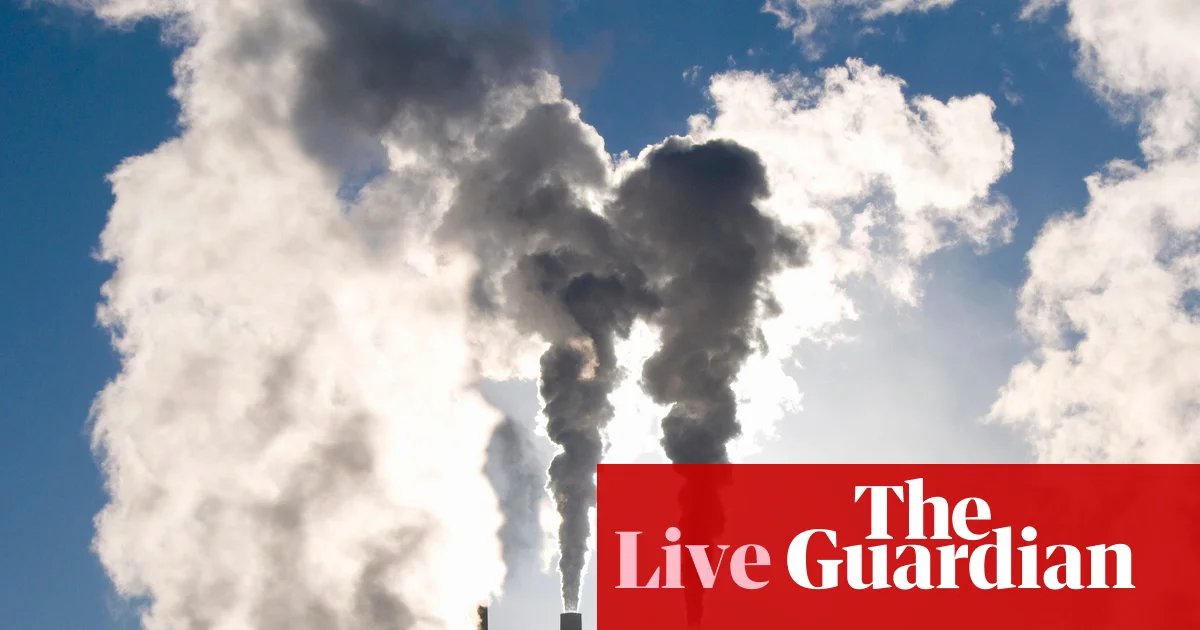
Six Key Impacts of Trump’s New Climate Policy Shift

In a landmark development on Thursday, a sweeping policy change has effectively dismantled the legal foundation that supported much of United States environmental legislation. This move signals a dramatic pivot in the nation’s approach to environmental regulation and heralds a new era where economic priorities seemingly outweigh ecological concerns. The decision has ignited fierce debates among policymakers, environmental advocates, and global observers, each scrutinizing the long-term implications for both domestic ecological health and international climate commitments.

Recognized by many analysts as a pivotal moment, the removal of this legal bedrock marks a significant setback for global efforts to combat climate change. Historical perspectives, such as those provided by environmental historians and international organizations like the United Nations Environment Programme, caution that weakening legal protections in one of the world’s largest economies could undermine multilateral agreements and global progress. Critics argue that this shift is not merely a domestic policy change, but a de facto signal to the world that America is retreating from its leadership role in environmental stewardship. Meanwhile, supporters contend that this move restores national sovereignty and prioritizes economic growth over global environmental mandates—an ideological battle that will echo across decades.

The geopolitical impact of this decision extends beyond American borders. As the world’s second-largest emitter of greenhouse gases, US policies hold sway over the effectiveness of international climate strategies. With the withdrawal or weakening of environmental protections, nations dependent on American leadership now face increased uncertainty in their own climate and energy policies. European leaders, often seen as advocates for stricter environmental standards, have voiced concern that this development may weaken global commitments. The G20 and other multinational institutions are now recalibrating their strategies, aware that the US’s policy trajectory influences economic and environmental stability worldwide.

Many international analysts point to this shift as part of a broader political realignment. As noted by geopolitical experts at the Council on Foreign Relations, decision-makers are increasingly placing national interests above multilateral agreements, a stance that carries profound implications for humanity’s collective future. Some worry that this decision marks a turning point where individual countries prioritize short-term gains over long-term sustainability—an act that could distort global efforts toward a resilient and sustainable planet. As history reaches a new chapter, the choices made today will undoubtedly serve as a defining moment—either sparks for renewed international collaboration or catalysts for deeper divisions with consequences yet to be fully realized.

In the shadows of this decisive move, the weight of history remains palpable. Nations and societies stand at a crossroads—where the future of environmental stewardship may be shaped by the decisions of today. Will this new chapter propel the world towards greater ecological resilience, or will it accelerate a descent into global fragmentation? The answers lie ahead, carved into the uneven terrain of geopolitical ambition and human resolve, as the story of our planetary fate continues to unfold amidst the relentless march of history.


Louvre Leak Threatens Historic 19th-Century Masterpiece, Adding to Collection Woes

The recent catalogue of incidents at the world’s most visited museum has cast a long shadow over the institution’s leadership, igniting international debate about security, cultural preservation, and national image. This series of setbacks, spanning thefts, unauthorized access, and preservation failures, underscores the fragile balance between public engagement and safeguarding invaluable cultural heritage. Experts and international observers have begun scrutinizing the decision-making processes that allowed such incidents to occur, emphasizing that the repercussions extend far beyond the museum walls.

Historically, major cultural institutions serve as symbols of national identity and soft power. When incidents compromise their integrity, the geopolitical impact ripples across borders. Leaders from Franco-German alliances, to Asian-Pacific partners, recognize these sites as vital to projecting historical narrative and cultural influence. Therefore, the recent mismanagement invites questions about whether these institutions are genuinely protected from evolving threats, including terrorism, illicit trafficking, or digital vandalism. Analysts warn that ongoing vulnerabilities could be exploited by hostile state or non-state actors eager to tarnish a nation’s reputation, while also attempting to erode public trust in state institutions.

Adding to the seriousness, international organizations—such as the United Nations Educational, Scientific and Cultural Organization (UNESCO)—have issued formal statements. They emphasize that the protection of cultural heritage is an obligation that transcends national borders. The incidents have prompted calls for stricter security protocols, technological upgrades, and tighter inter-agency cooperation. Some historians, like Dr. Elizabeth Rowe, warn that such crises serve as a stark reminder of how societal complacency can threaten the preservation of history itself. The collective failure to anticipate or prevent these episodes risks setting a dangerous precedent for future generations.

In a broader context, these failures highlight a critical juncture in how nations view the stewardship of the past amid a rapidly changing geopolitical landscape. The world is watching as governments grapple with an array of threats—from digital espionage to physical sabotage—and the way they respond will shape the future of cultural diplomacy. As history unfolded on the floors of this famed institution, it remains to be seen whether reforms will be sufficient to shield our shared heritage or if these incidents merely mark the beginning of a larger crisis. The weight of history presses down unrelentingly, leaving us with a sobering question: Will we learn from these lapses or watch as the torch of cultural memory is gradually dimmed by our own negligence?

Rising Stars Shine: Young Athletes Break Records at National Championships!

Top Premier League Clubs Eye Stankovic As Transfer Season Heats Up

In the fast-paced world of football transfers, interest is swirling around Aleksandar Stankovic, the talented midfielder from Club Brugge. Rumors have emerged that three of England’s leading clubs—Arsenal, Chelsea, and Manchester United—are keenly monitoring the situation as the transfer window approaches.

Stankovic, known for his exceptional vision and playmaking ability, has caught the eye of top scouts across Europe. Veteran commentator and football analyst, Peter Drury, remarked that “Stankovic possesses a rare blend of creativity and tenacity, making him a valuable asset for any squad.” With young talents reshaping the landscape of football, clubs like Arsenal aim to bolster their ranks with players who offer both present impact and future potential.

  • Stankovic averages 2.5 key passes per match, showcasing his attacking prowess.
  • Chelsea has been particularly interested, looking to reshape their midfield after a challenging season.
  • Manchester United sees Stankovic as a potential long-term solution to their midfield conundrum.

The speculation intensified when it was revealed that all three clubs have sent scouts to monitor Club Brugge’s fixtures. This air of anticipation highlights a pivotal moment not just for the player but also for the potential shifting of power within the Premier League. With gaining momentum, the transfer saga surrounding Stankovic could not only enrich the clubs involved but also reshape the fortunes of the teams in pursuit of silverware.

As the football world watches, the calls grow louder: the game is more than just a series of scores and standings. It represents teamwork, dreams, and the electrifying energy that ignites the passions of millions. As Arsenal, Chelsea, and Manchester United vie for Stankovic, we are reminded that while the scoreboard may reflect victories and losses, it is the journey—the shared hopes and aspirations of players and fans alike—that truly binds us. In the grand arena of football, every transfer story and passionate play strengthens the communal love for the game. Sports, after all, are a celebration of unity, transcending far beyond the pitch itself.

Source link

John Kerry slams Trump’s climate rollback as ‘dangerous and Orwellian’—a threat to America’s future

Across the United States and the world, recent developments reveal a resolute shift in geopolitical strategy, marked by aggressive policy changes and international diplomacy that could shape the global order for decades to come. The Biden administration has faced stark opposition from a rising tide of nationalist and conservative voices emphasizing strength, sovereignty, and economic independence. Concurrently, China under Wang Yi and President Xi Jinping is maneuvering through a tense landscape, seeking to assert influence amidst heated U.S.-China diplomatic exchanges at events like the Munich Security Conference. These international movements underscore an ongoing era of confrontation, where decisions in Washington and Beijing have far-reaching impacts that resonate beyond borders.

The recent decision by the Trump administration to revoke the endangerment finding—a foundational scientific assessment allowing the U.S. government to regulate emissions contributing to climate change—marked a significant policy reversal. Since 2009, this measure empowered the Environmental Protection Agency (EPA) to enforce emissions limits on vehicles and industry, anchoring the country’s environmental policy in climate science. By declaring this move “the largest deregulatory action in American history,” former President Donald Trump signaled a deliberate retreat from global climate commitments, opting instead for unrestricted fossil fuel expansion. Prominent voices like John Kerry condemned the rollback as “un-American” and warned that it deepens the climate crisis’s global toll, elevating risks not just for Americans but for vulnerable societies worldwide.

Analysts emphasize that such shifts are not isolated; they are part of a broader pattern of U.S. policy retraction that redefines geopolitical impact. The rollback signals a diminished US posture in the global climate arena, likely emboldening regimes like China and Russia that remain less committed to sustainable development. The decision also impacts international cooperation on environmental policy—a domain previously characterized by multilateral efforts like the Paris Agreement. According to renowned historians and geopolitical experts, these policy shifts risk isolating the U.S. diplomatically, while granting authoritarian regimes more leverage in global forums, ultimately challenging the prospects for a united front against climate destabilization. As forewarnings by climate scientists intensify, the impact on vulnerable populations in nations with fragile economies could be catastrophic, further fueling migration, conflict, and economic turmoil.

Meanwhile, strategic conversations at the Munich Security Conference reflect heightened tensions over international security and diplomacy. Secretary of State Marco Rubio’s meeting with his Chinese counterpart amidst rising trade and military rivalry exemplifies how competition between superpowers is escalating. With the U.S. poised to reset relations through a planned summit with Xi Jinping, the underlying question remains: who will shape the new global narrative? Historically, international organizations have called for cooperation, yet current decisions suggest a tilt toward assertive nationalism—a stance that forecloses avenues for peaceful resolution and international stability. Every policy decision—whether Trump’s tariffs rollback or ongoing U.S.-China negotiations—redefines the balance of power, affecting the very societies and economies caught in this anarchical chess game. As warned by seasoned strategists, the world now stands at a crossroads where history’s weight depends on whether nations choose confrontation or cooperation.

In the unfolding narrative of this new era, the choices made today will set the tone for future generations. As history’s pen continues to write the story of power, sovereignty, and survival, it becomes clear that every policy shift—whether aimed at environmental deregulation or diplomatic engagement—has ramifications far beyond immediate headlines. The global community must ponder: in a world teetering on the brink of profound transformation, which path will history remember? The answer, unresolved now, promises to echo through the corridors of power and the hearts of societies, etching a chapter that future historians will scrutinize—one that may determine the fate of civilization itself.

Tropical Cyclone Mitchell Braces Western Australia — Stay Safe, Aussies!

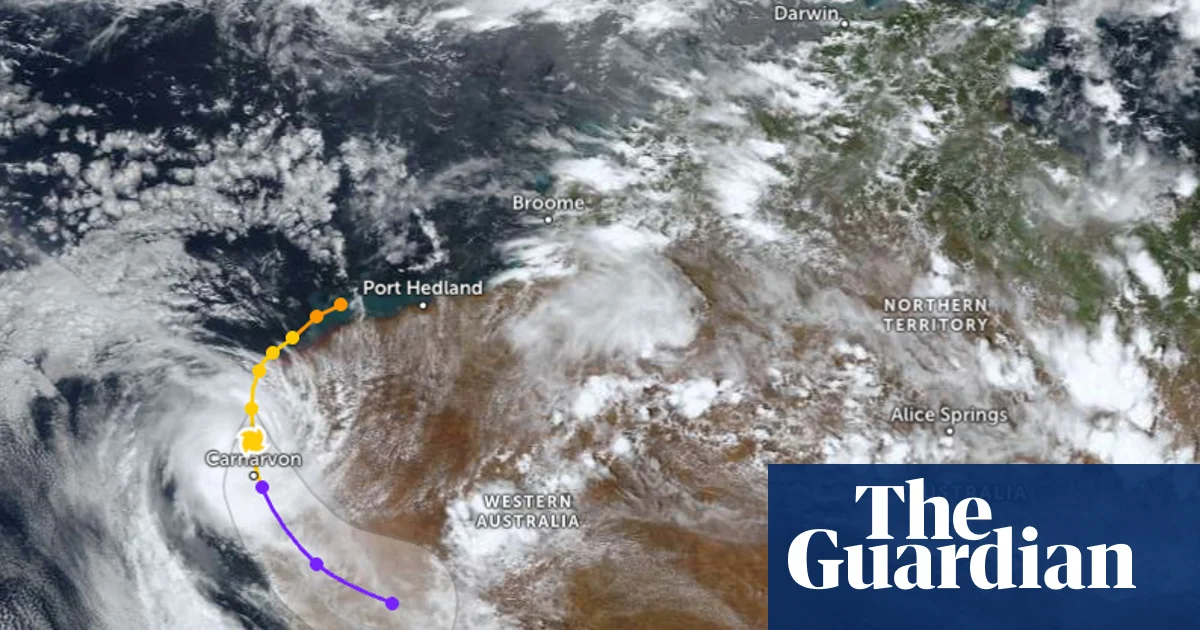
Recent events across the globe underscore the profound influence of climate dynamics on geopolitical stability and societal resilience. Western Australia bore the brunt of Cyclone Mitchell, a powerful storm fueled by rising sea temperatures. Originating as a weak tropical low over the Northern Territory in early February, Mitchell’s intensification to a category three cyclone highlights a troubling trend: the increasing frequency and ferocity of tropical weather systems driven by climate change. Such natural disasters threaten not only local economies but also regional security, as they strain infrastructure, displace populations, and demand international aid. The cyclone’s lingering moisture and subsequent heavy rainfall disrupted agriculture and trade corridors, illustrating how climate systems directly influence national stability and economic prosperity.

Meanwhile, the island of Madagascar faced its second devastating cyclone in less than two weeks. Cyclone Genzani struck with record winds of 155 mph, causing widespread flooding, destroying hundreds of buildings, and claiming at least nine lives. The impact of such storms extends beyond immediate casualties; they exacerbate ongoing humanitarian crises, displace communities, and threaten regional development. Analysts from the International Disaster Emergency Assistance warn that the recurrence of Cyclone Genzani follows the pattern of increasing intensity and frequency—phenomena attributed to the broader context of climate change. This relentless onslaught of nature’s fury underscores the importance of international cooperation in disaster preparedness and climate resilience, with nations like France and the United States providing aid and expertise to Madagascar.

In stark contrast, continental Europe experienced a sharp deviation in climate patterns, with persistent high pressure over northern regions fueling an unprecedented cold snap. The continent endured its coldest January since 2010, with temperatures plummeting into the -40s Celsius in Scandinavia. Experts suggest that this anomaly is a result of blocked weather patterns—a phenomenon that could have far-reaching geopolitical consequences. The chaos caused by the extreme cold, including canceled flights, strained energy supplies, and increased mortality rates, reveals vulnerabilities in Europe’s infrastructure and social systems. Countries like Finland and Poland reported record-high energy demands and tragic losses due to hypothermia. The prolonged cold and icy conditions have not only exposed weaknesses in emergency preparedness but also highlighted debates over energy security and climate policy—debates that are poised to shape Europe’s future amid shifting climatic realities.

Historians and international analysts warn that these climatic upheavals are no longer isolated phenomena but part of a complex web of challenges influencing global stability. The recent pattern of intense storms in the Indo-Pacific and extreme cold in Europe signals a geopolitical landscape increasingly shaped by climate uncertainties. Countries are forced to reconsider alliances, resource management strategies, and disaster response protocols. As the world witnesses nature’s fury, the question remains: will humanity adapt and forge a blueprint for resilience, or will it become another chapter in a story of unmitigated disaster? The unfolding narrative of climate and conflict continues to writhe beneath the surface of international diplomacy, reminding all that the weight of history is now resting heavily on the shoulders of today’s leaders—and the clock is rapidly running out.

Fact-Check: Claim about COVID-19 vaccine side effects is Misleading

Unpacking the Claim: AI-Altered Image Places Gun in Influencer’s Hands

Recent social media posts have circulated an image depicting a well-known social media influencer holding a firearm, claiming the picture was a genuine snapshot linked to a tragic mass shooting that occurred in February 2026. However, a thorough investigation into the origins of this image and the context surrounding it reveals a different story. Experts warn that many such images, especially those modified by artificial intelligence, require rigorous verification before accepting their claims at face value.

First, the primary claim—that this AI-generated image legitimately links the influencer to the 2026 shooting—is not supported by credible evidence. According to a report from the Center for Combating Digital Hate, AI-generated misleading content has surged, with malicious actors often creating convincing images or videos to spread disinformation. Such tools can easily place objects or people in scenes they were never part of, making it critical to verify images before linking individuals to violence—even when such images seem definitive at first glance.

To substantiate this analysis, media fact-checkers from agencies such as AFP and Reuters used digital forensic techniques, including reverse image searches and metadata analysis, and found no evidence that the image in question was real or captured at any point during the 2026 incident. Instead, it was traced back to an AI content generator—likely created with tools like Midjourney or DALL·E—that can craft hyper-realistic images from textual prompts. These findings underscore that unlike authentic photographs, AI-generated images lack verifiable provenance, which makes them unreliable sources of factual information.

Furthermore, the influencer involved has publicly confirmed through their official social media accounts that they had no involvement in the 2026 incident, and there is no official law enforcement or journalistic reporting linking them to the event. Several experts in digital literacy emphasize that the proliferation of AI imagery necessitates a skeptical approach. As Dr. Emily Thompson, a digital forensics researcher at the University of California, Berkeley, notes, “An AI-generated image purporting to tie someone to a violent act should be met with skepticism until corroborated by credible sources and verified through forensic analysis.”

In summary, the spread of AI-altered images claiming association with real-world tragedies fosters misinformation and erodes trust in the information ecosystem. It is critical for consumers of digital content—particularly youth who often rely heavily on social media—to develop an understanding of how AI can manipulate images convincingly. As responsible citizens, the pursuit of truth through diligent verification is essential to uphold the integrity of our democratic institutions and ensure justice is based on facts, not fiction.

Tenways’ sleek foldable e-bike: urban mobility just got smarter

Emergence of Chinese E-Bike Innovator Tenways in European Markets

In a compelling move that underscores the acceleration of disruptive innovation in mobility technology, Tenways, a Chinese e-bike manufacturer with its headquarters in the Netherlands, is rapidly gaining traction across Europe. Leveraging aggressive pricing strategies, sleek design language, and an expansive network of over 1,500 shops and service centers, the company exemplifies how emerging players are redefining the traditional e-bike landscape. While less recognized globally, Tenways’ strategic focus on cost-effective, high-performance offerings could challenge established European and American incumbents, opening a new frontier for technological innovation and market disruption.

Central to Tenways’ European success is their CGO Compact, an e-bike priced at €1,999—significantly below the average €2,681 typical for European electric bikes. This pricing edge is vital in an industry increasingly driven by affordability paired with technology. Featuring a 250W rear-hub motor mated with a maintenance-free Gates Carbon belt drive, the CGO Compact epitomizes simplified yet powerful design choices aligned with urban commuting demands. Its 500Wh removable battery delivers a range of up to 100 km—an attractive proposition for city dwellers seeking reliable, eco-friendly transport options. Notably, the bike incorporates advanced features such as an integrated torque sensor for smooth pedal assistance and Tektro hydraulic disc brakes, all embedded within a compact profile.

  • Affordability without sacrificing core performance
  • Integration of sophisticated sensor technology
  • Extensive service network supports consumer confidence

Despite its impressive tech stack, the bike’s single-speed drivetrain and moderate torque output make it optimized primarily for flat urban terrain.

However, the CGO Compact’s design demonstrates how disruption often involves trade-offs. At nearly 20 kg, it is heavier than many competitors, including foldable models like Brompton G, which is designed for versatility and portability but costs more. This weight could impact user adoption among those valuing portability and ease of transport—an issue that highlights the ongoing challenge of balancing innovation with practicality. Yet, this drawback hasn’t hindered Tenways’ market penetration: experts from Gartner suggest that cost-efficient, durable, tech-enabled bikes can significantly reshape urban mobility. Such shifts could impact traditional European brands that rely on premium pricing, forcing them to re-evaluate product strategies in a rapidly evolving market.

Looking ahead, the implications for the overall e-bike industry are profound. As businesses race to capture market share, disruptive innovation fueled by companies like Tenways signals a clear trend: affordability, robust technology, and extensive service networks are becoming the new competitive metrics. Industry stakeholders—including tech giants and automotive OEMs—are eyeing this segment closely, recognizing the potential for electric bikes to replace short car commutes and reshape urban planning. Importantly, analysts warn that if incumbent manufacturers do not innovate swiftly, they risk losing customers to these agile, price-conscious entrants.

In conclusion, the rise of Tenways underscores the necessity for established players to accelerate their innovation cycles, integrate smarter value propositions, and prioritize user-centric design. Given the sophistication of their features—alongside their aggressive pricing strategy—these Chinese firms are setting a new benchmark that could accelerate the transformation of urban mobility. The industry must adapt or risk obsolescence; the future belongs to those who can leverage cutting-edge technology, redefine cost paradigms, and disrupt entrenched markets with speed and precision. The coming years promise a fierce contest—those who act now will shape the future of transportation, as urban landscapes evolve into hubs of smart, sustainable mobility.

Young Hindu Hero Defies Odds to Stand Up for Muslim Friend

In a striking display of moral courage, Deepak Kumar, an activist and social leader, has publicly confronted rising Hindu vigilante groups in India. His stance, which challenges the growing tide of extremism and lawlessness, is being hailed by many human rights advocates as a rare act of heroism amid an increasingly polarized political landscape. However, this act of defiance has also come with a high cost—Kumar now faces impending death threats from those who see his confrontation as an attack on their ideological worldview. His case underscores the fraught social dynamics within India and illustrates a deeper confrontation over the future of rule of law, national identity, and societal cohesion.

This incident occurs against a backdrop of intense geopolitical shifts, both within South Asia and the broader international arena. Analysts from the International Crisis Group and regional security think tanks warn that hindu nationalist groups are not merely internal threats but have pivotal roles in shaping broader regional stability. Their aggressive tactics have prompted debates about the limits of free expression, religious freedom, and government authority. The government of India, led by Prime Minister Narendra Modi, finds itself at a crossroads—balancing rising nationalist sentiments with global diplomatic pressures to uphold secular principles embodied in the country’s constitution. This delicate balancing act is being closely scrutinized by international organizations such as the United Nations, which continues to assess reports of human rights violations linked to vigilantism.

Historians and geopolitical analysts point out that the decision of individual actors like Kumar to challenge vigilante groups represents a broader resistance to dangerous narratives that threaten the nation’s social fabric. The implications extend beyond India, influencing strategic calculations across the Indian Ocean region and neighboring Pakistan. The underlying warning is clear: allowing unchecked extremist groups to operate could spiral into regional unrest, destabilizing governments, and undermining the very institutions meant to uphold order. It is a testament to the fact that individual acts of bravery can catalyze larger societal debates about the rule of law, collective identity, and national security.

As debates intensify, the international community watches with growing concern. China and Russia have expressed cautious support for India’s internal sovereignty while voicing skepticism about Western criticisms. Meanwhile, the United States and European Union emphasize the importance of protecting minorities and democratic values. The ongoing struggle over these values signifies a pivotal chapter in the global contest for ideological dominance amidst rising nationalist fervor. The choices made now—how India and other nations respond to such challenges—will carve the geopolitical landscape for decades to come. As historians look back, they will see these moments as either turning points towards stability or precursors to further chaos in an increasingly fragile world order.

In the shadow of these turbulent currents, the story of Deepak Kumar becomes more than a single act of heroism—his confrontation marks a crucial point in history, reminding all nations that the fight for justice and social cohesion often begins at the individual level. The world holds its breath, aware that these choices are not isolated but interconnected threads woven into the vast tapestry of global history—where every decision echoes in the corridors of power, and the unfolding narrative leaves us all witnesses to the ongoing battle for the soul of civilization.

Albanese’s approval of Queensland coal mine expansion threatens ecosystems and worsens climate crisis, scientists warn

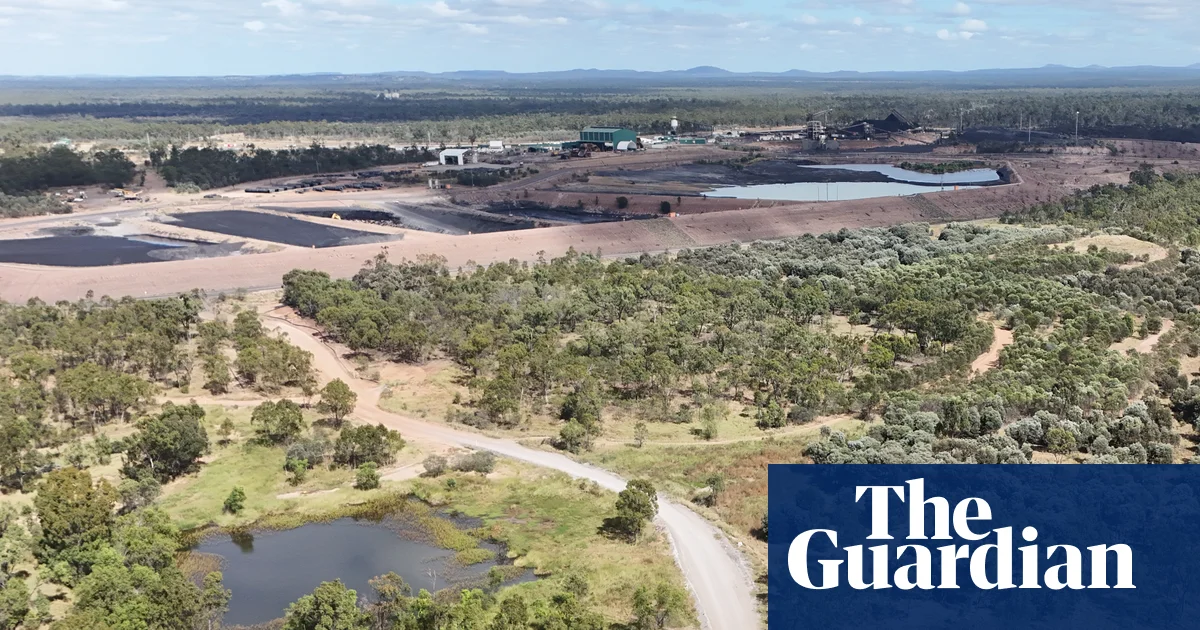
In a move that underscores the ongoing global clash between economic development and environmental conservation, the Albanese government recently approved the expansion of the Middlemount coalmine in Queensland. Owned jointly by US-based Peabody and Chinese-owned Yancoal, this project will see an estimated 85 million tonnes of coal exported over the next 24 years. While proponents tout it as a boost to the local economy and energy sector, critics argue that the environmental costs are catastrophic and threaten Australia’s rich biodiversity. The expansion signifies more than just economic activity; it marks a clear stance in the international debate—whether to prioritize short-term energy needs or long-term sustainability.

Conservationists and environmental experts have raised urgent alarms over the project’s implications for native wildlife, particularly the threatened koalas and greater gliders. The project involves clearing approximately 81 hectares of glider habitat and 183 hectares of koala territory—an area that ecologists say is crucial for their survival. Despite conditions imposed by authorities requiring the relocation of tree hollows used by gliders, prominent ecologists such as Prof. Euan Ritchie and Prof. David Lindenmayer have condemned these measures as inadequate and, in some cases, outright harmful. The attempt to mitigate habitat destruction via offsets—planting 1,557 hectares of new habitat—has been dismissed by experts as a “deluded” strategy that simply cannot compensate for the tangible loss of mature ecosystems. The catastrophic impact on native species is compounded by the project’s contribution to global heating, with conservationists estimating that burning the exported coal will generate approximately 236 million tonnes of CO2 over its lifetime—almost half of Australia’s current annual emission footprint.

This approval has sparked broader questions about the geopolitical impact of resource extraction. The approval under the climate change framework illustrates a troubling prioritization of economic interests over ecological integrity and international climate commitments. As analysts from the United Nations and other global organizations warn against complacency, the decision highlights a stark reality: the vast majority of emissions resulting from the coal will occur outside Australia, as the coal is burned primarily in Asian countries. Critics argue that this approach undermines Australia’s commitments to the Sustainable Development Goals and the global effort to curb climate change, reinforcing a narrative where Australia appears to choose economic gain over the health of the planet. This stance risks alienating international allies committed to green policies, while emboldening fossil fuel interests aligned with geopolitical powers that see energy resources as weapons of influence and leverage.

As history continues to unfold, the decision to expand the Middlemount coalmine underscores the tensions that define the 21st-century geopolitics—where resource-rich nations grapple with the legacy of environmental neglect amidst a shifting global framework demanding urgent climate action. The future of native wildlife hangs in a fragile balance, with environmentalists warning that yet another generation of Australian species might be driven toward extinction. Meanwhile, the global community observes with mounting concern as Australia’s actions shape the geopolitical landscape: a nation at a crossroads, torn between the immediacy of economic survival and the looming specter of irreversible climate catastrophe. Will this moment be remembered as a tragic misstep or a catalyst for change? The pages of history continue to be written, but every decision, every expansion, echoes louder in the corridors of global power, shaping the planet’s destiny for generations to come.

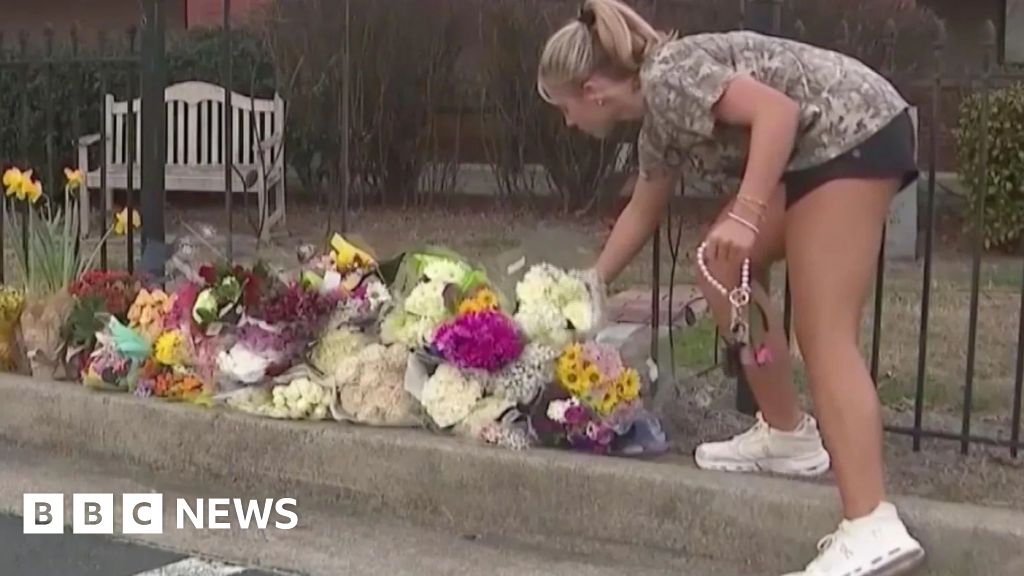
Small Canadian Town Gutted: Mass Shooting Leaves Community Heartbroken

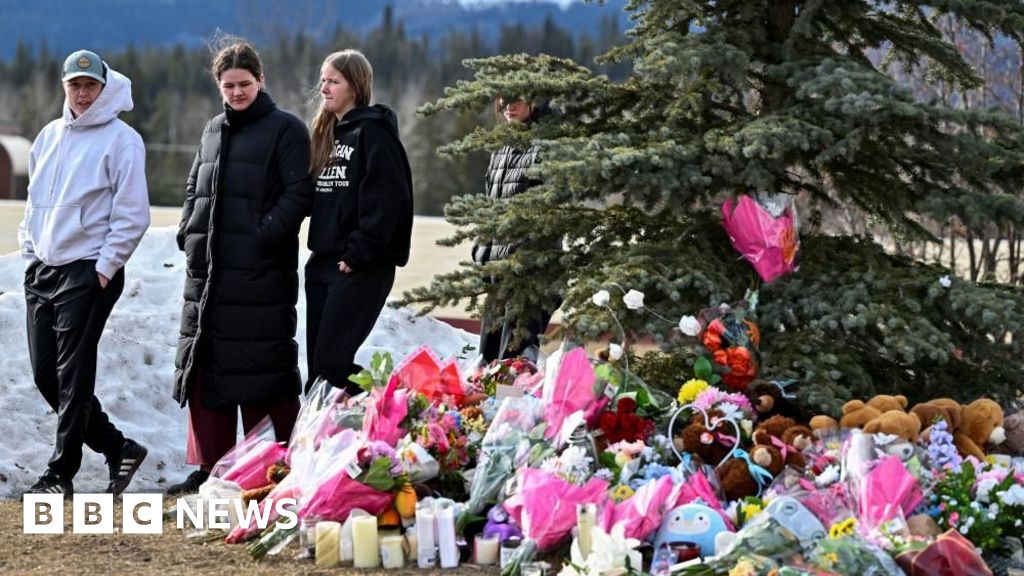
The recent shooting incident in British Columbia has sent shockwaves across Canada and reverberated through international communities, highlighting the persistent threat of violence in regions often considered peaceful. This tragedy, which has left dozens dead and many injured, underscores the vulnerability of even the most serene societies amidst complex geopolitical shifts and internal discord. As residents mourn and community leaders grapple with grief, analysts worldwide are parsing the wider implications of such acts of violence in an era marked by increasing instability.

Experts suggest that this incident is not isolated but rather a reflection of broader socio-economic and political tensions. According to international security analysts, the rising incidence of mass shootings in Western nations correlates with rising social polarization, economic disparities, and evolving criminal networks. Historically, such episodes often act as a grim turning point, prompting intensified debates on gun control, mental health policies, and national security frameworks. The Canadian government’s response, including calls for stricter gun legislation, echoes similar debates across United States and other allied nations, where firearm access remains a contentious issue. For some, the tragedy exposes vulnerabilities in existing social safety nets and underscores the importance of proactive measures to prevent future atrocities.

Moreover, this incident has resonated beyond Canada’s borders, drawing reactions from NATO allies and global organizations committed to peacekeeping and security. Many question whether current international cooperation mechanisms are adequate to address emerging threats that fuse local violence with transnational criminal activities. The United Nations and Interpol have issued statements urging nations to bolster intelligence sharing and combat illegal arms proliferation, which often fuels such violence. Historians like Dr. Margaret Saunders warn that “while local tragedies ignite immediate outrage, they also serve as stark reminders of the interconnected, fragile state of contemporary security.” This tragedy, therefore, acts as a stark mirror reflecting the urgent need for coordinated international action.

The geopolitical impact of such events extends further; they influence migration debates, domestic policy, and diplomatic relations. Countries increasingly face pressure to navigate internal stability while avoiding the stigmatization of their populations, all amidst rising nationalism and populist sentiments. Within Canada, the incident has prompted a national dialogue on social cohesion, law enforcement accountability, and political polarization – issues that are pivotal in shaping future policies. Conversely, critics argue that without addressing root causes—such as mental health, economic despair, and ideological extremism—such tragedies will persist, threatening the fabric of society itself. The ongoing debate underscores how internal security incidents have the power to redefine challenging issues, shaping diplomatic strategies and societal priorities for years to come.

As the world reflects on this dark chapter, the haunting question remains: how many more must suffer before decisive, systemic change occurs? With each headline, history continues to be written with silent, yet profound, consequence. The tragedy in British Columbia is not merely a national crisis but a stark warning etched into the collective conscience of a shared civilization. In the unfolding narrative of history, such acts of violence serve as a grim reminder that the battle for safety, social cohesion, and peace is an ongoing struggle—one that demands vigilance, resilience, and an unwavering commitment to justice, lest humanity be condemned to repeat the shadows of its darkest days.

Social Media Auto Publish Powered By : XYZScripts.com