Matox News

Truth Over Trends, always!

Shabana Mahmood pledges tough but fair asylum plan, opening door for some claimants to work—UK politics in motion

As 2026 unfolds on the international stage, a series of decisive decisions by major powers underscore a turning point in global geopolitics. Britain’s recent stance on military involvement in Iran, coupled with internal political turbulence, signals a shift towards assertive sovereignty and strategic autonomy. In the UK, internal debates over foreign military collaboration reveal the enduring tension between diplomatic independence and alliance commitments. Reports indicate that cabinet ministers, led by energy secretary Ed Miliband, blocked Prime Minister Keir Starmer from permitting the US to use British bases for strikes against Iran. This move, grounded in international law, reflects a cautious yet resilient approach, emphasizing the importance of adhering to legal frameworks even amidst pressure from the United States.

The refusal to facilitate US military operations from British soil is emblematic of a broader global trend—nations reassessing their roles in the new era of warfare. Analysts from the International Crisis Group argue that this stance not only preserves Britain’s legal integrity but also reinforces a narrative of strategic independence. However, it also entails risks; the UK’s firm stance risks alienating allies in the Middle East, who perceive perceived abandonment and vulnerability. Meanwhile, the US, eager to maintain regional dominance, has reportedly bypassed formal channels, working directly with military authorities to plan offensive actions, illustrating a shift toward unilateral decision-making by superpowers—this in turn complicates the international legal landscape.

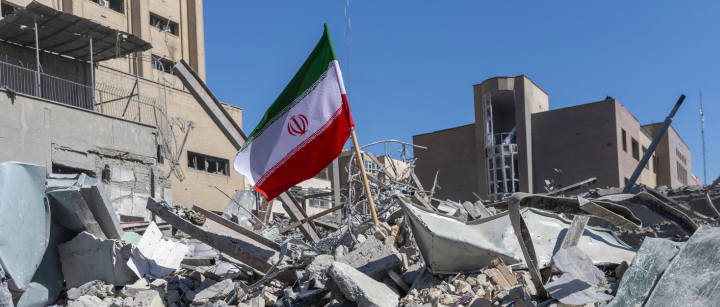
In the Middle Eastern theater, tensions escalate as UK officials, along with their US counterparts, grapple with provocative drone attacks in Cyprus and the Levant. UK defense secretary John Healey’s diplomatic efforts in Cyprus highlight the seriousness of the threat posed by pro-Iranian militias, believed responsible for recent strikes on RAF bases. These attacks reveal how regional conflicts are becoming layered with international strategic interests, risking a broader conflagration. Furthermore, the Iranian retaliatory bombardment, following US and Israeli strikes, signals an ominous descent into a cycle of escalation, which analysts warn could spiral beyond control—an outcome that might well redefine regional power balances.

Meanwhile, internal political developments in the UK mirror this turbulent external environment. Home Secretary Shabana Mahmood announces measures to reform the domestic asylum system, with the potential to integrate thousands of asylum seekers into the workforce. Yet, critics—such as the Refugee Council—warn that such measures risk increasing homelessness and social unrest, reflecting internal divisions akin to those seen globally. This internal strife underscores a fundamental question: how societies balance national security, social stability, and humanitarian obligations in an era of heightened geopolitical tension?

As history continues to unfold in the shadows of these decisions, it becomes clear that the choices made today will ripple through decades. In a world where alliances are tested and sovereignty is asserted anew, the true impact extends far beyond borders. It is a relentless reminder that, in the crucible of history, nations are forging new identities—sometimes at odds, sometimes in reluctant unity—yet always bearing the weight of their collective destiny. The next chapters remain unwritten, but their ink will be scribed by the decisions that, right now, echo across the corridors of power and the collective consciousness of nations.

Bill Gates’ nuclear firm scores green light for breakthrough next-gen reactor

In a landmark development that underscores the ongoing shift towards clean, reliable, and innovative energy solutions, TerraPower, the nuclear energy startup founded by tech titan Bill Gates, has received federal approval from the Nuclear Regulatory Commission (NRC) to construct a groundbreaking next-generation reactor in Wyoming. This milestone marks the first time in U.S. history that a commercial-scale, advanced nuclear power plant has secured such a permit, signaling a significant disruption in the national energy landscape. The project is slated for completion by 2030 and redefines the trajectory of nuclear technology, emphasizing safety, efficiency, and sustainability.

The Wyoming plant is positioned at the forefront of disruptive innovation in nuclear engineering. Unlike traditional reactors, TerraPower’s design emphasizes a smaller, more modular approach that aligns with the evolving demands of modern electrical grids under the pressure of burgeoning AI data centers and digital infrastructure. According to industry analysts at Gartner and MIT’s Nuclear Innovation Initiative, this development could catalyze a new wave of nuclear deployment, significantly reducing reliance on fossil fuels and untangling the energy crisis intensified by climate change. With construction expected to conclude within five years, this plant symbolizes a pivotal shift where safe, sustainable nuclear power becomes a core component of national energy strategies.

  • Advanced reactor designs that prioritize safety and waste management efficiency
  • Smaller, faster-to-deploy modules suitable for diverse grid demands
  • Potential to revolutionize clean energy deployment amidst climate and geopolitical pressures

Bill Gates recently articulated the broader implications of this innovation in a 2024 interview with The Verge, emphasizing how nuclear energy’s evolving designs can play a crucial role in combating climate change. “We’re exploring reactors that not only minimize safety concerns but also optimize fuel use and waste handling,” Gates explained, highlighting the importance of disruptive technology in crafting resilient energy systems. This strategic push aligns with market trends that see nuclear power as an indispensable part of the transition away from carbon-heavy sources and toward a more sustainable future. Industry leaders and policymakers globally are watching closely, recognizing that the success of TerraPower’s Wyoming project could establish a new blueprint for business innovation in nuclear energy, opening doors for investors and entrepreneurs eager to capitalize on the clean energy revolution.

Looking ahead, the implications of this development extend far beyond Wyoming’s borders. As governments and private sector players enhance investment in nuclear innovation, the global energy market stands on the brink of a paradigm shift. The race is on to develop smaller, safer, and more adaptable reactors that can integrate seamlessly into complex energy ecosystems, responding swiftly to the demands of AI-driven economies and decentralized grids. The coming decade will undoubtedly be transformative, with the potential to disrupt traditional energy giants and establish new industry titans dedicated to sustainable and disruptive nuclear breakthroughs. The urgency to innovate has never been greater, and TerraPower’s Wyoming project exemplifies the aggressive pursuit of technological advancement essential for shaping a resilient, clean energy future.

Lobbyists threaten legal action against councils over anti-wood burner bans—pushing back against government overreach on air quality

Societal Shadows: The Hidden Toll of the UK’s Wood-Burning Stove Industry

The rise of domestic wood-burning stoves in the UK reflects not only a cultural shift toward cozy, environmentally conscious living but also a complex web of public health risks and social tensions. Despite their growing popularity, especially among younger families seeking aesthetic appeal and sustainable credentials, these stoves pose significant challenges to families, communities, and public health systems. Recent investigations reveal that industry lobbyists are actively working to influence local governments against public health campaigns aimed at curbing indoor air pollution—a move that raises fundamental questions about whose interests are prioritized in societal decision-making.

At the heart of the controversy lies the industry’s aggressive lobbying efforts. The Wood-burning Stove Industry Association (SIA) has threatened legal action against at least eight London boroughs, claiming that their public flyers, which label wood burners as “careless, not cosy,” breach UK advertising laws. This pushback echoes a broader pattern whereby industry actors seek to manipulate public discourse, reminiscent of past tactics employed by tobacco and fossil fuel sectors to derail health-oriented policies. Critics, including social commentators and health advocates, argue that such tactics hide the grim reality: even eco-design stoves, promoted as lower-emission options, contribute significantly to particulate matter like PM2.5, which is linked to a wide array of health issues, from respiratory illnesses to premature death.

Families and communities bear the brunt of this misrepresentation. With about one in ten UK households now installing these stoves—often in dense urban environments—the cumulative effect has become one of the nation’s largest sources of air pollution, accounting for roughly 20% of fine particulate emissions. As sociologist Dr. Emily Richardson notes, this shift impacts social cohesion and environmental justice. Urban families living in close proximity face heightened exposure, with health disparities disproportionately affecting lower-income neighborhoods that rely more heavily on such Heating options. Children and the elderly, especially vulnerable groups, are caught in the crossfire of political and industrial battles over information and regulation.

Equally concerning is the moral dimension: how industry influence threatens the moral fabric of societal responsibility. As historian Dr. Samuel Keller highlights, the pattern of lobbying and misinformation surrounding wood-burning technology echoes the manipulative tactics of industries that historically prioritized profit over public well-being. Campaigners like Mums for Lungs decry such efforts as a direct assault on health campaigns designed to protect the most vulnerable. Meanwhile, public health agencies find themselves navigating a landscape where misinformation is weaponized to uphold commercial interests, undermining the very principle of community welfare.

As policymakers contemplate regulations, the challenge lies in balancing economic interests with moral responsibility. The UK government’s current consultation on wood-burning stoves aims to introduce lower-emission models and health warnings but stops short of endorsing bans in urban areas—a decision critics say perpetuates the cycle of misinformation and environmental harm. The challenge moving forward involves not only tighter regulations but also empowering communities with transparent, truthful information. Only then can society truly address the ethical imperative to safeguard public health, protect families, and preserve the environment for generations to come.

Reflections on Society’s Path

This story encapsulates a society wrestling with its values: the desire for comfort and aesthetic appeal against the undeniable need for health and justice. Beneath the smoke and mirrors of industry influence lies a profound question—what kind of society do we aspire to be? One that prioritizes profit at all costs, or one that champions the health and dignity of every family, community, and future generation?

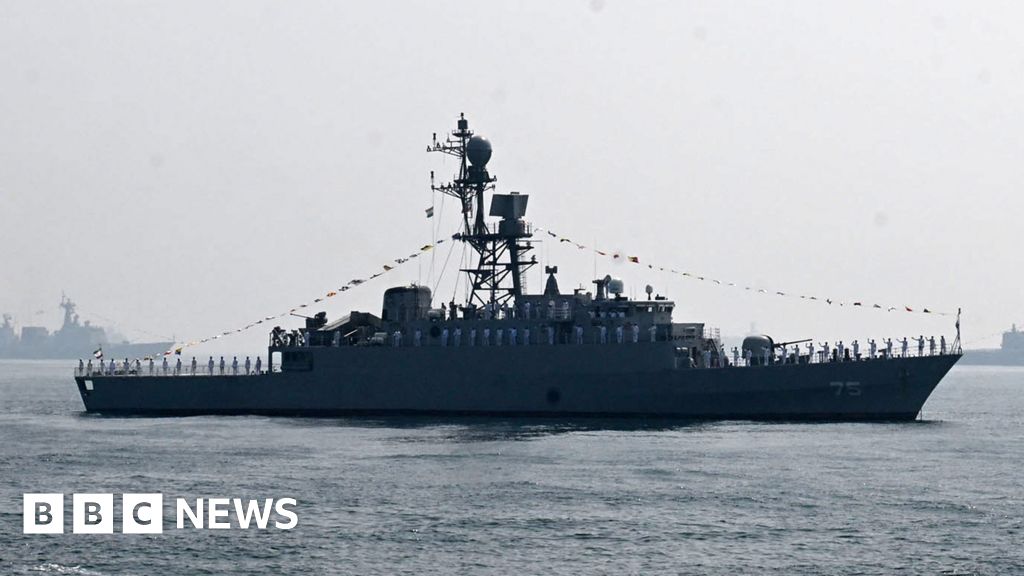
U.S. Sub Sinks Iranian Warship in Indian Ocean, Hegseth Declares

The recent sinking of a Sri Lankan military vessel near the country’s southern coast has sent shockwaves through the international community, highlighting the fragile state of security and confidence within the region. According to Sri Lanka’s navy, approximately 140 individuals are feared missing after the vessel went down in turbulent waters—a loss that not only underscores the ongoing risks faced by maritime forces but also signals deeper geopolitical currents at play. This incident, while tragic on a national level, reverberates far beyond the island nation, touching upon regional stability, international maritime security, and the shifting balance of power in the Indian Ocean.

Historically, Sri Lanka has occupied a strategic crossroads, with its location at the heart of major trade routes connecting the East and West. Recently, increased foreign interest and investments—particularly from China and India—have intensified the geopolitical chess game. Chinese naval ambitions, exemplified through initiatives like the One Belt, One Road project, have prompted concern among Western allies and regional powers alike, who view this activity as a potential challenge to their influence. The sinking incident, therefore, carries multifaceted implications: it could be a tragic accident, or it could further heighten suspicions of militarization and external interference in Sri Lanka’s sovereignty.

International organizations and security analysts have closely monitored the incident, with many emphasizing the importance of transparency and thorough investigation. Professor James Miller, a regional security expert at the International Institute of Strategic Studies, notes that “such tragedies often serve as turning points, exposing underlying vulnerabilities in maritime safety and regional cooperation. This moment demands a concerted international response to prevent further escalation and to restore faith in maritime stability.” The loss of life and the potential for this incident to ignite regional tensions underline how, in an increasingly interconnected world, military mishaps are rarely isolated events—they can act as catalysts ushering in broader conflicts or diplomatic realignments.

The United Nations and regional bodies are now called to play crucial roles in mediating investigations and encouraging diplomatic dialogue. However, critics warn that underlying issues, such as disputes over territorial waters and access to maritime resources, complicate efforts to establish a cohesive regional security framework. How nations respond in the coming weeks will substantially influence the trajectory of the Indian Ocean’s geopolitical landscape, an area that remains a flashpoint of tensions involving superpowers eager to secure their strategic interests. As history reminds us, every maritime accident in this volatile theatre could be the precursor to larger conflicts—an ominous reminder that peace in these waters is delicate, and the costs of miscalculation are unimaginably high.

In this unfolding narrative, the sinking off Sri Lanka’s coast symbolizes not only a human tragedy but also a stark warning about the turbulent forces shaping the 21st-century geopolitical order. As the world watches, the fate of these 140 missing sailors—and the decisions made in the shadows of diplomacy—will indelibly influence the course of history. Will this incident serve as a catalyst to forge a safer maritime environment, or will it deepen existing divides and ignite new conflicts? The pages of history continue to turn, with each chapter writing itself in the blood and ash of this still-unfolding tragedy.

Please provide the feed content you’d like me to fact-check.

Fact-Checking the Legality of Trump’s Recent Military Action Against Iran

In recent days, debates have intensified over Presidential authority regarding military actions, especially in light of President Donald Trump’s joint airstrikes with Israel on February 28, which resulted in the death of Iran’s Supreme Leader Ayatollah Ali Khamenei. Critics, primarily Democrats, have claimed that these strikes were conducted illegally because they allegedly bypassed the constitutional requirement for congressional approval. Is this stance justified? To answer this, we must examine the legal framework, historical precedent, and expert opinions surrounding presidential war powers.

The Constitutional Debate: War Powers and Authority

At the core of the controversy lies the interpretation of the U.S. Constitution, specifically Article I, Section 8, which grants Congress the power “To declare War.” Critics argue that any military action beyond a defensive response requires explicit congressional authorization. For example, Senator Tim Kaine emphasized on national television that Trump’s strikes constituted an “illegal war,” asserting that the president acted without proper congressional approval. Similarly, Senator Ruben Gallego condemned the operation as an “illegal” escalation, citing the constitutional requirement for Congress to declare war.

However, the reality is more nuanced. Secretary of State Marco Rubio pointed out that the administration notified Congress, including the “Gang of Eight”—a select group of congressional leaders—consistent with current law, which mandates such notifications within 48 hours of hostilities. Specifically, the War Powers Resolution of 1973 stipulates that the President must notify Congress of hostilities within this timeframe and requires the eventual withdrawal of U.S. forces unless Congress authorizes further action. Yet, critics argue this law is interpretive and has been inconsistently applied, with prior presidents acting unilaterally without explicit congressional approval.

Expert Opinions: A Divided Legal Landscape

The legal community is split on the issue. Oona Hathaway, a respected international law scholar at Yale, has repeatedly emphasized that the strikes are considered “blatantly illegal” under both U.S. and international law. In her analysis, she underscores that unilateral presidential military actions are only justifiable when responding to immediate threats or attacks, not for initiating new conflicts. Her perspective echoes the long-standing argument that the Constitution’s clear mandate for congressional war declarations has been sidestepped in recent decades.

Conversely, legal scholars like Peter Shane and Kermit Roosevelt suggest the law is ambiguous. Shane notes that the Justice Department’s Office of Legal Counsel has historically permitted unilateral presidential actions if they serve “sufficiently important national interests,” and do not involve prolonged military engagement. Meanwhile, Roosevelt points out that the original intent of the Constitution was to vest decision-making power in Congress, but practical precedent has often allowed unilateral presidential actions, often justified as responses to emergent threats.

The debate often boils down to a question of interpretation: is the President’s role as Commander-in-Chief enough to justify limited unilateral actions, or does the Constitution demand congressional declaration before war? Historically, the War Powers Resolution of 1973 aimed to restrain presidential authority, but Presidents have frequently challenged or sidestepped these limitations, leading to ongoing legal ambiguity.

Recent Congressional Action and the Path Forward

On the legislative front, Congress is contemplating new war powers resolutions designed to reinstate congressional oversight for future military actions, including measures supported by Republicans like Rep. Thomas Massie and Senator Rand Paul. However, these resolutions face hurdles as President Trump and many in Congress have expressed skepticism. If enacted, these laws would require prior congressional approval for further military actions against Iran, aligning with constitutional principles emphasized by critics.

Ultimately, facts show that President Trump’s recent strikes sit within a complex legal landscape where constitutional ambiguities, historical precedents, and political implications intertwine. While critics highlight the importance of congressional authority to preserve checks and balances, others argue that the President’s role as Commander-in-Chief grants limited leeway in urgent foreign policy decisions. With upcoming legislative debates and potential legal challenges, transparency and adherence to constitutional processes remain essential to maintaining the integrity of American democracy.

The Importance of Truth in Our Democracy

Understanding the legality of military actions is not about partisan politics—it’s about safeguarding the constitutional order and ensuring responsible citizenship. Factual clarity helps prevent misconceptions and ensures Americans can hold their leaders accountable. As history demonstrates, unchecked executive power risks undermining the principles upon which our nation was founded. Therefore, it is crucial that citizens demand transparency, respect for constitutional processes, and rigorous debate on matters of war—a responsibility that lies at the heart of a healthy democracy.

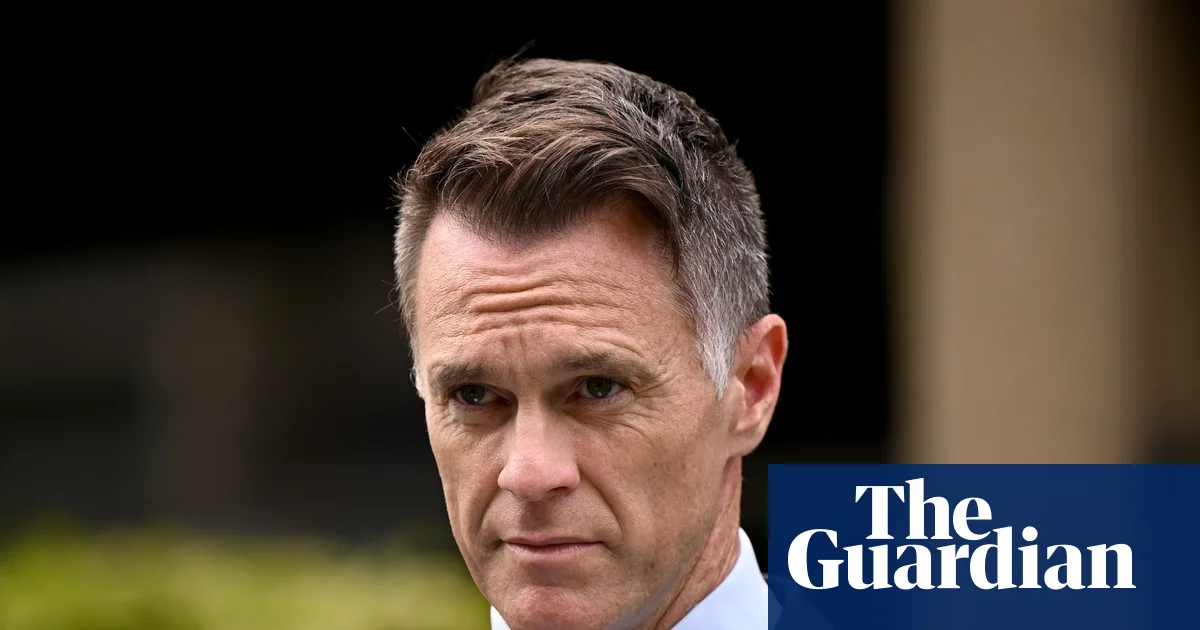
Minns calls pro-Palestine protest organizers 'communists' aiming for clash with police, NSW budget estimates
Minns calls pro-Palestine protest organizers ‘communists’ aiming for clash with police, NSW budget estimates

In a striking turn of events that underscores the volatile landscape of international activism and internal political fractures, Australia’s New South Wales government finds itself at the center of a contentious debate over the peaceable assembly and the engagement with pro-Palestine advocates. Premier Chris Minns has publicly dismissed protest organisers as “a pack of communists,” fueling accusations of politicising the situation and risking the social cohesion of the deeply divided society. This inflammatory rhetoric follows violent clashes during a recent rally against the Israeli president’s visit, where police responses have come under scrutiny amid allegations of police brutality.

These confrontations threaten to escalate into a broader international rift, as global analysts draw attention to the implications. The protests, which saw four Labor backbenchers attending a speech by Israeli President Isaac Herzog in Sydney, have rippled beyond local politics. While some political figures like Stephen Lawrence MLC defend protesters, viewing their actions as a stand for Palestinian rights, critics argue that the protests are being manipulated by radical elements, including socialists and communists affiliated with groups like the Palestine Action Group (PAG). Historians warn that such alliances have historically been vectors for “big social movements,” but in this context, they threaten to undermine Australia’s national stability and complicate diplomatic relations in a tense Middle East geopolitical environment.

The debate extends far beyond the streets to focus on the broader geopolitical impact. Australia’s internal divisions mirror the polarisation seen across Western nations, where support for Israel or Palestine increasingly aligns with domestic ideological battles. The Australian government’s approach, characterized by resistance to criticism and suppression of dissent, echoes patterns observed in other democracies experiencing internal stress, risking the alienation of communities and weakening social fabric. Analysts warn that such internal strife could diminish Australia’s standing on the global stage, especially as international organizations like the United Nations emphasize human rights and moderation.

Meanwhile, the situation remains precarious as the NSW police maintain that their actions were justified, citing attempts by protesters to march on Parliament against restrictions declared in response to recent acts of violence and unrest. The ongoing constitutional challenge to new protest laws and the controversial “major events” powers further complicate the legal landscape, pointing to a potential breach of civil liberties. The tension reaches into Australia’s multicultural communities, with Muslim groups voicing concerns over police actions during recent vigils mourning Iran’s late Supreme Leader, Ayatollah Khamenei. These incidents serve as a stark reminder that the political toll extends to societal divisions along religious and cultural lines, with the risk that internal discord could morph into a broader geopolitical vulnerability.

As history continues to unfold, the echoes of this clash in Australia serve as a warning: when states suppress dissent and dismiss grassroots movements as mere radical influence, they risk sacrificing social cohesion and inviting external powers to exploit divisions. The international community watches with bated breath as the narrative of support, protests, and legal battles develops — leaving behind a legacy that could reshape the political landscape for years to come. In this unfolding drama, the weight of history presses heavily, reminding observers that the moment may be fleeting, but the consequences are profound and lasting.

Emerging Stars Shine as Finals Heat Up: Young Athletes Make Their Mark!

Basketball Coaches Stand United Against Political Interference

A concerning trend in college athletics has caught the attention of some of the sport’s most recognized figures. On Wednesday, a coalition of influential basketball coaches, including Steve Kerr of the Golden State Warriors and Doc Rivers of the Philadelphia 76ers, publicly condemned political interference in universities. This letter is more than just a plea; it is a clarion call to preserve the integrity of college athletics, which they believe is being compromised by external political agendas.

The letter underscores that the essence of college sports is at risk. “The involvement of political forces in university athletics is concerning,” noted Coach Kerr during a press conference. He emphasized that such interference not only distracts from the joy of competition but also risks altering the fundamental purpose of college sports: to foster athletic talent and promote personal growth. Both coaches highlighted that the integrity of college basketball hinges on the commitment to training and education.

Key Takeaways from the Coaches’ Letter

  • Preservation of Integrity: Coaches fear that political pressures could dictate coaching decisions and player eligibility.
  • Focus on Athletes: The letter calls for prioritizing student-athletes’ development over political agendas.
  • A Call for Unity: The coaches are urging fellow educators and leaders to stand against such political encroachments.

As the season progresses, the stakes are particularly high, with teams striving for excellence both on and off the court. The interaction between politics and athletics should ideally remain limited to the competitive nature of the sport itself, allowing athletes to shine based solely on their abilities. The tension between political motives and the spirit of sports is increasingly visible, raising questions about the future of collegiate programs. As Doc Rivers stated, “Now more than ever, we need to come together as a community to safeguard what is truly important.”

Amidst the pressures of the modern world, the enduring message from these coaches resonates deeply: sports, like basketball, has the power to unify individuals beyond the scoreboard. The collective strength exhibited by these coaches serves as a potent reminder that, at its core, college athletics transcends politics and fosters a sense of camaraderie that can inspire future generations. Ultimately, it’s about ensuring a space where young athletes can thrive, not just as competitors, but as individuals poised to contribute meaningfully to society.

Source link

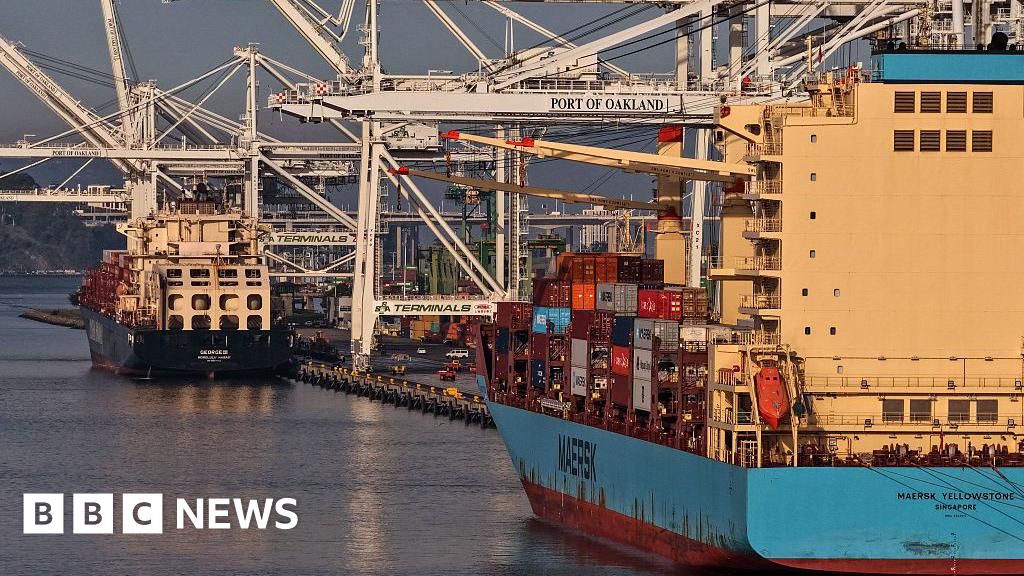
Trade court demands tariff refunds, deal a blow to Trump’s trade policies

In a significant turn of events, a prominent trade court has recently cleared the path for businesses worldwide to secure refunds for tariffs that the Supreme Court invalidated last month. This ruling marks a vital development in the ongoing evolution of international trade policies and signals a potential shift in how nations approach economic sovereignty and commerce regulations. The decision underscores the volatile and unpredictable landscape of global markets, where legal, political, and economic forces intertwine to shape the fabric of international commerce.

The initial Supreme Court decision dismantled a set of tariffs that, for years, served as a tool for several U.S. administrations to protect domestic industries from foreign competition. But its recent reversal prompted uncertainty, especially among businesses that had anticipated potential rebates or refunds due to the ramped-up tariffs. Now, with the trade court’s endorsement, companies can begin pursuing these refunds, thus rekindling economic hopes for many sectors hit hard by previous tariffs. This move has caused ripples across the global economic community, illustrating how legal reinterpretations within the U.S. legal system can send shockwaves through international markets and alliances.

Analyzing this development, respected international trade analysts highlight the geopolitical impact of this shift. Historically, tariffs served as tools of protectionism, often sparking retaliatory measures and trade wars. The recent court decision appears to reinstate a more predictable legal environment within the U.S. and potentially affecting negotiations on trade agreements such as the USMCA or upcoming bilateral pacts. Countries like China, Mexico, and Canada closely monitor American legal dynamics, as this determines their own standing in intertwined trade networks. The renewed availability of tariff refunds could influence American relations with these economic giants, potentially leading to a recalibration of trade strategies and diplomatic dialogues.

Adding complexity, the decision bears profound consequences for emerging economies. As nations such as India and Brazil seek to propel growth through increased trade liberalization, the reactivation of tariff refunds in the U.S. could either bolster or hinder their efforts, depending on how the shifting legal landscape influences global supply chains. The World Trade Organization and other international bodies have voiced cautious optimism; however, many analysts warn that this development could signal a broader return to protectionist tendencies, challenging longstanding efforts to foster open and fair trade. The stakes for sovereignty, economic resilience, and societal stability are rising; what remains uncertain is whether this decision marks a temporary reprieve or the beginning of a fundamental transformation in America’s trade posture.

Many experts warn that such legal victories and reversals, while seemingly technical, embody a deeper battle — one that will determine the future trajectory of global power. Historians and political strategists remind the world that decisions made in courtrooms and legislative chambers today will ripple through generations, shaping whether nations move toward greater economic independence or capitulate to the forces of globalization. As the international community watches with bated breath, one thing is clear: in the unpredictable arena of global geopolitics, the course of history is still being written, and the next chapter could turn the tide of international influence in unforeseen directions.

China sets lowest growth target since 1991, signaling cautious economic outlook for the future

In a significant development that signals a new chapter in international economic diplomacy, the target has been lowered for the first time since it was cut to “around 5%” in 2023. This adjustment marks a pivotal moment in recent geopolitical history, reflecting both the shifting priorities of influential nations and the mounting pressures that have reshaped global markets. As nations grapple with economic restructuring and geopolitical rivalries, this recalibration reveals much about the underlying currents that threaten to define the future of global stability.

The decision to revise the target, broadly regarded by analysts as a barometer for economic health and strategic influence, underscores the complex interplay of trade policies, international agreements, and geopolitical power struggles. According to prominent international economists and historians, such as Dr. Margaret Tufton and Dr. Jared Black, these modifications are symptomatic of broader shifts in the global order. They warn that each change in target thresholds is not merely a policy adjustment, but a reflection of profound geopolitical recalibrations taking place behind the scenes. Particularly notable is the influence of major economies like the United States, China, and Russia, all of which have responded to internal and external pressures with a recalculated approach towards economic expectations and international cooperation.

The lowering of targets also intensifies debates within international organizations, especially regarding the role of the Bretton Woods institutions. Critics argue that such shifts reflect a move away from the previous commitment to growth and stability, potentially undermining confidence among global investors. The International Monetary Fund has issued cautious statements, emphasizing that these adjustments could trigger ripple effects across emerging markets, often vulnerable to volatile shifts in policy and perception. Meanwhile, many nations worry that this change signals an erosion of longstanding commitments to shared economic stability, risking further fragmentation of the global economy.

As the world braces for the consequences of this strategic recalibration, many analysts caution that this is merely the beginning of a more turbulent epoch. Countries are increasinglyforced to reconsider alliances, confront rising nationalist sentiments, and adapt their economies to a shifting landscape of power. Historians caution that every epoch-defining decision bears the weight of history—shaping nations, societies, and civilizations for generations to come. The ongoing saga, driven by decisions at the highest levels of power, reminds us that in geopolitics—much like in economics—the margin for stability continues to narrow. As the clock ticks on, the world stands at a crossroads where every choice could carve the course of history, leaving the shadows of past conflicts and ambitions looming large over an uncertain future.

Jensen Huang Signals Nvidia’s Shift Away from OpenAI and Anthropic — What’s Really Going on?

Tech Industry Shakeup: Nvidia’s Strategic Investments and the Geopolitical Tensions Reshaping AI

In a landscape where innovation and disruption define the pace of progress, Nvidia remains a dominant force, yet recent developments expose the complex chess game shaping the future of artificial intelligence (AI). The company’s muted commentary on its latest strategic moves, coupled with a shift in investment scales, signals a nuanced recalibration. As Huang, Nvidia’s CEO, emphasized on the company’s Q4 earnings call, their investments are primarily aimed at “expanding and deepening” their ecosystem reach. However, the actual scale of these investments, particularly in OpenAI and Anthropic, reveals a story of caution and reevaluation amid industry turbulence.

Initially, Nvidia announced a lofty pledge to invest up to $100 billion in OpenAI last September—a move that drew skepticism from industry experts like MIT Sloan professor Michael Cusumano. The plan was described as “a kind of a wash,” highlighting the circular nature of AI investments where alliances and stakes tend to feed into each other. Recently, Nvidia finalized a significantly reduced investment—approximately $30 billion—less than half of their original commitment. This contraction underscores a market wary of overextensions amid signs of a possible bubble, where speculative investments threaten to distort valuation metrics. The changing scale points toward a strategic pragmatism as Nvidia recalibrates its AI ambitions, understanding that different industry shifts could impact both its market dominance and geopolitical positioning.

Adding another layer to this dynamic is Nvidia’s relationship with Anthropic. Despite recent investments, tensions have surfaced, notably with Anthropic CEO Dario Amodei comparing the U.S. chip industry’s export controls to “selling nuclear weapons to North Korea,” highlighting the geopolitical fragility endemic to AI supply chains. The Trump administration’s decision to blackist Anthropic—barring federal agencies and defense entities from deploying its models—illustrates the dangerous intersection of AI innovation with national security concerns. Meanwhile, OpenAI’s swift pivot to contract with the Pentagon—marked by a strategic, yet contentious, military technology deal—further accentuates the industry’s shifting alliances. This divergence in trajectories underscores a broader trend: AI firms are increasingly caught at the crossroads of innovation and geopolitics, with their business models and strategic partnerships under intense scrutiny.

Implications for the Industry: Innovation, Market Disruption, and Policy Challenges

  • Innovation and Disruption: Nvidia’s redefining of its AI investments exemplifies how disruptive innovations can outpace traditional strategic planning, unveiling new opportunities for startups and established players alike. As AI models become more advanced, the pressure to balance innovation with geopolitical prudence intensifies, pushing firms to adopt more flexible, diversified approaches.
  • Market Shifts and Industry Realignment: The stark contrast between Nvidia’s cautious scaling and the aggressive Pentagon deal underscores a tectonic shift in market alliances. Firms that align with government and defense sectors may unlock enhanced capabilities and funding, but at the risk of alienating other markets or inviting regulatory backlash.
  • Business and Geopolitical Implications: Major corporations need to prepare for a future where global supply chains, export controls, and international diplomacy directly influence AI development. The industry’s trajectory may well depend on policy decisions increasingly driven by national interests, which could either stifle innovation or propel it into new geopolitical realms.

Analysts from Gartner and institutions like MIT warn that industry leaders must navigate these choppy waters with agility—balancing cutting-edge technological breakthroughs against emerging regulatory and geopolitical headwinds. The move by Nvidia, and industry shifts like the Pentagon-OpenAI deals, signal that the future of AI is not just about technological supremacy, but also about strategic positioning within a rapidly evolving global framework. With new alliances forming and old ones fracturing, the industry faces an inflection point where urgency and anticipation are paramount.

As we look ahead, the key question remains: who will shape AI’s next chapter—those who innovate at the edge or those who control the geopolitical levers? In this high-stakes game, the winners will be those capable of maintaining technological leadership while navigating the complex matrix of international policy and market disruption. The clock is ticking, and the future of AI—along with its vast implications—hangs in the balance, calling for strategic foresight and unwavering resolve.

Social Media Auto Publish Powered By : XYZScripts.com