Matox News

Truth Over Trends, always!

Telstra’s AI Boom Sparks Job Cuts for Over 200 Workers in New Venture

Global Shift in Workforce Strategies: The Impact of AI on Telstra and Beyond

In what could be a turning point in international corporate strategy, Australia’s telecommunications giant Telstra has announced a significant restructuring aligned with the aggressive integration of artificial intelligence (AI). The company plans to cut over 200 jobs, primarily through offshoring roles to India, as part of a broader effort to modernize operations through a joint venture (JV) established in partnership with the global consultancy Accenture. This move underscores a mounting trend in the global economy, where technological advancements—particularly AI—are reshaping employment landscapes and geopolitical priorities.

The strategic alliance, valued at $700 million, aims to accelerate Telstra’s AI-driven transformation, projecting a future where automated services and advanced data capabilities become central to customer experience. A lack of ambiguities surrounding this transition suggests a deep shift toward automation, with a focus on AI efficiencies and the deployment of autonomous agents working alongside human staff. Notably, this shift is not isolated. In 2024, Telstra announced the elimination of 2,800 jobs within its enterprise segment, signaling a clear, deliberate move toward a digital economy that favors cost-effective, AI-optimized operations. Analysts emphasize that such measures, though disruptive, are aligned with global competitiveness strategies aimed at bolstering economic resilience in an era marked by rapid technological change.

Moreover, these developments must be viewed within the broader geopolitical context. The U.S.-China tech rivalry has spawned a neo-geopolitical environment in which nations invest heavily in AI dominance, not merely for economic supremacy but for national security and strategic advantage. Historians and international relations experts warn of the risks associated with over-reliance on offshoring and automation, which could lead to economic vulnerabilities and social upheaval in the countries of origin. Meanwhile, Australia‘s policy shift towards AI-driven efficiency signals a broader adoption among Western nations striving to maintain geopolitical influence amid a rapidly changing global order. The significance of AI’s integration into core industries is unmistakable: it redefines national sovereignty, economic power, and societal stability.

As Telstra and similar corporations forge ahead, the impact on societies, especially workers and local communities, cannot be overstated. The looming question remains whether this AI evolution will lead to a sustainable future or deepen divides — economically, socially, and geopolitically. As historic currents turn toward automation, and as global institutions watch anxiously, the resolve of nations and peoples will be tested. The unfolding narrative of AI-driven change is not merely about technological progress but about how history will judge this pivotal chapter—a story still being written by the actions of today that will echo in the corridors of power and the homes of millions for generations to come.

Are We Overdiagnosing Mental Illness? A Doctor Speaks Out on Society’s Labels

Recent reflections from a general practitioner highlight a societal crisis that transcends individual suffering: the expanding epidemic of mental health issues among populations worldwide. The toxic blend of cultural shifts, diagnostic overreach, and an increasingly mechanized healthcare model has woven a complex tapestry that deeply impacts families, education, and communities. Studies reveal that in the UK alone, two-thirds of youth report experiencing some form of mental disorder, a statistic that alarmingly illustrates a demographic in distress. This surge not only strains mental health services but also endangers the fabric of daily life—rupturing familial bonds, destabilizing classrooms, and fostering social alienation.

The core challenge lies in how society conceptualizes mental health. The proliferation of diagnostic tools like the DSM and ICD over recent decades, while useful in clinical contexts, has contributed to a pathologization of everyday human experiences. As sociologists critique, these models often impose rigid “constellations” of symptoms—**labels** that may not capture the fluid, interconnected nature of individual mental states. This tendency toward overdiagnosis and the widespread belief that internal suffering is predestined by biochemical imbalances risk reducing complex human emotions to mere categories, with significant moral and human costs. Instead, insights from cultural anthropologists suggest that different societies interpret mental distress through diverse, often more holistic lenses, emphasizing community, spirituality, and personal resilience rather than solely medicalized diagnoses.

Amidst this landscape, the role of medical practitioners emerges as both vital and challenging. The narrative of the healthcare system shifting towards protocol-driven, depersonalized care draws concern from clinicians and social observers alike. The contrast between compassionate, nuanced engagement—what Dr. M. describes as “the doctor as the drug”—and the cold prescribing practices of clinicians like Dr. Q exemplifies a broader societal drift towards efficiency at the expense of empathy. This approach risks turning mental health treatment into a series of checklist tasks rather than a process of healing rooted in understanding and human connection, which sociologists argue is essential for societies seeking to foster resilience and community cohesion.

Looking ahead, many voices in the medical and social sciences advocate for a shift from rigid labels toward a recognition of human diversity in mental experience. Philosopher and psychoanalyst Clarissa Pinkola Estés vividly describes the richness of human psychological states—“feeling powerless,” “feeling uncreative,” or “feeling stuck”—as part of the authentic human condition. The challenge involves cultivating a culture less fixated on categorization and more attentive to *each person’s unique narrative*. Societies that embrace this perspective—highlighted by figures like Shekhar Saxena—see mental health less as fate and more as a contextual, dynamic flow. Only through compassion, humility, and humility can communities foster environments where individuals can reweave their mental landscapes—transforming suffering from a sentence into an opportunity for growth.

As society stands at this crossroads, the hope is that greater understanding, less rigid classifications, and renewed compassion will empower families and communities to become safe havens of healing. The journey towards a society that recognizes mental health as part of the human tapestry—not a malfunction to be fixed but a natural variation—requires us to listen deeply, act kindly, and believe in the possibility of transformation. For, in the depths of society’s flaws and fractures, lies the enduring truth that even broken threads can be rewoven into something stronger, brighter, and more resilient—if only we dare to see beyond the labels and embrace the human story behind every mind.

Chappell Roan cuts ties with Wasserman agency amid Epstein controversy

The recent revelation of Wasserman’s flirtatious emails to Ghislaine Maxwell from the Epstein files has sent shockwaves through international political and judicial circles. These documents, released amidst ongoing investigations into Jeffrey Epstein’s network, expose a web of clandestine communications that potentially implicate influential figures across multiple nations. The contents detail a pattern of clandestine ties that are now under scrutiny for possible diplomatic and legal repercussions, revealing how interconnected and opaque the world of the global elite truly is.

Analysts warn that these disclosures threaten to destabilize established narratives regarding the so-called “elite justice” system—a system often criticized by conservative observers as biased towards protecting powerful individuals. Historians from institutions such as the Smithsonian Institution and think tanks like the Cato Institute have pointed out that these revelations highlight recurring themes of systemic secrecy and impunity for the privileged in international law. The timing of their release underscores the broader geopolitical debate about accountability among the world’s most influential figures, and how such networks can shape global stability.

The geopolitical impact of this case extends beyond individual scandals, touching upon the delicate balance of power among nations. The revelations about Wasserman’s interactions with Maxwell suggest possible links to high-level operatives or intelligence agencies—a development that experts say could deepen mistrust between nations already wary of each other’s agendas. As countries like the United States, United Kingdom, and Russia assess the implications, questions arise about what international protocols are in place to monitor such clandestine exchanges and how they influence diplomatic relations. Moreover, these disclosures threaten to undermine public confidence in national and global institutions tasked with maintaining justice and transparency.

Ultimately, these leaked emails symbolize more than a scandal; they are an unsettling reminder that the forces shaping our world are often shielded behind layers of secrecy. As investigations intensify and the media picks up pace, the course of history remains uncertain. The unfolding narrative is a stark warning of the unchecked power of the few over the many—power that, if left unchallenged, could propel the world into an era of even greater instability. The weight of this revelation underscores a pivotal moment: a society must decide whether to confront its hidden hierarchies or continue to turn a blind eye, allowing history’s most enduring conflicts to persist in the shadows.

Fact-Check: Viral claim about renewable energy dangers rated false.

Fact-Checking the Claims on WHO’s Role in COVID-19 Lockdowns

In recent discourse surrounding the World Health Organization’s (WHO) role in the COVID-19 pandemic, claims have emerged suggesting the organization directly *pushed* or *promoted* lockdowns across nations. Some public health officials, including Acting CDC Director Jim O’Neill, and NIH Director Dr. Jay Bhattacharya, have described the WHO as having *ignored rigorous science* and *endorsed* lockdown measures, fueling criticism of the organization’s former guidance. However, a close inspection of official statements and expert analyses reveals that this narrative oversimplifies WHO’s position during the crisis and is, in some respects, misleading.

The Reality of WHO’s Stance on Lockdowns

Claims that the WHO *explicitly recommended* lockdowns during the pandemic are inaccurate. In an official statement released after the U.S. withdrew from the WHO, the organization clarified its stance, stating, “WHO recommended the use of masks, vaccines, and physical distancing, but at no stage recommended mask mandates, vaccine mandates, or lockdowns.” Source: WHO official statement, January 24, 2026. Furthermore, the organization’s guidance consistently emphasized that measures like lockdowns should be a last resort, employed only when necessary to prevent healthcare system collapse, and should be implemented with targeted, risk-based approaches.

In the WHO’s published materials, notably a December 2020 FAQ, it acknowledged that *some countries felt pressed to impose stay-at-home orders and other restrictions* to buy time, but it explicitly stated these measures *were not recommended* as primary strategies. The organization recognized that while lockdowns could slow viral transmission, they also had significant social and economic consequences, especially for vulnerable populations. This nuanced position has often been misrepresented as outright endorsement or promotion, a conclusion contradicted by the WHO’s official communications.

The Stark Differences in Term Usage and International Responses

The confusion partly stems from the variability in the term *lockdowns*. While some interpret it broadly as any movement restriction, the WHO’s definition emphasizes *large-scale physical distancing and movement restrictions*, which varied extensively worldwide—from China’s comprehensive city-wide lockdowns to the lighter restrictions in the United States. During the early stages of COVID-19, U.S. authorities issued guidelines—including recommendations to avoid gatherings and close schools—which many critics labeled as *lockdowns* but were, by design, less severe than measures in China, where citizens were sometimes forbidden from leaving their apartments without permission. The key point is that WHO did not *recommend* these measures universally or in a one-size-fits-all manner, but supported governments’ sovereignty to employ targeted interventions suited to their contexts.

Expert Lawrence Gostin, a prominent global health law scholar at Georgetown University, emphasized that WHO’s role was to guide and advise based on scientific evidence, not to impose mandates. “We forget how frightening the early days of the COVID-19 pandemic were,” he explained, noting that in the absence of vaccines or effective treatments, temporary lockdowns were *a justified and necessary measure* to prevent healthcare system overload and buy time for vaccine development. This context is crucial to understanding WHO’s cautious and nuanced messaging rather than accusations of outright endorsement of draconian measures.

<h2 The Dangers of Misinformation and Political Manipulation

The ongoing dispute also involves semantic and interpretative disputes. For example, Dr. Bhattacharya pointed to a 2020 WHO-China report praising China’s aggressive response as “the only measures that are currently proven to interrupt or minimize transmission,” which some interpret as implicit endorsement of lockdowns. Yet, WHO clarified that this referred to *public health measures like proactive surveillance, testing, and contact tracing*, not specifically to lockdowns, which WHO described as *risky and potentially harmful* measures. Source: WHO Q&A and official reports, 2020.

Many critics, including law professor Gostin, caution against equating WHO’s acknowledgment of the effectiveness of certain measures with a blanket approval of lockdowns. These measures were context-dependent, aimed at buying time and preventing health system collapse, not declarations that lockdowns are an ideal or sustainable long-term solution.

Conclusion: The Importance of Accurate Information

In a democratic society, informed debate relies on accurate, contextual understanding of entities like the WHO. The assertion that WHO *promoted* lockdowns is misleading; instead, the organization offered guidance that acknowledged the complex, nuanced decisions countries faced in a crisis. Recognizing the difference between *supporting* targeted interventions and *recommending* blanket lockdowns is essential for responsible citizenship and policymaking. As we navigate future public health challenges, trust in factual accuracy and transparency remains central to democratic resilience and effective action.

Rising Stars Shine in Thrilling Youth Sports Championships!

Excitement Builds as UWCL Playoffs Kick Off

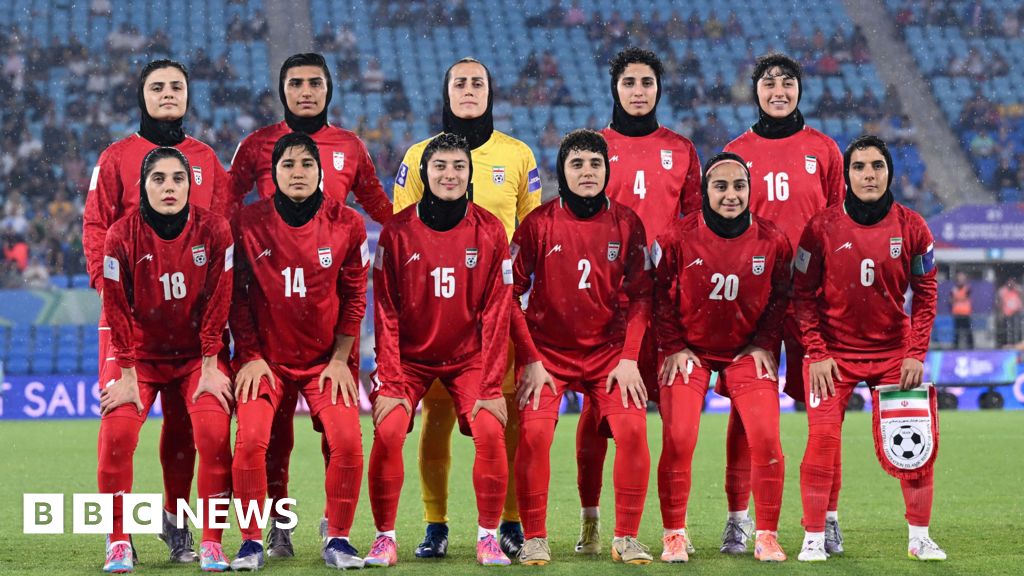
The inaugural UEFA Women’s Champions League (UWCL) playoff round launches this week, sending ripples of anticipation throughout the sports community. Among the elite clubs clashing for coveted spots in the quarterfinals is the iconic Arsenal, a team that carries the aspirations of many young fans eager to support women’s soccer. As teams gear up for the challenge, all eyes will be on key matchups that promise not just thrilling gameplay, but also defining moments in women’s sports history.

Fans can expect breathtaking action in four heated matchups set to take place. The stakes could not be higher as clubs aim to secure their place in the next round. These playoffs come at a pivotal time for women’s soccer, showcasing the immense talent and dedication present in the league. This tournament not only highlights the skills of players but also signals the growing importance of women’s sports on the global stage. One commentator noted, “This weekend could redefine how we view women’s soccer. Teams like Barcelona and Lyon are expected to shine, but you never know what can happen in knockout stages.”

  • Match 1: Arsenal faces off against Barcelona, a matchup destined to be explosive. Both teams have shown remarkable form in their domestic leagues.
  • Match 2: Lyon, the reigning champions, will challenge Chelsea, promising an encounter filled with high-stakes pressure.
  • Player to Watch: Keep an eye on Arsenal’s Vivianne Miedema, who continues to be a powerhouse in front of the goal, consistently delivering crucial performances.

This playoff round is not just about statistics or trophies; it’s about the evolution of the sport and the empowerment of female athletes worldwide. Coaches and players alike are recognizing that beyond the competition lies a movement that unites communities. A prominent player emphasized, “Football has a capacity to bring people together, regardless of the outcome. We are all here to uplift and inspire.”

As the stage is set for this unprecedented series of matches, the significance of the UWCL playoffs transcends simple victory. These competitions serve as a reminder that sports can unite us, fostering a spirit of camaraderie that defies the scoreboard. Fans are encouraged to rally around their teams, not only for the thrill of the game but also for the promise of a brighter future in women’s sports. In this arena, every cheer, every challenge, and every moment contributes to a greater legacy, celebrating unity in the face of competition.

Source link

Australian Police Stand Firm Amid Protest Violence

Global Leaders Face Growing Civil Unrest Amid Political Tensions

In a move that underscores the increasing volatility of domestic affairs with far-reaching geopolitical implications, Prime Minister Anthony Albanese of Australia has publicly expressed his profound disquiet over recent scenes of civil unrest. As tensions boil over within his nation’s borders, Albanese characterized the protests as “destabilizing” and lamented the damage inflicted on social cohesion. Yet, in a display of diplomatic pragmatism, he reaffirmed his commitment to engaging with President Isaac Herzog of Israel, with whom he is scheduled to meet later on Tuesday. The Prime Minister’s decision to extend this engagement in the face of internal turmoil signifies an intent to uphold international relations and demonstrate resilience amidst domestic upheaval.

Historically, such internal conflicts often serve as catalysts for broader international realignments. Commentators and analysts from organizations like OECD and Council on Foreign Relations warn that prolonged domestic unrest can erode a nation’s diplomatic credibility, impacting negotiations on global platforms. The protests in Australia, arguably sparked by contentious policy debates or social grievances, have been described by political strategists as an important turning point: a moment revealing the fragility of current societal bonds. While Albanese endeavors to maintain diplomatic channels, critics argue that prolonged unrest risks weakening Australia’s position in international affairs, especially when paired with the complex regional geopolitical landscape that now includes rising tensions in Asia-Pacific.

This domestic upheaval occurs against the backdrop of intense geopolitical shifts across the globe, notably in the Middle East and Eastern Europe. Leaders such as President Herzog are navigating their own challenges, including ongoing conflicts that threaten regional stability. The ideological divide, fueled by issues like sovereignty, security, and economic resilience, echoes across continents. International institutions have called for calm and dialogue, emphasizing that internal dissent must not undermine peace agreements or international commitments. Yet, historians like John Keegan have long warned that such internal conflicts often precursors larger global instability if left unaddressed.

The unfolding scenario offers a stark reminder that internal social struggles do not exist in isolation—they are entwined with global order. Decisions made by leaders today, whether in Canberra, Jerusalem, or elsewhere, will resonate well into the coming decades. Governments are caught in a delicate balancing act: maintaining internal legitimacy while navigating external pressures. As nations grapple with the potential consequences of civil unrest—from economic disruptions to diplomatic realignments—the world’s attention is fixed on how these frontlines will evolve. The blueprint of history underscores a sobering truth: peace is often fragile, and the path toward lasting stability remains shrouded in uncertainty. The choices made now will chart the course of future generations, leaving an indelible mark on a world where the line between order and chaos is perilously thin.

Meta Faces New Mexico Child Safety Trial — What Youth and Tech Fans Need to Know

Meta Faces Landmark Legal Battles: Disruption at the Crossroads of Technology and Society

In what could be a watershed moment for the tech industry, Meta is currently embroiled in a series of high-profile lawsuits that threaten to reshape the landscape of social media accountability. The state of New Mexico has brought a lawsuit against the social media giant, alleging that Meta failed to protect minors from exploitation and designed platforms that fostered harmful environments. This case signals a broader shift in regulatory attitudes towards disruption, innovation, and corporate responsibility within the digital ecosystem. As Meta defies attempts to settle, the proceedings could unveil internal practices that have prioritized engagement metrics over user safety, drawing public and governmental scrutiny centered on the profound societal impact of social media’s business models.

Adding further to Meta’s legal challenges is the simultaneous trial in California, the nation’s first legal probe into social media addiction. This “JCCP” involves multiple civil suits, including allegations from figures like Sacha Haworth of the Tech Oversight Project, who warns of “an industry that has enabled predators and addictors alike.” Plaintiffs accuse companies such as Snap, TikTok, and Google of negligent design that deliberately manipulates algorithms to maximize user engagement at the expense of minors’ well-being. Notably, TikTok and Snap have already settled, leaving Meta’s resistance to settlement as a focal point that could lead to unprecedented witness testimonies, revealing the inner mechanics of platforms built on “attention economy” strategies. This trial underscores a pivotal industry shift: regulators and courts are actively challenging a trajectory of innovation that borders on exploitation.

From a business perspective, these legal battles lay bare a critical truth for the tech sector: the cost of doing disruptive business is rising. Meta’s alleged complicity in enabling harmful content and exploitation illustrates how a relentless pursuit of growth and user engagement can clash with regulatory and moral boundaries. As Gartner analysts observe, such lawsuits serve as a “canary in the coal mine” — signaling that **the era of unchecked platform innovation without accountability is nearing its end**. The implications are clear: big tech firms must now balance innovation with compliance, or risk debilitating repercussions that could stifle future disruption. Ruthless market shifts demand that companies develop technology ecosystems more resilient to legal, ethical, and societal pushback—a call to arms for entrepreneurs and tech leaders eager to shape the future responsibly.

Looking ahead, the emerging legal landscape anticipates a fundamental reassessment of how social platforms innovate and monetize. As regulations tighten and consumer awareness grows, **the next wave of tech innovation will likely favor transparency, safety, and ethical design**. Industry titans have a limited window to pivot towards solutions that leverage breakthrough technologies such as AI-driven moderation, privacy-preserving algorithms, and robust user protections—integrating these into their core strategies to future-proof their business models. The ongoing trials symbolize a critical inflection point; failure to adapt could result in a “regulation tsunami” that disrupts traditional giants’ dominance. For entrepreneurs and investors targeting the next frontier of technology, the message is unmistakable: act swiftly, innovate with integrity, and prioritize societal benefit—because the future of tech is being rewritten today, and only the most visionary will thrive amid the disruption ahead.

Chris Minns backs police in tough spot amid viral video of officers’ clash with protesters

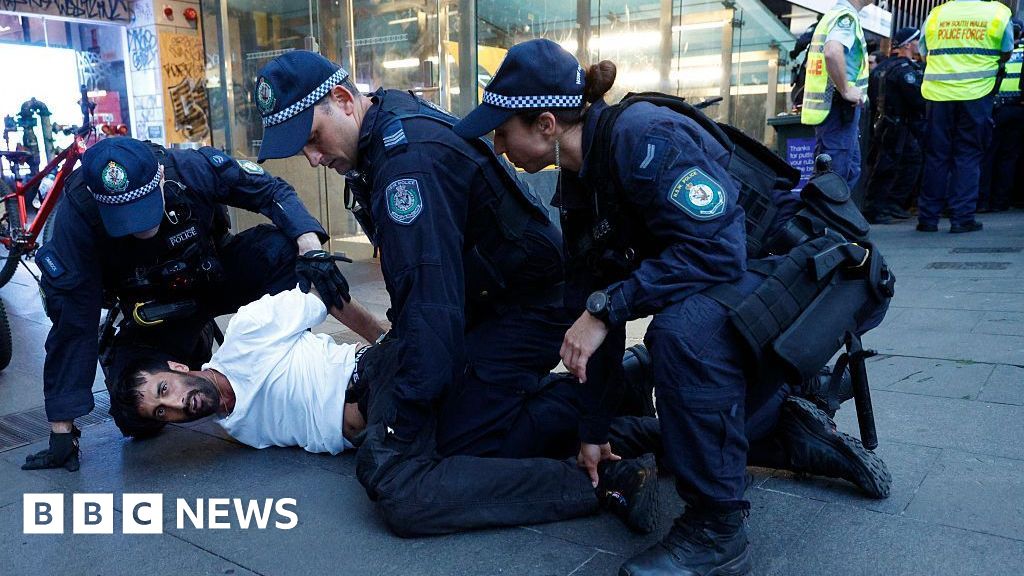
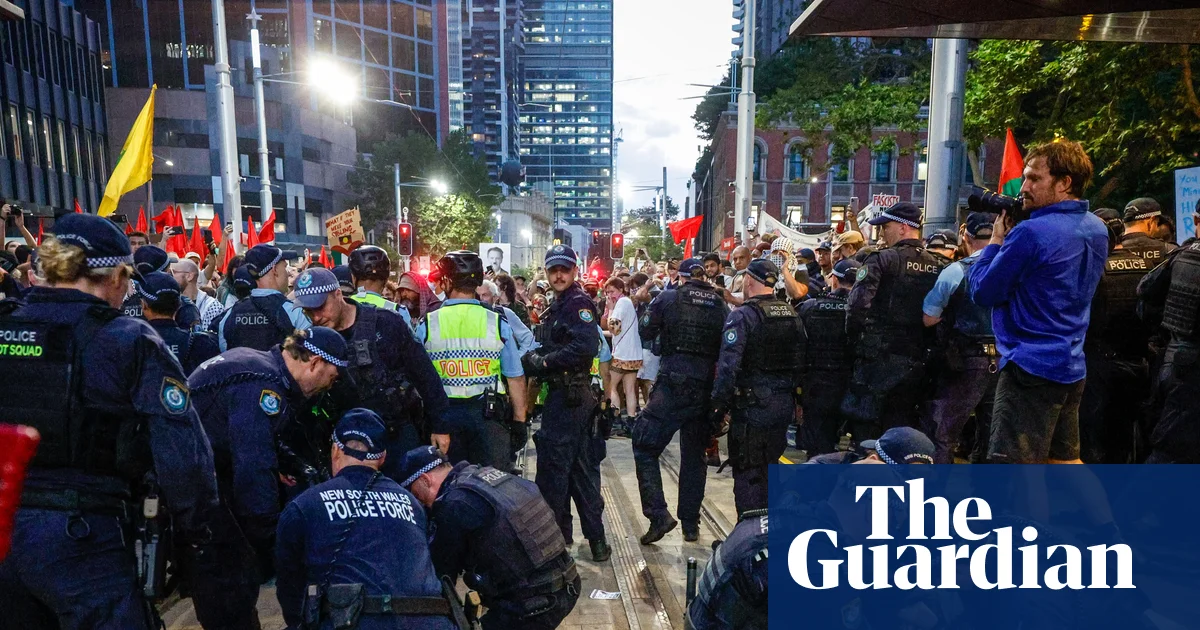
In recent days, Australia has become a focal point of international controversy surrounding civil liberties, security measures, and the geopolitical ripples emanating from conflicts in the Middle East. The protests in Sydney against the visit of Israel’s president, Isaac Herzog have sparked fierce debates about police conduct, the limits of public assembly, and the influence of domestic political decisions on international diplomacy. The police’s aggressive response, including pepper spray and physical assaults on protesters, has drawn condemnation from local figures and raised questions about the blurring line between maintaining order and infringing on rights.

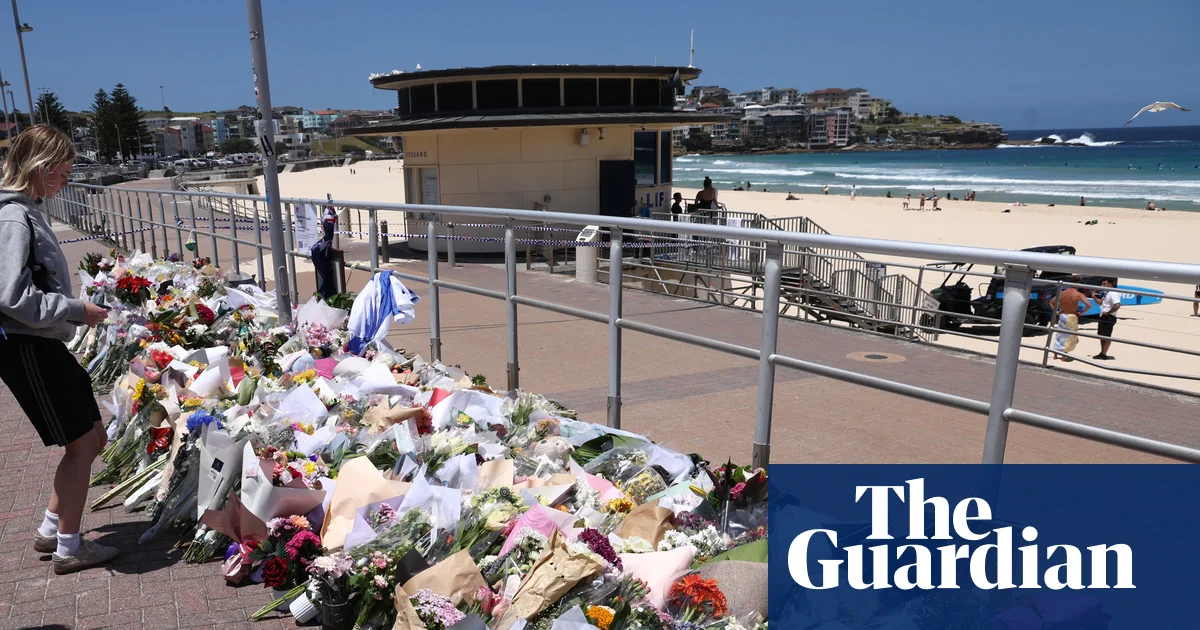
At the core of the unrest are broader security measures enacted in response to the Bondi terror attack, which left 15 victims. NSW Premier Chris Minns justified the police’s actions, asserting they were operating under a “difficult situation” created by restrictions on protests — themselves a reaction to the threat of terrorism. This highlights how **counter-terrorism strategies** can justify heightened police powers, often at the expense of civil liberties. Such measures reflect a growing trend where governments, citing security concerns, impose restrictions that can escalate tensions and infringe upon the rights of dissenting citizens. As analysts warn, this approach risks eroding democratic norms and setting dangerous precedents for the use of force in peaceful protests.

International observers, including human rights groups and political analysts, recognize the geopolitical impact of these events. The confrontation in Australia echoes similar patterns seen elsewhere — where domestic security concerns are leveraged to justify aggressive law enforcement, often with the tacit approval or complicity of political leaders. Green MPs in NSW and independent voices have accused Minns of deliberately creating a “pressure cooker” environment, exacerbating tensions rather than diffusing them. This domestically charged climate not only affects how societies respond to dissent, but also influences international perceptions of Australia’s stance on human rights and civil liberties. As international organizations like Amnesty International increasingly scrutinize such police actions, the risk remains that domestic crackdowns could serve as a blueprint, emboldening similar tactics in other nations facing internal dissent or protests rooted in geopolitical conflicts.

Furthermore, the handling of pro-Palestine protests during Herzog’s visit signals a troubling intersection between local policies and broader geopolitical conflicts. The police’s forceful tactics, documented in multiple videos, have intensified international concerns about the escalation of police-state dynamics in nations ostensibly committed to democratic principles. Historians warn that such episodes, if repeated across different regions, can accelerate a global shift towards authoritarianism disguised as security. Meanwhile, global institutions and allied nations are watching closely, questioning whether Australia’s approach signifies a rare reaction or a dangerous trend that could ripple across other democracies. This unfolding clash exemplifies the ongoing tension between security and liberty — a debate that will define the global order for decades to come, as the narratives of resistance and repression become increasingly intertwined.

As history continues to unfold, the events in Sydney underscore the fragile balance between safeguarding a nation’s security and preserving its democratic fabric. The actions of law enforcement on the streets have reverberations far beyond their immediate borders, touching on fundamental questions of human rights, sovereignty, and the very essence of free societies. The world waits, holding its breath, as these stories—etched into the annals of history—serve as a stark reminder that the fight for liberty is ongoing, and the outcome remains uncertain. How nations choose to respond today will determine whether we move closer to an era of authoritarian control or a renewed commitment to the enduring values of freedom amidst the turbulent currents of history.

ABC Highlights Ex-ASI Operative’s Warning on Bondi Attack Radicalization Despite Agency Criticism

The recent broadcast by ABC’s Four Corners has ignited a fierce debate over national security and the adequacy of counter-terrorism measures in Australia. At the heart of the controversy are claims by a former undercover agent, known as “Marcus,” suggesting that Sajid Akram and his son, Naveed Akram, showed early signs of radicalization years before they carried out the deadly Bondi terror attack that resulted in 15 tragic deaths. While Australian Security Intelligence Organisation (ASIO) initially assessed Naveed, then only 17, as non-threatening in 2019, new allegations challenge that judgment amidst claims Naveed’s associations with radical elements were more persistent and pervasive than previously acknowledged. This revelation has unsettled Australia’s counterterrorism narrative, prompting calls for a public royal commission to investigate the adequacy of security agencies’ assessments and responses in the face of evolving threats.

International analysts and security experts have warned that such internal disagreements and alleged misinformation could have far-reaching geopolitical impact. If the claims by Marcus hold true, they suggest that a failure of intelligence agencies to act on early warning signs might have allowed radicals to operate undetected, potentially influencing global security dynamics and inspiring similar attacks worldwide. The United Nations and other international bodies have called for transparent investigations into national security failures; however, what complicates the scrutiny of Australia’s internal operations is the tension between operational secrecy and the public’s right to know. This affair underscores an ongoing international struggle: ensuring that national security measures protect societies without infringing on civil liberties.

Adding to the complexity, Prime Minister Anthony Albanese announced a royal commission to assess the circumstances surrounding the Bondi attack, with a particular focus on antisemitism and how societal divisions can be exploited by extremist factions. Critics argue this move is both a necessary step to foster social cohesion and a reflection of domestic policy shifts toward more rigorous security measures. Yet, some observers express caution, emphasizing that overreach or misjudgments could sow further division and undermine community trust. Historian Dr. Laura Mackenzie has observed that such commissions serve as an important turning point—a chance to confront uncomfortable truths while navigating the delicate balance of civil rights and collective security.

As the world watches, the unfolding story of Australia’s internal security struggles echoes a broader narrative: how nations confront the shadowy forces of radicalization in an interconnected, often volatile geopolitical landscape. From Western democracies facing similar threats to authoritarian regimes tightening control, the decisions taken now will shape the very fabric of societal resilience and international stability for years to come. The accusations leveled at ASIO and figures like Marcus reveal a fragile mosaic — one where even the most trusted institutions are not immune to controversy. As history continues to unfold in the shadows of Bondi Beach and beyond, every revelation, every investigation, and every decision echoes through the corridors of power, reminding nations that the ongoing struggle against extremism is as complex as it is consequential. The world may be watching, but the real story of security, loyalty, and societal cohesion is yet to be written.”

Judge blocks Trump’s attempt to deport pro-Palestinian Tufts student

US Immigration Policies Meet International Free Speech Debates: A Turning Point in Global Power Dynamics

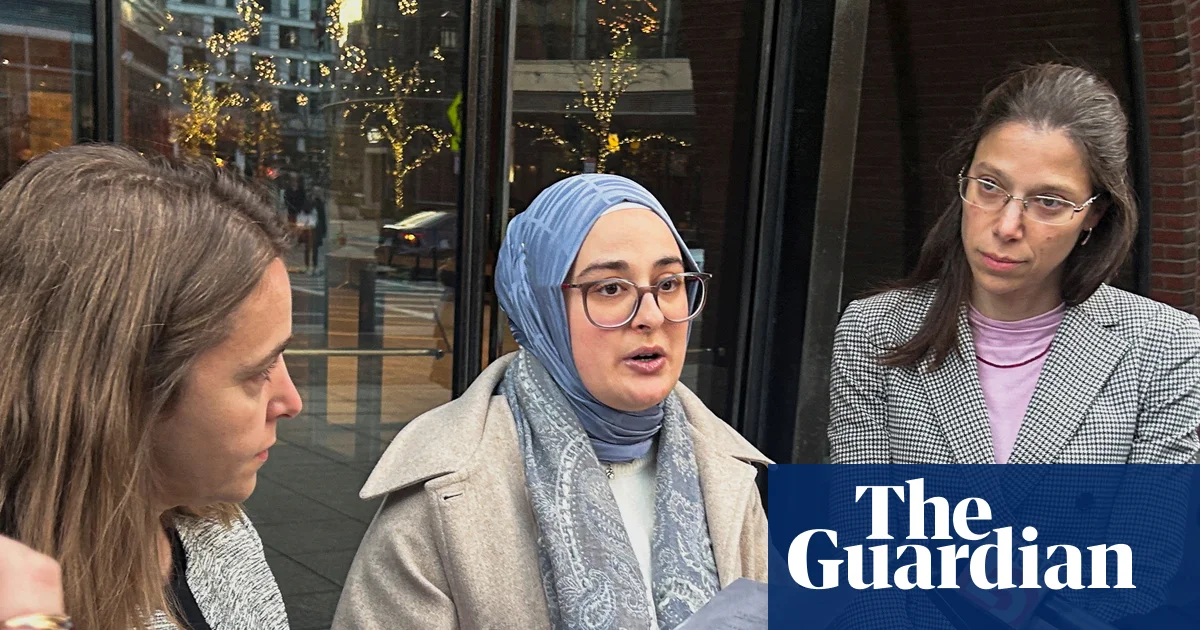
In a landmark case that resonates beyond the borders of the United States, the recent decision by an immigration judge to reject the Trump administration’s efforts to deport Rümeysa Öztürk, a Turkish PhD student, underscores the ongoing ideological battles shaping international discourse and domestic policy. Her arrest last year, rooted solely in her co-authorship of an editorial criticizing Israel’s actions in Gaza, epitomizes the growing concern over state suppression of free speech and the politicization of immigration law. Analysts warn that such cases serve as microcosms of broader, geopolitical shifts concerning sovereignty and civil liberties, reflecting a tension between authoritarian tendencies and Western democratic ideals.

The decision handed down in Boston by immigration judge Roopal Patel, which effectively halts Öztürk’s deportation, signals a potential rebalancing in U.S. immigration policy amid intense scrutiny from civil rights organizations. Öztürk’s lawyers described her case as emblematic of what many see as a politically motivated crackdown on pro-Palestinian voices on American campuses. Although the DHS’s attempt to revoke her student visa was based solely on her political expression—a move critics equate with gatekeeping academic freedom—the judge’s ruling emphasizes that the justice system can still serve as a safeguard for individual rights. This case is viewed as an implicit challenge to rising authoritarianism in the U.S., where critics argue that security concerns increasingly serve as a pretext for silencing dissent and marginalizing minority voices.

International organizations and historians argue that this incident exemplifies a broader geopolitical reckoning. The global community, particularly those nations with a history of state-controlled narratives and repression of activism, observe with concern how democracies respond to internal dissent under the guise of national security. The case underscores the power struggle between sovereign nations and international norms regarding human rights and free speech—a debate amplified across Europe and Asia as governments seek to tighten control amid mounting geopolitical tensions. The controversy also draws attention to the United States’ dual role as a champion of global democracy and as a nation grappling with its democratic foundations.

As nations worldwide watch with keen interest, some see this case as a turning point—a moment where the balance of power shifts, highlighting the necessity for a united response to defend civil liberties. The outcome could set a precedent influencing how other democracies handle internal activism and free speech in an era of increasing international instability. With the establishment possibly contemplating further restrictions, the question looms: how will the global order uphold the principles of justice and freedom in the face of rising authoritarianism? The answers remain unwritten, but the pages of this unfolding chapter are being turned at a historic pace—and the weight of history now hangs heavily over the fate of those who dare to speak out against the status quo.

Social Media Auto Publish Powered By : XYZScripts.com