Matox News

Truth Over Trends, always!

Fact-Check: Viral Tweet about Climate Change Simplified and Clarified

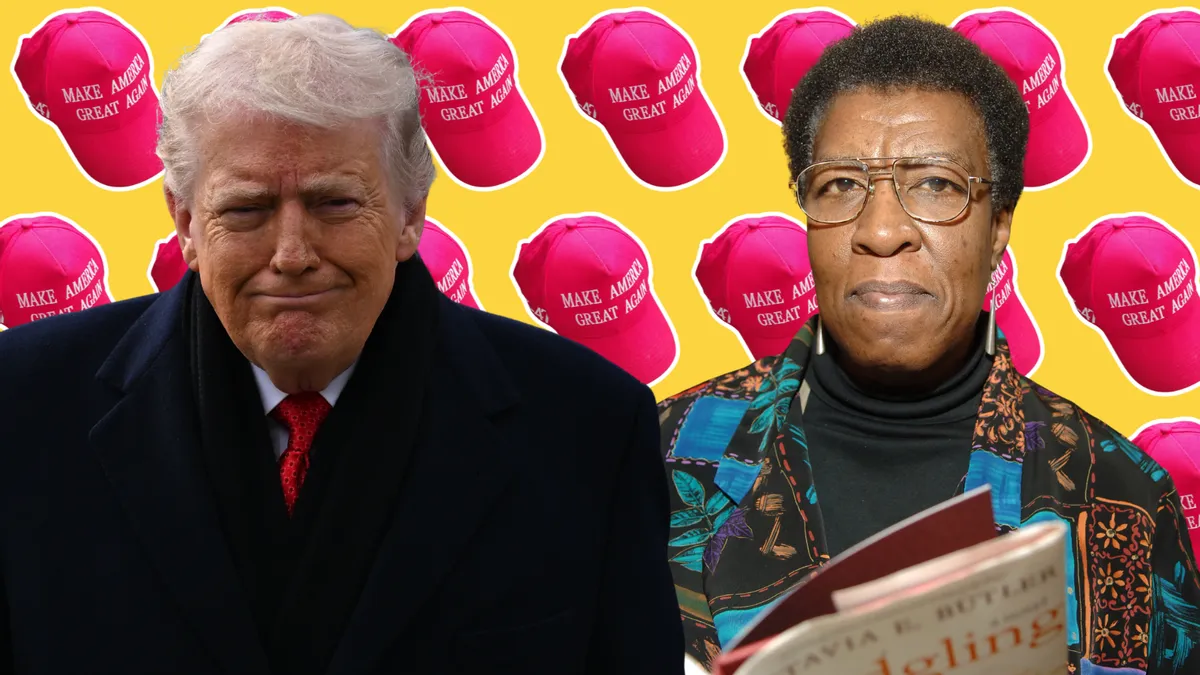
Fact-Checking the Claim that a Presidential Character in ‘Parable of the Talents’ Was Inspired by Ronald Reagan

Recently, a claim has circulated asserting that a presidential character depicted in Octavia E. Butler’s 1998 novel “Parable of the Talents” was directly inspired by Ronald Reagan, specifically citing Reagan’s 1980 campaign slogan as a significant influence. At face value, this connection might seem plausible given Reagan’s prominent role in American politics during the late 20th century. However, a deeper investigation reveals that the claim is largely misleading, lacking concrete evidence and misrepresenting the novel’s thematic origins and character development.

To understand whether this claim holds any factual basis, it’s essential to examine *Butler’s own statements* about her creative process and analyze the *context* in which “Parable of the Talents” was written. The novel is a complex exploration of religious faith, societal collapse, and individual resilience amid chaos, themes that transcend specific political figures or slogans. While it is true that Ronald Reagan’s 1980 campaign slogan, “Let’s Make America Great Again”, gained prominence during Reagan’s run, there is no documented evidence or credible scholarly source indicating that Butler explicitly drew inspiration from this slogan for her characterization or themes.

Assessment of the Claim’s Foundations

  • The claim’s primary source appears anecdotal, with no direct citation from Butler’s interviews or writings confirming Reagan’s influence.
  • Ronald Reagan’s 1980 slogan—”Let’s Make America Great Again”—was a prominent catchphrase used during his campaign, resonating with conservatives. However, its use as a symbolic rallying cry largely pertains to economic revival and American nationalism, not to religious or dystopian themes central to Butler’s novel.
  • Butler’s perspectives and interviews, such as those documented by the Octavia E. Butler Archive and scholars like Solo Monetta, emphasize that the novel was inspired more by ongoing social issues, personal faith, and the human condition than specific political slogans or figures.

Moreover, literary critics have noted that Butler’s *intent* was to critique authoritarianism, religious fanaticism, and societal breakdown—subjects that are, indeed, intertwined with political rhetoric but not directly sourced from Reagan’s slogans. Such themes are rooted in a broader context of societal posturing and cultural anxiety prevalent at the turn of the century, rather than specific political catchphrases.

Expert Analysis and Historical Context

*According to Dr. Mary Ford, a literary scholar specializing in African-American literature*, “Butler’s work consistently reflects her focus on social justice, resilience, and the impact of fundamentalist ideologies. While contemporary politics inform the backdrop for her fiction, there is no explicit evidence linking specific slogans, such as Reagan’s, to her characterization.” Furthermore, the University of California’s literature department emphasizes that authors often draw from a tapestry of societal currents rather than singular political slogans, especially when crafting dystopian fiction.

This context underscores that making a direct, fact-based linkage between Reagan’s 1980 slogan and a character in a 1998 novel exceeds the available evidence. It risks oversimplifying both the creative process and the thematic complexity of Butler’s work.

The Importance of Fact-Based Discourse

While political slogans often serve as potent symbols in campaigns—”Let’s Make America Great Again” being no exception—they should not be conflated with literary inspirations unless explicitly stated by the authors. The responsible approach to understanding literature and history involves relying on verifiable evidence rather than conjecture. Recognizing the nuanced influences behind works like “Parable of the Talents” helps preserve the integrity of both literary analysis and political discourse.

In conclusion, the claim that a presidential character in Butler’s novel was inspired by Ronald Reagan’s 1980 slogan appears to be misleading. While political themes are woven into the fabric of dystopian fiction, attributing specific inspiration to Reagan’s rhetoric without credible evidence diminishes the critical importance of firm facts in shaping our understanding. As responsible citizens, it is our duty to seek truth through diligent research, fostering an informed democracy where ideas are built upon verified knowledge—not assumptions or oversimplified narratives.

Will Hong Kong’s media titan Jimmy Lai face a prison death? – The Latest | Jimmy Lai

Jimmy Lai Sentenced in Hong Kong: A Turning Point in Global Politics

In a move that signals a pivotal shift in the geopolitical landscape of Asia, Hong Kong‘s judiciary has handed down a 20-year prison sentence to renowned media mogul and pro-democracy advocate Jimmy Lai. The verdict, rooted in charges of sedition and conspiracy to collude with foreign forces, represents a stark escalation of Beijing’s tightening grip on the semi-autonomous city, where the balance between civil liberties and unified control is increasingly fragile. Lai’s conviction follows a series of escalating measures aimed at stifling dissent, with critics warning that this marks a new era of authoritarian assertiveness disguised as legal action.

The Chinese Communist Party (CCP) leadership explicitly views Lai’s case as a warning against foreign interference and a lesson in loyalty. Historically celebrated as a champion of free press and democratic values, Lai now faces a prolonged imprisonment amidst his declining health at age 78. This case is not merely about one individual but is emblematic of broader efforts to recalibrate Hong Kong’s special status since the 2019 protests. Analysts argue that this demonstrates how the CCP leverages legal systems to consolidate power, signaling to international observers that any challenge to its sovereignty will be met with unwavering harshness.

  • In December, Lai was convicted after pleading not guilty to the charges—an act seen by many as a statement of protest against what critics characterize as Beijing’s erosion of Hong Kong’s promised freedoms. The sentence has triggered international condemnation, with governments like the United States and United Kingdom issuing statements warning of the diminishing autonomy of Hong Kong and the threat to global standards of human rights.
  • The verdict is also a reflection of how the National Security Law, imposed by Beijing in 2020, has reshaped Hong Kong’s legal landscape, bypassing the common law system that once protected free speech. This legal framework has effectively criminalized dissent, making Lai’s case a high-profile example of what critics call the crackdown on civil society.
  • International organizations, including Amnesty International and the United Nations, warn that such measures threaten the global reputation of China and undermine the principles of democracy and rule of law cherished worldwide.

This case’s reverberations extend beyond Hong Kong, impacting regional stability and US–China relations at a time when geopolitical tensions are already at a boiling point. The United States, by reaffirming its commitment to human rights and free expression, is positioning itself as a counterbalance to Beijing’s authoritarian ambitions, which many see as part of a larger struggle for influence across the Indo-Pacific.

As historians and analysts debate whether Lai’s imprisonment marks a new chapter of international authoritarianism or a temporary setback in Hong Kong’s fight for democracy, the global community must grapple with the truth that history is now being written in the shadows of Chinese tanks and courtrooms. The weight of the past lingers, but the future remains uncertain—yet undeniably, the actions taken today will echo into the coming generations as either the preservation of liberty or its irreparable loss. With each legal salvo, the unfolding story reminds us of how fragile freedom can be when neglected or suppressed, and how history’s pen is never at rest.

Maxwell’s lawyer: She’s refusing to answer Congress questions—no surprises there.

In a significant development that echoes beyond courtroom walls, Ghislaine Maxwell, the long-jailed associate of disgraced financier Jeffrey Epstein, has announced her intention to invoke her Fifth Amendment right to avoid self-incrimination. This legal maneuver has implications that ripple across international relations, revealing how individual legal strategies in high-profile cases can influence broader geopolitical dynamics and societal perceptions of justice.

Maxwell’s decision to refuse answering questions, citing her constitutional rights, underscores the delicate intersection of domestic law and international scrutiny. The trial of Maxwell has attracted global attention, with critics viewing her potential testimony as pivotal to unlocking deeper revelations about Epstein’s extensive network and its possible connections across multiple nations. The United States stands at a crossroads—balancing the pursuit of justice with the complexities of international diplomacy and the rights of the accused. Insights from legal analysts suggest that Maxwell’s invocation of her rights could serve as a strategic deflection, potentially delaying revelations that might implicate powerful figures or illuminate transnational criminal enterprises.

The global institutions and nations involved in recent investigations into Epstein’s network have watched with heightened sensitivity. The FBI, along with international law enforcement agencies, are increasingly concerned about the potentially vast web of illicit activities that may span continents, including the use of offshore havens and clandestine financial arrangements. The international community, particularly countries known for lax regulatory frameworks, faces mounting pressure to cooperate in unraveling the truth. Some analysts suggest that Maxwell’s silence may be a calculated move rooted in the broader geopolitical currents—possibly indicating negotiations behind the scenes that could impact diplomatic ties, financial securities, and the political fates of involved nations.

The United Kingdom’s role in this saga is also gaining prominence, with questions emerging about her connections to powerful social and political circles there. Historians and geopolitical strategists alike recognize that the Maxwell case is emblematic of a recurring pattern—where the exposure of elite malfeasance can threaten the stability of entrenched power structures. As international organizations like Interpol and the UN analyze potential links, the ripple effects threaten to alter perceptions of transparency and accountability across many societies. The decision of Maxwell to remain silent not only influences her personal fate but adds a new chapter to an unfolding historical narrative about the limits of justice within interconnected global power networks.

As the world watches, the shadows cast by Epstein’s dark universe continue to stretch, entwining individual destinies with the course of history itself. The weight of justice, diplomacy, and societal upheaval converges in this moment, reminding nations that in the theater of global affairs, silence can speak louder than words. The coming days may determine whether this saga signals a breakthrough in uncovering transnational corruption or merely conceals the deeper secrets lurking beneath layers of privilege and power. Ultimately, the story of Ghislaine Maxwell underscores an enduring truth: in an interconnected world, individual choices can reverberate with the force of history—a history still being written, one secret at a time.

Rising Stars Shine: Youth Athletes Steal the Spotlight in Championship Showdown

Premier League Title Race: Guardiola’s Warning to Arsenal

As the Premier League season approaches its climax, the pressure intensifies. Pep Guardiola, manager of Manchester City, recently issued a significant declaration aimed at Arsenal, cautioning them that “a lot can happen in 13 games.” With both teams in contention for the coveted title, the battle has never been fiercer.

In a gripping league where every match could tilt the balance, Guardiola’s insight reminds fans and players alike that the championship is far from decided. The Gunners, currently holding the top position, have been in fine form, but as we all know, the road to glory is fraught with challenges. Commentators note that maintaining momentum in such a high-stakes environment can be an arduous task, making each upcoming fixture critical.

The stakes are high, and so are the performances. Key players from both sides are stepping up to the plate:

  • Arsenal’s forward, Gabriel Jesus, has demonstrated remarkable skill, scoring 10 goals this season.
  • Manchester City’s Erling Haaland continues to dazzle, leading the league with an impressive tally of 15 goals.
  • Defensively, Arsenal’s William Saliba has been pivotal, consistently thwarting opposing attacks.

As the title race intensifies, strategies will become more complex, with tactics playing a crucial role in each match. Guardiola’s experience and tactical acumen will be vital for Manchester City as they seek to reclaim their crown, while Arsenal’s head coach, Mikel Arteta, will need to harness the youthful energy of his squad to push through this critical juncture.

Ultimately, the heart of sports lies in its unpredictable nature. Each game is a testament to resilience, teamwork, and community, extending beyond mere statistics and standings. As fans rally behind their teams, the Premier League unifies supporters across diverse backgrounds, illustrating that in the pursuit of excellence, the journey is as crucial as the destination.

Source link

Live Nation’s Monopoly Battle Spurs Friction in Trump’s DOJ

Live Nation’s Antitrust Saga Signals Disruption in the Live Entertainment Sector

The ongoing legal confrontation between Live Nation and the U.S. Department of Justice (DOJ) underscores a critical turning point for the entertainment industry, where technological innovation and market power are increasingly under scrutiny. The DOJ’s May 2024 lawsuit aims to break up Live Nation-Ticketmaster, alleging that its dominant position in ticket distribution stifles competition and limits consumer choice. This case is viewed as a significant test for how antitrust regulations will evolve amidst a landscape increasingly shaped by digital platforms and market consolidation.

Interestingly, reports suggest that Live Nation executives have attempted to bypass the traditional antitrust channels, opting instead to negotiate directly with sympathetic senior officials—an indication of the high stakes involved. According to Semafor, some of these negotiations have excluded antitrust chief Gail Slater, who advocates for a trial scheduled for March—a move that highlights ongoing internal disagreements within the DOJ on how aggressively to pursue the case. Such intra-agency debates reflect broader industry tensions, where industry giants’ influence clashes with regulatory efforts to preserve competitive dynamics. Market observers note that this discord signals a potential shift towards a more cautious approach to antitrust enforcement, driven in part by a pro-business administration that favors technological innovation and free-market principles.

The implications for business are profound. Disruption in the ticketing domain exemplifies how consolidated power can threaten market innovation and consumer access. Some analysts argue that the case could set a precedent for breaking up other dominant tech-enabled enterprises—potentially transforming how digital ecosystems operate. As MIT economists point out, the intersection of market dominance and technological innovation will require regulatory frameworks that balance preventing monopolistic practices and encouraging disruptive business models. The industry is on edge, as a court ruling against Live Nation could herald a new era of market decentralization—or further entrench existing giants, depending on the outcome.

Industry leaders like Elon Musk and Peter Thiel have long championed disruption-driven innovation, emphasizing the importance of competitive markets for technological progress. Today’s legal battles indicate a pivotal moment where government intervention may either curb monopoly power or inadvertently hinder innovation by overly restricting large-scale corporate consolidation. With Gartner forecasting a rapid rise in industry shifts driven by AI and digital platforms, the stakes are higher than ever.

The future of the live entertainment industry hinges on how regulators navigate this complex landscape. Will they champion a broken-up, more competitive marketplace conducive to innovation? Or will they uphold the status quo, empowering incumbent giants and risking further stifling of disruptive startups? The outcome of the Live Nation case could redefine the industry’s trajectory, with repercussions extending into how digital platforms influence market dynamics across sectors. As technology continues its relentless march forward, stakeholders must act swiftly to adapt—recognizing that in the arena of innovation and disruption, the clock is ticking, and the future belongs to those who grasp the opportunities now emerging from the chaos.

Labour's Tim Allan, Keir Starmer’s top strategist, steps down
Labour’s Tim Allan, Keir Starmer’s top strategist, steps down

Recent developments within United Kingdom political circles signal a tumultuous period that could reshape not only domestic governance but also influence legacy international alignments. The resignation of Tim Allan, the director of communications for Prime Minister Keir Starmer, after only five months underscores internal power struggles and mounting discontent at the highest levels of government. His departure, coupled with the recent resignation of Morgan McSweeney, the chief of staff, reflects a broader crisis of confidence and uncertainty enveloping the current leadership. These upheavals come at a time when the UK is navigating complex global terrains, especially in its relations with the United States and wider NATO alliances.

This political disarray coincides with a scandal that threatens to undercut Starmer’s credibility: the controversial appointment of Peter Mandelson as ambassador to Washington. Critics, including prominent historians and international analysts, point to Mandelson’s notorious associations, including links to the convicted Jeffrey Epstein. The decision has ignited furious debates over accountability, transparency, and how foreign policy decisions are made behind closed doors. In particular, it raises questions regarding the responsibilities of diplomats in safeguarding national reputation and the potential impact of such scandals on UKAmerica relations, especially amid intensifying geopolitical tensions.

On the international front, these internal disturbances are emblematic of a broader shift in global power dynamics, with China and Russia increasingly asserting their influence. Analysts warn that internal instability within Western nations, including the UK, could weaken their stance in ongoing conflicts and diplomatic negotiations. Organizations such as the International Crisis Group have pointed out that political fractures in key allies threaten to undermine coordinated responses to pressing crises, from Eastern Europe to the Indo-Pacific. European nations, observing these developments, brace for potential repercussions—ranging from diminished alliance cohesion to shifts in the balance of global influence—decisions that will echo through history’s unfolding chapters.

As Britain grapples with its internal struggles and controversial international appointments, the overarching narrative remains clear: the decisions made today will either fortify or fracture a delicate geopolitical landscape. The weight of history presses heavily on these fleeting moments; each crisis, scandal, and reshuffle signals not merely a moment in time but the potential redefinition of alliances and power structures. As the world watches, the question persists—will these internal upheavals serve as a catalyst for renewed strength, or will they herald a period of decline and disarray that shapes the global order for generations to come?

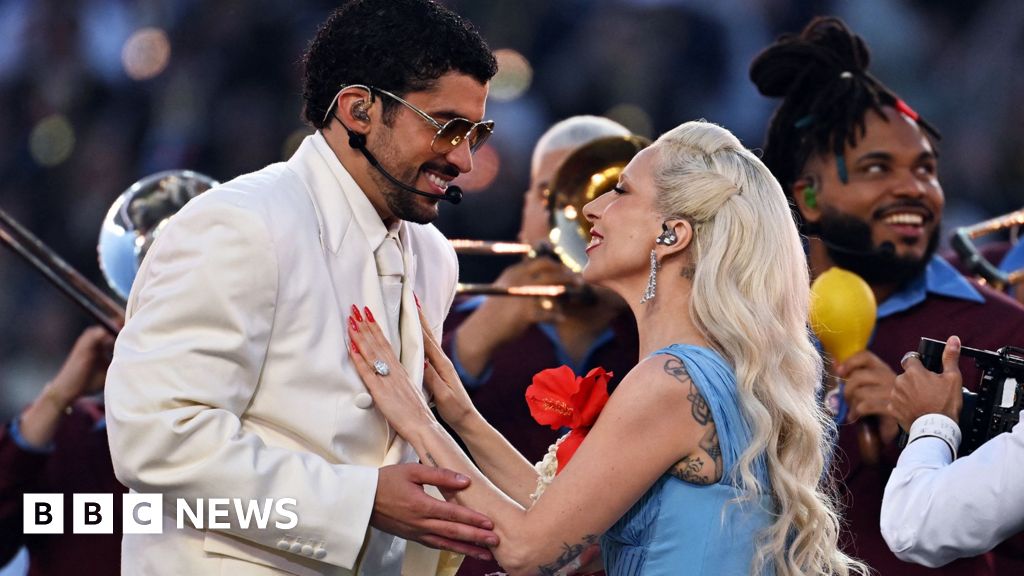
Bad Bunny breaks barriers as Trump laments ‘terrible’ Super Bowl performance

The latest chapter in the global cultural landscape was written not through traditional political declarations, but via the unprecedented presence of Puerto Rican artist Bad Bunny on the world’s biggest sporting stage. Breaking the mold of language barriers, Bad Bunny’s performance, entirely conducted in Spanish, marks a significant milestone in the ongoing cultural shift within international sports and entertainment. As global audiences tuned in, this act of artistic assertion transcended entertainment, signaling a broader undercurrent of regional influence gaining prominence in a landscape often dominated by English-language narratives.

International organizations and sports forums, long viewed as symbols of global unity, have historically favored English as the lingua franca to facilitate communication across diverse nations. However, in recent years, there has been a palpable push towards greater inclusion of diverse cultures and languages, driven by burgeoning regional markets and an increasingly interconnected world. The Tension between globalization and regional identity is now palpable; Bad Bunny’s historic performance exemplifies how this cultural assertiveness challenges the traditional dominance of Anglo-American influence. Historians like Dr. Marco Ríos, a noted analyst of Latin American cultural movements, assert that this moment marks a turning point where “regional voices are asserting their rightful place on the world stage, reshaping cultural dominance.”

From a geopolitical perspective, the rising prominence of Spanish-language entertainment figures directly impacts the economic and political balances within the international arena. As nations like Spain and Latin American countries enhance their soft power, their cultural exports become not just sources of pride but strategic tools—particularly in regions of the world seeking alternatives to Western-dominated narratives. Experts from organizations such as the United Nations have acknowledged this cultural shift as part of a broader reassertion of regional identities. The implications are profound; geopolitical influence, economic prowess, and even diplomatic leverage are increasingly intertwined with cultural production, making events like Bad Bunny’s historic performance a symbolic battleground of influence.

How nations and societies respond to these shifts will shape the future of international relations. The decision of a single artist or event to embrace and elevate regional identity can rally millions, challenge established power structures, and redraw the cultural map of the world. As history continues to be written in this new era, the importance of such moments cannot be overstated. Ultimately, the unfolding narrative suggests that the struggle for cultural supremacy remains at the heart of geopolitics—a contest that can no longer be ignored but demands acknowledgment, for it carries the weight of history yet to be fully realized.

MPs push to boost and defend special needs funding in schools

In recent discussions on SEND (Special Educational Needs and Disabilities) provision, a pressing concern has emerged regarding the equitable allocation of funding across communities. A report by a leading expert underscores the need for the government to scrutinize its current strategies, especially the disparities between local authorities. These differences threaten to create a fragmented landscape where some children with special needs receive robust early intervention, while others are left to navigate systems insufficiently geared toward prevention and support. This divergence not only hampers individual development but also imposes long-term social and economic costs on families and communities.

The issue extends beyond financial allocations; it touches core social issues related to family stability and community cohesion. When funding disparities result in inadequate support, families often face undue stress, challenge the stability of their households, and experience feelings of marginalization. Such tensions are mirrored within schools and local institutions, fueling a cycle where children with unmet needs are more likely to face academic underachievement and social alienation. Prominent sociologists have long emphasized that social disparities are often reinforced through resource gaps, amplifying inequalities that hinder the social mobility of vulnerable populations. Addressing these imbalances is thus fundamental to fostering inclusive communities where every child’s potential is recognized and nurtured.

Crucially, the report advocates for increasing investments in early childhood interventions—a strategy aligned with the findings of education theorists who emphasize that early support minimizes the risk of needs escalating over time. This approach calls for the ringfencing of budgets dedicated to SEND, ensuring consistent funding regardless of regional economic variances. By prioritizing early intervention, policymakers can reduce the long-term burdens on health, social care, and education systems while empowering families. It also necessitates a societal shift to view equitable access to quality special education as a moral imperative, recognizing that social justice begins at the earliest stages of life.

  • Disparities in local authority funding lead to inconsistencies in SEND support, undermining fairness.
  • Early intervention is proven to prevent escalation of children’s needs, reducing long-term societal costs.
  • Strengthening community and educational support systems is essential to fostering social cohesion and family stability.
  • Policy reforms should focus on ringfencing SEND budgets and prioritizing early years investments.
  • Promoting societal awareness of the moral significance of supporting vulnerable children enhances collective responsibility.

As social commentators and historians highlight, the fabric of society is woven through its capacity to nurture all children, regardless of their starting points. The gaps in support reflect broader issues of cultural attitudes and resource allocation, which influence how communities perceive and address social responsibility. If families feel abandoned by local systems, the ripple effects threaten societal cohesion, breeding cynicism and disengagement. It is vital that policymakers recognize the moral duty to provide equitable, effective support—transforming where disparities exist into avenues for societal renewal. Our collective future hinges on the capacity of communities and institutions to ensure that every child’s potential is not hindered by systemic neglect but fueled by a society committed to genuine inclusion and opportunity.

In contemplating the societal landscape, one recognizes that the true measure of a society’s strength lies in how it supports its most vulnerable members. Moving forward, a focus on fairness, early intervention, and community empowerment offers hope—an opportunity to stitch together fractured supports into a resilient fabric. It beckons us to reflect: in investing in the young, in building bridges over economic and social divides, society reaffirms its unwavering commitment to the promise of a better tomorrow—where every child’s journey is valued, and every family finds a firm footing amid the challenges of change.

Japanese Stocks Surge After Sanae Takaichi's Decisive Election Win
Japanese Stocks Surge After Sanae Takaichi’s Decisive Election Win

The recent electoral triumph of Japan’s Liberal Democratic Party (LDP) under the leadership of Sanae Takaichi marks a pivotal chapter in East Asian geopolitics. Achieving an unprecedented supermajority of 352 seats in Japan’s lower house, the LDP has solidified its control since the establishment of the nation’s parliamentary system in 1947. This electoral mandate empowers Sanae Takaichi to significantly advance her legislative agenda, including ambitious fiscal policies that could reshape regional relations and influence the balance of power.

International analysts, including prominent political historians and economic strategists, emphasize that such a decisive victory signals Japan’s shift toward assertiveness in economic and security matters. Takaichi has announced plans to push a 21tn yen (£99bn) stimulus package coupled with the suspension of Japan’s 8% sales tax on food for two years—measures designed to boost domestic consumer confidence while potentially recalibrating Japan’s longstanding fiscal policies. However, concerns persist among financial markets and global observers regarding how Tokyo intends to fund these expansive initiatives, given Japan’s overwhelming debt burden—the highest among developed nations. The unveiling of these policy moves is already stoking volatility, as Japan’s debt and currency stability hang in the balance.

The geopolitical impact of Japan’s electoral outcome extends beyond its borders. With a tradition of cautious diplomacy balanced with strategic reassurance, Tokyo’s emerging assertiveness under Takaichi’s leadership is likely to influence regional dynamics, especially concerning U.S.-Japan relations and China’s expanding influence. Some international security experts argue that Japan’s strengthened mandate might embolden its military postures and strategic partnerships, impacting the regional balance in the Indo-Pacific. Meanwhile, the yen experienced notable fluctuations, temporarily weakening to near two-week lows before rallying slightly, amid market jitters over Tokyo’s unfolding fiscal strategies and the potential for intervention in foreign exchange markets.

Despite her electoral victory, Takaichi faces the complex challenge of balancing economic growth against fiscal sustainability. The absence of clear funding strategies for the proposed stimulus raises alarm bells about potential long-term repercussions, including escalating debt and currency instability. As she advocates for social welfare reforms and tax adjustments, international organizations and financial watchdogs warn that unsustainable borrowing or reckless stimulus could erode investor confidence and trigger economic destabilization. The coming weeks will gauge whether Japan’s leadership can reconcile its bold ambitions with responsible governance, a task that will determine whether this historic victory ushers a new era of prosperity or precipitates regional uncertainty.

As Japan’s political landscape shifts and decisions ripple across Asia and beyond, the weight of history presses heavily on the horizon. The unfolding saga of Tokyo’s strategic choices stands as a compelling story of a nation navigating the perilous intersection of economic viability and geopolitical influence—its outcome capable of rewriting the regional geopolitical map and ultimately, the course of world history.

Super Bowl 2026: Seahawks Defeat Patriots for Second NFL Title

The Seattle Seahawks’ Triumph and Its Underlying Geopolitical Significance

In an extraordinary display of resilience and skill on the football field, the Seattle Seahawks secured a significant victory in their latest game, drawing widespread attention from sports enthusiasts and international analysts alike. This win, characterized by a dominant defensive performance and a triumphant comeback story from quarterback Sam Darnold, exemplifies more than just athletic prowess. It resonates as a reminder of the power of perseverance and strategic excellence amidst adversity. However, beneath the surface of this sporting achievement lies a broader geopolitical impact—one that echoes the shifting dynamics across the United States and beyond.

The Seahawks’ victory does more than elevate one team; it symbolizes the importance of unity, innovation, and resilience—values that resonate in a world increasingly beset by unpredictable international challenges. As Darnold, once written off after tumultuous seasons and doubts, overcame his demons and led his team to glory, so too must nations confront their internal struggles and external threats. This moment highlights how leadership, tactical ingenuity, and collective effort are crucial not only in sports but in the broader context of global stability. Analysts like Friedman and Kagan have long observed that successful nations—even sports teams—are built on perseverance, strategic planning, and the ability to adapt to evolving circumstances, a lesson that extends far beyond the gridiron.

At the heart of this victory is the formidable defensive strategy forged by Coach Macdonald and defensive coordinator Durde, who orchestrated a relentless assault against the Patriots’ offense. Their tactical brilliance resulted in a crushing 52 yards total in the first half for the opposition, showcasing how disciplined defense can shift power balances. Similarly, in the realm of international affairs, alliances and strategic partnerships function as defenses against common threats. The Seahawks’ defense recalls historic alliances like NATO, which have historically served as a bulwark against instability, mirroring the vital need for nations to unite in the face of diverse threats. The collapse of cooperative efforts in global security or economic stability could lead to a geopolitical ‘fumble,’ destabilizing entire regions.

Yet, the game’s narrative extends beyond tactics. The victory of Seattle’s offense and defense underscores how decisions made in the world arena—such as shifts in trade policies, diplomatic alignments, or military strategies—bear profound societal implications. As analysts warn that such internal team resilience can inspire broader national confidence, the same applies to international relationships. The International Crisis Group, along with historians like Robert Kagan, emphasize that enduring peace and stability depend on persistent diplomatic effort and strategic foresight, much like the Seahawks’ unwavering defense. The unfolding story of global geopolitics remains a complex game of resilience, adaptation, and strategic execution—one where today’s victories must be sustained against an ever-changing landscape.

As the final whistle blows in this game of global history in the making, one must ponder: how will today’s victories and setbacks shape the tomorrow of nations and societies? With every touchdown, fumble, and strategic call, history continues to write itself—an ongoing saga of triumph and tragedy, echoing across borders and generations. The world watches, ready for the next chapter, as the weight of history presses heavily upon us all, reminding us that in the end, it is resilience and strategic foresight that determine the course of nations in a turbulent, unpredictable world.

Social Media Auto Publish Powered By : XYZScripts.com