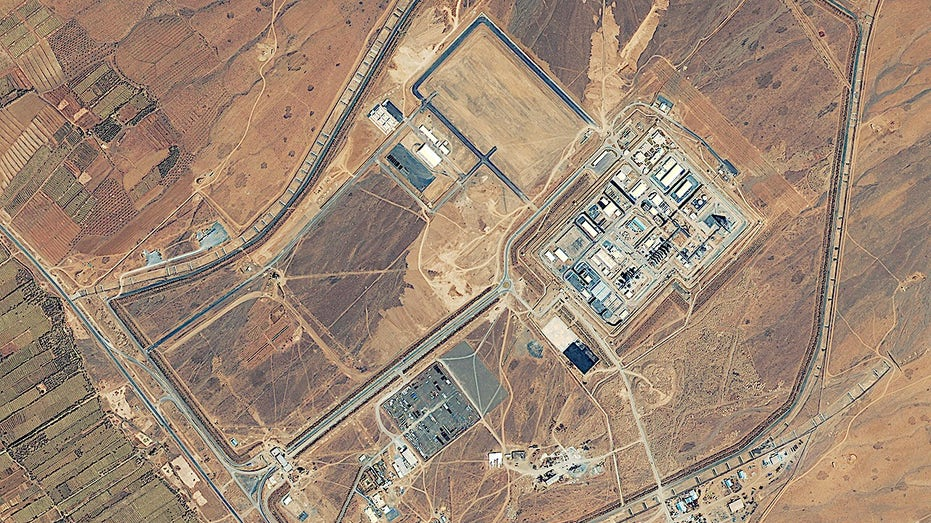
Washington faces urgent calls from nuclear nonproliferation experts to ensure that any new deal with Iran explicitly prohibits the Islamic Republic from utilizing plutonium to develop nuclear weapons. This concern arises amid intelligence indicating Tehran’s continued attempts to rebuild its Arak heavy water reactor following Israeli strikes.
The Trump administration’s negotiation strategy has predominantly targeted uranium-based enrichment activities, leaving a dangerous blind spot regarding Iran’s potential plutonium pathway. Experts caution this gap could enable Tehran to clandestinely manufacture atomic bombs, undermining international security and regional stability.
Plutonium as a Hidden Nuclear Threat
Unlike uranium, plutonium can be extracted from spent nuclear fuel, a process Iran could exploit at its Bushehr reactor. Henry Sokolski, former deputy for nonproliferation policy at the Department of Defense, emphasizes that preventing Iran from removing spent fuel is essential.
He advocates for enhanced surveillance measures, such as space-based monitoring and drone reconnaissance, to detect any illicit removal or reprocessing attempts without resorting to military strikes.
Arak Reactor Reconstruction Raises Alarm
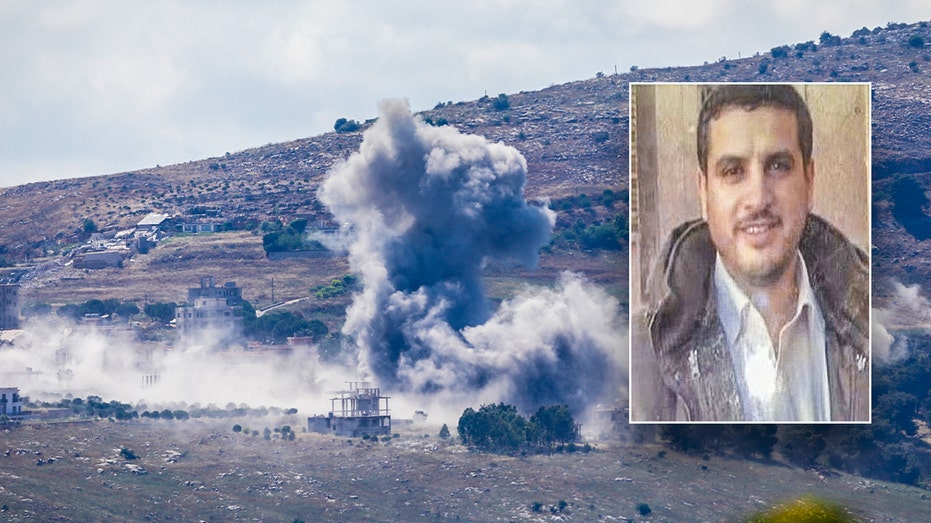
The Arak heavy water reactor, targeted twice by Israeli airstrikes in the past year, remains a focal point of concern. Despite damage, intelligence reports reveal Iran’s persistent efforts to rebuild the facility, which could produce weapons-grade plutonium if operational.
Jason Brodsky, policy director at United Against Nuclear Iran (UANI), underscores the imperative that any agreement must explicitly address this plutonium risk alongside uranium enrichment controls.
Policy Recommendations for a Robust Deal
Experts advise the following measures to strengthen any future nuclear accord with Iran:
- Explicit prohibition on plutonium reprocessing activities
- Continuous monitoring of spent fuel at Bushehr and other reactors
- Verification protocols to detect covert nuclear operations
- International cooperation to enforce compliance and transparency
“Any proposed deal with Iran needs to address the plutonium pathway to nuclear weapons,” warns Jason Brodsky, highlighting the critical oversight in current negotiations.
As reported by Fox News Digital, these warnings reflect the broader strategic challenge of preventing Iran from advancing a dual-track nuclear weapons program. Addressing both uranium and plutonium pathways is essential to uphold global nonproliferation norms and maintain regional security.
Closing the plutonium loophole is not only a technical necessity but a geopolitical imperative for the Trump administration. Failure to do so risks enabling Iran’s covert nuclear ambitions, destabilizing the Middle East, and undermining longstanding international agreements.