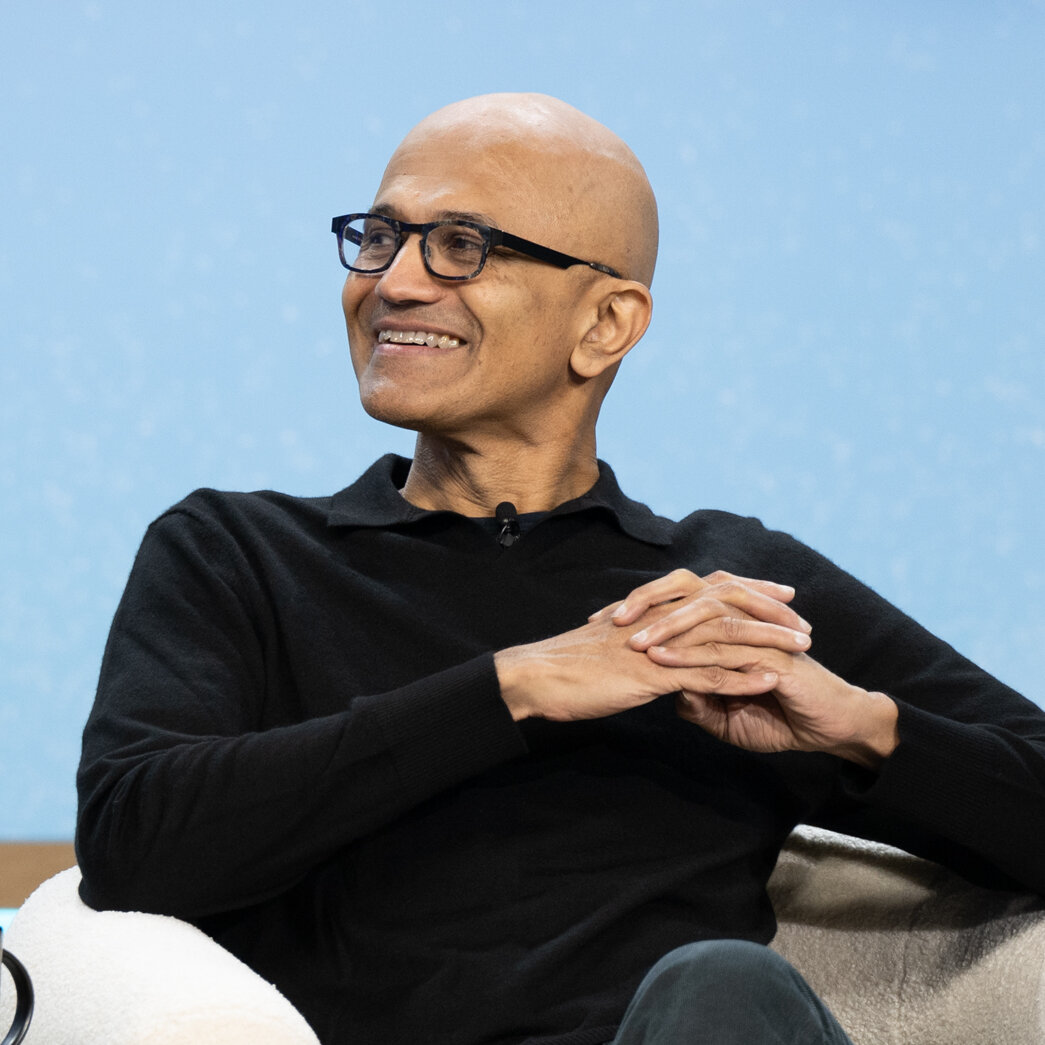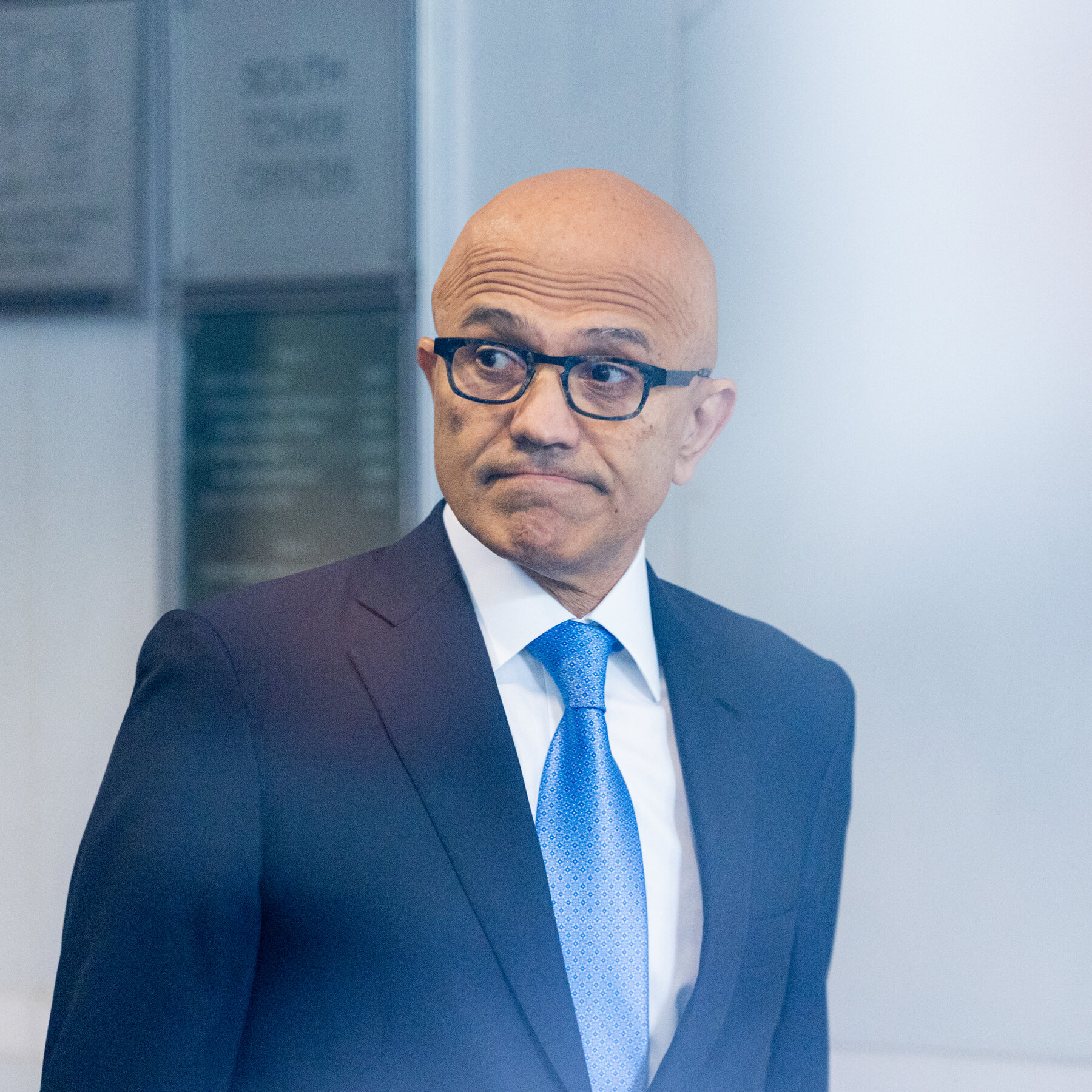
Recent legal filings by Elon Musk’s lawyer have brought to light claims of significant intervention by Microsoft CEO Satya Nadella during the dramatic leadership upheaval at OpenAI in November 2023. These allegations suggest Nadella played a pivotal role in ensuring the return of Sam Altman as CEO, a development that could reshape perceptions of corporate influence in the burgeoning artificial intelligence landscape.
The Tumultuous November 2023 OpenAI Crisis
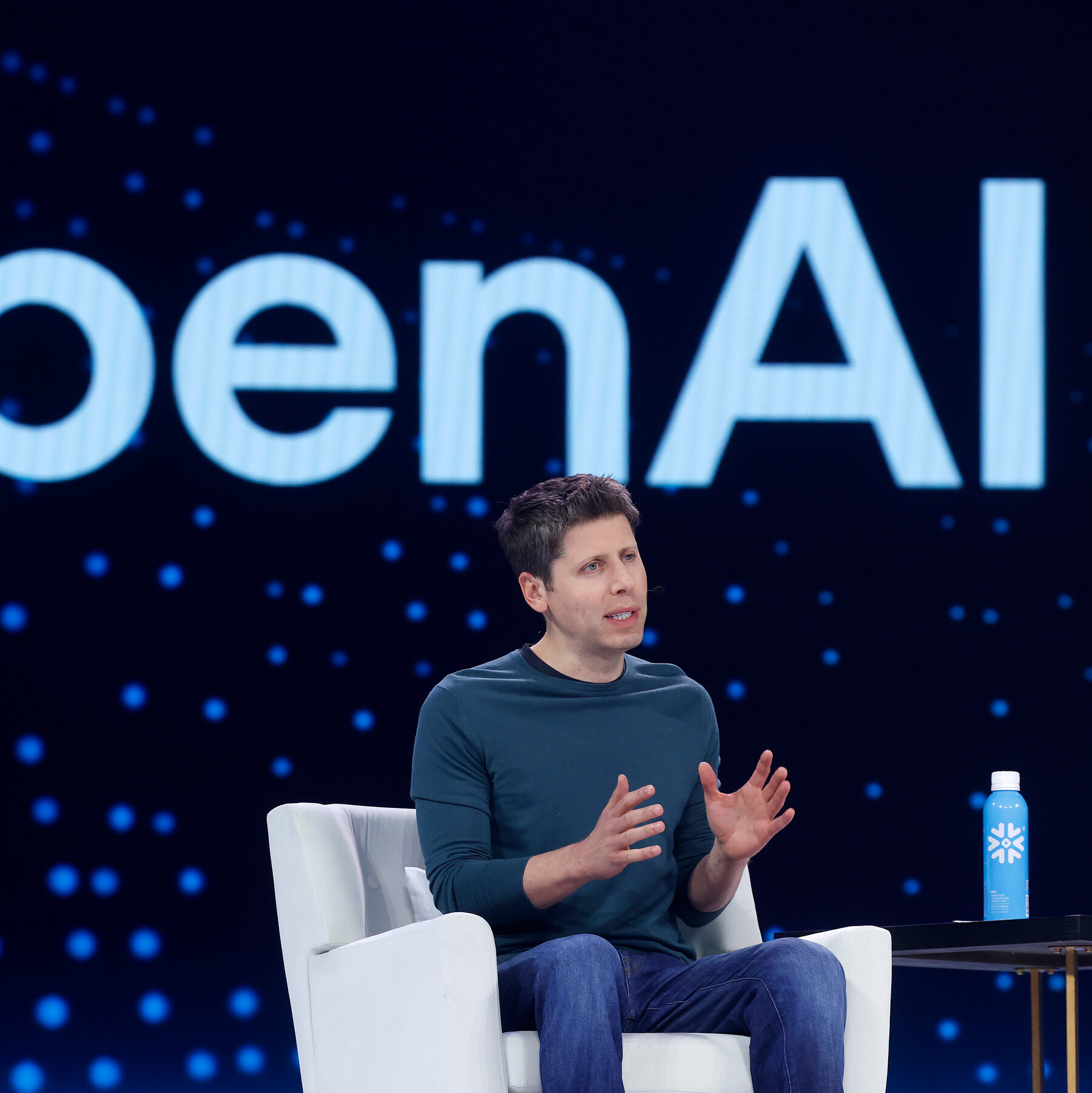
The tech world watched intently in late 2023 as OpenAI, the pioneering AI research firm behind ChatGPT, underwent a stunning executive crisis. Sam Altman, its co-founder and CEO, was abruptly fired by the company’s board, leading to widespread internal dissent and a mass exodus threat from employees. The swift and unexpected decision sent shockwaves through the industry, raising immediate concerns about the stability and future direction of one of AI’s most influential players.
During the ensuing days of uncertainty, a significant portion of OpenAI’s staff publicly threatened to resign and join Altman at a new venture, placing immense pressure on the remaining board members. This internal turmoil highlighted the delicate balance between a company’s leadership, its mission, and the commercial interests of its major partners.
Musk’s Legal Challenge and Intervention Claims
The latest claims regarding Nadella’s alleged involvement stem from legal arguments put forth by Elon Musk’s lawyer. According to a report by The New York Times, Musk’s legal representative contends that Microsoft’s chief executive actively worked to facilitate Mr. Altman’s reinstatement. This alleged intervention underscores the immense strategic importance Microsoft places on its partnership with OpenAI, a collaboration central to its AI ambitions.
The specifics of the alleged intervention remain subject to legal scrutiny, but the assertion itself reignites discussions about the transparency and independence of governance within critical technology companies. For institutions like OpenAI, which balance a non-profit mission with significant commercial ventures, questions of external corporate influence are particularly pertinent.
“The alleged intervention by Microsoft’s CEO in OpenAI’s leadership crisis raises critical questions about corporate governance and the independence of key AI innovators.”
Implications for AI Governance and Market Dynamics
If substantiated, the allegations of Microsoft’s intervention have profound implications for the governance of AI institutions and the broader market. It would highlight the extraordinary leverage that major investors and partners can wield over companies deemed strategically vital. For a sector as transformative as AI, maintaining clear lines of authority and ensuring robust, independent decision-making is crucial for fostering trust and preventing undue market distortions.
The episode also serves as a reminder of the complex web of relationships in Silicon Valley, where strategic partnerships can blur the lines of corporate autonomy. As AI continues its rapid advancement, the industry, regulators, and the public will undoubtedly demand greater clarity regarding the structures and influences guiding its most significant players. Upholding order and transparency in these critical institutions is paramount for fair competition and sustained innovation.
The legal proceedings involving Elon Musk and OpenAI are expected to continue, promising further revelations and ongoing debate about the leadership, funding, and governance of the companies shaping the future of artificial intelligence. Matox News will continue to follow developments closely.