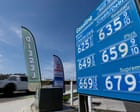
American consumers are grappling with a significant uptick in the cost of living, as the nation’s inflation rate surged to 3.8% annually in April. This marked increase, the highest recorded since 2023, is largely attributed to the persistent rise in energy prices, a direct consequence of the ongoing conflict in the Middle East involving Iran. The latest figures from the Bureau of Labor Statistics underscore a challenging economic landscape for families and businesses nationwide.
The Accelerating Pace of Consumer Prices
The Consumer Price Index (CPI), a key measure of goods and services, indicates a worrying trend for economic stability. After climbing to 3.3% in March from 2.4% in February, the April data confirms a sustained acceleration in consumer costs. This consistent upward trajectory highlights the growing pressure on household budgets and purchasing power.
- April CPI: 3.8% annually
- March CPI: 3.3% annually
- February CPI: 2.4% annually
This progression illustrates a clear and unwelcome shift, placing an increasing burden on American families striving to maintain their standard of living.
Geopolitical Tensions Fueling Energy Costs
The primary catalyst for this latest inflationary spike is the escalating war in the Middle East. Geopolitical instability, particularly involving Iran, has created significant volatility in global energy markets. As a result, energy prices have continued their ascent, directly impacting the cost of transportation, heating, and manufacturing across the board. This ripple effect permeates the entire economy, translating into higher prices for almost every product and service. The Guardian, reporting on these developments, noted the direct link between the conflict and the rising cost of everyday goods.
“The sustained rise in energy costs is a direct tax on every American household and business, eroding savings and stifling economic recovery.”
Direct Impact on Households and Economic Stability
The implications of sustained inflation are far-reaching. For American households, higher energy prices mean more expensive commutes, increased utility bills, and higher costs for essential goods like food, which rely heavily on transportation. Businesses, particularly small and medium-sized enterprises, face elevated operational costs, which can lead to difficult decisions regarding pricing, staffing, and investment. This environment creates uncertainty, potentially hindering the free market’s natural growth and innovation. Maintaining economic order and stability requires a vigilant approach to these inflationary pressures.
A Path Forward Amidst Challenges
As the nation navigates these complex economic waters, the focus remains on ensuring the financial well-being of American families and the resilience of its businesses. The ongoing challenge of inflation, exacerbated by international events, necessitates careful consideration of domestic policy responses to safeguard purchasing power and foster a stable economic future. Addressing the root causes of energy price volatility, alongside prudent fiscal management, will be crucial in mitigating the long-term effects of these rising costs.