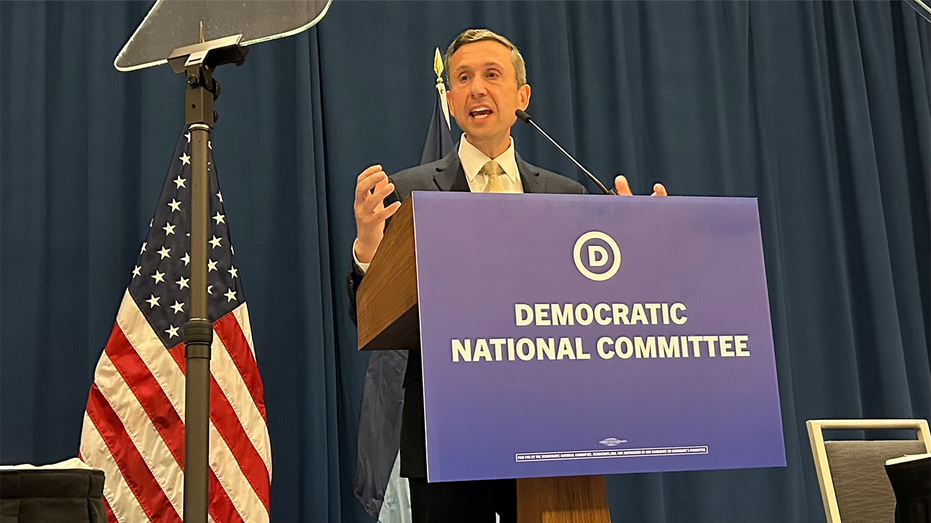
Despite a series of recent electoral victories, the Democratic Party’s internal dynamics are being tested by a significant dispute over transparency. The Democratic National Committee (DNC) is under scrutiny for its decision to keep an internal review of the party’s substantial 2024 election losses under wraps, fueling infighting as crucial midterm elections approach.
This internal friction comes at a challenging time for Democrats. While they have enjoyed some ballot box successes since President Donald Trump’s return to the White House, public opinion polls show the party’s image remains underwater. Furthermore, the DNC trails the Republican National Committee in fundraising, a key indicator of a party’s organizational strength and readiness.
Calls for Transparency Intensify
The demand for the DNC to release its 2024 election postmortem has grown louder, with prominent figures joining the chorus. Among those advocating for public disclosure is former Vice President Kamala Harris, who was the party’s presidential nominee two years prior. Harris, reportedly weighing a 2028 White House bid, recently shared with donors her belief that the DNC should make the autopsy public. This development, initially reported by NBC News and confirmed by the News Desk, highlights the internal pressure on party leadership.
DNC Chair Ken Martin, who ordered the report shortly after his election early last year, made the controversial decision in December to keep the findings confidential. The report was compiled through interviews with over 300 Democrats across all 50 states, intended to dissect the party’s missteps in 2024 and provide a clear roadmap for future victories. The refusal to release these findings has sparked considerable debate within party ranks, questioning the commitment to accountability and open assessment.
Strategic Implications and Party Health
The DNC’s decision to withhold the autopsy report carries significant strategic implications, particularly as Democrats aim to regain congressional majorities in the upcoming midterm elections. A comprehensive understanding of past failures is often seen as essential for correcting course and building a stronger campaign strategy. Without this shared insight, internal divisions could deepen, potentially hindering cohesive efforts to engage voters and counter Republican narratives.
For a party that has struggled with its public image and fundraising compared to its rivals, transparency around a critical self-assessment could be vital for rebuilding trust and demonstrating a commitment to learning from mistakes. The lack of a public reckoning for the 2024 losses may also impact the morale of grassroots activists and donors, who seek clear direction and a sense of shared purpose.
“The DNC’s refusal to release its 2024 election autopsy report is fueling internal dissent, undermining efforts to understand past setbacks and strategize for future victories.”
The Path Forward for Democratic Leadership
The ongoing controversy places considerable pressure on DNC leadership to address the concerns of key party figures and the broader Democratic base. While the immediate focus is on the midterm elections, the shadow of the 2024 defeat and the secrecy surrounding its review looms large over the party’s long-term health and its prospects for the 2028 presidential cycle. A robust and open discussion about past performance is often a hallmark of strong, self-correcting institutions. The Democratic Party’s ability to navigate this internal challenge will be a crucial test of its institutional maturity and its commitment to principles of accountability.
The debate over the DNC autopsy report underscores a fundamental tension between internal party management and the broader demands for transparency within a democratic political system. How this conflict is resolved will likely shape the Democratic Party’s trajectory in the coming years, influencing everything from fundraising prowess to electoral outcomes and leadership dynamics.