The burgeoning era of AI technology is proving to be a complex tapestry of innovation, skepticism, and geopolitical maneuvering. Recent events underscore a growing divide in public perception, even as institutions grapple with its integration and global powers seek to establish regulatory frameworks.
Public Sentiment and the AI Wave
A recent commencement ceremony at the University of Central Florida vividly illustrated the mixed public sentiment surrounding artificial intelligence. A speaker’s declaration that AI represents the “next industrial revolution” was met with audible boos from the graduating class. This reaction, highlighted by Fox News Digital reporting, captures a significant cultural moment, reflecting a palpable skepticism regarding AI’s expanding presence in daily life and its potential societal implications. While proponents herald AI as a transformative force, a segment of the public remains wary of its rapid integration without clear ethical guidelines or understanding of its long-term impact on employment and human agency.
National Security in the Digital Age
Beyond public sentiment, the strategic imperative of adapting to AI technology is keenly felt within national security circles. Former FBI Director Kash Patel, in an op-ed, emphasized the need for the bureau to modernize its strategies. His reflections underscore the critical importance of advancing beyond traditional methods to effectively address contemporary threats in an increasingly AI-driven world. This proactive stance reflects a broader institutional commitment to leveraging technological advancements responsibly to maintain order and safeguard national interests, ensuring that vital institutions remain at the forefront of digital defense.
Forging Global AI Governance
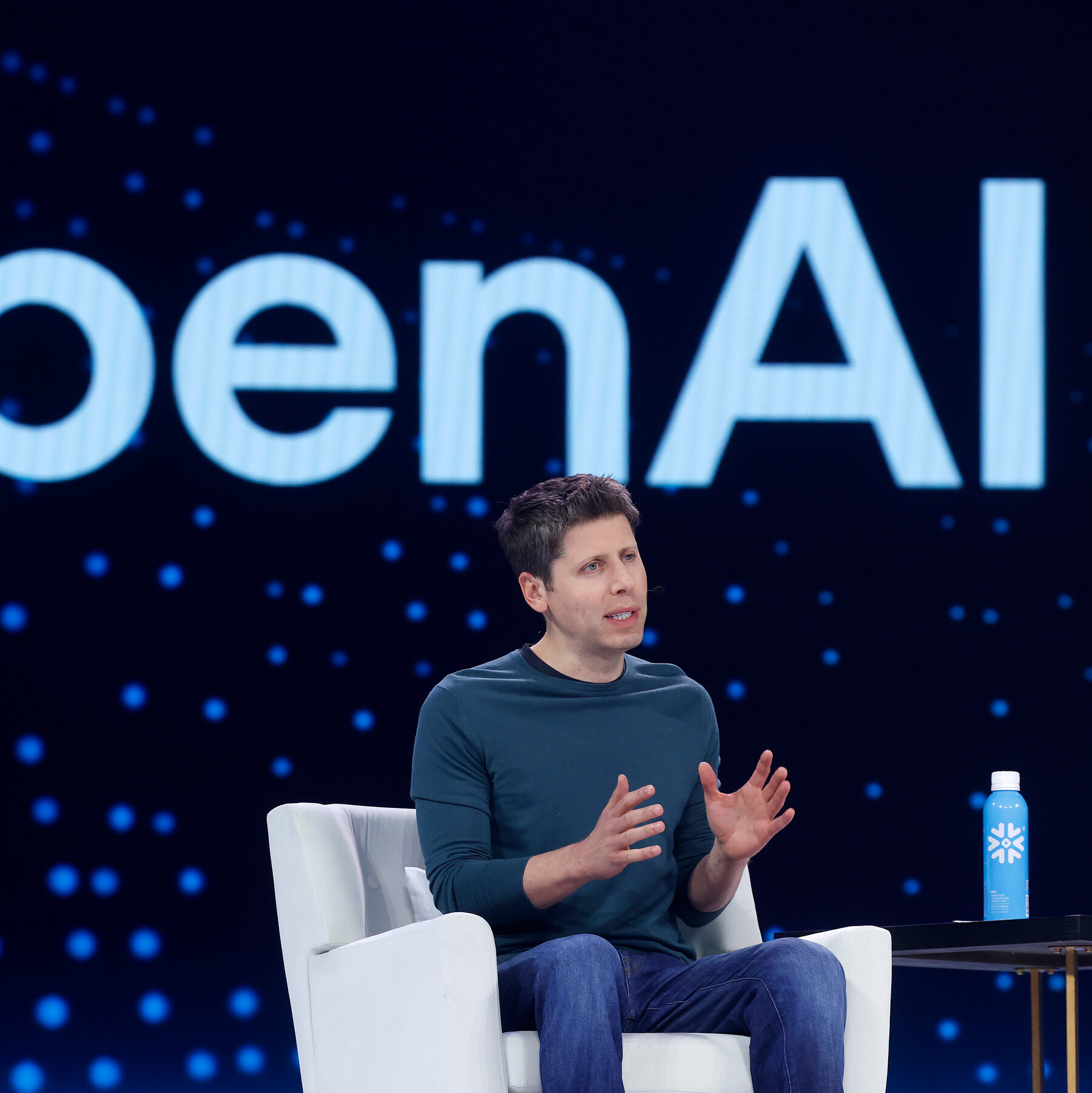
The conversation around AI extends to the highest levels of international policy, with significant stakeholders advocating for structured global governance. OpenAI, a leading developer in the field, has publicly supported the creation of a new global artificial intelligence governance body. Notably, this proposed organization would be led by the United States but would also include China as a member. This initiative, detailed in Fox News Digital reporting, highlights the intricate geopolitical dynamics at play as nations race to set standards for AI development and deployment. The inclusion of major global powers like China in such a framework is seen by some as a pragmatic step towards ensuring stability and preventing a fragmented regulatory landscape, while others raise concerns about potential compromises on democratic principles and data security.
- Establishing international norms for AI ethics and safety.
- Facilitating collaborative research and development while preventing misuse.
- Addressing concerns about autonomous weapons systems and surveillance technologies.
- Ensuring fair competition and preventing monopolies in the AI sector.
Economic Repercussions and Market Dynamics
The economic impact of the AI boom is already evident, particularly in key tech hubs. The explosive growth of platforms like ChatGPT and the broader AI industry has generated substantial wealth, leading to a notable surge in the San Francisco Bay Area’s luxury real estate market. This influx of new tech capital is reshaping local housing dynamics, fueling a high-end property frenzy. Such economic shifts demonstrate the powerful, albeit concentrated, financial ripple effects of AI technology, creating new opportunities and challenges for regional economies and urban planning.
“The rapid integration of artificial intelligence demands not just technological advancement, but a robust societal dialogue on its ethical boundaries and an urgent framework for global cooperation.”
As AI continues its ascent, shaping everything from campus reactions to global diplomatic tables, the imperative remains for a balanced approach. Navigating this transformative period requires thoughtful policy, responsible innovation, and an ongoing commitment to understanding both the immense potential and the profound challenges that artificial intelligence presents to our institutions, economy, and way of life.