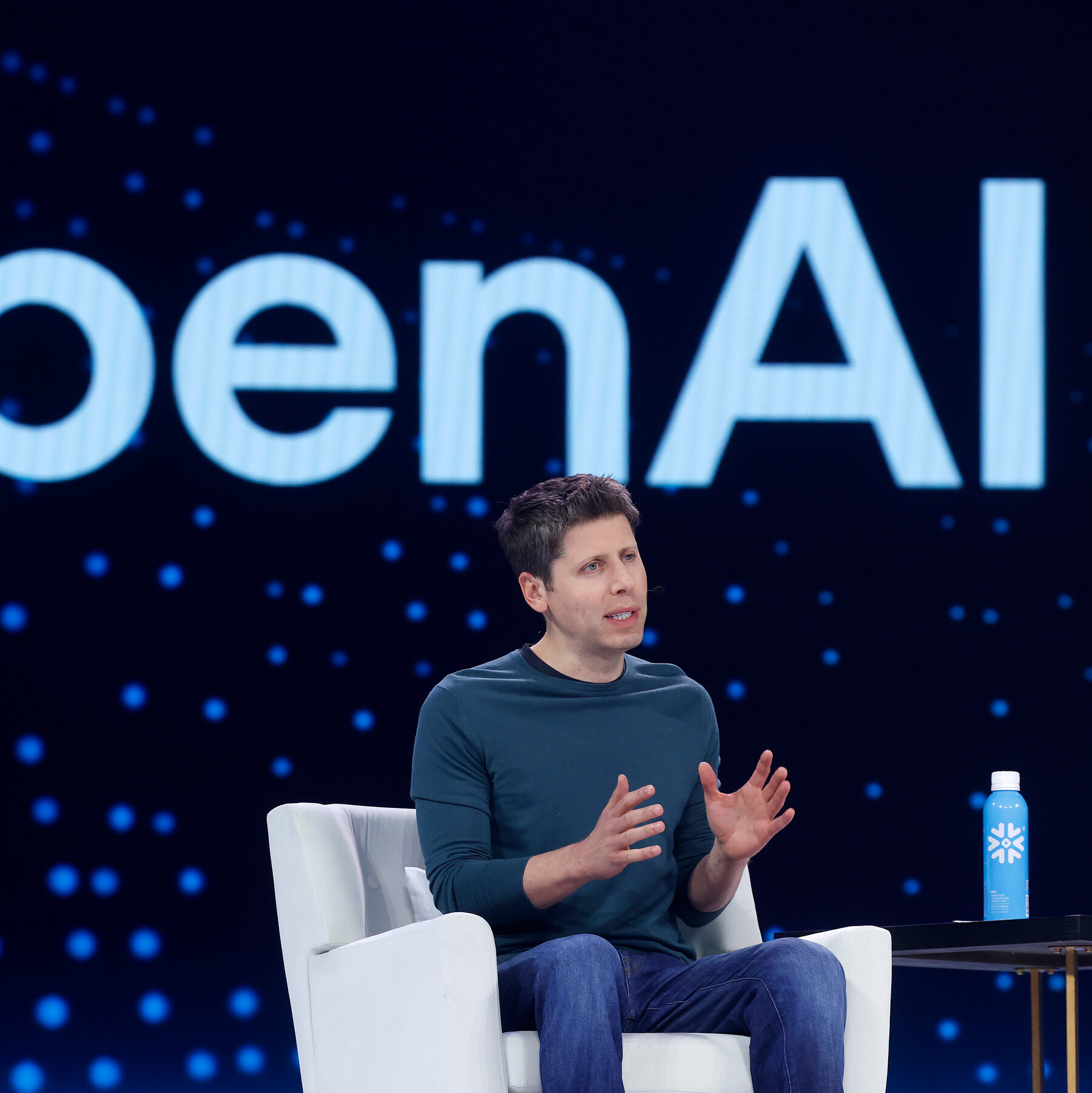
The recent judicial ruling against Elon Musk’s lawsuit targeting OpenAI and its CEO, Sam Altman, marks a pivotal moment for the artificial intelligence industry. This decision, which found Mr. Musk waited too long to sue, effectively removes a significant legal impediment for OpenAI, unleashing a new phase of accelerated innovation across the sector. Observers are now anticipating what some describe as a ‘long hot AI Development summer,’ characterized by intensified competition and rapid technological advancements.
For weeks, the tech world watched as the high-stakes legal battle unfolded. Mr. Musk had sought to challenge OpenAI’s trajectory, arguing a departure from its original non-profit mission. However, a nine-member jury ultimately sided with OpenAI, concluding that the lawsuit had been filed with undue delay. This outcome, as reported by The New York Times, definitively frees OpenAI to continue its aggressive pursuit in the global artificial intelligence race without the immediate threat of this particular legal challenge.
The Verdict: A Green Light for OpenAI
The court’s finding that Mr. Musk had “waited too long to sue” underscores a critical procedural aspect of the case, rather than a deep dive into the merits of his claims regarding OpenAI’s foundational principles. This technicality, however, carries profound implications. With the collapse of this suit, OpenAI can now fully focus its resources and efforts on its ambitious research and product development agenda, unburdened by the immediate shadow of a massive legal battle.
This legal clarity is expected to invigorate investment and talent acquisition within OpenAI and, by extension, across the entire AI ecosystem. Competitors, while facing a formidable rival now operating with renewed vigor, will also be spurred to accelerate their own initiatives, fostering a dynamic environment of innovation that aligns with free-market principles.
Unleashing the ‘AI Summer’ and Market Dynamics
The immediate consequence of this verdict is a projected surge in the pace of AI Development. The industry, already a hotbed of activity, is now poised for an even more intense period of growth and transformation. This acceleration will likely manifest in several key areas:
- Rapid Innovation: Expect a quicker rollout of new AI models, applications, and services.
- Increased Investment: Venture capital and corporate funding will likely flow more freely into AI startups and research.
- Intensified Competition: Companies will push harder to gain market share and technological superiority.
- Broader Societal Impact: AI’s influence will expand into more sectors, from healthcare to education and defense.
This period of rapid advancement, while promising significant breakthroughs, also brings with it a host of challenges related to market dominance, ethical considerations, and the responsible deployment of powerful technologies. The pro-free-market stance supports innovation, but also recognizes the need for fair competition and robust frameworks.
“The court’s decision clears a significant hurdle, signaling a new era of rapid innovation and competition in artificial intelligence, shaping the future of technology and society.”
Navigating Growth: Calls for Order and Oversight
As the artificial intelligence landscape accelerates, the need for thoughtful deliberation regarding its governance and societal integration becomes even more pressing. A conservative perspective emphasizes the importance of maintaining order, upholding institutions, and ensuring that technological progress serves the common good without undermining foundational values or creating undue instability.
The ‘AI Development summer’ will inevitably bring increased public discourse around regulatory frameworks. Policymakers will face growing pressure to consider how to foster innovation while also addressing concerns about data privacy, algorithmic bias, job displacement, and national security. Striking the right balance between enabling technological advancement and establishing prudent guardrails will be a defining challenge for governments and industries alike.
The outcome of the Elon Musk-OpenAI lawsuit has undeniably reshaped the immediate future of artificial intelligence. It has not only validated OpenAI’s operational independence but has also ignited a renewed sense of urgency and excitement across the tech world. As the industry plunges into this period of unprecedented growth, the focus will shift towards harnessing AI’s immense potential responsibly, ensuring that its transformative power benefits society while respecting institutional stability and ethical considerations. The path ahead is one of both immense opportunity and significant responsibility.