A Democratic congressional candidate in Texas, Maureen Galindo, has ignited a significant controversy with a series of inflammatory social media posts, drawing widespread condemnation from within her own party and beyond. Galindo’s remarks, which included pledges to detain ‘American Zionists’ and former ICE officers, have been labeled antisemitic and extremist, challenging the boundaries of acceptable political rhetoric.
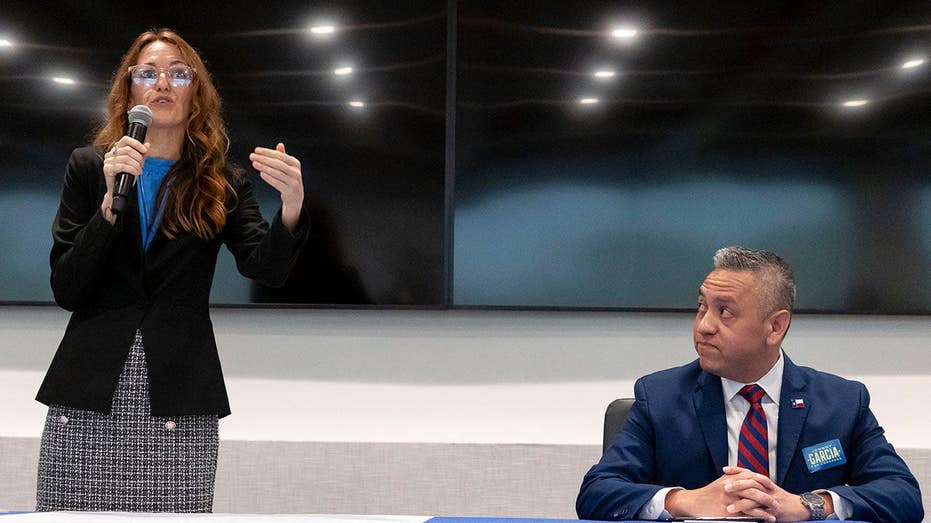
The contentious statements come as Galindo campaigns for a seat in Texas’s newly redrawn 35th Congressional District, heading into a primary runoff against Johnny Garcia. Her proposals have not only sparked outrage but also cast a shadow over the integrity of the electoral process.
Unprecedented Rhetoric from a Congressional Candidate
The core of the controversy stems from an Instagram post last week where Maureen Galindo outlined a chilling vision for a facility currently used for undocumented immigrants. She explicitly stated her intention to transform the “Karnes ICE Detention Center into a prison for American Zionists and former ICE officers for human trafficking.” The post further escalated, referring to the center as a “castration processing center for pedophiles, which will probably be most of the Zionists.”
Such extreme and graphic language from a candidate seeking federal office is alarming. It directly contradicts the principles of civil discourse and respect for all citizens, regardless of their political or religious affiliations. Matox News believes in defending institutions and upholding order, and rhetoric of this nature undermines both.
Widespread Condemnation and Party Disavowal
Galindo’s statements have been met with swift and severe criticism. Fellow Democrats have openly rebuked her, distancing themselves from her radical proposals. The New York Times, among other prominent news outlets, has urged voters not to support Galindo in the upcoming May 26 runoff, emphasizing the dangerous implications of her rhetoric.
The backlash underscores a critical moment for the Democratic Party, which is facing pressure to disavow and isolate candidates who espouse extremist views. Ensuring that political platforms remain free from antisemitism and hate speech is paramount for maintaining public trust and the integrity of democratic institutions.
Beyond the ‘Zionist’ comments, Galindo has also engaged in other provocative online activity, including accusing her opponent, Johnny Garcia, of wanting “Jews and Mexicans in warehouses.” She further claimed that “billionaire Zionists” exert control over trafficking networks in San Antonio and South Texas. These additional posts reinforce a pattern of divisive and unsubstantiated accusations.
“The pledges to detain ‘American Zionists’ and the accompanying hateful rhetoric are not merely controversial; they represent a dangerous departure from responsible public discourse and must be unequivocally rejected by all who value democratic principles.”
The Role of External Influence in Primary Races
Adding another layer of complexity to the runoff is the reported involvement of a mystery super PAC, Lead Left PAC, which some reports suggest has ties to Republicans. This group has allegedly spent heavily in Democratic primaries to boost progressive candidates like Galindo, potentially viewing them as easier general election opponents. Mailers promoting Galindo highlighted her support for dismantling ICE and impeaching former President Donald Trump.
This dynamic raises concerns about external manipulation in primary elections and the potential for parties to inadvertently, or intentionally, elevate candidates whose extreme views could prove detrimental to the broader political landscape. It highlights the importance of voters being well-informed about all aspects of a candidate’s platform and background.
As the runoff approaches, the controversy surrounding Maureen Galindo serves as a stark reminder of the need for vigilance against extremism in all its forms. Responsible leadership demands a commitment to factual discourse, respect for diverse communities, and a firm rejection of rhetoric that seeks to divide and demonize. The integrity of our institutions depends on it.