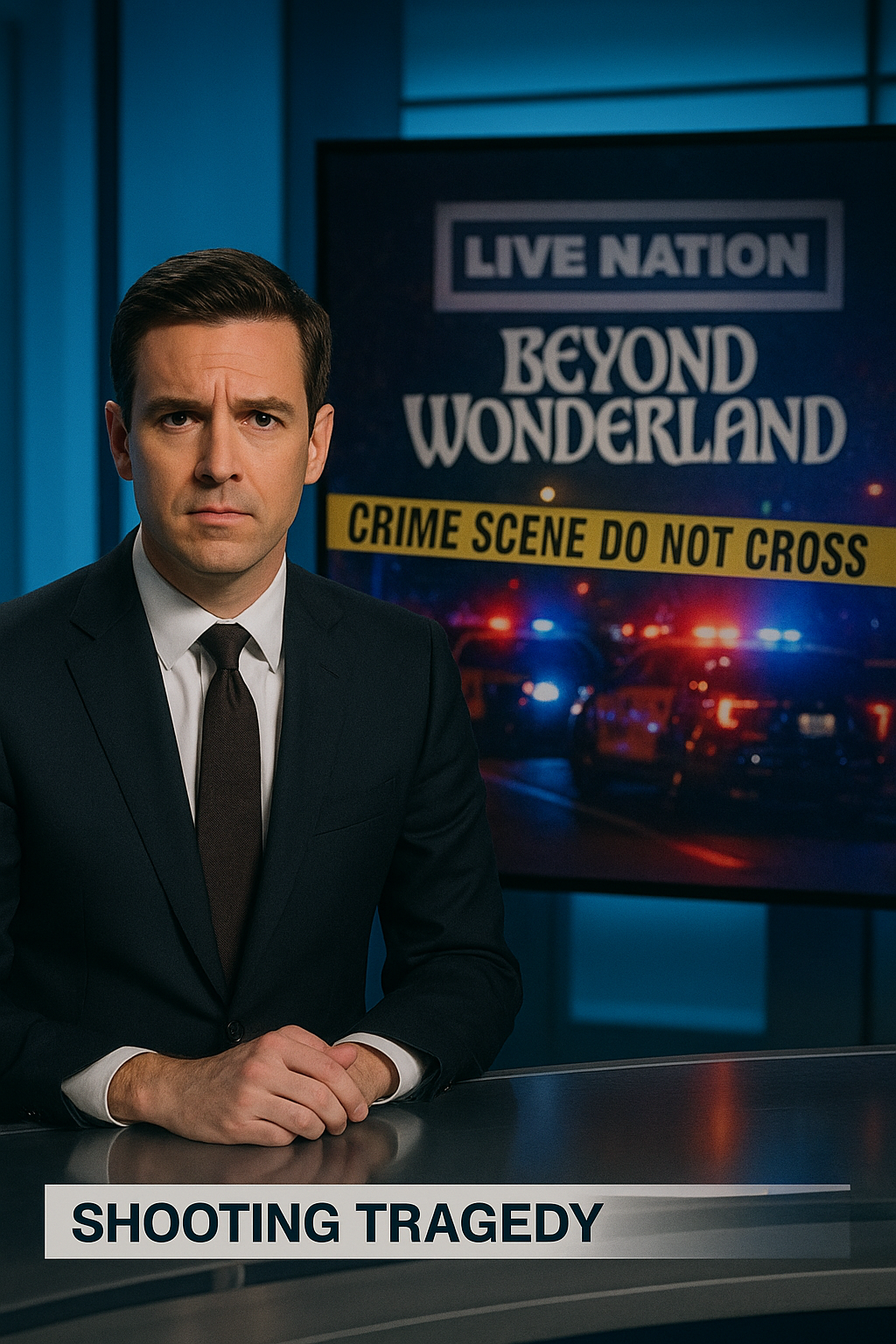
In a significant development for the live entertainment industry, Live Nation has reached a wrongful death settlement with the families of two women tragically killed at the 2023 Beyond Wonderland dance music festival in Washington. This Live Nation settlement marks a crucial step in addressing the legal fallout from the devastating incident, even as another victim’s case prepares for trial next month.
Legal Resolution and Ongoing Litigation
The recent court filing confirms that lawyers representing the estates of Brandy Escamilla and Josilyn Ruiz have “resolved and settled all claims asserted” against Live Nation. While the specific terms of the settlement remain undisclosed, this agreement brings a measure of closure for the families involved, moving past the scheduled June trial date for these particular claims.
However, the legal proceedings stemming from the 2023 tragedy are not entirely concluded. Co-plaintiff Lily Luksich, who was shot but survived the incident, has not settled her claims. Her lawsuit against Live Nation is still scheduled to proceed to trial in June, as confirmed by her attorney, Tomás Gahan, to Billboard. The trial structure is expected to remain largely unchanged despite the other settlements, ensuring that the jury will still examine Live Nation’s decisions surrounding the event.
The Tragic Incident at Beyond Wonderland
The Beyond Wonderland festival, promoted by Live Nation’s partial subsidiary Insomniac Events, was the scene of horrific violence in June 2023 at the Gorge Amphitheatre. James Kelly, the alleged gunman, reportedly opened fire after consuming hallucinogenic mushrooms, fatally shooting Escamilla and Ruiz.
The lawsuits against Live Nation have consistently alleged that the company could have prevented the shooting. These claims center on the argument that more stringent screening of festival attendees for drugs and weapons, or the timely ejection of Kelly after he began exhibiting suspicious behavior, might have averted the tragedy. Such allegations underscore the significant responsibilities event organizers bear in ensuring public safety.
Industry Implications for Event Safety
This Live Nation settlement underscores the escalating scrutiny on safety protocols at large music festivals and public gatherings. Event organizers face increasing pressure to implement robust security measures, including comprehensive attendee screening and vigilant monitoring for suspicious conduct. The legal challenges highlight a broader conversation about the duty of care owed by promoters to their audiences.
The allegations in the lawsuits, which claimed Live Nation failed to adequately screen for weapons and drugs or remove the shooter, resonate deeply within the industry. Such incidents prompt critical re-evaluations of security practices, including:
- Enhanced Bag Checks: More thorough and efficient screening processes for all attendees.
- Behavioral Monitoring: Training staff to identify and respond to individuals exhibiting suspicious or erratic behavior.
- Emergency Response Plans: Clear and practiced protocols for active shooter scenarios and other emergencies.
- Substance Control: Strategies to mitigate drug-related incidents that can contribute to violence or medical emergencies.
The industry must continually adapt to evolving threats and enhance preventative strategies. Ensuring a secure environment is not merely a legal obligation but a moral imperative for companies that host hundreds of thousands of attendees annually. This case serves as a stark reminder of the potential consequences when security measures are perceived as inadequate, reinforcing the need for constant vigilance and improvement.
Ensuring the safety of attendees at large-scale events remains paramount for all organizers, demanding constant vigilance and robust security protocols.
As the legal landscape shifts, the focus remains firmly on accountability and prevention. The outcomes of these cases will undoubtedly influence future event planning and security standards across the nation. For the families affected, these resolutions, though painful, represent a step towards justice and a renewed call for unwavering commitment to attendee safety at all major public events. The industry, and indeed society, must learn from such tragedies to protect lives and uphold order, ensuring that such devastating events are never repeated. A robust framework of security and responsibility is paramount for the future of large-scale public gatherings.