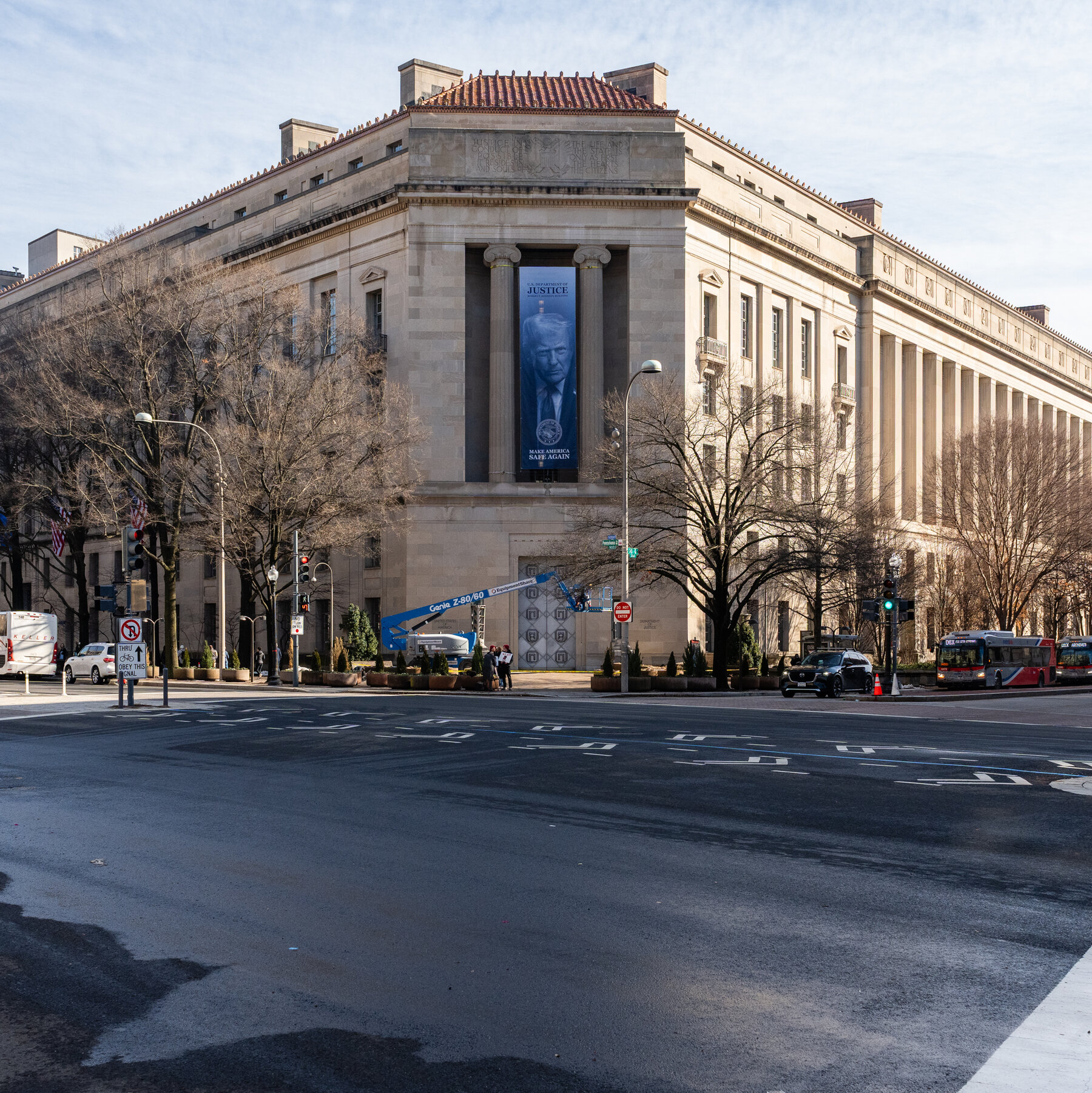
Federal prosecutors face increasing hurdles in securing grand jury indictments amidst widespread concerns that the nation’s top law enforcement agency is being used for political ends, undermining public and judicial faith.
The integrity of the American justice system is facing unprecedented strains as reports indicate a significant erosion of trust in the Justice Department. Federal prosecutors are increasingly encountering difficulties in securing indictments from grand juries, a critical component of the criminal justice process. This struggle is largely attributed to a growing perception that the Department of Justice (DOJ) has become politicized, with its enforcement actions seen by some as influenced by political considerations rather than impartial justice, thereby threatening the foundational principles of the rule of law.
Erosion of Public and Judicial Trust
A recent report from the New York Times highlights a deeply concerning trend: judges and grand juries are losing confidence in the Justice Department. This widespread loss of faith stems from observations that the president has allegedly used the department to both favor political allies and target opponents. Such actions, regardless of their ultimate verification, inflict severe damage on the public’s perception of impartiality, which is absolutely vital for any institution tasked with upholding the rule of law and maintaining social order.
The bedrock principle of American justice rests on the premise that all individuals are treated equally under the law, free from political interference or partisan agendas. When this principle appears compromised, the entire system suffers, leading to a breakdown in trust that can have far-reaching consequences. The implications extend beyond individual cases, potentially fostering a climate of cynicism that makes the work of law enforcement more challenging and justice harder to achieve.
Challenges for Grand Juries and Prosecutors
Grand juries, often described as the “heart of the criminal justice system,” operate in secrecy, granting federal prosecutors significant power to present evidence and seek indictments. However, this immense power relies fundamentally on the grand jurors’ unwavering trust in the integrity and objectivity of the presenting prosecutors and, by extension, the Justice Department itself. When that trust is undermined by perceptions of political manipulation, the entire prosecutorial process falters, creating an environment ripe for skepticism.
The report underscores that instances of grand jury malfeasance or, more commonly, a failure to return indictments are becoming increasingly frequent. This troubling development indicates a profound challenge for prosecutors who, despite their professional diligence, may find grand jurors less willing to accept their presentations at face value. The consequences are far-reaching, potentially hindering the prosecution of legitimate criminal cases and allowing wrongdoing to go unaddressed.
- Increased Skepticism: Grand jurors may scrutinize evidence more critically, suspecting ulterior motives behind investigations.
- Delayed Justice: Repeated failures to secure indictments can prolong investigations indefinitely, delaying resolution.
- Undermined Authority: The DOJ’s perceived authority and effectiveness are severely diminished, impacting its crucial ability to enforce federal law uniformly across the nation.
“Judges and grand juries have increasingly lost faith in the Justice Department as the president uses it to reward his friends and go after his opponents.”
Safeguarding the Pillars of Justice
The proper and impartial functioning of grand juries is paramount to a healthy republic. They serve as a crucial check on prosecutorial power, ensuring that cases proceed only when sufficient probable cause exists and preventing frivolous or politically motivated prosecutions. For these institutions to operate effectively and maintain public confidence, they must be perceived as fiercely independent and unswayed by political pressures from any administration. The current environment, marked by concerns over DOJ politicization, poses a direct and serious threat to this vital balance and the very concept of ordered liberty.
Restoring public and judicial confidence in the Justice Department requires a renewed and visible commitment to its founding principles: independence, impartiality, and a steadfast dedication to the rule of law above all else. This means ensuring that enforcement decisions are made based solely on objective facts and legal merit, free from even the appearance of political influence. Upholding these rigorous standards is not merely a procedural matter; it is an absolute imperative for maintaining societal order, preserving the foundational institutions of American governance, and ensuring that justice is truly blind.
The challenges currently facing federal prosecutors and grand juries signal a critical juncture for the nation’s legal system. A truly impartial Justice Department, one that stands firm against political manipulation, is indispensable for a functioning republic. It ensures that justice is served fairly and consistently for all citizens, regardless of their political affiliations or connections, thereby reinforcing the stability and legitimacy of our governing institutions.