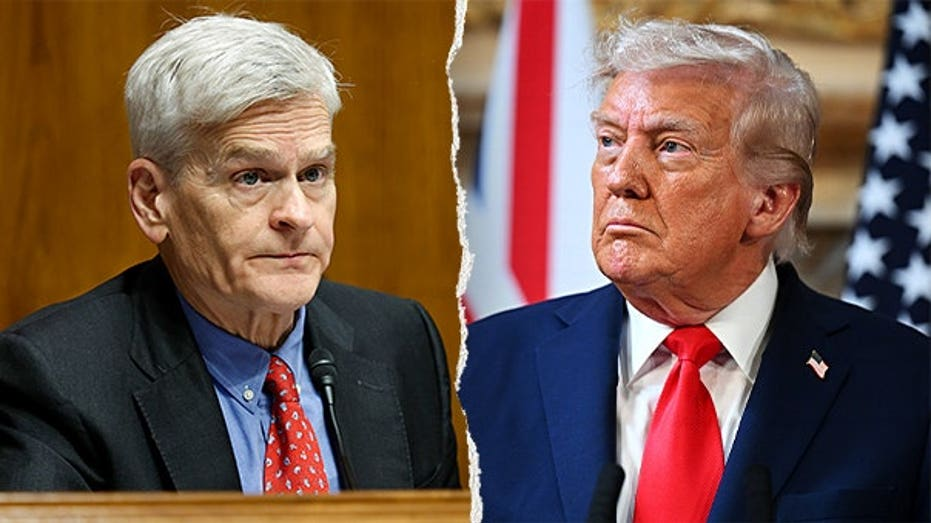
In a significant political development, Senator Bill Cassidy, a Republican from Louisiana, has openly criticized the leadership style of former President Donald Trump. This comes as Senator Cassidy faces the conclusion of his tenure in the upper chamber, having been defeated in his primary race following a Trump endorsement for his opponent. The senator’s recent remarks and policy stances suggest a growing divergence within conservative circles on the future direction of the party and national leadership.
A Call for Principled Leadership
Senator Cassidy articulated his vision for American leadership in a detailed post on social media platform X. While refraining from explicitly naming former President Trump, his commentary offered a pointed critique of contemporary political conduct. Cassidy emphasized that public office should be viewed as a responsibility, not a performance, and that the American people expect seriousness from their elected officials. His call for leaders who are steady, not erratic, and thoughtful, not impulsive, resonates with a desire for stability and predictability in governance.
The senator further stressed the importance of leaders whose words serve to lower the temperature of political discourse rather than inflame division. He underscored that actions should consistently place the long-term interests of the country above any short-term political or personal gain. This perspective aligns with traditional conservative principles of institutional integrity, order, and a measured approach to public service.
Policy Breaks and Institutional Concerns
Cassidy’s recent statements are not merely rhetorical. He has demonstrated a clear break from certain policy positions associated with the former president. Notably, Senator Cassidy publicly disagreed with Trump on the issue of Iran war powers, a critical aspect of foreign policy and congressional oversight. Furthermore, he opposed the surprise nearly $2 billion “anti-weaponization” fund announced by the Department of Justice, raising concerns about fiscal responsibility and the proper allocation of government resources.
These specific policy disagreements, reported by outlets such as Fox News Digital, highlight a broader concern for institutional checks and balances. Senator Cassidy’s stance suggests a commitment to ensuring that government decisions are made through established processes and reflect careful consideration rather than impulsive directives. This is particularly relevant in ongoing debates about the role and funding of federal agencies.
“At its best, America has renewed itself through leaders who understood that public office is a responsibility, not a performance… Leaders who are steady, not erratic. Thoughtful, not impulsive.”
Implications for the GOP Landscape
Senator Cassidy’s actions, even as his time in office draws to a close, carry significant implications for the Republican Party. His willingness to openly challenge the leadership style and policy preferences of a dominant figure like former President Trump indicates a potential fracturing of influence within the GOP. It suggests that a segment of the party remains committed to a more traditional, institution-focused conservative approach, even in the face of strong populist currents.
The primary race that led to Cassidy’s defeat is now headed to a runoff between Representative Julia Letlow, who received Trump’s endorsement, and Louisiana state Treasurer John Fleming. This ongoing electoral contest further underscores the complex dynamics at play within the party, where endorsements from high-profile figures can significantly impact local and state-level outcomes. Cassidy’s principled stand could embolden other moderate or traditional conservatives to voice similar concerns, fostering a more diverse internal dialogue within the Republican Party.
As Senator Cassidy concludes his service, his recent defiance offers a clear signal about the ongoing debate within conservative ranks. It emphasizes the importance of leadership that prioritizes national unity and long-term stability over short-term political expediency. The coming months will reveal whether this principled stance gains wider traction or remains an isolated act of a departing senator.