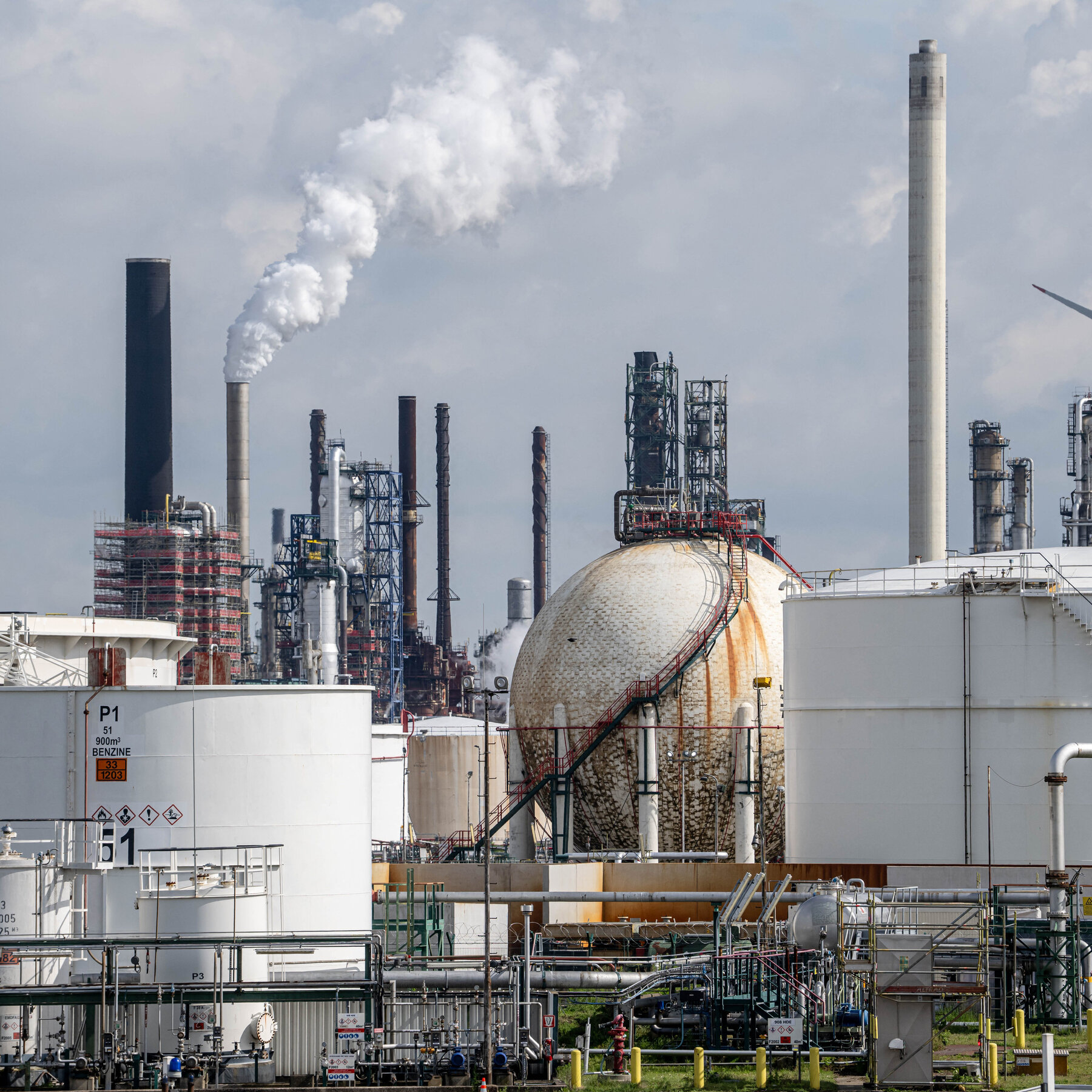
Renewed military confrontations between the United States and Iran have sent global oil prices climbing, reigniting concerns over stability in the vital Middle East region and the prospects for a lasting peace agreement.
Global oil benchmarks experienced a notable jump Thursday following a fresh exchange of hostilities between American and Iranian forces. This latest escalation, involving drone activity and retaliatory strikes, has once again cast significant doubt on ongoing diplomatic efforts to secure a peace deal, impacting energy markets and potentially consumers worldwide. The price of Brent crude, a key international benchmark, rose by approximately two percent.
Escalating Tensions Threaten Regional Stability
The recent surge in tensions began with a U.S. announcement that it had intercepted and shot down four Iranian attack drones. American officials indicated these drones posed a direct threat to U.S. military personnel stationed in the region, as well as to commercial shipping traversing the critical Strait of Hormuz. This vital waterway is essential for the global transport of oil and gas tankers, making any disruption a significant concern for international trade and energy supply.
Following the U.S. action, Iran reportedly targeted an American military base in a retaliatory strike. This marks the second such exchange of hostilities within a mere three days, underscoring a concerning pattern of escalating confrontation. Such frequent military engagements in the Middle East inherently destabilize a region crucial for global energy security and international commerce.
Market Response and Economic Implications
The immediate economic fallout was evident in energy markets. Brent crude, the global standard for oil, saw its price increase to around $94 a barrel for August delivery, which is currently the most actively traded contract. This two percent rise reflects investor apprehension regarding potential supply disruptions and broader geopolitical risk premiums being factored into commodity prices. Beyond oil, stock markets also experienced a dip, signaling a wider unease among investors about the renewed instability.
For households and businesses, rising oil prices translate directly into higher costs at the pump and increased operational expenses. Matox News maintains that predictable, stable energy markets are fundamental to economic growth and consumer confidence. Persistent volatility, driven by geopolitical friction, undermines these essential conditions for prosperity and order.
The latest confrontation has renewed doubts about the prospects of a peace deal, despite continued assurances by President Trump and administration officials that an agreement is close.
Setbacks to Diplomatic Progress
This recent flare-up significantly complicates the diplomatic landscape. Despite ongoing assurances from President Trump and other administration officials that a peace agreement with Iran is imminent, the escalating military actions suggest a different reality. The repeated clashes undermine trust and make sustained negotiations considerably more challenging. As reported by outlets like The New York Times, the situation continues to be fluid, with international observers closely monitoring developments for any signs of de-escalation or further conflict.
The pursuit of peace and order in the Middle East is paramount, not only for regional stability but also for global economic predictability. The current trajectory of events highlights the fragile nature of international diplomacy when confronted with direct military provocations.
The continued uncertainty surrounding U.S.-Iran relations poses a considerable challenge to global markets and energy policy. A clear and resolute diplomatic strategy, coupled with a strong defense posture, is essential to navigate these turbulent waters and protect vital international interests. Ensuring the free flow of commerce through critical maritime routes remains a top priority for global economic stability.