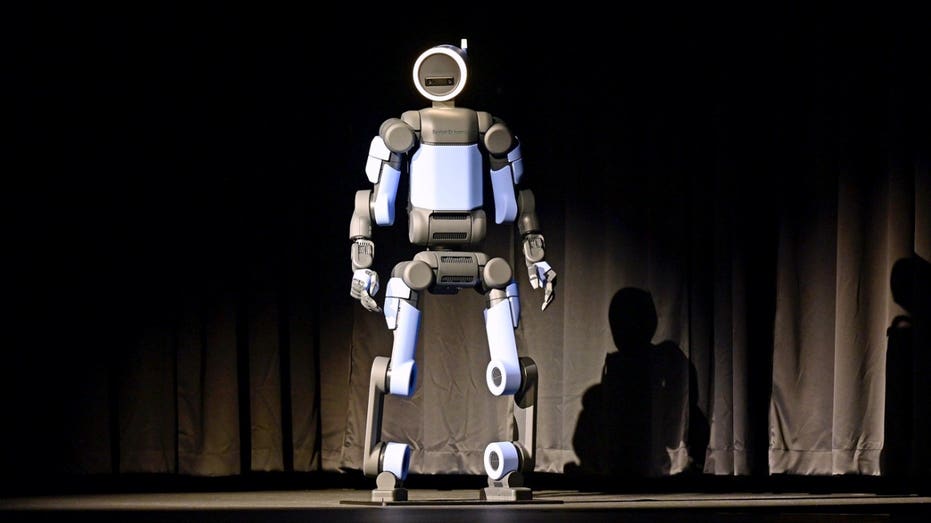
Hyundai Motor Group is embarking on a significant technological transformation, with plans to introduce thousands of advanced humanoid Atlas robots into its American automotive factories. This ambitious initiative, reportedly involving over 25,000 units from Boston Dynamics, signals a fundamental shift in manufacturing practices, promising to integrate human-shaped machines into spaces traditionally occupied by human workers. The deployment, slated to commence in Georgia by 2028, is set to redefine efficiency, safety, and flexibility on the production line.
Driving Production Efficiency and Flexibility
The automotive industry continually seeks innovative solutions to enhance output and adapt to evolving market demands. Hyundai’s strategic adoption of Hyundai Atlas robots directly addresses these pressures. The company, like many global automakers, faces the challenge of maintaining faster production cycles, requiring more flexible factory setups, and navigating persistent labor shortages. By integrating humanoid robots, Hyundai aims to streamline operations without undertaking costly and time-consuming factory redesigns. These robots are designed to operate within existing human-centric environments, offering a versatile solution to production bottlenecks and resource allocation.
Enhancing Workplace Safety and Adaptability
Beyond pure efficiency, the introduction of Atlas robots is also poised to improve workplace safety and optimize labor utilization. Many tasks in auto manufacturing are physically demanding, involving heavy lifting, repetitive motions, and awkward postures that can lead to worker fatigue and injury over time.
- Robots can take on strenuous activities, reducing physical strain on human employees.
- Their ability to navigate spaces designed for people minimizes the need for extensive facility modifications.
- This integration could free up human workers to focus on more complex, cognitive tasks, enhancing job satisfaction and overall productivity.
The goal is to create a symbiotic environment where humans and advanced machines collaborate, making factories safer and more responsive.
The deployment of 25,000 Atlas robots could fundamentally reshape how cars are built in America, signaling a new era of automation and collaborative robotics in manufacturing.
Navigating the Future of Automation
While the prospect of large-scale robotic integration offers significant advantages, it also brings forth critical considerations. The planned deployment, which includes building an annual production capacity for 30,000 Atlas robots by 2028, will undoubtedly spark discussions about the future of factory jobs and the balance between human labor and automation. According to details initially reported by Fox News, the first wave of robots is expected to begin work at the Hyundai Motor Group Metaplant America in Georgia in 2028, with Kia’s Georgia plant following in 2029. This unprecedented scale demands careful oversight regarding safety protocols, ethical implications, and the broader societal impact of such advanced technology. Hyundai’s move represents a bold step towards a highly automated future, one that will require ongoing dialogue among industry, policymakers, and the public to ensure a smooth transition and equitable outcomes.
Hyundai’s commitment to deploying Atlas robots marks a pivotal moment for the automotive sector and advanced manufacturing globally. This initiative underscores a clear vision for an automated, efficient, and potentially safer future for car production. As these sophisticated machines begin to integrate into U.S. facilities, their performance and impact will be closely watched, offering valuable insights into the evolving relationship between technology, labor, and industrial progress. The journey ahead will undoubtedly involve navigating both the immense opportunities and the complex challenges inherent in such a transformative technological leap.