President Donald Trump has put forward a significant proposal regarding the upcoming nation’s 250th anniversary celebrations, suggesting that a large-scale “MAKE AMERICA GREAT AGAIN RALLY” could replace the originally planned “Freedom 250” concerts. This idea emerges as several musical artists have withdrawn from performances slated for the national jubilee, scheduled for this summer, prompting a re-evaluation of how this monumental occasion might be observed.
The Presidential Suggestion
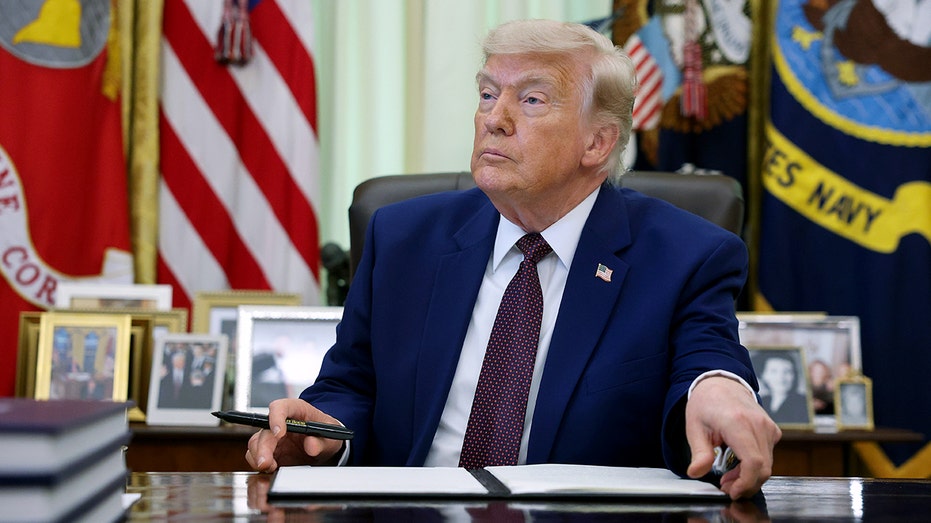
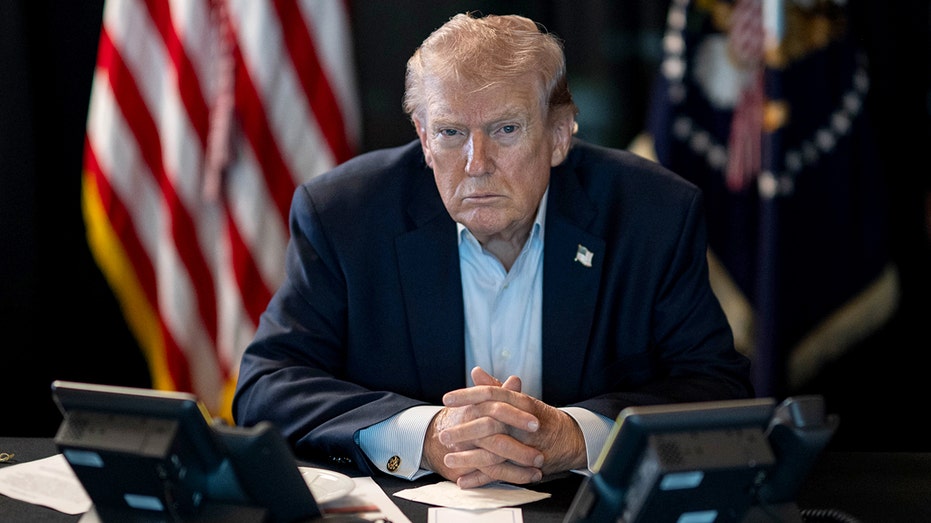
In a detailed post on Truth Social, President Trump articulated his view that the traditional concert format, featuring “overpriced singers, who nobody wants to hear,” is not the appropriate way to mark the significant milestone of America’s quarter-millennium. He proposed a vibrant MAGA rally as an alternative, asserting it would be a more fitting and engaging commemoration, particularly for those who share his vision for the nation’s future.
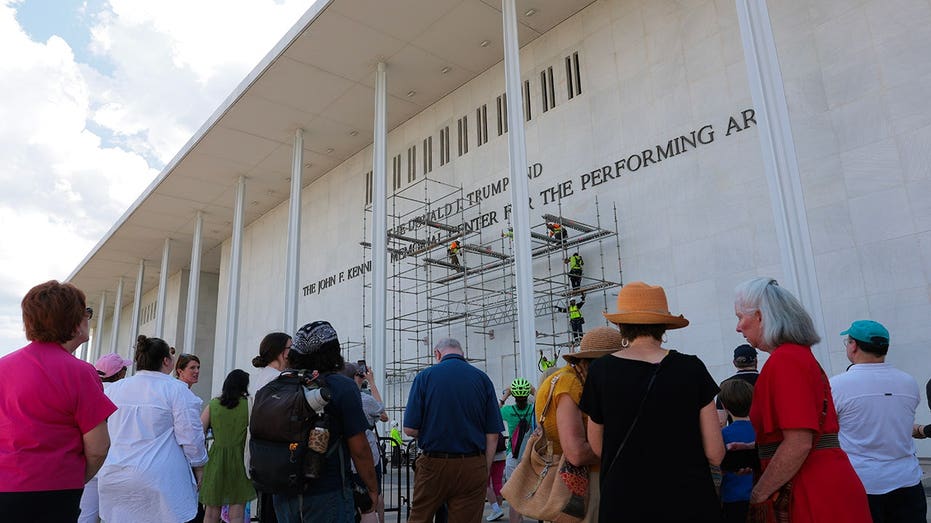
Trump’s comments also drew a parallel to a recent judicial decision concerning his involvement with the Kennedy Center for the Performing Arts. He stated, “Cancel it, just like I canceled my involvement with the failing and unsafe to be in Kennedy Center, because a Highly Conflicted, Crooked Federal Judge, said that I should not be allowed to spend my time and money in order to MAKE THE CENTER GREAT AGAIN, actually, far greater than it ever was before!” This statement underscores his broader critique of what he perceives as politically motivated decisions affecting cultural institutions, and suggests a preference for events aligned with his political movement over those organized by established cultural bodies.
The suggestion to pivot from a traditional concert to a political rally for such a pivotal national anniversary marks a departure from conventional approaches to unifying national celebrations. It reflects a growing trend of blending political messaging with public observances, raising questions about the role of partisan events in marking national milestones.
Setbacks for “Freedom 250”
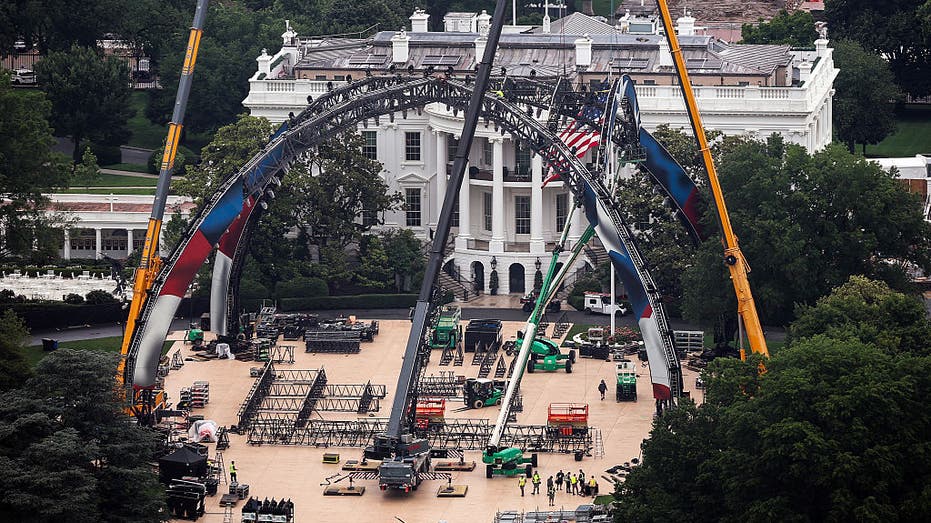
The former president’s comments come amidst growing challenges for the “America 250” events. The Great American State Fair, a major component of the national celebration, is planned to unfold on the National Mall in Washington, D.C., from June 25 to July 10, 2026. This extensive event aims to offer what organizers describe as “once-in-a-lifetime” travel opportunities and cultural experiences across the nation’s capital, designed to engage citizens from all walks of life in commemorating American history and progress.
However, the “Freedom 250” concerts, a key attraction within the State Fair, have recently faced significant setbacks. After organizers released an initial list of performers, several prominent artists subsequently announced their withdrawal. These included notable names such as:
- Martina McBride
- Bret Michaels
- Young MC
- Morris Day and The Time
- C+C Music Factory
The precise reasons for these withdrawals were not detailed in the reporting by News Desk, but their collective absence undoubtedly impacts the planned entertainment lineup and the overall appeal of the celebratory events. Such high-profile cancellations can complicate efforts to attract broad public participation and secure additional talent, potentially forcing organizers to reconsider the format or scale of the musical components of the jubilee.
“We should have a giant MAKE AMERICA GREAT AGAIN RALLY, for 250, instead of having overpriced singers, who nobody wants to hear, whose music is boring, and yet who do nothing but complain.”
Broader Implications for National Observance
President Trump’s proposal introduces a significant question about the nature of national celebrations, particularly how they should reflect the diverse sentiments and political landscape of the country. Traditionally, events marking national anniversaries, such as the upcoming 250th anniversary concert, strive to be inclusive and non-partisan, serving as platforms for unity and shared heritage. A large-scale political rally, while energizing for its supporters, could be perceived as divisive, potentially alienating other segments of the population who might otherwise participate in a more neutral civic observance.
The concept of replacing a broadly appealing cultural event with a politically charged gathering raises concerns among those who advocate for the preservation of institutions and traditions that transcend partisan divides. The integrity of national celebrations often relies on their ability to foster a sense of collective identity, rather than reinforcing political affiliations. This discussion highlights the ongoing tension between political expression and the need for national cohesion during moments of historical reflection.
As the nation approaches this monumental milestone, decisions on how to commemorate it will inevitably reflect ongoing discussions about national identity, civic participation, and the appropriate balance between political advocacy and public unity. The path forward for the America 250 celebrations remains a subject of considerable interest and debate.
The prospect of a national celebration potentially shifting from a cultural spectacle to a political demonstration offers a stark illustration of contemporary societal divisions. Whether organizers will adapt to these challenges by embracing alternative formats or seeking new talent to uphold traditional celebratory structures remains to be seen. The coming months will be crucial in determining the final shape of America’s quarter-millennium observance.