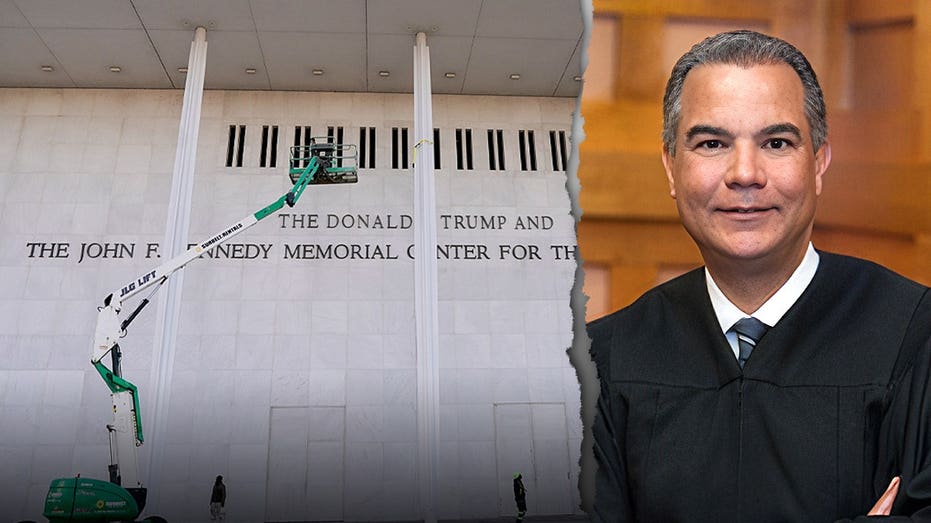
A judicial misconduct complaint has been formally lodged against U.S. District Judge Christopher Cooper, an Obama appointee, following his decision in a lawsuit related to former President Donald Trump’s efforts to rename the Kennedy Center. The complaint, filed by the conservative watchdog group, the Center to Advance Security in America (CASA), asserts that Judge Cooper should have recused himself from the case due to his wife’s extensive legal work against the former president.
The allegations center on the judge’s alleged failure to disclose or withdraw from the proceedings, despite what CASA describes as significant financial and professional interests stemming from his spouse’s involvement in litigation opposing Trump’s agenda. This development underscores growing scrutiny over judicial impartiality in politically charged legal battles.
Allegations of Conflict of Interest
The core of CASA’s complaint, filed with the U.S. Court of Appeals for the District of Columbia Circuit, directly challenges Judge Cooper’s ethical conduct. According to the watchdog, his wife, Amy Jeffress, has a notable history of representing individuals and entities described as ‘anti-Trump’ clients. This includes high-profile figures such as former FBI lawyer Lisa Page and, currently, former President Joe Biden, who is engaged in a lawsuit against Trump’s Justice Department over document release.
Curtis Schube, CASA’s Director of Research and Policy, issued a statement articulating the group’s concerns. He emphasized that the complaint targets Judge Cooper for his “potentially unethical behavior” and his “failure to recuse himself from the frivolous Kennedy Center lawsuit,” citing his wife’s financial interests in opposing President Trump’s agenda through litigation. The complaint suggests a direct conflict that should have precluded Judge Cooper from presiding over the case.
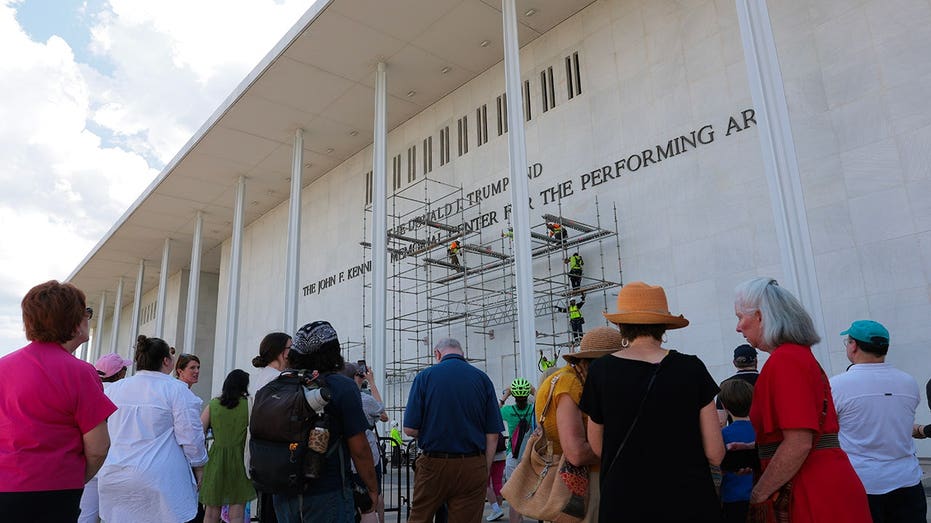
The Kennedy Center Naming Dispute
The specific ruling that triggered the misconduct complaint involved a lawsuit initiated by Representative Joyce Beatty (D-Ohio). The suit aimed to block President Trump’s proposal to rename the Kennedy Center. In May, Judge Cooper sided with Rep. Beatty, issuing a permanent injunction that effectively blocked the renaming efforts. This decision, emerging from a report by News Desk, set the stage for CASA’s formal challenge to his judicial integrity.
The controversy highlights the intersection of presidential actions, congressional oversight, and judicial review, particularly when the personal ties of judicial officers come into question. For Matox News, the preservation of judicial independence and the appearance of impartiality are paramount for public trust in our institutions.
Calls for Recusal and Transparency
Concerns about Judge Cooper’s potential conflict of interest are not entirely new. Weeks prior to CASA’s filing, former President Trump himself publicly criticized the judge, pointing to his wife’s track record of representing his political adversaries. Such public statements, whether from political figures or watchdog groups, underscore the persistent demand for transparency and adherence to recusal standards within the judiciary.
Judicial ethics guidelines are clear that judges must recuse themselves from cases where their impartiality might reasonably be questioned, including situations involving a spouse’s financial or professional interests. The complaint against Judge Cooper will now undergo a review process to determine if these standards were indeed violated. The outcome will be closely watched by those concerned with the integrity of the federal courts.
- Key Allegation: Judge Cooper failed to recuse himself from a Trump-related case.
- Basis of Complaint: His wife’s financial and professional ties to ‘anti-Trump’ litigation.
- Immediate Impact: Ruling blocked Trump’s Kennedy Center renaming initiative.
- Watchdog Group: Center to Advance Security in America (CASA).
“CASA is filing a judicial complaint against Obama-appointed DC District Court Judge Christopher Cooper for his potentially unethical behavior after his failure to recuse himself from the frivolous Kennedy Center lawsuit filed against President Trump, given his wife’s financial interests in opposing President Trump’s agenda through litigation.”
This complaint serves as a stark reminder of the delicate balance required to maintain public confidence in the judicial system. As the review proceeds, the principles of unbiased adjudication and the importance of avoiding even the appearance of impropriety will remain at the forefront of the discussion.