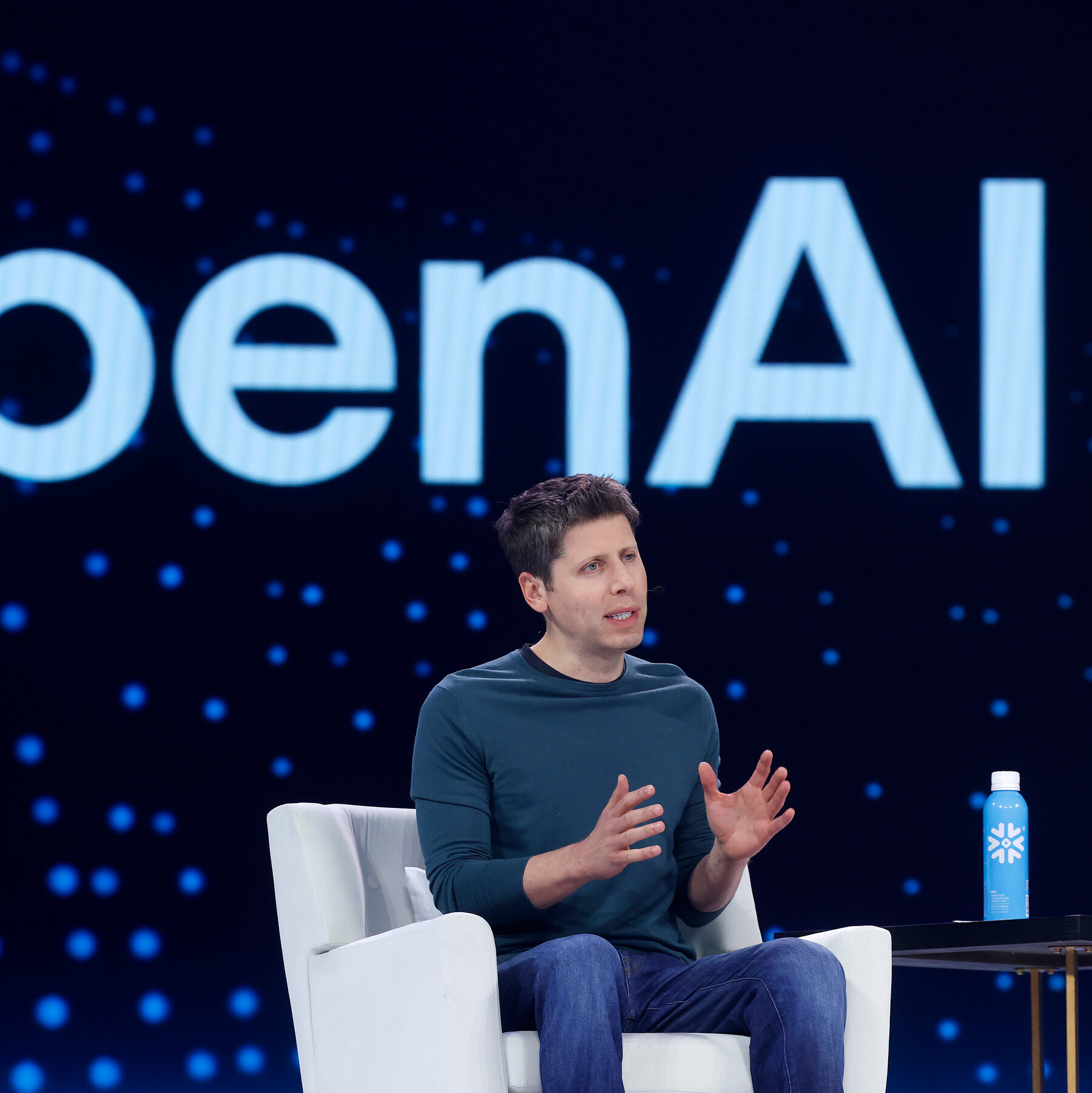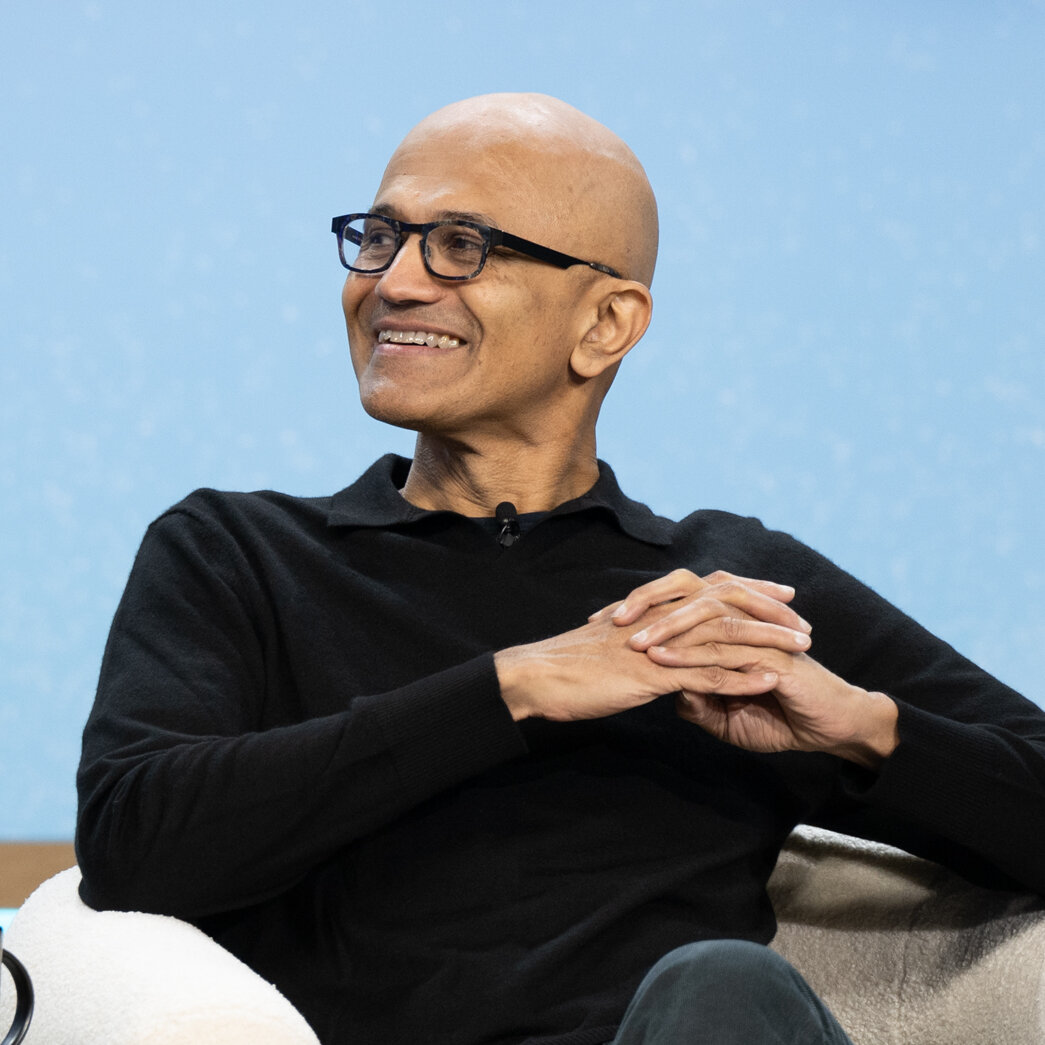
In a significant address at The New York Times’s Hard Fork Live event, Microsoft CEO Satya Nadella offered a compelling perspective on the future of artificial intelligence, emphasizing that AI stakeholders are not limited to tech giants or policymakers, but encompass every individual in society. His remarks underscore a growing recognition within the industry of AI’s profound and pervasive influence, alongside increasing public scrutiny and calls for responsible development.
Nadella’s statement arrives amidst a vigorous global conversation about AI’s trajectory, its ethical implications, and its potential to reshape economies and daily life. As technological advancements continue at an unprecedented pace, understanding the diverse interests and responsibilities associated with AI becomes paramount for fostering a balanced and prosperous future.
The Universal Impact of Artificial Intelligence
Nadella articulated a vision where AI’s reach extends far beyond its creators, affecting industries, job markets, and societal norms globally. He posited that the benefits and challenges of this transformative technology demand a collective approach, suggesting that a broad base of “stakeholders” must be engaged in shaping its evolution. This perspective aligns with the understanding that technological progress, while driven by innovation and free markets, carries inherent societal responsibilities.
The ubiquity of AI, from enhancing productivity in businesses to personalizing user experiences, means its development cannot be siloed. Every citizen, consumer, and worker has a vested interest in how AI tools are designed, deployed, and governed. This calls for thoughtful engagement from all sectors, ensuring that innovation proceeds in a manner that upholds societal values and promotes widespread opportunity.
Navigating Public Concern and Responsible Innovation
The Microsoft chief acknowledged the “backlash” against artificial intelligence, a sentiment that reflects public anxiety over job displacement, ethical dilemmas, and the potential for misuse. Nadella’s comments highlight the tech industry’s imperative to address these concerns proactively, fostering trust through transparency and accountability. For Matox News readers, this emphasis on responsibility resonates with our commitment to institutional integrity and orderly progress.
Effective governance of AI will require a delicate balance: encouraging the entrepreneurial spirit and groundbreaking research that drives innovation, while simultaneously establishing guardrails to prevent adverse outcomes. This includes robust frameworks for data privacy, algorithmic fairness, and security. A measured, collaborative approach involving industry, government, and civil society will be essential to ensure AI serves humanity’s best interests without stifling its immense potential.
“Everyone is a stakeholder in A.I.,” Nadella affirmed, pointing to the technology’s pervasive influence across all aspects of modern life.
Economic Opportunity and Wealth Creation in the AI Era
Responding to former President Trump’s comments regarding Americans sharing in the wealth generated by AI companies, Nadella’s broader “stakeholder” perspective offers a nuanced view. While acknowledging the desire for shared prosperity, a conservative viewpoint emphasizes that wealth creation is primarily driven by innovation, investment, and free-market competition. AI’s true value lies not in redistribution, but in its capacity to generate new industries, enhance productivity, and create high-value jobs, thereby expanding the overall economic pie.
The challenge lies in ensuring that these economic benefits are accessible through education, skill development, and a dynamic labor market. Policies that foster a competitive environment and reward ingenuity are crucial. Rather than direct government intervention in wealth sharing, the focus should be on creating an ecosystem where individuals are empowered to participate in and benefit from the AI-driven economy through new opportunities and increased productivity.
- Fostering competitive markets to drive innovation.
- Investing in education and retraining for future AI-driven jobs.
- Promoting ethical AI development to build public trust.
- Ensuring robust cybersecurity to protect critical infrastructure.
Satya Nadella’s vision for AI underscores a critical turning point where technological advancement must be matched by a collective sense of responsibility. As AI continues to evolve, maintaining a professional, factual, and anti-extremist discourse will be vital to harnessing its transformative power for the betterment of all.