The UK economy faced a notable setback in April, with official data indicating a 0.1% contraction in Gross Domestic Product (GDP). This modest decline marks a reversal from the robust growth observed earlier in the year and is primarily linked to the escalating conflict involving Iran, which has significantly disrupted global energy markets.
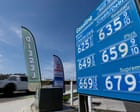
As geopolitical tensions in the Middle East intensify, particularly following Iran’s closure of the Strait of Hormuz – a critical artery for international shipping and oil transport – energy prices have surged. This increase directly impacts British consumers and businesses, contributing to the economic slowdown and raising concerns about inflationary pressures.
Middle East Tensions Impact Global Trade
The Strait of Hormuz, a narrow waterway connecting the Persian Gulf to the open ocean, is indispensable for the transit of a substantial portion of the world’s oil supply. Its closure, a direct consequence of the ongoing Iran war, creates immediate supply chain disruptions and drives up crude oil and natural gas prices globally. For an economy like the UK, heavily reliant on imported energy, this translates directly into higher operational costs for industries and increased utility bills for households.
The Office for National Statistics (ONS) figures, as reported by outlets such as The Guardian, confirm that this contraction follows a 0.3% increase in March. While economists had anticipated a slight dip, the direct link to international instability underscores the fragility of global economic ecosystems. Such external shocks demand careful fiscal management and a steadfast commitment to energy security.
“The contraction in April underscores the profound vulnerability of our economy to geopolitical shocks, particularly when vital trade routes are threatened. Protecting our energy security and fostering domestic resilience must be paramount.”
Economic Ripple Effects and Policy Considerations
The rise in energy prices acts as a significant drag on economic activity. Businesses face increased expenses for production and transportation, which can lead to higher prices for goods and services, or reduced profit margins. For consumers, elevated energy costs erode disposable income, potentially dampening retail spending and investment. This creates a challenging environment for maintaining economic stability and growth.
The government and the Bank of England will be closely scrutinizing these figures as they consider future policy decisions. Navigating an economy through externally induced inflationary pressures while aiming for sustainable growth requires a balanced approach. Policies that foster domestic energy production, diversify supply chains, and maintain a competitive free market are crucial to mitigating the impact of such international crises.
Looking Ahead: Resilience and Stability
As the UK economy grapples with the fallout from the Iran war and its implications for energy markets, the focus remains on building resilience. Ensuring a stable economic environment, supporting businesses, and protecting households from undue financial strain are paramount. Maintaining fiscal discipline and upholding the principles of a robust, free-market economy will be key to navigating these turbulent times and fostering long-term prosperity.