Matox News

Truth Over Trends, always!

House prepares to vote on shutdown-ending deal as Democrats face division — US politics update | 2025 government showdown

As the United States grapples with its historic government shutdown, global signposts indicate that the geopolitical landscape is entering a new and unpredictable chapter. The recent developments within the US Congress—notably the relentless 50+ days of government paralysis followed by a tentative short-term funding deal—highlight the profound partisan divisions and influence of political factions. Such internal strife, as analysts suggest, does not occur in a vacuum but reverberates around the world, affecting strategic alliances, economic stability, and regional security.

The Joe Biden administration’s handling of the shutdown, coupled with the fiery debates over healthcare subsidies, underscore a broader trend of internal dissonance that echoes across democracies committed to reforms. Meanwhile, the European Union and NATO members watch intently, recognizing that chaos within America’s core institutions compromises collective security. As political commentator and international strategic think tanks warn, the present chaos could weaken the world’s most powerful democracy’s capacity to project power, defend its allies, and uphold a rules-based order.

Meanwhile, abroad, Israel faces its own diplomatic turmoil as President Isaac Herzog receives a letter from Donald Trump urging him to pardon the controversial Benjamin Netanyahu. The plea, based on a perception that legal proceedings against Netanyahu are politically motivated, exemplifies how domestic political battles in one nation can influence geopolitically sensitive decisions. The ongoing trials of Netanyahu, accused in corruption cases, demonstrate how internal legal processes can impact international alliances, especially with a staunch U.S. ally historically central to the Middle East’s stability. Historians argue that such interventions, whether perceived as support or interference, often shape diplomatic landscapes for decades.

Further afield, unprecedented reports allege that Venezuelans deported by the Trump administration to El Salvador endured systematic torture, including sexual assault, and inhumane detention conditions. This revelation shines a stark light on the unresolved dark chapters of U.S. immigration policy, linking human rights abuses to the broader narrative of American influence in Central America. Such actions, condemned by human rights organizations like HRW, threaten to tarnish the global image of the U.S., as critics warn that the patterns of brutality and disregard for international law undermine the moral authority used to justify its foreign policy agenda.

Analyzing these interconnected crises, international relations experts argue that the ripple effects of internal American disputes—from congressional gridlock to diplomatic negotiations—shape the destiny of nations and influence the societal stability of democracies worldwide. As international institutions and watchdogs sound warnings about the erosion of legal norms and human rights, history presses on, reminding us that these moments are not isolated but part of an ongoing, tumultuous saga that tests the very fabric of civilisation. On the horizon, as political leaders, military strategists, and citizens grapple with these unfolding events, one truth remains clear: the choices made today will echo across generations, and the weight of history continues to press down as the future’s blueprint is inscribed with both hope and peril.
Trump vows to sue BBC over altered speech, claims duty to fight bias

Global Power Play: Trump versus BBC Sparks International Tensions

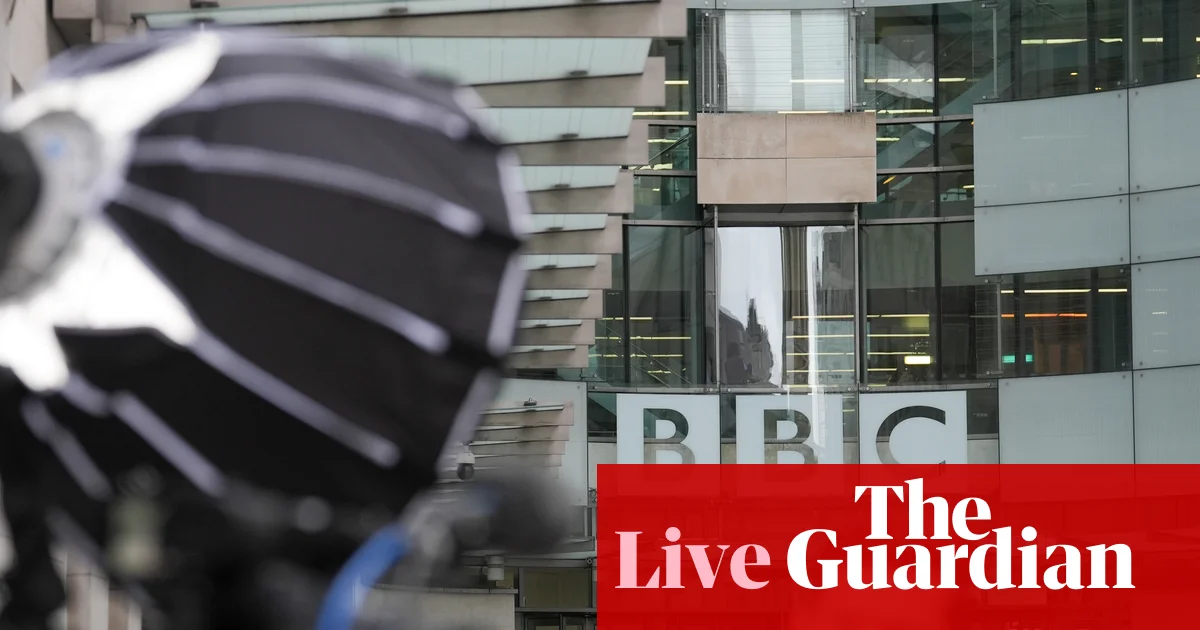
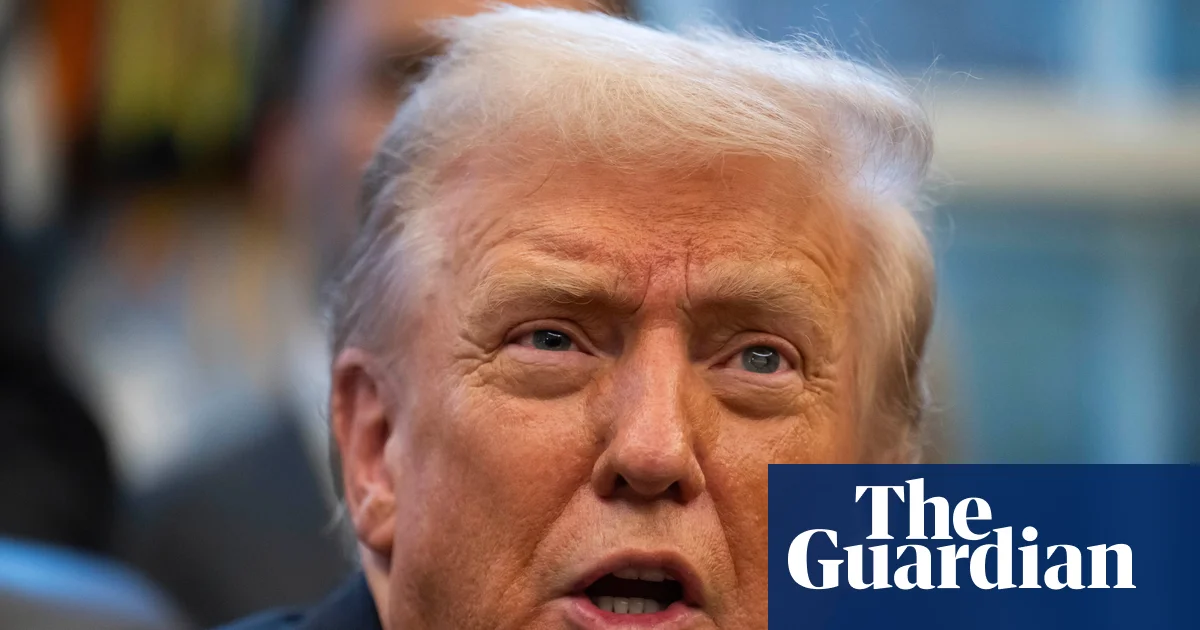
In a developing saga that underscores the enduring volatility of transatlantic relations, former U.S. President Donald Trump has declared his intention to pursue legal action against the British Broadcasting Corporation (BBC), igniting fears of a broader eroding trust between allied nations. The controversy centers around the BBC’s editing of a Panorama documentary that manipulated a speech Trump delivered on January 6, 2021. Trump claims the aired segment misrepresented his words, implying a call for violence—an assertion the corporation acknowledges, having issued an apology. However, the mere fact that this incident has escalated to a threatened billion-dollar lawsuit indicates how media narratives can swiftly morph into diplomatic flashpoints.

The repercussions extended beyond the courts, provoking a wave of shockwave effects within the British media landscape. The resignation of BBC Director General Tim Davie and Deborah Turness, the head of BBC News, has been widely interpreted as a sign of internal turmoil provoked by the controversy. Many analysts see this as a reflection of the deepening rift between free press principles and the rising tendency of political trivialization and weaponization of media. Critics within the BBC have expressed fears about the institution’s perceived bias, highlighted in recent internal memos—particularly one authored by former independent adviser Michael Prescott, which accused the corporation of liberal bias. Despite_counterarguments_html>representing historical issues, the controversy illustrates how the BBC’s credibility is increasingly scrutinized amid the shifting sands of international facts and narratives.

Geopolitical Impact: Transatlantic Tensions and the Future of Global Media

The upcoming legal showdown is expected to have profound geopolitical repercussions. While Florida’s legal landscape may not favor Trump’s claims, the case amplifies a larger narrative—one where national interests and media sovereignty increasingly collide. Experts warn that the dispute could set dangerous precedents, empowering political actors to wield the judiciary as a tool for controlling international narratives. It raises fundamental questions about who controls the truth and how societal consensus is shaped in an era of misinformation. International organizations, such as the United Nations, have repeatedly warned against weaponizing legal mechanisms for political ends, yet the trend persists. The controversy surrounding the BBC’s editing practices resonates beyond bilateral tensions, serving as a warning signal about the fragile balance between free speech, media integrity, and political influence.

Meanwhile, the British government faces increasing pressure to defend its sovereignty against not only domestic internal strife but also external accusations of bias and manipulation. The rising tide of populist nationalism across Europe and North America underscores a broader desire to assert control over national narratives and resist the perceived encroachment of globalist interests. As historians and political analysts note, these conflicts are more than mere disputes—they are a reflection of deep-rooted societal debates about sovereignty, truth, and the future direction of Western democracies. The recent BBC crisis exemplifies how media institutions are caught in the crossfire of international power struggles, with their decisions having tangible consequences on national identity and social cohesion.

The Unfolding Narrative: The Weight of History

As the legal proceedings loom, and the BBC grapples with internal and external pressures, the overarching question remains: what does this mean for the future? Will this conflict exemplify a new era where media outlets become battlegrounds for ideological dominance, or will it serve as a wake-up call to defend the integrity of information itself? History warns us that such clashes are rarely contained; they ripple outward, affecting alliances, societal trust, and the very fabric of democracy. With each court date and internal memo, the weight of history presses down—reminding us that the decisions made today, especially in the realm of media and law, will echo through future generations. Ultimately, the unfolding story of Trump vs. the BBC is a stark symbol of a world where the lines between truth, power, and influence are more blurred than ever, leaving the global community at a crossroads—the outcome uncertain, and time itself undeniably running out.

Ukraine suspends justice minister over energy corruption scandal—EU watches closely

Ukraine’s Unfolding Crisis: Corruption Scandal and Its Global Impact

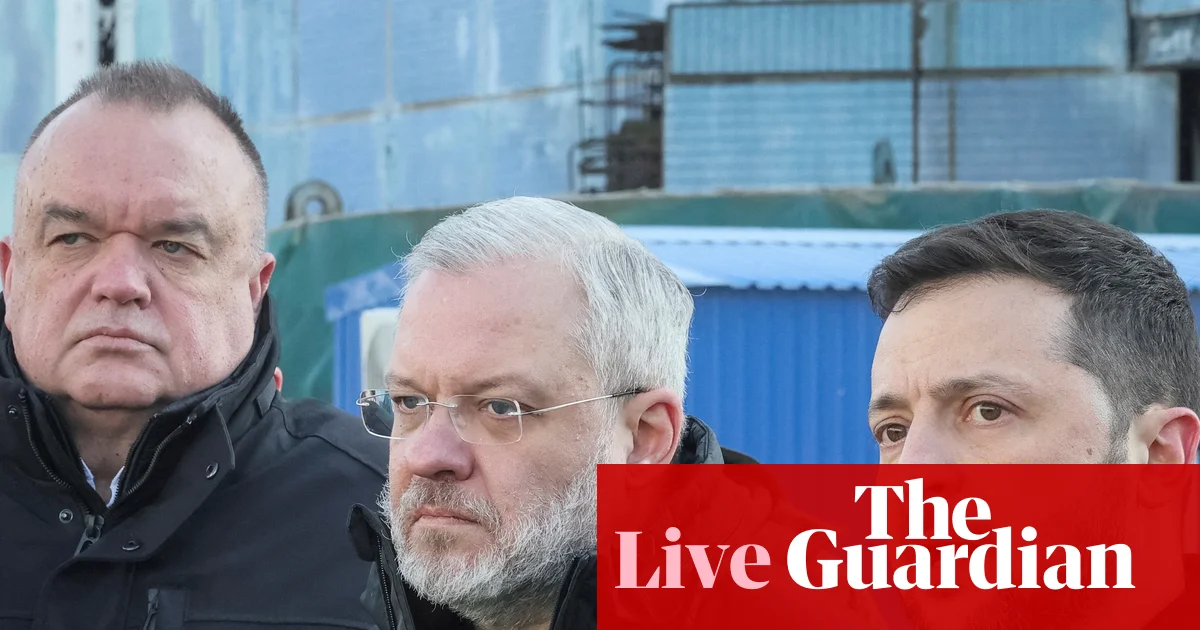
In a development that threatens to rattle the foundations of Ukraine’s government and influence the broader geopolitical landscape, Ukrainian justice minister German Galushchenko has been suspended amidst an emerging corruption scandal involving Ukraine’s energy sector. This scandal, unveiled by the Specialised Anti-Corruption Prosecutor’s Office (SAPO), points to an alleged scheme involving a staggering $100m. The implicated figure, Timur Mindich, an associate of President Volodymyr Zelenskyy, is accused of orchestrating the plot, with reports suggesting that Galushchenko might have personally benefited. Such accusations come at a time when Ukraine is grappling with ongoing Russian attacks on critical energy infrastructure, complicating its ability to prepare for upcoming harsh winters.

International analysts, including senior officials from the European Union, have expressed concern over the implications of this scandal. The EU has highlighted that corruption remains a critical obstacle in Ukraine’s bid to join the bloc, a process now further hampered by domestic instability. The internal strife was amplified by recent protests over SAPO’s independence, seen as a rare dissent against President Zelenskyy’s leadership. This incident signals more than domestic political crisis; it underscores the fragile state of Ukraine’s governance structures and the widening gap between reform commitments and implementational reality. Historians warn that such internal disarray may embolden external adversaries while eroding international support.

The Geopolitical Impact Watch: How Kyiv’s turmoil influences the broader East-West tension

Ukrainian Prime Minister Yulia Svyrydenko confirmed a swift response, with the government appointing Deputy Justice Minister Lyudmila Suhak to temporarily assume Galushchenko’s duties. The suspended minister, in his defense, called the move a “civilized and appropriate” response, vowing to prove his innocence in the legal arena. Nevertheless, the scandal’s wider consequences may prove to be a turning point in Ukraine’s fight against corruption—a critical prerequisite for EU accession and international aid. Declining transparency could jeopardize military and economic aid, giving Russia or other malign actors an opportunity to exploit Kyiv’s vulnerability.

For observers, this crisis underscores a broader, foreboding trend: the collapse of Western-backed reform efforts and the rise of entrenched corrupt networks within Ukraine’s political elite. Critics argue that Zelenskyy’s government risks losing the moral high ground amid accusations of backsliding on reform commitments. The European Commission’s recent concerns reflect a growing impatience from Western allies, who now demand concrete actions rather than mere promises. As history has shown, such internal discord in nations fighting for sovereignty often serves as fertile ground for aggressive geopolitical moves by Russia—who remains firmly committed to destabilizing Ukraine and reasserting influence over the region.

Destined to be an epoch of struggle

As the world watches the unfolding saga in Kyiv, the weight of history presses heavily on the shoulders of Ukrainian leaders. The scandal is more than a mere political misdemeanor—it symbolizes the fragile hold on reform, sovereignty, and the rules-based international order. The coming days will reveal whether Ukraine can withstand the internal tremors threatening its stability or whether this wave of corruption will deepen existing divisions. As the winter looms and external pressures mount, the resilience of Ukraine’s institutions and the resolve of its people will determine how history remembers this pivotal moment—either as the beginning of a hard-fought recovery or a descent into chaos.

Trump vows to sue BBC over speech edit, claiming he has a duty to set the record straight—latest updates

Global tapestry of Power, Media, and Political Battles: The Shifting Geopolitical Landscape of 2025

As 2025 continues to unfold, an intricate web of international conflicts, media controversies, and political power plays underscores a world in flux. Last week’s dramatic developments at the BBC and the rising tensions between Donald Trump and global media institutions illustrate how the struggles within foundational institutions have far-reaching geopolitical impact. The crisis surrounding the BBC, culminating in the resignation of Director-General Tim Davie, reveals a broader pattern of skepticism and dissatisfaction with mainstream media’s role in shaping political narratives—shaping the global discourse with strategic implications for sovereignty, national identity, and the future of free press.

Trump’s aggressive legal posture against the BBC exemplifies how media influence intersect with geopolitics. The former U.S. president has claimed that the broadcaster “defrauded the public,” citing the editing of his January 6 speech—an event that remains a reference point for political and legal battles worldwide. Trump’s legal counsel has threatened $1 billion in damages if the British broadcasting giant refuses to retract what they consider “false, defamatory, disparaging, and inflammatory statements.” Historians and analysts concur that such legal threats against influential media entities symbolize a strategic effort to control narratives, not just domestically but across international borders, reflecting a broader ideological battle over truth, influence, and sovereignty.

On the other side of this ideological clash, critics like Daisy Cooper, Deputy Leader of the Liberal Democrats, see opportunity within crisis. Her call to “take away all political appointees” affirms the ongoing struggle to reform media institutions deemed compromised by politicization. Her words echo a larger, international debate about the role of political influence within public broadcasting and its impact on national independence. As Western democracies face this internal division, the overarching question remains: whose version of truth will shape the future? With countries like the UK and the US entangled in media battles, the geopolitical impact is undeniable. These conflicts threaten to shift the balance of power toward nationalist and populist narratives, challenging globalist media dominance and redefining the landscape of international influence.

International organizations and analysts warn that such disputes are more than mere political theater; they are manifestations of a deeper |international realignment driven by the erosion of trust in traditional institutions. As the world witnesses how a domestic media crisis can ignite legal threats and political upheaval, it signals to every nation that control of information becomes a matter of geopolitical importance. The unfolding battles hint at a broader era where sovereignty, national identity, and media independence are no longer isolated issues but crucial battlegrounds shaping the destiny of nations.

In this rapidly transforming world, the stakes are extraordinary. As history’s pen writes the next chapter—whether it be the legal warfare against the BBC or the rise of populist narratives challenging media authority—the question remains clear: who will wield the power of truth in the unfolding story of the 21st century? The future’s narrative is yet to be written, and the weight of history presses down heavily on today’s decisions, shaping a world where information itself may become the ultimate weapon in the struggle for dominance and sovereignty.

Prosecutor clears Kyle, Jackie O, and Mamamia of contempt in Erin Patterson mushroom trial

Global Ramifications of Media Conduct and Judicial Integrity in High-Profile Crime Cases

Across the international stage, the unfolding of a seemingly isolated criminal trial in Australia echoes beyond its borders, raising critical questions about the influence of media on justice. Recently, the Victorian Office of Public Prosecutions declined to pursue contempt charges against notable media personalities and podcasters involved in a controversial case—highlighting a \_delicate balance between free speech and fair trial integrity. This case centers on Erin Patterson, a woman convicted of a gruesome murder involving deadly mushrooms—a crime that shocked the nation and garnered international interest.

The case’s broader geopolitical impact can be seen in how local judicial decisions influence perceptions of justice worldwide. The decision not to charge Kyle and Jackie O or Mamamia for remarks made during the trial underscores an underlying tension: should the media be restricted to preserve judicial fairness, or should free expression be protected even when potentially prejudicial? International organizations and legal analysts, including those in the United States and European Union, warn that excessive media restrictions can threaten free speech, but unchecked commentary risks corrupting the justice process and undermining public trust in institutions.

Significantly, the Australian judiciary has sharply criticized recent broadcast content and public events linked to the case. During a high-profile court hearing, Justice Christopher Beale emphasized the importance of responsible media conduct, admonishing presenters of the Kyle and Jackie O Show for their on-air remarks. This cautionary stance highlights how international legal standards increasingly scrutinize media’s role in criminal cases. Meanwhile, the Australian Attorney-General’s Department and international legal bodies monitor such cases closely, considering potential reforms to balance free speech with judicial fairness. The global community watches as Australia navigates this volatile intersection, recognizing that the repercussions extend well beyond national borders: they bear on *how societies worldwide calibrate the power of media in shaping justice and public perception.*

Adding to the multilayered landscape, analysts warn that such cases can act as precedents—each media misstep or judicial affirmation influencing international norms. The United Nations calls for clear international guidelines to prevent judicial processes from becoming hostage to sensationalism, but also cautions against overreach that stifles vital media freedom. As the world’s democracies wrestle with these issues, the importance of safeguarding free speech remains intertwined with the necessity of maintaining judicial impartiality. Ultimately, this confluence of justice, media, and geopolitics underscores a evershifting arena—where the decisions made today will echo in history’s halls for decades to come. With each controversy, each legal tussle, humanity stands on the brink of defining what kind of society it strives to become—a society where truth and justice are not sacrificed on the altar of sensationalism, but instead serve as beacons guiding the collective conscience into an uncertain future.

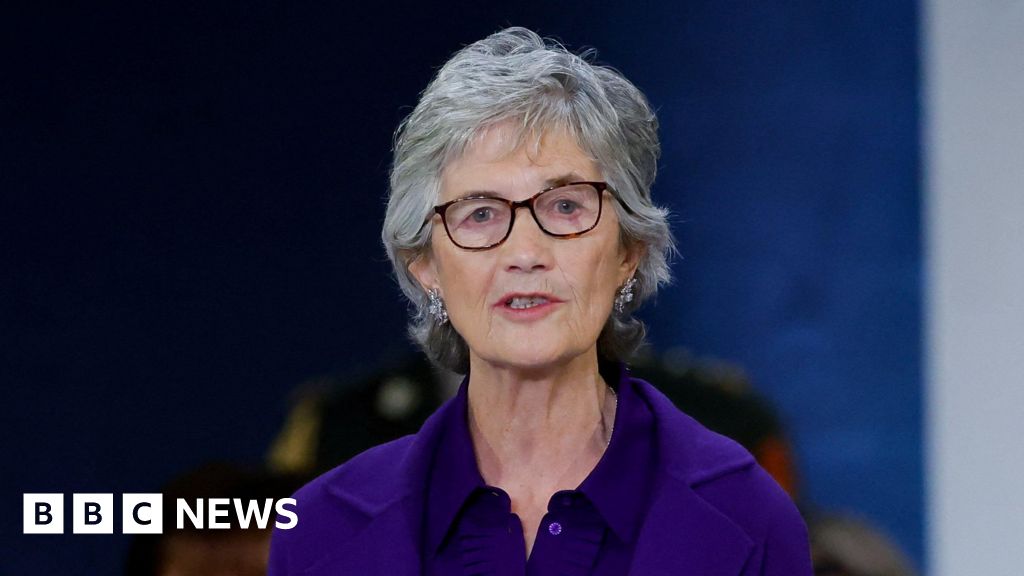
Catherine Connolly Makes History as Ireland’s 10th President—A New Era Begins

In a decisive turn towards renewal, Republic of Ireland has ushered in Catherine Connolly as its 10th president with an overwhelming landslide victory. Her inauguration at Dublin Castle symbolized more than a transition of symbols; it represented a potential recalibration of Ireland’s role on the international stage. As a country that has long maintained a nuanced, often cautious stance amidst European and global conflicts, Ireland’s choice to elect Connolly—who has articulated a vision centered on inclusion and dialogue—signals a shift that could ripple through the landscape of geopolitical diplomacy and intra-island relations.

Connolly’s vows to foster an inclusive dialogue across the island and her recognition of the seismic changes since the Cold War emphasize an Ireland seeking a nuanced role amidst the ongoing reshuffle of international alliances. Her remarks, advocating for pride in the Good Friday Agreement as a peaceful conflict resolution model, suggest an advocate for stability, yet underscore the delicate balancing act Dublin faces in managing relations with Northern Ireland and the broader United Kingdom. Analysts note that her leadership might reorient Ireland toward a more proactive stance in regional diplomacy, a change that could bolster or challenge existing balances of power in the British Isles, especially as tensions over Brexit and Northern Irish sovereignty persist.

The attendance at the ceremony underscores Ireland’s complex engagement with both unionist and nationalist communities. The absence of representation from the Democratic Unionist Party was explained as not a “snub,” reflecting the continued tensions and the importance of respect across sectarian lines. Ulster Unionist MLA Steve Aiken emphasized the significance of demonstrating respect “due to the president,” amidst ongoing debates about unionist identity and allegiance. Endorsements or abstentions like these ripple out, directly impacting how decisions made in Dublin are perceived in Belfast and beyond, shaping societal perceptions and diplomatic leverage alike.

The broader international landscape remains volatile as major powers recalibrate their strategies. From strategic disagreements over trade, security alliances, to the reshaping of EU borders and policies, Ireland’s positioning—balancing its historic neutrality with growing aspirations for a more influential role—becomes ever more consequential. Global organizations and seasoned historians warn that these internal rifts and external alignments, if mismanaged, could lead the country down a path of increased instability or unforeseen geopolitical consequences. How Ireland navigates this era of seismic shifts will not only define its societal fabric but could also serve as a litmus test for stability in an increasingly volatile world.

As the world’s eyes turn toward Dublin, the weight of history presses heavily on the unfolding chapters of Ireland’s story. With Connolly’s leadership seeking unity amid divergence and strategic ambiguity, her presidency might serve as a beacon or a warning—depending on how deftly her administration maneuvers through the tumult. In a world on the brink of transformation, the future remains as uncertain as it is inevitable—a relentless chapter of history still being written, with Ireland poised at a crossroads, its destiny intertwined with the shifting tides of global power.

US Ethics Officials Ousted for Investigating Mortgage File Breach Under Trump Administration

In a development that underscores the deeply polarized state of America, recent reports have unveiled intense internal conflicts within the U.S. government’s financial oversight bodies. The alleged politically motivated investigations and personnel upheavals at Fannie Mae and the Federal Housing Finance Agency (FHFA) highlight how domestic struggles for influence are increasingly intertwining with international perceptions of U.S. stability and governance. As reports detail the removal of ethics officials and the politicization of mortgage fraud allegations involving prominent Democratic figures, critics argue this reflects a broader pattern of internal disarray that could have repercussions beyond national borders.

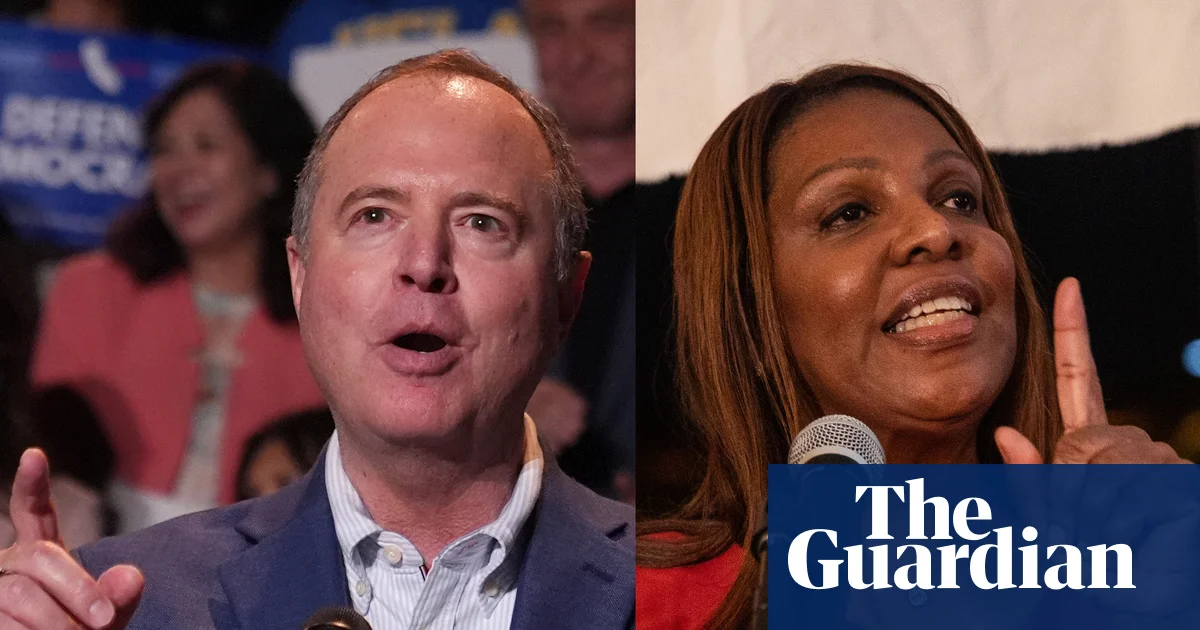
  • Ethics officials at Fannie Mae were sidelined after investigating claims that a top Trump ally improperly accessed sensitive mortgage documents involving Letitia James, the New York attorney general, and other senior Democratic officials.
  • Accusations by William Pulte, head of the FHFA, against figures like James, Senator Adam Schiff, and Federal Reserve Governor Lisa Cook have been branded as politically motivated, with experts questioning the legitimacy of such referrals.
  • The removal of key officials, including the acting inspector general, and the firing of senior staff, demonstrate an internal purge reminiscent of politically charged regimes, raising fears about the erosion of checks and balances within the American system.

International analysts and historians have voiced concern over how these internal power struggles may influence America’s global standing and its claim to uphold rule of law. The U.S., often perceived as a beacon of democracy and judicial integrity, now faces increasing scrutiny as internal conflicts turn towards systemic breakdown. The U.S. Department of Justice and Congressional bodies are under mounting pressure, with some observers warning that these internal disputes could weaken America’s credibility on the world stage. The increasingly evident politicization of investigative bodies fosters a narrative of internal chaos, weakening America’s diplomatic influence and opening a window for adversaries like China and Russia to question the country’s stability.

Prominent analysts, including those from the International Crisis Group, have noted that the internal disintegration of American institutions may embolden global authoritarian regimes who seek to capitalize on perceived American vulnerabilities. As history has warned, when a nation’s internal cohesion unravels, the international balance of power can shift rapidly. The political weaponization of federal agencies—a tactic increasingly visible in this saga—threatens to undermine Global faith in American leadership, particularly as the Biden administration grapples with the fallout of rising domestic unrest and institutional scandals. These events serve as a stark reminder that decisions within the halls of internal power are not isolated—they ripple outward, influencing societies worldwide.

As the dust settles on this latest chapter of American internal conflict, the weight of history remains heavy. The narrative continues to unfold, and the world watches as the United States faces an inflection point—whether it will emerge resilient or succumb to internal fracture. The ongoing fallout from these internal investigations and political purges could redefine the future contours of American democracy itself, shaping global geopolitics for generations to come. With every edifice of power shaken, the question remains: will this be the moment that the structure of the American republic is fundamentally redefined or a fleeting crisis in which renewal takes root?

Supreme Court Upholds Trump’s Block on $4B Food Aid Boost, Youth Grip Tightens

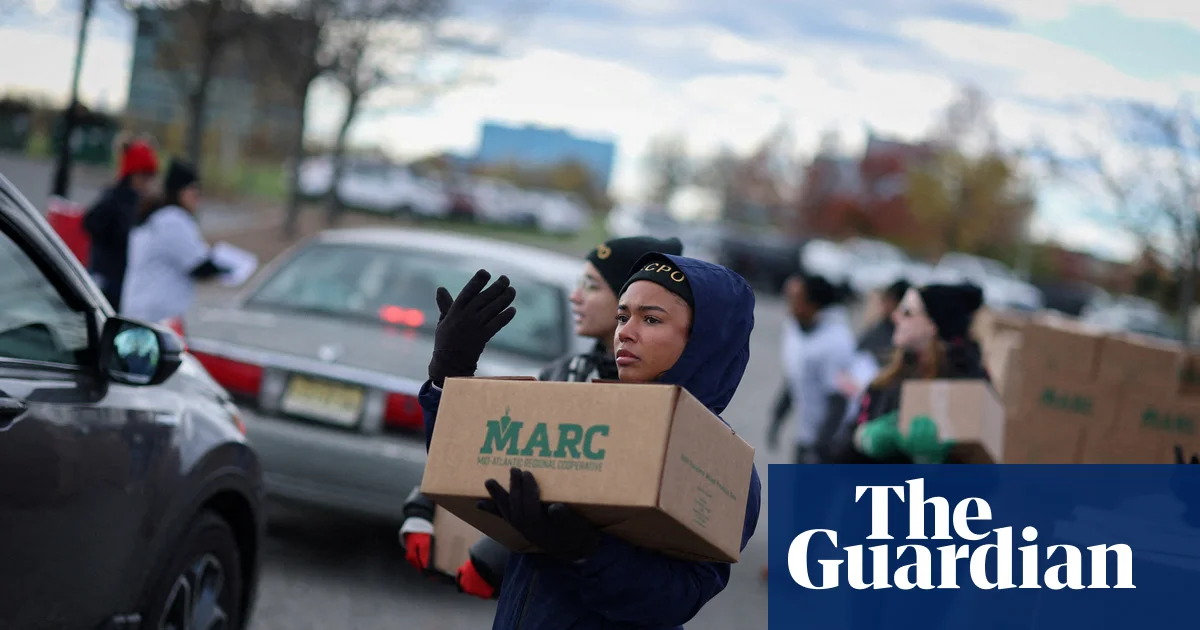
The United States finds itself at a critical juncture as a series of escalating political disputes threaten the social safety nets for millions. The Supreme Court recently upheld the Trump administration’s request to *pause* a federal judge’s order that would have apportioned $4 billion to the Supplemental Nutrition Assistance Program (SNAP). This decision has effectively frozen funds for the largest anti-hunger initiative in the nation, placing 42 million Americans—including countless vulnerable children and the elderly—at heightened risk of food insecurity during an already strained economic climate.

Analysts warn that this move not only jeopardizes immediate access to food for countless families but reflects a broader geopolitical impact. Plunging millions into uncertainty amidst internal political chaos underscores the fragile stability of America’s social fabric. As the House of Representatives prepares to vote on a package that could mark the end of the longest government shutdown in U.S. history, the Biden administration and Congress remain at loggerheads over federal funding. The administration insists that only through legislative compromise can vital programs be restored, a stance that continues to delay relief efforts and deepen the social crisis. The ongoing shutdown, intertwined with the clash over legislative priorities, continues to ripple outward, affecting states’ ability to deliver support and undermining public confidence in governance.

Meanwhile, the Department of Agriculture has issued directives for states to “immediately undo” benefits already disbursed, creating chaos at a local level where food pantries and community services are already overwhelmed. With only partial benefits issued for November, and no guarantee of federal reimbursement, the geopolitical ramifications extend beyond domestic borders, highlighting the profound impact of internal instability on local communities. According to observers like historians and social policy analysts, this episode exemplifies how political decisions—particularly those rooted in partisan deadlock—can have tangible consequences, exacerbating societal divisions and threatening the social contract.

The international community watches with concern as the United States, traditionally seen as a bastion of stability and economic power, falters in its moral obligation to protect its most vulnerable. As aid agencies scramble to fill the gaps, domestic disarray risks expanding into a broader crisis. The looming holiday season and the approaching winter threaten to intensify the suffering with no clear resolution in sight. This harrowing chapter in American history—marked by political infighting and social neglect—reminds the world that the internal stability of a nation often hinges on its ability to meet the basic needs of its citizens. Yet, the true cost may extend far beyond national borders, influencing global perceptions of U.S. leadership and stability.

As the pages of history continue to turn, the fate of the American social safety net remains in the balance, a stark reflection of a nation deeply divided. The unfolding drama raises profound questions about governance, moral responsibility, and international leadership—questions that will resonate long after the current crisis subsides. In a world where geopolitical shifts accelerate and alliances are tested, the true measure of a nation’s strength is revealed not in its wealth or military power, but in its capacity to care for its people during times of crisis. Whether the United States will rise from this moment stronger or succumb to internal disarray remains to be seen; yet, the weight of history presses heavily upon all—reminding us that in the darkest hours, the dignity of a society is truly tested.

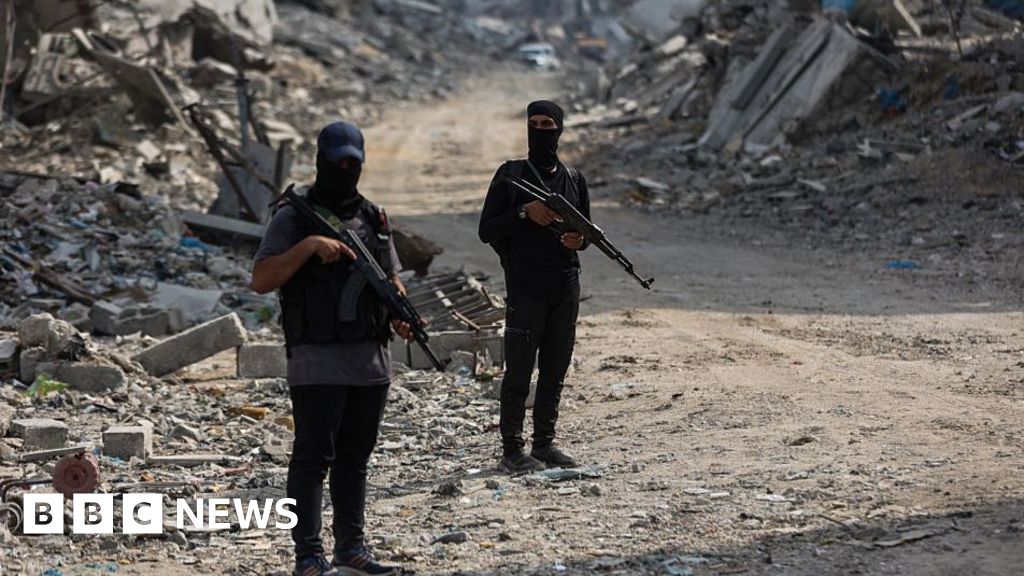
Hamas Tunnel Defense Blocks Gaza Ceasefire Progress

Amid escalating violence and political deadlock, Israel, the United States, and regional actors are embroiled in a tense effort to forge a lasting ceasefire in Gaza. The recent return of US envoy Jared Kushner to the region underscores the renewed diplomatic urgency. Despite the sporadic releases of hostages and humanitarian aid, fundamental issues such as Hamas’s disarmament, future governance of Gaza, and international security arrangements remain unresolved. Analysts from the International Crisis Group warn that these sticking points threaten to unravel international efforts, emphasizing how fragile peace still teeters on the brink of collapse.

Key negotiations have been marred by entrenched positions from both sides. Hamas continues to demand safe passage for its fighters in Rafah, which Israel has categorically rejected. Notably, the recent negotiations reveal a divide not only over tactical ceasefire measures but also over the overarching disarmament and demilitarization of Gaza. The plan, supported by some Western analysts, envisions a phased approach—initially securing the release of hostages and rebuilding trust, then progressing toward disarmament. However, Benjamin Netanyahu and his government maintain that any disarmament must be accompanied by the complete demilitarization of Hamas and the establishment of a robust international security force—a prospect that many nations and regional actors find problematic due to concerns over sovereignty and long-term stability.

Amid these negotiations, the regional geopolitical landscape is in flux. Arab countries, wary of the potential permanent division of Gaza, have issued cautious statements emphasizing the risks of a divided Palestinian territory. Meanwhile, Israel’s occupation of over half of Gaza’s territory and its resistance to involving the Palestinian Authority reflect a broader tension: how to reconcile security concerns with hopes for peace and Palestinian sovereignty. The Trump administration’s recent plan, notably excluding pathways to Palestinian statehood, has further deepened regional skepticism. Historians such as Rashid Khalidi argue that without a political solution rooted in Palestinian self-determination, the cycle of violence and fragmentation may continue indefinitely, with serious consequences for global stability.

As conflict continues, the weight of history bears down on negotiations that could define the future of the region. The ongoing tragedy—marked by over 69,000 lives lost and countless others displaced—reminds the international community that decisions taken today will echo through generations. With both sides entrenched and external powers cautious about full involvement, the possibilities for a sustainable solution appear so distant, yet the urgency to act remains clear. The story of Gaza is still being written, with each chapter promising either the dawn of peace or the descent into further chaos—here, history’s choice hangs in the balance, waiting to see which path will be forged in the sands of a conflict that has already reshaped the geopolitical map for a generation.

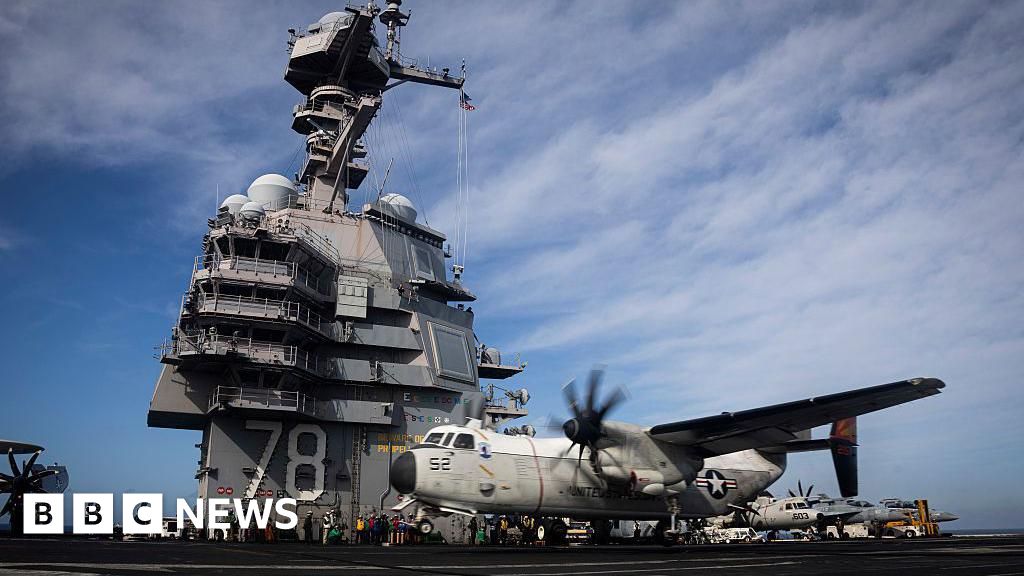
US Carrier Group Heads to Latin America, Strengthening Regional Presence

The recent deployment of a formidable US naval strike force to the Caribbean signals a significant escalation of America’s military posture in Latin America. Led by the USS Gerald R Ford, the world’s most advanced aircraft carrier, this deployment underscores Washington’s commitment to asserting its dominance in a region increasingly targeted by both illegal trafficking and political crises. The inclusion of guided-missile destroyers and a nuclear submarine among other vessels marks the largest US military presence in Latin America in decades, signaling a strategic pivot that many analysts argue is designed to control regional instability and assert influence amidst rising geopolitical competition.

According to Pentagon officials, this deployment aims to bolster capabilities to “detect, monitor, and disrupt illicit activities,” specifically targeting narcotics trafficking networks and criminal enterprises. However, critics and international observers warn that these operations are more than mere anti-drug initiatives; they are part of broader efforts to contain and influence the political landscape of the region, particularly in Venezuela and Colombia. Venezuelan President Nicolas Maduro and his government have long accused the US of attempting to provoke regime change under the guise of fighting crime, labeling US actions as “fabricated crises” meant to destabilize their socialist government. Such accusations highlight how military maneuvers are often intertwined with political motives, affecting the stability and sovereignty of regional nations.

Indeed, this intensified military presence comes at a time of heightened tension and ongoing conflicts. The US has conducted at least 19 strikes against alleged drug boats in the Caribbean and eastern Pacific, killing over 76 individuals. While the Trump administration defended these as necessary actions to prevent drug flow into the United States, many regional leaders and human rights groups have raised alarms over possible violations of human rights and due process. The escalation has also strained relations with Colombia and Venezuela, where governments have voiced concern over sovereignty infringements and the potential for these actions to provoke broader regional destabilization. Such developments are carefully scrutinized by historians and international bodies, who warn that unchecked military escalation risks igniting conflicts that could spiral beyond diplomatic control.

Some analysts suggest that these demonstrations of force are not just about regional security but also part of how international powers shift influence amidst a changing global order. The deployment coincides with rising power competition involving China and Russia, both of whom are expanding their footholds across Latin America. This move by the US can be viewed as an attempt to reassert dominance and contain the growing influence of rival powers in a strategic corridor vital for maritime trade and regional stability. History teaches us that such military gamesmanship often precedes larger conflicts or systemic shifts, with the region serving as a critical battlefield for influence between major global actors.

As the international community watches with cautious concern, the true impact of this military build-up remains uncertain. The coming weeks and months will reveal whether these show-of-force tactics will stabilize or exacerbate the ongoing crises across Latin America. The weight of history presses heavily on today’s decisions, with the specter of future conflict hanging in the balance. As the world’s eyes remain fixed on the Caribbean and beyond, one thing is clear: the unfolding geopolitical chess match is shaping the future of nations and societies, potentially rewriting the regional order for generations to come.

Social Media Auto Publish Powered By : XYZScripts.com