Matox News

Truth Over Trends, always!

Advisers Warn Ministers: Banning Palestine Action Might Backfire Among Youth

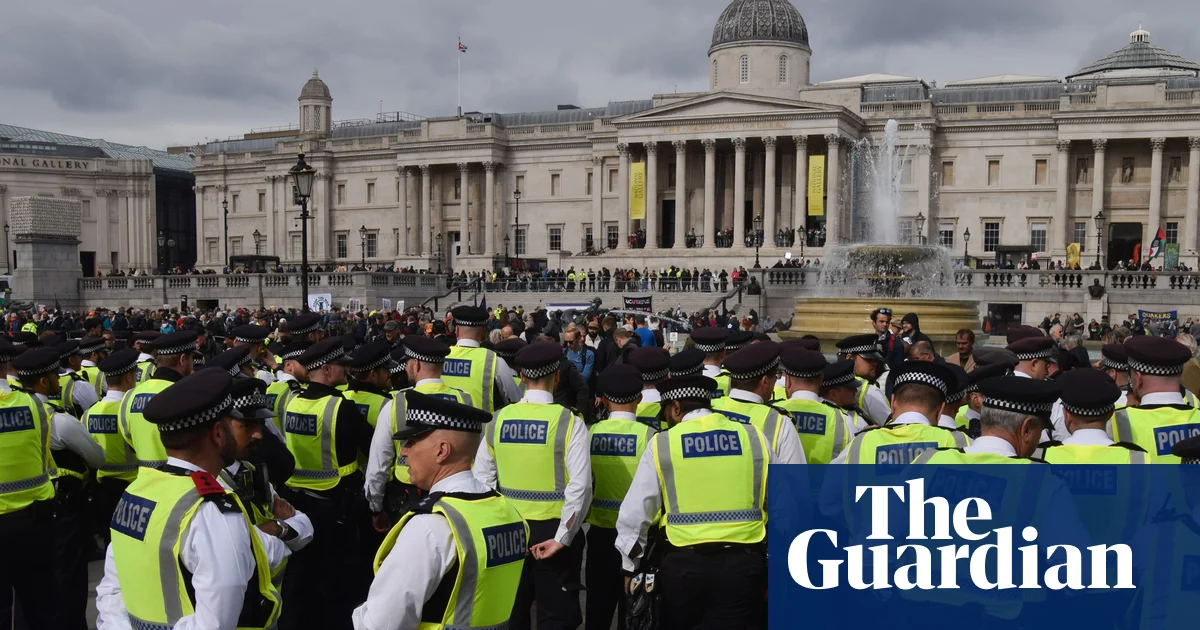
In recent weeks, the United Kingdom has taken a contentious step by banning Palestine Action, a grassroots organization dedicated to confronting the UK’s arms trade with Israel. Despite advice from officials warning that such a prohibition could inadvertently elevate the group’s profile, policymakers proceeded with proscription under terrorism laws. This decision marks a significant chapter in the ongoing global debate over civil liberties versus national security, illustrating the complex interplay between domestic policy and international tensions, especially in Britain’s role in the Israeli-Palestinian conflict.

The decision was underpinned by a secretive community impact assessment, revealing internal debates about the potential repercussions of a ban. Officials cautioned that proscription might exacerbate Muslim-Jewish tensions within Britain, deepen societal divisions, and be perceived as government bias favoring Israel. Moreover, polling data indicated that a significant portion of the British public supported bans on arms shipments to Israel, reflecting a growing frustration with the military actions in Gaza. Nonetheless, the advisors warned that such a move could “become a flashpoint for controversy and criticism,” highlighting the perilous balancing act that policymakers face—demanding security while avoiding alienating critical segments of society.

Critics argue that the government’s crackdown on Palestine Action has backfired, boosting the organization’s visibility and support rather than diminishing it. Huda Ammori, co-founder of Palestine Action, expressed that “awareness of the issues and the group’s popularity has grown exponentially,” indicating that the ban has inadvertently strengthened their stature. This outcome underscores how decisions rooted in security fears and political expediency can often generate unintended consequences, further entrenching the divisions they seek to quell.

The policy shift also sheds light on the geopolitical impact of Britain’s internal security measures. Proscription under terrorism laws frames the conflict in moral and legal terms but also risks alienating Muslim communities and fueling anti-government sentiments. This, in turn, influences Britain’s international standing, complicating diplomatic relations with Middle Eastern nations and global organizations advocating for Palestinian rights. As analysts point out, the UK’s overt involvement in Israel’s defense industry—an issue that the government actively suppresses—has become a source of tension with other Western nations that are questioning the equity of their support for Israel.

In the broader context, Britain’s internal conflict over Palestine reflects a wider geopolitical contest. How Western democracies choose to engage—whether through silence, activism, or suppression—shapes the global narrative surrounding the Israeli-Palestinian dispute. The recent ban represents a symbolic battleground for values—security versus civil liberties, activism versus state control—marking a decisive moment where internal policy decisions echo into the larger arena of international diplomacy. The unfolding saga leaves history’s watchful eyes pondering: will this be a turning point towards greater governmental control, or a catalyst that emboldens those fighting for justice? The answer remains shrouded in the shadow of history, as the world watches, and the story continues to unfold.
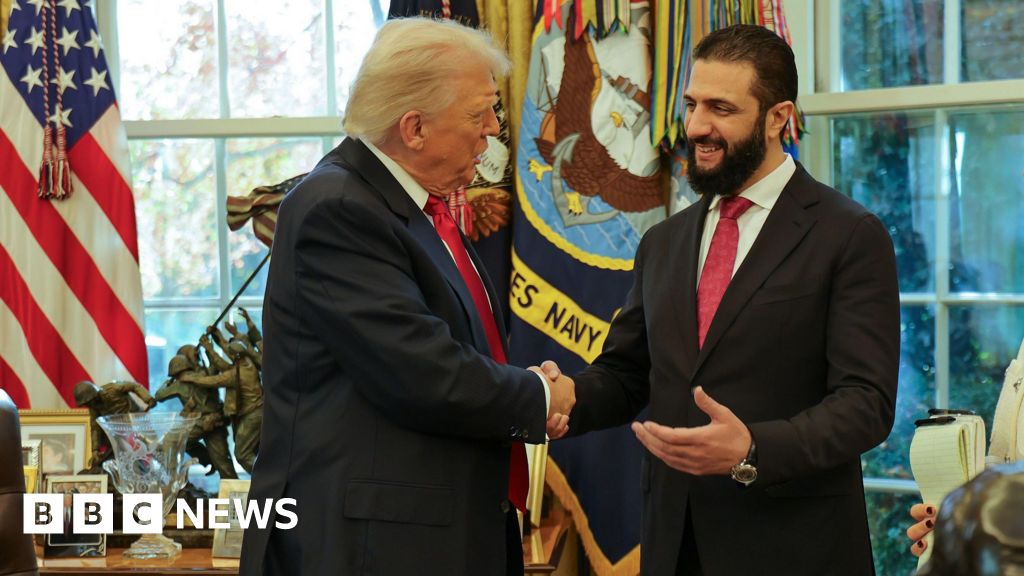
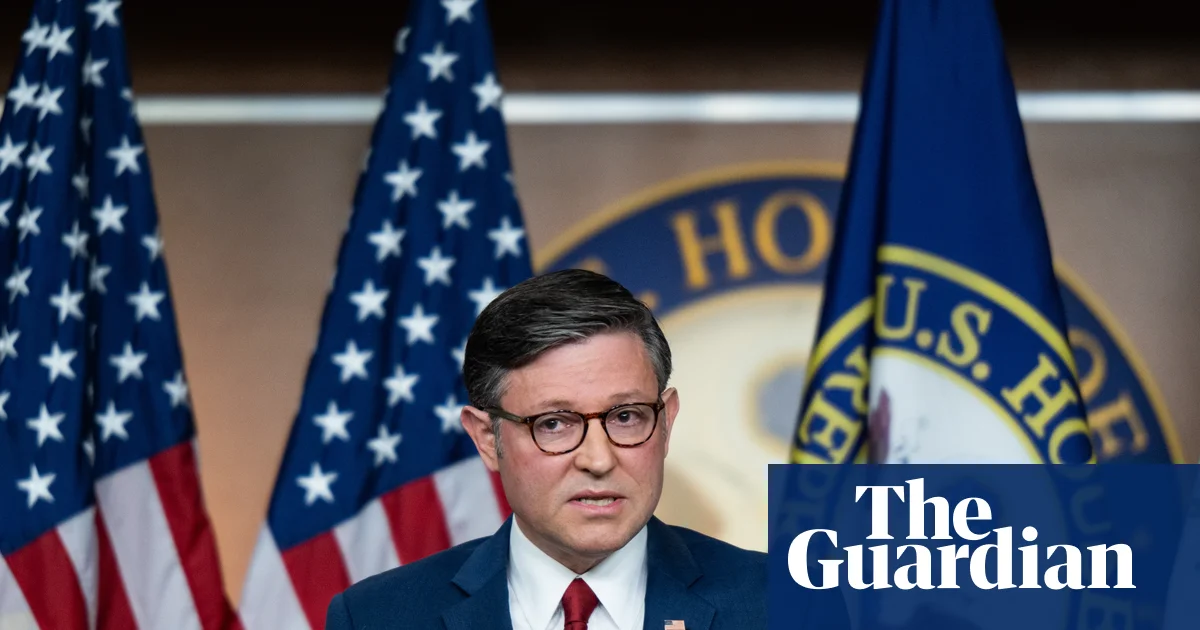
Syria joins coalition to fight ISIS after Trump talks

The United States has dramatically shifted its foreign policy stance toward Syria, signaling a potential turning point in the volatile Middle East. For years, Syrian relations with Western powers have been marked by sanctions, diplomatic isolation, and conflict. Yet, recent developments indicate a strategic pivot, as Syria prepares to join an international coalition against the Islamic State, marking it as the 90th member committed to eradicating remaining terrorist elements and addressing regional instability. This move not only signifies a notable diplomatic breakthrough but also underscores the complex dynamics of how international decisions can redefine national destinies. The breakthrough occurred amid a historic visit to the White House by Syrian President Ahmed al-Sharaa, an event unprecedented in diplomatic history, as the US government officially recognizes a figure once branded a terrorist as a government partner.

This unprecedented rapprochement is underpinned by a series of bold decisions, including the lifting of economic restrictions and a suspension of the Caesar Act, which had severely sanctioned the Syrian government since 2019. Announced by the US Treasury Department, these measures aim to foster economic development and rebuild Syria’s institutions—an effort supported by international organizations and analysts who emphasize the importance of stabilization in the region. Experts warn, however, that this apparent thaw could complicate long-standing regional conflicts and fuel geopolitical tensions, particularly with countries skeptical of Damascus’s intentions. In addition, the US intends to renew diplomatic ties, allowing Syria to reopen its embassy in Washington—a remarkable diplomatic gesture that suggests a reevaluation of America’s Middle East strategy.

On the international stage, Russia and China — longstanding allies of Syria—are watching closely, as the US moves towards a more pragmatic engagement. This shift signals a departure from earlier policies driven by regime change aspirations, and a realignment driven by pragmatic geopolitical concerns. As noted by scholars such as Dr. Steven Heydemann of the Middle East Institute, the United States is deliberately recalibrating its role—balancing counterterrorism efforts with a desire to influence the post-war reconstruction process. Meanwhile, how this policy shift impacts global power balances and local societies remains uncertain, but it undoubtedly redefines Syria’s place in the international order. The decision to involve Damascus in a coalition against global terrorist threats reflects a broader lesson on how wars reshape alliances, and how the past can be reinterpreted for geopolitical gain.

As history continues to unfold, the question remains: will Syria’s new diplomatic path truly pave the way for stability and peace, or will it deepen regional divisions? The world watches as the leaders of today, guided by the burdens of history and the weight of their decisions, attempt to forge a new chapter—one written in the uncertain ink of diplomacy, conflict, and fleeting hope. In this complex narrative, the true impact of these decisions will only be revealed with time, leaving future generations to ponder whether these moves will bring lasting peace or ignite new conflicts in an already fractured region.

Senate Approves Funding Deal to Break Historic Government Shutdown—A Win for Conservative Priorities

The United States has just emerged from its longest government shutdown in history, a turbulent chapter that exposed the deep fissures within American politics and cast a long shadow over its geopolitical standing. The compromise legislation approved by the Senate on Monday signals a temporary pause in the chaos, extending government funding until January 2026, but its implications go far beyond domestic policy. As President Donald Trump voiced support from the Oval Office, this resolution underscores a broader narrative—one marked by internal division and strategic calculations that will reverberate through the corridors of power worldwide.

The legislation, which passed with a 60-40 vote, saw an unusual coalition of Democrats breaking ranks to join Republicans. Seven Democrats and a single independent defied party lines, motivated by the urgent necessity to reopen an incapacitated government and provide back pay to furloughed workers. Yet, the underlying issues remain unresolved; notably, the bill sidesteps the ***expiring healthcare tax credits*** central to the stalemate. As Senator John Thune promised a future Senate vote on these subsidies, analysts warn that this temporary fix merely papers over deeper fissures that threaten to destabilize the federal apparatus once again—conditions that an increasingly polarized U.S. can ill afford in an era of geopolitical upheaval.

International observers and seasoned analysts have pointed to how these internal disagreements influence the United States’ global image and strategic posture. The *transitory nature of U.S.* political consensus during such episodes signals vulnerability at a time when China and Russia are asserting themselves more aggressively on the world stage. The delays and internal conflicts in Washington diminish America’s ability to project strength and stability—an essential attribute for maintaining alliances and deterring adversaries. Organizations like the World Economic Forum and geopoliticians worldwide cite this dysfunction as a weakening factor in America’s leadership and its capacity to shape policies on climate, security, and trade that are critical for global stability.

Within the domestic realm, the repercussions are tangible and severe. Hundreds of thousands of federal workers missed paychecks, vital services faced disruption, and the transportation sector warned of heightened strain due to staffing shortages. The voices of analysts and historians have been clear: such crises are not merely political theatrics; they are turning points that redefine national resilience. The debate over healthcare subsidies and government funding reveals ideological contestation over the very future of American governance—an age-old struggle between intervention and limited government, now exposed sharply against the backdrop of contemporary geopolitics. As the smoke clears, the question remains: how will these internal battles shape the policies of tomorrow and the international reputation of a nation that perceives itself as a beacon of democracy?

For now, the country has a fleeting respite, but the shadows of unresolved conflicts loom large. The decisions made in Washington will echo in history’s chambers, shaping the course of nations and the order of the world. As the dust settles on this chapter, the true test begins—not only with resurrected government agencies but with the resolve to forge a united front that can withstand the external pressures of a world no longer waiting for American leadership. The pages of history are turning, and the story of this bitter, divided nation remains unwritten—its next chapters destined to be written in the crucible of ongoing conflict and resilience.

Gaddafi’s Youngest Son Freed After a Decade in Lebanese Detention

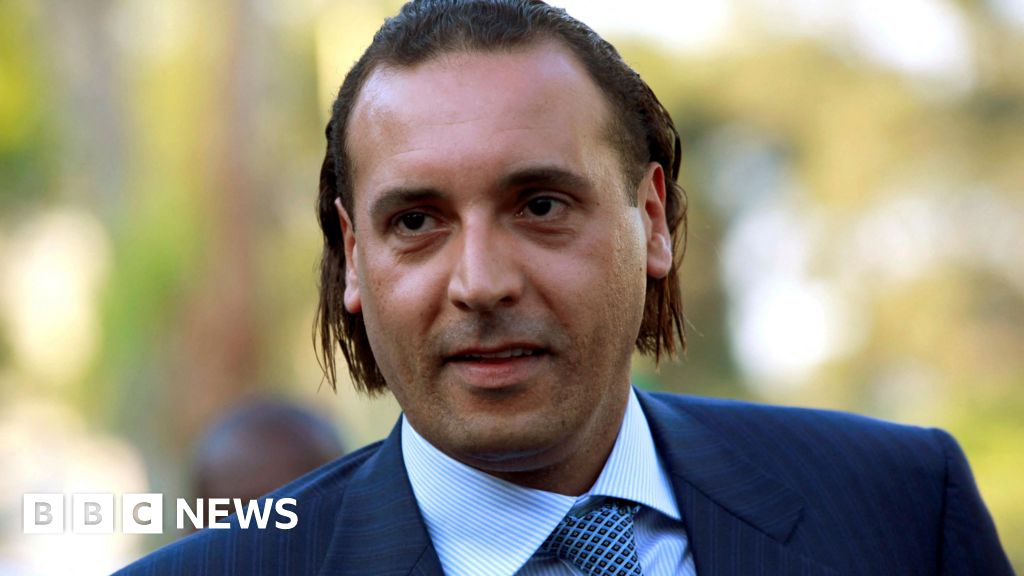
Hannibal Gaddafi, the youngest son of the late Libyan dictator Muammar Gaddafi, has recently been released from nearly a decade of detention in Lebanon, marking a noteworthy chapter in the complex geopolitical aftermath of the Arab Spring. His liberation after ten years underscores shifting paradigms within Middle Eastern politics, while also spotlighting the lingering shadows of regional conflicts and international interests. Despite the controversial circumstances surrounding his detention—initially linked to accusations over the disappearance of a Lebanese Shia cleric in 1978—his release raises questions about the influence of external forces and the fragility of justice in politically charged environments.

  • In 2015, Lebanese authorities detained Gaddafi, alleging he concealed information related to the longstanding disappearance of Musa al-Sadr, a pivotal figure in Lebanese Shia politics. However, human rights groups condemned these accusations as politically motivated, emphasizing potential abuses of Lebanon’s justice system. The legal proceedings, involving hefty bail amounts and appeals, illuminated how geopolitical scars still impact judicial independence across the Middle East and North Africa. His release was facilitated after a reduction in bail to approximately $900,000, marking the end of a chilling chapter for the Gaddafi family, which remains entangled in regional tensions and geopolitical rivalries.

Analysts from international institutions and historians have pointed out that Gaddafi’s detention and subsequent release exemplify the enduring influence of authoritarian legacies and regional power struggles. The shifting sands of Middle Eastern geopolitics, particularly the fall of Muammar Gaddafi in 2011 and the ensuing chaos, have profoundly affected legal and political systems across the region. Libya’s ongoing chaos has created a vacuum exploited by various factions, complicating diplomatic efforts toward stability. Meanwhile, Lebanon’s internal divisions have periodically spilled over into international disputes, particularly surrounding historical grievances like al-Sadr’s disappearance, which remains unresolved and a source of persistent tension. These tensions are emblematic of a broader, intertwined geopolitical battle in which external powers often manipulate regional actors to serve their strategic interests.

Despite Gaddafi’s transient presence as an individual, his case symbolizes broader ideological and political currents shaping the Middle East and Mediterranean. The decision to release him—amidst whispers of behind-the-scenes negotiations and shifting alliances—reflects the fragile balance of power and the influence of international actors like France, Italy, and the United States. The consequences of such decisions are profound, as they reverberate through diplomatic channels, influence regional stability, and impact local societies. The long shadow of Muammar Gaddafi’s rule—once a formidable force on the world stage—continues to cast a pall, as his legacy remains a potent symbol of both Arab nationalism and authoritarian resistance, now competing with new regional dynamics.

As international observers, including analysts from the United Nations and independent think tanks warn of the unstable trajectory of Middle Eastern geopolitics, Gaddafi’s release serves as a sobering reminder of history’s ongoing unwritten narrative. The unfolding story—the return of a figure once seen as a symbol of strength—may portend new challenges for regional stability and global diplomacy. In a world where alliances are ever-shifting and old grievances simmer beneath the surface, the echoes of this release will resonate far beyond Lebanon and Libya, inscribing yet another chapter in the relentless march of history’s tumultuous tide.

Tragedy strikes: Two dead after small plane crashes during hurricane relief trip to Jamaica in Florida

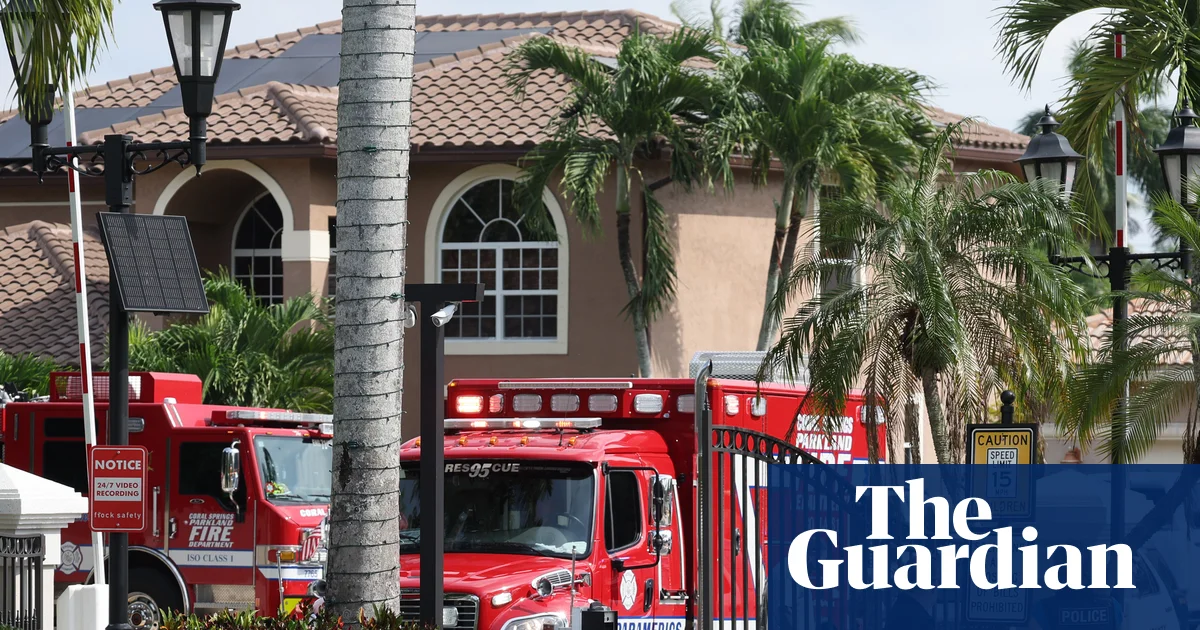
The recent crash of a small turboprop plane in Coral Springs, Florida has sent shockwaves through a region still reeling from the devastation wrought by Hurricane Melissa. The incident, which resulted in the tragic deaths of two individuals shortly after the aircraft took off on a hurricane relief mission, highlights the lingering vulnerabilities faced by communities in the Caribbean and their diaspora in the United States. While initial reports indicate no damage to nearby homes, the debris trail leading to a pond underscores the dangerous hazards associated with unregulated or poorly documented relief flights in post-disaster zones.

Analysts point out that the crash’s timing and context are significant, reflecting ongoing geopolitical realities. The plane, a vintage Beechcraft King Air registered to International Air Services, had made multiple recent trips to Jamaica—an island still recovering from the wrath of Melissa, which made landfall as one of the strongest hurricanes in Atlantic history. The fact that the aircraft operated through a company known for trust arrangements for non-US citizens indicates complex international aviation logistics, possibly aimed at circumventing regulatory oversight. This incident raises questions about how international relief operations are coordinated and the safety standards adhered to during these missions.

The geopolitical impact extends beyond mere accident statistics. Jamaica, a nation of strategic geopolitical importance amidst escalating tensions between global powers, relies heavily on international aid and diaspora support. The devastation caused by Melissa—leaving over 90,000 families displaced and thousands in shelters—has strained local resources, and aid efforts have become a focal point of regional diplomacy. The US’s role, whether through humanitarian missions or private relief contractors, becomes part of a broader contest for influence, especially as emerging nations seek to expand their footprint in Caribbean assistance and recovery. The crash consequently underscores a broader need for coordinated international oversight, lest relief efforts become entangled with geopolitical rivalries or neglect safety protocols in pursuit of quick aid delivery.

Meanwhile, local communities and international organizations are grappling with the immediate aftermath. Emergency responders, as described by officials like Mike Moser, responded swiftly, but the debris and fuel spill have created environmental and safety concerns. The ongoing investigation by federal aviation authorities aims to uncover whether mechanical failure, pilot error, or regulatory lapses contributed to the crash. Historically, experts like aviation safety analyst Dr. Raymond Chen warn that in the hurried rush to assist disaster zones, safety often takes a backseat, risking further tragedies. As authorities maintain a heavy police presence and continue evidence collection, the incident functions as a stark reminder of the fragile interface between aid, safety, and geopolitics in regions vulnerable to natural catastrophes.

As the world observes, this event underscores how aircraft, often seen as mere tools of aid, are also symbols of broader international dynamics. The hurricane’s aftermath, with Jamaica still in recovery, reflects the unending story of resilience underscored by vulnerability—a narrative that history keeps writing with each new chapter. The toll of Melissa, compounded by the tragedy in Florida, leaves a haunting question: in an era of rapid geopolitical shifts and climate turmoil, how will nations navigate aid, safety, and sovereignty? The weight of history presses heavily on the horizon, and as this unfolding drama continues, the global community watches, waiting for answers that could redefine the boundaries of international cooperation amid adversity.

UK Commentator Detained Over Israel Comments to Be Released, Family Confirms

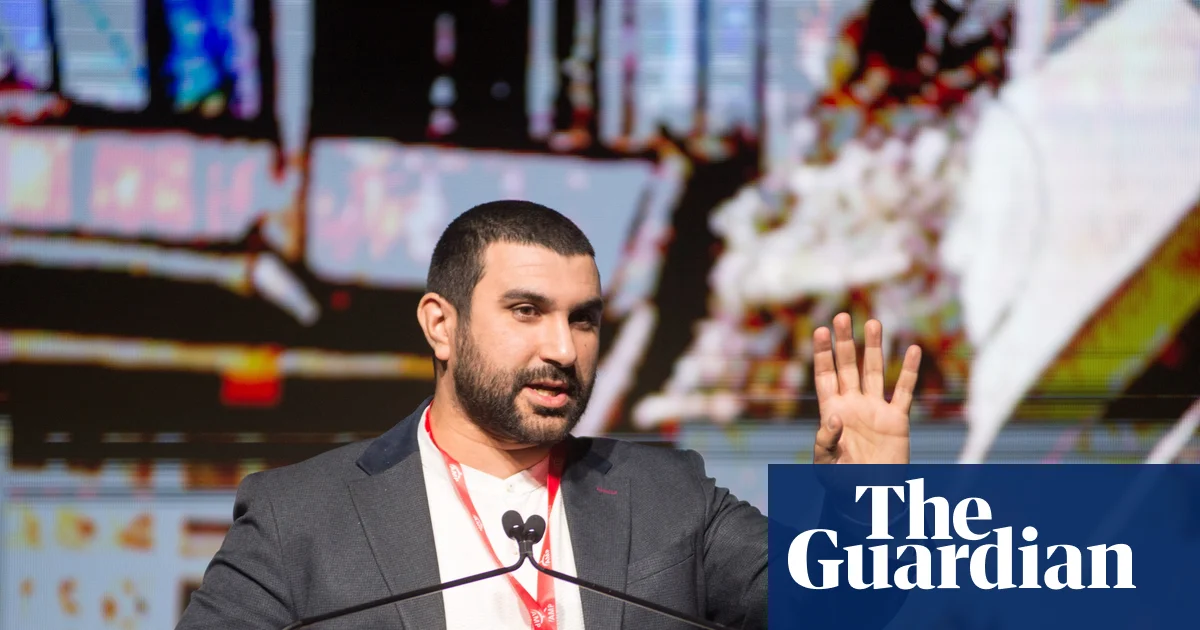
The recent developments surrounding British political commentator Sami Hamdi underscore the escalating tensions between free speech and U.S. immigration policy amid rising geopolitical conflicts. Hamdi, who was detained by US Immigration and Customs Enforcement (ICE) at San Francisco international airport in late October, faced accusations linked to his critiques of Israel during a tour in the United States. His detention, initially characterized by the Department of Homeland Security as a security concern rooted in alleged ties to terrorism, highlights the complex interplay of domestic policy and international diplomacy—particularly in an era marked by intense scrutiny of political expressions related to Middle East conflicts. As his family reports that he will soon be released, the incident raises fundamental questions about the limits of free speech within the context of national security and the influence of diplomatic narratives on domestic policy.

While government officials framed the detention within the context of preventing threats to American national security, civil rights organizations, such as the Council on American-Islamic Relations (CAIR), condemned the move as an obvious suppression of dissent. CAIR publicly denounced what they called a “blatant affront to free speech,” emphasizing how such actions serve as a warning to critics of government foreign policy. Analyses from international organizations suggest that the case exemplifies a broader shift in U.S. policy—one that increasingly conflates political criticism with security threats, especially when it involves contentious issues like U.S. support for Israel and Palestinian rights. Historically, similar incidents have often been used to shape international perceptions, portraying critics as security risks—thus, influencing diplomatic relations across the globe, particularly in Middle Eastern and Muslim-majority countries.

In the context of ongoing conflicts such as the Hamas attacks and the subsequent escalation in regional tensions, Hamdi’s case carries significant geopolitical impact. It underscores how domestic actions in Western powers are often scrutinized through international lenses, impacting perceptions of free expression and foreign policy credibility. International analysts warn of a potential “chilling effect” on political discourse, as governments tighten restrictions while global institutions like the United Nations and European Union observe with concern. Furthermore, this incident exemplifies how decisions made in Washington could influence alliances—potentially prompting Muslim nations to reassess trust in Western democracy’s commitment to free speech, especially when critics articulate views that challenge mainstream narratives regarding conflicts in Palestine and the broader Middle East. As historians note, the narrative shaping these incidents feeds into a global contest over the values of liberty versus security, with each side claiming moral high ground.

As the saga unfolds, the weight of history being written in real time remains palpable. The release of Sami Hamdi, coupled with the controversy that swirled around his detention, marks only a transient moment in a larger struggle—one that transcends individual cases and probes the core principles of sovereignty, free expression, and national security. The world watches as nations navigate the treacherous waters of diplomacy, ideology, and internal security. Whether this incident becomes a turning point or a cautionary tale, it leaves us with a stark reminder: the decisions made today will echo through history, shaping the fate of societies and the contest over truth and liberty for generations to come.

Australia News: NSW Nationals Drop Net Zero; Keating Honors Laws — Youth Voice Matters

In a world increasingly shaped by the relentless march of geopolitical shifts and domestic reckonings, recent events underscore a decisive moment in the unfolding fabric of history. Australia, often viewed as a microcosm of broader global trends, finds itself at a crossroads as regional political forces realign on crucial issues like climate policy and national identity. Meanwhile, the passing of iconic figures like John Laws reminds us how media personalities have historically shaped societal discourse, bridging the gap between politics and the everyday citizen in an era when radio was king. The legacy of individuals like Laws and the recent political maneuvers collectively illustrate the profound influence of communication and decision-making on national trajectories.

At the heart of international concern is the abandonment of commitments to net zero emissions by 2050—a stance taken rigorously by the NSW Nationals in Australia, following their federal counterparts’ lead in a move that threatens to fracture the stable fabric of coalition politics. The decision, driven by internal party discussions and influenced by a thinktank aligned with Senator Ross Cadell, signals a direct challenge to the global climate agenda endorsed by many Western nations.

  • Government officials and analysts have warned this rollback could hinder international efforts to combat the climate crisis, and threaten Australia’s diplomatic standing in climate negotiations.
  • The decision sparks a rift within the Coalition, specifically testing the resolve of opposition leader Mark Speakman, who has faced mounting pressure amidst poor polling and internal dissent.

The geopolitical impact of this shift extends far beyond national borders. Countries watching Australia’s retreat from climate commitments may perceive a broader trend of de-escalation or skepticism toward global climate initiatives, especially in regions where economic and energy independence are prioritized over environmental concerns. Experts like economists and environmentalists have issued stark warnings that such domestic decisions undermine international climate accords and could embolden other nations seeking to resist similar targets, thereby threatening the collective effort to mitigate the effects of climate change. Moreover, Australia’s internal debate reflects a national societal divide—those pushing for environmental credentials versus those emphasizing regional economic interests—highlighting how domestic policies can send ripples through the international diplomatic arena.

Meanwhile, the death of John Laws, dubbed the “king” of radio before the rise of the digital age, signifies a pivotal chapter in the history of media influence. Keating’s tribute underscores how Laws partnered with policymakers to educate Australia’s middle ground crowd on complex social and economic matters. This dynamic exemplifies how influential personalities have historically shaped public perception and policy, wielding power that transcends mere entertainment. As history presses forward, the media’s role in transmitting societal values and political discourse remains central, even as new digital platforms challenge traditional broadcasts. Recognizing these shifts urges societies worldwide to reflect on the enduring impact media figures have historically played—and continue to play—in shaping national identity and policy directions.

As these stories unfold—whether through the deliberate reevaluation of environmental commitments or the remembrance of media giants—the pace of history seems to accelerate, leaving societies to confront the weight of choices made today. Decisive shifts in policy, politics, and perception are not isolated events but rather the vital threads of an evolving narrative, heavily influenced by those who lead and those who listen. With each decision, with each passing figure, the tapestry of history is rewoven—sometimes a step forward, often a step into uncharted, uncertain territory. And as nations navigate the turbulent waters of change, the foundations of tomorrow’s history are being laid today—silent witnesses to the ongoing story of power, influence, and the enduring quest for a future shaped by choices of unparalleled importance.

Edo Youths Rally Against New West African Art Hub in Bold Protest

In a development that underscores the persistent tensions between cultural sovereignty and global prestige, Nigeria has faced a disruptive protest at its recently inaugurated Museum of West African Art (Mowaa) in Benin City. The museum, a $25 million (£19m) project designed by renowned British-Ghanaian architect David Adjaye, was intended as a hub for contemporary and historical West African art. However, its launch has been marred by unrest that highlights deeper undercurrents of cultural identity, national pride, and historical claims. Protesters, driven by feelings that the museum is a form of cultural hijacking, forced postponement of its opening and engaged in insulting foreign visitors, revealing underlying domestic discontent regarding cultural patrimony and governance.

This incident is not an isolated event but a strategic flashpoint within the broader dispute over ownership of the Benin Bronzes. These priceless artifacts, looted during British military incursions in the 19th century, have long symbolized colonial exploitation and the ongoing debate over rightful restitution. While the museum’s leadership clarified that they never claimed the Bronzes and focus primarily on modern and contemporary art, the controversy underscores the sensitive nature of cultural symbols in Nigeria’s national consciousness. As historians and analysts interpret these events, they emphasize how cultural controversies fuel *resentment and political leverage*, influencing Nigeria’s internal stability and its diplomatic posture on reparations and cultural sovereignty. The protests reflect a broader dangerous shift: from colonial legacy to sovereign identity, where control over cultural heritage becomes a vital aspect of national legitimacy.

The controversy extends into the realm of political influence and how decisions on cultural institutions impact societal unity. Critics argue that the museum’s development has been hijacked by political actors, with residents claiming that the project’s current trajectory sidesteps local traditions and authority. The Nigerian government, along with traditional rulers—particularly the Oba of Benin—has expressed dissatisfaction, viewing the museum as a symbol of erosion of their cultural authority. The museum’s independent and non-profit status, along with its broad regional scope, has sparked accusations of external interference and a neglect of Benin’s unique heritage. International organizations have weighed in, with some urging Nigeria to prioritize dialogue and respectful reconciliation, recognizing that these conflicts threaten not just cultural preservation but also regional stability. As one prominent analyst notes, “The battle over these artifacts and institutions is ultimately a struggle for national sovereignty.”

As the shadows of history stretch long over Nigeria’s future, the clash at Mowaa serves as a stark reminder of how cultural disputes are intertwined with geopolitics, colonial legacies, and national identity. The unrest signals a possible turning point—where the struggle for control over cultural symbols could either forge a stronger self-determined nation or deepen fissures that threaten regional stability. The weight of these unresolved conflicts hangs heavy, as history continues to unfold on the fragile stage of Nigeria’s evolving narrative—a testament to the fact that nations are often defined as much by their internal struggles as by their place in the international order, and that the outcome of this cultural war could reverberate far beyond Benin City. In the face of ongoing tension, the world remains watchful, knowing that history is at a crossroads—an uncertain path toward either reconciliation or further division.

Clashes in Nigeria’s northeast leave around 200 dead in violent terrorist skirmish

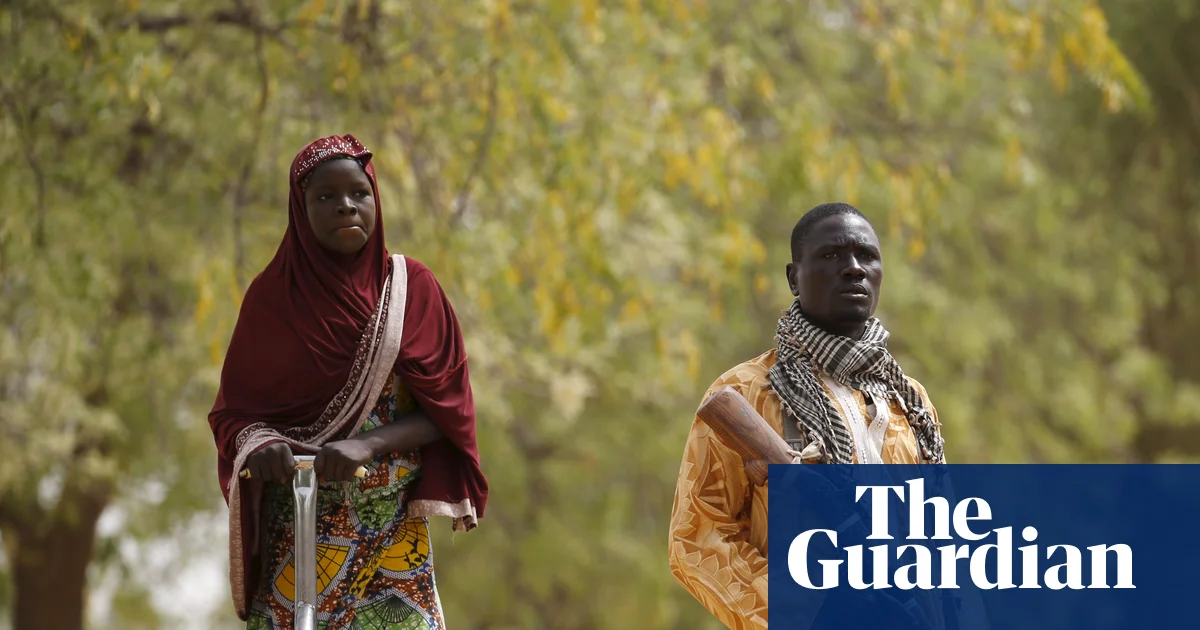
The ongoing insurgency in Nigeria has entered a new and dangerous chapter, with recent clashes between rival jihadist factions causing significant loss of life and further destabilizing the fragile region. Reports indicate that as many as 200 terrorists were killed in a fierce confrontation between Boko Haram and Islamic State West Africa Province (ISWAP) in the village of Dogon Chiku, situated along the shores of Lake Chad. This area—at the crossroads of Nigeria, Niger, Chad, and Cameroon—has long been a battleground for non-state actors vying for control over territory, influence, and economic resources.

Over the years, Lake Chad’s receding waters—having shrunk over 90% since the 1960s—have fundamentally altered the power dynamics in the region. As land routes and operational zones open up amid the shrinking shoreline, jihadist groups like Boko Haram and ISWAP are engaged in a relentless struggle for dominance. Analysts warn that this violent turf war isn’t just about local control; it reflects a broader competition for regional influence, with the potential to destabilize the Sahel and undermine fragile state institutions. The recent clash indicates a shift in the ongoing power struggle, with potentially the deadliest confrontation yet. Experts such as military analysts and international entities observe that ISWAP, once considered the more resourceful and organized faction, now faces serious setbacks amidst Boko Haram’s persistent efforts to maintain control of the Lake Chad basin.

  • The conflict has seen frequent raids and skirmishes, with the latest fighting reportedly resulting in one of the highest death tolls for ISWAP, including the loss of several boats used in the attack. The Nigerian vigilante Babakura Kolo confirmed that approximately 200 ISWAP terrorists were killed, highlighting the brutal nature of the engagement. Such clashes typify a brutal fight for territory where economic interests—such as taxing fishers, loggers, and herders—are intertwined with ideological and political motives.
  • It also signals an intensification of intra-jihadist rivalry, echoing broader trends observed by analysts and even some international organizations. The UN Environment Programme has documented how the environmental degradation of Lake Chad fuels conflicts, as the environmental crisis exacerbates scarcity, forcing groups into violent competition over diminishing resources.
  • Historically, these factions emerged from splits within Boko Haram, a group that, since the death of its founder Mohammed Yusuf in 2009, has inflicted immense suffering on Nigeria’s largely Muslim north-east, including the abduction of schoolgirls and attacks on civilian populations. The death of Abubakar Shekau, Boko Haram’s notorious leader, marked a turning point, but violence persists as factions continue to vie for influence. Recent operations, including Boko Haram’s raids on ISWAP bases, demonstrate the volatile state of affairs, with scores of fighters killed on both sides.

The geopolitical impact of this intra-jihadist struggle extends beyond Nigeria’s borders, echoing across the Sahel region and drawing concern from international actors. Governments and organizations warn that this chaos could serve as a catalyst for broader instability, fostering radicalization and inspiring other militant groups nearby. The United Nations, though primarily focused on humanitarian aid, recognizes that these conflicts threaten regional security and economic development. As countries grapple with the ramifications, the ongoing clashes serve as a stark reminder of how environmental decline, weak governance, and the appeal of extremist ideology converge to create a tinderbox that threatens to ignite a much larger conflagration. In this moment, history bears witness to the fierce struggle for control—one that could determine the trajectory of security and stability in Africa for decades to come.

Trump clears Giuliani and allies charged with election interference — latest updates

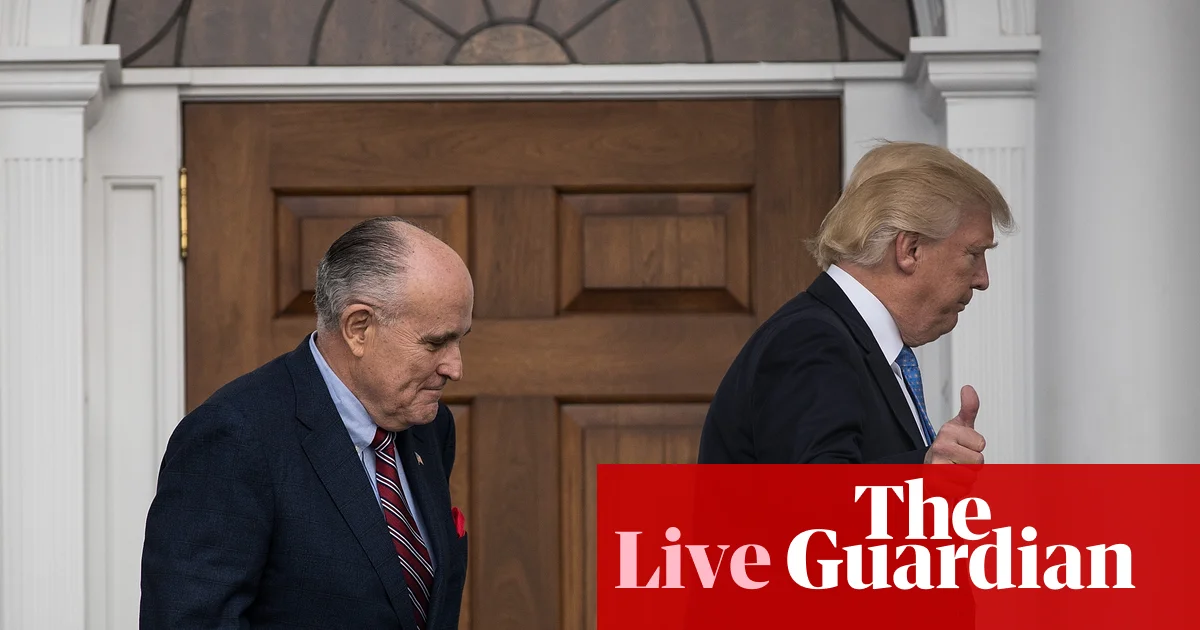
In recent days, the international stage has witnessed a series of seismic events that underscore the shifting landscape of global power and domestic stability, particularly within the United States. The dramatic pardoning by Donald Trump of his allies linked to efforts to overturn the 2020 election has sent ripples across both U.S. politics and the broader geopolitical arena. The pardons, including high-profile figures such as Rudy Giuliani and Mark Meadows, are viewed by many analysts as a calculated move to reassert influence and weaken institutional accountability, challenging the notions of rule of law and sovereignty. While none of those pardoned faced federal charges, critics argue this controversial decision could usher in a precedent where future administrations find immunity from prosecution, thereby eroding the integrity of the American legal system and emboldening authoritarian tendencies.

Simultaneously, the domestic crisis has been compounded by ongoing government shutdowns— the longest in U.S. history—affecting hundreds of thousands of workers, with flights canceled en masse and essential services disrupted. According to top officials, the shutdown continues due to political gridlock between the Democratic and Republican senators, despite efforts to pass a stopgap measure that would fund the government only until January. This short-term funding, essentially a Band-Aid solution, underscores the deep divisions that threaten the fabric of American governance, with the specter of a prolonged stalemate looming large. Historians warn that such political discord contributes to a climate where societal trust diminishes and chaos undermines the national stability vital to global order.

On the international front, President Trump made headlines with a historic visit to the White House by Syrian President Ahmed al-Sharaa, marking the first such diplomatic engagement since Syria’s independence in 1946. This summit, cloaked in secrecy, signals a potential realignment of American foreign policy amid a broader reshuffling of alliances in the Middle East and beyond. While specifics of discussions remain under wraps, the unspoken message is clear: the U.S. aims to recalibrate its stance on Syria, employing a strategy that includes sanctions and high-stakes diplomatic negotiations. Such diplomatic shifts are likely to recalibrate regional power balances, influencing allies and adversaries alike, especially in an era when assertive national interests are reshaping traditional diplomacy.

Brazilian and Latin American geopolitics are also in flux, with U.S. military operations expanding their reach — striking alleged drug trafficking vessels and known narco-terrorist groups in international waters, according to Pentagon statements. Such actions demonstrate an increasingly assertive U.S. military posture aimed at combating illicit networks that threaten stability beyond American borders, directly impacting regional sovereignty and security frameworks. The use of extrajudicial measures, including lethal strikes, raises concerns among international legal experts about sovereignty and the potential for escalation that could destabilize entire transit routes linking South America and the broader Western Hemisphere. These actions highlight the United States’ willingness to operate unilaterally in the name of national security, often outside traditional legal boundaries—a move with profound geopolitical implications that ripple through international institutions and diplomatic norms.

The entire sequence of events unfolding in Washington and around the globe reveals a pivotal epoch in history—a period where decisions by a single nation threaten to reshape the international order, challenge the rule of law, and redefine the future of liberty and governance. As history continues to be written in the crucible of reckless diplomacy and domestic chaos, the world watches with bated breath, recognizing that these are not mere isolated incidents but the echoes of a larger clash for influence, sovereignty, and the soul of democracy itself.

Social Media Auto Publish Powered By : XYZScripts.com