Matox News

Truth Over Trends, always!

Senate Approves Deal to End Historic Govt Shutdown

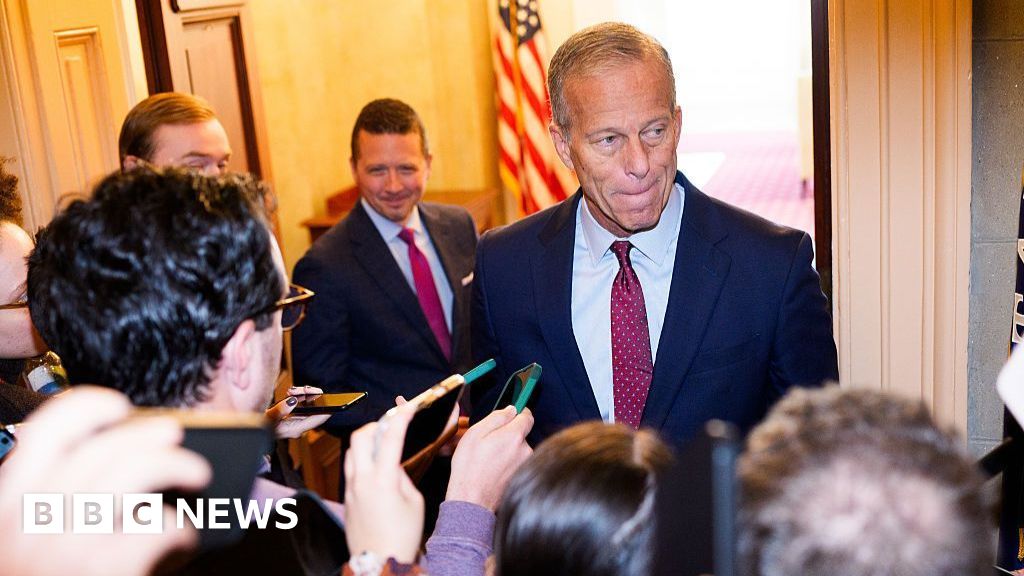
Breaking News: US Government Shutdown Ends After Historic 40-Day Stalemate

The prolonged shutdown of the United States government — the longest in history — has finally come to a tentative close, signaling a potential shift in the country’s political landscape. After intense negotiations over the weekend, Senate Majority Leader John Thune and a coalition of senators from both sides reached an agreement to temporarily fund federal operations. This deal, receiving a narrow majority vote, is seen as the first tangible step toward resolving the impasse that has left roughly 1.4 million federal employees unpaid and critical services suspended since October 1. The impact on everyday Americans has been profound: essential food assistance, air travel safety, and other services have been hamstrung by partisan gridlock, exposing the fragility of America’s political system.

Despite broad bipartisan support for ending the deadlock, the deal has exposed deep divisions within the Democratic and Republican parties. The agreement, which requires further approval from the House of Representatives, includes crucial provisions such as a vote scheduled for December to extend healthcare subsidies—an issue fiercely contested by Democrats. Analysts warn that unresolved healthcare crises and mounting debt threaten to send the nation tumbling back into turmoil. High-profile Democrats, including Chuck Schumer, have publicly criticized the deal for lacking substantive measures to address the broader healthcare crisis gripping millions of Americans. Meanwhile, Republican leaders emphasize this as a victory for pragmatic governance but acknowledge that the fight over long-term solutions remains unresolved.

Geopolitical Impact and How Decisions Shape Societies

The resolution of the shutdown underscores a critical lesson for international observers: in an era of mounting global challenges—climate change, economic instability, and shifting alliances—the internal stability of a superpower like the US is paramount. Historians warn that continuous political deadlock weakens America’s ability to project influence abroad and undermines confidence in its leadership. According to analysis from the Council on Foreign Relations, unsettled domestic politics can embolden rivals such as China and Russia, threatening the global balance of power.

Furthermore, domestic decisions regarding budget and policy priorities ripple globally, shaping markets and geopolitics alike. As European nations and Asia-Pacific countries monitor Washington’s commitments, the possibility of recurring shutdowns casts a shadow over future diplomatic negotiations. The rise of multilaterals and bilateral agreements cannot compensate for the unpredictability emanating from Washington’s Capitol Hill—a lesson learned painfully by allies and adversaries alike. Some international analysts warn that a weakened US could leave vacuum spaces that rival powers are already positioning to fill.

The Road Ahead: From Short-Term Relief to Long-Term Stability

While today’s agreement halts the immediate crisis, the underlying issues remain unresolved. Seasoned political analysts suggest that the real fight begins now, with debates over long-term fiscal responsibility and healthcare reform looming large. The Debt Ceiling, the rising national debt, and the future of social programs pose fundamental questions that threaten to ignite the next political firestorm. The coming weeks will test whether bipartisan cooperation is merely a temporary lull or the start of genuine reform.

This chapter in American history may be closing, but the story remains far from over. As the world watches with bated breath, the unfolding saga of governance—filled with negotiations, betrayals, breakthroughs—continues to write itself in history’s bleak yet hopeful pages. The weight of what is to come rests now on the fragile bridges of compromise that lawmakers attempt to build, for the turbulent currents of change threaten to sweep away the landmarks of the past.
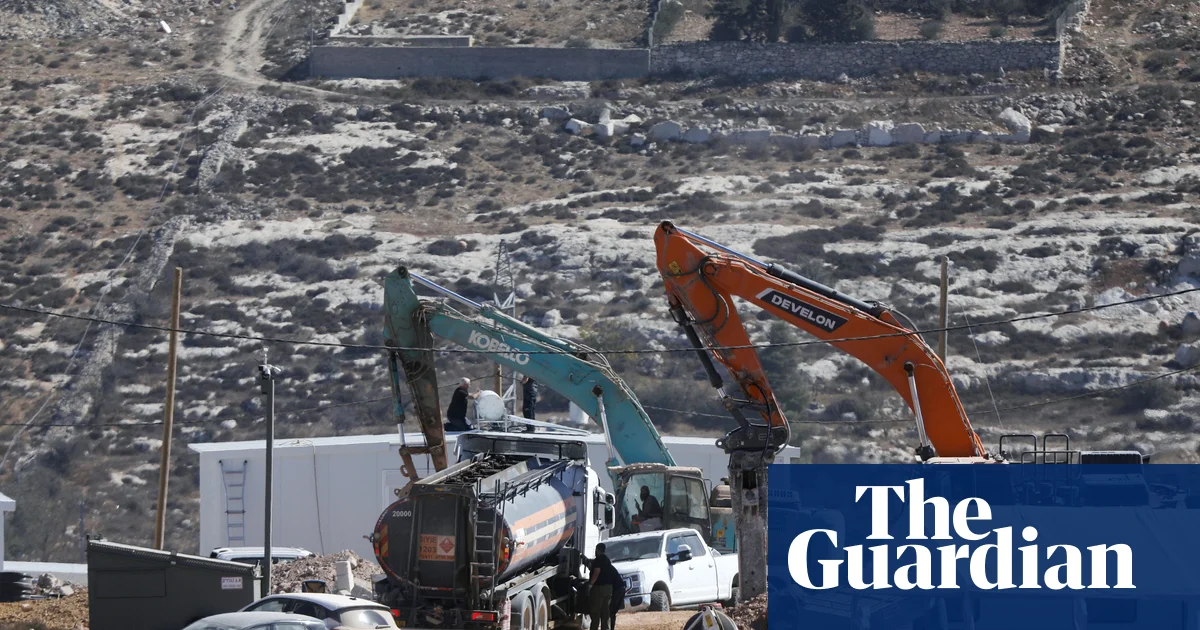
Netherlands pushes ahead with plan to block imports from illegal Israeli settlements

The European Union is witnessing a pivotal moment in its approach to the ongoing tensions in Palestine, as a coalition of European nations takes decisive steps to recalibrate their engagement with Israel. Historically a close ally of Tel Aviv, the EU now faces mounting pressure from its own member states—led by Netherlands—to implement targeted sanctions over the expansion of illegal settlements in the occupied West Bank. This shift signals a broader re-evaluation of European foreign policy, driven by the grim reality of escalating violence and a contentious debate over international law. The recent wave of legislative proposals and diplomatic actions underscores a deeper concern: how to balance economic interests with moral responsibility in a region teetering on the brink of irreversible conflict.

In May, the Netherlands, one of Israel’s most enduring European supporters, made a historic move by launching a comprehensive review of the EU-Israel association agreement. This agreement, which underpins tariff-free trade and Israel’s participation in key research programs like Horizon Europe, is now under threat as evidence mounts of violations of human rights obligations—highlighted by the International Court of Justice and numerous human rights organizations. Analysts from institutions such as the European Council on Foreign Relations warn that the EU’s leverage over Israel—representing approximately one-third of its global trade—has historically been underutilized. Now, with a push for sanctions including trade bans with settlement zones and restrictions on diplomatic functions, Europe may finally leverage its economic influence to deliver a political message: impunity for illegal occupation cannot continue unabated.

The growing internal dissent within Israel is also evident as the Knesset advances legislation that could effectively annex parts of the West Bank, in defiance of international consensus. Recent reports indicate an increase in attacks on Palestinian civilians—averaging eight daily incidents—including assaults on property, agriculture, and lives, with those percussive figures likely understated due to unreported cases. Israeli political factions demanding formal annexation, combined with aggressive settlement expansion, threaten the very viability of a peace process promised by international diplomacy. Such actions are raising fears among analysts that the two-state solution is slipping beyond reach, risking a permanent bifurcation that could destabilize the region for generations.

As global institutions and international lawmakers debate the future of Palestine, the geopolitical landscape is shifting. The European Union stands at a crossroads: sustain its historic commitments to dialogue and human rights, or wield its economic might to confront violations head-on.

  • The suspension of Israel’s access to Horizon Europe and potential sanctions on senior ministers embodies a new stance—one that emphasizes accountability.
  • Calls for total trade bans with settlement zones aim to send a clear, unwavering message—business as usual is over.

As diplomats and analysts grapple with the repercussions of these policies, the weight of history presses heavily upon the horizon. The decisions made today could reshape the geopolitics of the Middle East, determining whether peace can ever be achieved or whether the region plunges further into a cycle of conflict and unaccountable violence. In this fragile moment, the world watches, uncertain if diplomacy will prevail or if the weight of inaction will forge a future scarred by the echoes of unresolved conflict.

Iran’s Water Crisis Deepens as Tehran Faces Unprecedented Drought

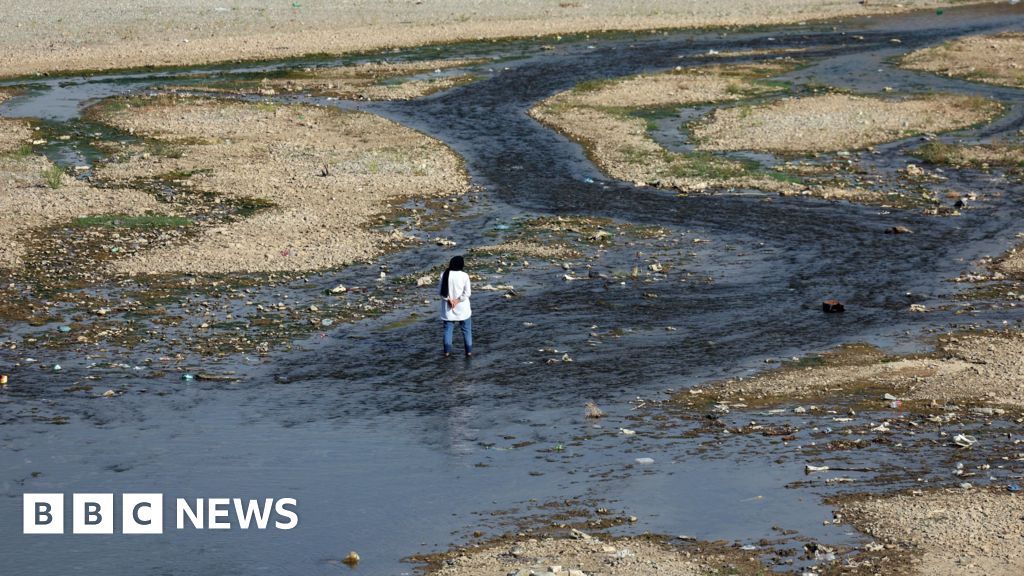
Iran, a country long embroiled in geopolitical tensions and economic sanctions, now faces an unprecedented internal crisis: a devastating water shortage that threatens the very fabric of its society and sovereignty. This month, Tehran’s reservoirs are nearing collapse, with officials warning that if the rains do not return soon, the capital may face the grim necessity of water rationing or even evacuation. Such stark warnings are not merely alarmist rhetoric—they are warnings of the profound geopolitical impact of environmental mismanagement, war, and climate change on a nation’s stability. As analysts like Dr. Samuel Livingston of the International Water Resources Group note, these crises have the potential to upend the regional balance, fueling unrest and destabilizing the already fragile landscape of Middle East geopolitics.

Experts suggest that Iran’s historic decades-long water mismanagement has reached a point of no return, exacerbated by recent conflicts and infrastructural decay. The management of reservoirs such as the Latian and Karaj dams, which are now holding less than 10% of their capacity, illustrates a country pushing toward environmental catastrophe. Mohammad-Ali Moallem, the manager of the Karaj Dam, reports a staggering 92% decrease in rainfall compared to the previous year, with most water deemed “dead” and unusable. The situation is compounded by the country’s aging water infrastructure and widespread leakage, factors identified by Iran’s Minister of Energy, Abbas Ali Abadi, as critical contributors to the ongoing crisis. Historically, Iran’s water woes have been dismissed as cyclical, but today they threaten to trigger a humanitarian crisis that could reshape the nation’s internal and regional dynamics.

Adding to Iran’s turmoil, recent military conflicts and targeted strikes have indirectly strained the country’s resilience. Following a 12-day war with Israel, the northern Tehran neighborhood of Tajrish experienced severe flooding, revealing the fragile state of Iran’s infrastructure amidst ongoing hostilities. The Israeli Defense Forces claimed strikes on military targets, but the aftermath underscores the broader impact of geopolitical conflicts on Iran’s capacity to manage natural disasters and environmental pressures. According to Iran’s National Centre for Climate and Drought Crisis Management, other provinces such as West and East Azerbaijan are also witnessing dangerously low water levels, with some dams dropping below three percent capacity—the sort of emergency that could threaten entire cities like Mashhad. The intersection of war, mismanagement, and climate change has created a perfect storm, with the potential to destabilize Iran further and ripple across the region.

From an international perspective, this crisis exemplifies the complex web of how environmental issues are intertwined with geopolitics. The officials’ reluctance to accept the full scope of the crisis, combined with sanctions-induced economic constraints, hampers Iran’s ability to invest in infrastructure or adopt sustainable water management practices. As seasoned analyst Dr. Emily Carter explains, “Iran’s water crisis is a microcosm of a larger trend—climate change exacerbated by internal missteps and external conflicts that will test the resilience of nations and societies in ways previously unimagined.” The looming threat of water shortages may ignite internal unrest, disrupt regional alliances, and pressurize the global community to address issues of environmental security that transcend borders. With rainfall forecasted to remain scarce over the coming week, the decision-makers face a moral and strategic imperative: adapt swiftly or face the chaos of a nation reaching its tipping point.

As history watches with bated breath, the unfolding tragedy in Iran serves as a stark reminder of the fragile balance between environment, geopolitics, and societal stability. The choice before Iran is clear—continue down this destructive path or confront the imperative of sustainable management and regional cooperation. Yet, with each passing day of drought, the once vibrant metropolis of Tehran and the resilient city of Mashhad edge closer to a future defined by scarcity and despair. The pages of history are being written in real-time — and what happens next may define the fate of Iran and the broader Middle East for generations to come. The questions remain: will this be a moment of awakening or the beginning of a long descent into chaos? Only the unfolding events will tell, but the weight of history urges us to watch closely.

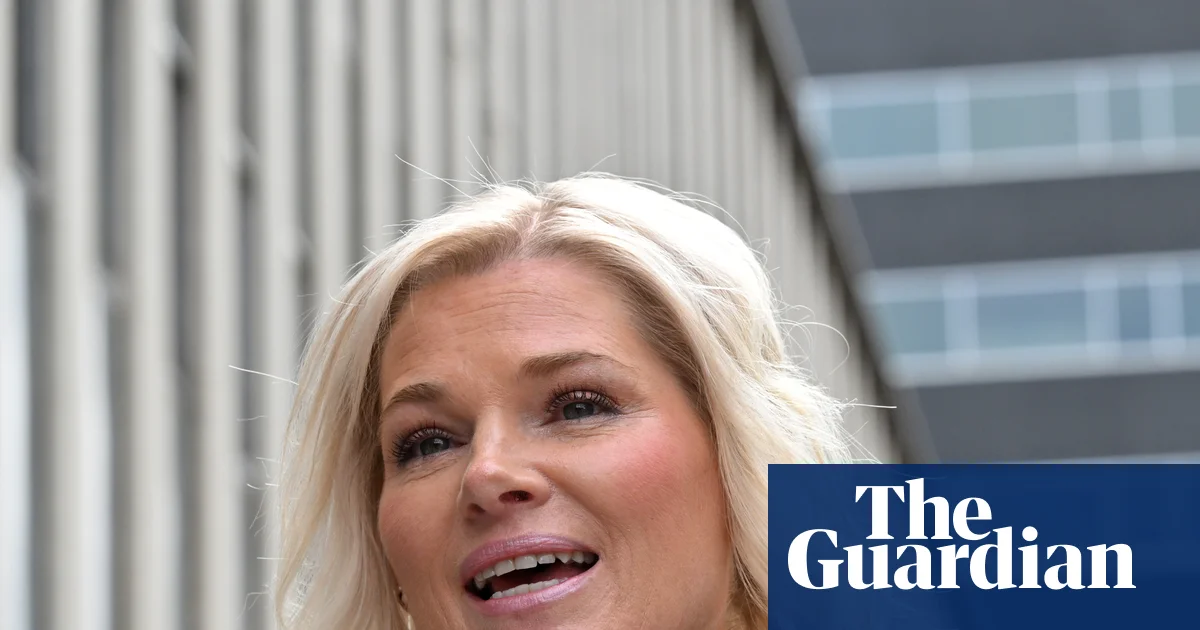
Mark Parton rises as ACT Liberal leader after Castley and deputy step down

Inner Turmoil in ACT Politics Reflects Broader International Trends

Amidst the shifting sands of Australian territorial politics, a notable development has unfolded within the ACT Liberal Party. The recent leadership change—from Leanne Castley to Mark Parton, a former commercial radio host turned politician—symbolizes more than mere local instability; it underscores the ongoing struggle within liberal democratic societies over party cohesion and the influence of grassroots sentiments. The upheaval follows weeks of internal disputes, notably after Castley suspended prominent members who supported a Greens-backed motion, advocating for an additional parliamentary sitting week in 2026. Such internal divisions, especially when aired publicly, resonate beyond Canberra’s borders as emblematic of the larger challenge facing liberal parties worldwide—balancing the need for ideological unity with the demands of political adaptation amidst shifting public support.

The Significance of Leadership Shifts in the Context of Global Political Dynamics

International observers and political analysts view this event through a lens of wider geopolitical impact. Former leaders stepping down amid internal strife is increasingly common in liberal democracies, often signaling deeper ideological rifts. The Australian case echoes trends seen in other democracies where party factions battle for control, risking erosion of public trust. Notably, the Labour Chief Minister, Andrew Barr, acknowledged the turmoil, hinting at a broader challenge for Canberra’s conservative opposition—a test of resilience in the face of internal discord that could weaken their capacity to confront the dominant Labor government. Historically, political stability within opposition parties significantly impacts their ability to offer a credible alternative and influence national policy. The recent events in ACT serve as a microcosm of how internal conflicts can undermine long-term societal stability, especially as rising global tensions demand cohesive political action from all sides.

How These Movements Shape Societal Expectations and International Perceptions

The strategic implications are profound. As Parton emphasizes unity—calling for an end to infighting and portraying himself as a unifier—the choice signals a desire to restore the party’s credibility and, by extension, its influence on national policy. This internal reshuffling is further compounded by the broader international scenario, where geopolitical tensions—from China’s assertiveness in the Indo-Pacific to Russia’s destabilization efforts—require a strong, unified liberal response. How Australia’s political parties navigate their internal conflicts directly influences their capacity to participate effectively in international alignments and alliances, including the Quad and AUKUS frameworks. Such internal turmoil feeds into global perceptions of stability, affecting diplomatic confidence and economic partnerships. The collapse of conservative unity in one part of the world can serve as a cautionary tale, warning allies and adversaries alike about the peril of fractured leadership during critical moments of geopolitical tension.

Historians caution that internal party conflicts, if unresolved, set dangerous precursors for future crises, both at home and on the world stage. The ACT episodes, while localized, reflect the perennial struggle for political authenticity in times of uncertainty—an enduring lesson in how internal decisions, when taken in a rapidly changing international landscape, *shape the trajectory of nations* and *define the legacy of leadership*. As history continues to unfold, one question remains: will these tumultuous shifts forge a resilient path forward or deepen the fissures that threaten to destabilize not only local politics but the fabric of democratic governance itself?

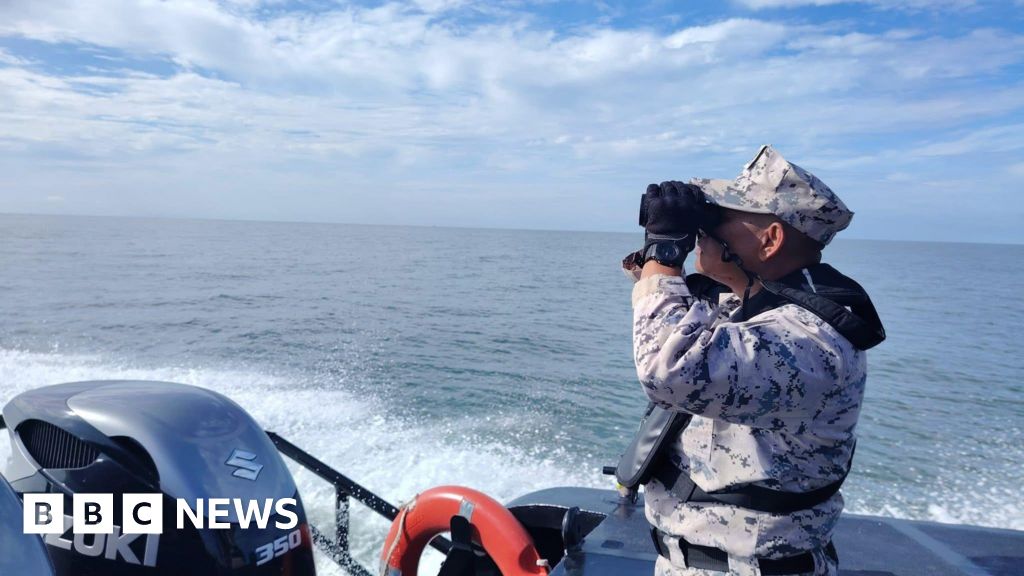
Seven migrants lose their lives in tragic sinking near Thai-Malaysia border

In a stark reminder of the ongoing humanitarian crisis in Southeast Asia, at least seven lives have been lost as a boat carrying undocumented migrants sank near the border between Thailand and Malaysia. The incident, which has sent shockwaves through regional and international corridors, underscores the perilous plight of the Rohingya minority—an ethnic group caught in a relentless cycle of persecution and displacement. Malaysian authorities report that 13 individuals have been rescued, but hundreds remain missing, with a boat carrying approximately 70 people believed to have gone down in the waters near Langkawi. This tragedy highlights the deadly human toll that unresolved conflicts, economic hardship, and international neglect continue to exact on vulnerable populations.

The Rohingya crisis is emblematic of a broader geopolitical divide that influences regional stability. Since the brutal crackdown by Myanmar’s military in August 2017, which forcibly displaced hundreds of thousands of Rohingyas into neighboring Bangladesh, the international community has been grappling with the question of sovereignty, human rights, and regional responsibility. Many Rohingyas, denied citizenship and facing systemic discrimination within Myanmar, view Malaysia—a Muslim-majority country—as a hoped-for refuge, yet their perilous maritime journeys reveal the limits of regional asylum policies. Analysts argue that this exodus underscores a failure of international diplomacy and the persistent failure of Myanmar’s government to address minority rights, creating a volatile environment that spills over into neighboring nations.

The dramatic rise in illegal maritime crossings exemplifies how civil conflicts and oppressive regimes have direct, destabilizing effects far beyond their borders. Since 2017, rights groups and international organizations, including the UN, have warned of the dangers of the trafficking networks that prey on desperate Rohingyas, often charging exorbitant fees—sometimes more than $3,000—per passage. As the boat sank and rescue efforts continue, the incident serves as a grim test of Southeast Asia’s ability to uphold maritime safety and human rights standards. Australian and European analysts have pointed out that this tragedy is a clear symptom of the region’s inability to effectively stem illegal migration, which, in turn, fosters instability, fuels refugee crises, and deepens socio-economic strains on border nations.

Global institutions have called for concerted action, urging Southeast Asian governments to enhance cooperation regarding refugee protection and maritime security. Yet, the geopolitical calculus often favors tough borders and strategic interests. Countries such as Malaysia and Thailand face internal and external pressures to manage migration, with some factions advocating stricter border controls to contain what they perceive as a threat to national sovereignty or social cohesion. Such sentiments risk undermining international efforts and leaving the most vulnerable populations to an unforgiving fate at sea. As historians and political analysts warn, the ongoing crisis could forge a new era of regional instability if neglected—history has shown that unsolved conflicts tend to erupt again, igniting broader geopolitical conflicts.

As rescue operations stretch into a second day and search areas expand, the *weight of history continues to press down*. Each life lost, each vessel sent to peril, becomes a somber reminder of unresolved conflict and the profound failures of international custodianship in this volatile region. The Rohingya crisis is no longer a distant humanitarian concern; it is a crucible in which the fate of human rights, sovereignty, and regional security are being tested. The coming days will reveal whether Southeast Asia can break the cycle of tragedy or whether history will continue its dark course, leaving countless lives adrift and the world with an unresolved moral crisis that demands urgent and sustained action.

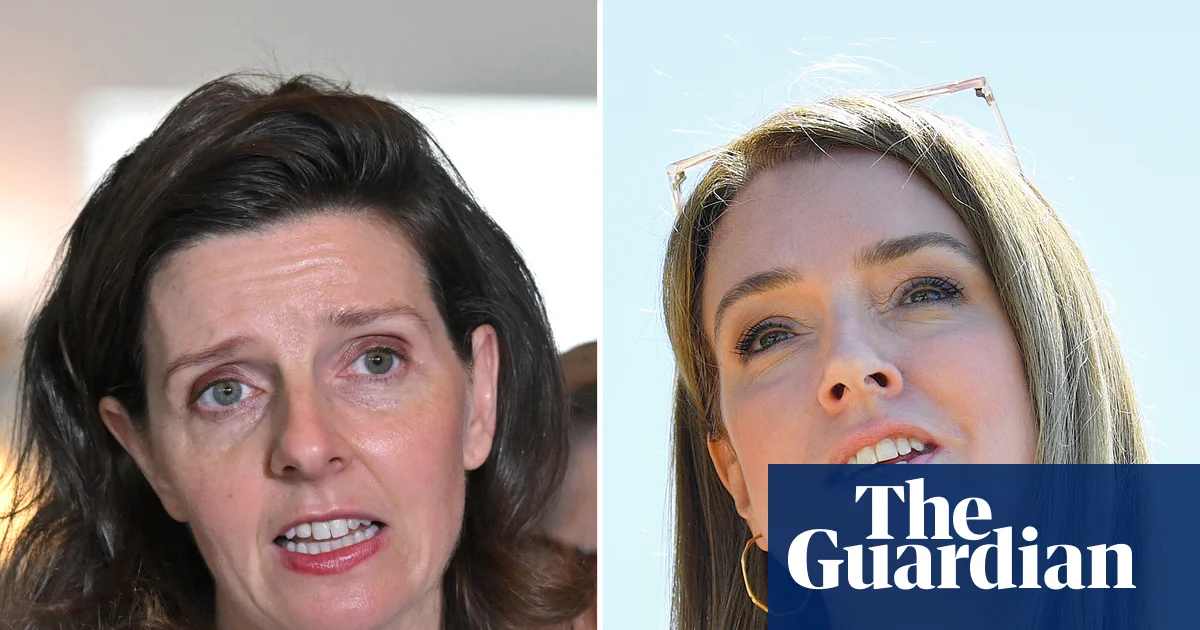
Female MPs face death and rape threats after condemning neo-Nazi rally outside NSW Parliament

In a disturbing display of the persistent reach of extremist ideologies, Australia continues to grapple with the consequences of its complex approach to political protests and hate speech. Recent reports from New South Wales reveal a troubling escalation: two prominent female MPs—federal MP Allegra Spender and state MP Kellie Sloane—have received **threats** following their condemnations of a neo-Nazi rally outside the NSW parliament. These threats, including death and dehumanizing calls, underscore a **growing threat** not only to individuals but to the very fabric of societal tolerance in the region. The rally itself, attended by around 60 men clad in black and advocating against the “Jewish lobby” using classical antisemitic tropes, exemplifies the destructive power of unchecked radicalization, which analysts warn could destabilize domestic cohesion and fuel international tensions.

The Australian government and police authorities have faced intense scrutiny over their handling of the event. Despite the rally’s approval by local police, critics argue the decision reflects a **double standard**—a claim the authorities deny. Speaking on ABC radio, NSW Premier Chris Minns dismissed accusations of bias, emphasizing that police responses were routine but failing to clarify the procedural missteps that permitted the rally’s occurrence. Reports of an “internal communication error” suggest systemic issues in monitoring and controlling hate-fueled activities. Academic experts and human rights organizations have long cautioned that such lapses have **serious geopolitical implications**. They argue that allowing neo-Nazi symbols and speech in Australia fuels a broader pattern of nationalist resurgence, which can carry over into international conflicts involving Australia’s allies and adversaries in the Indo-Pacific region.

The **global impact** of this domestic unrest should not be underestimated. As the world watches, nations like Germany, France, and the United States are witnessing resurgent far-right movements that echo rhetoric seen in the neo-Nazi rally. Historians warn these symbol-laden events serve as **warning signs**—deepening divides that threaten to distort the global order. The Australian government is now contemplating bans on Nazi symbols and speech, aiming to “clarify and codify” hate laws. Such legislative moves are crucial; but they also raise critical **questions about free expression and state overreach**, issues that deeply resonate across democracies. The international community, including the UN and human rights watchdogs, emphasizes that **decisions surrounding hate speech laws** must balance security with civil liberties, or risk igniting new conflicts under the guise of protecting societal cohesion.

As .history continues to unfold in real time, the significance of these events transcends the shores of Australia. In a world where **extremism** feeds on division and silence, the choices made today will define the battlegrounds of tomorrow’s struggle for justice, tolerance, and unity. The recent neo-Nazi rally acts as a stark reminder that the **fight against hatred** is not only domestic policy but a **cornerstone** of international stability. As political leaders chart their course—balancing **security concerns** with the rights of citizens and the urgency of moral clarity—they must confront an evolving reality: that history will judge how decisively they resisted the forces seeking to divide humanity along racial and ideological lines.

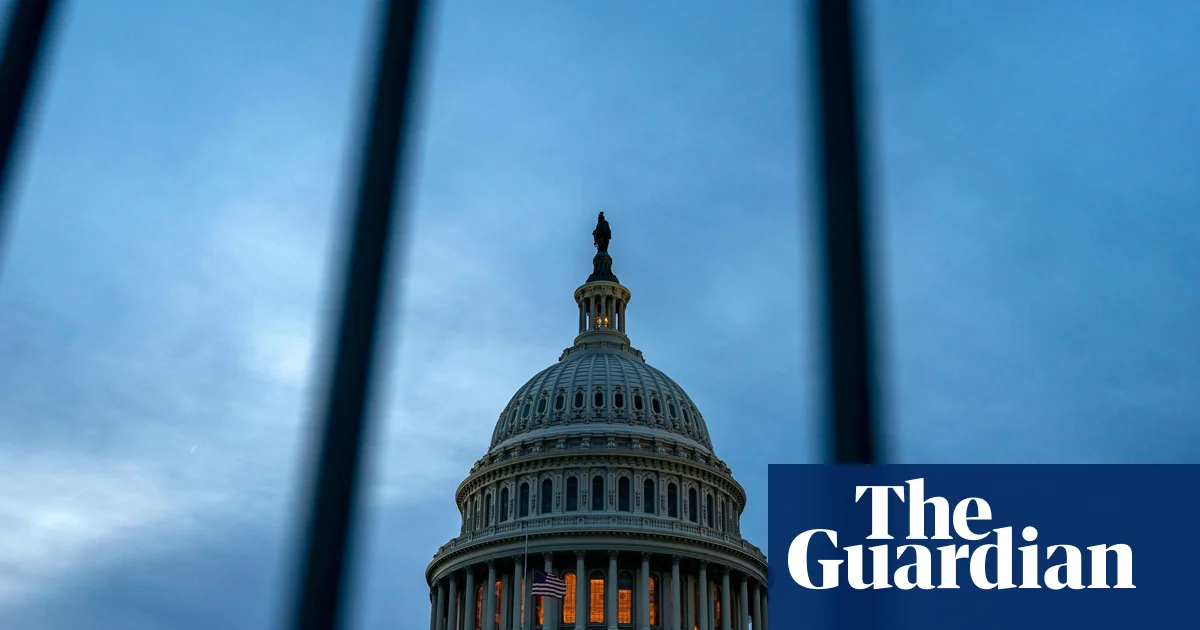
US Senate Moves Toward Vote to End Historic 2025 Federal Shutdown

US Political Deadlock Threatens Broader Stability and Global Markets

The United States finds itself at a critical juncture as the 40-day federal shutdown continues to demonstrate the deepening partisan divide within its borders. The US Senate is now on the brink of an historic vote aimed at reopening the government, but the negotiations reveal far more than mere government funding. Underneath the surface, this impasse underscores a broader struggle over the nation’s policy direction, especially concerning healthcare and fiscal responsibility. The looming possibility of a temporary stopgap measure, combined with politically contentious negotiations over the Affordable Care Act subsidies, highlights how internal U.S. politics are increasingly driven by intra-party brinkmanship, with real-world consequences for millions of Americans.

Key players like Senate Democrats and House Republicans are engaged in a high-stakes chess match, with each side wielding leverage over the other. Democrats demand the extension of healthcare subsidies, framing the issue as a matter of protecting vulnerable populations—a stance endorsed by many analysts and human rights organizations who warn of a looming healthcare crisis. Conversely, Republicans like Mike Johnson, the House speaker, refuse to extend these subsidies without concessions, often citing concerns over government spending and the avoidance of what they term “costly entitlements.” The dispute has turned the legislative process into a battleground, threatening not only domestic stability but also challenging vertical and horizontal trust in U.S. democratic institutions. As historians warn, prolonged political crises such as these can erode the nation’s political capital, with skies darker than ever over Washington’s ability to govern effectively.

The repercussions, however, extend well beyond America’s borders. A key geopolitical impact involves the destabilization of global markets, especially as international investors grow wary of a nation beset by internal chaos. The US plays an outsized role as a global economic leader; disruptions here ripple through currencies, stock markets, and foreign alliances. Numerous analysts suggest that the prolonged shutdown could threaten the stability of allied economies, particularly those closely linked through trade and security agreements. The ongoing chaos also complicates diplomatic negotiations with China, Russia, and other major powers—each watching to exploit any perceived weakness. The World Bank and IMF have issued cautious statements, warning that internal US conflicts risk undermining global economic resilience, particularly in fragile emerging markets.

Despite the political theatrics, the real at-risk group is the average American citizen. Reports indicate that federal workers and families relying on social programs like SNAP are suffering mounting hardships, with food insecurity spreading. The crescendo of this crisis may well mark a turning point in US social policy: many experts warn that if the current trajectory persists, a more divided and socio-economically fractured society will emerge. International voices—notably from OECD member nations—point out that internal US instability feeds into a global narrative of declining American influence. As history looms large, the question persists: will bipartisan leaders be able to craft solutions to heal their fractured nation or will enduring conflict cast a dark shadow over the unfolding pages of history?

In the final analysis, the US political crisis encapsulates an era of uncertainty, one in which decisions made within Capitol Hill ripple outward with profound implications. As negotiations hang in the balance, the world watches, waiting for the moment when American democracy will either pull back from the brink or succumb to the chaos of internal strife. The story of this shutdown is not merely a domestic tale but a powerful reminder of how fragile the fabric of international stability remains when the world’s beacon of democracy falters—an uncertain future now, etched into the annals of history.

Meet ‘Fedora Man’: Dapper French Teen Revealed as Louvre Heist Hero in Viral Photo | France

In a striking manifestation of how digital imagery can shape global narratives, a 15-year-old French youth, Pedro Elias Garzon Delvaux, inadvertently became an international phenomenon through a single photograph. His image, captured by Associated Press photographer Thibault Camus amidst the chaos of the French crown jewel heist, captured the imagination of millions across the world. Clad in vintage fashion, including a fedora, Pedro’s unintended role in this modern-day mystery showcases how media, perception, and historical aesthetics converge into a powerful symbol that transcends national borders. This phenomenon underscores a key geopolitical impact: how cultural symbols and images can ignite transnational stories that influence public sentiment and societal outlooks.

  • Pedro, a lover of 20th-century history and classic detectives, was merely passing through when police barricades closed access to the Louvre. His coincidental presence in the frame turned him into an eerie chess piece in a worldwide narrative concerning art theft, national identity, and cultural heritage. The image sparked online debates on whether the “fedora man” was an AI fabrication or a true shadow figure of the underworld. Such narratives challenge perceptions of authenticity and the digital age’s influence on reality, with analysts from institutions like INTERPOL emphasizing the need for cautious verification amid rapid information dissemination.
  • The viral spread of his image, with over 5 million views and headlines across continents, demonstrates the power of visual storytelling in shaping public discourse. As international commentators dissect the implications, many note how image-driven narratives reflect a broader cultural shift: one where individual stories are magnified into symbols of societal anxieties or aspirations. In this case, Pedro’s vintage attire and mysterious aura evoke an era-long gone, yet their resonance in the digital age emphasizes how cultural memory is harnessed and repurposed in contemporary geopolitics.

Historians and analysts recognize this event as emblematic of a new era where images serve as potent flags in the ongoing battle for cultural influence. The incident highlights an ongoing phenomenon: the blending of historical aesthetics with modern storytelling, fueling debates about identity, authenticity, and the role of digital media in shaping perceptions. As European nations remain vigilant over their cultural treasures, the story of Pedro not only offers a glimpse into the power of visual imagery but also signals how global narratives about legality, art, and history are increasingly constructed through social media’s lens.

As the episode concludes with Pedro’s relaxed outlook—publicly waiting for film roles—one cannot ignore how this small story echoes larger themes in international relations and societal values. The innocence of a boy unwittingly caught in a global myth reminds us that, in this era, history is perpetually in the making, and every image carries the potential to reshape perceptions and influence global affairs. In the end, this story remains a testament to a critical turning point: the digital age’s capacity to transform humble moments into enduring symbols, shaping the course of history in unpredictable ways, with the weight of the future still counting down in the shadows of the past.

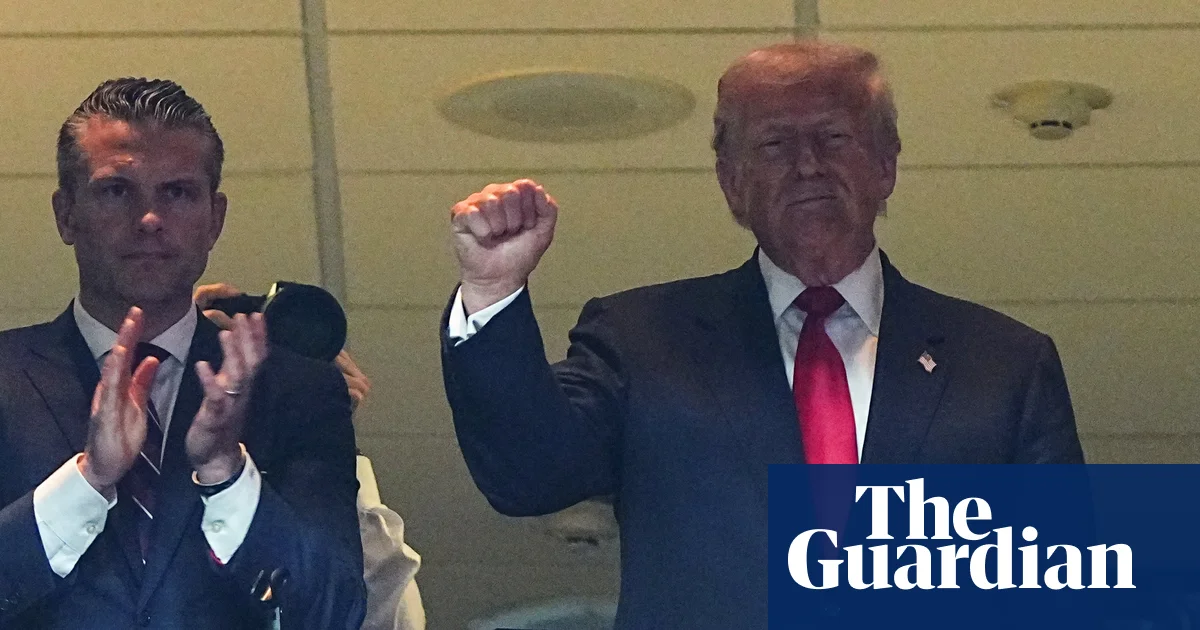
Trump booed at Commanders game before taking over Fox broadcast booth to call plays

In an unprecedented move that symbolically bridges the worlds of sports, politics, and international influence, Donald Trump made history as the first sitting U.S. president in nearly fifty years to attend a regular-season NFL game. His presence at the Washington Commanders’ match against the Detroit Lions not only ignited heated reactions among fans but also served as a vivid display of the ongoing cultural and geopolitical fractures within America. While crowds in Washington, D.C., expressed their mixed sentiments—ranging from cheers to boos—the spectacle underscored how deeply divided the nation remains, and how influential figures from the global arena continue to leverage sports as a stage for political statement and influence.

This public spectacle is more than just a partisan protest; it reflects a broader geopolitical narrative where domestic political conflicts are playing out under the watchful gaze of the international community. Historically, such the attendance of a sitting U.S. president at an NFL game signals the importance of national identity and internal cohesion. Yet, the reactions from the crowd—boos, chants, and jeers—highlight a nation polarized along ideological lines. Experts remind us that the U.S.’s internal fractures are, in many ways, echoed globally, as international powers observe and interpret America’s political turbulence on every stage, from the battlefield to the sports arena.

The event also has implications for geopolitical positioning. Trump’s desire to have the Commanders’ new stadium named after him, as revealed by reports of White House intermediaries, demonstrates how branding and influence extend beyond politics into the realm of international soft power. This project, valued at nearly $4 billion, symbolizes a broader trend: the merging of economic ambitions with national identity—an ambition echoed in the development of international alliances and contentious treaties. As noted by several international analysts, such moves can be seen as the embodiment of a nationalist resurgence aiming to solidify American influence domestically while projecting strength internationally.

Furthermore, this event occurs amidst a global chessboard, where neighboring and distant powers watch as internal tensions simmer. Historians caution that when national symbols become politicized—such as debates over stadium naming and the involvement of political figures in civilian life—it can have far-reaching effects on a nation’s international image and diplomatic relations. The spectacle of a U.S. president mingling with military personnel during the game, and the NFL’s participation in patriotic initiatives, serve to reinforce a narrative of resilience amid division. Yet, critics argue that this superficial unity masks underlying societal conflicts that could, if left unaddressed, lead to fragile stability.

As the weight of history presses down, the unfolding story of Trump’s NFL appearance is more than a fleeting media event. It is a mirror held up to a world grappling with its own divisions and aspirations. While leaders and analysts debate the implications, the image of a polarizing figure standing amidst cheers and jeers at a sports stadium echoes a deeper truth: the forces shaping the future are playing out in arenas of both national pride and international influence. It is a reminder that history is a constant battlefield, where every gesture and decision—no matter how seemingly trivial—can ripple across borders, shaping the course of nations for generations to come.

Local Teen Behind Viral 'Fedora Man' Image Revealed
Local Teen Behind Viral ‘Fedora Man’ Image Revealed

Paris, France—In a recent turn of events that has seized global attention, the Louvre Museum heist, which occurred over three weeks ago, continues to highlight underlying vulnerabilities in cultural protection and security. While investigators swiftly identified the perpetrators through DNA evidence, the mystery surrounding the appearance of the “fedora man” underscores broader issues of security, media influence, and societal narratives. The young man’s unintentional viral fame provides an insightful peek into how digital platforms are reshaping the perception of individual agency amid international crises.

The initial phase of the investigation uncovered significant lapses in security protocols at one of the world’s most iconic institutions. The French authorities admitted CCTV security was inadequate to prevent or effectively respond to the theft, exposing a stark reality about the often-overlooked perils facing cultural heritage sites. Such revelations serve as a stark warning to allied nations, underscoring the need for increased investment in security infrastructure amidst increasing global threats. According to analysts from INTERPOL, this incident sheds light on the transnational nature of such crimes, which can easily be fueled by organized networks operating across borders, further complicating law enforcement efforts worldwide.

Amidst the chaos, the enigmatic figure of the “fedora man”—a teenager from Rambouillet—captured the public’s imagination. His accidental viral fame, fueled by social media and traditional outlets like The New York Times, illuminates the unpredictable power of digital storytelling. His story reveals how isolated individuals, with no malicious intent, can illustrate larger societal patterns. Here, how decision-makers interpret and respond to such incidents carries profound geopolitical weight. The young man, inspired by fictional detectives, inadvertently became a symbol—whether of innocence or the unpredictability of modern media—raising questions about the narratives shaping international perceptions. Experts warn that these narratives can influence diplomatic relations and societal attitudes towards major cultural institutions and security policies.

Furthermore, international organizations and security experts emphasize the importance of prioritizing cultural preservation and public engagement. UNESCO, often called upon in situations involving global heritage, urges nations to foster stronger security frameworks that safeguard not only physical artifacts but also national pride. The incident demonstrates how a localized event can ripple across the geopolitical landscape, prompting debates on sovereignty, security, and the role of technology in shaping public consciousness. As history continues to unfold, the question remains: how will nations respond in strengthening their defenses while managing the narrative in a world increasingly driven by instant information and viral fame? The weight of history presses heavily upon the present, reminding the global community that every act, big or small, can echo through the corridors of international power, transforming local incidents into symbols of broader societal shifts.

Social Media Auto Publish Powered By : XYZScripts.com