Matox News

Truth Over Trends, always!

Local Teen Behind Viral 'Fedora Man' Image Revealed
Local Teen Behind Viral ‘Fedora Man’ Image Revealed

Paris, France—In a recent turn of events that has seized global attention, the Louvre Museum heist, which occurred over three weeks ago, continues to highlight underlying vulnerabilities in cultural protection and security. While investigators swiftly identified the perpetrators through DNA evidence, the mystery surrounding the appearance of the “fedora man” underscores broader issues of security, media influence, and societal narratives. The young man’s unintentional viral fame provides an insightful peek into how digital platforms are reshaping the perception of individual agency amid international crises.

The initial phase of the investigation uncovered significant lapses in security protocols at one of the world’s most iconic institutions. The French authorities admitted CCTV security was inadequate to prevent or effectively respond to the theft, exposing a stark reality about the often-overlooked perils facing cultural heritage sites. Such revelations serve as a stark warning to allied nations, underscoring the need for increased investment in security infrastructure amidst increasing global threats. According to analysts from INTERPOL, this incident sheds light on the transnational nature of such crimes, which can easily be fueled by organized networks operating across borders, further complicating law enforcement efforts worldwide.

Amidst the chaos, the enigmatic figure of the “fedora man”—a teenager from Rambouillet—captured the public’s imagination. His accidental viral fame, fueled by social media and traditional outlets like The New York Times, illuminates the unpredictable power of digital storytelling. His story reveals how isolated individuals, with no malicious intent, can illustrate larger societal patterns. Here, how decision-makers interpret and respond to such incidents carries profound geopolitical weight. The young man, inspired by fictional detectives, inadvertently became a symbol—whether of innocence or the unpredictability of modern media—raising questions about the narratives shaping international perceptions. Experts warn that these narratives can influence diplomatic relations and societal attitudes towards major cultural institutions and security policies.

Furthermore, international organizations and security experts emphasize the importance of prioritizing cultural preservation and public engagement. UNESCO, often called upon in situations involving global heritage, urges nations to foster stronger security frameworks that safeguard not only physical artifacts but also national pride. The incident demonstrates how a localized event can ripple across the geopolitical landscape, prompting debates on sovereignty, security, and the role of technology in shaping public consciousness. As history continues to unfold, the question remains: how will nations respond in strengthening their defenses while managing the narrative in a world increasingly driven by instant information and viral fame? The weight of history presses heavily upon the present, reminding the global community that every act, big or small, can echo through the corridors of international power, transforming local incidents into symbols of broader societal shifts.
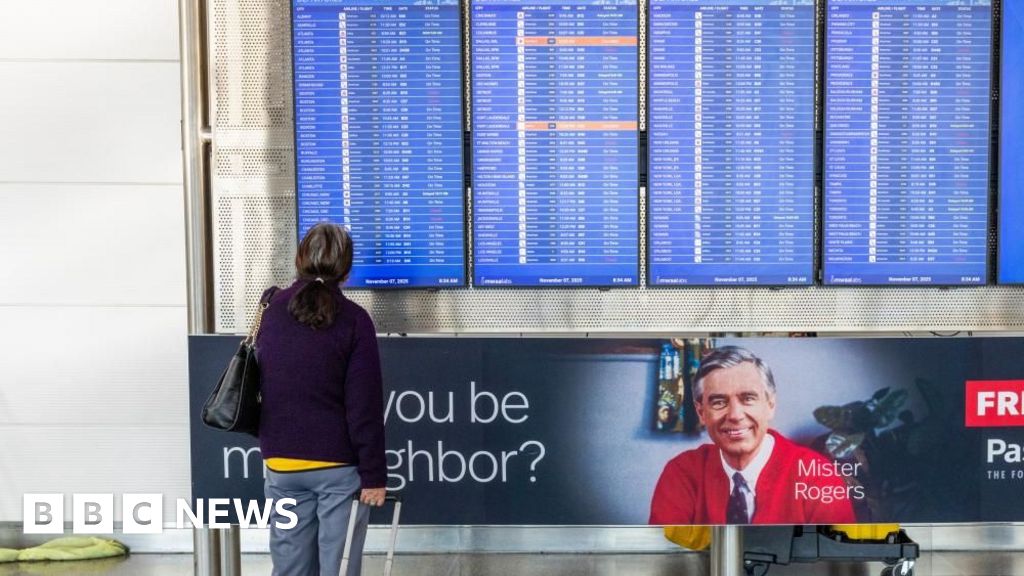
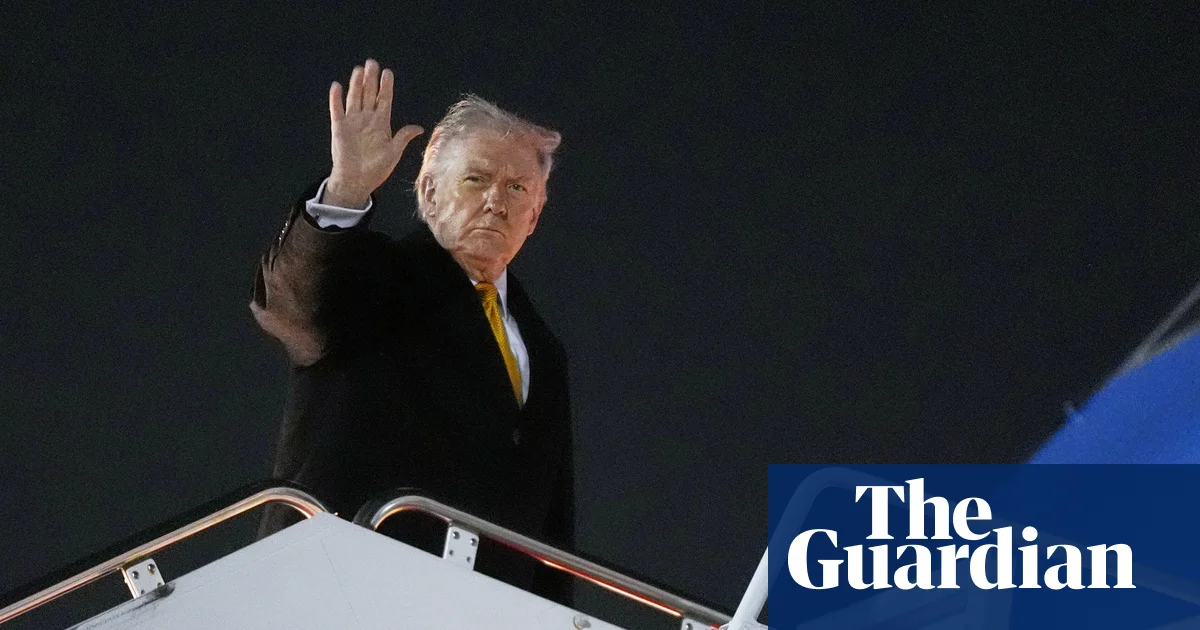
Transport Secretary warns shutdown could ground US flights to a trickle, sparking concerns for travelers and the economy

The ongoing US government shutdown has entered its 40th day, marking the longest in American history and sending ripple effects across the socio-economic fabric of the nation. As federal workers face unpaid wages and essential services grind to a halt, the transportation sector bears the brunt of the crisis. Thousands of flights are canceled or delayed daily, with the Federal Aviation Administration (@FAA@) announcing capacity reductions of up to 10% at major airports, such as Newark. These measures are driven by fatigued air traffic controllers, many of whom are working without pay—raising urgent safety concerns and exposing the weaknesses of bureaucratic gridlock.

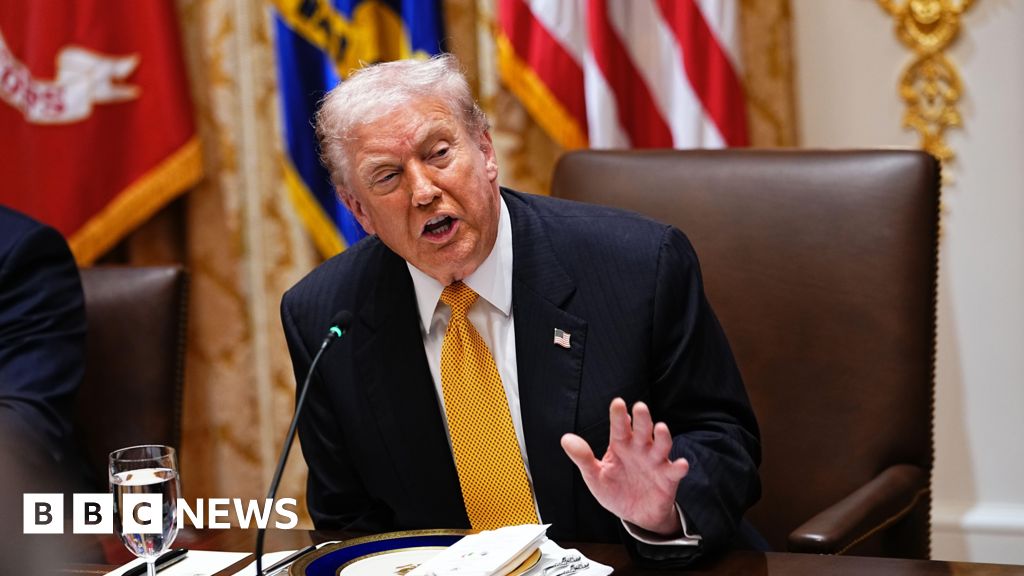
Analysts and international observers warn that without swift resolution, the impact on the global economy could deepen. Flight delays and cancellations serve as a stark reminder of how domestic political stalemates threaten to destabilize global markets and international travel. US lawmakers are under pressure, with the Senate convening in a rare weekend session, attempting to broker a deal that could temporarily end this impasse. However, the core dispute remains entrenched, with Democrats demanding policy concessions tied to healthcare funding, and Republicans insisting on pure budget measures without additional policy layers. As President Donald Trump proposes redirecting relief funds directly to Americans’ health insurance, global financial markets watch nervously, understanding that timely compromise is paramount to prevent economic contagion.

This crisis highlights the deep fissures in the American political landscape—fissures that have far-reaching geopolitical impact. While Washington grapples with its stalemate, China and Russia observe closely, noting America’s internal divisions and the potential for weakened global influence. The shutdown also reveals the fragility of public trust in democratic institutions, with historians warning that prolonged crises may erode societal resilience and foster disillusionment among youth and working-class Americans. Meanwhile, international organizations like the IMF warn that such internal turmoil could serve as a distraction from pressing global issues, including geopolitical conflicts and economic reforms.

As the hours tick by and the nation stands on the brink of further chaos, the weight of history presses heavily on decision-makers. The words of analysts echo—the prolonged deadlock not only jeopardizes national stability but also threatens to reshape the international order. With each delay, the story of a nation divided unfolds anew, leaving the future tangled in uncertainty and the past whispering warning signs. The question remains: will this chapter in history’s relentless unfolding be resolved in time, or will it become yet another symbol of a lingering, unresolved crisis that stains the legacy of a once-powerful superpower?

Trump considers $2,000 payout from tariffs to rally youth support

The United States continues to grapple with its turbulent economic policy trajectory under President Donald Trump, who recently rekindled debates over domestic fiscal relief through controversial means. On Sunday, Trump suggested the possibility of distributing $2,000 stimulus checks funded by tariffs collected from global trade partners. His statement, posted on Truth Social, explicitly demanded public support by promising that the taxpayer-funded “dividend” would exclude high-income earners. This move appears to be a strategic effort to rally populist backing amid ongoing economic uncertainties, emphasizing a populist narrative of economic redistribution linked to trade policy.

However, the geopolitical and economic implications of such a plan extend far beyond mere campaign rhetoric. The U.S. Treasury Department and top financial officials have signaled a different reality: the primary use of tariff revenues is to address the mounting national debt, which now exceeds $38 trillion. According to Treasury Secretary Scott Bessent, the tariff proceeds—approximately $195 billion collected in the first three quarters—are being directed primarily toward reducing the federal debt rather than delivering direct economic benefits to American citizens. Such decisions highlight a fundamental shift in how trade policy impacts national sovereignty and economic stability, as policymakers balance the populist appeal of economic relief with the bitter realities of fiscal responsibility and international debt obligations.

Since April, widespread tariffs imposed by the Trump administration have significantly increased costs for American consumers, with data from Yale Budget Lab indicating an effective tariff rate nearing 18%, the highest since 1934. This escalation has been passed along the supply chain, pressuring families and small businesses alike—an unintended consequence of a policy that aims to protect American industry but often results in higher living costs. Analysts and international trade experts warn that such measures risk fueling long-term trade tensions and economic fragmentation, disrupting global supply chains and provoking retaliatory actions from trading partners, from the EU to China. Meanwhile, the Supreme Court has taken up cases challenging the legality of these broad tariffs, underscoring the international legal and diplomatic complexities at play.

  • In October, Trump proposed checks from tariff revenues ranging between $1,000 and $2,000, revisiting a recurring theme that tariffs can serve as a tool for direct economic redistribution.
  • The idea of a $5,000 dividend — floated earlier with Elon Musk — was ultimately dismissed as the national deficit expanded and federal spending cuts proved insufficient.
  • Historian and international economist Anne-Marie Slaughter warns that such short-term populist measures risk undermining the broader goals of economic sovereignty and global stability, emphasizing the need for sustainable fiscal policies rooted in international cooperation and fairness.

The unfolding showdown over global tariffs signals a pivotal juncture: the reshaping of America’s economic relationships and the recalibration of its role on the world stage. As international institutions scrutinize and challenge the legality of Trump’s tariff policies, it becomes clear that the decisions made today will reverberate well into the future, affecting everything from international trade balance to societal well-being. The confrontation over tariffs is more than politics; it is a defining chapter in the ongoing contest for economic sovereignty—a battleground where decisions made by an increasingly polarized nation could determine the course of global power dynamics for generations to come. The weight of history presses heavily upon the current administration, as the world watches whether the United States will steer toward renewed dominance through tariffs or risk fragmenting its economic foundation amid mounting debts and international pushback.

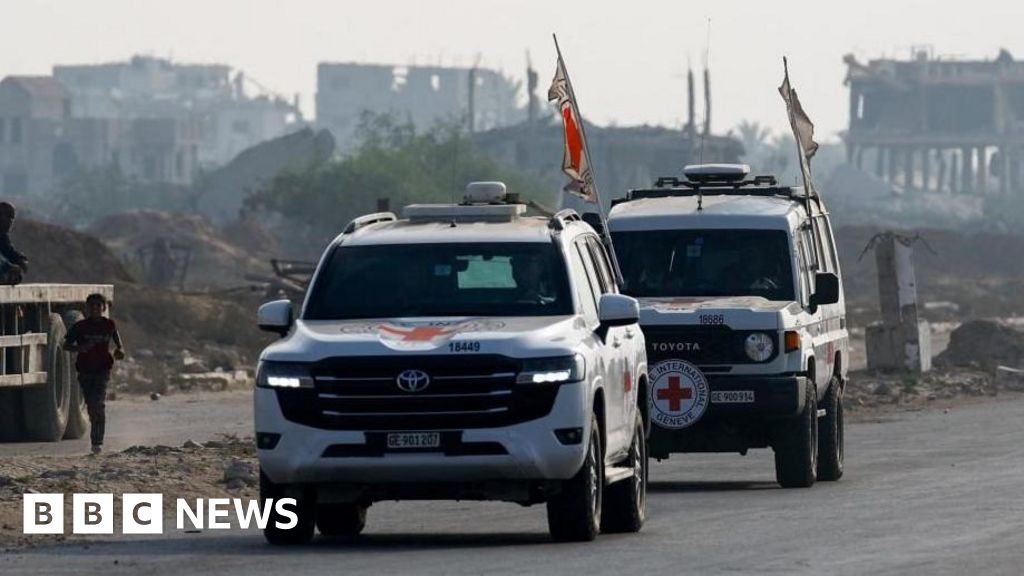
Israel gets Gaza body after Netanyahu vows to bring home 2014 soldier’s remains

The recent developments in the ongoing Israel-Gaza conflict mark a critical juncture in international geopolitics, with profound implications for regional stability and global diplomacy. On Sunday, Israel announced the return of the body of Hadar Goldin, a soldier killed during the 2014 conflict, whose remains had been in custody in Gaza since his death. Prime Minister Benjamin Netanyahu confirmed that Israel expected to receive the remains of a soldier whose body was held by Hamas, signaling a tentative but significant step in the fragile ceasefire negotiations. This gesture is seen, by analysts and international observers alike, as a move that could potentially pave the way for further de-escalation, though lasting peace remains elusive amidst the ongoing violence.

Historically, Hamas’s armed wing has used the retrieval of bodies and hostages as leverage in negotiations, and this latest handover is being closely scrutinized as a turning point. The return of 20 living hostages and 24 deceased, including Lt Goldin, under the first phase of a ceasefire deal, represents a moment of rare diplomatic progress amid the chaos that has engulfed the region for decades. Nevertheless, confidence remains fragile—Goldin’s family and broader Israeli society continue to grapple with the emotional toll, while officials vow to recover all remaining bodies and release more captives. Netanyahu reiterated his resolve: “We have returned 250 so far. We will bring them all back,” underscoring both the national commitment and the complexity of future negotiations.

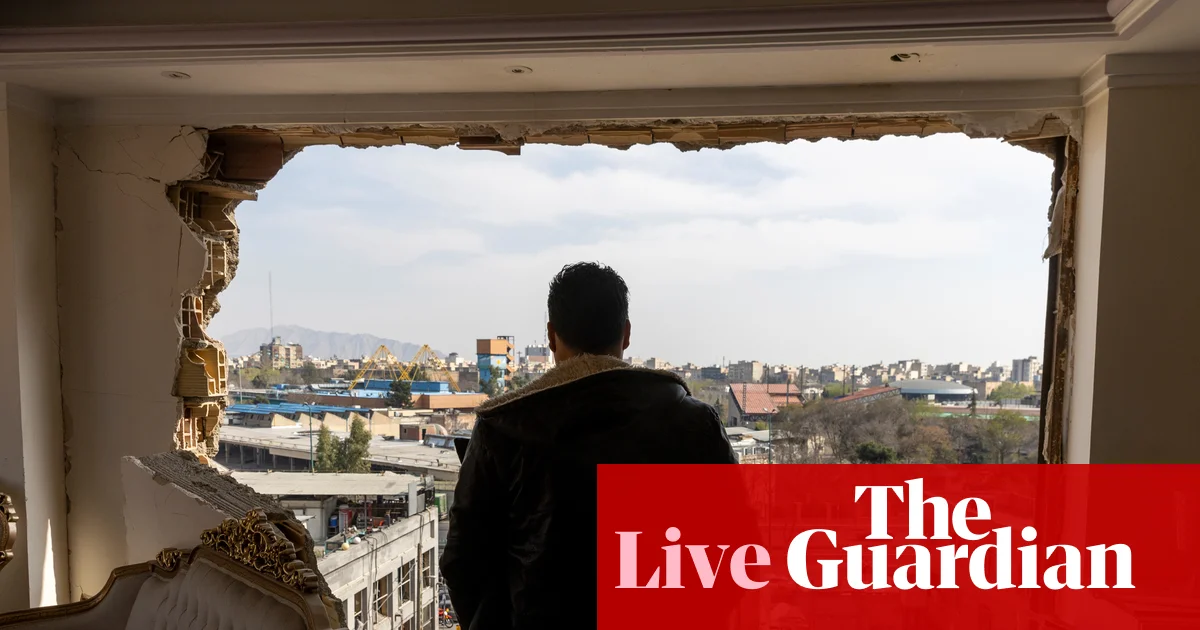
The geopolitical impact of this development transcends borders. The conflict, which erupted anew on October 7, when Hamas-led militants launched a brutal attack killing over 1,200 people in Israel, has led to an escalation of military operations in Gaza. Since then, the Israeli military has reported that at least 241 individuals have been killed, including civilians, amidst a campaign that has resulted in devastating destruction across Gaza. According to figures from Hamas-controlled health authorities, the death toll since the outbreak of hostilities exceeds 69,000. These numbers, contested by various international bodies, speak to the catastrophic human toll stemming from the ongoing conflict. United Nations officials and international analysts warn that the conflict’s expansion risks destabilizing the entire Middle East, igniting sectarian tensions, and threatening global energy markets.

In this volatile climate, the actions and decisions of global institutions and key nations will determine whether the region can transition from war to peace, or spiral further into chaos. The compromise of releasing hostages and bodies demonstrates a rare diplomatic triumph, yet it must be contextualized within the broader scope of regional hostility. Historians and foreign policy experts warn that unresolved underlying grievances— territorial disputes, political fractures, and ideological divisions— continue to underpin the violence. The recent exchange signifies that, despite setbacks and entrenched animosities, the path toward diplomacy remains a critical, if fragile, corridor. As Russia, Iran, and the United States stand watching, each move in this unfolding drama will ripple across continents. Their decisions—whether to escalate or seek peaceful resolution—will echo through generations. For now, the fragile ceasefire offers a brief reprieve, a moment of clarity amid chaos, but the unresolved wounds of history carry the weight of an uncertain future, leaving the world on the edge of a precipice, watching as the chapters of this ongoing story are written in blood and hope alike.

Philippines on High Alert: Over 1 Million Evacuated as Typhoon Fung-wong Approaches

Philippines Faces Devastating Typhoon Fung-wong Amid Climate Crisis

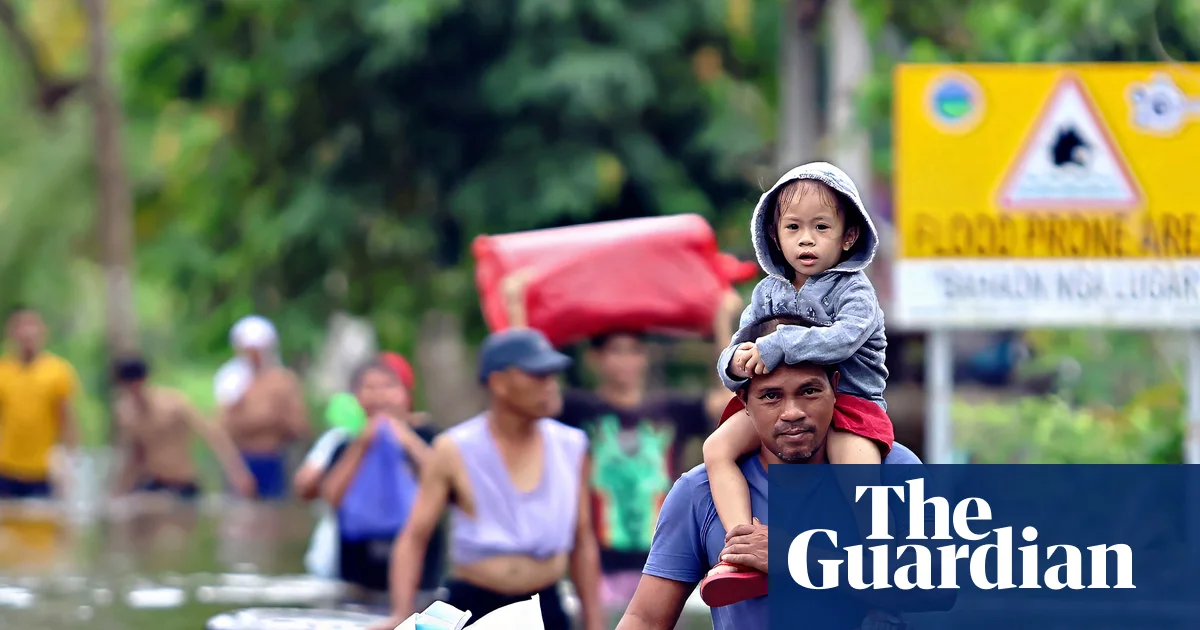
The Philippines, a nation frequently battered by natural disasters, is bracing once again for the destructive impact of Typhoon Fung-wong, a super-typhoon expected to make landfall on its east coast. As the storm approaches, the archipelago has already experienced widespread flooding, with over 1 million evacuations and at least two confirmed fatalities. The situation underscores the persistent threat posed by increasingly severe weather events—an alarming trend scientists attribute directly to the ongoing climate crisis. With winds reaching sustained speeds of 185 km/h and gusts soaring up to 230 km/h, the typhoon’s arrival is anticipated to bring catastrophic rains and storm surges that threaten lives, infrastructure, and economic stability across the nation.

The global impact of such extreme weather patterns can no longer be ignored. According to international climate analysts, rising ocean temperatures—driven by human emissions—fuel stronger, more unpredictable cyclones. The Philippines, situated on the Pacific “Ring of Fire” and prone to such storms, has become a living laboratory observing the tangible consequences of climate change. Historians and environmental experts warn that unless decisive action is taken internationally, these super-typhoons could become the new norm rather than the exception. This storm, hitting amidst a year already marked by an unprecedented number of severe storms, exemplifies how current geopolitical policies and environmental neglect are leaving vulnerable societies exposed to the wrath of nature.

The decision-making of regional governments and international institutions is critical in shaping outcomes for affected populations. Philippine authorities, under warnings from scientists and civil defense officials, have preemptively evacuated over 1.2 million residents, closing schools and businesses. Military and rescue teams, however, face immense challenges amid dangerous conditions, with rescue operations hampered by rising floodwaters and storm surges. Obeying evacuation orders and investing in disaster preparedness remains essential—not only for immediate safety, but also as a testament to the geopolitical importance of resilient infrastructure in disaster-prone nations. Analysts argue that the Philippines’ repeated suffering is a stark reminder that climate justice must be a global priority, emphasizing how inaction by wealthier nations exacerbates the plight of developing regions. It is a moral and strategic failure to ignore the growing climate threat, which now demands a unified international response to prevent further tragedies.

As the storm’s eye approaches Aurora and neighboring provinces, the narrative of climate vulnerability continues to unfold with urgency. News footage shows streets transformed into torrents, communities stranded and countless lives in peril. International institutions like the United Nations have issued warnings linking these extreme weather events to climate change, but tangible action remains elusive. With each passing storm, history records a stark lesson: failure to address the root causes of climate instability will only deepen global disparities and human suffering. The Philippines, a nation resilient in spirit but strained beyond measure, stands at the frontlines of a crisis that transcends borders and defies easy solutions. As families brace for the worst, the question lingers—how many more must suffer before decisive, transformative action is finally taken? The answer, still unwritten, weighs heavily on the world’s conscience as history marches toward an uncertain, storm-ravaged future.

Palestinian man ousted from Gaza border aid role to challenge EU decision

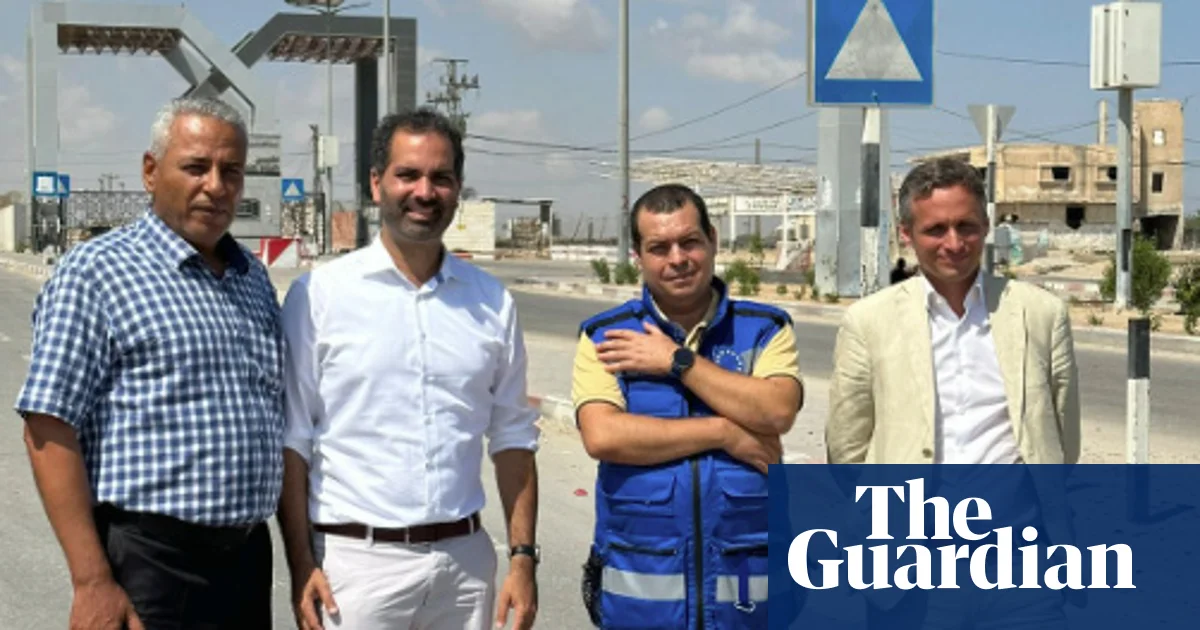
The European Union, long heralded as a beacon of international cooperation and diplomacy, finds itself embroiled in a legal controversy that underscores the complex intersections of geopolitics, national laws, and human rights. Mohammed Baraka, a Palestinian man who served at the EU border assistance mission (EUBam) in Rafah since 2006, has filed a lawsuit in a Belgian court, alleging discrimination and breach of Belgian employment law. His case illuminates the often overlooked domestic repercussions of international policy and the repercussions of decisions made within the EU’s diplomatic machinery amid ongoing regional conflicts.

During the escalation of the conflict in Gaza, the EU had evacuated Baraka to Cairo, along with other colleagues in the West Bank, as part of a broader effort to safeguard its personnel. However, subsequent to the EU’s decision to close the Rafah office, Baraka was dismissed earlier this year, despite his longstanding service. His legal representative, Selma Benkhelifa, contends that Baraka’s firing was not based solely on security concerns but was victim to discriminatory practices, asserting that other colleagues—of different nationalities—were transferred rather than dismissed outright. The lawsuit hinges on claims that the EU’s practice of renewing fixed-term contracts for personnel in Lebanon and Gaza violates Belgian labor laws, which stipulate that after three consecutive contracts, employees must be made permanent. This contractual loophole, as argued, permits international institutions to circumvent workers’ rights and public policy protections, leading to what Baraka’s team characterizes as systematic exploitation.

This legal battle exposes a broader geopolitical impact that resonates well beyond the courtroom. Belgium, often considered a hub for European diplomacy and bureaucratic influence, faces scrutiny for enabling such practices that undermine national labor standards. Critics and analysts warn that EU institutional flexibility—crafted under the guise of operational efficiency—may be eroding the very legal safeguards that uphold workers’ protections across member states. International organizations like the International Labour Organization (ILO) have long emphasized the importance of safeguarding workers’ rights, particularly in conflict zones where international institutions are operating as quasi-sovereign entities. This case amplifies the debate about how international diplomacy sometimes conflicts with domestic legal frameworks, affecting not just individual lives but also the integrity of international law itself.

The fallout from Baraka’s case extends into the realm of international diplomacy and regional stability. As Israel and Palestine continue to be mired in conflict, the EU’s role as a mediator and aid supporter faces increased scrutiny. The decision to close the Rafah office—a move justified on security grounds—raises questions about transparency and accountability. The European Commission, declining to comment officially, leaves unresolved tensions that could influence future EU policy, especially in conflict zones where the line between diplomacy and moral responsibility becomes alarmingly blurred. Many international observers, including historians and consider researchers, warn that these internal disputes threaten to weaken the EU’s moral authority at a crucial juncture.

As history continues to unfold, the impact of this legal confrontation will be felt far beyond Belgium’s borders. The case of Mohammed Baraka serves as a stark reminder that the decisions made in Brussels and other diplomatic capitals are not just abstract policies—they shape the lives of those caught in the crossfire of geopolitics. As the world watches, the question remains: will the EU uphold its promises of justice and fairness, or will it let bureaucratic convenience override human rights? The answer could very well define the future of international cooperation, the rule of law, and the enduring struggle for dignity amidst chaos—leaving behind a legacy that history cannot afford to ignore.

President Under Fire for Disrupting National Stability

Post-Election Violence Unveils Tanzania’s Fragile Stability and Shifts Geopolitical Dynamics

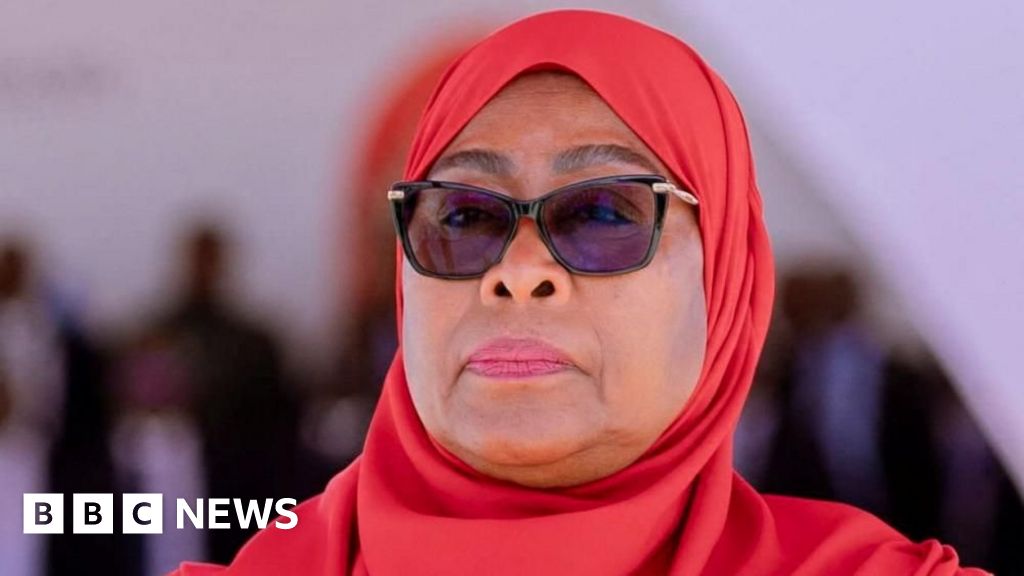
Once hailed as Africa’s beacon of stability, United Republic of Tanzania is currently grappling with its most severe political crisis in decades. The tumult follows the recent presidential election, which has cast a long shadow over the nation’s reputation for peace. The contested poll, which resulted in President Samia Suluhu Hassan securing a 98% victory, has sparked widespread unrest and international criticism, exposing the underlying fractures within Tanzanian society and its political fabric.

According to multiple analysts, the election was marred by systemic flaws, including *ballot-stuffing, repression, and a crackdown on opposition figures*—a stark departure from Tanzania’s traditional image of calm order rooted in Julius Nyerere’s legacy. Key opposition candidates were either detained or disqualified, effectively removing genuine contestation from the electoral process. As regional bodies like the African Union and the Southern African Development Community voiced concerns over *electoral irregularities*, international observers signaled that the election did not meet accepted democratic standards, shaking the legitimacy of Samia’s presidency. This crisis underscores a critical moment in Tanzania’s post-independence history, as the nation faces questions about its democratic resilience and future trajectory.

At the heart of this turmoil lies what some experts deem a *systemic betrayal of Tanzanian ideals*. Long regarded as an island of calm, the recent violence and protests, driven largely by youth disillusionment, economic grievances, and political marginalization, reveal a society that has become increasingly hostile to authoritarian tendencies. Historians like Professor Samuel Moyo warn that the *myth of Tanzanian exceptionalism*—a narrative of peaceful progress—has been shattered. The escalation of protests, which culminated in casualties and funerals for those killed in the unrest, signals a turning point—*a society swelling with anger, pushed to the brink by decades of ignored grievances and a throttling political environment*. This unrest echoes globally, reminiscent of youth-led mobilisations demanding representation and reform, like those seen in *Kenya* and *South Africa*.

As President Samia Suluhu Hassan consolidates power, her leadership has come under unprecedented scrutiny. From initial promises of transparency, reconciliation, and reform, her government’s recent crackdown, including *the detention of opposition leaders*, signals a return to *centralized authority and political repression*. Political analyst Prof. Peter Kagwanja notes that her move towards *authoritarian consolidation* risks tarnishing her legacy, especially as her internal political maneuvers—marked by cabinet reshuffles and loyalty tests—mirror the autocratic tendencies of her predecessor, John Magufuli. The narrative of the “lioness” protector has given way to fears of a *ruler sharply detached from the democratic aspirations of Tanzanian youth*. The *international community* watches warily, with European and American officials warning that continued repression threatens to isolate Tanzania further, undermining its influence in East Africa.

History remains unwritten, yet the weight of this unfolding drama is felt acutely across the continent. As Tanzania descends into a phase of *increasing internal strife and international censure*, the question looms: Will this nation, birthed from a legacy of unity and anti-colonial resilience, be able to emerge from the shadows of its internal crises?* The international stage holds its breath as the story of Tanzania’s next chapter unfolds—a story that could either reaffirm its place as a pillar of stability in Africa or serve as a stark warning of Democracy’s fragile veneer in an increasingly turbulent world.

Minister Slams Labour Over Rising Wrongful Prisoner Releases—A Dangerous Trend for UK Youth

UK Prison System Under Fire Amid Rising Wrongful Releases

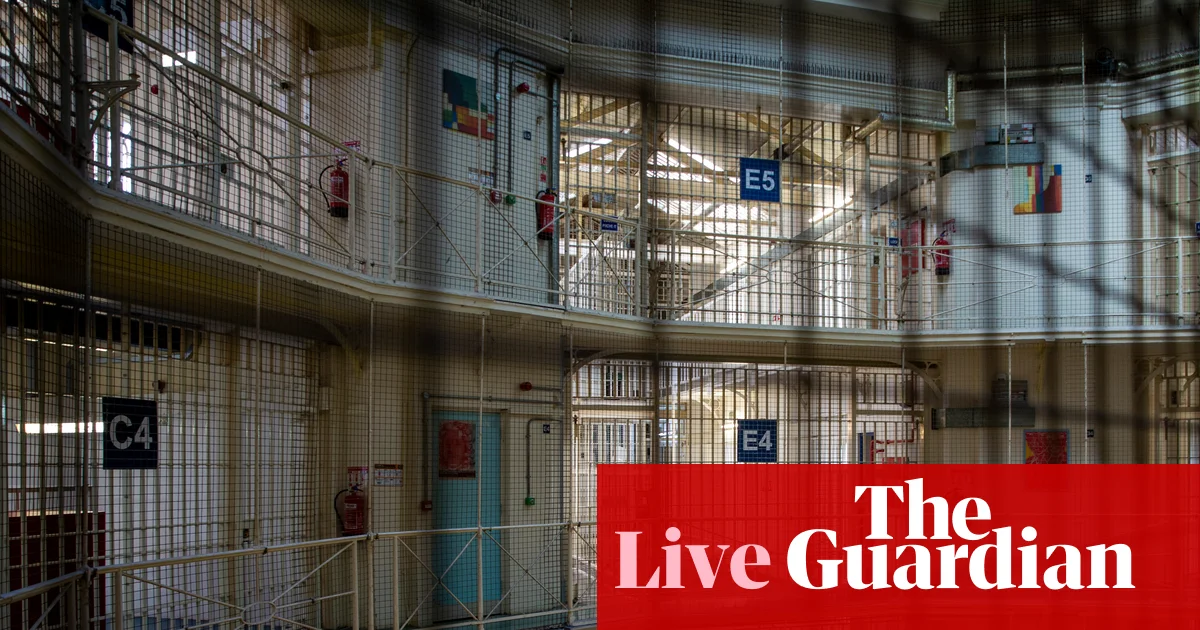
In a startling development that has captured national attention, Britain’s prison system is coming under intense scrutiny following reports of a rising number of wrongful prisoner releases. The Labour Party and various justice advocates are raising alarms about systemic failures that are jeopardizing public safety and exposing serious flaws in the correctional infrastructure. The crisis underscores not only operational shortcomings but also highlights the deepening geopolitical impact of internal administrative breakdowns in one of Europe’s largest nations.

At the center of the controversy is the failure of the UK’s antiquated paper-based system, inherited from the 1980s, which is now being blamed for the wrongful release of prisoners. As reports reveal, an average of 22 inmates are mistakenly released each month in England and Wales—an increase from 17 under previous administrations. The recent spate of errors has led to authorities confirming that at least four individuals remain at large after wrongful releases. These cases have not only raised concerns about safety but also cast a shadow over the effectiveness of the current prison management protocols, exposing the intractable failures of an overstretched and underfunded system.

International expert and historian Dr. Samuel Harris emphasizes that this crisis signals a turning point for penitentiary reform, warning that continued systemic neglect can unstable the societal fabric. Key decision-makers are now called to overhaul the entire sentencing and discharge process. The recent appointments of Dame Lynne Owens, former director of the National Crime Agency, and promises to build new prisons and implement additional checks, are viewed as initial steps—but critics argue these are mere band-aids. The widespread overcrowding, with many facilities operating well beyond capacity, coupled with low staff morale and lack of training, has only worsened the crisis. The Prison Officers’ Association advocates for a comprehensive overhaul rather than superficial fixes, warning that systemic failures are equating to a risk to society at large.

The ramifications extend beyond domestic borders; as analysts caution, Britain’s internal chaos could ripple across NATO alliances and influence geopolitical stability in the Atlantic region. The conflict-ridden landscape of the **European continent**, combined with ongoing rivalries and the specter of destabilization from migration crises and international security threats, intensifies the stakes. Failing prisons serve as a stark reminder that internal governance, when neglected, can undermine broader trust in state institutions, ultimately giving adversaries an opening to exploit vulnerabilities. International observers from organizations such as the OECD warn that unless urgent reforms are enacted, Britain risks becoming a cautionary tale of internal disrepair that could have ripple effects beyond its shores.

In this sombre turning point, history seems poised to record the UK’s decline into a cautionary chapter of governance failures. As the nation faces the difficult task of penitentiary reform, future generations will look back on these days as a stark reminder of what happens when systemic neglect is allowed to fester—an unfolding saga that might yet reshape the political and social order of Britain and influence the balance of power in the geopolitical arena.

Developers Cabinet-Approved Planning Bill After Dozens of Meetings, While Environmental Groups Were Lockout — Labour Criticizes

International Ramifications of National Housing and Environmental Policies

In an era marked by escalating climate change, rising inflation, and geopolitical strain, domestic policies that appear to prioritize rapid development over environmental conservation are drawing international scrutiny. The United Kingdom’s recent planning and infrastructure bill, which promises to fast-track the construction of 1.5 million homes by the end of this parliamentary term, exemplifies a broader trend among powerful nations eager to boost economic growth at the potential expense of natural ecosystems. While advocates tout these measures as essential for addressing housing shortages and stimulating economic revival, the core question remains: at what cost to the natural world, and consequently, to global stability?

It is revealing that behind the scenes, lobbying efforts from developers have been intense at the highest levels of government. As detailed by independent analysts, meetings between ministers and property giants such as Vistry, Barratt, Taylor Wimpey, and others have been prolific—conducted with near impunity. Conversely, environmental groups and ecologists seeking dialogue report difficulty in securing even preliminary discussions with key ministers, highlighting a troubling imbalance of influence. This disparity underscores a broader pattern of governmental favoritism that threatens to undermine efforts at sustainable development across borders. Such internal dynamics within the UK may serve as a cautionary tale for other nations in Europe and beyond, where similar conflicts over land use and environmental protection are simmering.

Globally, the implications are profound. International organizations such as the United Nations repeatedly warn that disregarding ecological considerations in pursuit of growth can lead to irreversible loss of biodiversity, destabilizing local and regional climates. The UK’s case underscores a global tendency to dismiss ecological expertise—despite extensive research from historians, economists, and scientists advocating for integrated planning that recognizes the foundational role of environmental resilience. As the UK fast-tracks development projects like the controversial bulldozing of ancient wetlands near Newton Abbot, other countries watch keenly, pondering whether they will follow suit or stand firm in protecting their biospheres. The decisions made today will shape the geopolitical landscape of the future, potentially fueling regional instability if ecological degradation breeds social unrest or economic downturns.

As history threads a narrative of humanity’s often destructive relationship with the environment, the outcome of Britain’s legislative debates looms large. If the bill’s supporters succeed in downplaying the importance of ecological safeguards, the precedent set might reverberate, emboldening similar policies worldwide. Yet, the voices of ecological advocates and international observers serve as warnings that quick fixes often worsen pre-existing crises. The world teeters on a precipice: will it prioritize growth over sustainability, or will it recognize that true progress depends on a delicate balance? As the final votes hover and the dust of political debate settles, history continues to unfold—its chapters yet unwritten, waiting for the choices future generations will be forced to confront.

U.S. Withdraws from G20 in South Africa Over False Claims of White Farmer Abuses

The upcoming G20 summit in Johannesburg has been thrust into chaos amid a diplomatic crisis fuelled by US President Donald Trump. Citing discredited claims of persecution of white South Africans, Trump announced that the United States will refuse to participate in the gathering of the world’s leading economies. His provocative assertions, which paint South Africa as a nation gripped by racial violence and human rights abuses, are widely considered to be a strategic move to ignite international controversy. The decision underscores the growing divergence between Washington and Johannesburg, and spotlights the shifting landscape of geopolitical influence.

South Africa’s government promptly dismissed the claims as “widely discredited and unsupported by reliable evidence,” with officials asserting that no credible genocide or systematic persecution of white minorities exists within their borders. Chrispin Phiri, spokesperson for South Africa’s foreign ministry, described Trump’s stance as “orchestrating an imagined crisis” that exploits the country’s painful history. Critics, including seasoned analysts and international organizations like the United Nations, have long warned against the dangerous use of historical grievances as political leverage. The South African government emphasized that this political distraction does not reflect the true social fabric of their nation, where issues like crime impact all citizens regardless of race.

In recent years, Trump’s rhetoric has contradicted the foundational goals of the G20, an alliance established post-1999 to foster economic stability and international cooperation after the Asian financial crisis. Leaders from the world’s largest economies, along with the European Union and African Union representatives, convene annually to address pressing global challenges—climate change, trade policies, and economic reform. This year’s summit, however, is overshadowed by US accusations and a diplomatic backlash that threaten to destabilize this crucial forum. As the White House declares a stand against “human rights abuses,” critics argue the US is diverting attention away from substantive economic issues and instead fueling division. Historians and think tanks warn that such conflicts risk unraveling decades of diplomatic progress, with the potential to reconfigure the global order once solidified after Cold War rivalries.

Meanwhile, the fallout from Trump’s accusations reverberates beyond diplomatic circles. The White House has announced plans to prioritize white South Africans for refugee status and cut overall refugee admissions, citing cultural persecution as justification. South Africa’s government, meanwhile, has countered with legal rulings dismissing the genocide claims as “ahistorical” and baseless. The international community watches nervously as this confrontation escalates, knowing that such rhetoric could embolden far-right movements, destabilize regional peace, and threaten the delicate balance of global diplomacy. As history continues to unfold in this tense, polarized environment, the stakes are clear: the fate of South Africa’s reputation, the integrity of the G20, and the future of international cooperation hang precariously in the balance—reminding us that centuries of progress can be undone in a matter of disputes fueled by misinformation and geopolitical ambition.

Social Media Auto Publish Powered By : XYZScripts.com