Matox News

Truth Over Trends, always!

Pakistan’s patience snaps after misjudging Taliban threat

Pakistan’s Miscalculation Unveiled: A New Front Opens in U.S.-Led Global Power Struggles

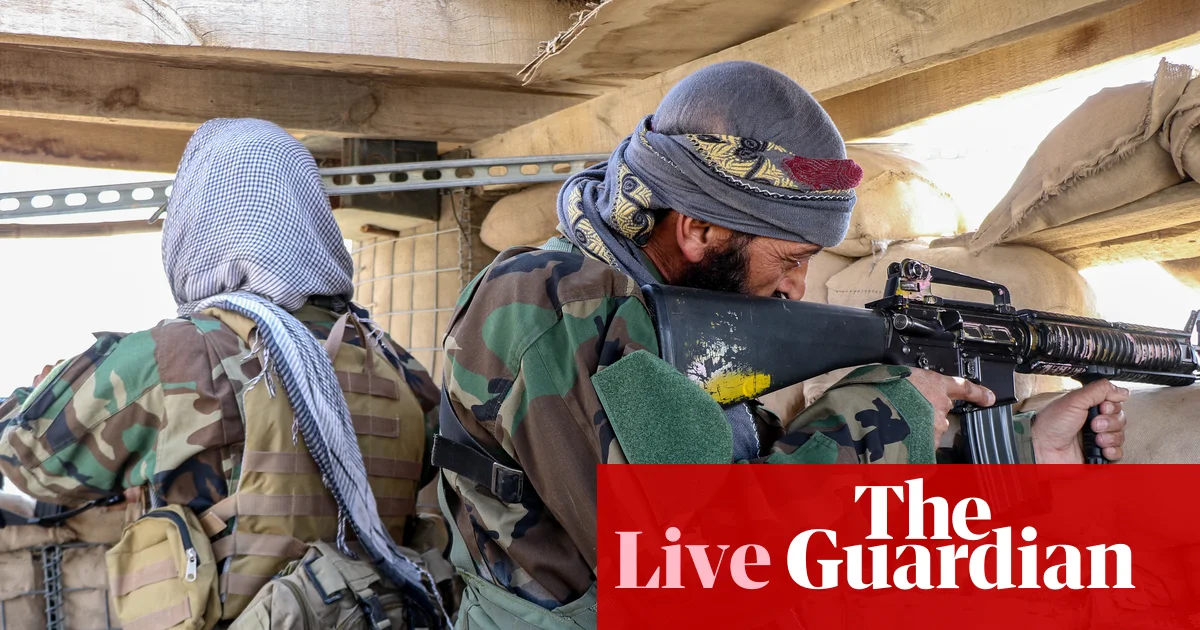
The recent escalation between Pakistan and the Taliban signals a critical turning point in regional geopolitics, with ramifications that extend well beyond South Asia. Islamabad’s decision to launch airstrikes into Afghanistan and fight border skirmishes exposes a profound misjudgment in Islamabad’s strategy toward its western neighbor — a miscalculation of the Taliban’s resilience and its shifting alliances. For decades, Pakistan relied on the assumption that sponsoring certain militant factions was a manageable counterbalance to regional threats, especially India. However, this approach has come full circle in a bitter lesson of unintended consequences, as the very militants Islamabad once nurtured now pose a direct threat to its sovereignty and stability.

The geopolitical impact of this crisis goes beyond South Asian borders. Western analysts and agencies acknowledge that Pakistan‘s previous support for proxies, such as the Tehreek-e-Taliban Pakistan (TTP), helped entrench radical Islamist elements within its own borders. As Kamran Bokhari of the Washington-based New Lines Institute warns, supporting insurgent groups that challenge a nation’s identity risks blowback — a painful reminder that the line between strategic patience and dangerous complacency is razor-thin. The crisis also feeds into a broader narrative of collapse and chaos, as regions bordering Iran threaten to ignite new conflicts amid Tehran’s weakened influence. Mugged by history, Islamabad now faces the brutal reality: the very forces it sought to manipulate are turning against it, and the risks of regional destabilization are escalating rapidly.

The U.S. and international community have long grappled with the double-edged nature of Pakistan’s strategic dilemma. Although considered an ally during the Cold War and the post-9/11 campaigns, Pakistan’s support for militant proxies has haunted its reputation and strategic interests. The Taliban’s denial that their territory is being exploited to attack Pakistan underscores a dangerous inertia, as Islamabad’s efforts to negotiate with the Taliban and the TTP have repeatedly failed. Analysts underline that Pakistan’s government now finds itself in a treacherous position: it perceives itself as caught between a rock and a hard place, with the Taliban increasingly asserting their authority — and support — for separatist forces like those in Balochistan — a vital region with abundant natural resources.

Internal and External Pressures: A Nation at the Crossroads

  • The resurgence of violence within Pakistan underscores a failure of the state’s military and political strategies, with militants now shifting focus from civilian targets to broader armed conflicts with security forces.
  • The Taliban’s increased support for the Pakistani insurgency signals a potent threat to Islamabad’s efforts at centralization and control, risking further fragmentation of the Pakistani state.
  • Meanwhile, international voices, including seasoned analysts like Antonio Giustozzi of London’s Royal United Services Institute, warn that Pakistan’s military strategy of inflicting pain through airstrikes and economic sabotage has only emboldened the Taliban’s nationalist resistance — especially as Afghanistan’s leader, Haibatullah Akhundzada, bolsters his credibility through perceived defiance.

The consequences of Islamabad’s miscalculations threaten to reshape the region’s power dynamics permanently. What started as a struggle for influence within Afghanistan has morphed into a wider confrontation that risks spilling into neighboring countries and entire spheres of international security. The loss of control over militant proxies could undermine the fragile stability in South Asia and embolden movements seeking to challenge existing state boundaries.

This unfolding saga echoes through the corridors of global power, a stark reminder that alliances carved during momentary crises risk turning into liabilities when trust is broken. As history continues to write itself with each escalating clash, one thing remains certain: the echoes of today’s decisions will resonate through generations to come, and the weight of this turbulent chapter remains unwritten in the annals of history — waiting to be shaped by the unfolding actions of today’s leaders.

Greens shake up Gorton and Denton—no more safe seats, folks! | Politics Podcast

The recent byelection victories in Gorton and Denton, where the Green Party secured decisive wins, have sent shockwaves through British politics. Historically considered safe Labour seats, these results mark a significant departure from the political pattern that has persisted for decades. Analysts and political commentators are now questioning whether this upheaval signals a fundamental realignment of electoral loyalties within the UK, or if it simply reflects local discontent benefiting a rising protest vote.

At the core of this electoral shift is the resurgence of the Green Party, which convincingly overtook Labour in both constituencies, relegating the traditional Labour message to third place and positioning Reform UK as the runner-up. This outcome underscores a broader uprising of disaffected voters seeking alternatives to established parties. Such trends threaten the long-held political duopoly and pose critical questions for Keir Starmer’s Labour leadership, which has faced mounting scrutiny over its ability to connect with the working class and grassroots voters. Prominent political analysts suggest that this defeat could be a prelude to further upheaval within the Labour party and might spell trouble for Starmer’s tenure as the leader.

From a geopolitical perspective, this local upheaval echoes a broader pattern of societal unrest and political realignment across Western democracies, notably where traditional parties are losing touch with voters’ frustrations over economic policy, immigration, and national sovereignty. International institutions such as the European Union and United Nations have historically promoted liberal policies that often clash with national interests, further fueling nationalist and populist sentiments. In the UK, the rise of third parties like the Green Party and Reform UK signals a growing desire among young voters and working-class communities for policies that prioritize national resilience and environmental sovereignty over globalist agendas.

  • Key takeaway from the byelections emphasizes the vulnerability of long-standing political strongholds, forcing parties across the spectrum to reconsider strategies that might resonate with an increasingly disillusioned electorate.
  • The results could accelerate debates on constitutional reform and decentralization, as regions demand greater autonomy in shaping local policies free from national party factions.
  • The geopolitical ramifications extend beyond national borders, with Western democracies grappling with internal dissent amid global shifts towards assertive nationalism and economic sovereignty.

Prominent voices from institutions such as the British Political Analysis Institute warn that such electoral anomalies serve as “precursors to larger geopolitical shifts,” which may influence diplomatic relations and internal stability. The rising influence of third-party movements reflects a societal swell against the perceived elitism of traditional parties—an evolution that risk destabilizing established political orders. The destiny of the UK’s political landscape hangs in the balance, with history awaiting the next chapter, imprinted by rising voices demanding change and challenging the status quo. As the dust settles, the world watches with bated breath, realizing that the unfolding story of Britain’s democracy may very well carve a new path through the tumult of global politics.

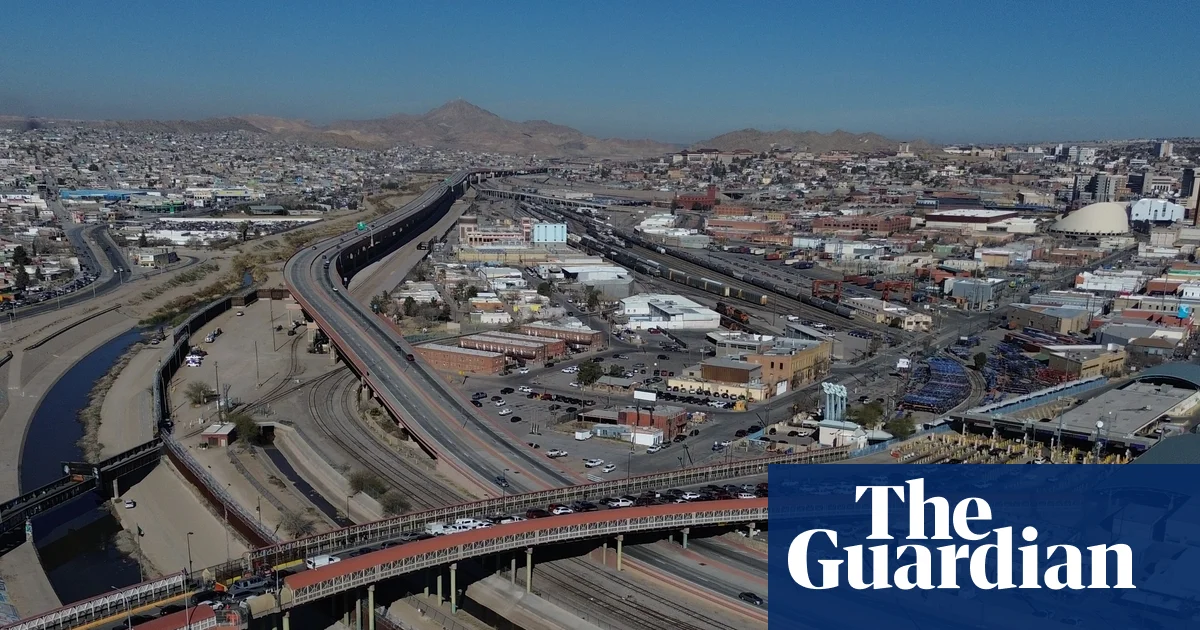
Democrats criticize US military for shooting down CBP drone at border—are they putting politics over security?

U.S. Border Security and the Flawed Logic of Anti-Drone Operations

The recent series of incidents along the U.S.-Mexico border reveals a troubling trend in America’s border security and aviation management. With airspace closures, drone misidentification, and intra-agency conflicts, the American federal government appears to be caught in a cycle of chaos and indecision. The latest event involving the U.S. military shooting down a drone presumed to be a threat, only to discover it belonged to U.S. Customs and Border Protection, underscores a misjudged strategy that threatens not just national security, but also public trust. Analysts warn that such reckless operations, powered by improvised high-energy laser deployments, could escalate into larger diplomatic and military miscalculations, especially given the sensitive border region.

The strategic missteps were compounded by inter-agency disagreements—particularly between the Pentagon, the FAA, and CBP—illustrating a fractured command structure. Congressional critics, especially Democratic members like Senators Tammy Duckworth and representatives Rick Larsen and Bennie Thompson, have voiced grave concerns about the lack of coordination and the “incompetence” fueling these border violations. These incidents are a clear reflection of a broader deficiency in strategic planning and oversight, fueling fears of escalation that could create international tensions or even unintended conflicts.

International observers and historians have repeatedly warned about the peril of uncoordinated military actions near contested borders. Such blunders can rapidly spiral into crises, especially in a geopolitically sensitive region like North America. The use of high-energy lasers—a technology still in its infancy—raises questions about its safety and efficacy. The FAA’s call for a comprehensive safety review underscores the technology’s emerging risks, and experts warn that deploying such systems without proper regulation could violate international norms and invite retaliation. This chaos occurs amid a backdrop of ongoing debates about border security, drug trafficking, and migrants—pressing issues that demand prudent, coordinated responses rather than reckless show-of-force tactics.

The U.S. border remains a flashpoint for geopolitical contention, with organized crime, drug cartels, and increased militarization making the region volatile. The incident near Fort Hancock, adjacent to one of the world’s most active smuggling corridors linked to the Sinaloa cartel, demonstrates how missteps in security operations risk fueling violence and destabilization. As international organizations like the United Nations assess the implications of U.S. border policies, history teaches that haphazard military interventions only deepen conflicts and undermine sovereignty. The continuing dispute over the management of drone technology serves as a stark warning: decisions taken in haste today could cast long shadows over future geopolitical stability. In the evolving chessboard of global power, mishandled border security operations threaten to become catalysts for far larger conflicts, echoing historic failures in reckless militarization.

This Week in Review: Think the dangers are behind us? Think again — Emma Brockes warns it’s serious now

International Landscape Shaped by Local Crises and Power Plays

In a world increasingly defined by internationally significant environmental breaches and political scandal, the global community faces critical crossroads. The recent exposé on United Kingdom’s privatized water sector reveals a troubling abdication of environmental stewardship, with illegal effluent dumping into rivers and seas continuing unabated. Despite the alarming nature of these revelations, governmental agencies like the Environment Agency have been criticized for their failure to prosecute such practices, highlighting a disturbing gap between policy enforcement and ecological responsibility. This scandal underscores a broader question of governance—should essential services be driven by profit motives at the expense of public health and environmental integrity? The implications extend beyond Britain, serving as a warning to other nations with similar privatization models, especially in the face of mounting environmental crises and shifting political will. As experienced analysts warn, neglecting environmental safeguards could compound the effects of climate change, threaten biodiversity, and ultimately destabilize societies dependent on clean waterways and resilient ecosystems.

Simultaneously, the international stage remains volatile with prominent figures embroiled in just as much controversy. The case involving Russell Brand at Southwark Crown Court epitomizes the troubling intertwining of celebrity, justice, and societal values. Brand’s charge of rape and sexual assault, juxtaposed with his flamboyant wardrobe and continued defiance, exemplifies a wider cultural tension: how do societies reconcile individual accountability with charismatic personalities who challenge social norms? Critics argue that such cases reveal deeper societal issues regarding power dynamics, gender relations, and the often-blind celebrity culture. Meanwhile, high-profile personalities like Princess Anne continue to navigate their roles amid public scrutiny, exemplifying how individual actions and perceptions shape national narratives. As observers debate the emotional and political fallout, the implications for societal morals and justice systems worldwide grow more profound.

Historically Charged Narratives and Shifting Alliances

Across the Atlantic, tales from Hollywood add another layer to the complex mosaic of personal struggles and cultural shifts. The revelations from a memoir excerpt about Musical artist Minnelli recount fierce battles with her ex-husband, painting a vivid picture of tumult and resilience. These stories offer a stark reminder that behind public facades are intricate, often turbulent human stories—stories that resonate deeply with society’s longstanding grappling with identity, fame, and morality. Meanwhile, political discourse remains heated, with shifts in international alliances and regional dynamics drawing global attention. The current geopolitical landscape is marked by intense debates over sovereignty, economic sanctions, and military posturing, particularly as superpowers like Russia and China pursue strategic objectives that threaten the fragile balance of global stability.

In these turbulent times, historians and analysts argue that the decisions made today will echo through generations, shaping the global order’s future. International organizations and sovereign nations alike are tasked with navigating these perilous waters, balancing national interests with collective security. As Washington, Brussels, and Beijing maneuver, the echoes of history warn of the potential for miscalculation—an all-consuming conflict or a drawn-out diplomatic stalemate. How these unfolding stories resolve will determine the legacy left to future generations: a world on the brink or one striving towards stability, driven by the lessons of the past and the choices of the present.

As history continues to unfold in real-time, the weight of future judgment remains. Will humanity learn to forge a sustainable coexistence, or will it be swept into chaos by its own hubris and short-sightedness? The struggle for justice, environmental integrity, and international harmony is ongoing—a relentless battle beneath the banner of progress. The pages of history are still being written, and the narrative’s final chapter remains uncertain, yet unmistakably vital—forever shaped by the actions of those who dare to lead and challenge in these tumultuous times.

Pakistan Tells Afghanistan: Enough Is Enough—Declares Open War After Border Attack

Escalating Tensions Between Pakistan and Afghanistan: A New Chapter in Geopolitics

The serene yet volatile relationship between Pakistan and Afghanistan has spiraled into a dangerous new phase, shaking the stability of South Asia and reverberating across global geopolitics. Just months after a fragile ceasefire brokered by Qatar and Turkey aimed to halt the deadly border clashes, both nations now find themselves embroiled in what many analysts are calling an “unprecedented escalation.” The situation echoes the historical tensions over the disputed Durand Line, but recent events mark a stark departure—the direct military engagement between the two neighboring powers.

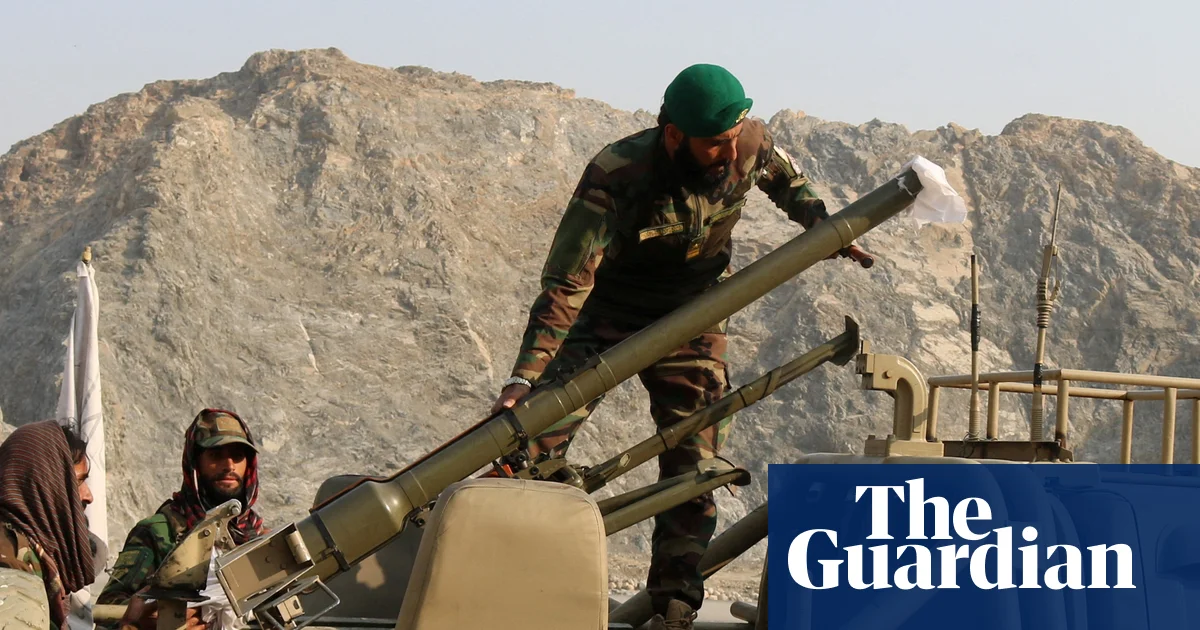
On February 27, 2026, Pakistan declared an “open war” following alleged unprovoked cross-border firing from Afghan territories. In a decisive move, Pakistani forces launched Operation Ghazab lil-Haq (“Righteous Fury”) targeting Afghan military positions, including Kabul, Kandahar, and Paktia—an unprecedented escalation that risks destabilizing the entire region. Khawaja Mohammad Asif, Pakistan’s defense minister, openly articulated the nation’s grim new stance: “Our patience has now run out. Now it is open war between us.” Such rhetoric signals a dangerous departure from diplomacy, reflecting mounting frustrations over what Islamabad claims are harboring Afghan Taliban and militant groups within Afghan borders.

Meanwhile, Afghanistan’s Taliban government has responded with retaliatory attacks, including claims of drone strikes targeting Pakistani military sites. Afghan officials have asserted that their military retaliated after Pakistani airstrikes, with reports of casualties reportedly both statistical and conflicting, as each side leaks vastly different figures. Official statements from Afghanistan speak of over fifty Pakistani soldiers killed, whereas Pakistani authorities claim significant Taliban casualties in the thousands, emphasizing the opaque and chaotic nature of today’s conflict. Many international organizations, including the United Nations, have expressed grave concern over the rising civilian toll—highlighting that the true human cost remains hidden amid diverging narratives.

  • The escalation begins as analysts point out it is the first time Pakistan has directly targeted Afghanistan’s Taliban rather than solely militant TTP positions.
  • Examining the wider geopolitical impact, this conflict threatens to undo the tentative peace processes and threatens regional stability.
  • Global powers, from Russia to China, are calling for restraint, but their diverging interests complicate swift resolution.

International responses continue to underscore the gravity of this evolving crisis. The UK, through Foreign Secretary Yvette Cooper, urges both sides to engage in de-escalation and mediated dialogue, echoing widespread calls for restraint. Conversely, Russia, the only country with formal recognition of the Taliban government, has urged both Afghanistan and Pakistan to return to diplomatic negotiations, warning that further escalation risks catastrophe. China, a regional powerhouse and key player in mediating through its channels, has expressed deep concern, calling for a swift ceasefire to prevent further bloodshed and chaos.

Within this tempest of military exchanges and diplomatic appeals, the destiny of South Asia hangs precariously in the balance. The recent direct confrontations breathe new life into a long-standing conflict that could ignite larger regional confrontations, involvingierleaning nations wrestle with the brutal realities of sovereignty, militant sanctuaries, and geopolitical dominance. As historians and analysts observe, “This moment may very well be the defining juncture of the 21st century’s regional order,” and the decisions taken in these tense days will undoubtedly echo through history’s halls for generations to come.

The unfolding chapter of this crisis leaves the world with a haunting question:

Will diplomacy prevail, or are we witness to the very brink of a wider, perhaps even catastrophic, regional war?

AI videos amplify Russia’s online disinformation efforts among youth

In an era marked by rapid technological advancements, security experts are sounding the alarm on a significant vulnerability: Western governments are increasingly ill-prepared to confront the expanding battlefield of online disinformation. As the digital realm becomes more integral to societal cohesion and political stability, this inability to effectively counter malicious information campaigns represents a foundational threat to democracy and national security. Critics point out that while adversaries leverage sophisticated tools to manipulate public opinion, Western institutions lack the coordinated strategies necessary to safeguard democratic processes and social harmony.

Leading international organizations and cybersecurity analysts emphasize that disinformation is no longer merely a tool for misinformation but a weaponized frontier advancing covert geopolitical agendas. Countries like Russia and China have long exploited social media platforms to influence elections, sway public perceptions, and destabilize governments abroad. Recently, these tactics have been amplified by emerging non-state actors, hybrid warfare operations, and sophisticated algorithms designed to amplify divisive content. Historians like Dr. Emily Taylor of the London School of Economics warn that this modern battleground blurs the lines between information warfare and traditional conflict, posing a daunting challenge for policymakers.

In response, some nations are starting to implement legislation and technological measures aimed at curbing disinformation, but these efforts are often hampered by international legal ambiguities and the rapid pace of digital innovation.

  • Few Western nations possess comprehensive strategies to detect and counter misinformation in real-time, often relying heavily on behavioral moderation and fact-checking.
  • Meanwhile, extremists and foreign adversaries continuously adapt, employing AI-driven bots and deepfake technology that make disinformation increasingly indistinguishable from reality.
  • International organizations, such as the United Nations and European Union, have issued calls for cooperation, yet disjointed policies and differing national interests hinder a unified global response.

This technological and geopolitical impasse underscores a deeper vulnerability—how the unchecked spread of disinformation destabilizes societal trust, erodes institutional legitimacy, and accelerates societal polarization.

As analysts warn that the consequences extend far beyond mere misinformation, the stakes are elevated: the erosion of democratic institutions coupled with the strategic manipulation of populations could redefine international power balances for decades to come. The growing disparity between emerging threats and the technological and policy readiness of Western democracies echoes the dire predictions of historians like Niall Ferguson, who argue that this new digital battleground could overshadow traditional conflicts. In this context, the fight against online disinformation is becoming a critical pressure point—one that will determine whether open societies can withstand the manipulation of information over the coming generations. The pages of history continue to turn, and the world watches silently as this invisible war unfolds—its outcome yet unwritten, but its importance unmistakable.

Liberal Leaders Shut Down Review of Devastating 2025 Election Loss

In a dramatic twist of Australian domestic politics, the Liberal Party has chosen to bury its most candid and potentially damaging post-mortem of its 2025 election defeat, guaranteeing that critical insights remain hidden from public scrutiny. This decision not only signals a political attempt at a “fresh start” but also raises questions about accountability and transparency within the party, with wider implications for Australia’s geopolitical credibility. As the party’s internal review, which uncovered substantial failures—including weak candidate selection, strategic missteps, and damaging communication blunders—remains classified, some analysts interpret this move as a sign of internal chaos masking itself from the nation and the world.

The review’s findings reportedly cast harsh light on leader Angus Taylor and his deputy Jane Hume, both of whom are key figures in the party’s current hierarchy. Their connections to the campaign’s failures, such as opposition to Labor’s tax reforms and controversial comments about espionage, reflect a broader ideological and strategic instability. Historically, such internal conflicts within the Liberal Party have had ripple effects beyond Australian borders, disturbing regional stability and undermining alliances, especially as the country navigates an increasingly volatile Asia-Pacific theater. By shutting down transparency, Canberra’s leadership risks fostering an internal culture of denial rather than learning, which analysts warn could embolden adversaries in the Indo-Pacific domain.

  • Despite the election loss being the worst in the party’s 80-year history, the decision to suppress the review forecasts a pattern of resistance to introspection.
  • Some voices within the party fear that releasing the report could open old wounds, legal battles, or damage leadership ambitions, paralleling recent internal conflicts in other centers of power worldwide.
  • International observers, including major think tanks and analysts like those featured by the Australian Strategic Policy Institute, suggest that this refusal to confront mistakes hampers Australia’s leadership role in regional security and economic resilience.

The incident exposes a troubling dichotomy: a focus on political expediency over genuine reform, which could have broader consequences for international trust. The global community watches cautiously as Australia, a key partner in the Anglosphere and Pacific region, appears to retreat from accountability at a critical juncture—raising fears of internal fragility that could be exploited by rising powers like China and Russia. Such internal concealment, some argue, portends a future where Australia’s ability to project strength and defend democratic values is compromised. As the nation’s political stage remains a battleground of power and secrecy, the unresolved questions about Australia’s internal health echo as a warning. In the shadows of leadership decisions, the weight of history continues to weave its story—one where the true toll of concealed truths could determine the continent’s role on the world’s future stage, for better or worse.

Ukraine Museum Opens in Berlin Air-Raid Bunker, Showcasing Resilience and Heritage

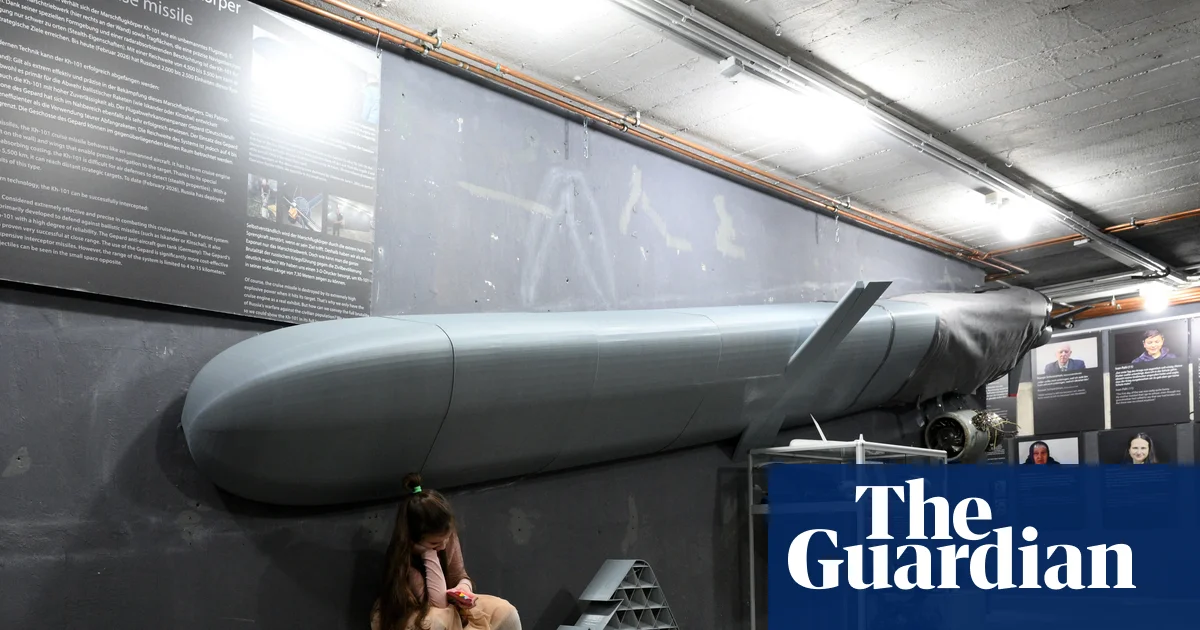
As Russia’s ongoing invasion of Ukraine enters its fourth year, the geopolitical landscape in Europe remains sharply divided over the appropriate response. The newly inaugurated Ukraine Museum in Berlin serves as a stark reminder of the conflict’s brutal reality, exposing visitors to the physical remnants and harrowing stories from the battlefield. Curated from war remnants and built in collaboration with Ukrainian frontline troops and historical institutions, the museum aims to combat growing fatigue and apathy among Western populations. It underscores an essential warning to the West: ignoring this war risks destabilizing the entire security architecture of the continent.

This museum’s presence in Berlin symbolically signifies Germany’s pivotal role as a major supporter of Kyiv, providing substantial military aid and shelter for millions of Ukrainian refugees. Yet, this support is not without controversy. Domestic political divisions threaten to weaken the unified front necessary to counter Putin’s expansionist ambitions. Critics argue that wavering in commitments—whether through resistance to increased arming or skepticism over continued aid—embolden Russia’s narrative of Western disinterest or weakness. According to analysts from the European Council on Foreign Relations, such factions are playing into Putin’s strategic aims to destabilize Western cohesion, emphasizing that European unity remains fragile and crucial for Ukraine’s survival and the broader confrontation with authoritarian expansion.

International observers, including historians and military strategists, emphasize that support for Ukraine goes far beyond humanitarian concern—it is a defining element of geopolitical stability in the 21st century. The war’s brutal reality, vividly exposed by the museum’s displays—such as a missile reconstructed via 3D printing and wreckage of a Russian T-72 tank—serves as a stark reminder that the stakes are existential for Ukraine and the West alike. The museum also draws attention to the dehumanizing propaganda—images of aid worker Oleg Salnyk, killed after the deliberate targeting of his ambulance by a Russian drone, are intended to forge a visceral understanding of the war’s toll. Such visceral representations seek to awaken Western audiences to the fact that timid complacency could lead to far greater catastrophe.

In response to the conflict, Germany and other Western nations face difficult questions: How long can they sustain military and economic support without internal discord? As Hanna Maliar, a former Ukrainian deputy defense minister, warns, “My advice to Germany is whatever you do, don’t get rid of your bunkers.” The metaphor resonates—without resilient defenses, the risk of destabilization extends beyond Ukraine into Euro-Atlantic security. Meanwhile, the Ukrainian resistance, exemplified through stories of aid workers targeted in front-line attacks, continues to symbolize the tenacity of a nation fighting to preserve sovereignty amidst a concerted effort by Russia to erode Ukrainian identity and independence. As history unfolds in real time, the question remains: will the powerful Western alliance recognize that the cost of indifference may be the very fabric of freedom itself?

Pakistan targets Afghan cities as border tensions escalate

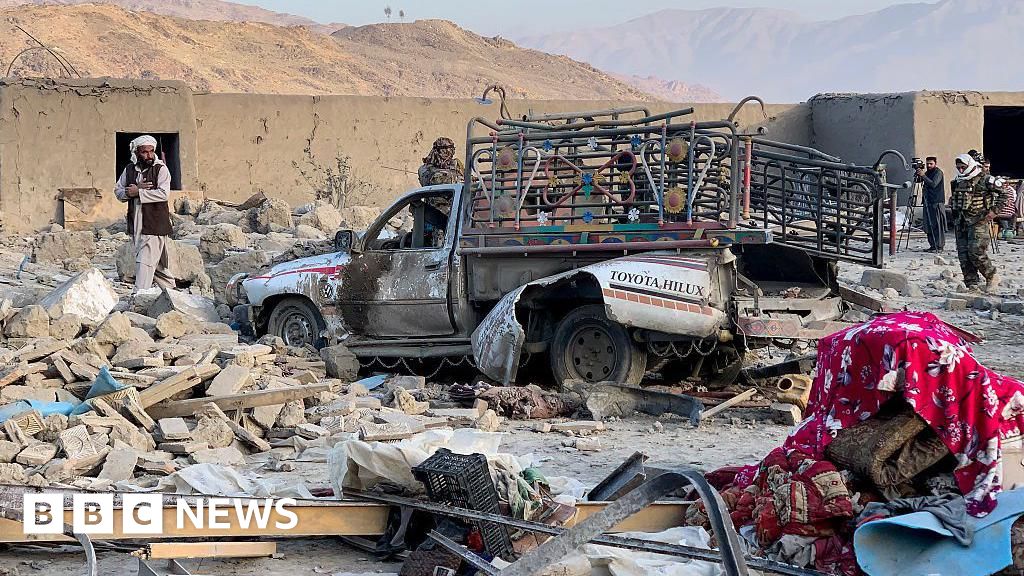
The recent escalation between Afghanistan and Pakistan marks a critical turning point in South Asian geopolitics, inviting global scrutiny and raising concerns about regional stability. According to reports, the Afghan Taliban has officially announced that it responded to recent Pakistani military strikes, which targeted Afghan cities including Kabul and Kandahar. This development underscores a spectrum of complex intertwining issues—territorial disputes, security threats, and the fragile balance of power—that have long defined the relationship between these two nuclear-armed neighbors.

The Pakistani military entered Afghan territory, citing counter-terrorism operations against militant groups operating across the border. However, the Taliban’s claim of response signifies a shift from previous Taliban neutrality, hinting at a broader escalation that could destabilize the entire region. Military analysts warn that such exchanges risk fueling a cycle of retaliation, pushing South Asia closer to outright conflict. The recent moves come amid an increased militant threat and growing tensions over Afghanistan’s future political landscape following NATO’s withdrawal and the Taliban’s return to power.

The regional implications of these strikes are far-reaching. Pakistan, a key U.S. ally during the Cold War and in the ongoing war on terror, now finds itself entangled in an unpredictable crisis that challenges its strategic interests. The Taliban, supported by elements within and outside Afghanistan, has reiterated its stance of defending its territorial integrity, implicitly warning Pakistan against further military incursions. Meanwhile, China and Russia observe cautiously, understanding that prolonged instability could undermine their interests in Central Asia and beyond. The United Nations calls for restraint but remains deeply concerned about the possibility of escalation leading to a wider regional conflict, jeopardizing prospects for peace in a volatile part of the world.

Historians and foreign policy analysts point to these events as a pivotal moment. Dr. Samuel Peterson, a senior researcher at the International Institute for Strategic Studies, notes that “the response of the Taliban indicates a potential shift in their approach to regional security, possibly signaling a more assertive stance in defending their borders, which could destabilize the fragile peace in the region.” The aftermath of these military actions could reshape alliances, influence internal politics, and determine whether South Asia will step into a new era of conflict or find pathways toward diplomacy. The interplay of national sovereignty, militant insurgency, and international interests continues to hang in the balance, with the world watching closely.

In this unfolding narrative of conflict and diplomacy, history is again being written. The decisions taken by Pakistan and the Taliban at this critical juncture could have enduring consequences, echoing through generations. As diplomats scramble for solutions and military tensions simmer dangerously, the fate of millions remains uncertain. The shadow of history looms large, reminding us that in the high-stakes game of regional power, one misstep could ignite a conflagration that reshapes the geopolitical landscape forever. The weight of this unfolding story underscores the harsh reality: in the theatre of international relations, peace is often the fragile exception in a world driven by conflict and national interests.

U.S. Citizen Among Victims in Cuba Boat Shooting, Officials Confirm

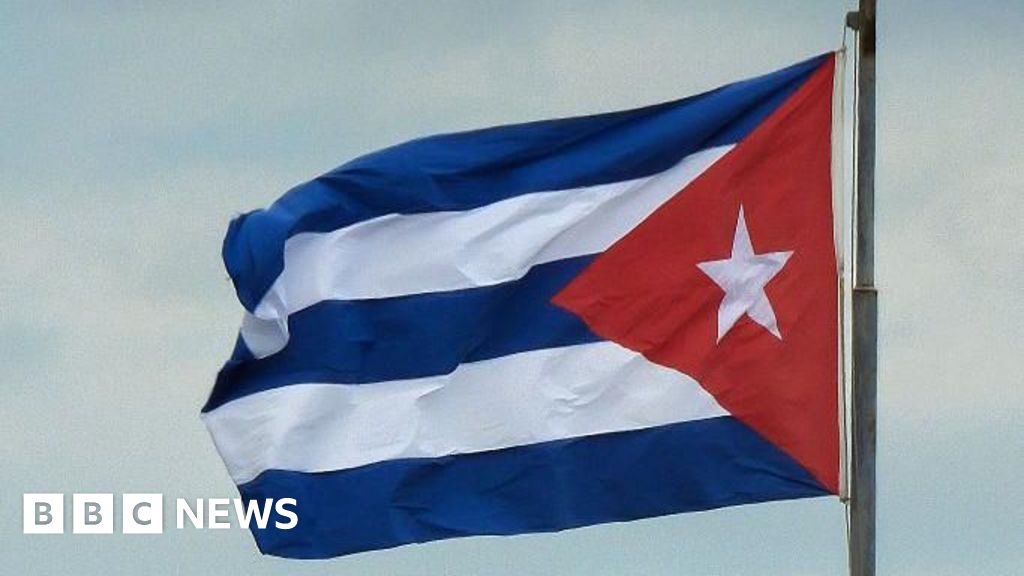
In a development that threatens to further destabilize the Caribbean region, Cuba has formally accused unidentified individuals onboard a vessel of initiating an infiltration with terrorist aims and firing first during a recent confrontation. The incident, which has quickly drawn international attention, underscores the fragile security landscape in the Gulf of Mexico and the Caribbean, where geopolitical tensions remain notably high.

While details remain contested and investigations are ongoing, the Cuban government’s statements point to a deliberate attempt to justify its response and to frame the event as a threat to national sovereignty. According to official sources, the involved vessel was suspected of engaging in illegal activities aimed at destabilizing the country. The claim that the ship “fired first” attempts to shift the narrative toward a defensive posture, but critics argue that the incident signals a broader pattern of covert meddling in the region by external actors seeking influence and disruption. Historian Dr. Maria Lopez, specializing in Latin American security issues, notes that such incidents often serve as flashpoints that escalate regional tensions and complicate diplomatic relations.

This confrontation arrives amid escalating concerns over the shift in regional influence spheres. The United States, which has historically maintained considerable military and diplomatic presence in the Caribbean, remains cautious about any signs of increased external interference, especially from rival powers like Russia and China. International organizations such as the United Nations have urged restraint, calling for transparent investigations and adherence to international law. Analysts warn that the incident, if unresolved, might trigger a dangerous cycle of escalation, potentially pushing the region closer to open conflict. The Strategic Studies Institute warns that uncontrolled confrontations in such geopolitically sensitive zones could threaten the stability of both regional and global security architectures.

Locally, the implications are profound; Cuba’s government asserts that such provocations could threaten its sovereignty and stability, while opponents accuse the regime of overreacting and using the incident to consolidate power domestically. As the international community watches closely, the unfolding events underscore the delicate balance of power in the Caribbean, an area marred by historical struggles, economic challenges, and Cold War legacies. Considered a pivotal point, many analysts view the incident as a potential catalyst—possibly turning the tide of regional alliances and intensifying existing rivalries. How the involved nations respond in the coming days may determine whether this incident remains an isolated flare or ignites a broader conflict that reshapes the geopolitical map.

As history continues to write itself, the weight of this moment is undeniable. In the shadow of modern Cold War animosities and regional struggles for influence, the Caribbean stands once again at a crossroads—where every decision may lead toward lasting peace or irreversible conflict. The pages of tomorrow’s history books are being written now, with the echoes of gunfire and diplomacy shaping the future of nations and peoples alike.

Social Media Auto Publish Powered By : XYZScripts.com