Matox News

Truth Over Trends, always!

Starmer warns: No consensus left on climate fight, youth should stay alert

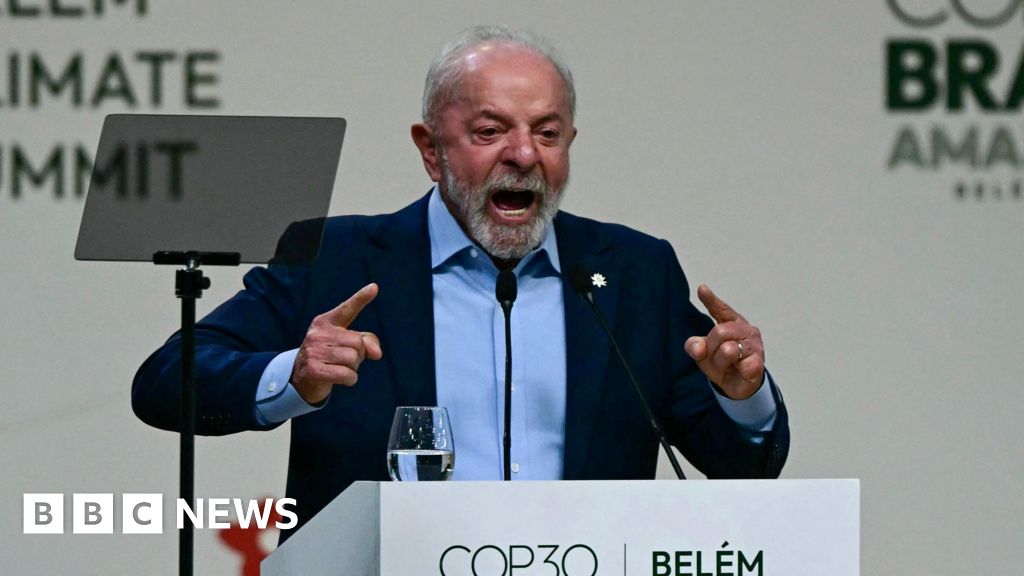
Belém, Brazil—As the COP30 climate summit unfolds amidst unprecedented global chaos, the world’s most influential nations are diverging sharply on how to address the existential threat of global warming. With President Lula da Silva warning of “extremist forces” fabricating fake news to condemn future generations to a planet forever altered by climate change, the summit is rapidly transforming into a battleground of conflicting narratives and geopolitical interests. Despite his passionate plea, the summit witnesses a perplexing retreat from collective action, with many leading nations conspicuously absent and even the host country’s flagship initiatives facing withdrawal. As given by international analysts, such divisions threaten to undermine any meaningful progress, leaving the world on a perilous trajectory toward climate chaos.

The absence of key players—the United States, Russia, China, and India—casts a long shadow over global consensus on climate policy. President Trump’s dismissive stance—calling climate change “the greatest con job”—has reverberated through diplomatic corridors, emboldening skeptics and delaying decisive action. Meanwhile, UK Prime Minister Sir Keir Starmer openly acknowledged that the once-unified support for climate initiatives has frayed, lamenting that “today, however, sadly that consensus is gone.” Such statements starkly highlight how internal political shifts and *geopolitical conflicts* are fueling a dangerous impasse. At the heart of the negotiations lies the critical question of how to fund climate mitigation efforts, particularly in defending vital rainforest ecosystems that act as “the planet’s lungs,” as experts like environmental historian Dr. Alan Smith emphasize. Yet, the UK’s decision to withdraw from the $125 billion rainforest protection fund—despite its earlier leadership—underscores a betrayal of international commitments.

As the summit progresses, the tone remains urgent but fractured. The rainforests cover a mere 6% of the Earth’s landmass but hold half of the planet’s species and billions of tons of carbon. The Prince of Wales and other observers warn that failure to protect these ecosystems risks pushing future societies toward ecological collapse. Prince William called for “urgent optimism,” urging nations to rise above their differences and act—yet the reality on the ground tells a different story. Destructive weather events—like Hurricane Melissa, which caused catastrophic damage across the Caribbean—serve as sobering reminders that climate impacts are already claiming lives and destroying communities. Scientists at Imperial College have warned that climate change heightened the rainfall from Hurricane Melissa by 16%, exposing the catastrophic potential of continued inaction. The question remains whether this summit will be remembered as a turning point or merely another chapter in the relentless saga of diplomatic stalemate.

Historically, these international rifts serve as a stark warning for future generations. Academics like Dr. Maria Lopez argue that the decisions made in Belém could either be a testament to humanity’s resolve or a lamentable capitulation. The unfolding story of COP30 is a testament to the ongoing struggle between geopolitical self-interest and the moral responsibility to safeguard our planet’s future. As history writes its next chapter, the world must reckon with the fact that the decisive moments of this summit—and perhaps the century—are now in the making. The shadow of this generation’s decisions will linger long after the final declaration, shaping the scarred landscape of history itself.
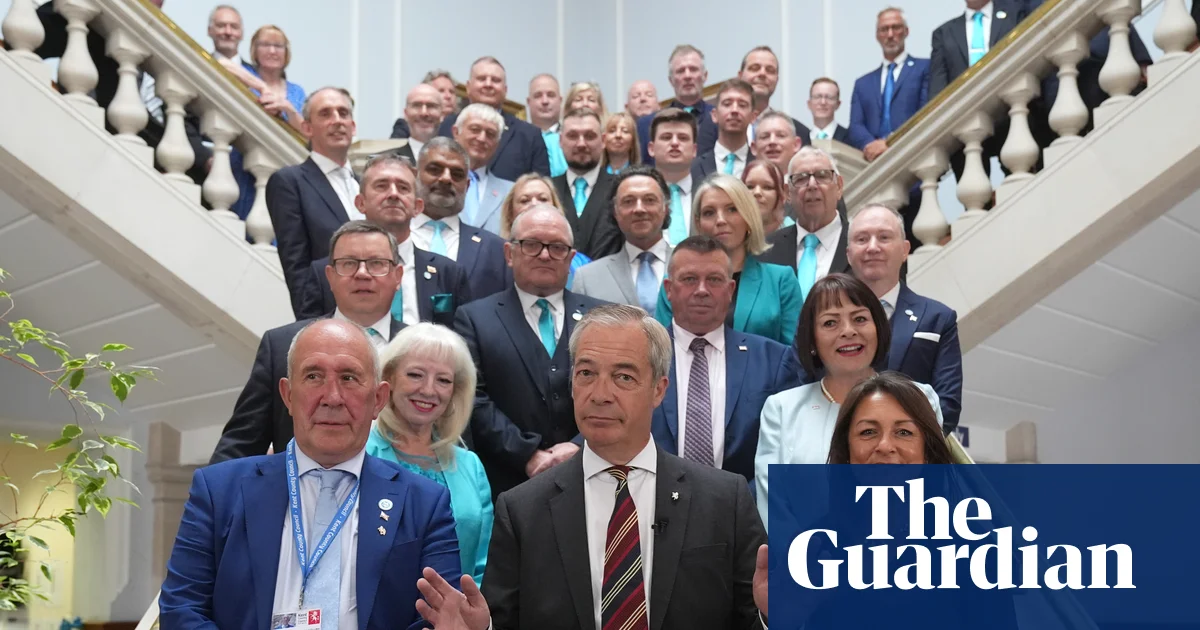
Reform UK Boots Another Kent Councillor in Crackdown on Corruption

Across the United Kingdom, the recent upheavals within the political sphere signal more than mere local disputes—they reflect a deeper crisis in party discipline, leadership, and the very integrity of governance at a critical juncture. Nigel Farage’s Reform UK party, which champions populist reforms and a direct challenge to the establishment, now faces internal fractures that threaten to undermine its credibility. The suspension of councillors, including Isabella Kemp, from the Kent county council underscores the volatility and fragility of the party’s nascent political structure. These developments come amidst leaked memos revealing bitter internal disagreements, raising alarms about the stability and viability of outsider parties seeking to shake up entrenched political norms.

Analysts and political historians warn that such turmoil within Reform UK does not merely impact local governance but could reshape the geopolitical landscape of British politics. The party’s inability to maintain cohesion risks empowering traditional parties like the Conservative and Labour, who may capitalize on these divisions to reinforce their long-standing dominance. The controversy also exposes a broader question: Can populist insurgents sustain their momentum when internal discipline falters? The internal conflicts over leadership conduct, disciplinary measures, and policy promises threaten to create leadership vacuums, providing fertile ground for political opportunists and undermining voter trust. As political scientist Dr. Emily Knox notes, *“Such internal fissures are often a prelude to collapse, especially in movements that rely heavily on outsider appeal and minimal established governance structures.”*

This chaos at the grassroots level resonates beyond the corridors of Kent. International organizations like the International Crisis Group have long warned that party infighting and fractured leadership can have profound implications for national stability, policy continuity, and international reputation. When political factions fight within their own ranks, it emboldens adversaries—both domestic and abroad—who wish to undermine the sovereignty and stability of the state. Moreover, the crisis reflects broader societal tensions over accountability, public trust, and the efficacy of Britain’s new political entrants, which are attempting to carve a path away from the traditional party system. If these insurgent parties cannot demonstrate discipline and effectiveness in local councils, their national ambitions may soon be rendered empty gestures, susceptible to exploitation by political foes bent on restoring the old guard’s dominance.

As observers cite the embarrassing saga of Kent’s council, including debates over council tax increases and allegations of mismanagement, the geopolitical impact becomes evident. Britain’s internal stability and credibility are often scrutinized on the international stage, with ongoing tensions from global conflicts and economic uncertainties. The disarray within Reform UK exemplifies the challenges faced by populist movements in maintaining coherence amidst upheaval. According to strategic analyst Mark Rutherford, *“When political parties fracture internally, it signals a broader erosion of societal confidence, which foreign adversaries can interpret as weakness or vulnerability to exploit.”* Consequently, the saga in Kent is more than a local political squabble; it’s a microcosm of the risks facing Britain as it navigates a tumultuous era, where every leadership discord and internal conflict adds weight to the written history of a nation still seeking its footing in a rapidly shifting global order.

In the shadows of these political earthquakes, history awaits its next chapter. Will Britain rally from these internecine struggles and forge a resilient path forward, or will internal chaos deepen, paving the way for longer-term decline? As the weight of history presses down, the outcome remains uncertain—yet one truth is clear: in the unfolding story of national sovereignty and societal resilience, every decision, every division counts. The pages of this epoch are still being written, and whether Britain emerges stronger or fractured remains the question that history will ultimately answer.

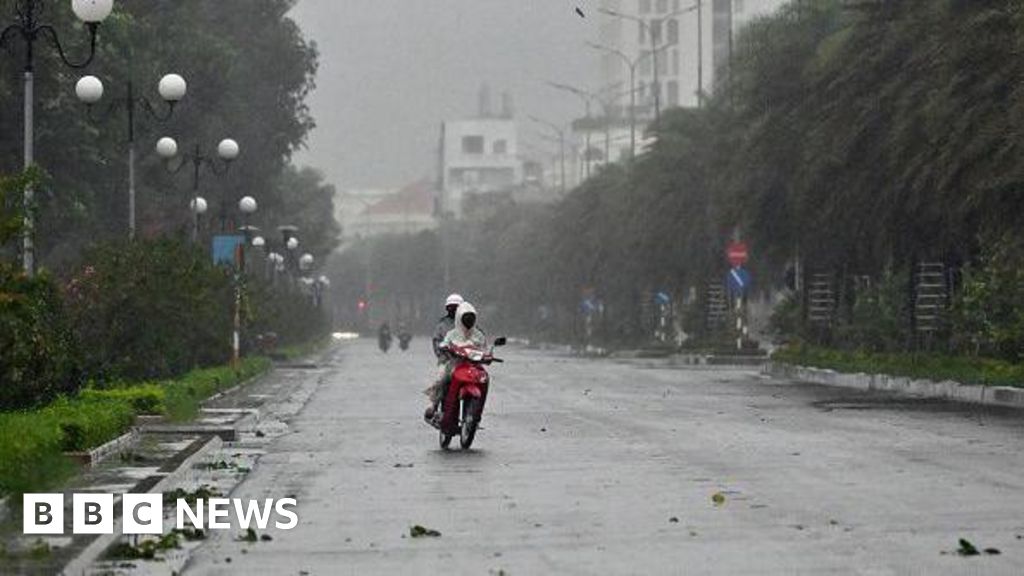
Typhoon Kalmaegi strikes Vietnam after devastating Philippines, death toll surpasses 114

Typhoon Kalmaegi Leaves Trail of Destruction Across Asia, Starkly Revealing the High Stakes of Climate and Geopolitical Decision-Making

As Vietnam, the Philippines, and neighboring nations grapple with the aftermath of Typhoon Kalmaegi, the storm underscores the profound geopolitical impact of climatic forces. Making landfall in Vietnam Thursday evening, Kalmaegi—locally known as Tino—brought with it winds exceeding 92 mph, flooding entire towns, uprooting trees, and crippling vital infrastructure. With over 114 fatalities already reported in the Philippines, and thousands evacuated, the disaster exemplifies how natural calamities are increasingly intertwined with geopolitics and global stability. Experts from international organizations and historians emphasize that the storm’s devastating course is not merely a random act of nature but a stark reminder of the vulnerability inflicted by uncooperative climate policies and regional tensions.

The Vietnamese government has responded with an unprecedented mobilization, deploying more than 260,000 soldiers and utilizing over 6,700 vehicles to contend with the crisis. Such massive state-led efforts highlight how nations, especially in Southeast Asia, are under immense pressure to organize complex disaster responses in a climate-altered world. Meanwhile, local authorities warned of flooding risks in seven provinces and urged sustained vigilance amid forecasts of waves reaching 8 meters in the South China Sea. This profound threat to coastal communities—especially fishing fleets and tourism hotspots—aligns with warnings from the Vietnamese National Center for Hydro-Meteorological Forecasting and echoes prior catastrophes like Typhoon Damrey in 2017. As NIEHS, an influential think tank, warns, these recurring natural disasters are symptoms of a broader “climate crisis fueled by geopolitical inertia,” with vulnerable populations bearing the brunt.

Across the Philippines and Vietnam, historic floodwaters and storm surges have devastated communities, transforming vibrant cities like Cebu into scenes of chaos and despair. Deadly floods in the Philippines have wiped out entire neighborhoods, and President Ferdinand Marcos Jr. has declared a state of emergency, signaling the severity of the crisis. Such events are not isolated but are symptomatic of a region increasingly troubled by _climate-induced_ upheavals—an issue that analysts predict will only worsen without international cooperation. As Vietnam’s deputy director Nguyen Xuan Hien alludes, these storms serve as harsh warnings: “Typhoon Damrey was less intense but still caused damage; Kalmaegi is a message that we must remain vigilant.” At its core, this reminds the world that decisions made in distant capitals—regarding climate policy, military readiness, and regional alliances—directly influence the fate of millions.

As history unfolds and the storm’s aftermath gives way to recovery and reflection, the geopolitical landscape faces a decisive moment. The profound destruction leaves underlying questions about discipline, preparedness, and international solidarity. Will nations recognize the interconnectedness of environmental and security issues? Or will they continue to prioritize short-term economic and political gains over sustainable, collaborative responses? The rising tide of Kalmaegi and its relentless march through Asia’s heartland leaves a haunting message—one that echoes through the corridors of history, calling for urgent unity or risking that the next chapter in this unfolding tragedy may be even darker. This is a story not just of weather but of a world at a crossroads, where the choices today will write the final lines of tomorrow’s history books.

Delivery driver jailed for killing man aiding woman in wedding fight

In a world increasingly marked by instability and local conflicts, the recent case of Hassan Jhangur’s criminal actions in the United Kingdom underscores the profound consequences of unchecked violence. Jhangur, a 25-year-old man, was sentenced to a minimum of 26 years in prison after deliberately running his car into a group of innocent bystanders, tragically killing Chris Marriott, a 46-year-old food delivery driver and a man known for his compassion and community service. This heinous act, rooted in a family feud that culminated in a public dispute, exemplifies how personal conflicts can erupt into catastrophic events, threatening societal stability and human lives. Local authorities and judges alike recognize that such senseless violence leaves a scar not only on the victims and their families but also on the fabric of society itself.

This incident provides a stark reminder of how domestic disputes and familial rivalries sometimes spill over into the wider community, with devastating consequences. The court proceedings revealed a narrative of deep-seated tension, precipitated by a wedding celebration weekend that turned into chaos and ultimately tragedy. Witnesses testified that the collision was not accidental but a calculated attack, with Jhangur intentionally targeting bystanders in a moment of fury. The courtroom verdict highlighted the deliberate nature of the violence, with Judge Morris condemning it as “hot-headed and wanton.” Such cases act as a rallying point for international organizations like the United Nations and Interpol to emphasize the need for stronger mechanisms to prevent violence rooted in social discord, which can have ripple effects far beyond local communities.

From a geostrategic perspective, the impact of localized violence extends into broader geopolitical dynamics, especially in an era where nations are grappling with internal divisions and external threats. Countries like the United States, Russia, and China face their own internal tumult, but incidents like Jhangur’s demonstrate that internal disputes, if unresolved, threaten national stability and international peace. Analysts warn that such acts of unchecked violence can be exploited politically, leading to increased social polarization and possibly fueling social unrest that affects regional security. The case also echoes a warning issued by countless historians and international experts that domestic violence and societal breakdowns often serve as precursors to larger conflicts, weakening nations from within while adversaries look on with strategic interest. The violence in Sheffield might be a microcosm of the dangerous fragility of social order across the globe, urging policymakers to prioritize social cohesion and community resilience.

As the world watches, the tragic story of Chris Marriott’s death becomes a poignant chapter in a larger, ongoing narrative—that history is often shaped not just by grand diplomatic treaties or military conflicts, but also by individual acts of violence and societal breakdowns. The weight of these moments lingers in the collective consciousness, urging nations to reflect on basic human values and the importance of justice and social harmony. The coming years will reveal whether such tragic incidents serve as catalysts for meaningful change or simply fade into the background of a tumultuous world. Yet, the lessons remain clear: in a world teetering on the edge of instability, every act of violence leaves an indelible mark, and history’s pen continues to write its story, one tragic event at a time.

Senate to vote on stopping illegal war against Venezuela — US politics update

As the world watches in increasing concern, the geopolitical landscape in the Western Hemisphere is rapidly transforming into a theater of heightened conflict and strategic maneuvering. At the forefront is the United States, embroiled in a complex web of military posturing, congressional power struggles, and economic warfare, all with profound implications for regional stability and global diplomacy.

Recent developments reveal a concerted effort by the Trump administration to leverage military force, particularly in Venezuela. Reports indicate that discussions within the US government are gravitating toward authorizing land strikes—a move that would sharply escalate the ongoing covert and overt conflicts in the region. The Senate is now poised to vote on bipartisan legislation aimed at barring President Trump from initiating unauthorized military actions against Venezuela, a clear sign of growing congressional concern over unchecked executive power. Such legislation from Senators like Tim Kaine and Adam Schiff, along with Rand Paul’s support, underscores the deep bipartisan unease about the administration’s push for military intervention. Meanwhile, reports of aggressive US military deployments—including an aircraft carrier heading to South American waters and deadly strikes on alleged drug vessels—point to a hardening US posture that many analysts see as a replay of past interventions like Panama in 1989. The echoes of Operation Just Cause are unmistakable as the US seems determined to destabilize the Maduro regime, a move critics argue is driven more by strategic interests than genuine concern for regional sovereignty.

This militarization coincides with an aggressive economic stance. The US Supreme Court recently questioned the legality of Donald Trump’s tariffs imposed under the International Emergency Economic Powers Act (IEEPA). Even the high court’s conservative supermajority appeared skeptical about the president’s authority to levy duties not explicitly authorized by Congress, raising questions about the legality of economic sanctions that have far-reaching effects. Analysts warn that, regardless of the court’s ultimate ruling, these unilateral measures weaken international economic stability and further erode the balance of powers between branches of government. Simultaneously, the ongoing government shutdown threatens to disrupt vital infrastructure, with potential cuts to flights and public services that directly impact both domestic and international mobility, economic stability, and regional security.

On the diplomatic front, Trump’s engagement with China took a notable turn as he reportedly appealed to Xi Jinping to intervene in the case of jailed Hong Kong media tycoon Jimmy Lai. This move signals a broader strategy to simultaneously project US influence and influence global perceptions of China’s internal governance. Meanwhile, the internal chaos within the US government—marked by protests from furloughed workers and legal challenges over detention conditions—exposes a nation divided against itself, with its institutions strained by persistent partisan battles. Historians and international bodies warn that such internal disarray complicates the US’s ability to project power and uphold international commitments, risking a decline in global influence and credibility.

As the chaos unfolds, so too does history a new chapter—one where America’s future remains uncertain, its choices echoing through the corridors of power and the streets of Venezuela, Panama, and beyond. The decisions made today are not just about policy—they are the shaping of a new geopolitical reality, whose true impact will be measured by the stones we cast into the waters of history. In this unfolding drama, the specter of conflict and the struggle for influence loom large, with each gamble drawing the world closer to a precipice. The weight of history presses heavily upon the present—what legacy will today’s leaders leave in the sands of tomorrow?

First Chance for US to Hit 1.5°C Climate Target, Experts Say

Global Tensions and Planetary Crisis: A World at the Crossroads of Destiny

As climate change continues to pose an existential threat, the geopolitical landscape is increasingly shaped by nations’ responses—or lack thereof. The upcoming COP30 summit in Belém, Brazil, represents a critical juncture where world leaders are expected to reaffirm commitments to the 2015 Paris Agreement. Yet, recent assessments from Climate Analytics reveal that current targets are grossly insufficient, and unless governments worldwide take rapid and concerted action, the goal of limiting global warming to 1.5°C will slip further from reach. The UN Environment Programme’s frightening projection of a 2.3-2.5°C increase underscores an urgent demand: the scaling-up of renewable energy sources and the electrification of sectors such as transport and industry is no longer optional but a moral imperative.

This diplomatic gathering occurs against the backdrop of a key diplomatic development: the United States, under the Trump administration, declining to send high-level representatives to COP30. Such a move signals a worrying retreat from climate leadership from one of the world’s largest emitters, directly impacting the geopolitical impact of climate policy—potentially weakening collective efforts and emboldening deviant national agendas. Experts from the International Renewable Energy Agency warn that these international discordances may unravel hard-won treaties, further exacerbating environmental degradation. Historians and analysts suggest that the failure of global cooperation could be remembered as a preventable crisis—one born from complacency and geopolitical self-interest rather than a genuine commitment to the planet’s future.

Legal Questions and International Power Plays

In stark contrast to the climate crisis, the U.S. Supreme Court is now questioning the legality of the Trump administration’s tariffs imposed through the 1977 International Emergency Economic Powers Act. The case revolves around the core issue of authority: whether the president can unilaterally impose tariffs during a purported national emergency, or whether such decisions must rest with Congress. Even the most conservative justices expressed skepticism, highlighting the fundamental constitutional debate: Who holds the power in shaping trade policy—an executive or the legislature? If the court rules against the White House, it could constrain the administration’s push for aggressive trade policies that have strained relationships with economic partners around the world. The ruling could redefine the scope of presidential authority and significantly influence the global trade landscape with lasting geopolitical impact.

Changing Urban Politics: A New Self-Declared Progressive Wave

Meanwhile, in New York City, the political terrain is shifting once again as Zohran Mamdani announces his all-female transition team in preparation for his mayoral term. Mamdani’s platform reflects a radical vision for urban transformation: rent freezes, free transportation, universal childcare, and city-run grocery stores—funded by taxes on corporations and the wealthy. Yet, these ambitious policies face tangible threats, chiefly from the federal government’s threats to withhold funding under President Trump’s influence. As the city’s budget depends heavily on federal support—approximately $7.4 billion—Mamdani’s efforts could be undermined by national political battles. The outcome of this local race signals a broader ideological clash: a push for progressive policy amidst federal resistance, underscoring how decisions at the top ripple downward, affecting millions of city residents.

Unfolding Crises and the Weight of History

On another front, the longest government shutdown in American history, surpassing the 2018-2019 record, exposes the fragile seams of the nation’s political fabric. The shutdown has left tens of millions of Americans vulnerable: food stamp recipients are receiving only half of their usual benefits, and airline traffic is being reduced, signaling a nation on edge. Reflecting on recent archaeological discoveries, historians note how ancient American civilizations endured climate catastrophes through resilience rather than violence, offering lessons and warnings about the cost of ignoring environmental and social pressures. This convergence of crises—climate, governance, and social upheaval—reminds us that history’s most pivotal moments are often born from neglect and division, and that the choices made today will resonate through generations to come.

As the world stands at a precipice, with unresolved conflicts and fragile alliances, the question remains: will humanity heed the warnings etched into ancient murals and modern reports? Will we unite amid chaos, or will history remember this era as one where the peril was clear, yet action was too little, too late? The ongoing narratives of climate, law, urban policy, and international diplomacy are still being written, leaving us with the understanding that the true measure of our era is not in crisis alone, but in how we respond to it. The shadow of history looms long, and the unfolding chapters await our choices.

Inquest Confirms German Backpacker Simone Strobel Murder, Identity of Attacker Still Unknown

Unresolved Mysteries: The Continuing Saga of Simone Strobel’s Death

The recent ruling by New South Wales coroner Teresa O’Sullivan marks a significant, if still incomplete, chapter in the pursuit of justice for German backpacker Simone Strobel. Her death in 2005, long shrouded in uncertainty, has remained one of Australia’s most perplexing unresolved cases. The coroner’s findings, delivered after a comprehensive inquest that spanned nearly two decades, confirm that Strobel was murdered, yet crucial questions about who committed the act still hang in the balance. This development underscores how internationally significant criminal investigations often grapple with legal and procedural impediments that hinder resolution, especially when new evidence eludes authorities through mismatched DNA samples.

The investigation initially faced hurdles rooted in legislative changes. Notably, legislative reforms introduced in 2009 restrict coroners from issuing formal findings that directly implicate suspects in an offense, a change that the current coroner acknowledged restricts the scope of her conclusions. Despite an earlier inquest in 2007 hinting at a “very strong suspicion” of involvement by Strobel’s traveling companions, the latest inquiry dismissed these suspicions as unsupported by current evidence. Instead, the coroner accepted that her manner of death was as a homicide, but without identifying the perpetrator, highlighting the complex legal landscape that often complicates international cases where witnesses and evidence are elusive or ambiguous.

The tragic circumstances surrounding Strobel’s death illustrate the profound impact that international travel and youthful exploration can have—yet they also reveal how such freedom can sometimes turn tragic in the face of unresolved crimes. Her body was discovered concealed beneath palm fronds near a sports ground less than 100 meters from where she was last seen. Despite multiple investigations, police failed to identify her killer, a failure compounded by limited forensic matches—only now prompting the NSW police’s unsolved homicide team to revisit DNA evidence in hopes of breakthroughs. The case’s persistence underscores how vital international cooperation and forensic advancements are in solving cross-border crimes, and it raises questions about how many other cases languish due to jurisdictional gaps and resource constraints.

International organizations and experts have weighed in on the ongoing challenge. Dr. Erik Jensen, a renowned geopolitical analyst, emphasizes that cases like Strobel’s are emblematic of a larger pattern—where local justice systems intersect with global mobility. Many nations, he notes, are now contending with the “transnational ripple effects” of such unresolved crimes, which can threaten regional stability and societal trust. The question remains: how many unaccounted murders go unresolved because of legal limitations or insufficient evidence? As the world witnesses the emergence of new forensic techniques and combined international efforts, it becomes clear that justice in such cases is not merely about individual resolution but about affirming the rule of law in a fluid, interconnected world.

In a striking conclusion, the trail of Simone Strobel’s mysterious death continues to cast a long shadow over international justice efforts, revealing the enduring human and geopolitical cost of unresolved crimes. As authorities prepare to revisit DNA evidence and explore emerging investigative avenues, history holds its breath. Will this latest chapter mark a turning point in delivering justice—*or* will Simone’s story remain a haunting reminder of how some truths are delayed, and some stories remain unfinished, in the relentless march of history?

Thursday Briefing: Labour’s Bold Push to Redesign the National Curriculum

Global Power Shifts and National Crises: A Tipping Point in World Politics

Amid the rising tide of international upheaval, the geopolitical landscape is witnessing a series of profound shifts that threaten to redefine the global order. China, driven by its relentless pursuit of technological dominance, has publicly claimed its intention to surpass the United States in the AI race, as highlighted by Nvidia’s CEO Jensen Huang’s recent remarks. Such declarations signal an intensifying competition that is not only about economic supremacy but also about influence over emerging global standards. Analysts from institutions like the Council on Foreign Relations warn that if Western nations fail to adapt and loosen regulations that hinder innovation, they risk ceding technological leadership to Beijing, thereby affecting the international balance of power for generations to come.

This struggle for supremacy has critical implications for regional stability and international alliances. Meanwhile, Russia continues its strategic maneuvers, witnessing ongoing conflicts in the Ukraine that threaten to escalate further, and drawing in support from various nations that see this as a pivotal moment to challenge NATO’s influence. The conflict is not merely territorial but also ideological and economic, with the EU and the U.S. imposing sanctions while Russia seeks new alliances in Asia and Africa. Such realignments threaten the fragile stability of the international system, where economic sanctions and military posturing could spiral into larger forced reckonings.

The West’s Internal Struggles and the Evolving Global Order

Within this context of external threats, Western democracies confront their own crises, with deteriorating political climates and economic pressures exacerbating vulnerabilities. Britain’s ongoing mismanagement of justice exemplifies these internal challenges, as UK authorities grapple with the fallout from mistakes such as the wrongful release of prisoners, including dangerous offenders. This internal disorder weakens the societal fabric at a moment when cohesion is vital to face external adversaries. Furthermore, France faces its own upheaval, with the dramatic theft of €88m worth of crown jewels from the Louvre highlighting both security failures and the social undercurrents of unrest, fueled by inequality and political discontent.

Meanwhile, the European Union is watching closely, aware that if internal divisions deepen, the continent could become a secondary theater of global power tussles rather than a unified front. The United States, under pressure from both internal political polarization and international crises, risks losing its strategic edge if policy incoherence persists. The window of opportunity is closing for the West to recalibrate its approach, or it may find itself increasingly marginalized in the emerging global hierarchy. Thought leaders from institutions like the International Crisis Group warn that these internal cracks could leave Western societies vulnerable to authoritarian influences seeking to exploit discord.

A Future While the Present Unravels

History bears witness to the fact that these formative moments often come with sacrifices and upheaval. Governments are under intense pressure to adapt quickly, but real change takes time—a luxury that the precarious state of today’s world politics does not afford. With a timeline extending to 2029 for the reform of England’s educational system, and the next round of elections poised to influence policy directions, the decisions made now will echo through decades. As nations scramble to secure their futures, the weight of history presses hard upon the present—reminding us that the unfolding story of power, conflict, and resilience is far from over. In this relentless march of history, the choices of today may well determine whether the world remains a place of freedom and stability, or falls under a new shadow of dominance and chaos.

UK Scholars Critical of China Reveal 'Overwhelming' Beijing Pressure on Universities
UK Scholars Critical of China Reveal ‘Overwhelming’ Beijing Pressure on Universities

UK Higher Education Faces New Frontline in International Power Struggle

In an era where geopolitical conflicts are reshaping international norms, the United Kingdom finds itself caught in a silent but increasingly perilous tug-of-war with China. Recent revelations suggest that UK universities, long regarded as bastions of free thought and academic freedom, are now under intense pressure from Beijing to silence critical research. Academics who dare to scrutinize China’s human rights abuses—particularly concerning the Uyghur Muslim community—have faced threats, sanctions, and institutional censorship. This alarming trend signals a profound shift in the power dynamics associated with global education and international influence, provoking widespread concern about the resilience of academic independence amid economic dependencies.

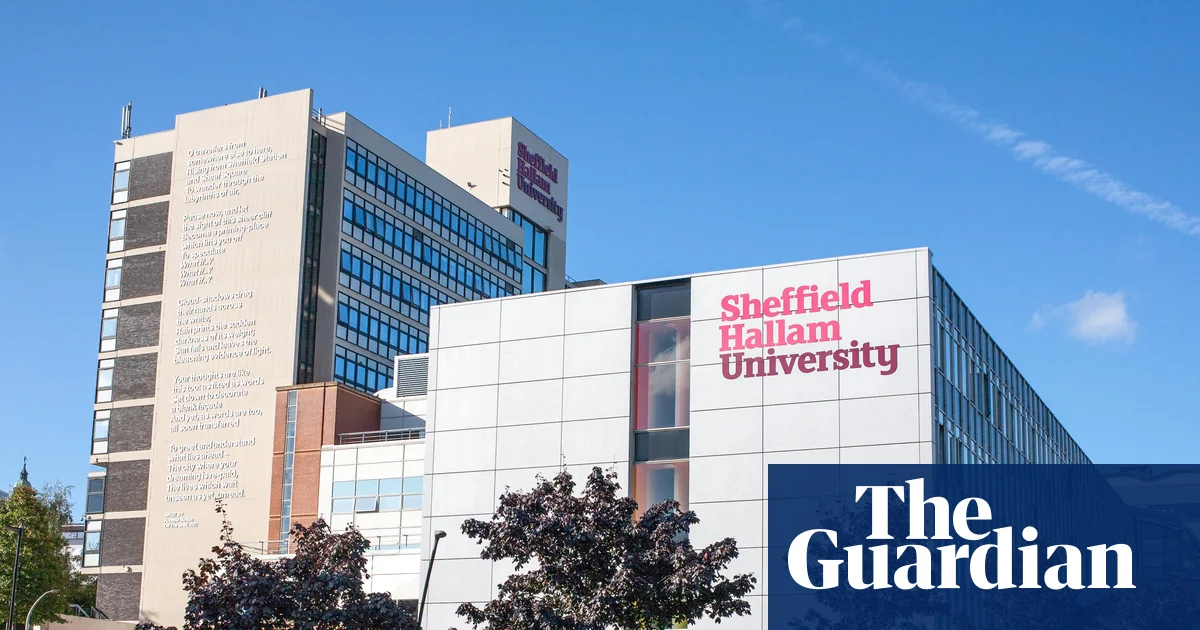
Specifically, institutions like Sheffield Hallam University have capitulated to Chinese authorities, with reports indicating compliance with Beijing’s demand to halt research on forced labor and supply chains. The case of Professor Laura Murphy, a prominent human rights scholar, exemplifies the increasing risks faced by UK academics. After being ordered to cease her research, she recounted facing an eight-month suspension, a move believed to be driven by commercial considerations, given the university’s reliance on Chinese tuition fees. Such episodes underscore a worrying erosion of academic integrity — driven not only by overt threats but by subtler forms of coercion, like self-censorship and institutional avoidance. This coercion is no longer confined to diplomatic incidents but has become a routine, under-the-radar strategy for Beijing to control the narrative critical of its domestic and international policies.

Shadows of Influence: The Reality for Critical Scholars

Beyond institutional actions, individual academics are increasingly targeted. Andreas Fulda, a political scientist at the University of Nottingham, reports receiving spoof emails and death threats for his outspoken criticism of China. His experience reflects a growing pattern among scholars who navigate a perilous environment where perception thresholds set by Chinese security can result in punitive measures, including harassment or even blacklisting. Such tactics serve as stark warnings that the Chinese government is committed to suppressing any dissenting voices that challenge its narrative. These measures have ominous implications for academic freedom, especially in a strategic landscape where universities are increasingly dependent on Chinese student tuition—a lucrative but vulnerable revenue stream.

International organizations and think tanks have expressed grave concerns. Historians warn that this phenomenon could redefine the global order of higher education, transforming it into an arena of geopolitical pawn play rather than a sphere dedicated to free inquiry. UNESCO and other watchdogs have highlighted that the dependence on China’s educational market could compromise the core values of academic independence. The decision by UK universities to kowtow to Beijing’s demands not only damages their credibility but also signals a disturbing capitulation that could set a precedent for other nations’ higher education sectors worldwide.

Economics of Dependence and the Threat of a Chilling Effect

The dependence of many UK universities on international students from China has exacerbated these vulnerabilities. As Fulda pointed out, the current funding model, heavily reliant on tuition fees paid by Chinese students, acts as leverage for Beijing’s influence. Recent proposals to increase domestic tuition fees and introduce international levies aim to offset financial struggles; however, such measures risk making universities even more susceptible to external pressures. With the Chinese regime wielding significant economic influence—predicted by some analysts to surpass Western economic power in the coming decades—the geopolitical impact is profound. Universities may find themselves increasingly pressured to self-censor, avoiding research that could expose uncomfortable truths about China’s human rights record or domestic policies, thus compromising the very essence of academic inquiry.

The British government, in response, has claimed to uphold free speech and academic independence, but critics argue that these statements are becoming hollow words amidst ongoing incidents of censorship and intimidation. The risk extends beyond individual scholars; it threatens the broader fabric of international academic cooperation, which serves as the foundation for global progress and understanding. As one historian noted, the current trends are reminiscent of totalitarian regimes that wield knowledge as a tool of control—a sobering reminder that decisions made in the pursuit of economic stability risk transforming universities into mere pawns within a larger geopolitical strategy, leaving history’s relentless march toward freedom and truth hanging precariously in the balance.

As the dust settles on this unfolding crisis, the weight of history presses down with relentless gravity. Will the West stand firm against encroaching authoritarianism, or will the siren song of economic convenience drown out the voices of truth? The coming years will reveal whether the pursuit of knowledge can withstand the shadows cast by global power struggles, or if the very essence of academic independence will be sacrificed on the altar of international diplomacy.

Modi's Party Battles Key Election Fight in India’s Youth Heartland
Modi’s Party Battles Key Election Fight in India’s Youth Heartland

India’s Bihar Election: A Landmark Moment in the Geopolitical Arena

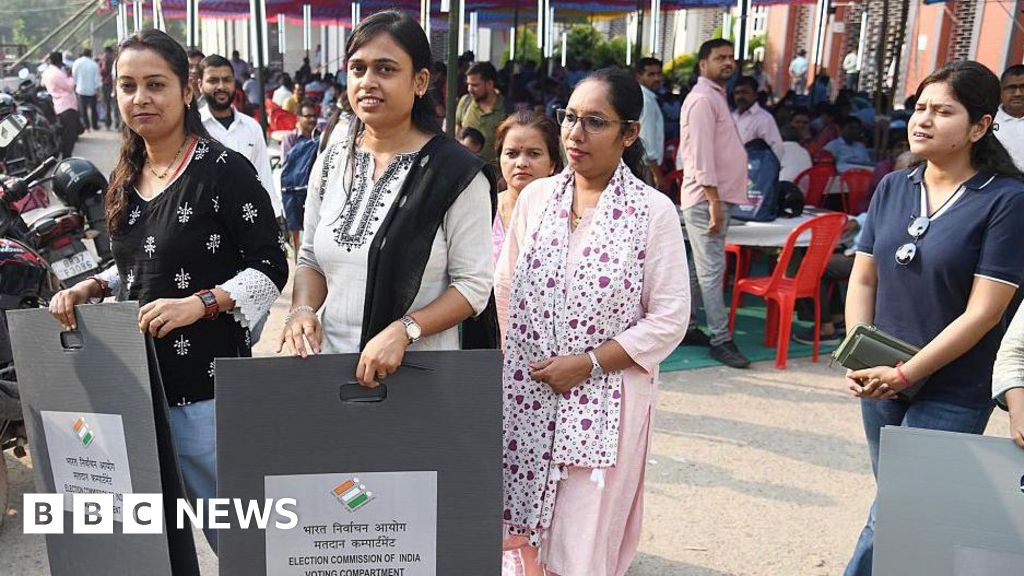
As the eastern state of Bihar prepares for its critical electoral showdown, the nation watches with bated breath, recognizing that the outcome is more than a regional contest—it is a barometer for broader geopolitical trends. With over 74 million eligible voters, the election sets the stage for a pivotal shift that could influence India’s national direction, especially in how it consolidates power amidst internal divisions and external pressures. The recent voting process, marked by the first phase in Bihar, exemplifies the intense political jockeying that continues to define India’s democracy, where every vote carries implications not just for local governance but for the global standing of a nation aspiring to regional dominance.

Amid accusations of electoral roll revisions skewed to favor the ruling Bharatiya Janata Party (BJP), the election exposes underlying tensions that extend well beyond Bihar’s borders. Critics, including opposition parties, accuse India’s Election Commission of disenfranchising genuine voters—particularly among marginalized groups—and thus skewing the democratic process. In contrast, the BJP and the Election Commission maintain that the exercise ensures electoral integrity. This controversy underscores a broader question about how internal decisions within India influence the nation’s image on the international stage, especially as global institutions scrutinize its commitment to fair democratic practices. Analysts have noted that the legitimacy of these elections will have lasting effects on India’s internal coherence, affecting its economic stability and diplomatic credibility among allies and rivals alike.

Historical Leaders and Future Uncertainty

The political landscape in Bihar remains intertwined with historic figures whose influence has shaped the state’s ongoing saga of political rivalry and social change. Names such as Nitish Kumar and Lalu Prasad Yadav echo through decades of Bihar’s turbulent politics. Kumar, a veteran leader, has been a guiding force, often aligning with national narratives to bolster Bihar’s development agenda, notably aiding the BJP’s push into federal power following the 2024 general elections. Conversely, Yadav, once a charismatic champion of marginalized castes, now faces legal challenges, yet his political progeny continue to vie for dominance—most notably his son Tejashwi Yadav, who is being projected as the opposition’s key candidate. This generational shift marks a potential turning point; leaders in declining health hint that Bihar’s current political order could soon give way to new faces, thus altering the socio-political fabric of the region.

International observers and historians warn that the possible end of these political dynasties does not only signify a local change but may herald a redefinition of Bihar’s role in India’s larger geopolitical calculus. As analysts from institutions such as the United Nations Development Programme and *noted* Indian political historians suggest, the consolidation or fragmentation of Bihar’s political landscape could influence India’s national unity, economic policy, and its capacity to project power in South Asia. The delicate balance maintained by these aging political titans is now under threat, raising questions about how India will manage internal stability as it seeks a more assertive role on the global stage.

Choices that Reshape the Future

The unfolding election has also become a battleground of ideas, with a fresh entry—the Jan Suraaj Party led by Prashant Kishor—signaling a new wave of political engagement driven by young voters. His campaign represents a broader shift, emphasizing the importance of youth participation and fresh perspectives. Meanwhile, the controversy over voter list revisions, which saw millions of names removed—including many Muslim voters—raises serious questions about India’s democratic trajectory. Critics argue this dilutes the voice of the marginalized, while supporters contend it refines electoral fairness. Regardless, the outcome depends heavily on the urban and female voters, whose rising participation could tip the scales in favor of change or re-stabilization.

As the counting approaches on November 14th, the world must recognize that Bihar’s election is more than a regional event; it is a crucial chapter in the wider story of India’s evolution as a global power. The choices made within those voting booths resonate far beyond India’s borders, influencing regional alliances, economic partnerships, and the broader struggle for influence in a multipolar world where every political shift can alter the balance of power. *The unfolding drama of Bihar’s future, written in the quiet act of casting a ballot, echoes through history’s corridors—reminding us that the destiny of nations is shaped by moments of decisive change, often buried within millions of individual voices.*

Social Media Auto Publish Powered By : XYZScripts.com