Matox News

Truth Over Trends, always!

Storm Devastates Philippines, 26 Dead as Chaos Unfolds

Natural Disasters and Geopolitical Implications in Southeast Asia

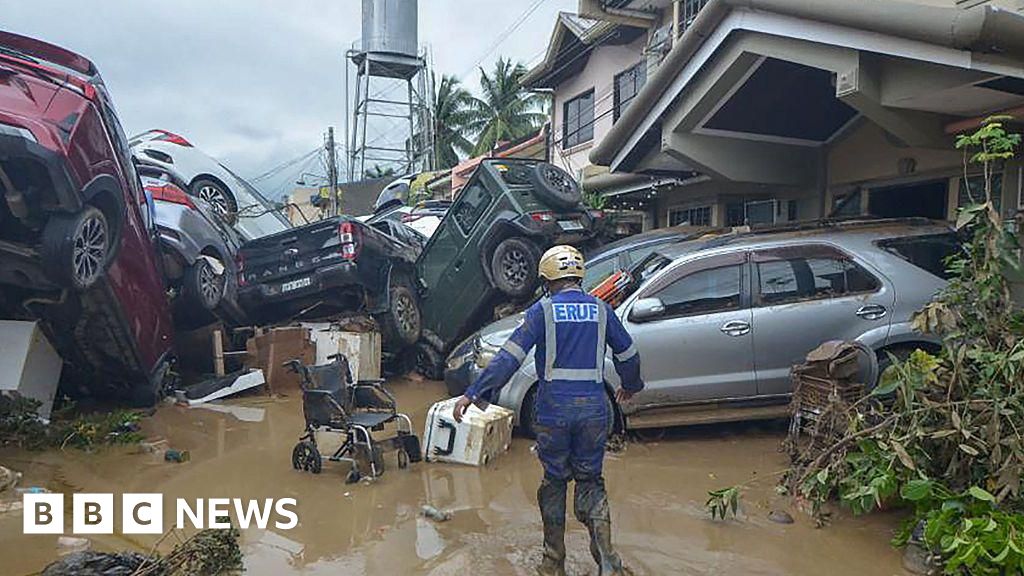
The recent onslaught of Typhoon Kalmaegi (locally named Typhoon Tino) has delivered a harrowing reminder of nature’s relentless power, devastating the central Philippines with widespread flooding, numerous fatalities, and displaced communities. With at least 26 confirmed deaths and hundreds of thousands fleeing their homes, this storm underscores the vulnerability of nations in the Pacific basin, especially amid a rising climate crisis. While the immediate tragedy is palpable, the event also spotlights the broader geopolitical and societal repercussions for a country already strained by repeated natural calamities.

Analysts and environmental historians warn that the frequency and intensity of such storms are likely to increase due to climate change, which disproportionately affects developing nations like the Philippines. The storm’s impact on Cebu—an economic and cultural hub—has been catastrophic, with entire towns submerged and infrastructure shredded by floodwaters. Rescue efforts reveal a strained system, with boats navigating muddy waters and aid temporarily halted as a military helicopter crashed, tragically killing all six crew members onboard. The incident emphasizes the *urgency* of enhancing disaster preparedness and resilience in Southeast Asian nations facing the dual challenges of climate change and geopolitical instability.

Human Cost and Political Response

  • Most fatalities resulted from drowning, as floodwaters surged through towns, washing away buildings and normalcy.
  • Relief operations faced setbacks, with helicopter crashes and communication failures revealing gaps in emergency management.
  • Local leaders, such as Cebu’s governor, described the situation as *unprecedented*, highlighting the water’s devastating role — not merely the wind.

In this context, international organizations like the United Nations and Asian Development Bank have called for increased aid and comprehensive climate adaptation strategies. However, critics argue that *corruption and inadequate infrastructure* hamper effective response and recovery. The months leading to this disaster saw protests over substandard flood control measures, exemplifying how *poor governance* exacerbates human suffering. As the Philippines remains besieged by a relentless succession of typhoons—Super Typhoon Ragasa (Nando) and Typhoon Bualoi (Opong)—it exemplifies what many global analysts call a *”climate-vulnerable society at the mercy of nature’s fury.”*”

Global Geopolitical Ramifications and Future Outlook

This relentless string of natural disasters has broader geopolitical implications. Southeast Asia, an increasingly strategic region, faces the challenge of balancing sovereignty with external aid and influence. Some nations, including the United States and China, have stepped up humanitarian assistance, yet critics contend that dependence on foreign aid can undermine national sovereignty and threaten regional stability. Former geopolitical analyst Matthew Thompson warns that prolonged disasters could distract \ the Philippines from asserting a stronger regional role, while also questioning whether local governments are prepared for the *next* inevitable crisis.

As the Philippines mourns and rebuilds, the world must recognize the *deeper significance* of these ongoing natural tragedies. They are not merely acts of weather but a profound *test of resilience* and governance. The unfolding saga of Typhoon Kalmaegi, amid mounting climate concerns and geopolitical shifts, leaves humanity confronting an uncertain future where the line between natural cataclysm and human failure grows ever thinner. This chapter in history, still unwritten, charges the international community to rethink its priorities before the next wave hits—with consequences that could shape the very fabric of societies for generations to come.


Dar es Salaam curfew lifted as unrest subsides—peace returns for the youth

Post-Election Turmoil in Tanzania: A Nation at a Crossroads

In a dramatic turn of events, Tanzania finds itself teetering on the edge of political chaos following its recent presidential election, which has been marred by allegations of violence, suppression, and international concern. President Samia Suluhu Hassan was sworn in amidst widespread unrest after securing an overwhelming 98% of the vote—an outcome questioned by regional observers and opposition leaders alike. The election, initially heralded as a step in Tanzania’s political evolution, has instead exposed underlying tensions that threaten to undermine the country’s hard-won stability.

As violence erupted in Dar es Salaam and other urban centers, the government responded with force, deploying lethal measures that international organizations—such as The United Nations and Human Rights Watch—have condemned as excessive. Reports from hospitals and diplomatic sources indicate that at least hundreds of individuals have been killed in days of clashes, with credible evidence suggesting the disappearance of bodies, arbitrary detentions, and the use of unidentified vehicles to remove casualties. This brutal response has cast a dark shadow over what was once considered one of Africa’s bastions of stability, raising questions about how far Tanzania is willing to go to safeguard its political power.

International reactions have been swift, with the Southern African Development Community (Sadc) issuing a preliminary report criticizing the election process for falling short of democratic standards. The exclusion of leading opposition figures—Tundu Lissu, detained on treason charges, and Luhaga Mpina, rejected on technical grounds—has further delegitimized the poll, fueling fears of authoritarian overreach. Historians like Professor Alex Mbeki warn that such developments could have broader geopolitical impacts, destabilizing the entire East African region and emboldening similar authoritarian tendencies elsewhere.

Meanwhile, ordinary Tanzanians bear the scars of this violence, with families devastated by loss and uncertainty. Stories of missing relatives and alleged police brutality have become common, as survivors recount harrowing accounts of chaos and repression. The government’s efforts to downplay the scale of unrest—blaming foreign nationals and dismissing reports of casualties—fail to conceal the depth of societal fracture now plaguing the nation. Historian and political analyst Dr. James Irie cautions that such suppression could sow seeds of long-term societal disillusionment, jeopardizing Tanzania’s trajectory towards democratic resilience. As the international community watches with concern, the weight of history hangs heavily, hinting that these tragic events may either become a dark chapter or a catalyst for deeper national reform.

With Tanzania facing an uncertain future, the choices made in the coming weeks will determine whether this country of 60 million will succumb to authoritarian decay or forge a path toward reconciliation and justice. As the echoes of gunfire fade into the night, the spirits of the fallen and the hopes of a nation’s youth remain a stark reminder that history is perpetually in the making—its course uncertain, yet undeniably consequential.

Youth voices demand change for ‘embarrassing’ Prince Andrew road names in Maidenhead

In a world increasingly scrutinizing traditional symbols of power and history, local disputes such as those unfolding in Maidenhead over streets named after Prince Andrew exemplify the palpable tension between legacy and societal values. Once regarded as innocuous commemorations, street names have become focal points of controversy, reflecting broader trends of re-evaluating historical figures and their associations. These small but poignant disputes are emblematic of a wider, global wave of social accountability that challenges entrenched establishments worldwide.

As King Charles moves to officially strip Prince Andrew of his titles following allegations linked to Jeffrey Epstein, the repercussions underline a crucial shift in the British monarchy’s public image and legitimacy. The decision to initiate a formal process to revoke the disgraced prince’s honors and to abandon his residence signal more than mere internal royal restructuring; they showcase a nation grappling with accountability and the need to redefine its moral compass amidst rising call-outs of historic misconduct. Internationally, the ripple effects resonate as other nations observe Britain’s handling of its colonial—and in this case, familial—legacy, examining their own historical narratives for potential reassessment.

  • According to international legal experts, such as Harvard Law Professor Alan Dershowitz, this type of public accountability framework in Britain reflects a broader trend where societal pressure influences legal and political recalibrations. Likewise, historians note that the monarchy’s shift mirrors a parallel phenomenon where societies are confronting difficult pasts, questioning earlier symbols of authority, and pushing for significant institutional reforms.
  • Meanwhile, international organizations like Amnesty International and other human rights groups continue to press governments worldwide to face uncomfortable truths about their histories, often using street renamings and symbolic acts as catalysts for deeper societal change.

In this context, the controversy over street names in Maidenhead underscores how local decisions become microcosms of larger geopolitical debates. The residents’ concerns about the association of their addresses with controversial figures reveal a collective desire to distance society from outdated symbols that no longer reflect contemporary values. It is a vivid example of society’s ongoing struggle—highlighted by political analysts like Dr. Elizabeth Holmes—between preserving history and forging a new moral narrative. Such debates, embedded in communities, often foreshadow shifts in national discourse and policy that can ripple outward.

As history continues to be written, the struggle to confront and reinterpret the past remains fraught with challenges. The decisions made today—whether it involves renaming streets or re-evaluating venerable institutions—carry profound geopolitical significance. They shape the moral fabric of societies and influence the global balance of power, testing whether nations can reconcile their histories with evolving standards of justice and accountability. The ongoing saga of Prince Andrew and streets in Maidenhead may seem localized, but they are woven into the broader narrative of a world where history’s weight remains in flux, urging humanity to consider whether the course set by past leaders is truly aligned with the future they aspire to build. The pages of history turn relentlessly, never forgiving, always compelling, as every decision tomorrow’s leaders make will echo through the corridors of eternity, shaping the course of nations in a turbulent, ever-changing world.

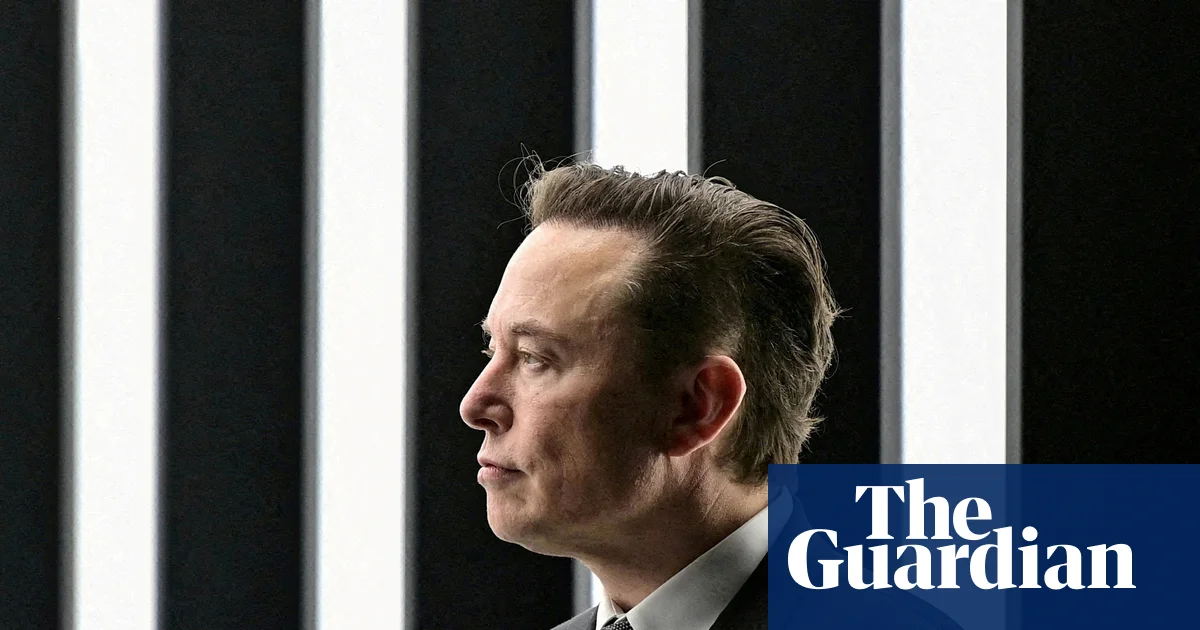
Huge Norway Fund Likely to Reject Elon Musk’s $1tn Tesla Pay Deal

In a decisive move that underscores the power struggle between global investors and corporate executives, Norway’s iconic sovereign wealth fund, the largest in the world, has announced its intent to vote against a staggering $1 trillion pay package proposed for Elon Musk, the visionary CEO of Tesla. This stance highlights a crucial shift in the international outlook on executive compensation and the moral questions surrounding excessive wealth accumulation at the expense of societal responsibility. While acknowledging Musk’s innovative role in transforming the electric vehicle industry, the fund’s administrators expressed concerns over the size and structure of the proposed incentive scheme, citing issues like dilution of shares and lack of adequate risk mitigation.

The geopolitical impact of this development resonates beyond corporate boardrooms. As one of the most influential national funds, Norway’s move sends a clear message: control of the narrative over corporate governance is gaining momentum among international investors. This decision comes at a time when pension funds and public institutions across multiple nations are increasingly scrutinizing the relationship between executive pay and shareholder value. Notably, groups like the American Federation of Teachers and the California Public Employees’ Retirement System have openly opposed Musk’s compensation, signaling a broadening public debate about wealth disparity — a cause for concern in many societies still grappling with economic inequality.

Adding complexity to this high-stakes saga is the personal dynamic between Tangen, the Norwegian fund’s CEO, and Musk. A recent controversy erupted when a private text exchange, uncovered through a freedom of information request, revealed Musk’s pointed remarks about reciprocity and friendship. Musk reportedly told Tangen: “When I ask you for a favour which I very rarely do, and you decline, then you should not ask me for one until you’ve done something above nothing to make amends.” This exchange exemplifies the clash of personalities and the undercurrents of influence that often lie beneath such monumental financial and strategic decisions. It also underscores the growing influence of internationally coordinated efforts to shape the legislative and cultural landscape surrounding global corporations.

The world is watching as the vote on Musk’s proposed incentive structure approaches this Thursday, and the implications reach far beyond the tech sector. If approved, Musk’s estimated net worth could soar beyond $2 trillion, making him potentially the world’s first trillionaire — a figure that exemplifies the staggering concentration of wealth among Silicon Valley elites. Conversely, a rejection by this influential fund would be a significant blow to Musk’s quest for extraordinary rewards, emphasizing that even the most innovative entrepreneurs cannot operate outside the grip of public and institutional oversight. As renowned analysts and global institutions warn of an era where economic disparity threatens social cohesion and geopolitical stability, these decisions are more than mere corporate governance; they are a mirror of our times, reflecting the growing demand for accountability and fairness.

Ultimately, history may well record this period as a pivotal chapter in the battle for economic justice and the shaping of the 21st century’s geopolitical order. As nations and societies watch the unfolding drama of power, wealth, and influence, they are left contemplating the legacy they wish to leave behind — one of innovation driven by ethical responsibility, or a future overshadowed by the shadows of greed and unchecked ambition.

US Elections 2025 Kickoff: Youth Vote at the Forefront as Americans Head to the Polls in Key States

International Eyes on United States as Crucial Elections Reshape Global Power Dynamics

Across the world, political analysts and international observers are keenly tracking the U.S. elections taking place on November 4, 2025. These elections are more than national affairs; they are a testament to the internal strife and shifting allegiances within America, a country whose decisions reverberate through every continent. Close attention is paid to how the results could influence geopolitical stability, alliances, and global economic trends. Leading voices in international diplomacy warn that the outcome may redefine America’s role on the world stage, especially amid mounting tensions with rival superpowers and fragile regional hotspots.

Renowned historians and policy analysts, such as Dr. Amanda Liu of the International Security Council, emphasize that this election could mark a decisive turn toward either renewed American interventionism or a retreat into isolationism—choices that will inevitably shape international relations. As the U.S. grapples with high-stakes local elections in New York City, New Jersey, Virginia, and California, the implications extend far beyond domestic borders. Reports suggest that global powers are already calibrating their diplomatic strategies based on potential shifts in American foreign policy, particularly when it comes to trade, military commitments, and climate change agreements.

  • In California, voters could reshuffle congressional maps, effectively tilting the balance of power, to counteract gerrymandered districts that favor Republicans.
  • The volcanic political contest in New York City sees a democratic socialist, Zohran Mamdani, poised for victory over the ex-governor Andrew Cuomo, a development that could propel left-wing policies onto a broad urban platform with repercussions for national policy debates.
  • High-stakes gubernatorial elections in Virginia and New Jersey are perceived as a barometer for voters’ confidence in President Biden, potentially influencing the trajectory of the current administration’s foreign initiatives.

International organizations, including the United Nations, have issued cautious statements, urging the U.S. to uphold democratic norms regardless of the outcome. Yet, many seasoned analysts warn that the political instability and increased polarization threaten the very fabric of American diplomacy. The geopolitical landscape could face turbulence, especially if the electoral results catalyze an era of heightened partisan contention—an example, critics argue, of how internal divisions undermine America’s credibility and strategic partnerships worldwide.

This unfolding chapter is not lost on Russia, China, and other global rivals who tirelessly monitor American politics for signs of weakness or resurgence. Their diplomats and intelligence agencies interpret every vote as a potential shift in the balance of global power, preparing for recalibrations of their own foreign policies in anticipation of the coming administration. As Russian foreign policy analysts note, “The stability of the U.S. political system remains a cornerstone of world order; any cracks could be exploited by adversaries.”

As history continues to unfold, the outcome of these elections may set in motion a cascade of events—some predictable, others unforeseen. While the world watches with bated breath, the very fabric of global diplomacy awaits a new chapter—where decision-makers in capitals from Brussels to Beijing grapple with the echoes of a nation at a crossroads. Will the tide turn toward renewed American assertiveness or a cautious withdrawal? Only time will tell, but the burden of history presses ever heavier with each ballot cast in the shadow of the future of world order.

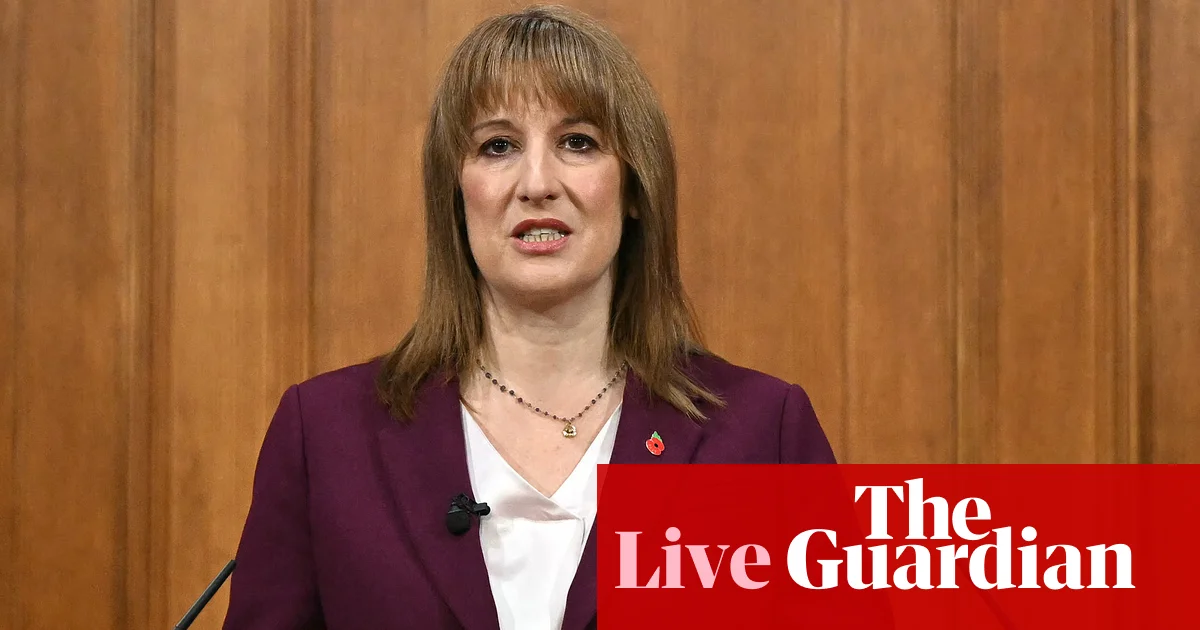
Reeves Blames Years of Economic Mismanagement as UK Prepares for Tax Hikes

Turning Point in Western Power Dynamics: The UK’s Reckoning and Its Global Ripples

In a climate of mounting geopolitical tension, Britain is standing at a crossroads marked by profound economic and political reckoning. Recent statements by Rachel Reeves, the UK’s Chancellor, reveal a nation grappling with the legacy of years of economic mismanagement—a crucial factor shaping its international posture. As Reeves signals forthcoming tax hikes and potential breaches of long-standing promises, analysts and international organizations are watching closely, recognizing that what happens within the confines of Westminster could shift the balance of global influence.

The core of this transformation lies in the deepening economic crisis, which current and former authorities have attributed to decades of neglect and miscalculated policies. According to reports from the Resolution Foundation, a prominent think tank, the UK’s public finances will require austerity measures amounting to £31 billion, with tax rises expected to be a cornerstone. Such fiscal tightening, coinciding with ongoing global uncertainties, threatens to weaken Britain’s already fragile post-Brexit economy, with potential reverberations across European markets and the transatlantic alliance. Historians like Niall Ferguson warn that these fiscal policies, if mishandled, could usher in a new era of decline for Britain’s global standing, akin to the economic crises of the 1970s.

Furthermore, in the context of international security, Reeves’ acknowledgment of increased defense spending signals that the UK remains committed to its traditional role as a global security partner, despite internal challenges. However, this dual emphasis on fiscal austerity and strategic strength remains a delicate balancing act. America’s NATO allies are expected to reassess their commitments, especially as the US pivots toward the Indo-Pacific and faces its internal political upheavals. The UK’s decision to prioritize defense spending amidst economic turbulence underscores a broader geopolitical calculus: maintaining influence on the world stage while facing internal economic headwinds.

Adding to the geopolitical complexity is the looming threat of economic contagion—a contagion that international bodies like the International Monetary Fund warn could spiral into a broader crisis if fiscal discipline falters or if market confidence erodes further. The UK’s internal political trajectory also influences prospects for cooperation or conflict with European Union partners, especially as domestic promises for social welfare reforms clash with the austerity signals from Reeves’ upcoming budget—a potential breach of electoral commitments that could fuel social unrest and destabilize regional stability.

The unfolding narrative stands as a stark reminder: within the corridors of Westminster, decisive policies are not just local issues—they are the measures by which the global economy and security order are calibrated. As history continues to write itself, no one knows whether Britain’s leaders will forge a resilient path of recovery or succumb to the tide of decline. With each move, the weight of history presses heavier, shaping a future that is still unsettled and uncertain, amid the loud echoes of a nation caught in the relentless tide of change.

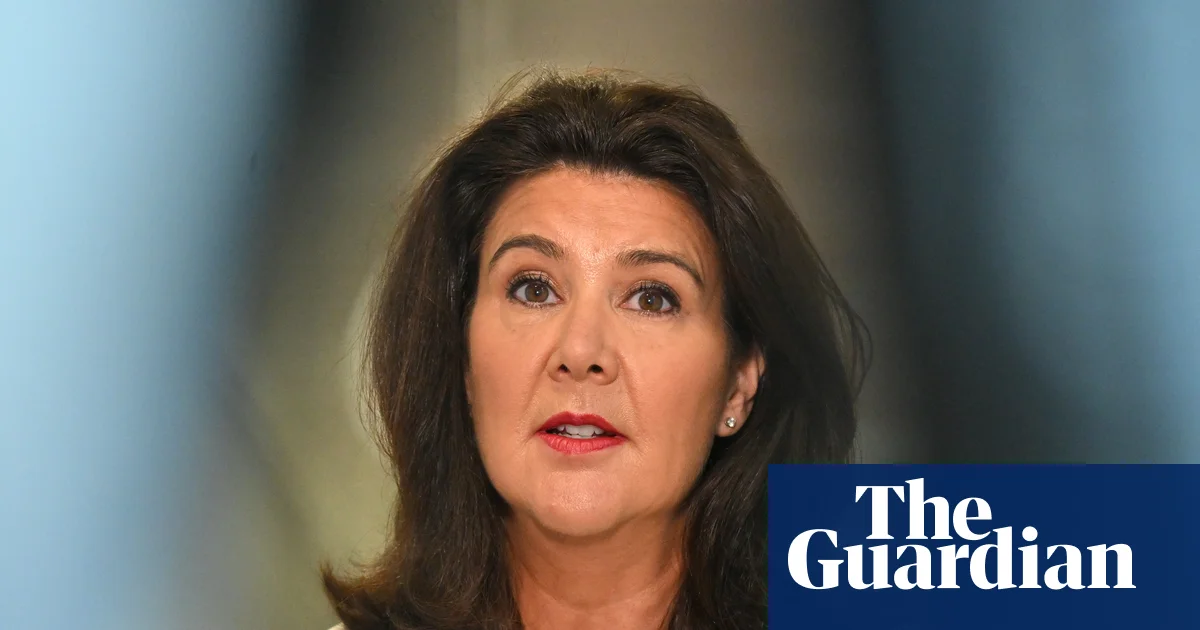
Liberal MPs fight to save net zero amid fears of city electoral wipeout | Liberal Party

Australia’s Internal Climate Dilemma Sparks Global Concerns

The political landscape of Australia is currently embroiled in a fierce debate that carries substantial geopolitical impact. The country’s liberal factions are divided over the core issue of maintaining a commitment to net zero emissions, a move seen by many as pivotal to Australia’s international standing and climate obligations. On one side, conservative forces rooted in the Liberal and National parties are considering abandoning their previous pledge to reach net zero by 2050 — a target enshrined under the Paris climate agreement. On the other, moderate voices and climate advocates warn that such a retreat would not only damage Australia’s reputation but also threaten its strategic alliances and economic stability, especially within the Asia-Pacific region.

Internal Politics as a Microcosm of Global Climate Strategy

The ongoing debate reflects a broader turning point for Australia, a nation historically cautious about aggressive climate policies—yet increasingly pressured by global expectations, scientific evidence, and the rising influence of international organizations. Senator Andrew McLachlan has voiced concerns about the ramifications of abandoning the pledge, warning that “if we retreat from achieving net zero, we will pay dearly in city electorates. Our reputation as a nation that keeps its promises will be diminished, and our Pacific friends will be betrayed.” These sentiments underscore the how decisions made in Canberra ripple across regional stability and global perceptions. Moreover, foreign analysts and historians note that Australia’s willingness to adhere to or forsake its commitments could serve as a litmus test for international trust and diplomatic credibility in an era where climate policy is increasingly intertwined with national security.

Impact on Society and International Relations

  • Recent polls suggest that a significant segment of the Australian population and their elected representatives view the net zero pledge as essential, citing the potential consequences of “doing a U-turn,” including economic repercussions and diminished international influence.
  • In contrast, the ruling party’s internal factions consider a strategic reprieve, contemplating a delayed or modified timeline for reaching their climate goals—an approach that risks violating the Paris agreement’s stipulation not to regress on previous commitments.
  • World leaders and international organizations, such as the United Nations and the IPCC, have repeatedly emphasized the critical importance of adherence to scientifically-backed targets, framing Australia’s debate as emblematic of the global challenge in balancing economic growth with environmental stewardship.

As Prime Minister Sussan Ley faces mounting pressure to align her party’s stance, a decisive policy is looming — one that could either solidify Australia’s leadership role in climate action or underpin a dangerous retreat into isolationism and economic shortsightedness. The prospect of a break with the Paris climate accord hangs in the balance, with implications for perhaps the most vulnerable nations in the Pacific and beyond, which look to Australia as a regional leader.

The outcome of this internal political struggle will inevitably shape the narrative of Australia’s future — whether it aligns with the global effort to mitigate catastrophic climate change or succumbs to internal divisions and short-term political gains. As history continues to unfold, it remains uncertain whether this pivotal moment will be remembered as a turning point towards principled leadership or a cautionary tale of a nation’s retreat from its global responsibilities. The weight of the choice made today will be etched into the chronicles of history, influencing generations and the integrity of international commitments for years to come.

Oscar-nominated actress Dianne Ladd, proud mother of Laura Dern, passes away at 89

Global Geopolitical Impact: A Reflection on the Passing of Diane Ladd

The recent passing of Diane Ladd, a treasured icon of Hollywood and a symbol of artistic resilience, marks not only the end of an illustrious career but also prompts reflection on cultural influence and societal values worldwide. As a three-time Academy Award nominee renowned for her roles on stage and screen, Ladd’s legacy underscores the profound role of arts and entertainment in shaping national identity and international perceptions. Her career trajectory, spanning decades, exemplifies how individual talents contribute to a country’s soft power, influencing global culture and the perception of societal values.

In the realm of international diplomacy and cultural exchange, figures like Ladd serve as cultural ambassadors, fostering mutual understanding through shared narratives and artistic expression. Her collaborations and appearances in films that often explored complex human stories resonated beyond borders, reinforcing the global language of cinema. These narratives, embraced worldwide, shape international discourse on empathy, social justice, and human rights. Analysts from institutions like the United Nations Educational, Scientific and Cultural Organization (UNESCO) have long emphasized the importance of arts in diplomatic relations, with figures like Ladd embodying this vital link. As historians highlight, cultural diplomacy remains one of the most enduring strategies for peaceful engagement among nations, making her life’s work a subtle but impactful form of international influence.

Meanwhile, the personal tragedies faced by Ladd—such as the loss of her infant daughter—echo across societal lines, reminding societies worldwide of the universality of grief and resilience. Her daughter, Laura Dern, publicly shared that her final moments were spent surrounded by family, underscoring the human dimensions behind public figures and how personal stories often intertwine with national narratives. Such personal histories serve as poignant warnings, emphasizing that even in the brightest lights of fame, personal struggles persist, and societal attention to mental health and family well-being remains critical. >The loss of her granddaughter and her own reflections during interviews serve as somber reminders of life’s fragility and the enduring human capacity to overcome adversity.

Looking forward, the legacy of cultural icons like Diane Ladd will continue to influence how societies perceive history and progress. As international analysts and cultural scholars debate the evolution of media and its role in shaping future generations, her artistry exemplifies the enduring power of storytelling to forge a collective identity. The importance of nurturing cultural talents is a message that echoes across global institutions, emphasizing that today’s arts and entertainment sector is integral to shaping a worldview rooted in resilience and hope. Yet, as history unfolds, the world remains a stage where triumph and tragedy intermingle, leaving an indelible mark on the fabric of global society. In this ongoing narrative, the lessons of the past serve as the foundation for a future still being written, with the weight of history urging nations and peoples alike to remember that their stories, like hers, are part of a wider, unfolding mosaic of human experience.

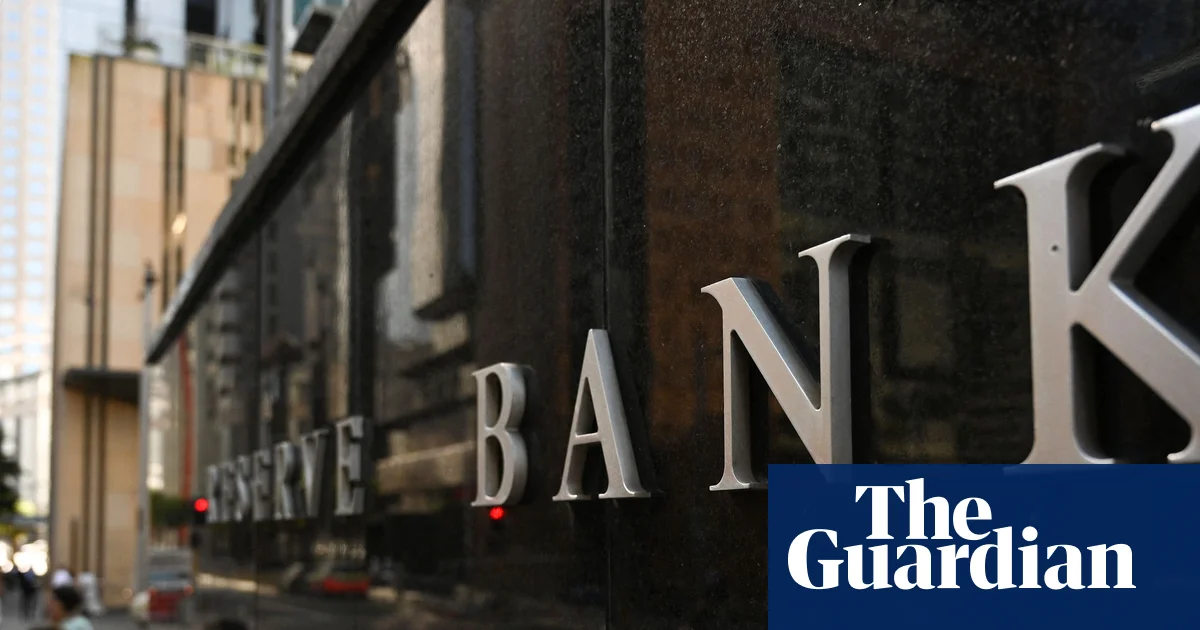
RBA keeps rates steady at 3.6% amid unexpected inflation surge

Global Economic Tensions Rise as Australia Faces Inflation Shock

The recent decision by the Reserve Bank of Australia (RBA) to hold interest rates steady at 3.6% has sent ripples through international markets, highlighting the fragile state of global economic stability. While the monetary policy board’s decision was widely anticipated, the underlying causes—particularly a surprising surge in inflation—offer a stark warning about the complexities faced by national economies in the aftermath of aggressive rate cuts earlier this year. As the RBA maintains its cautious stance amidst rising core inflation, the geopolitical landscape is increasingly influenced by such economic shifts, where the decisions of a single nation can ripple across continents, affecting trade, investment, and geopolitical alliances.

Australia’s Inflation Surge: A Turning Point in Domestic Policy

  • Core inflation in Australia rose to 3% in September, reaching the upper limit of the RBA’s preferred range, signaling an unexpected acceleration not seen since 2022.
  • The headline unemployment rate also increased unexpectedly to 4.5%, amid rising electricity prices—up 9% in a quarter as government energy rebates expired—casting doubt on the sustainability of the nation’s recovery.
  • This inflation spike, coupled with sluggish employment growth, underscores a potential shift in Australia‘s economic trajectory, challenging policymakers’ earlier assurances that rate cuts would support job creation.

According to leading analysts and economists, this unexpected data underscores the uncertainty that now clouds the Australian economy. International institutions, such as the International Monetary Fund (IMF), have warned that persistent inflation can lead to stagflationary scenarios, complicating central banks’ efforts to balance growth with price stability. The RBA’s cautious pause in rate hikes, despite market expectations for further cuts, exemplifies the delicate geopolitical dance of managing internal economic pressures while avoiding escalation into broader regional or international instability.

Global Impact of Regional Policy Decisions

The repercussions of Australia’s economic challenges extend beyond its borders. Investors worldwide are watching closely, especially with financial markets scaling back bets on further rate cuts in the coming months. This shift could influence currency valuations and trade dynamics across the Indo-Pacific and beyond. For instance, rising interest rates in Australia may strengthen the Australian dollar but could simultaneously hinder export competitiveness, affecting regional supply chains and investment flows. Such developments underscore how internal policy shifts are critically intertwined with the broader international political landscape.

Moreover, some analysts warn that the inflation surprise serves as a stark reminder of how national economic stability can influence geopolitical strength. Countries that manage inflation effectively are seen as more resilient and capable of asserting influence in international forums. Conversely, nations burdened by economic turbulence risk weakening alliances and inviting geopolitical opportunism from rivals. The U.S., China, and the European Union are all closely observing these shifts, recognizing that a fragile Australia could be exploited by strategic adversaries or destabilize regional peace.

Concluding Reflections: The Weight of History on the Horizon

As Australia grapples with an inflationary headwind that threatens to undermine its economic recovery, the broader implications for international stability remain profound. Decisions made within the corridors of Canberra resonate through global markets and diplomatic corridors alike. This quiet yet intense conflict between economic growth and inflation is not merely a domestic issue but a chapter in the unfolding narrative of global power struggles and economic resilience. The world watches, knowing that history’s next great turning point may lie just around the corner—when a nation’s economic decision becomes a catalyst for a new era of geopolitical realignment. In the shadows of mounting inflation and shifting alliances, the fabric of international order is being woven anew, with each nation’s fate forever intertwined in the ledger of history.

Worker rescued amid collapse of historic Roman tower

Emergency Response in Rome: A Medieval Tower Collapse and Its Geopolitical Implications

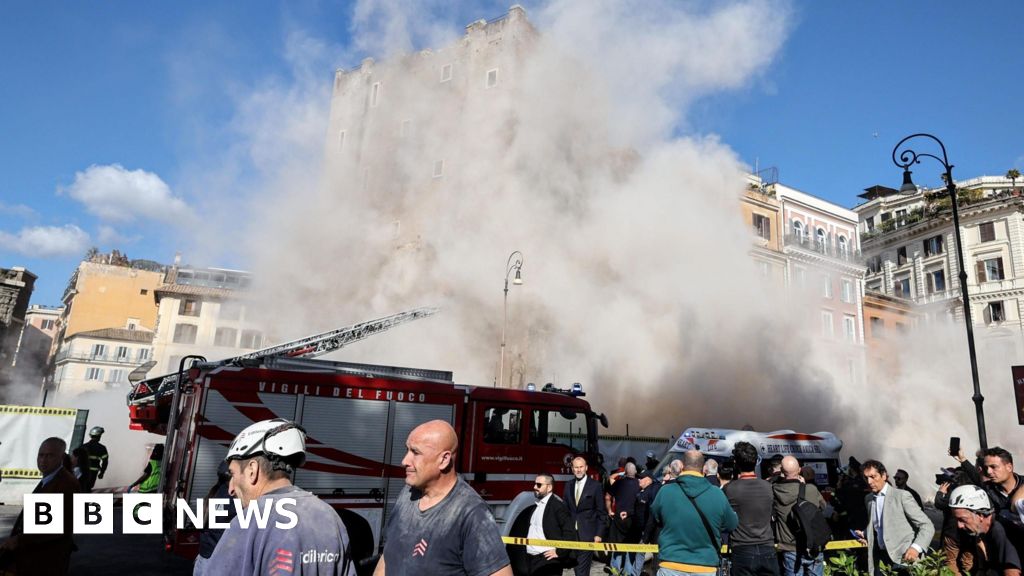
In a dramatic turn of events that has captured global attention, a section of the Torre dei Conti, a medieval tower nestled in the heart of Rome, abruptly collapsed, trapping workers beneath its ruins. The incident underscores the ongoing challenges faced by aging historical structures across Europe, and raises questions about the effectiveness of heritage conservation policies, especially amid increasing urban pressures and resource constraints. The affected worker, reportedly from Romania, was rescued after a harrowing rescue operation lasting more than twelve hours, highlighting both the resilience of local emergency services and the delicate balance between preserving historical infrastructure and managing modern safety standards.

The collapse came during ongoing conservation work on the tower—a structure that has stood since the 13th century and was originally built by Pope Innocent III as a residence for his brother. Although closed to the public for many years, the incident reveals the latent risks lurking in neglected or poorly maintained monuments, posing a significant threat to both workers and the local community. The European Union, which has poured billions into heritage preservation, now faces increased scrutiny from international analysts and historians who warn that aging infrastructure in historic cities might be a ticking time bomb, especially as climate change and urban development accelerate deterioration.

International organizations, including UNESCO, have long emphasized the importance of comprehensive conservation strategies in historic zones. Yet, incidents like the Torre dei Conti collapse serve as stark reminders of the vulnerabilities associated with neglect and aging structures—vulnerabilities that can have dire consequences for societal safety and cultural heritage. As the Italian government launches an investigation into the incident, critics argue that this tragedy could have been mitigated with more proactive inspection and maintenance. Meanwhile, local authorities, including Rome’s mayor Roberto Gualtieri, and national leaders, emphasize the resilience and dedication of emergency responders, who navigated the complex, hazardous rescue environment, often under threat of further collapse. The incident is not merely a local tragedy but also a poignant example of how interconnected history, safety, and geopolitics are, especially in a city where history’s weight continues to influence modern policy.

Broader Geopolitical Impact of Heritage Site Preservation

The incident in Rome amplifies the ongoing debate over heritage management across Europe and beyond. Countries with rich histories such as Italy, France, and Greece are grappling with budget cuts and policy shifts that threaten the stability of their ancient monuments. International analysts warn that neglect of such sites could undermine tourism—a vital economic sector—and diminish cultural identity. The European Union, under its European Cultural Heritage Action Plan, has pledged funding and expertise to safeguard these treasures, but critics argue that implementation remains inconsistent. To some, this event underscores a broader geopolitical concern: failing to protect shared cultural legacies risks eroding the very fabric of European identity, which is now intertwined with the resilience of its historical structures.

Experts such as Dr. Marco Rossi, a historian specializing in medieval architecture, warn that the collapse foreshadows a potential crisis that extends beyond Italy’s borders. As climate change accelerates deterioration through increased humidity, temperature fluctuations, and pollution, the feasible future of Europe’s ancient landmarks depends on concerted international action. The incident raises alarms for policymakers—how do nations prioritize heritage amid other pressing needs? And further, how does international cooperation shape the future of our shared cultural assets in a geopolitical landscape rife with rising nationalism and economic competition?

The rescue effort, still ongoing in the shadow of recent incidents, ultimately leaves us contemplating the profound impact of decisions made today. As officials work tirelessly to ensure the safety of those involved, the shadows of history stretch long—reminding the world that the fabric of history is fragile and that its preservation is a collective obligation. The unfolding story of the Torre dei Conti is a stark chapter in a longer narrative—one where the lessons of yesterday hinge upon the actions we take today and in the years ahead. The weight of history presses heavily on this moment, as the world watches and wonders: how many more monuments must falter before the tide of neglect is stemmed?”

Social Media Auto Publish Powered By : XYZScripts.com