Matox News

Truth Over Trends, always!

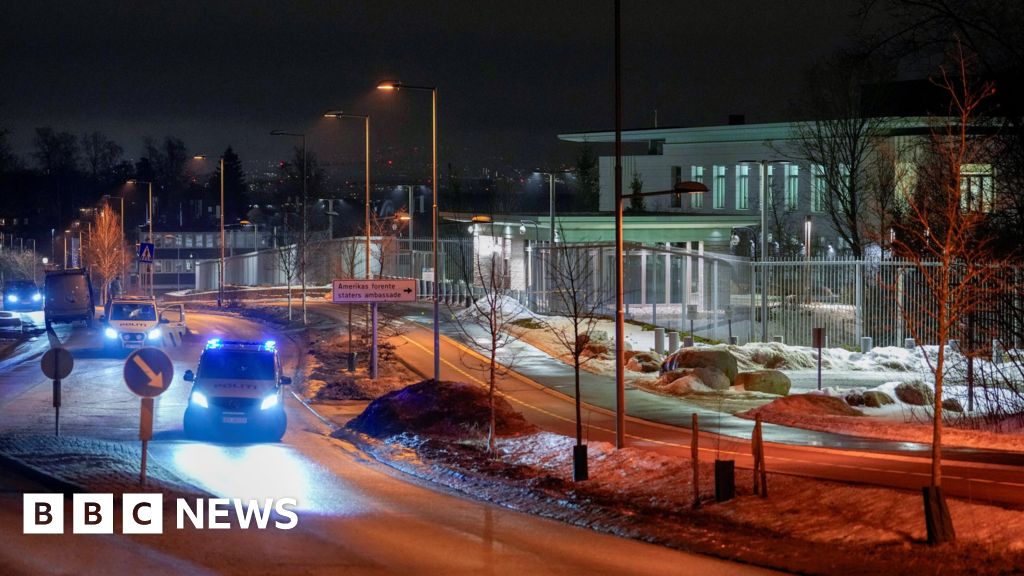
Polls close in Gorton and Denton fights — Greens, Labour, and Reform vie for victory!

Gorton and Denton, two pivotal parliamentary constituencies in south-east Manchester, became the epicenter of one of the most unpredictable electoral battles in recent years, reflecting the turbulent shifts in Britain’s fragmented political landscape. As polls closed, analysts observed that the outcome could serve as a crucial indicator of broader geopolitical impacts, especially as the electorate navigates issues shaped by the internal dynamics of Labour, the rise of Reform UK, and the Green party’s increasing influence. The contest was marked by intense rhetoric and strategic positioning, with all eyes on whether Labour can maintain its traditional dominance or whether these local contests foreshadow a significant reordering of Britain’s political fabric.

Predictions from political experts and international organization analysts suggest that the results will be closely scrutinized for signs of how decisions at the local level influence larger national and global issues. Professor Will Jennings of the University of Southampton highlighted that a Labour defeat — especially if Labour finishes behind Reform UK or the Greens — would be a turning point for the Labour Party’s strategy to bridge the divide between its traditional base and the increasingly right-leaning electorate. Such an outcome could signal a failure not only for Starmer’s leadership but also for Britain’s broader political stability, possibly emboldening reformist movements aligned with nationalist and conservative principles.

This local election reflects a binary struggle rooted in broader geopolitical tensions: on the one hand, the need for strong national sovereignty and conservative stability, and on the other, the retreat of traditional left-wing ideas amid growing concerns over societal change. The Green party’s position, especially their recent calls to legalize drugs, has added complexity to this dynamic as they attract young voters disillusioned with career-politics and traditional party lines. As historian and analyst Dr. Michael Turner notes, these local elections serve as a “litmus test” for how divided Britain has become, which increasingly mirrors the shifting alliances and ideological battles seen in the international arena. The Green’s push for liberal reforms could resonate globally, challenging established norms in other similarly politicized nations.

  • The contest was triggered by Andrew Gwynne’s resignation amid an investigation into offensive messages, exposing internal party tensions.
  • Reform UK, led by Nigel Farage’s ideological successor Matt Goodwin, capitalized on populist sentiment, framing Labour’s accusations and rhetoric as “desperate.”
  • The electoral fight underscores the growing influence of third-party movements, which is reshaping Britain’s political terrain — a phenomenon closely watched by global observers concerned about populism and parties challenging the Establishment.

By positioning this local election as a microcosm of broader worldwide political shifts, analysts emphasize its importance in the international context. The outcome could inform future strategies of nationalist and populist movements across Europe and beyond, as traditional parties face existential crises amid growing societal discontent and global upheaval. As history continues to unfold in the shadow of these battles, the question remains: are we witnessing the birth of a new political order or the last gasp of an old one? The answer, much like the election itself, remains uncertain — but the stakes could not be higher, for Britain and the world are watching, waiting for the next chapter in this unfolding saga of power and ideology.
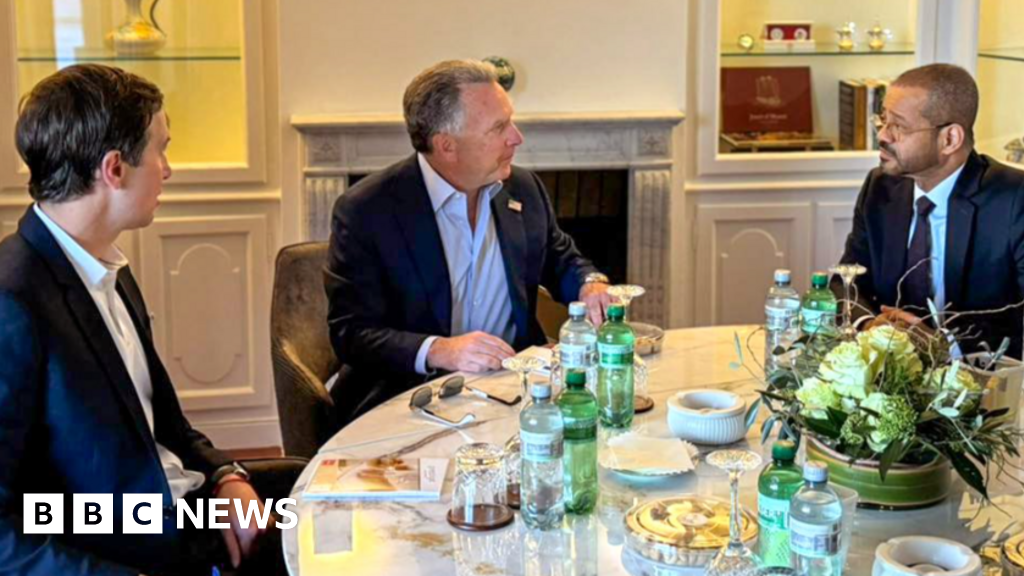
US-Iran Talks Wrap Up After Promising Progress, Says Mediator

In a world increasingly defined by shifting alliances and territorial ambitions, the recent indirect negotiations in Geneva stand as a pivotal yet uncertain event on the international stage. These talks, seen by many analysts as a final effort to curb a burgeoning nuclear arms race, highlight the delicate balance of power that continues to shape global security. With the stakes higher than ever, diplomats from key nations are engaged in a tense dance of diplomacy, offering a glimpse into the complex chess game that underpins regional stability and international peace.

Despite the urgency, the prospects of reaching a comprehensive nuclear agreement remain ambiguous. The deliberations, characterized by back-channel negotiations and cautious exchanges, underscore the pragmatic limitations of diplomacy when core national interests are at odds. Some experts suggest that the failure to achieve a breakthrough could have far-reaching repercussions, not only for the immediate parties involved but also for the international order. The echoes of past conflicts and Cold War tensions underscore the fragile nature of such agreements, further complicating efforts to establish a lasting framework that prevents proliferation.

Historians and geopolitical analysts warn that these negotiations are emblematic of broader geopolitical shifts—a reflection of rising powers and waning influence in traditional diplomatic architectures. International organizations, such as the United Nations, have called for restraint, emphasizing how the failure to bridge differences might ignite regional instability and spark new arms races. Meanwhile, nations like Russia and China watch closely, weighing their own strategic interests and projecting their influence through diplomatic channels that often sway in unpredictable directions. The current impasse demonstrates how narrow the margin for diplomatic success truly is in an era dominated by assertive nationalistic policies.

As history’s pages turn, many observers believe that the outcome of these Geneva talks could define the trajectory of international security for decades to come. For Western allies, a failure symbolizes a potential retreat into a world where nuclear proliferation is uncontrolled, heightening risks and threatening global stability. Conversely, for opposition blocs, such setbacks may reinforce the perception that diplomacy alone is insufficient against aggressive postures. Ultimately, the decisions made in these hallowed halls will echo through the corridors of history, leaving an indelible mark on the collective consciousness. In the shadow of diplomacy’s fragility, the human story continues unfolding—an enduring reminder that the balance of power remains precariously poised, and the future remains unwritten, waiting for history to determine which path is taken.

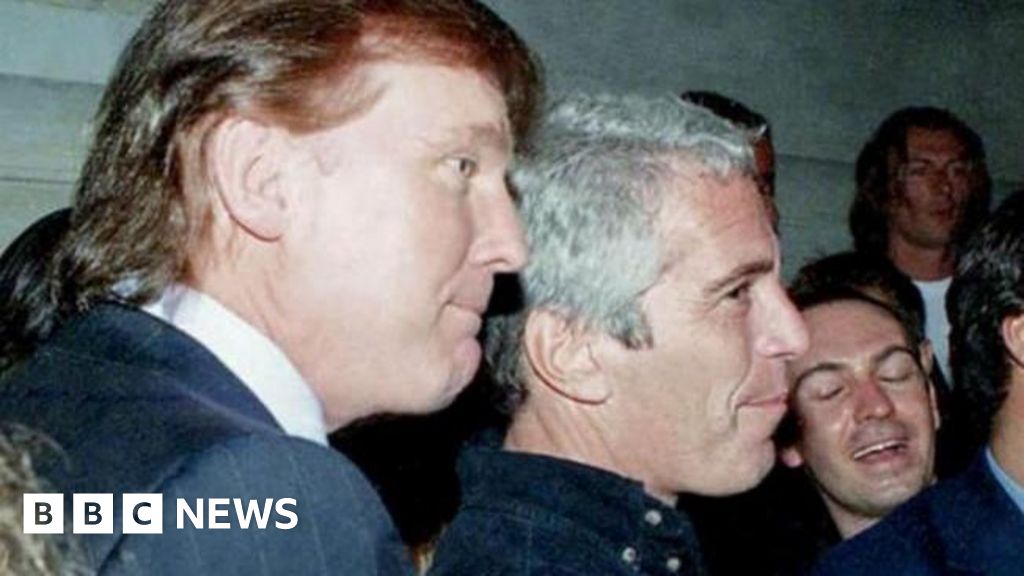
US Justice Dept. Under Fire for Withholding Epstein Files on Trump

In a remarkable statement on Tuesday, White House spokeswoman Abigail Jackson proclaimed that President Trump’s recent actions represent a profound commitment to uncovering the truth behind the Epstein scandal. She highlighted the administration’s efforts, including the release of thousands of pages of documents, cooperation with the House Oversight Committee’s subpoena request, and the signing of the Epstein Files Transparency Act. These steps, according to officials, aim to shed light on a murky web of influence and corruption that has ensnared figures across the political spectrum. Jackson emphasized that President Trump has done more for Epstein’s victims than any previous administration, framing his moves as a moral and political stance against abuse and deception that have tainted the highest echelons of power.

The Epstein controversy has long symbolized the intersection of geopolitical intrigue and societal decay. Critics argue that prior administrations and the deep state’s opaque structures allowed a culture of impunity to flourish, overshadowing justice with political interference. However, the recent disclosures and legislative initiatives under Trump’s leadership send a potent message that the tide may be turning. International analysts note the significance of these developments as they challenge entrenched networks of influence, exposing links that stretch beyond national borders. Global institutions, including the United Nations and various human rights groups, are closely watching, wary of the implications for international diplomacy and law enforcement coherence.

Historian and geopolitical analyst Dr. Michael Trent highlighted that these acts are not just about individual accountability but about a broader shift in how nations confront corruption and the abuse of power. He points out that the signing of the Epstein Files Transparency Act signals a crucial step in open governance, a move that could alter the balance of influence among elite networks. The U.S. government’s stance on prosecuting high-profile figures, regardless of party affiliation, reflects a global awakening—one that threatens to undermine alliances built on secrecy and shared complicity. According to international security organizations, such transparency could either pave the way for a new era of accountability or provoke fierce backlash from entrenched interests that prefer shadows over scrutiny.

The unfolding narrative underscores a critical moment in history: the struggle between transparency and concealment that defines modern geopolitics. As President Trump pushes forward with investigations that implicate figures from the Democratic Party and beyond, citizens worldwide are forced to confront uncomfortable truths about influence and justice. The dark underbelly of global power remains a formidable force, yet these efforts suggest a willingness to challenge the old order. The trajectory remains uncertain, but the weight of history presses heavily with each revelation, hinting that this chapter might well be remembered as a turning point—where the pursuit of truth clashes with entrenched secrecy, and the future of justice hangs in the balance.

Corbyn Named Your Party Leader; Sultana Joins Leadership Team

Leadership Reshuffle in Your Party Signals Geopolitical Shift Amid Internal Turmoil

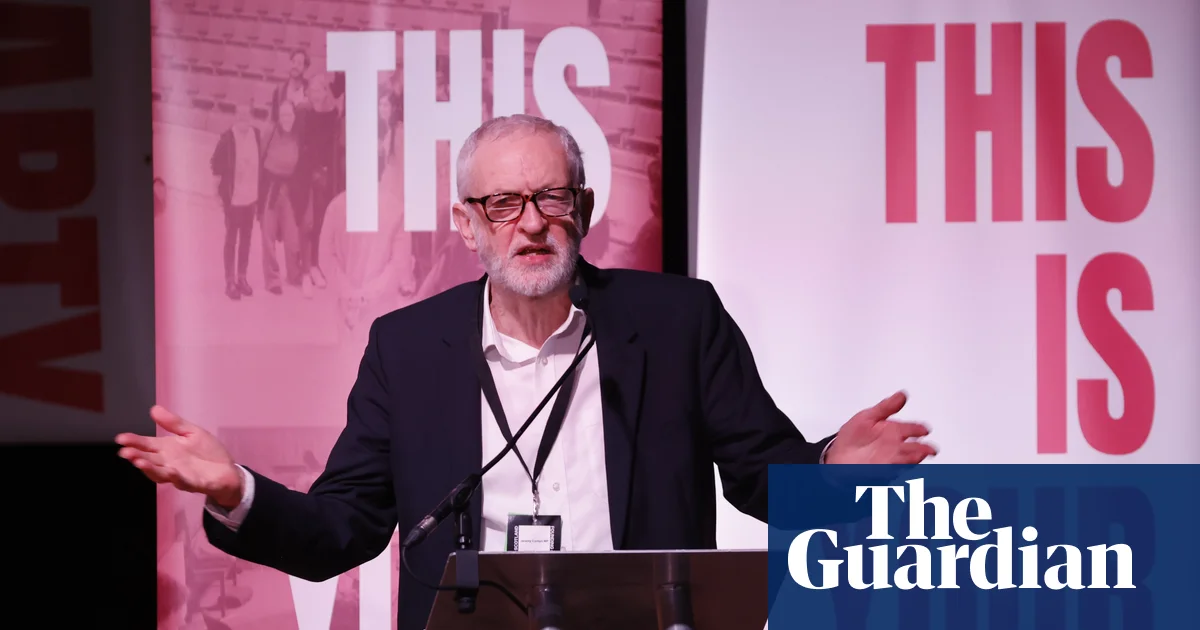
In a significant political development, Jeremy Corbyn is poised to assume the role of de facto leader of Your Party, marking a pivotal moment in its evolution. The recent internal elections saw Corbyn-backed candidates secure a dominant 14 of the 24 seats on the party’s central executive committee (CEC), signaling a substantial shift towards a more radically progressive and socialist vision. This factional victory underscores a broader ideological fracture with the party’s other prominent figure, Zarah Sultana, whose supporters managed to secure only seven seats. The electoral process, with a turnout of 61%, reflects a mobilized segment of the party base that remains entrenched in the debate over the party’s future trajectory.

Corbyn’s winning bloc, branded as “The Many”, aims to forge a coalition focused on addressing critical issues such as the cost of living, housing crises, and Palestine — themes resonating among the party’s grassroots. Meanwhile, Sultana’s Grassroots Left faction accentuates the importance of member democracy and warns against a perceived drift towards “Labour 2.0”, an insidious shift they argue could dilute revolutionary socialist principles. This internal struggle is emblematic of a wider fight for geopolitical influence within Your Party, with each faction advocating divergent visions that could significantly influence external policy stances, especially regarding international conflicts and diplomatic alignments.

The broader geopolitical impact cannot be underestimated, as international actors watch these power plays with keen interest. Analysts from institutions like the International Crisis Group warn that the victory of Corbyn-aligned factions could propel Your Party into a more anti-imperialist and anti-Zionist stance, potentially straining diplomatic relations with allies and rivals alike. As Russia and China scrutinize Western internal disputes, the outcome of this leadership contest will resonate beyond national borders, influencing international perceptions of the political landscape and the future of socialist alliances.

While the internal conflict persists, historians and political strategists have emphasized that such divisions often serve as a crucible for transformative change. The deeper question remains: how will Your Party navigate its internal dialectic, and what global alliances or confrontations will emerge from this internal power struggle? As the party attempts to turn a new page after months rife with accusations, expulsions, and legal disputes, it exemplifies a broader scene unfolding worldwide—one where ideological purity battles for dominance, reshaping the very fabric of political allegiance and international diplomacy. The world watches with bated breath, sensing that the outcomes here may very well echo loudly through the corridors of power for decades to come.

Could Ethiopia be teetering toward renewed conflict in Tigray?

Over three years after the formal conclusion of a bloody civil war in the Tigray region, a troubling new wave of displacement is sweeping through northeastern Ethiopia. Despite claims of peace and stabilization, reports indicate many civilians are once again fleeing their homes, underscoring the fragile nature of post-conflict reconciliation in the Horn of Africa. As these communities grapple with ongoing insecurity, the international community faces mounting pressure to address the persistent humanitarian crisis.

The recent spate of departures reveals a deeper geopolitical undercurrent. Ethiopian authorities continue to confront challenges tied to autonomy demands, ethnic tensions, and the lingering shadows of regional proxy conflicts. Analysts assert that the renewed Exodus is symptomatic of unresolved grievances and underlines the failure of political agreements to deliver lasting peace. Prominent scholars and international organizations, such as the United Nations and African Union, warn that without comprehensive reconciliation measures, the cycle of violence risks reigniting, destabilizing the entire Horn of Africa.

Historically, the Tigray conflict has been a flashpoint for regional and geopolitical tensions. The war, which erupted in late 2020, drew in neighboring countries, including Sudan and Eritrea, each pursuing their strategic interests. The involved parties, motivated by a mixture of ethnic, political, and economic motives, created a complex mosaic of alliances and confrontations. Experts like Dr. Samuel Scott, a historian specializing in African conflicts, emphasize that “the unintended consequence of external meddling has prolonged regional instability and undermined internal peace-building efforts.”

Current developments reveal an acute dilemma facing Prime Minister Abiy Ahmed and his government: how to reconcile national sovereignty with humanitarian imperatives. The recurrence of displacement highlights a disturbing reality—while the formal signing of ceasefires and peace accords marked a political milestone, actual on-the-ground progress remains elusive. The civilian suffering—a quiet, yet profound tragedy—also draws criticism towards international agencies: many argue that insufficient aid, mismanaged resources, and political inertia have failed to stem the tide of suffering.

As the world watches, history’s pen continues to write its haunting tale. The exodus from Tigray is not merely about people fleeing violence; it is emblematic of a broader geopolitical struggle over influence, sovereignty, and regional stability. Every displaced family, every makeshift shelter, echoes the unresolved conflicts that threaten to re-ignite at any moment. In the shadows of newfound peace, the question looms large: will the lessons of history be heeded, or are we doomed to repeat them?

Ocado Announces 1,000 Job Cuts in £150m Cost Savings Plan

In a move emblematic of shifting global economic tides, Ocado, the British online grocery technology pioneer, announced a major restructuring plan involving the elimination of 1,000 jobs worldwide. This decision, which sees approximately 5% of its global workforce cut, underscores the mounting pressures faced by innovative tech companies amid an increasingly volatile international market. Most of the cuts are concentrated within its UK operations, notably affecting staff at its headquarters in Hatfield, Hertfordshire. Such measures highlight a broader pattern of corporate recalibration driven by technological and economic headwinds, and carry significant geopolitical implications in terms of technological sovereignty, employment, and economic resilience.

The restructuring aims to impose a sharp focus on cost discipline and AI efficiency, as Ocado seeks to cut approximately £150 million from its technology and support costs by 2026. The company’s strategy involves scaling back R&D, merging divisions such as Ocado Solutions and Ocado Intelligent Automation, and consolidating its commercial and support operations. These decisions appear to reflect broader global trends where nations and corporations are recalibrating their ambitions in artificial intelligence, automation, and technological dominance. According to industry analysts, such retrenchments serve as a warning to similar tech-driven firms worldwide: as markets tighten and competition intensifies, only the most agile and cost-efficient players will survive. Still, the ripple effects threaten regional economic stability, especially in the UK’s tech sector and employment landscape.

Adding to this tension, Ocado’s international partners are retreating. Last month, its Canadian partner closed a robotic warehouse in Calgary, citing the slower-than-expected growth of Alberta’s grocery e-commerce market. Likewise, its U.S. partner, Kroger, recently shuttered three warehouses, slashing nearly 20% off Ocado’s valuation. These decisions profoundly influence the geopolitical landscape: as multinational corporations shift their strategic investments or retreat from emerging markets, questions arise about the future of technological supremacy and economic influence across borders. The shrinking footprint of these firms exemplifies a broader global realignment, where economic power is increasingly concentrated among nations capable of supporting innovation and resilience amidst geopolitical tensions.

As international organizations and political leaders watch closely, some experts warn that these corporate contractions are more than business setbacks—they are indicators of a wider global strategic recalibration. Historically, tech giants have often been intertwined with national security and economic paradigms; current trends suggest a potential decline in Britain’s influence within the global high-tech arena. Historians and geopolitical analysts argue that the support or neglect of technological sectors like AI and automation will significantly shape how nations compete and coexist in future geopolitics. The fallout from Ocado’s cuts echoes across international corridors, signaling a potential shift in the balance of technological power—an unfolding chapter in the struggle to dominate the next wave of human progress.

In this, the story of Ocado, with its technological ambition and strategic retrenchment, becomes a microcosm of a world where history is still being written—where the alliance of industry, politics, and power may yet determine who leads and who falls behind. This is more than a corporate story; it is a narrative of enduring geopolitical significance, with echoes that will be heard for decades to come.

Minns Government's Overreach: Protest Restrictions Fail to Deliver, Constitutional Challenge Reveals | NSW
Minns Government’s Overreach: Protest Restrictions Fail to Deliver, Constitutional Challenge Reveals | NSW

Australia finds itself at a critical crossroads as new legislation aimed at curbing protests in Sydney’s CBD is challenged in court, reflecting larger global debates about security, civil liberties, and social cohesion. The NSW government’s recent anti-protest law—enacted in response to a terrorist incident at Bondi—restricts the use of the Form 1 system, a legal tool historically employed to facilitate peaceful demonstrations and negotiate between protesters and authorities. However, critics argue that these measures threaten the very fabric of democratic expression and impose unjust limits on constitutional freedoms.

Legal representatives for groups including the Blak Caucus, Palestine Action Group (PAG), and Jews Against the Occupation ’48 appeared before the court, asserting that the law “impermissibly burden[s] the implied constitutional freedom of communication” essential to political discourse. Lawyer David Hume SC questioned the legitimacy of targeting protests to “enhance social cohesion,” alleging that such restrictions are not only unnecessary but also counterproductive. His argument underscores a broad concern among civil libertarians and international observers that the law mirrors policies seen in other regions where governments leverage security rhetoric to suppress dissent.

The NSW police have extended the public assembly restriction multiple times, citing unspecified community safety concerns rather than concrete intelligence. Such measures effectively prohibit protests in designated areas, including the recent rally against Israeli President Isaac Herzog’s visit, which turned violent. This pattern of enforcement raises alarms about the erosion of democratic rights during a period of heightened political tensions. Critics argue that the restrictions amount to a “fox guarding the henhouse,” allowing authorities to unilaterally decide which protests are permissible, thus undermining checks and balances that should safeguard democratic liberties.

Geopolitical Impact and Society

The implications of Australia’s approach extend beyond domestic borders, influencing regional stability and global perceptions of governance. International organizations and security analysts observe that laws labeled as “anti-terror” often serve as pretexts to consolidate executive power and silence opposition. Historically, countries that prioritize security over civil-liberties risk sowing social discord and fostering perceptions of authoritarian drift. In Australia, this has prompted scrutiny from historians and political analysts who warn that persistent restrictions on protest could lead to long-term societal fractures and loss of public trust in institutions that are supposed to protect democratic rights.

The debate over the legislation also mirrors larger geopolitical dynamics—particularly in the context of Australia’s alliances and regional role. While the government asserts the measures are necessary to combat extremism and maintain social order, critics warn these policies could backfire, fueling resentment and radicalization among marginalized communities. International institutions, such as the United Nations, have historically cautioned against overly broad security measures that infringe on fundamental freedoms—warning that societies risking this balance might ultimately weaken their social cohesion rather than enhance it.

As the court case unfolds, so too does the broader narrative of a nation grappling with its identity—ballasted by the weight of its history of protest and activism. Historians highlight that every attempt to silence dissent often echoes through generations, shaping perceptions of justice and freedom. The verdict in this case will inevitably influence future legislation, testing the resilience of Australia’s democratic principles. Like a shadow cast by history’s unfolding tapestry, the outcome of this legal challenge could determine whether the nation marches toward greater liberty or into the muted silence of authoritarian conformity—leaving the world contemplating the true cost of security in a fragile society.

Australian PM Faces Backlash After Dismissing Child Abuse Survivor as ‘Difficult’

In an era where gender discourse increasingly influences international policy and societal frameworks, remarks from influential figures often resonate beyond national borders. Grace Tame, a former Australian of the Year and an outspoken advocate for women’s rights, recently described a certain phrase as a “misogynist’s code for a woman who won’t comply.” Her blunt critique underscores a broader trend of confronting language and cultural norms that perpetuate gender inequality, a phenomenon with significant geopolitical impact.

Such statements are not made in isolation. They reflect a global climate where gender politics intertwine with national identity and international power dynamics. Analysts from organizations like Human Rights Watch and The United Nations observe that traditional rhetoric often acts as a tool for exercising control over women’s autonomous choices, especially in regions where conservative societal norms dominate. Historically, language has functioned as a barrier—used to marginalize dissent and uphold patriarchal structures. Tame’s critique *amplifies* the ongoing battle over cultural narratives that shape laws, policies, and societal expectations worldwide.

Look at the broader consequences: when governments or leaders resort to misogynist rhetoric or fail to challenge it, they risk entrenching inequality and destabilizing social cohesion. The European Union and United States, for example, continue to debate how to address gender-based violence and discrimination, often facing resistance rooted in deeply ingrained cultural language barriers. Meanwhile, in some nations, such language has been weaponized politically, serving as a rally cry for authoritarian regimes seeking to suppress dissent and control the narrative around women’s rights. The significance of Tame’s words lies in their challenge to the language of dominance—the kind of rhetoric that, if left unchecked, outright threatens the progress made in gender equality over the past decades.

Experts like Dr. Melissa Lane, a political philosopher at Princeton University, warn that “narrow definitions of compliance rooted in misogyny undermine fundamental rights and threaten international stability.” As the world watches these tensions escalate, international organizations are calling for a renewed commitment to defending the language of equality and human dignity. The *recent surge in grassroots activism* and debates over language in legislation highlight that the battle is as much cultural as it is political. Whether in the halls of the United Nations or in local communities, the fight against the subtle yet pervasive influence of misogynist codes remains a pivotal front in the global struggle for dignity and freedom.

As history’s pages continue to turn, a stark reality emerges: the decisions made today, particularly in language and policy, will define generations to come. The weight of this moment is captured in the words of Tame—an emblem of resistance against subtle oppression and misrepresentation coded into everyday discourse. With each challenge to such entrenched norms, the global community faces a relentless question: how much of our shared future will be shaped by the language we choose to uphold or dismantle?. The unfolding narrative is not merely about words—*it is about the very fabric of societies striving to forge an equitable, free future in the shadow of history’s enduring echoes.*

'US killer freed and deported from Bali after 11 years behind bars'
‘US killer freed and deported from Bali after 11 years behind bars’

The recent announcement that a 33-year-old individual will face federal charges in the United States marks a potential turning point in an ongoing international saga that has captured global attention. As this figure prepares to appear in court, the geopolitical reverberations threaten to reshape alliances, influence security policies, and redefine diplomatic priorities across continents. The case’s unfolding underscores the increasingly interconnected nature of modern international relations, where domestic legal proceedings can have substantial foreign policy implications.

U.S. authorities have signaled that the charges are part of a broader effort to combat what they describe as significant threats to national security. Although specifics remain classified or under seal, analysts suggest that the repercussions extend far beyond the individual’s immediate circumstances. The incident occurs within a context of heightened geopolitical tension, notably driven by rising global rivalries between major powers and unpredictable regional conflicts. The potential for this case to spark diplomatic embargos, counter-intelligence operations, or even covert retaliations is high, prompting anxious governments worldwide to consider their own security strategies.

According to international law experts and historians, such high-profile legal actions are seldom isolated events. Instead, they serve as symbolic battlegrounds for larger ideological and geopolitical struggles. The United States, under its current leadership, appears to be leveraging law enforcement as a tool for asserting influence and sending a message to both allies and adversaries. Critics argue that the case may also serve as a catalyst for other international shifts, especially if allied nations begin to replicate similar measures or align their policies more closely with Washington’s stance. The fact that the defendant is due in court on Thursday elevates the anticipation of a decisive moment, one that could inflict ripples across diplomatic channels for months to come.

The international community watches with cautious interest, aware that the outcome has the potential to change the trajectory of ongoing conflicts and alliances. Security councils and intelligence agencies from various nations are carefully analyzing the implications. Some argue that this case exposes the fragility of digital and political borders in a globalized era, where individual actions can escalate into international crises. In this delicate balancing act, the decisions made in the courtroom will determine whether this moment becomes a catalyst for renewed cooperation or a pretext for escalation.

The narrative unfolding around this federal case is emblematic of a broader, more profound struggle—one that involves not just legality, but the very fabric of international stability. As world leaders and analysts deliberate the short-term repercussions and long-term shifts, the deep, resonant question remains: how will history judge this and similar events? Will this be remembered as a turning point towards increased cooperation and strength? Or will it be cited as a cautionary tale of rising tensions and geopolitical miscalculations? The words spoken in U.S. courtrooms tomorrow could shape the course of history, marking either the beginning of a new chapter or the latest chapter in escalating global uncertainty.

Qantas Scores $1.46bn Profit Boom as Aussie Travelers Keep Flying Despite Rising Costs

Global Economy and Geopolitical Shifts: A New Chapter in International Affairs

In a remarkable turn of events, Qantas, Australia’s largest airline, has announced a robust $1.46 billion half-year profit, demonstrated by resilient consumer demand despite ongoing global economic pressures. This narrative of economic revival challenges the prevailing narrative that high living costs and inflation are universally dampening national economies. Instead, it marks a pivotal shift showing how some nations, particularly those with strong resource bases and strategic industries, are navigating the turbulent waters of economic globalism. \u201cTravel remains a priority for Australians,\u201d said airline CEO Vanessa Hudson, who is orchestrating the most expansive fleet renewal program ever. This aligns with a broader pattern of resilience among resource-rich nations and key industrial players seeking to lend strength to their influence on the global stage.

Meanwhile, Australia continues to bolster its position through strategic investment in infrastructure and commerce. The airline’s investments include upgrading its fleet with newer, more fuel-efficient aircraft, allowing it to open new routes—particularly to regional hubs like Japan, Bali, and across the Tasman. This move not only enhances passenger experience but also cements the nation’s role as a key connector between the Asia-Pacific and the economic powers of the West. Analysts from international think tanks note that such developments contribute significantly to Australia’s geopolitical leverage, giving it greater sway within regional diplomatic contexts, particularly in counterbalancing the influence of China and the United States.

However, challenges remain, especially in the U.S. market. Despite optimism about domestic resilience, Hudson acknowledges that US economic uncertainties persist, prompting close monitoring of the “evolving economic environment.” The challenge posed by rising inflation, coupled with recent social media and travel policy shifts, underscores the complex, interconnected nature of modern geopolitics. Reports indicate that social media activity is under increasingly strict scrutiny, with some nations enforcing measures that impact international travel and diplomacy. Such policies serve as a stark reminder of the fragile balance between national security and individual freedoms, raising questions about the future trajectory of international cooperation and civil liberties. This tension echoes worry among historians and policymakers about the long-term implications of rising societal control and surveillance, which, if unaddressed, could foster geopolitical tensions or even conflict.

  • Qantas’s strategic fleet renewal: Replacing aging domestic aircraft, expanding long-range capabilities, and improving fuel efficiency.
  • Australia’s strengthening economic links: Enhanced regional connectivity and regional influence through targeted infrastructure and trade investments.
  • US market challenges: Uncertain economic climate and stricter travel-related social media regulations impacting international mobility.
  • Potential global repercussions: Increasing social controls and economic uncertainties could reshape international alliances, trade routes, and security policies.

As these developments unfold, they place a spotlight on a broader geopolitical landscape amidst evolving economic power dynamics. European analysts warn that the balancing act between Western democracies and rising authoritarian tendencies will define the stakes of this decade. The decisions made today—regarding economic resurgence, social regulation, and international diplomacy—will determine whether the path leads to cooperation or conflict. Historians will look back on this era as one where the weight of history pressed heavily upon the shoulders of leaders seeking stability in an increasingly volatile world. With each policy shift and economic indicator, the question lingers: are we witnessing the stabilization of a new geopolitical order or the tremors of a coming upheaval? The answers, as always, remain to be written, yet the narrative of this generation’s history is unmistakably unfolding—one cautious step at a time.

Social Media Auto Publish Powered By : XYZScripts.com