Matox News

Truth Over Trends, always!

Rio Police Raid Leaves Over 130 Dead: A Tough Stand Against Crime

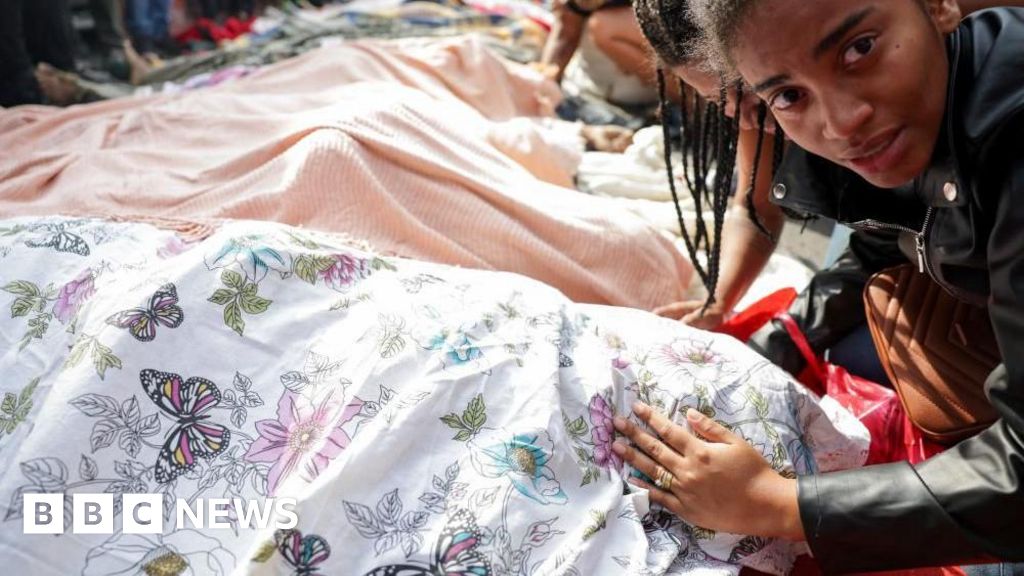
The recent police operation in Rio de Janeiro has sent shockwaves not only across Brazil but across the global geopolitical stage. In a raid that resulted in the deaths of at least 132 civilians, authorities targeted the notorious gangs that dominate the city’s favelas, revealing a complex and violent struggle for control that extends well beyond local law enforcement. The operation, which involved meticulous planning and high-profile arrests, underscores a broader challenge faced by Latin America: the persistent, deeply rooted problem of narco-terrorism. As international observers and human rights organizations voice their concerns, the incident highlights how the fight against organized crime here is intertwined with national sovereignty and international security.

Adding fuel to the fire, global agencies like the United Nations Human Rights Office issued statements condemning the scale of violence, describing the operation as “horrifying” and a stark reminder of the brutal realities facing many urban centers entrenched in the war on drugs. The police claimed that gang members utilized modern drones to drop explosives, exemplifying the evolving nature of organized crime in a digital age. Rio’s governor, Cláudio Castro, framed the operation as a strategic move against what he characterized as narco-terrorism, emphasizing that the police had been thorough in planning, aiming to decimate the Red Command—a powerful cartel that has recently regained territory from rivals like the First Capital Command (PCC). However, critics argue that such heavy-handed tactics risk escalating violence and undermining civil liberties, raising questions about the right balance between security and human rights within Brazil’s democratic framework.

Many analysts, including historians and crime experts, view this event as a key inflection point for Brazil’s internal security politics. Rafael Soares, a prominent journalist covering organized crime, suggests that the operation is also a strategic move on behalf of the state to make a political statement ahead of upcoming elections. He points out that fierce territorial disputes between rival gangs in Rio have become increasingly violent, fostering a climate of lawlessness that prompts major cities worldwide to scrutinize their own approaches to urban crime. These tensions are compounded by environmental and social concerns, as the operation comes just before the city hosts the C40 World Mayors Summit and the Earthshot Prize—events that symbolize global efforts for sustainable urban development. Thus, the outcome of this police actions has the potential to influence international perceptions of Brazil’s future stability and the credibility of its leadership on the world stage.

As the dust begins to settle, the world must confront the stark truth: the struggle for control in Rio de Janeiro is a microcosm of broader geopolitical conflicts—one where power, influence, and resources are fiercely contested in the shadows of justice. This relentless cycle of violence and intervention leaves history’s gaze fixed on a city caught between chaos and order, its fate hanging in the balance. With the international community watching, the question remains not just about the fate of the gangs or the city’s residents, but about the moral and strategic dilemmas facing governments fighting to preserve sovereignty amidst the chaos of the 21st century. The battle for Rio’s soul continues, and history’s ink is yet to fully write its final chapter.
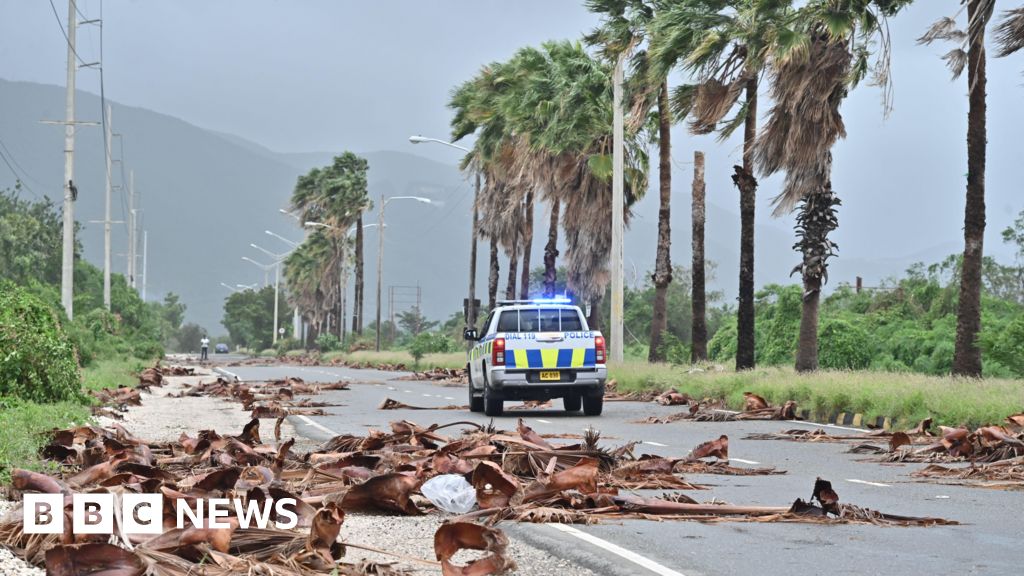
Jamaica Left in Dark and Devastated After Hurricane Melissa〉

The Catastrophic Wake of Hurricane Melissa: A Turning Point for Jamaica and Global Responses

The recent devastation wrought by Hurricane Melissa has cast a stark light on the vulnerabilities of Caribbean nations amidst accelerating climate change. With sustained winds peaking at a formidable 298 km/h (185 mph), it surpasses the intensity of some of history’s most devastating storms, including Hurricane Katrina. As this cyclone tore across Jamaica, it left behind scenes reminiscent of apocalyptic movies—homes destroyed, floodwaters engulfing entire communities, and local infrastructure all but obliterated. Governments and international organizations are now confronting an urgent question: how will nations like Jamaica recover and adapt to an increasingly hostile climate?

The immediate geopolitical impact of such a natural disaster extends beyond national borders, highlighting the importance of international cooperation. Despite Jamaica’s efforts, the island’s infrastructure—its hospitals, roads, and power grids—has been deeply compromised. Prime Minister Andrew Holness issued a declaration of a disaster area amidst widespread destruction, warning of “significant damage” and the peril of lost lives. In response, international aid agencies and neighboring nations are mobilizing resources, but the scale of devastation underscores a global challenge: climate change-driven storms are becoming more intense and unpredictable, affecting vulnerable nations and challenging traditional disaster response frameworks.

Historians and climate analysts warn that the rapid strengthening of Hurricane Melissa—a category five storm at its peak—reflects broader trends associated with climate change, notably the abnormally warm Caribbean waters providing fuel for storms to escalate swiftly. Some experts argue this pattern is a harbinger of more frequent and severe hurricanes in the future, forcing nations to rethink their infrastructural resilience and emergency preparedness. Meanwhile, international economists and development experts note that Jamaica’s economy, heavily reliant on tourism and agriculture, faces a bleak near-term outlook. The destruction of crops in St Elizabeth, known as the “breadbasket,” and the damage to Montego Bay’s tourism infrastructure could set back the island’s economic recovery years if adequate international support and policies are not swiftly enacted.

Beyond immediate relief efforts, this catastrophe exposes the broader geopolitical importance of climate resilience. Countries are increasingly expected to shoulder responsibility—both individually and collectively—to mitigate environmental impacts and protect their populations. Global institutions such as the United Nations are sounding alarms about the cascading consequences of neglecting climate adaptation, from rising sea levels to displacement and economic instability. The situation in Jamaica underscores how decisions made today—whether in the form of international treaties or national climate policies—will profoundly shape the societal fabric of future generations. As the storm’s aftermath continues to unfold, it marks yet another chapter in a mounting narrative: that of a fragile world grappling with the realities of an increasingly volatile climate.

As history continues to write itself, the true test lies ahead. Will nations muster the collective will to confront climate change head-on, or will they be left to face the relentless fury of nature unprepared? The answer, now more than ever, remains a question of global resolve—the weight of history pressing down as the skies clear over Jamaica, leaving the world to ponder whether this catastrophe will serve as a warning or a call to action. One thing is certain: the storm has passed, but the battle for resilience and stability is only just beginning.

Romania Reports US Troop Pullback on NATO’s Eastern Front

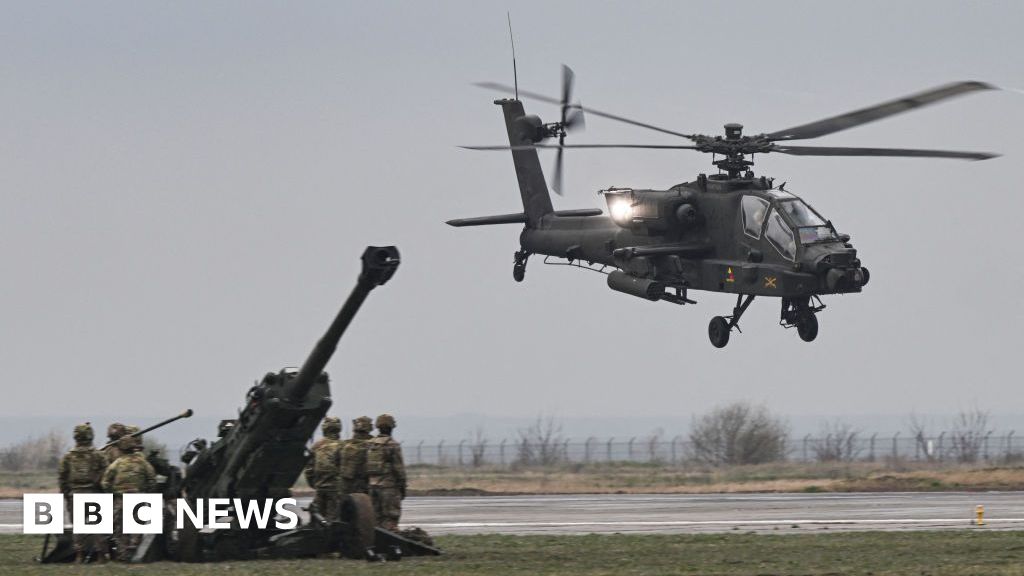
The recent announcement from Romania’s defence ministry that the United States plans to reduce its troop presence on NATO’s eastern flank marks a significant turning point in the unfolding chess game of geopolitics. Around 900 to 1,000 American troops will remain stationed in Romania—down from the previous 1,700—reflecting a strategic realignment under the Biden administration’s evolving priorities. Officially, this move is portrayed as a routine “resizing” that does not diminish the US commitment to NATO or to Article 5 of the alliance, which underscores mutual defense. Yet, amidst reassurance from Pentagon officials, international analysts and NATO allies are questioning the deeper implications of this shift, especially as tensions with Russia continue to escalate.

U.S. officials, including defense leaders like Pete Hegseth and Wladyslaw Kosiniak-Kamysz, clarified that the troop reduction aligns with Washington’s focus on the Indo-Pacific region, urging European NATO members to shoulder more responsibility for their own defense. European countries, particularly in Eastern Europe, are now confronting the reality that American troop levels are not static but subject to an ongoing strategic recalibration. If the U.S. is pulling some forces out of Romania and nearby nations, the question of security guarantees looms large. Historians such as Robert Kagan and analysts from the U.S. Council on Foreign Relations point out that such troop adjustments, while not unprecedented, could signal a diminished willingness to confront Russian aggression directly, which has profound ramifications for regional stability.

The Eastern flank has recently been the site of increased Russian assertiveness, with multiple airspace violations reported by Poland, Romania, and Estonia. The creation of NATO’s Eastern Sentry mission—aimed at bolstering vigilance along the entire eastern boundary—comes in response to these provocations. Nonetheless, senior NATO officials emphasize that despite troop reductions, the alliance maintains a “robust presence” with over 100,000 U.S. military personnel deployed across Europe, far exceeding pre-2022 levels. Defense analysts warn that the real significance of these adjustments lies not just in numbers but in perception. A perceived weakening of NATO’s eastern posture could embolden Russia, risking a new escalation that might plunge the region into chaos as history’s shadows lengthen.

As the global geopolitical landscape continues to evolve, the decisions of the United States resonate far beyond the borders of Romania or Poland. They reflect a broader debate on the future of Western alliances and the balance of power. The recent troop movements are not isolated; they are intertwined with a narrative of shifting priorities, international commitments, and the enduring threat of Russian revisionism. The memories of the Cold War, the fears of regional conflict, and the hopes for stability collide amid these strategic realignments. In the shadow of these titanic shifts, the world must ask itself: Will this repositioning lead to lasting peace or set the stage for a new chapter of peril? As history waits patiently, the answer remains unwritten, hung in the balance between diplomacy and conflict, diplomacy and chaos—where the weight of the future is ultimately borne by the willing and the vulnerable alike.

S. Korea Cuts Tariffs on Key Goods Following New US Deal

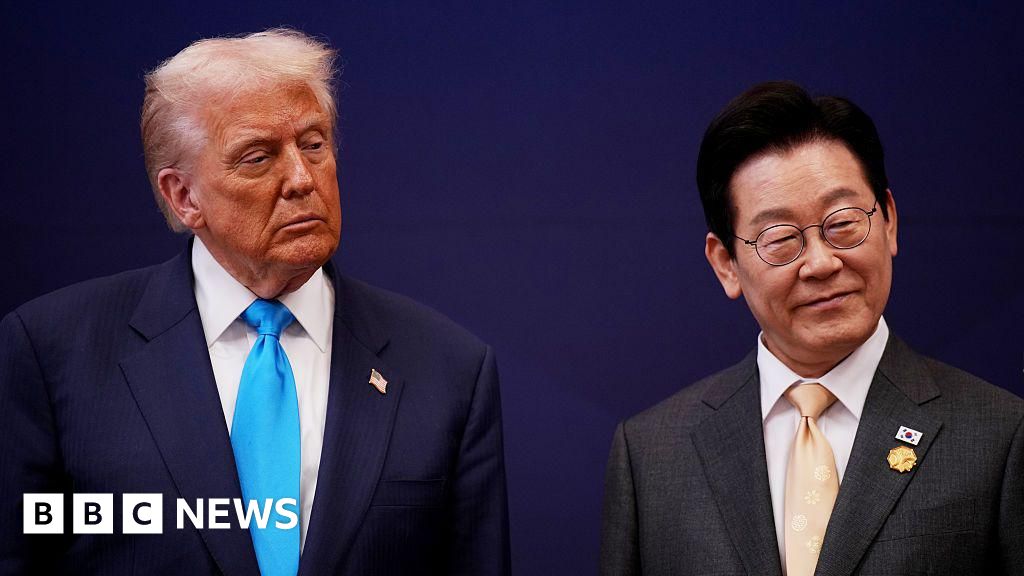
The recent negotiations between the United States and South Korea mark a significant shift in the ongoing battle for economic and geopolitical influence in the Indo-Pacific region. After prolonged discussions, the two nations announced a broad trade deal that exemplifies the delicate balance of power, alliances, and economic interests in a troubled global landscape. The accord, characterized by the preservation of reciprocal tariffs at 15% while strategically reducing taxes on automobiles and parts, signals a cautious yet strategic move by both sides. While the agreement fosters economic cooperation, it also underscores the complex geopolitics at play, particularly as the U.S. continues to assert dominance amidst rising tensions with China and North Korea.

  • South Korea committed to investing $350 billion in the U.S., including $200 billion in cash investment alongside a substantial $150 billion in shipbuilding and industrial capacity. Conversely, President Trump highlighted the importance of national security in trade, emphasizing that the deal, while primarily economic, also contains vital dimensions of security cooperation. Yet, this accord doesn’t come without controversy, as Trump’s initial tariffs of 25% on Seoul—negotiated down from higher rates—reveal the ongoing tug-of-war over trade policies and the broader competition for global economic primacy.

Despite the positive outlook conveyed by the leaders, the negotiations were marred by underlying tensions and shifting demands. The White House’s later escalation of demands for cash investments highlights the unpredictable geopolitics that have come to define Trump’s America-first approach. Amid these negotiations, South Korea’s industries—especially electronics, chips, and automotive sectors—remain cautious, torn between hope for clarity and the risks of a trade environment still fraught with tariffs and uncertainty. Analysts warn that such trade deals, while beneficial in the short term, are part of a larger contest for influence in Asia, where every tariff and investment decision echoes through the geopolitical corridors of power.

As Trump prepares to meet Xi Jinping in Busan on the sidelines of the Asia-Pacific Economic Cooperation (Apec) summit, the stakes could not be higher. This confrontation between the world’s two largest economies symbolizes the unfolding battle over global dominance, with both leaders touting hopes of securing a “good deal”—a phrase loaded with both optimism and suspicion. Many strategic analysts see this as a crucial juncture; the meeting will test whether the U.S. can recalibrate its approach to China amid rising competition, or if the divergence will deepen, sowing chaos and uncertainty across the entire Asia-Pacific region.

Meanwhile, amid the diplomatic dance, fragile peace on the Korean Peninsula hangs in the balance. Trump’s visit was marked by a notable gesture—he became the first U.S. president awarded the Grand Order of Mugunghwa, symbolizing a recognition of his efforts toward peace. Yet, the headlines are overshadowed by renewed tensions: North Korea’s recent missile tests and the ongoing division of the Korean people, a reminder that decades of conflict simmer just beneath the surface. In public, protests erupted, some protesting Trump’s policies while others rallied in his support, revealing the societal rifts and conflicting loyalties that frame this geopolitical theater.

As the world watches, the ancient echoes of history remind us that these moments are pivotal—each decision, each summit, could tilt the scales toward stability or chaos. The unfolding saga of America’s strategic recalibration, China’s assertiveness, and South Korea’s delicate diplomacy is a testament to a new chapter in global power dynamics. The weight of history presses down, unyielding, as the powers of today carve the contours of tomorrow—each move etching itself into the fabric of history’s relentless march forward. In the final analysis, the stakes are no longer confined to nations alone but are a battle for the very soul of the modern world, where peace, prosperity, and even survival hang in the balance amid the unpredictable currents of geopolitics.

Israeli Airstrikes in Gaza Kill 104 Amid Hamas's Assault on Soldier
Israeli Airstrikes in Gaza Kill 104 Amid Hamas’s Assault on Soldier

Geopolitical Tensions Escalate in Gaza: A Turning Point for Middle East Stability

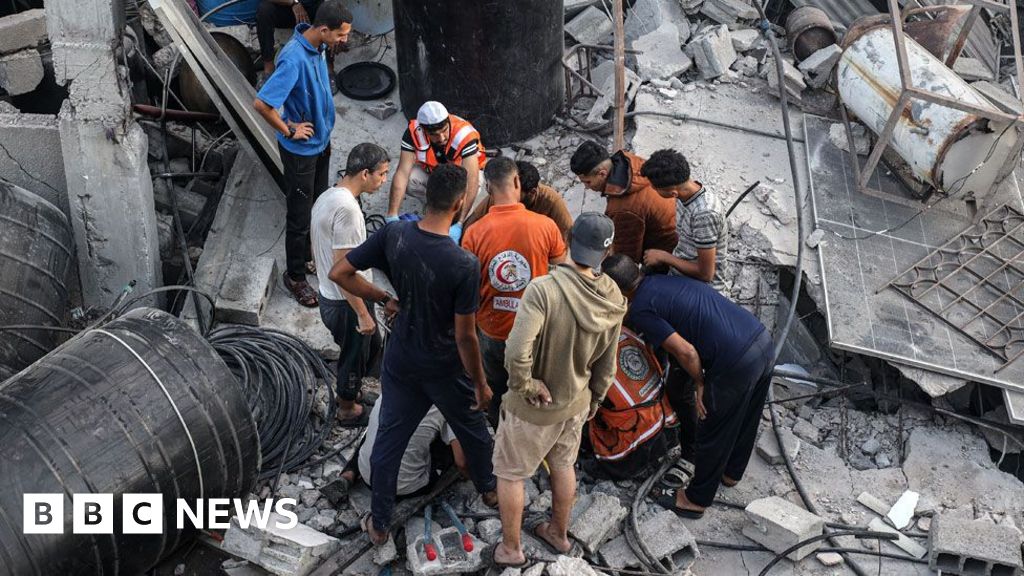
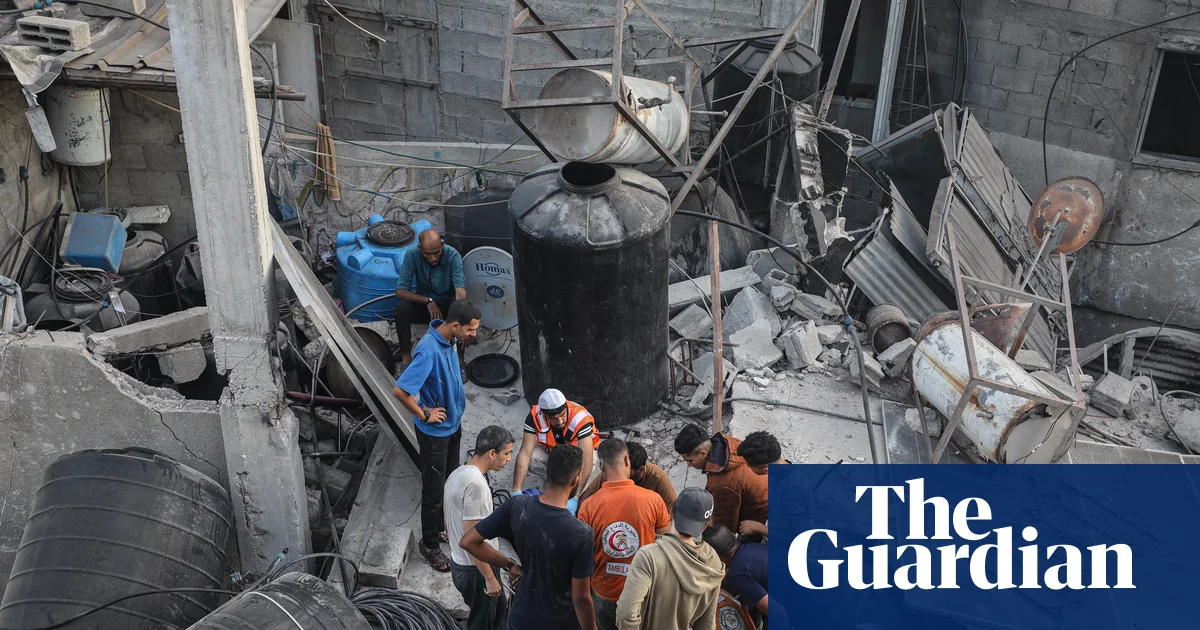
The recent wave of intensified Israeli military strikes in Gaza underscores a critical juncture in the ongoing Middle Eastern conflict, with far-reaching geopolitical implications that could reshape regional alliances and global diplomacy. According to Gaza’s Hamas-run health ministry, at least 104 Palestinians have been killed in just one night of Israeli airstrikes, targeting homes, schools, and vital infrastructure across Gaza City, Beit Lahia, Khan Younis, and surrounding areas. Witnesses report seeing “pillars of fire and smoke” rising into the air as explosions ripple through densely populated neighborhoods, highlighting the devastating human toll of this renewed violence. Analysts warn that such escalation risks igniting a broader regional conflagration, drawing in neighboring countries and international superpowers into a dangerous cycle of retaliation and hardened positions.

The Israeli Defense Forces (IDF) claims its strikes are retaliation, targeting “dozens of terror targets and terrorists,” including proclaimed battalion commanders. Yet, the distinction between military objectives and civilian casualties has become increasingly blurred. The death toll includes children, women, and innocent civilians caught in the crossfire — a tragic reflection of the heightened tensions. Israeli Prime Minister Benjamin Netanyahu has ordered a “forceful response,” accusing Hamas of breaching ceasefire terms and endangering regional stability. This decision to escalate military operations has been met with condemnation and concern from international observers, including the United Nations, which warns of a possible humanitarian catastrophe if tearing further into Gaza’s densely populated enclave continues unchecked. Furthermore, the death of an Israeli reservist soldier in a cross-border attack has served as a stark reminder that the fragile ceasefire, brokered by the US, Egypt, Qatar, and Turkey, remains perilously fragile. The unfolding developments suggest that the potential for a return to full-scale hostilities remains dangerously high, threatening to undo over a month of diplomatic attempts at stability.

Adding to the complexity, both sides have accused each other of violating the ceasefire deal. Hamas denies involvement in the attack that resulted in Israeli casualties, asserting their commitment to the peace agreement and condemning Israeli “fascist” bombings. Conversely, Israel alleges Hamas has staged a “fake recovery” of bodies to manipulate perceptions and stall negotiations. The International Committee of the Red Cross (ICRC) condemned these staged activities, emphasizing their role as neutral intermediaries and warning that such falsehoods undermine crucial progress. This fragile trust, once considered a cornerstone for the peace process, now teeters on the brink of collapse, with families anxiously awaiting news of loved ones while the specter of full-scale war looms larger.

The recent developments also shed light on the broader international response. President Donald Trump, on board Air Force One, reiterated that “nothing” would jeopardize the ceasefire and urged Israel to “hit back” when necessary. His comments reflect a pattern of cautious engagement from the US, which continues to walk a tightrope between supporting Israel’s security and averting a wider conflict that could destabilize the entire Middle East. Meanwhile, skepticism remains among experts and historians about the long-term efficacy of current diplomatic efforts, with many warning that without a comprehensive resolution addressing underlying grievances, this cycle of violence could escalate into a regional crisis with unpredictable consequences. Analysts like Prof. Michael Oren caution that the current scenario, marked by stubborn denial and layered accusations, risks leaving behind a scorched landscape of broken promises and lost lives — a fallout for which entire societies will bear the scars for generations.

As the dust settles over Gaza, and the world watches with bated breath, the deepening conflict acts as a stark reminder that history continues to be written in moments of crisis. The choices made today—whether through diplomacy or destruction—will resonate across decades, shaping the contours of peace or war in the Middle East. In this relentless tide of violence and diplomacy, the question remains: will the pursuit of fleeting stability overshadow the urgent need for a just and lasting peace, or will the events of today be remembered as the beginning of a darker chapter in human history?

Israeli strikes in Gaza overnight kill 60+, risking fragile ceasefire

The recent escalation of violence in Gaza marks a concerning turning point in the ongoing Israeli-Palestinian conflict, exposing the fragile veneer of the current ceasefire brokered by United States diplomacy. Overnight, Israel launched a series of airstrikes that claimed at least 60 Palestinian lives, including 22 children, and injured around 200 others. These deadly attacks come amid mounting tensions following a firefight between militants and Israeli forces, as well as controversy over the handling of hostage remains, which has further inflamed regional hostility. According to Gaza’s civil defense agency, the airstrikes targeted civilian infrastructure, including homes, tents for displaced persons, and hospital complexes, deepening fears of a wider humanitarian catastrophe. These strikes demonstrate how, even with international agreements in place, the underlying issues—such as the return of hostages and disarmament—remain unresolved and dangerously volatile.

The ceasefire, initially established on 10 October, has been marred by repeated violations, with Gaza’s media reporting at least 80 breaches, resulting in nearly 100 Palestinian fatalities and hundreds of injuries. Historians and analysts have underscored that such fragile agreements rarely hold in the face of entrenched grievances and strategic interests. Experts warn that these recurrent violations threaten to unravel the broader peace process, risking renewed full-scale conflict. The controversy over Hamas’s handling of remains—exchanging the bodies of hostages for Palestinian prisoners—has become a flashpoint, with the militant group denying responsibility for recent violence and asserting difficulties in locating all the bodies. The conflict over bodies, along with unresolved issues of disarmament of Hamas’ weaponry, underscores how combatant agendas and complex local dynamics continue to hinder diplomatic progress.

Meanwhile, U.S. President Donald Trump reaffirmed his stance on maintaining the ceasefire, insisting that “nothing” would jeopardize the agreement. Yet, his calls for Israel to “hit back” in response to casualties reflect a broader divergence in regional leadership perspectives. Conversely, in Israel, far-right ministers like Itamar Ben-Gvir and Bezalel Smotrich are clamoring for a return to full-scale military operations, emphasizing the deepening divide within Israeli politics over how to approach Hamas and the ongoing occupation of Palestinian territories. The Israeli military has not yet disclosed the full scale of recent operations, but their recent statement suggests preparations for potential escalation. Such internal disagreements and international pressure highlight the risks of diplomatic paralysis and the potential for regional escalation, profoundly impacting geopolitical stability.

The international community, including the United Nations, has expressed concern over the mounting violence, with critics warning that failing diplomacy could lead to a broader conflict with devastating consequences for civilians on both sides. As Hamas’s chief negotiator Khalil al-Hayya suggested, their weapons are tied to the “existence of occupation and aggression”—a statement pointing to a deeper, unresolved conflict rooted in decades of opposition to Israeli policies and military dominance. The question remains whether the unresolved issues of disarmament, prisoner exchanges, and the future governance of Gaza will be addressed amidst escalating violence or escalate into a new chapter of tragedy. History’s relentless march demonstrates that failed peace agreements often leave societies scarred and international stability in jeopardy, making this moment a critical juncture where the weight of history presses heavily on the present.

Nigerian Nobel Laureate Wole Soyinka Claims U.S. Visa Revocation

International Tensions Rise as US Implements Restrictive Visa Policies

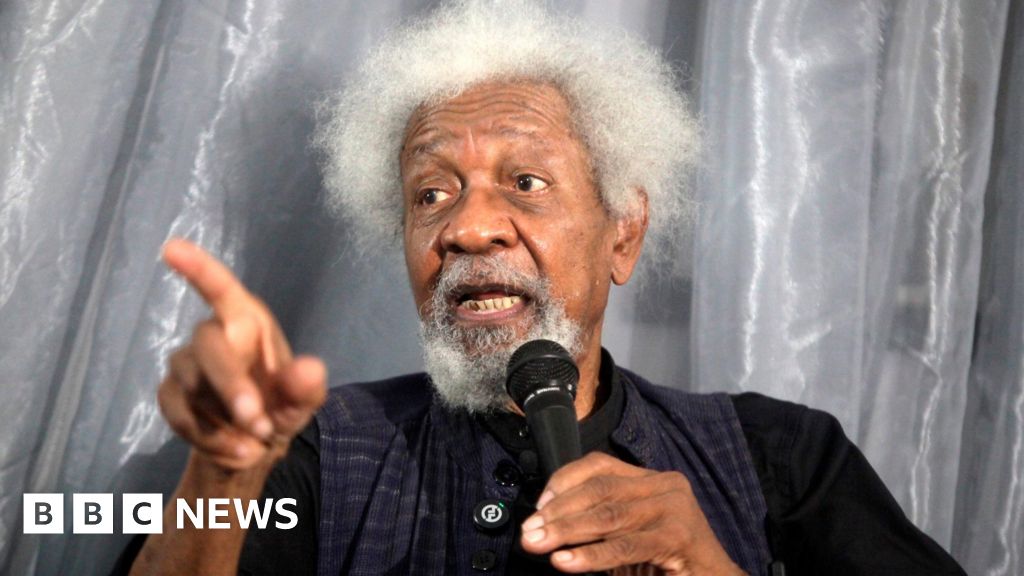
The recent move by the United States to revoke visas of prominent figures like Nigerian Nobel laureate Wole Soyinka signals a significant shift in its diplomatic stance towards cultural and intellectual diplomacy. Soyinka, who publicly announced that the US had canceled his visa—calling it a “curious love letter from an embassy”—embodies the broader tensions over American foreign policy and its impact on global perceptions. The US State Department’s decision, which comes amidst the implementation of *restrictive visa policies* affecting many African nations, underscores a broader pattern of tightening borders that deeply affect individual exchanges and international reputation.

This policy shift is not occurring in isolation. In July, the US government announced sweeping changes to its non-immigrant visa system, especially targeting citizens of Nigeria, Cameroon, Ethiopia, and Ghana. These nations now face restrictions where visas are predominantly single-entry and valid for only three months, reversing previous allowances for longer, multiple-entry visas. Analysts argue that such policies serve as a form of diplomatic signaling—whether intended or not—casting shadows over US commitment to global engagement and collaboration. This crackdown is influencing how nations perceive the US as a hub for international exchange, academic progress, and cultural diplomacy, factors that historically bolstered America’s soft power worldwide.

How Decisions Reshape Diplomatic Norms and Societal Relations

Soyinka’s experience underscores how political decisions translate into tangible consequences for individuals and, by extension, their countries. A renowned critic of US policies, Soyinka has long been an advocate for free expression—yet now finds himself barred from the land where he once held permanent residency, which he renounced in 2016 in protest of President Donald Trump’s policies. This incident exemplifies how shifts in US immigration policy—linked directly to political rhetoric—can undermine the country’s reputation as a sanctuary for free thinkers and seekers of knowledge. By restricting visas, the US risks alienating the very voices that have historically contributed to its intellectual diversity.”

Cultural and academic exchanges are vital to fostering mutual understanding, yet recent actions threaten to erode this foundation. The revocation of Soyinka’s visa, following his critical remarks comparing Trump to Uganda’s infamous dictator Idi Amin, reflect a pattern where political dissent is increasingly viewed as disloyalty or threat. Such acts of suppression could have lasting implications, impairing efforts aimed at bridging cultural divides and advancing shared global values. International organizations and historians warn that these moves risk creating a polarized world where societies retreat behind nationalistic barriers rather than engaging in dialogue that promotes peace and cooperation.

Unfolding History and the Future of Global Competitiveness

As world leaders watch the US’s evolving policies, the geopolitical landscape is shifting dramatically. Many consider these restrictions a strategic move to assert national sovereignty, yet critics argue they threaten to diminish America’s global influence during a time when international stability is fragile. The decisions influence multiple facets: diplomatic relations, academic collaborations, and cultural exchange programs—elements integral to the fabric of global society. This era could be remembered as a turning point when the US’s commitment to openness and diversity was tested, with consequences rippling across generations. International institutions warn that if such policies persist, they may embolden other nations to follow suit, ushering in a new era of fragmented global engagement.

Ultimately, the unfolding story of visa restrictions, diplomatic retractions, and international reactions leaves humanity at a crossroads. History will judge whether these decisions serve as a temporary blip of authoritarian overreach or a signal of a fundamental shift in global power dynamics. As nations watch and react, the weight of history hangs heavy, reminding all that in the dance of geopolitics, today’s choices forge tomorrow’s legacy—an unfolding saga that history will record long after the ink has dried.

Hurricane Melissa intensifies to Category 4, warning Cuba; Jamaica faces severe damage

In an era marked by accelerating climate crises, the recent onslaught of Hurricane Melissa has laid bare the intertwined vulnerabilities of geopolitics and natural disasters. Striking the Caribbean with unprecedented strength, Melissa reached record wind speeds as a Category 5 hurricane, the fiercest to make landfall in Jamaica since record-keeping began in 1851. This natural tragedy has triggered a confluence of international aid, local resilience, and geopolitical chess—a stark reminder that when nature unleashes its fury, nations are tested on their capacity to respond and adapt.

At the heart of this catastrophe lies a clear convergence of human-driven climate change and geopolitical response. As the National Hurricane Center reported Melissa’s rapid intensification—upgrading from a Category 3 to a Category 4 storm—climate analysts have pointed to the human cause behind this escalation: the rapidly warming of oceans due to greenhouse gas emissions. This pattern, documented by numerous climate scientists, indicates that the increasing frequency and ferocity of such storms are not merely natural variations but symptoms of a broader planetary crisis. It is *emphatically* evident that the world’s power structures, especially major industrial states, bear responsibility for curbing emissions or facing an existential threat of escalating natural disasters.

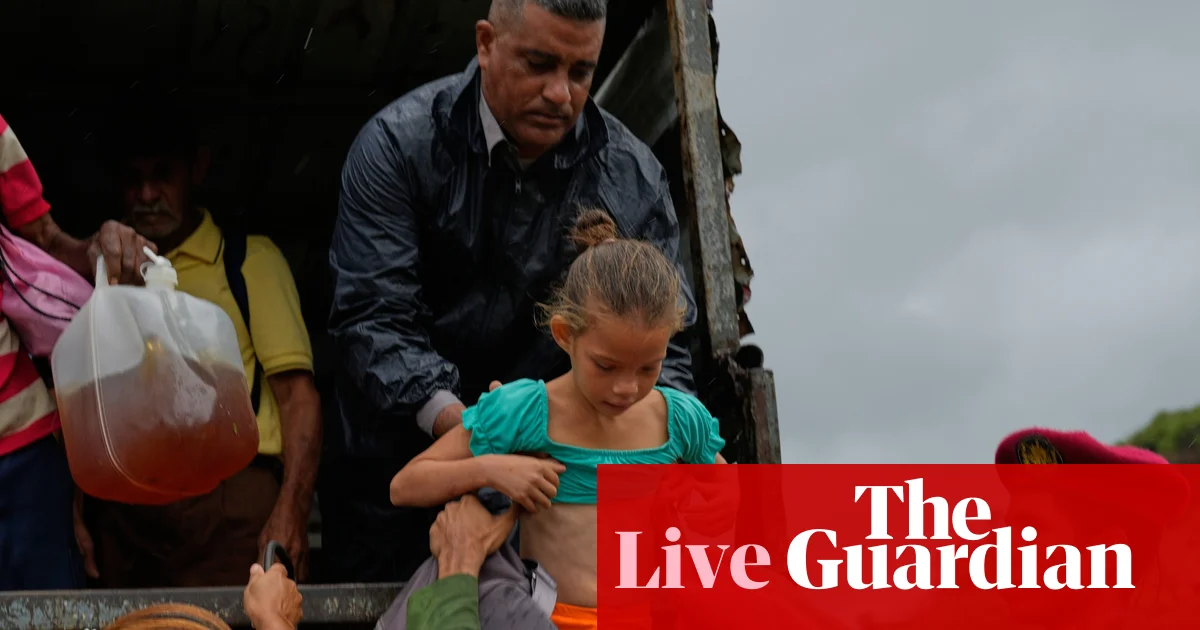
Geopolitical dynamics come sharply into focus as the United States, Cuba, Jamaica, and regional allies mobilize resources to cope with Melissa’s destruction. On Air Force One, President Joe Biden declared the U.S. “prepared to aid Jamaica and other affected nations,” signaling a readiness that, while vital, also exemplifies how climate-induced disasters are reshaping alliances and emphasizing the West’s influence over the Caribbean. Meanwhile, Cuba’s President Miguel Díaz-Canel Bermúdez warned of a “very difficult night,” urging citizens to stay in shelters as Hurricane Melissa threatened to deliver an “extremely dangerous” landfall. The 735,000 Jamaicans evacuated their homes, and aid organizations like the Red Cross prepare to deploy, forecasting an impact potentially surpassing previous natural calamities. These responses underscore a geopolitical landscape where climate disasters are no longer isolated incidents but pivotal factors in regional stability and security—how nations react now will define their geopolitical influence and societal resilience for decades.

International organizations and regional governments confront the brutal truth: their capacity to respond is directly linked to geopolitical stability. Experts warn that the hurricane’s rapid intensification is a *turning point*—a reflection of the climate crisis that demands urgent, coordinated global action. The Caribbean’s vulnerability exposes broader geopolitical vulnerabilities—small nations with limited resources face existential threats, while larger powers are tasked with balancing aid, strategic interests, and climate commitments. As some analysts suggest, *the storm’s wrath could serve as a catalyst*, forcing the international community to reckon more seriously with the human costs of climate neglect. In such moments, history is witnessing the emergence of a new geopolitical calculus—climate resilience and multilateral cooperation—at the forefront of global strategy.

Looking ahead, the relentless march of Hurricane Melissa remains a grim harbinger of what’s to come if decisive action is not taken. As the storm prepares for potential landfalls in Cuba and the Bahamas, with winds reaching up to 145 mph, the world must recognize that these natural events are an *urgent call*—to reimagine environmental policies, to fortify resilience, and to confront the geopolitical shifts that such crises accelerate. This storm, destructive yet illuminating, leaves behind a tumultuous legacy—a reminder that, in the grand theatre of history, nature’s fury is a force no nation can afford to ignore. The unfolding chapter of Melissa’s destruction now writes itself into the annals of history, a stark testament to our epoch’s challenges, and a warning that the weight of the future hangs delicately still in the balance.

Ben & Jerry’s Co-Founder Slams Unilever’s Palestine Ice Cream Ban

In a striking illustration of the intersection between corporate influence and international conflicts, Ben & Jerry’s co-founder Ben Cohen has publicly condemned Unilever for blocking the launch of a new ice cream flavor, symbolically resonant with Palestinian solidarity. This controversy underscores a broader trend where multinational corporations become battlegrounds for ideological disputes that extend far beyond commerce, affecting geopolitical stability and societal narratives. The refusal to permit such a branding effort, which prominently featured the colors of the Palestinian flag, highlights how corporate decisions can influence international discourse and even diplomacy, especially amid ongoing conflicts in the Middle East.

Since Unilever’s acquisition of Ben & Jerry’s in 2000, tensions have simmered beneath the surface, with the co-founders explicitly accusing the conglomerate of unlawfully preventing their social activism. As the global community watches, such corporate silencing reveals the underlying power struggles between profit motives and social justice activism. The involvement of Ben Cohen in independently creating a flavor as part of his activist brand, Ben’s Best, signals an attempt to reassert fundamental values the larger corporations have allegedly side-lined. This act is more than a mere protest; it’s a clarion call for enterprises to retain their moral authority amidst a shifting international landscape where the lines between corporate interests and geopolitical agendas continually blur.

The perception and influence of corporate activism carry profound geopolitical impact. As analysts and historians observe, corporations today are often viewed as vessels of ideological expression that can sway public opinion and policy. This pre-eminence of corporate voice in political issues raises questions about sovereignty and the true independence of national policies. In the Middle East, the controversy over Israel’s occupation of Palestinian territories—especially in light of Ben & Jerry’s decision to withdraw from certain markets—illustrates how corporate actions bolster or undermine aspiring statehood narratives, regional stability, and international relations. Meanwhile, international organizations like the United Nations are increasingly under pressure to confront corporations’ roles in conflicts, often debating whether economic influence should be used as leverage in diplomatic resolutions.

As history unfolds, the story remains deeply intertwined with the broader currents of global conflict and moral responsibility. The battle over a simple ice cream flavor symbolizing Palestinian solidarity exemplifies how small acts can ignite larger debates about justice, influence, and the forging of international memory. The narratives that emerge from these conflicts will not only shape future corporate policies but will also influence the trajectory of international diplomacy. The weight of history now rests heavily on the decisions and actions of powerful institutions and individuals, as the world’s hopes for peace and justice hang in a fragile balance—awaiting their next chapter to be written in the collective consciousness of a restless generation.

Australian teens targeted online by gangs to carry out violent acts

In a striking display of the evolving geopolitical landscape of digital security, Australia has unveiled alarming revelations regarding a new, twisted form of online crime that transcends national borders. Australian authorities, led by AFP Commissioner Krissy Barrett, have identified an insidious trend where networks of violent extremists are coercing vulnerable girls into acts of violence—against themselves, their families, or even pets—within a disturbing “gamification” framework. This emerging threat underscores a broader issue: the rapid proliferation of how digital platforms are weaponized in modern ideological conflicts. With already three arrests within Australia and nine more internationally, this phenomenon highlights the urgent need for global coordination. The international community must grapple with the implications, as these online networks exploit digital spaces the same way that traditional armies once fought on physical battlefields.

The accused, largely aged in their late teens or early twenties from Western backgrounds, have been recruiting young girls through gaming platforms like Roblox and messaging apps such as Discord and Telegram. This recruitment tactic, reminiscent of a well-orchestrated underground movement, reveals how the boundaries between online gaming and violent extremism are blurring. Analysts warn that these groups—whom Commissioner Barrett calls “crimefluencers”—subscribe to a nihilistic and sadistic ideology rooted in Nazism, satanism, and other extremist doctrines. Their purpose, however, exceeds mere ideological posturing; it is driven by a desire for amusement, social dominance, and the thrill of inflicting harm without accountability. This new frontier in gender-based violence complicates the traditional paradigms of international security, demanding an urgent, multi-national response.

This troubling development occurs against the backdrop of Australia’s proactive efforts to curb online harm, exemplified by the impending introduction of a pioneering social media ban targeting users under 16. Yet, the exemption of gaming and messaging platforms from these restrictions signals a deeper geopolitical challenge: regulating digital environments that have become breeding grounds for extremism. The Five Eyes alliance—comprising the US, UK, New Zealand, and Canada—is actively collaborating with Australia to dismantle these transnational networks. Such cooperation highlights a crucial recognition: that the digital space is now a contested arena where national security and societal stability are at stake. As international organizations such as INTERPOL advocate for increased cyber law enforcement, it becomes clear that the fight against these malicious online communities will define the next chapter in global security policy. The rise of these “gamified” violence networks raises profound questions about the efficacy of existing laws and the future of international cooperation in combating digital extremism.

Ultimately, this disturbing trend is not merely an isolated issue but an unfolding chapter in the ongoing contest for influence over our digital future. As historians and analysts warn of the dangerous convergence of technology and ideology, the world stands at a pivotal crossroads. The weight of history suggests that the choices made today—how nations respond, cooperate, and regulate—will shape the boundaries of acceptable conduct in the digital age. With the eyes of the world fixed on Australia’s bold stance, the message is clear: the battle for the soul of the internet has begun, and its outcome will determine the course of societal stability for generations to come. The unfolding story underscores one timeless truth—when the digital frontier is exploited for violence and ideological conquest, the entire spectrum of humanity risks paying a heavy toll. Only time will reveal whether global resolve can stem this tide of chaos, or whether we are destined to watch as history is rewritten in the shadows of cyberspace.

Social Media Auto Publish Powered By : XYZScripts.com