Matox News

Truth Over Trends, always!

Daughter claims Brigitte Macron’s life worsened amid cyber-bullying backlash

In an era where social media and digital spaces have become arenas for political and personal battles, the recent court proceedings in France highlight the devastating consequences of targeted misinformation and sexist cyber-bullying. Brigitte Macron, wife of President Emmanuel Macron, has been subjected to relentless conspiracy theories claiming she is a transgender woman—an unfounded narrative fueling a broader cycle of harassment and societal division. The testimony of her daughter, Tiphaine Auzière, revealed that these relentless attacks have taken a toll on her mother’s health, illustrating how psychosocial violence can ripple through the highest echelons of society, affecting not only the individuals targeted but their families and communities.

  • The trial has seen ten defendants, ranging from political figures to internet personalities, accused of spreading baseless claims about Mrs. Macron’s gender and sexuality.
  • The accusations extend beyond mere defamation: some respondents, such as the controversial US influencer Candace Owens, plan to extend these claims internationally, escalating the issue into a transatlantic confrontation.
  • Legal actions and the presentation of scientific and photographic evidence indicate a shift towards addressing such cyber-hostility in formal judicial settings.

The geopolitical impact of this case extends far beyond the courtroom. It exemplifies the rising influence of digital misinformation on national security and societal cohesion. Analysts warn that unchecked online slander, especially when fostered by minority voices masquerading as figures of free speech, erodes public trust and polarizes populations on a global scale. Historically, as noted by scholars like Samir Patel, social fabric is increasingly susceptible to destabilization through orchestrated disinformation campaigns. The incendiary claims circulating about Mrs. Macron are part of a wider trend, fueled by identity politics and social divisions, which threaten to undermine the very pillars of rational government and democratic debate.

Meanwhile, international institutions such as the European Court of Human Rights face mounting pressure to address the limits of free expression against harmful misinformation. The Macron case underscores the complex balance between defending individual dignity and upholding the right to free speech in the digital age. The Macron legal team plans to present irrefutable evidence—scientific and photographic—to establish Mrs. Macron’s biological gender, planning to escalate their case to U.S. courts if necessary. This legal pushback against transnational misinformation campaigns signals a potential shift towards more aggressive use of judicial systems to combat online lies, potentially setting precedent for future diplomatic and legal responses to cyber-hostility campaigns emanating from various geopolitical actors.

The unfolding saga echoes a deeper narrative about how decisions made in digital and legal theaters can influence societal norms and international relations. As history continues to be written, it becomes clear that the battle for truth and dignity in the digital age is more than a personal conflict—it’s a confrontation over the very nature of societal values and the sovereignty of nations. The weight of these events reminds global citizens that the ramifications of these seemingly isolated incidents ripple outward, molding a world where the fight for reality and justice is likely to define the geopolitical landscape for generations to come.
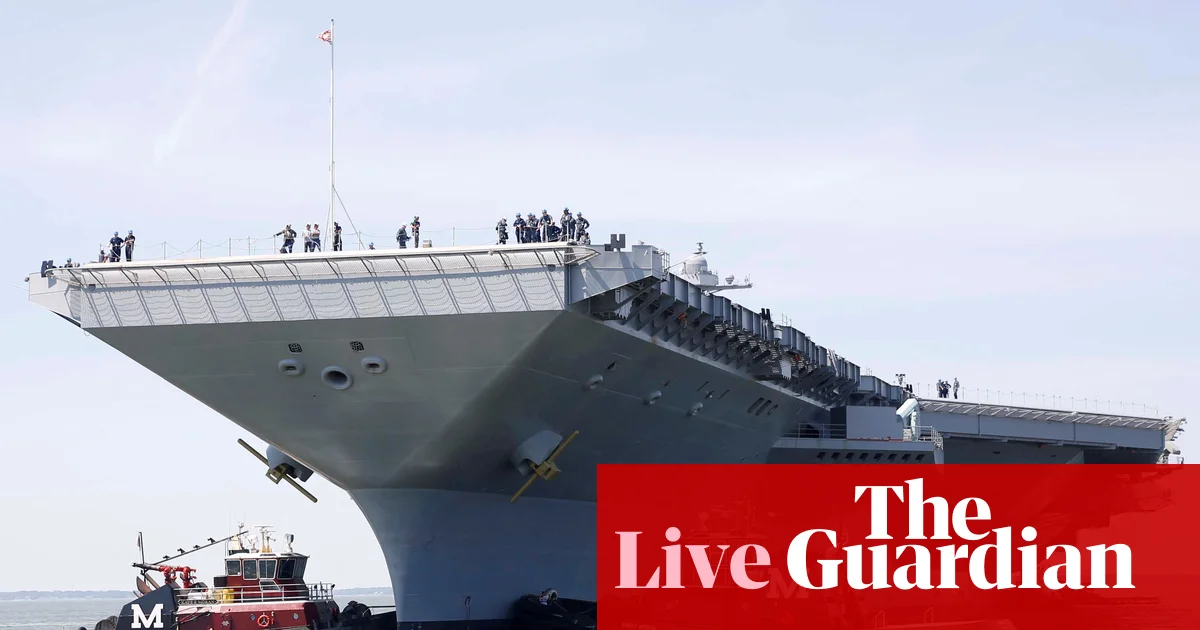
US strikes wipe out 14 suspected drug traffickers at sea

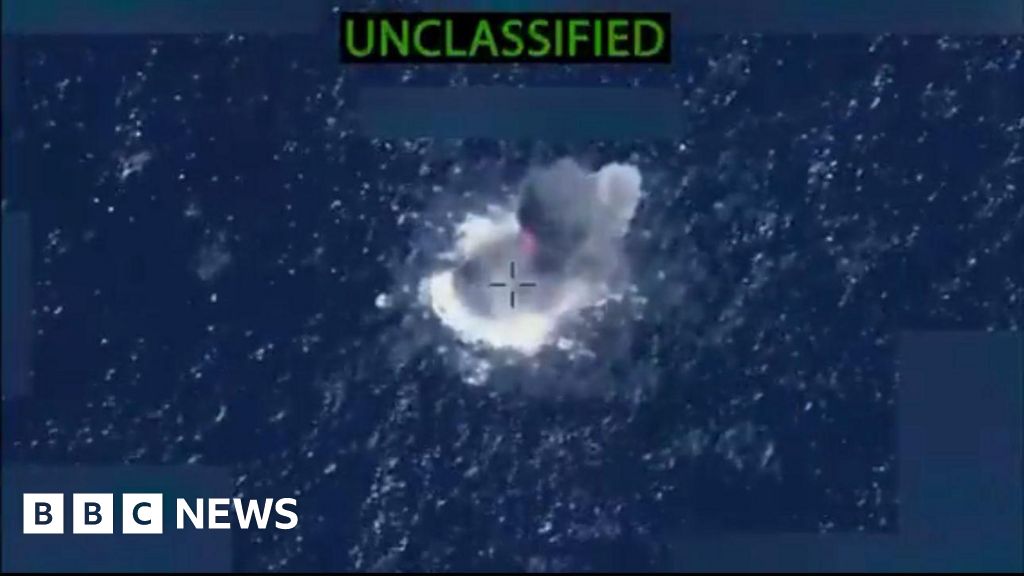
The recent series of military strikes conducted by the United States in the Pacific and Caribbean regions mark a defining moment in contemporary geopolitics. Under the authority of President Donald Trump, US forces have targeted four vessels suspected of drug trafficking—resulting in the deaths of 14 individuals and the injury of at least one survivor rescued by Mexican search-and-rescue teams. These actions, which the Pentagon claims are part of an ongoing campaign against narcotrafficking, underscore a more assertive US military posture. Such operations ignite debates over international legality—with critics, including experts and regional governments, condemning these strikes as disproportionate and potentially unlawful under established international law.

By escalating to attacks at sea in the eastern Pacific, the US emphasizes its intention to dismantle transnational drug networks operating along critical trafficking corridors. Defense Secretary Pete Hegseth has highlighted the intelligence-based nature of these operations, asserting that the vessels were transitioning along known narcotic routes with “narco-terrorists” onboard. Yet, this aggressive stance raises significant implications for regional stability and sovereignty. Countries such as Colombia and Venezuela have publicly voiced strong opposition, accusing the US of bypassing diplomatic protocols and provoking diplomatic crises. The Colombian government, for instance, describes the attacks as “disproportionate,” highlighting the legal and moral dilemmas spurred by unilateral military actions in international waters.

The geopolitical impact extends beyond the immediate regions; critics interpret the US military expansion as part of a broader strategy to exert influence and control over Latin America’s resources. The Venezuelan government, under President Nicolas Maduro—whose legitimacy is widely disputed following the 2024 elections—has accused Washington of “fabricating an eternal war” aimed at regime change. Maduro’s regime warns that the US aims to seize Venezuela’s vast reserves of gold, oil, and copper, tasks which are increasingly viewed by analysts as attempts to secure economic dominance over the region’s natural wealth. Meanwhile, international organizations like the United Nations have called for restraint and respect for sovereignty, emphasizing the need for a rule-based international system amidst rising US assertiveness.

The unfolding of these events signals a dangerous escalation that could reshape the international landscape. The US’s reliance on military force to combat drug trafficking and its alleged expansion into land-based targets, should approval be granted, risks a broader conflict. Many see this as a warning—an alarm bell for a world on the brink of renewed Great Power rivalries, where diplomacy and legal frameworks are overshadowed by military might. As history unfolds, whether these actions will lead to a more secure international order or sow the seeds of further instability remains to be seen. What is certain is that these decisions will leave undeniable marks upon the fabric of global diplomacy, writing a new chapter in the ongoing story of power, sovereignty, and conflict—one where the weight of history presses heavily on every decision, every strike, and every response across the vast theater of international relations.

Pete Hegseth vows to strike back: “We will hunt and kill them” in crackdown on drug-smuggling vessels — US politics live | US news

As the 2025 geopolitical landscape unfolds, a pattern of strategic escalation and international jockeying becomes increasingly evident, reflecting the enduring quest for dominance in a world fraught with tension and shifting alliances. From military operations against drug cartels in Central America to high-stakes diplomatic meetings involving Donald Trump and Central Asian leaders, the global stage is echoing with decisions that will shape the future of nations and societies. The American administration’s recent embrace of a ‘war on cartels’ signals an aggressive stance, equating narcotics traffickers with terrorists, and promising lethal force in operations that claim lives in the Caribbean and beyond.

Meanwhile, the United States prepares for a possible diplomatic revival in its relations with Shavkat Mirziyoyev, president of Uzbekistan, highlighting an intensified focus on Central Asia—a region rich in resources and geopolitically pivotal. The meeting between Trump and Central Asian presidents could mark a turning point in U.S. strategy, seeking to secure energy partnerships and counterbalance China’s rising influence. Experts articulate that such engagement, especially with nations like Uzbekistan, magnifies America’s push to reassert influence in a critical crossroads of Eurasia, transforming regional dynamics and complicating the strategies of rivals like Russia and China.

Notably, in a move that underscores the ongoing domestic upheaval, political figures on both ends of the spectrum are maneuvering with unorthodox moves that threaten long-standing norms. A GOP legislator is calling for the deportation of Zohran Mamdani, a New York City mayoral candidate, over allegations of naturalization fraud—an episode that exposes the ideological battle over America’s immigrant narrative and national identity. On the legal battlefield, Donald Trump is fighting to overturn his criminal conviction for business fraud, claiming that key evidence was improperly admitted, and signaling a persistent challenge to the judicial system’s authority. Such disputes are not only domestic spectacles but are emblematic of the intensifying polarization shaping American society.

The international community watches as alliances evolve and old certainties give way to confrontations that could redefine regional stability and security. As Japan’s first female Prime Minister, Sanae Takaichi, gains Trump’s praise for her military ambitions, the U.S.-Japan relationship appears poised for a recalibration, with potential investments soaring and defense commitments accelerating. Yet even as diplomacy dances on the surface, the threat of China’s assertiveness in Asia looms large, prompting Japan to pledge a swift defense spending increase and reaffirm its strategic partnership with the U.S. Despite this, critics warn that such displays of unity may mask underlying tensions that could erupt into broader conflict, as historic rivalries and geopolitical ambitions collide.

This confluence of military, diplomatic, and legal actions echoes a larger narrative, one where history’s pen is still writing the chapters of a tumultuous and transformative era. The bold moves—whether the US’s lethal crackdown on drug cartels, the high-level meetings with Asian powers, or internal political battles—are shaping a future that remains uncertain. As the world stands at this geopolitical crossroads, the echoes of these decisions will resonate through generations, reminding us that history waits for no one and that the true contest for influence is still underway, with humanity’s collective destiny hanging in the balance.

Bella Culley's Georgia Drug Smuggling Sentence Cut to 2 Years
Bella Culley’s Georgia Drug Smuggling Sentence Cut to 2 Years

In a case that captures the attention of the international community, the trial of Bella Culley, a 19-year-old British national, underscores the complex and often controversial legal and geopolitical realities facing nations like Georgia. The recent plea bargain—where Culley’s family transferred a monumental £137,000 to reduce her potential sentence—spotlights not only the individual tragedy but also how deeply international relationships are intertwined with the country’s harsh stance on drugs. As Georgia enforces some of the world’s toughest drug laws—resolving over 90% of such crimes through plea bargaining—the case raises critical questions about sovereignty, justice, and the influence of foreign powers.

This incident is more than a simple criminal case; it embodies how nations assert sovereignty through strict law enforcement. Georgia, transitioning from a Soviet republic to an independent nation, has made a deliberate choice to adopt uncompromising drug policies. Experts like international legal analysts claim that such rigidity is rooted in both societal values and the geopolitical need to project strength in the region. The fact that Culley’s family opted to pay a sizeable sum to shorten her sentence underlines the power struggle between legal sovereignty and foreign influence. Historically, Western critics have condemned Georgia’s drug laws, yet they often overlook the government’s intent to establish a zero-tolerance stance as part of its broader strategy to affirm independence and resist external pressures.

The geopolitical impact of such cases extends beyond individual outcomes. As <Georgia’s government emphasizes strict law enforcement, it simultaneously sends a message to Russia, China, and even Western powers: that it remains committed to establishing a sovereign legal order, unbowed by external influences. Some analysts warn that this approach could intensify regional tensions, especially amid ongoing conflicts and the shifting alliances of the Black Sea and Caucasus regions. International organizations like the United Nations and European Union have offered varied responses—some advocating for diplomatic negotiations, others warning of potential human rights abuses. The case also raises questions about the societal impacts within Georgia—not least whether the country’s aggressive stance on drugs fosters an environment of fear rather than reform.

As history continues to unfold in these shadowy legal corridors, the case of Bella Culley becomes a symbol of the broader geopolitical chess game. With her pregnant condition adding a layer of humanitarian concern, her fate is intertwined with how Georgia balances justice, sovereignty, and international diplomacy. The story warns us that each decision made within these courts contributes to a larger narrative—where the struggle for national independence often manifests in the severity of law, and where the weight of history is poised to tip the scales of justice in ways that will resonate across borders for generations to come.
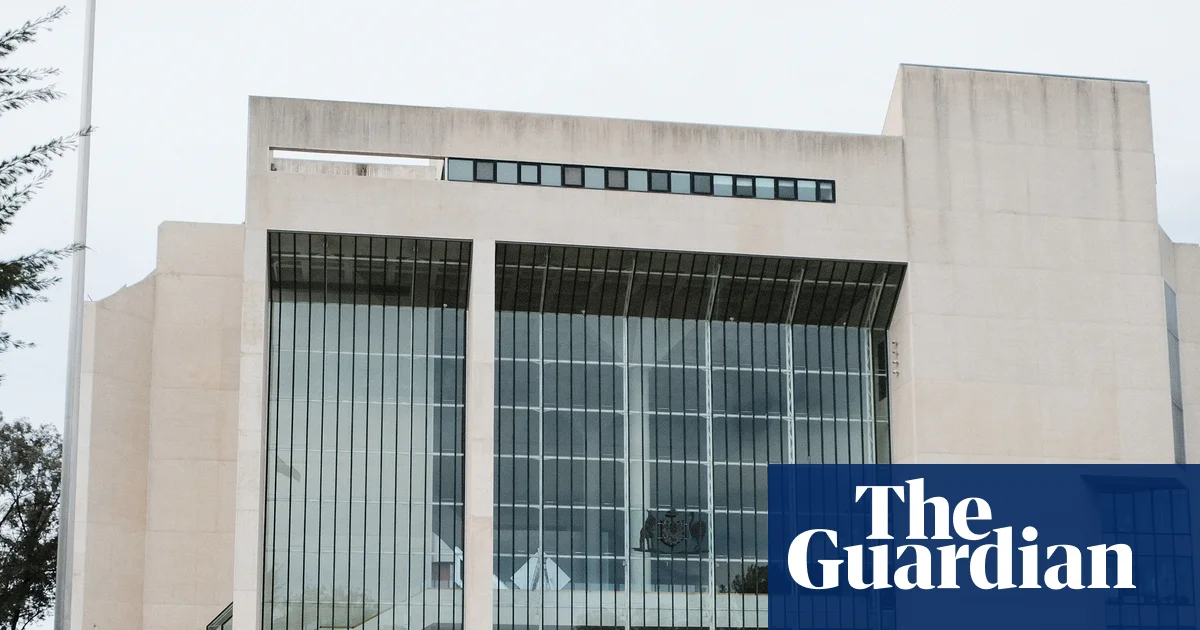
Amazon Announces Large-Scale Corporate Layoffs to Cut Costs

Amazon’s Strategic Restructuring and the Global Impact of AI-Driven Economy

In a move that underscores the evolving landscape of international capitalism and technological innovation, Amazon has announced plans to cut approximately 14,000 roles in its global corporate workforce. This decision, executives claim, is driven by a push to become “more leanly organized” and to harness the transformative potential of artificial intelligence (AI). As the world watches, this cutting-edge reorientation signals a clear turning point, not just for the tech giant but for the broader geopolitical and economic terrains reshaped by AI’s rapid rise.

Despite recent strong financial reports—such as its 13% year-over-year increase in sales reaching $167.7 billion—the company’s leadership emphasizes a strategic foresight that anticipates an AI-fueled future. Beth Galetti, a senior vice president at Amazon, highlighted that AI is “the most transformative technology since the Internet” and that integrating it into Amazon’s core operations will “enable faster innovation” and more efficient resource allocation. Analysts such as those from the International Monetary Fund and World Economic Forum have warned that global economies are entering a new phase—one where technological leadership may redefine the balance of power among nations, especially as major powers invest heavily in AI-driven military, economic, and diplomatic capabilities.

Transformations and Uncertainties in a Tech-Driven World

  • Amazon’s previous layoffs—around 27,000 in 2022—highlight a pattern of restructuring as the company pivots toward AI investments.
  • Slower growth in Amazon Web Services (AWS)—its cloud division—raises questions among investors regarding the profitability of AI-centric expansion.
  • Experts like Dr. Li Wei, a Beijing-based AI researcher, warn of rising global competition to dominate AI technology, which could catalyze a new Cold War of tech supremacy.

This wave of corporate restructuring points to a broader shift in global economic dynamics. Countries like China, Russia, and the United States are racing to establish AI dominance, understanding that future geopolitical influence will depend heavily on technological superiority. Such developments seriously threaten to deepen the divides of the tech race, potentially destabilizing international alliances and prompting a new era of strategic competition. UNESCO and other organizations have warned that unchecked AI proliferation could threaten societal stability by exacerbating unemployment, economic disparity, and even security concerns.

How Decisions at the Corporate and National Levels Shape Our Future

Amazon’s workforce reduction, driven by AI’s disruptive potential, exemplifies how corporations are adapting to a new economic paradigm. The ongoing restructuring is a harbinger of the future, where geopolitical power will be defined increasingly by technological innovation rather than traditional military might. As noted by historians like Professor Samuel Roberts of Harvard University, history suggests that major disruptions—such as the rise of the internet or nuclear technology—have historically redrawn the geopolitical map. Today, AI’s rapid evolution promises to be no less decisive, with nations vying to lead on an uncharted frontier.

As world leaders grapple with these transformative shifts, a specter of uncertainty looms—will this new era usher in lasting prosperity or deepen global inequalities? The weight of history reminds us that pivotal moments like these are fraught with danger but also—if wisely navigated—possibilities for a more innovative, interconnected world. Yet, the current trajectory suggests a future where corporate strategy and international diplomacy are inextricably linked to AI’s unfolding potential—an era where the fabric of society itself could be forever altered.

In this unfolding narrative, the choices made today—by corporations and governments alike—may well determine the trajectory of civilization for generations to come. The relentless march of AI and the reshaping of economic and geopolitical landscapes underscore that we are hurtling toward a future written in algorithms, where the true winners and losers will be decided not just on the battlefield, but in the boardrooms and government chambers shaping the new world order.

Plane with 12 aboard crashes off Kenya’s coast—urgent rescue underway

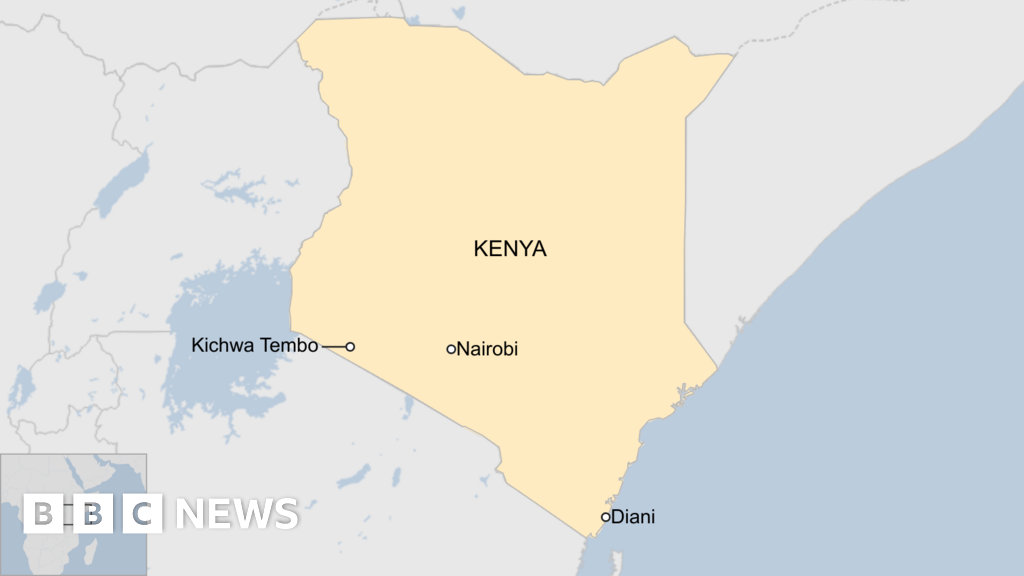
In a sobering development that echoes the fragile stability of regional security and economic pursuits, a plane carrying 12 individuals crashed near the coast of Kenya, prompting international attention and raising questions about safety protocols amidst ongoing geopolitical shifts. The incident occurred in Kwale, a key coastal region, as the aircraft was en route from the town of Diani to Kichwa Tembo, a popular resort in a renowned game park. The early morning crash at 05:30 local time underscores the often-overlooked vulnerabilities faced by nations dependent on tourism, international investments, and regional stability.

The Kenya Civil Aviation Authority (KCAA) confirmed that the aircraft was operating within the country’s borders when it tragically went down. Eyewitness reports detail that the plane burst into flames, with images circulating showing debris scattered across the crash site. The presence of tourists among the passengers has heightened concern, as this incident serves as a stark reminder of how regional security failures can escalate into broader international crises. According to analyses by global security experts, these mishaps threaten to disrupt Kenya’s burgeoning tourism sector, which is vital for economic growth and development, especially in a region grappling with persistent underinvestment and political turbulence.

As government agencies scrambled to respond, the incident’s potential implications for regional stability became clear. Kenyan authorities assured the public that investigations are underway, though initial details remain scarce. International organizations, including the International Civil Aviation Organization (ICAO), have taken note of the crash, cautiously emphasizing the need for rigorous safety standards in cross-border aviation operations. Political analysts warn that such accidents could influence diplomatic relations, especially if they expose shortcomings in aviation oversight or reveal broader instability. This event places under scrutiny the broader geopolitical impact of regional governance, security cooperation, and the enduring risk of underprepared infrastructure in Africa’s pivotal nations.

Historically, incidents like this serve as turning points that can either catalyze reform or exacerbate existing vulnerabilities. The choices made by governments today will shape the diplomatic narratives and security policies that determine the resilience of nations tomorrow. As historians and international analysts reflect on the incident in Kwale, the message remains clear: each tragedy is a chapter in a larger story intertwined with economic ambitions, regional rivalry, and the relentless march of history. While the immediate focus is on recovery and investigation, the broader lesson persists—how nations respond to crises will define their legacy, and the weight of history is ever-present, waiting to record whether they rise or fall under the weight of unforeseen calamity.

Dutch volleyball player and convicted pedophile denied Australian visa

In an era where national security and public morality increasingly influence international relations, recent events have sharply highlighted the ongoing debate over how nations uphold their societal standards and legal principles. Dutch Olympic volleyball player Steven van de Velde, 31, has become a focal point of this controversy after a series of actions that challenge the assumptions of open international sporting events. Van de Velde’s past criminal convictions, including his 2016 guilty plea for the raping of a 12-year-old girl in Milton Keynes — a morally and legally abhorrent offense — have prompted UK and Australian authorities to act decisively. As he prepared to compete at the upcoming Beach Volleyball World Championships in Adelaide, South Australia, his visa application was vehemently denied—a decision rooted in the broader principle that certain crimes must disqualify individuals from representing their nations on the international stage.

The decision underscores a critical shift in how international sporting organizations and host nations are navigating the delicate intersection of athletics, morality, and security. South Australia’s Attorney-General Kyam Maher explicitly called for the rejection of Van de Velde’s visa, emphasizing that “we do not believe that foreign child sex offenders should be granted entry to this country.”1 This stance echoes broader sentiments in Western democracies increasingly motivated by a desire to preserve societal safety and uphold the moral fabric of nations. Australia’s Home Affairs Minister Tony Burke articulated a tough stance, affirming that the government will “continue to use every tool we have available to ensure that Australians can be safe and feel safe in their communities.” Such statements reflect a broader geopolitical shift where sovereign nations prioritize national morality and security over transient athletic or diplomatic considerations.

This incident has ignited intense debate among political analysts and international observers regarding the limits of forgiveness and rehabilitation, especially when it comes to offenders with heinous pasts. Historians and criminal justice experts argue that the evolving policies in countries like Australia and the UK signal a departure from the often lenient international attitude towards athletes with criminal histories. While Van de Velde’s return to professional sport after serving only 12 months of his four-year sentence raises ethical questions, it also spotlights the aspirations of host countries to assert moral authority in the face of global sporting commerce. The incident is also a bellwether for how international organizations and younger audiences may increasingly align with conservative principles that emphasize justice, safety, and societal integrity over rehabilitation alone.

As the controversy unfolds, the international geopolitical landscape is shifting, with nations reevaluating how their decisions impact not just international perceptions of morality but also their standing in a chaotic global order. The incident has garnered reactions from a range of sources, including global institutions like the IOC, who are often caught between the democratization of sport and the maintenance of moral standards. The growing disapproval of Van de Velde’s participation and similar cases reflect a broader narrative: the weight of history is still unfolding, and the decisions made today will echo for generations, shaping a new era of international governance rooted in sovereignty, morality, and societal protection.

Storm chasers venture into the eye of Hurricane Melissa—braving Mother Nature’s fury.

In a striking display of nature’s relentless power, Hurricane Melissa—with wind speeds soaring to 175mph (282km/h)—has become the year’s fiercest storm and the most formidable of the 2025 cyclone season. The US Air Force Reserve’s “Hurricane Hunters” recently ventured into its eye, gathering crucial data for the National Hurricane Center amid mounting concerns about the increasing intensity and frequency of such phenomena. As this catastrophic storm approaches late Monday or early Tuesday in Jamaica and then traverses across eastern Cuba and the Bahamas, the global community remains on high alert, cognizant of the broader geopolitical and societal impacts unfolding in its wake.

Environmental experts and international analysts have pointed to climate change as a primary driver behind the escalation of superstorms like Melissa. Historically, storm intensity has been regarded as a natural cycle, but recent patterns have alarmed climate scientists worldwide. A report by the Intergovernmental Panel on Climate Change (IPCC) warns that without decisive global action, hurricanes could become not only more frequent but also more devastating. Such meteorological upheavals threaten economic stability and threaten to deepen societal disparities—particularly in vulnerable nations within the Caribbean and downstream in North America and beyond. This storm’s trajectory and ferocity underscore a glaring reminder: humanity is at a crossroads, where environmental decisions of the past now manifest as future tragedies.

The geopolitical impact of hurricanes like Melissa stretches beyond the natural realm, influencing international power dynamics and security concerns. Countries in the Caribbean, dependent on tourism and agriculture, face economic crises should these storms cause extensive destruction. Rivalries and alliances may also shift as nations struggle to provide aid and infrastructure rebuilding—an often overlooked facet of climate-related disasters. Meanwhile, U.S. and international organizations are coordinating emergency preparedness and relief efforts, though critics highlight disparities in aid distribution and resilience planning. The storm’s approach serves as a stark reminder that climate challenges echo geopolitical struggles, compelling leaders to prioritize environmental stability in their strategic calculations.

Prominent historians and analysts, such as Dr. Patrick M., argue that Melissa’s unprecedented strength signals a pivotal moment in global history—one where nations must confront the harsh reality that natural calamities are no longer isolated incidents but components of a broader, interconnected crisis. The climate negotiations and treaties drafted over recent decades now face increased scrutiny, as skeptics decry the lack of concrete action. The unfolding drama of Hurricane Melissa encapsulates a moment where environmental, social, and political threads intertwine, forging a narrative that will shape policies for generations. As the storm’s winds rage and ocean’s fury swells, the world must grapple with this emerging truth: history is being rewritten beneath the storm clouds, and how humanity reacts may determine the course of civilizations yet to come.

Outback Tragedy: Man and Woman Shot Dead in NSW Wilderness

Fatal Underground Explosion at Australia Mine Shakes Community and Global Industry

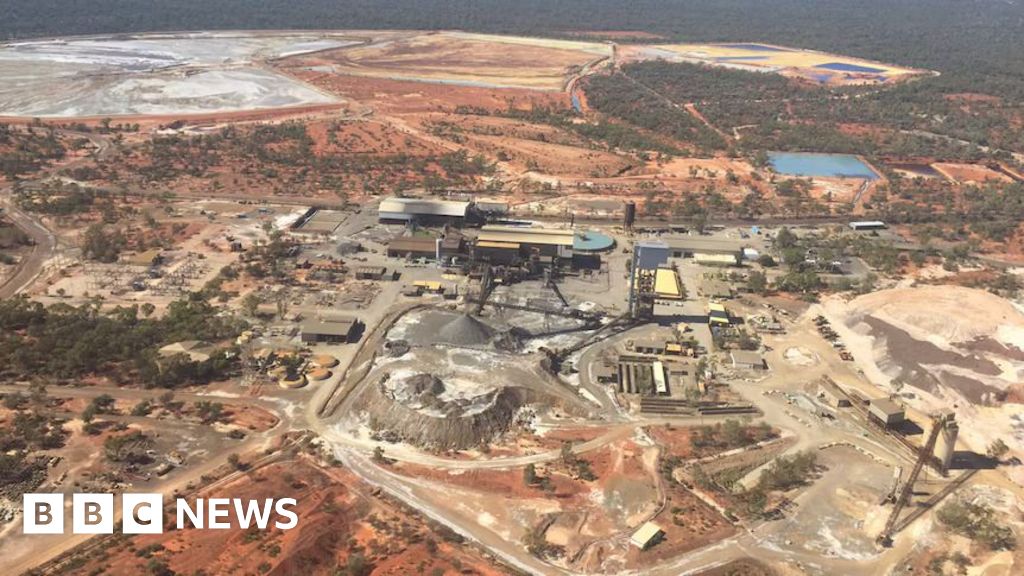
The recent tragic incident at the Endeavour mine in New South Wales marks a sobering chapter in Australia’s mining history, reminding the world of the enduring risks faced by workers in resource extraction industries. Two lives were lost in an underground explosion—an event confined to the remote town of Cobar, but one with implications that resonate far beyond the Australian continent. The incident—first since 2015—raises critical questions about safety protocols, corporate accountability, and the ongoing balance between economic development and worker protection.

According to authorities, an underground explosion claimed the lives of a man in his 60s and a woman in her 20s, with another woman sustaining minor injuries. Emergency responses revealed a community gripped by tragedy, as local officials, including Cobar Mayor Jarrod Marsden and NSW Premier Chris Minns, extended heartfelt condolences. The response from government and industry highlights an understanding that such fatalities are not only tragedies but stark reminders of the vital importance of safety standards in dangerous sectors that underpin national economies. Authorities have announced a comprehensive investigation, including a report for the coroner, emphasizing that, despite improvements in safety protocols, the risks endemic to mining remain ever-present.

Historically, Australia has maintained a generally low fatality rate in mining, with fatalities rarely occurring since the last major incident in Queensland in 2015. The Endeavour mine—with a history dating back to 1982 and now under new ownership by Polymetals Resources—had resumed operations earlier this year, focusing on precious metals such as silver, zinc, and lead. The mine’s extensive infrastructure—a 7 km decline and 300-meter shaft—underscores the scale and danger of underground extraction. As the Australian government’s Workplace Safety Authority prepares to investigate, analysts warn that the incident could serve as a temporary setback for international confidence in Australia’s mining safety reputation. Many experts point to the fact that despite technological advancements, the inherently hazardous nature of underground mining demands relentless vigilance.

From a geopolitical impact, this tragedy underscores a broader global narrative—one where the demand for critical minerals fuels international competition and economic shifts, often at the expense of worker safety. As nations like China, the United States, and Germany ramp up their resource extraction to secure supply chains for electric vehicles and renewable energy technologies, the safety of workers must remain a core concern. International organizations such as the International Labour Organization emphasize that sustainable development cannot be achieved without safeguarding lives in risky industries. Meanwhile, analysts argue this incident could potentially ripple across global markets—prompting increased regulation and safety measures—affecting how resource-dependent nations strategize their industrial growth.

In a broader, more symbolic sense, this event leaves the world at a crossroads—a place where history continues to unfold with each tragedy and triumph. As communities mourn and authorities vow accountability, the weight of the past presses heavily into the future. Will this tragedy serve as a wake-up call leading to enduring reforms, or will the relentless pursuit of resources once again overshadow the fundamental necessity of worker safety? The unfolding chapters of this incident will determine whether Australia, and by extension the global industry, can forge a safer, more responsible path forward. In the shadow of this explosion, the world is left to ponder whether the sacrifices made underground will ultimately lead to a brighter, safer dawn or whether history’s dark lessons will be ignored once more.

Dutch volleyball player and convicted child predator Steven van de Velde denied Australian visa

In a move that underscores the rising importance of moral standards and national security in international sports, the Australian government has officially banned Steven van de Velde, the Dutch beach volleyball player convicted of child rape, from entering the country ahead of the upcoming world championships in Adelaide. This decision highlights a broader trend where nations, especially those with strong sovereigntist inclinations, are increasingly leveraging their immigration policies to uphold societal safety and moral integrity. The ban effectively sidelines Van de Velde, a controversial figure whose past crimes continue to resonate as a symbol of the potential threat posed by athletes with criminal histories.

Van de Velde’s case is emblematic of a turning point in international policy where morality becomes a tangible criterion for participation in global events. The Dutch athlete, once convicted of raping a 12-year-old girl at age 19, served only 13 months of his four-year sentence before resuming his career, a timeline that raised eyebrows among critics who argue that he should have remained ineligible for public trials and competitions. As international commentators and security experts have observed, such decisions by host nations reveal a complex balancing act between fairness, justice, and the protection of societal values. The Australian Minister for Home Affairs, Tony Burke, emphasized this stance, stating, “The government will continue to use every tool we have available to ensure that Australians can be safe and feel safe in their communities.”

This incident underscores the international implications of individual criminal histories and how they are increasingly influencing diplomatic and sporting decisions. Historically, global organizations such as FIFA and the International Olympic Committee have wrestled with similar moral quandaries, often facing accusations of hypocrisy or indifference. Critics, including leading legal analysts and human rights advocates, argue that such bans are not merely about morality but serve a broader geopolitical narrative — a push to reassert national sovereignty and moral authority amidst a landscape of shifting alliances and values.

  • Van de Velde was previously penalized in 2016 for his heinous crimes; yet, his re-entry into international competition highlights ongoing debates about redemption and justice.
  • The decision to exclude him aligns with Australia’s broader strategy of safeguarding national morals and security in an era where global conflicts often bleed into the realm of international sports and diplomacy.

As the world watches, this decisive act by Australia reflects a more assertive stance that broader nations might soon emulate — framing moral gatekeeping as essential to maintaining societal order in a chaotic global landscape. Historians warn that these decisions are part of a larger chapter in history where national interests and societal safety are increasingly prioritized over the outward appearance of inclusivity. The geopolitical impact of such policies extends beyond sport; it signals a shift toward a more cautious and protective posture in global diplomacy, where nations capitalize on moral rhetoric to justify their sovereignty and security measures. The weight of history continues to press down as nations fight for their moral and geopolitical integrity, forging a future where morality and power remain inextricably linked — a struggle that will define the world for generations to come.

Social Media Auto Publish Powered By : XYZScripts.com