Matox News

Truth Over Trends, always!

Dutch volleyball player and convicted child predator Steven van de Velde denied Australian visa

In a move that underscores the rising importance of moral standards and national security in international sports, the Australian government has officially banned Steven van de Velde, the Dutch beach volleyball player convicted of child rape, from entering the country ahead of the upcoming world championships in Adelaide. This decision highlights a broader trend where nations, especially those with strong sovereigntist inclinations, are increasingly leveraging their immigration policies to uphold societal safety and moral integrity. The ban effectively sidelines Van de Velde, a controversial figure whose past crimes continue to resonate as a symbol of the potential threat posed by athletes with criminal histories.

Van de Velde’s case is emblematic of a turning point in international policy where morality becomes a tangible criterion for participation in global events. The Dutch athlete, once convicted of raping a 12-year-old girl at age 19, served only 13 months of his four-year sentence before resuming his career, a timeline that raised eyebrows among critics who argue that he should have remained ineligible for public trials and competitions. As international commentators and security experts have observed, such decisions by host nations reveal a complex balancing act between fairness, justice, and the protection of societal values. The Australian Minister for Home Affairs, Tony Burke, emphasized this stance, stating, “The government will continue to use every tool we have available to ensure that Australians can be safe and feel safe in their communities.”

This incident underscores the international implications of individual criminal histories and how they are increasingly influencing diplomatic and sporting decisions. Historically, global organizations such as FIFA and the International Olympic Committee have wrestled with similar moral quandaries, often facing accusations of hypocrisy or indifference. Critics, including leading legal analysts and human rights advocates, argue that such bans are not merely about morality but serve a broader geopolitical narrative — a push to reassert national sovereignty and moral authority amidst a landscape of shifting alliances and values.

  • Van de Velde was previously penalized in 2016 for his heinous crimes; yet, his re-entry into international competition highlights ongoing debates about redemption and justice.
  • The decision to exclude him aligns with Australia’s broader strategy of safeguarding national morals and security in an era where global conflicts often bleed into the realm of international sports and diplomacy.

As the world watches, this decisive act by Australia reflects a more assertive stance that broader nations might soon emulate — framing moral gatekeeping as essential to maintaining societal order in a chaotic global landscape. Historians warn that these decisions are part of a larger chapter in history where national interests and societal safety are increasingly prioritized over the outward appearance of inclusivity. The geopolitical impact of such policies extends beyond sport; it signals a shift toward a more cautious and protective posture in global diplomacy, where nations capitalize on moral rhetoric to justify their sovereignty and security measures. The weight of history continues to press down as nations fight for their moral and geopolitical integrity, forging a future where morality and power remain inextricably linked — a struggle that will define the world for generations to come.

Hollywood icons and trendsetters champion bold cinematic fashion

Global Power Shifts as Nations Navigate an Era of Uncertainty

In a world grappling with unprecedented geopolitical shifts, recent developments underscore the fragile state of international stability and the profound consequences of diplomatic decisions. Central to this evolving landscape is the complex interplay of major powers vying for influence, while international organizations grapple with maintaining order amid mounting challenges. As analysts warn of an impending recalibration of global alliances, nations are forced to confront the realities of a multipolar world where decision-making bears the weight of history.

The United States remains a dominant actor, yet its diplomatic posture appears increasingly cautious as tensions with China and Russia intensify. According to historians such as Dr. Elizabeth Carter, recent policies signal a retreat from unilateral engagement towards a more strategic balance of power, emphasizing resilience rather than dominance. Meanwhile, European Union nations face their own dilemmas, balancing economic recovery with the rising tide of internal and external dissent. Crucially, the G7 summit’s resolutions reveal a commitment to shoring up defenses and fostering alliances, yet critics argue this may be insufficient against the backdrop of a resurgent Russia’s assertiveness.

Simultaneously, a wave of cultural and social upheaval continues to shape domestic policies. Events such as Vogue World: Hollywood exemplify how nations project soft power and influence through spectacle and celebrity. The recent gathering in Los Angeles, showcasing luminaries from Nicole Kidman to Miley Cyrus, exemplifies the strategic use of media and culture to bolster national prestige. Beyond glitz and glamour, these moments reflect a deeper narrative: how nations choose to present themselves to the world influences not only perception but also diplomatic leverage. International organizations such as the United Nations caution that these cultural displays are no substitute for substantive policy, yet the spectacle continues to serve as a reflection of a world obsessed with image and influence.

As geopolitical tensions deepen, the choices made today will echo through history’s corridors. Analysts warn that a failure to address core conflicts risks ushering in an era of instability where societal divisions widen and the fabric of international order unravels. In the shadow of these monumental decisions, societies are left to ponder the future—whether unity can be restored or if history’s relentless tide of change will forge a new world order in flames of conflict or in the quiet whispers of diplomacy. It is here, at this crossroads of history, that the true weight of our era is being written, a story yet unfinished, destined to shape the generations to come.

Organized Crime Profiting Millions from Illegal Waste Dumping in UK, Report Reveals

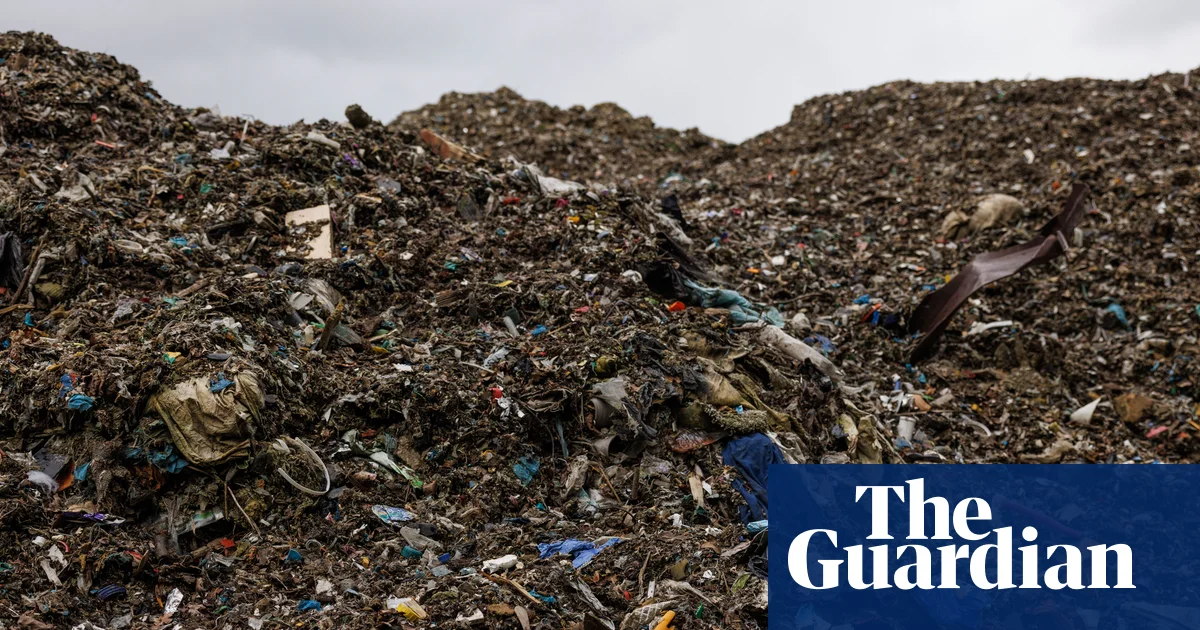
In a stark revelation that underscores the escalating chaos within the UK’s environmental enforcement, recent findings highlight how organized crime groups are reaping millions from illegal waste dumping. An inquiry by the House of Lords described the waste sector as a “low-risk, high-reward” avenue for criminal enterprises, revealing a disturbing pattern of endemic lawlessness that extends beyond Britain’s borders. The scale is staggering: at least 38 million tonnes of waste are illegally managed annually, inflicting severe environmental degradation, economic losses, and social chaos. This crisis is symptomatic of broader international failures to combat organized crime, fueling a narrative where justice is slow, if not altogether absent, amidst diplomatic and domestic shortcomings.

Analysts warn that such neglect has profound geopolitical implications. When criminal networks operate with impunity within one nation’s borders, they threaten to destabilize regional security and undermine global efforts to promote lawful economic activity. The report’s detailed account paints a picture of governmental apathy, with watchdogs criticizing the Environment Agency and police authorities for their ineffectiveness in prosecuting serious waste crimes, which are linked to illicit arms, drugs, and money laundering. Such gaps in enforcement provide fertile ground for organized crime syndicates to metastasize, turning what should be a matter of environmental preservation into a gateway for broader transnational threats. This situation not only jeopardizes Britain’s internal stability but also sends ripples across alliances, as nations grapple with shared challenges posed by expanding criminal cartels.

The international community, including organizations like the United Nations, has historically emphasized the importance of robust law enforcement and treaties to combat transnational crime. Yet, recent disclosures from Britain expose an unsettling gap between rhetoric and reality. The report details grave failures, such as the 2020 fly-tipping at Kent’s Hoad’s Wood nature reserve, which took three years for authorities to address, despite public reports of illegal dumping. At that point, over 30,000 tonnes of waste had accumulated, illustrating how bureaucratic inertia can allow lawless elements to entrench themselves in local communities. These failures exemplify how poor enforcement capacity enables organized crime to flourish, with devastating effects on societal trust and environmental sustainability.

As global historians and security analysts warn of an era where lawlessness adapts rapidly, the ongoing crisis in the UK highlights the urgent need for international cooperation. From reforms in policy frameworks to increased border controls and intelligence sharing, the fight against organized crime must transcend national borders. The narrative remains ominous: unless decisive action is taken, criminal syndicates will continue their ruthless exploitation of legal loopholes, undermining the rule of law and leaving scars on societies and landscapes alike. And as history continues to unfold, the question remains—will the world mobilize to confront this tide of chaos, or will it become another chapter in the unending saga of law and disorder? The weight of history presses heavily on the horizon, waiting to see which path the global community will choose.

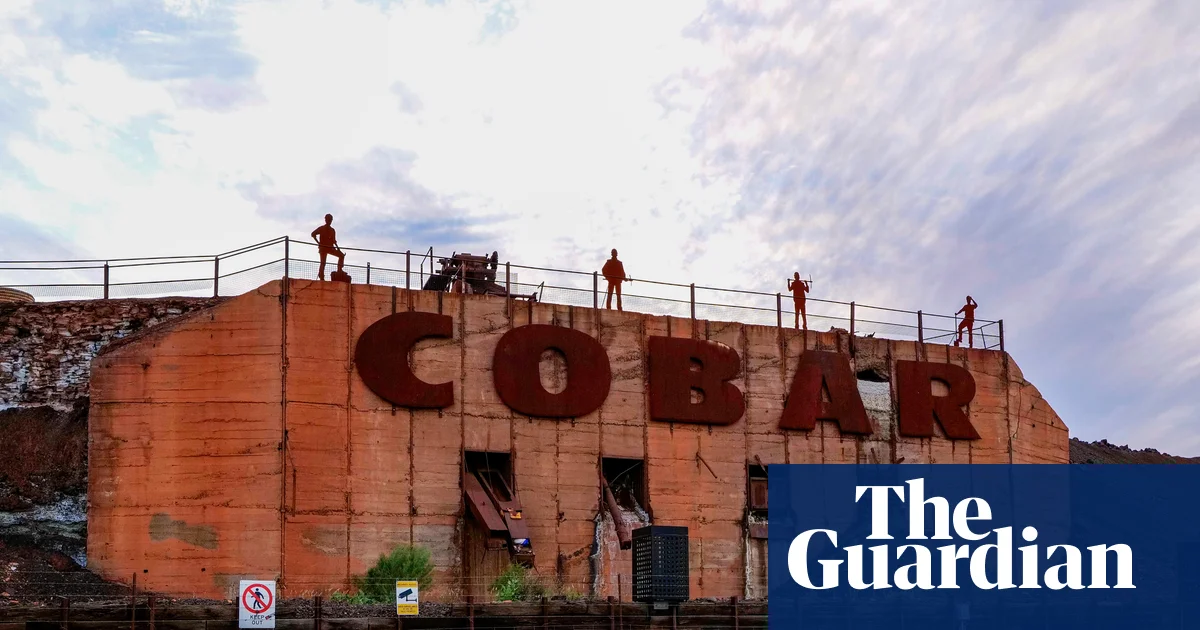
Mine blast at Cobar claims two lives — a tragic blow to our far west communities

Tragedy Strikes In Australia: Deadly Mine Explosion Raises Safety Concerns and Geopolitical Implications

In a devastating incident in the Cobar region of Australia, two workers lost their lives following an underground explosion at the Endeavour Mine. This catastrophe underscores the persistent risks associated with resource extraction industries, even as technological advancements claim to improve safety protocols. According to authorities, emergency services responded swiftly after being alerted early Wednesday morning; however, the magnitude of the explosion resulted in one confirmed death on-site and the subsequent death of a woman who was initially rescued. The incident also left another woman hospitalized with hearing damage and shock, highlighting the ongoing danger faced by miners in hostile underground environments.

How decisions and safety regulations impact nations and societies

This tragedy in Australia resonates beyond local concerns, echoing a broader global discussion on the safety standards within resource-dependent nations. Australian authorities, including NSW Premier Chris Minns and state Minister Courtney Houssos, have expressed their heartbreak and solidarity with affected families. These events serve as a harsh reminder that even in countries with improved safety protocols, vigilance remains vital. As some analyses suggest, the mining sector is a cornerstone of Cobar’s economy, primarily supporting copper, gold, zinc, and lead extraction—industries that are vital for local employment and regional economic stability. Yet, each accident risks not only human lives but also threatens the societal fabric, stirring political debates about regulatory oversight and corporate responsibility.

Geopolitical and economic dimensions of resource security

The incident’s international implications lie in how resource security and safety standards influence global geopolitics. Countries that rely heavily on mineral exports such as Australia find that mining accidents can ripple through global supply chains, affecting industries ranging from electronics to automotive manufacturing. Moreover, Australia‘s role as a strategic resource provider heightens the stakes, especially as global demand for critical minerals surges—driven by alternative energy initiatives and technological innovation. Historically, mining tragedies have occasionally spurred reforms and heightened regulatory scrutiny, but they also underscore the fragility of mining infrastructure amid economic pressures to maximize output.

Experts from international organizations warn that such incidents can undermine critical diplomatic relationships, especially if safety lapses are perceived as neglect or intentional cost-cutting. The World Bank and International Labour Organization have long championed stricter safety standards, but enforcement often falls short amid rising global competition for mineral wealth. While Australia remains a key player in this geopolitical chess game, the incident at the Endeavour Mine might influence future negotiations on trade, labor rights, and environmental regulations, prompting nations to reassess their own resource policies.

Conclusion: The weight of history and the future that remains unwritten

As the dust settles over the incident at Cobar, the broader narrative unfolds—a narrative of human resilience, regulatory challenges, and the relentless pursuit of progress at a cost. History has shown that each tragedy on the frontier of resource extraction leaves an indelible mark on national consciousness and international policy. With the investigation ongoing, the mining industry and governments worldwide are reminded that beneath the surface of prosperity lies a fragile balance, one that must be guarded jealously. In the shadows of these dark events, the true test lies not only in justice for the fallen but in the unwavering resolve to forge safer pathways into the future, lest we forget the lessons written in the scars of history.

Israel receives body claimed by Hamas as Gaza hostage

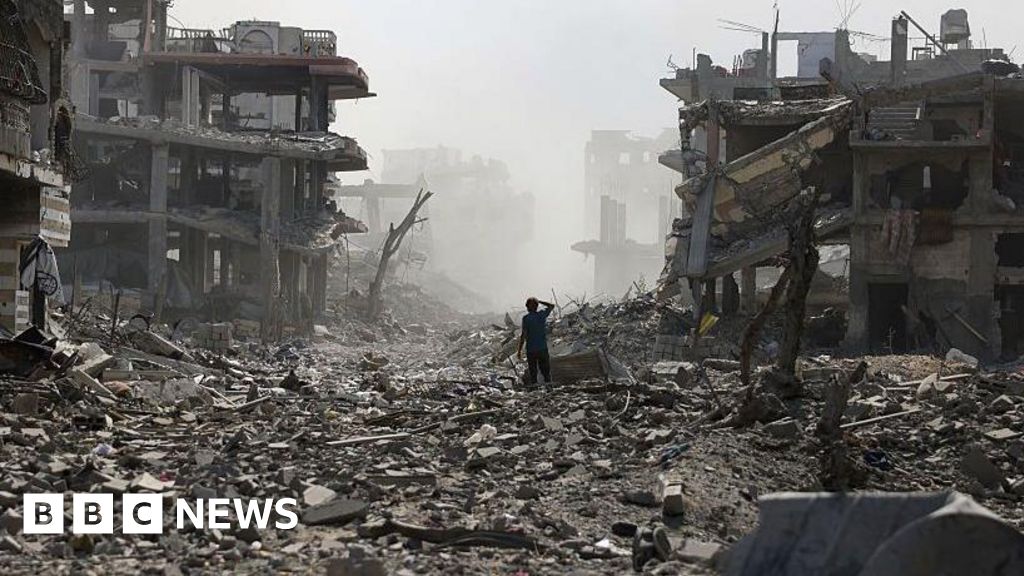
The ongoing conflict in Gaza has once again thrust the volatile Middle East into the global spotlight, revealing the profound impact of international decisions on regional stability and societal futures. Recent reports confirm that Israel has received a coffin through the Red Cross reportedly containing the remains of a deceased hostage held by Hamas. This exchange, while seemingly a small gesture amid ongoing violence, symbolizes the complex and deeply entrenched struggle between Israel and Palestinian factions—a struggle that continues to shape geopolitical realities for neighboring nations and global actors alike.

According to official statements, the coffin will soon be transported to Israel for DNA testing, aiming to identify the remains conclusively. This development has elevated tensions, with Israel accusing Hamas of violating the ceasefire deal by withholding the bodies of all hostages, a charge denied by Hamas, which insists it is committed to the agreement brokered by the US, Egypt, Qatar, and Turkey. These diplomatic efforts, fragile as they are, underscore the international community’s desperate attempt to manage and de-escalate a conflict that has already devastated more than 68,000 lives, according to Hamas’s health ministry, in what some analysts describe as a modern-day catastrophe with historic consequences.

  • The recent exchange of hostages and remains—where 20 living hostages were released for hundreds of Palestinian prisoners—highlight the brutal human toll and the political leverage wielded by both sides.
  • The limited progress in recovering and identifying remains reflects complications rooted in the terrain alteration caused by recent military campaigns, complicating search efforts and fueling accusations of inaction and betrayal.
  • Critics, including family representatives and international observers, warn that the failure to fully resolve hostage issues risks further destabilization, threatening to escalate into broader regional conflict and undermining peace negotiations.

As historians and analysts scrutinize this latest chapter, they warn of a dangerous pattern: each act of violence and each diplomatic setback solidifies the narrative of a society caught in cycles of retaliation, spawning a political environment where the possibility of lasting peace remains elusive. Gaza and its people stand at the heart of this geopolitical storm, their future dictated by decisions made in distant capitals and influenced by a mix of strategic interests, ideological divides, and the persistent desire for sovereignty and security. The international community, meanwhile, faces mounting questions about its role and effectiveness—whether as mediators or passive spectators—amidst the unfolding tragedy.

Looking ahead, the specter of unresolved hostage issues and ongoing violence leaves the region at a perilous crossroads. The fragile ceasefire teeters on the brink of collapse, with each side accusing the other of breaches and violations. Whether the current diplomatic efforts can forge a meaningful path toward peace remains to be seen, but one thing is clear: this is a chapter in history where the choices made today will resonate for generations, shaping the geopolitical fabric of the Middle East and the global order at large. The weight of political miscalculation and human suffering hangs heavy, as the world watches a conflict where the stakes extend beyond borders—into the core of what it means for nations and societies to find justice amid chaos.

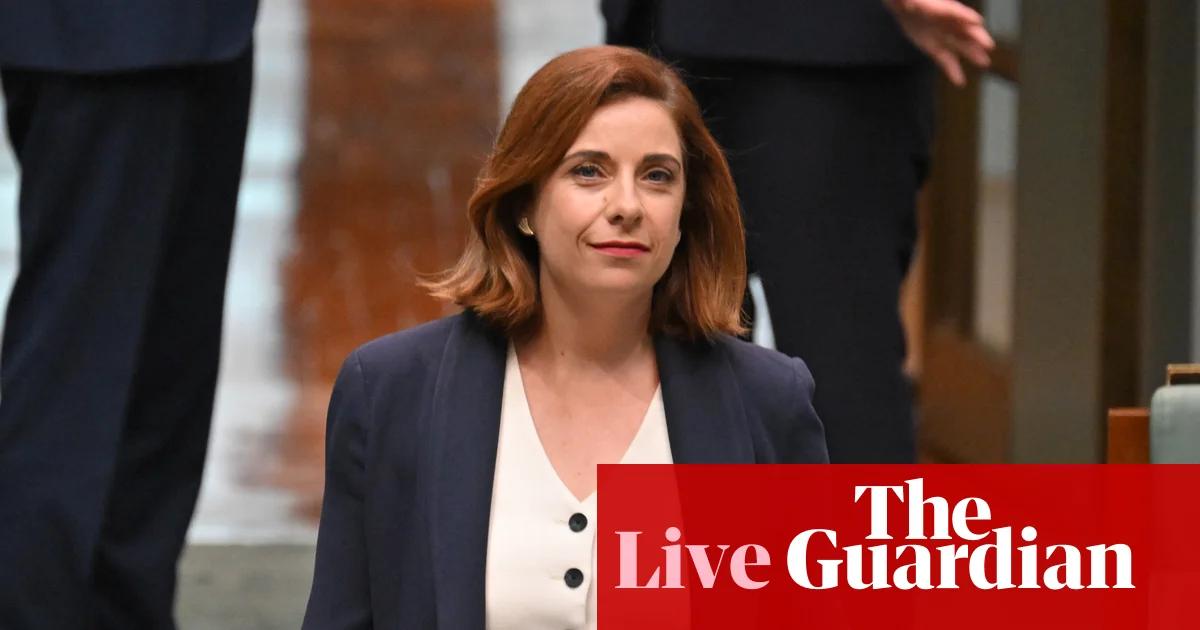
Australia Politics Live: Telcos Hit Harder But Liberals Must Move Beyond Howard Era, Hastie Warns

The recent developments in Australia’s national politics and policy landscape highlight the significant geopolitical impact of domestic decisions on regional stability and international perceptions. The Australian government’s move to escalate fines for telecommunications companies failing to connect users to the emergency triple zero service, now set at $30 million, underscores a notable shift towards reinforcing critical infrastructure accountability. This regulation, driven by bipartisan support from Labor and Coalition members, marks a clear message that corporate negligence in essential services will not be tolerated. As analysts from the International Institute for Strategic Studies observe, such measures reflect Australia’s intent to project strength and resilience, especially as it faces regional challenges and global scrutiny over public safety standards.

Simultaneously, the Australian Parliament has taken steps to increase transparency in telecommunications outages by mandating companies to maintain a public register of network disruptions that are updated in real-time. This proactive move follows the September outage incident involving Optus, which exposed vulnerabilities in Australia’s emergency response network. The decision to require ongoing transparency can be viewed as part of a broader strategy to bolster public confidence not only domestically but also in Australia’s role as a regional leader in digital infrastructure. This initiative signals a clear posture: the government prioritizes sovereignty over critical communications, ensuring that international partners and allies see Australia as committed to public safety and technological sovereignty. The U.S.-based National Security Council comments that such transparency measures may serve as a template for other nations seeking to safeguard their own emergency networks against cyber threats and operational failures.

At the same time, internal political struggles continue to shape the nation’s trajectory. Barnaby Joyce, a veteran figure in Australia’s conservative ranks, has indicated he will consider his political future over the upcoming summer, with speculation swirling over his potential joining of One Nation. Meanwhile, fellow nationalist figure Andrew Hastie has voiced warnings that the Liberal party can no longer navigate the political landscape by *living in the Howard era*. These internal debates carry profound geopolitical consequences—a fractured conservative bloc may weaken Australia’s stance on strategically vital issues such as climate policy and regional alliances. As political analyst Dr. Liu Zhang from Beijing’s Institute for International Studies notes, a divided Australian government could undermine the nation’s ability to act decisively on the international stage, particularly amid rising regional tensions with China and the Indo-Pacific.

Furthermore, these internal tensions, intertwined with the ongoing debate about Net Zero emissions, demonstrate how national policy decisions echo across borders. The Labor government’s firm stance on higher penalties for telcos and increased transparency reflects a broader push to demonstrate international credibility—particularly in the face of global climate commitments and regional security pacts. What remains at stake is not merely Australia’s domestic policy but its global standing as a stable, responsible actor in an increasingly uncertain international order. As global institutions like the United Nations scrutinize national commitments, the resolve—or wavering—of Australian leaders in such foundational issues will unavoidably influence regional trust and assertiveness. The course of these domestic struggles, political choices, and policy decisions are chapters in a larger narrative—the story of a nation navigating the tumultuous waters of a shifting geopolitical landscape, the outcome of which will shape history in ways yet to unfold, leaving the world watching with bated breath as Australia writes its next move.

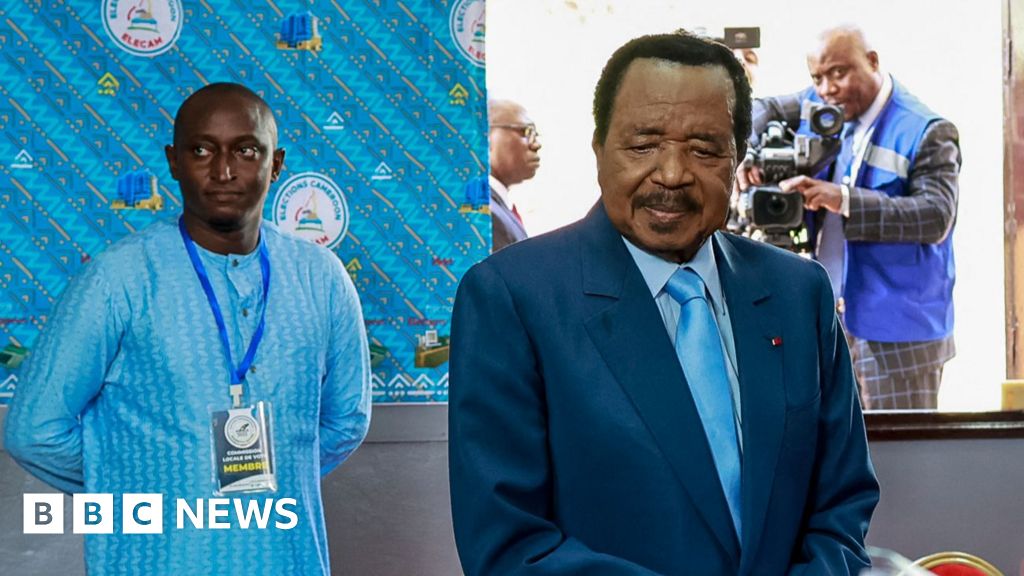
Cameroon's 92-year-old leader secures disputed eighth term outlasting critics
Cameroon’s 92-year-old leader secures disputed eighth term outlasting critics

The recent presidential election in Cameroon has ignited a wave of unrest and international concern, revealing how fragile the fabric of stability remains in this Central African nation. At age 92, Paul Biya, who has governed Cameroon since 1982, secured an eighth term in a fiercely disputed electoral process. Official results declared Biya the winner with 53.7% of the vote, amid accusations of electoral malpractice and widespread violence, prompting a growing chorus of international analysts warning of a potential descent into chaos. This election, marred by deadly clashes, underscores a profound crisis of legitimacy and a nation on the precipice of deeper instability.

Despite Biya’s longstanding rule, his victory is viewed with intense suspicion both domestically and internationally. Opposition leader Issa Tchiroma Bakary insisted he had won, but the Constitutional Council dismissed his claims, tipping the scale in favor of Biya’s continued dominance. Security forces responded with brutality as supporters of Tchiroma Bakary protested, resulting in at least ten deaths during recent demonstrations, including gunfire near his residence and clashes in the economic capital of Douala. The regional governor reported police posts under attack, further illustrating the deep schisms within the country. Analysts, including those at the International Crisis Group, warn that the deepening division, combined with unaddressed grievances, risks transforming Cameroon into a powder keg of ethnic and political strife.

The geopolitical impact of this election extends beyond Cameroon’s borders, affecting stability across the Central African region. The country’s long-standing internal conflicts, including the separatist insurgency in the English-speaking regions, threaten regional security and economic development. Western nations and international organizations have raised alarms over the troubling signs of political illegitimacy, fearing that a government unresponsive to public grievances could foster more violence and instability. As historian and regional analyst Dr. Emmanuel Nkamleu emphasizes, the legacy of Biya’s era—marked by economic decline, rampant corruption, and suppression of dissent—has left Cameroon vulnerable to larger regional destabilization, pushing neighbors to ponder broader security implications.

Most citizens seem resigned to the tumult, with voices from Yaoundé and Bamenda expressing concern over the future. Many lament the declining economy and endemic corruption, warning that the political system is buckling under the weight of its own contradictions. The silence that followed the election’s declaration epitomizes a society that feels betrayed, a historically peaceful nation now teetering on the edge of upheaval. International voices call for urgent mediation, warning that without immediate reforms and genuine reconciliation, Cameroon risks falling into prolonged conflict. As the story of this election continues to unfold, the weight of history reminds the world that the decisions made today carve the fate of future generations. Whether this fragile republic can recover or whether it will become another casualty of unchecked political power remains a question with profound consequences for the entire continent.

Trump Flirts with Third Term, Keeps Fans and Critics Guessing

US Political Landscape Heats Up: Trump’s Ambitions and International Repercussions

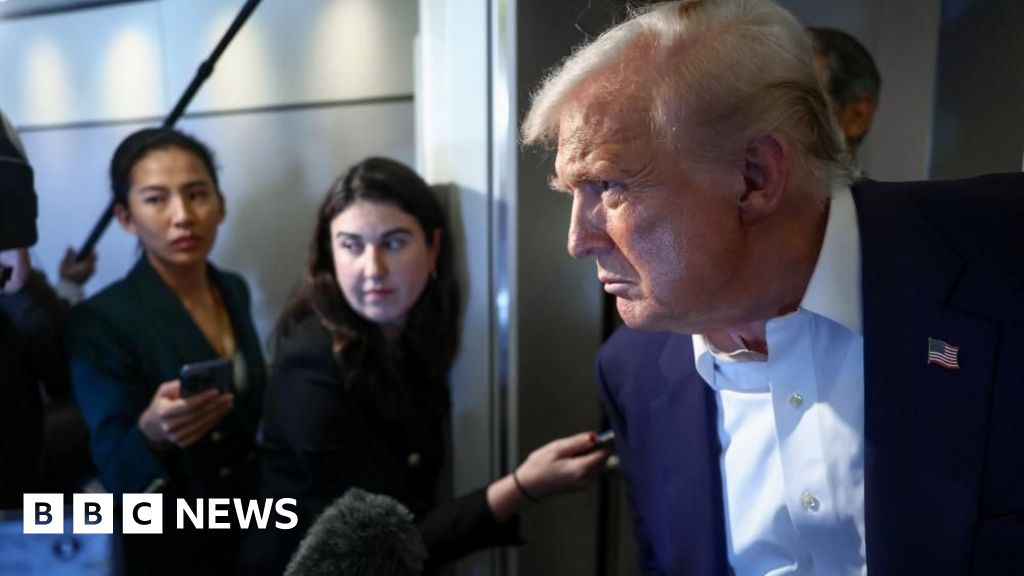
The United States is once again at a pivotal crossroads as President Donald Trump publicly hints at the possibility of seeking a third term. This revelation, made during his diplomatic tour of Asia, reverses previous claims that he would not pursue further presidential bids. While the 22nd Amendment of the US Constitution definitively bans presidents from serving more than two terms, Trump’s comments signal that the political landscape remains unpredictable. His remarks suggest a potential rise of unconventional strategies, such as leveraging support from influential allies or possibly maneuvering through legal technicalities—an approach that has alarmed many international institutions and democratic watchdogs.

This development is shaded with complex geopolitical implications. Trump’s intent to run again in 2028, reinforced by allies like Steve Bannon, underscores a continued challenge to traditional constitutional constraints and the stability of American democracy. Analysts warn that such ambitions could deepen existing domestic divisions and influence worldwide perceptions of US adherence to democratic norms. The possibility of a third Trump presidency also raises serious concerns about potential shifts in US foreign policy, particularly in volatile regions like East Asia and Eastern Europe, where American commitments are foundational for regional stability.

Meanwhile, the Democratic Party faces a turbulent future of its own, with figures like Gavin Newsom and Kamala Harris signaling intentions to seek the presidency. Their bids could further polarize American politics and affect international alliances and diplomatic strategies. Global strategists emphasize that how the US manages its internal political contestations will have profound effects on world order, especially as China and Russia continue to cement their influence. International organizations and analysts caution that such internal US conflicts could weaken the credibility of its leadership on issues like climate change, cybersecurity, and regional security.

The unfolding scenario leaves the world teetering on the brink of a new chapter where power dynamics may shift significantly. Historians warn that history will judge these years as a defining moment—how America navigates the treacherous waters of its internal strife and external leadership will shape global history itself. As nations watch and react, the weight of future generations may hinge on decisions made within the halls of power, decisions that could either uphold the promise of democracy or usher in a new era of uncertainty and upheaval. The future remains unwritten, and how today’s choices resonate through the corridors of history will determine whether the world sees stability or chaos in the years to come.

Lithuania vows to shoot down smuggling balloons, PM warns of tough crackdown

In a bold and resolute move, Lithuania has announced it will begin shooting down balloons believed to be used in smuggling cigarettes from Belarus. This decision comes amid a series of unsettling incidents where weather balloons encroached on Lithuanian airspace, forcing the closure of Vilnius Airport multiple times over the past week. The Lithuanian government has responded with strict measures, including an indefinite closure of border checkpoints with Belarus, signaling a serious escalation in the ongoing hybrid conflict along this tense border region.

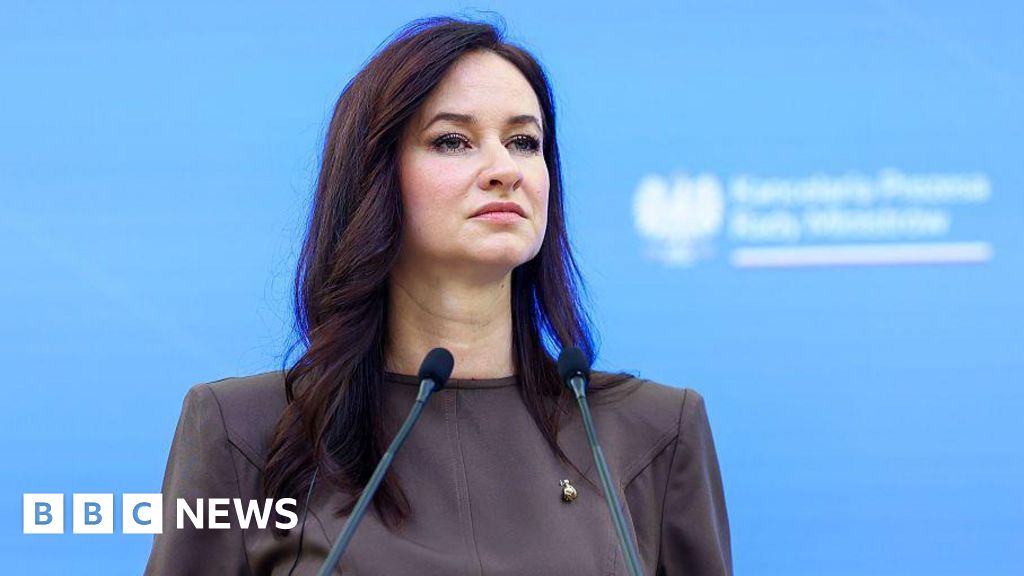
The Lithuanian Prime Minister, Inga Ruginiene, declared in a press conference that the Lithuanian military is prepared to take “all necessary measures” to protect sovereignty and airspace integrity. She emphasized that the government’s response aims to send a clear message that no hybrid attack—be it through balloons or other clandestine means—will be tolerated. These provocations, while seemingly trivial to some, have serious geopolitical impact—they highlight a broader struggle over influence, sovereignty, and security between Lithuania, a staunch NATO member, and its eastern neighbor. Lithuania’s move also underscores the increasingly contentious atmosphere in the region, with analysts warning that such incidents could escalate into more overt forms of hybrid warfare, including cyberattacks or even military provocations.

Since October, Lithuanian authorities have recorded over 544 balloons entering from Belarus in 2023 alone, a significant number that has affected commercial air traffic and raised alarm about orchestrated efforts to destabilize. European airports—such as those in Copenhagen and Munich—have also reported drone sightings and air incursions linked to similar tactics from Belarusian sources. International organizations like NATO are closely monitoring these developments, contemplating the activation of Article 4 of the NATO Treaty—a formal consultation triggered when a member perceives its security to be threatened. Lithuania’s consultation with allies needs to be swift, considering how these seemingly minor balloon infiltrations carry the weight of a strategic challenge aimed at testing the resilience of Western security commitments in the face of hybrid tactics.

Historians and security analysts warn that such provocations are part of a larger pattern of hybrid warfare, as Russia and Belarus continue to challenge the West’s eastern flank. The situation remains volatile; Lithuania’s actions represent a stand against what many see as a dangerous shift towards unconventional warfare that blurs the lines between peace and conflict. As Lithuania fortifies its borders and prepares for further escalation, the shadows of history warn us that these small skirmishes—though seemingly insignificant—can ignite larger conflicts. The weight of unfolding history presses down on the region, reminding all nations that in this new era of hybrid warfare, even weather balloons carry the potential to alter the course of nations’ futures—an ominous prelude to conflicts still waiting just beneath the surface.

Hurricane Melissa Threatens Jamaica’s Biggest Blow Yet

Hurricane Melissa’s Devastation: A Wake-Up Call for the Caribbean and the World

The recent escalation of Hurricane Melissa to a formidable category five storm has sent shockwaves across the Caribbean, with Jamaica now on the brink of a historic disaster. Forecasters warn that Melissa, with maximum sustained winds reaching 160 mph (260 km/h), poses an existential threat to the island nation. The storm’s slow movement enhances its destructive capacity, with rainfall predictions of up to 40 inches (100cm) over the next four days. Such intense weather phenomena are not mere acts of nature but manifestations of an increasingly volatile climate crisis that international experts warn is accelerated by geopolitical neglect and neglect of environmental commitments.

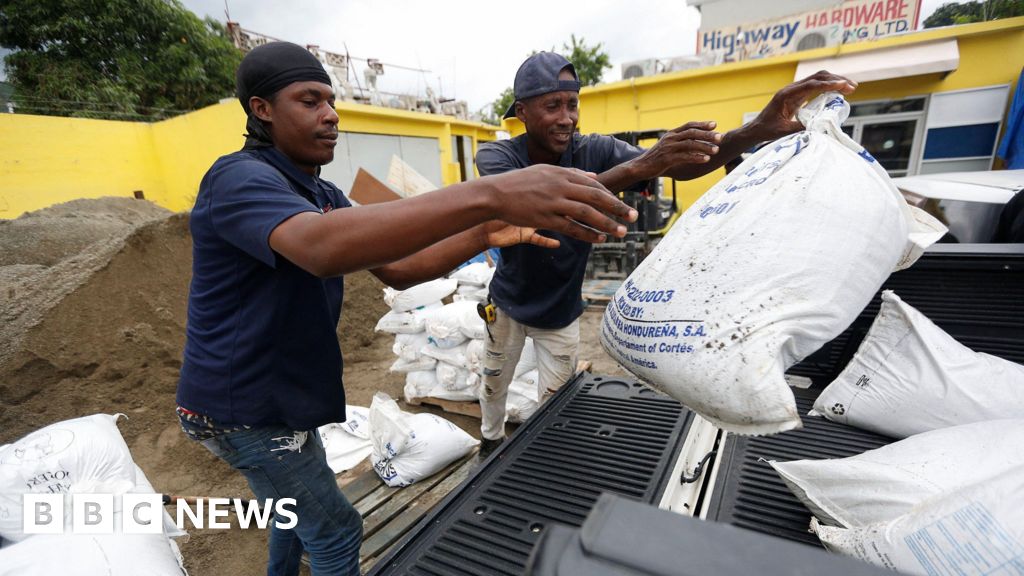
As the storm approaches, Jamaican authorities have issued immediate evacuation orders for vulnerable communities across Kingston and beyond. Prime Minister Andrew Holness has activated all 881 emergency shelters in response, acknowledging the potential for catastrophic flooding and life-threatening winds. The impact of Melissa extends beyond natural destruction, highlighting the fragile socio-economic fabric of small island nations that are often disproportionately affected by climate emergencies. The storm surge and torrential rains threaten to displace thousands, destroy homes, and cripple critical infrastructure—an ominous reminder that climate change is no longer a distant threat but an immediate, tangible danger that jeopardizes national stability and social order.

Regional and International Repercussions

The unfolding crisis on the Caribbean island of Hispaniola—comprised of Haiti and the Dominican Republic—adds a troubling dimension to Melissa’s destructive path. On Hispaniola, at least three lives have perished, and hundreds of homes have floodwaters enveloped entire neighborhoods. Notably, a 79-year-old man was swept away by rising waters in Santo Domingo, and a 13-year-old remains missing amidst the chaos. This tragedy underscores the vulnerabilities of impoverished populations where critical infrastructure is often inadequate, and disaster response is hampered by political and economic instability.

International organizations such as the United Nations have issued urgent warnings, emphasizing that the Caribbean’s recent weather catastrophe signals a destabilizing shift with geopolitical consequences. Analysts argue that in an era of climate emergency, climate justice advocates tend to overlook the geopolitical tensions fueled by resource scarcity, migration, and economic disparity. As the storm bears down on Cuba and the Bahamas, the resilience of these nations—some still battling over recent economic sanctions or political upheavals—may be tested. This moment reveals how interconnected global stability is to local environments and how decisions by major powers regarding climate policies and aid shape the outcomes for nations at the mercy of nature’s fury.

Long-Term, Geopolitical Impact: A Call for Greater Global Responsibility

Some of the most respected historians and geopolitical analysts warn that climate disasters like Melissa are more than mere weather events—they are the harbingers of a new global paradigm where decisions made today about energy, sustainability, and international aid will determine the fate of nations. The failure of wealthy nations to uphold climate commitments under treaties such as the Paris Agreement only exacerbates the plight of vulnerable populations. As these nations confront nature’s wrath, their plight becomes a symbol of broader geopolitical failures—an urgent call for the global community to rethink its responsibilities.

The storm’s environmental toll is staggering: rising floodwaters, breached infrastructure, and ecological damage threaten long-term prosperity and security. Yet, it is also a vivid reminder of how decisions made on the international stage—from climate policy to geo-economic negotiations—directly influence the lives of millions. As nations scramble to respond, the question remains: Will this storm catalyze a decisive shift towards responsible global stewardship, or will it reveal the stark divide between rhetoric and action in addressing the climate emergency?

As Melissa’s winds threaten to reshape the Caribbean’s coastlines and communities, the weight of history presses heavily on the horizon. With each passing hour, the storm’s fury whispers an unsettling truth—that humanity stands at a crossroads, where the choices of today echo into the chaos or the salvation of tomorrow. The unfolding saga of Hurricane Melissa is not merely a test of resilience; it is a stark chapter in a wider narrative—one where geopolitical interests, environmental stewardship, and societal courage must converge to face the storm’s relentless march into history.

Social Media Auto Publish Powered By : XYZScripts.com