Matox News

Truth Over Trends, always!

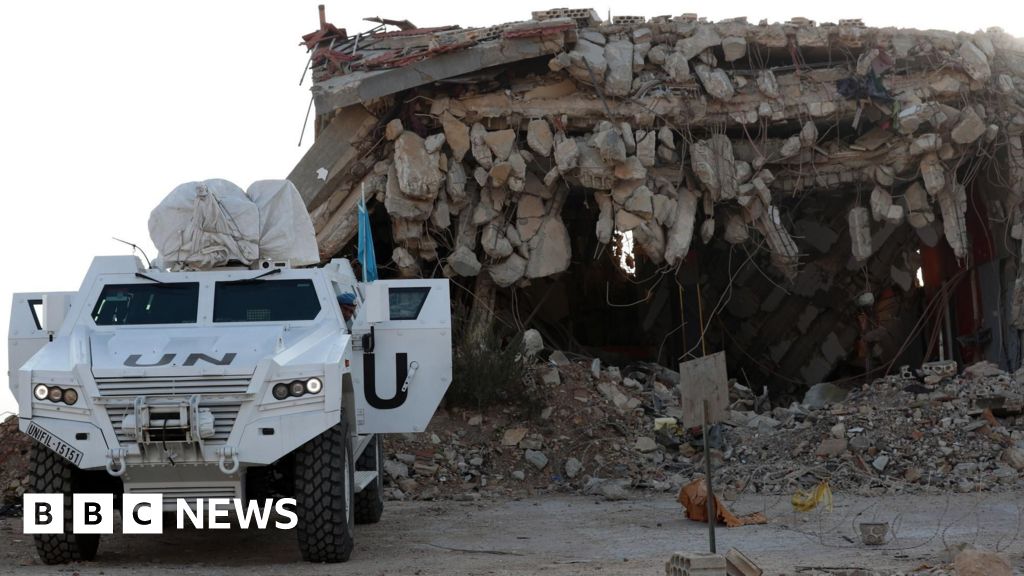
UN peacekeepers in Lebanon shoot down Israeli drone—hope for stability amid tension

The United Nations Interim Forces in Lebanon (Unifil) recently engaged in an unprecedented military action, shooting down an Israeli drone operating near the border town of Kfar Kila. This event marks a rare occurrence, highlighting the escalating tension along the historically volatile Israel-Lebanon border. According to Unifil, the drone was flying in an “aggressive manner,” prompting peacekeepers to take defensive measures. Contrasting the UN’s account, the Israeli military insists the drone was merely conducting “routine intelligence-gathering,” raising questions about the true nature of these incursions. The incident further underscores how fragile the recent ceasefire remains, with violence quickly rekindling despite international promises of peace.

Analysis from military experts and historians suggests that the latest flare-up is symptomatic of a broader, failed diplomacy. Despite a formal ceasefire that took hold last November after the devastating conflict involving Hezbollah and Israel, tensions along the border persist. Israel continues to carry out air strikes and drone operations targeting what it claims are Hezbollah’s rearming efforts. Meanwhile, Lebanon and international bodies, including the UN, condemn these actions as violations of sovereignty and breaches of the ceasefire agreement. Such conflicts threaten to unravel the fragile stability in the region, with critics warning that ignoring international law risks a larger, more destructive conflagration.”

The military confrontations and diplomatic efforts are unfolding amidst a region teetering on the brink of renewed war. The latest incidents saw Israeli forces drop grenades and fire at UN peacekeeping assets, actions that have been characterized as provocative and unjustified. The UN’s silence on these escalations only fuels speculation about whether international organizations are genuinely capable of mediating the increasingly complex geopolitical landscape or are simply watching as history repeats itself. As U.S. and French-led diplomatic teams convene again to restore peace, many analysts emphasize that the underlying issues—such as Hezbollah’s refusal to disarm and Lebanese sovereignty—remain unresolved, making any diplomatic momentum fragile and temporary.

In this high-stakes environment, how nations choose to navigate the next few weeks will determine the future of Lebanon and the entire Eastern Mediterranean basin. The recent events, including the downing of the drone and subsequent military responses, exemplify the delicate balance of power, where international diplomacy is underpinned by fierce local rivalries and unresolved conflicts. Prominent voices like historians and geopolitical analysts warn that failure to address these issues decisively could plunge the region into renewed chaos, with adverse consequences for stability and security. As the world watches, history continues to unfold, shaped by decisions made in war rooms and diplomatic halls—decisions that will echo through generations to come, determining whether the region plunges into a new era of conflict or moves towards genuine, lasting peace.

Milei's bold 'chainsaw' approach scores major victory among youth voters
Milei’s bold ‘chainsaw’ approach scores major victory among youth voters

In what could be one of the most significant electoral shifts in South America this decade, Argentina has once again placed itself at a pivotal crossroads. The recent midterm elections saw a resounding victory for President Javier Milei and his party, La Libertad Avanza. By securing nearly 41% of the vote and dominating both chambers of Congress, Milei’s movement signifies a dramatic rejection of the traditional Peronist, welfare-centered economic model that has long defined the nation’s political landscape. His radical approach, characterized by *swift austerity measures*, has resonated with voters desperate for change amid spiraling inflation, crumbling public services, and rising unemployment. Yet, this swing toward radical market reforms not only alters domestic policy but also sends ripples across the geopolitical fabric of the continent and beyond.

Some analysts argue that Milei’s electoral surge signals a broader ideological shift within Latin America. As historians and international economists highlight, the continent has long grappled with the consequences of expansive government spending, debt reliance, and inflationary policies. Milei’s “chainsaw” tactics—his vow to drastically cut state spending—echo a global movement favoring free markets over government intervention, a stance now reinforced by his recent sweeping victory. The U.S. has openly expressed support, with former President Donald Trump praising Milei and hinting that American financial aid—potentially up to $40 billion—is contingent upon Milei’s political momentum. Such foreign backing raises alarms about external influence, with critics warning it could distort Argentina’s sovereignty and escalate tensions within the region—particularly with governments wary of U.S. interference.

For Argentina, this electoral outcome is a sharp departure from its historical reliance on populist policies. Milei’s government now faces the daunting challenge of balancing its radical reforms with the very social stability it claims to restore. Voters and social advocates are voicing concern over job losses, diminished social services, and a looming recession—crises their predecessors’ policies failed to address. Despite the market optimism following the vote, fears persist about economic overreach and the fragility of this newfound political stance. As international organizations warn of potential debt payment crises and dwindling reserves, the nation’s future hangs in the balance. What is undeniable is that, **once more, Argentina stands as a symbol of the continent’s deepening ideological contest—between the old populist order and a bold, untested free-market revolution**.

With the winds of change sweeping through the Andes, the unfolding story of Argentina represents much more than a national election outcome—it echoes across borders. The decisions taken today by Milei and his supporters will memorialize a chapter in history that shapes the region’s economic destiny, threatening to sway nations caught between tradition and transformation. As powerful forces converge, the question remains: will the electorate feel the promised benefits of these reforms, or will the price of upheaval prove too great? The pages of history continue to turn, leaving the world watching, as an unfolding narrative of resistance, resilience, and revolution continues to be written—one political upheaval at a time.

Lithuania shuts border with Belarus after balloon chaos halts Vilnius airport — Europe reacts

Europe’s Turbulence: Lithuania’s Bold Response to Hybrid Threats

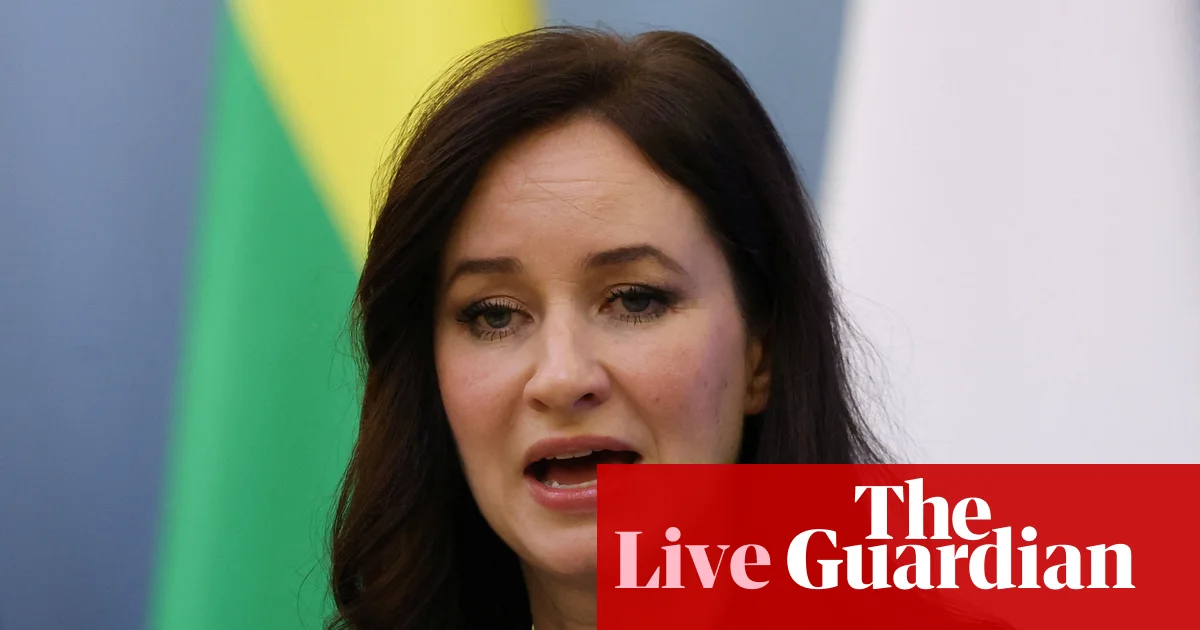
Amid rising geopolitical tensions in Eastern Europe, Lithuania has taken a formidable stance against what it perceives as concerted hybrid warfare efforts from Belarus and Russia. This strategic shift comes in the wake of a week marked by unprecedented disruptions at Vilnius Airport, where nearly 30,000 passengers faced cancellations and delays—triggered by what authorities believe to be helium balloons used by smugglers and intelligence operations aiming to destabilize the region. Lithuanian Prime Minister Inga Ruginienė announced a decisive plan to close the border with Belarus, save for diplomatic and EU transit, and to shoot down any further balloons intruding on Lithuanian airspace—a move that underscores a broader escalation in Europe’s response to hybrid threats.

This development signals a significant turning point for NATO and EU security paradigms. Lithuania’s government, echoing concerns raised by national security centers, views the balloon incidents not merely as smuggling but as part of a “hybrid psychological operation”, aimed at testing Lithuania’s resilience and military readiness. Vilmantas Vitkauskas, head of the National Crisis Management Center, reported radar detections of up to 66 objects over a single night—clear indicators that these tactics are states’ attempts at psychological warfare. International analysts have warned that such unconventional methods, while seemingly minor, are indicative of a broader strategy by Russia and Belarus to weaken NATO’s eastern flank, creating instability that could embolden further aggressive actions in the region.

In this context, NATO has only invoked Article 4 of its treaty nine times in history—most recently following Russian violations of airspace in Poland and Estonia—and Lithuania’s move to escalate its security measures could very well be the next chapter in this ongoing saga. Lithuanian officials are actively considering diplomatic and legal actions alongside territorial defenses, warning that the hybrid operations seek to sow chaos and test NATO’s collective resolve. As foreign ministers and military leaders convene in Brussels and other capitals, the weight of history presses heavily on Europe’s shoulders. Analysts from the International Crisis Group and various military strategists highlight that decisions taken in the coming days will inevitably influence the broader security architecture, potentially recalibrating NATO’s response to covert and overt aggression from Russia and its allies.

As Lithuania braces for further provocations, the unfolding scenario leaves the continent at a crossroads—where diplomacy, military readiness, and the unity of democratic nations will be tested more severely than ever. The shadows cast by these balloons may seem insubstantial, yet they pierce the fabric of European stability—reminding all that the cost of complacency can be distinctively steep. In the face of evolving hybrid tactics, the region’s next steps will echo through the annals of history, setting a precedent for how the West confronts a new era of subtle but relentless aggression.

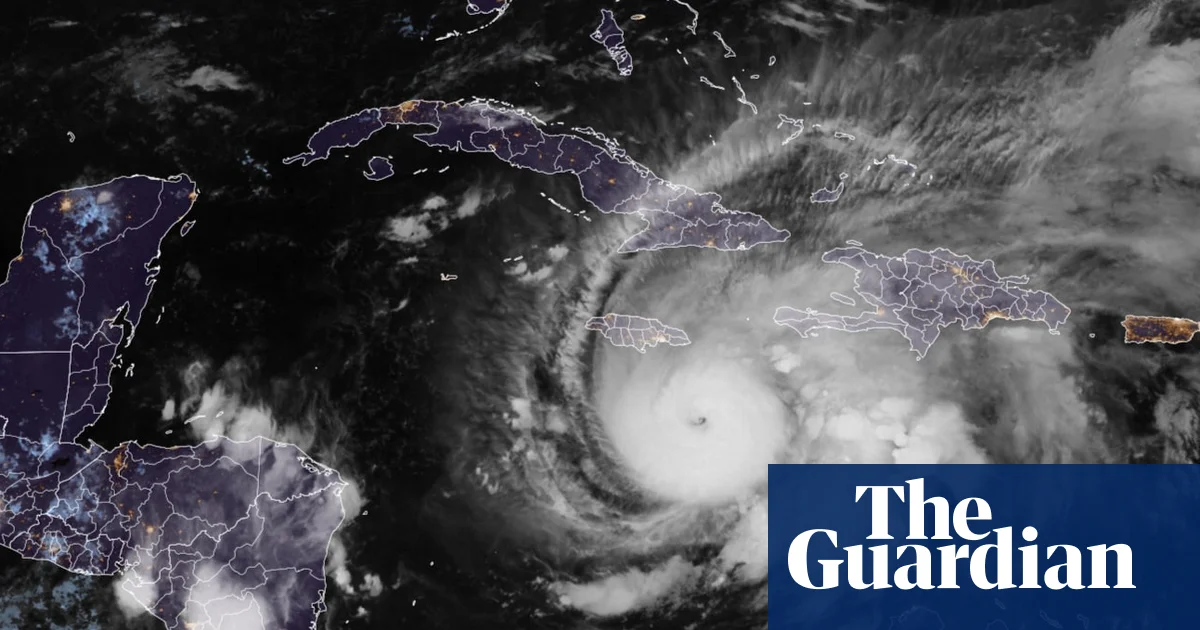
Jamaica Prepares for Mega Hurricane Melissa as Cat 5 Threatens the Island

As Hurricane Melissa rages through the Caribbean, expectations are mounting among international observers regarding its geopolitical impact. Originating off the coast of West Africa and rapidly intensifying into a formidable Category 4—and potentially Category 5—storm, Melissa’s trajectory toward Jamaica and Cuba highlights the region’s vulnerability to extreme weather. The forecasted winds of 160 mph could make Melissa the strongest hurricane in Jamaican history, surpassing the notorious 1988 Hurricane Gilbert. Such natural calamities serve as stark reminders that climate change, now a global issue, is manifesting in increasingly destructive forms—shaping not only environmental but also geopolitical realities.

Analysts from the United Nations and renowned climate experts warn that these natural disasters are more than just weather events—they act as catalysts for regional instability. Damage assessments forecast “extensive infrastructure damage, long-duration power and communication outages, and the potential for widespread flooding,” indicating that local governments with fragile economies and limited disaster preparedness could experience lasting socio-political upheaval. The economic costs associated with recovery may strain national budgets and divert resources from development priorities, fueling social unrest and international aid debates. As history shows, natural disasters often bring to light deeper systemic vulnerabilities that can ripple across international borders, impacting alliances, trade routes, and regional security.

The U.S. National Hurricane Center has issued cautionary warnings about the storm’s potential for “life-threatening flash floods, storm surges, and landslides,” emphasizing the risk of logistical collapse in affected nations. Meanwhile, in a distinct yet equally alarming development, reports from New Zealand highlight that severe weather remains a global phenomenon, with recent storms demolishing critical infrastructure—roofs torn from buildings, power outages affecting 90,000 homes, and transportation disruptions across the nation. These events have underscored the unpredictability of natural threats in a world increasingly interconnected, emphasizing that no part of the globe is immune to the larger repercussions of climate volatility.

International organizations, including the World Meteorological Organization, warn that the frequency and strength of such storms are likely to increase unless global policy shifts significantly. When climate policies are sidelined in favor of short-term economic gains from fossil fuels, the consequences become starkly visible on the geopolitical stage. The tension is palpable: nations are forced to choose between economic growth and climate resilience, with many vulnerable states suffering the brunt of these decisions. As historians and analysts observe, these crises will most likely leave a lasting mark on the geopolitical landscape, forcing the world to confront uncomfortable truths about the costs of inaction.

As the storm’s fury nears landfall, and while other nations grapple with their own climate-induced calamities, the weight of history continues to unfold. The decisions made in the coming days—regarding disaster response, climate policy, and international cooperation—will shape a new chapter in a world where natural disasters no longer remain isolated events but are central to the ongoing contest of power and survival. The question remains: in this rapidly changing climate, who will lead the charge for resilience, and who will be left to confront the storm’s aftermath in silence?

Hurricane Melissa Rises to Category 4, Evacuations Underway in Kingston

Hurricane Melissa’s Devastation: A Regional Wake-Up Call

As Hurricane Melissa intensified into a formidable category 4 storm, its wrath exposed the fragile infrastructure and socio-economic vulnerabilities of the northern Caribbean. With sustained winds reaching 145 mph and predictions of further strengthening to category 5, the storm posed a grave threat not only to Jamaica but to the neighboring nations of Cuba, Hait, and the Dominican Republic. The escalating crisis has reignited discussions among international analysts and historians about the geopolitical and societal consequences of climate-driven natural disasters. The clear message from experts such as Dr. Elizabeth Thompson, a prominent climate historian, indicates that increasing hurricane activity is not just an environmental issue but a direct challenge to regional security and stability.

Official Responses and Societal Resilience

  • Jamaica’s government, led by Prime Minister Andrew Holness, swiftly imposed mandatory evacuations across several vulnerable areas, including Port Royal—an ancient fishing village that witnesses frequent natural threats due to its low elevation and exposure.
  • Local authorities have activated 881 shelters and closed international airports, signaling a crisis response aimed at shielding citizens from the storm’s brutal forces. Desmond McKenzie, the Minister of Local Government, grimly warned that “many of these communities will not survive the flooding,” emphasizing the severe risk to urban and rural populations alike.
  • Despite warnings, some residents—like Ann Marie Chamberlain in Port Royal—chose to stay behind, citing a history of traumatic shelter experiences and a belief in divine protection. Such decisions illustrate the deep-rooted cultural narratives that influence risk perception in the Caribbean. Meanwhile, other locals, like Derrick Powell, have expressed skepticism about shelters’ safety, highlighting a complex social dynamic that complicates evacuation efforts.

Geopolitical and Regional Implications

The slow movement and rapid intensification of Melissa exemplify the increasing unpredictability of climate patterns, a phenomenon that has significant geopolitical impact. As the Caribbean faces up to its most active hurricane season on record—predicted by the NOAA to produce 13 to 18 named storms—international organizations warn that the region’s political stability, economic growth, and disaster preparedness are all under unprecedented strain. The storm’s trajectory towards Cuba and the Bahamas underscores the interconnectedness of Caribbean nations, where a natural disaster in one country often cascades into broader regional crises involving food security, refugee flows, and infrastructure resilience.

Analysis from organizations like the United Nations highlights how international cooperation and aid are critical to mitigate these threats. Yet, governments must balance immediate disaster response with longer-term resilience strategies, including climate adaptation and urban planning reforms. The storm’s devastation, which has already claimed lives in Haiti and caused widespread destruction in the Dominican Republic, exemplifies how political fragility in these states exacerbates disaster impacts. The rising river levels, destroyed bridges, and flooded communities act as stark reminders of the necessity for robust regional coordination in times of crisis.

The Weight of History and Humanity’s Future in View

For centuries, Caribbean societies have faced similar crises—each storm etching a new chapter into their turbulent history. Today, Hurricane Melissa stands as a stark warning, a symbol of nature’s unyielding power and the urgent need for global action. As residents like Ann Marie Chamberlain express unwavering faith, and authorities scramble to provide safety, the unfolding narrative underscores humanity’s ongoing battle with an environment increasingly altered by climate change. How nations respond today will shape their resilience tomorrow, with the weight of history reminding us that these storms are not just meteorological events but chapters in a larger story of survival, sovereignty, and the enduring fight for a secure future amidst a changing climate. The storm is brewing, and the world’s eyes remain fixed on the Caribbean—a region on the frontlines of a global crisis that refuses to be ignored.

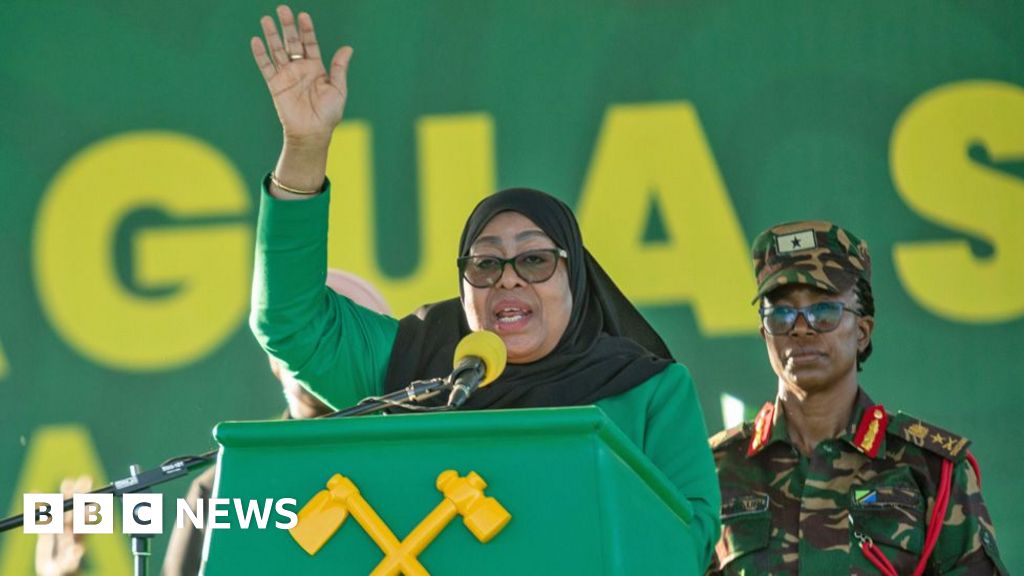
Tanzania’s Election Turns into a Showcase for President Hassan’s Rise, Not a True Contest

The geopolitical landscape of Tanzania, a nation often celebrated for its natural beauty and regional stability, has recently been marred by profound political shifts and internal power struggles. Since the death of President John Magufuli in 2021, the country has been navigating an ambiguous path marked by the emergence of its first female leader, President Samia Suluhu Hassan. Her ascent initially brought hope for renewed international engagement and economic reform under her “four Rs” policy—reconciliation, resilience, reform, and rebuilding—aimed at reinvigorating Tanzania’s relations with global powers like the International Monetary Fund (IMF) and the World Bank. The move was viewed by many analysts as a crucial pivot towards economic normalcy after years of Magufuli’s controversial, authoritarian governance, which involved crackdowns on dissent and a contentious handling of the COVID-19 pandemic.

However, beneath the veneer of diplomatic recovery, the nation’s political atmosphere has darkened significantly. Observers from organizations such as Freedom House now categorize Tanzania as “not free,” citing increased suppression of opposition voices, disappearance and imprisonment of critics, and a ruthless crackdown on dissent. Political analyst Mohammed Issa explained that President Samia, who initially adopted a conciliatory tone, has recently demonstrated a more assertive and hardened stance, reflecting a complex balancing act driven by internal party dynamics and external pressures. The recent disqualification of multiple opposition candidates, including the prominent Tundu Lissu, and the detention of critic leaders like Humphrey Polepole, highlight a disturbing shift towards electoral authoritarianism. Such moves deepen the divide within Tanzania’s political system, casting doubt on the sincerity of its democratic commitments and raising fears about the future stability of its institutions.

This internal tightening coincides with a burgeoning sense of internal fear and media suppression—an environment where free speech and civic participation seem increasingly endangered. As historian and regional analyst Dr. Samuel Mnyeti pointed out, “the long-standing control exerted by the ruling CCM party, coupled with external influences from powerful business networks known as Mtandao, has limited genuine political discourse,” leading to a society retreating into silence and social media echo chambers. Meanwhile, the semi-autonomous archipelago of Zanzibar shows vibrant electoral activity, contrasting sharply with the mainland’s subdued political landscape. With the incumbent Hussein Mwinyi seeking renomination against a stiff challenge from opposition Othman Masoud, the island elections appear to offer a more spirited contest, highlighting regional disparities within the nation.

As international commentators warn of the risks of continued suppression and disenfranchisement, the question persists: what kind of future is forging amidst these tumultuous currents? With the voice of the youth and reform-minded citizens growing faint, the nation teeters on the precipice of a new chapter—one that could cement its status either as a resilient beacon of hope or a cautionary tale of suppressed democracy. The unfolding of Tanzania’s electoral process—marked by disqualifications, alleged intimidation, and internal fractures—will ultimately enter the annals of history. As it shapes the destiny of its people, the world watches, knowing that the path chosen now will echo across generations, echoing a stark reminder: the future’s principles are forged in moments of crisis.

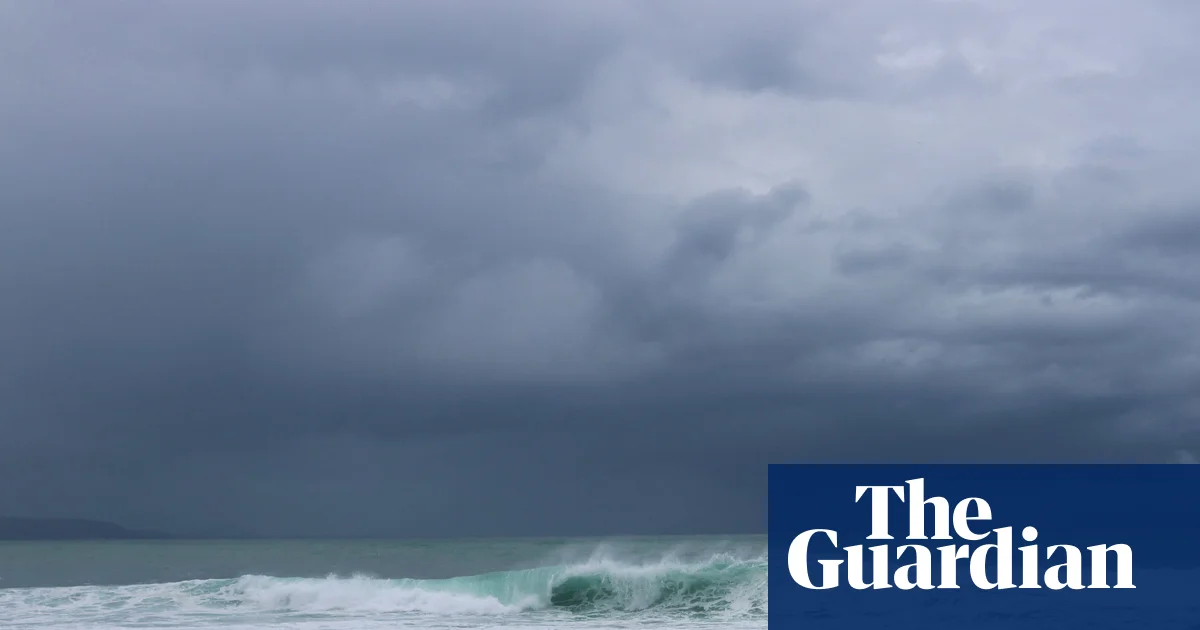
Queensland blackout hits thousands as Victoria faces fierce winds after record wet day

The Rising Tide of Extreme Weather: A Sign of Geopolitical and Societal Shifts

Recent severe weather events across Australia highlight a disturbing trend that extends beyond mere meteorological phenomena. In Queensland and Victoria, devastating thunderstorms have caused widespread power outages, structural damages, and dangerous hailstorms, signaling an urgent need for nations worldwide to reconsider their climate policies amidst the backdrop of unpredictable and worsening natural disasters. With wind gusts surpassing 109 km/h and hailstones reaching up to 7cm, the Australian experience underscores a pressing warning—the climate crisis is no longer a distant threat but an immediate challenge that threatens the social fabric and economic stability of nations.

These events carry potent geopolitical ramifications. As governments grapple with disaster response and climate adaptation, international organizations such as the United Nations are under scrutiny for their handling of climate change. Critics argue that the inertia at the global level hampers effective action, thereby exacerbating crises that follow natural calamities. Analysts warn that such failures may induce mass displacement, economic strain, and even geopolitical tensions, especially if climate-induced devastation destabilizes vulnerable regions. How nations respond now will determine their resilience in the face of climate turbulence — a fierce test of leadership and unity.

Disaster as a Catalyst for Social and Political Transformation

The Australian storm episodes also expose the vital role of national agencies in crisis management. In Victoria, over 1,300 households were plunged into darkness, and power infrastructure sustained “significant damage,” according to Energex, a prominent power distributor. The widespread outages reveal the fragility of aging infrastructure that struggles under extreme weather—a stark reminder that Western countries must prioritize resilient energy systems. Meanwhile, reports indicate that Victoria’s State Emergency Service (SES) received nearly 600 rescue requests, mainly involving building damages and downed trees, illustrating the human toll of these atmospheric disturbances. Hovering over these emergencies is the broader question of societal preparedness and the resilience of local communities confronting relentless storms.

Historians and analysts have pointed out that such acts of nature often serve as turning points—either to bolster resilience or to reveal systemic vulnerabilities. Some experts argue that these storms are a manifestation of the changing climate patterns, which are tied to policies and economic priorities. Countries that neglect these warnings risk facing a future where natural disasters intensify, creating ripple effects across politics, economies, and security. As global institutions debate solutions, the immediate reality persists: nature’s fury does not discriminate, and its impact on societies is profound, often accentuating existing social inequalities.

The International Stage: A Test of Leadership and Resolve

The situation in Australia is a microcosm of a larger, tumultuous geopolitical landscape. From the rising tensions in Eastern Europe to the strategic maneuvers in the Indo-Pacific, nations are finding their stabilizing forces tested. Climate-related disasters serve as a stark reminder that national security now intertwines with environmental sustainability. Countries such as China, the United States, and the European Union are under increasing pressure to lead global efforts—yet often struggle with competing interests and internal divisions.

International organizations must act decisively before climate disasters morph into security crises. This involves a coordinated approach—balancing climate mitigation with adaptation strategies—while holding accountable those nations that delay meaningful action. The potential for climate-driven conflicts over resources, migration, and strategic dominance grows with each passing event. As experts warn of the cascading consequences, the weight of history presses down: the coming decades will reveal whether humanity unites in shared purpose or succumbs to discord.

In the interconnected ballet of globals and nations, the recent Australian storms are more than natural calamities—they are a clarion call. A reminder that the choices made today—whether to invest in resilient infrastructure or to ignore climate warnings—will echo through the corridors of history. As the world watches, the question remains: will the lessons of these storms forge a new era of preparedness and cooperation, or will humanity again be blindsided by the tumult of a changing natural order? The pages of history are still being written, and the storm clouds gathering over Australia symbolize a broader, more urgent storm—one that will test the resolve of nations and societies in the battles yet to come.

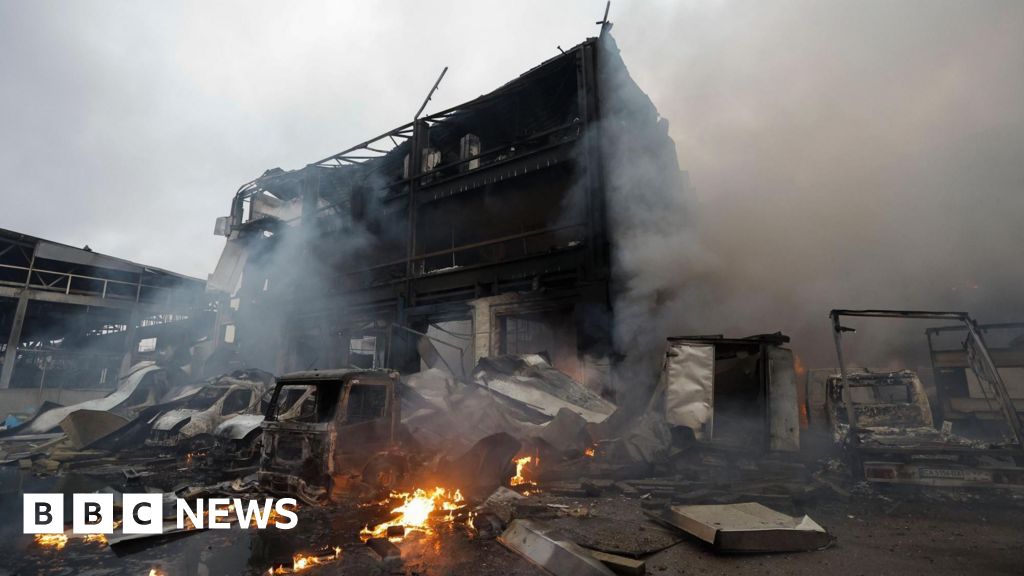
Kyiv Hit by Russian Strikes, 3 Dead—Ukrainian Officials Warn of Escalating Threat

The ongoing conflict between Russia and Ukraine continues to ripple across the geopolitical landscape, with recent events underscoring the profound shifts in international stability and security. In Kyiv, the city lies haunted by the echoes of war, as Russian air strikes have claimed lives and damaged vital infrastructure. The Kyiv mayor Vitali Klitschko confirmed that three civilians fell victim to a Russian drone attack, destroying residential buildings and injuring dozens, including children. These strikes serve as a stark reminder of how the conflict is increasingly targeting civilian populations and urban centers, escalating fears of a protracted and devastating struggle.

Meanwhile, tensions are flaring beyond Ukraine’s borders, as Moscow reports intercepting drones en route to its capital — an ominous sign of the conflict’s expanding theatre. Russian authorities claim to have destroyed two drones over Moscow, amid an intensified wave of drone and missile assaults targeting civilian infrastructure. This strategic escalation appears designed to threaten the heart of Russia’s own cities and demonstrate its resolve in confronting Western-backed Ukraine. Notably, Moscow has ramped up attacks on critical energy infrastructure and civilian targets, forewarning of a harsh winter where power shortages could deepen societal fractures within Russia, enflaming domestic unrest and challenging Putin’s grip on power.

What is particularly alarming is the evolving nuclear dimension in Moscow’s military posturing. Russia announced a test of an experimental nuclear-powered missile capable of potentially evading missile defenses, fueling fears of a new arms race and ushering in an era where nuclear threats are being openly tested as a geopolitical tool. Such developments have prompted international analysts, including the Stockholm-based Stockholm International Peace Research Institute, to warn of an erosion of strategic stability, with some experts speculating that a new Cold War dynamic might be emerging. Simultaneously, Russia’s test appears to be a calculated message to both NATO and Western powers: it signifies that Moscow remains committed to escalating its military capabilities despite mounting international isolation.

Diplomatic efforts, meanwhile, seem caught in a muddle, with President Zelensky willing to consider a **ceasefire** that stops short of Ukrainian territorial withdrawal, a move seen as a *possible step* toward negotiations by some analysts, but dismissed by many Russian officials as insufficient. Recent meetings in Washington and Brussels have seen Western leaders pledge increased sanctions and military aid, yet tangible progress towards peace remains elusive amid Russia’s relentless aggression. The Ukrainian conflict thus stands at a crossroads: a war of attrition where each side’s strategic ambitions threaten to redraw the map of security in Europe and beyond. History, as some experts remind us, will not be kind to those who fail to grasp the gravity of this moment, for a world on the brink of escalation now bears witness to tumult that could very well shape the next century.

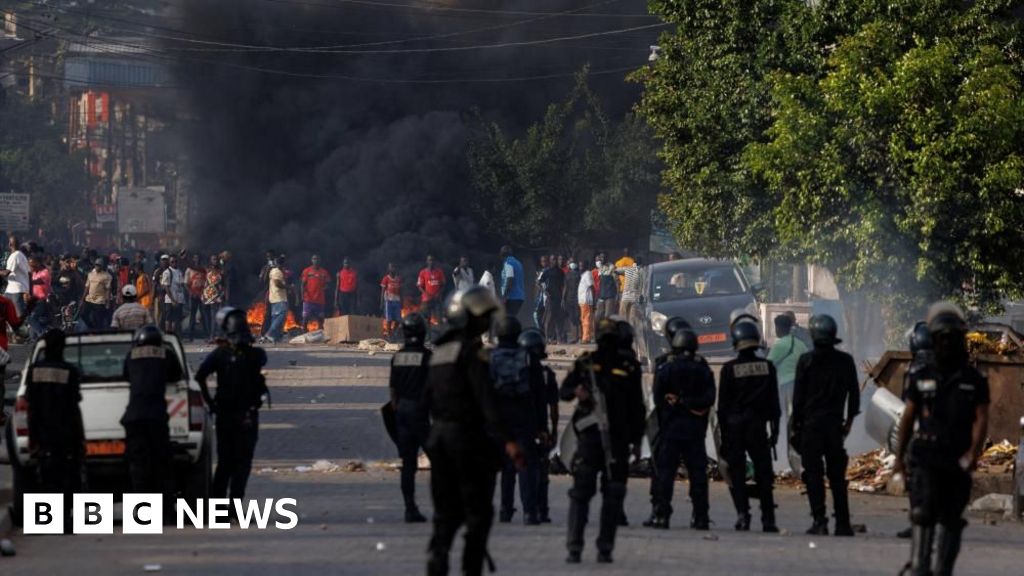
Protests erupt in Cameroon over disputed election results, igniting youth-led unrest.

Cameroon’s Contested Election Sparks Unrest and Global Concern

The recent presidential election in Cameroon has ignited a tense political crisis that resonates far beyond its borders. Despite the official results seemingly favoring the long-standing incumbent, President Paul Biya, protests erupting across cities like Garoua and Douala suggest deep dissatisfaction with the electoral process and allegations of widespread irregularities. Supporters of opposition candidate Issa Tchiroma Bakary assert their victory, claiming that data from multiple polling stations show they secured approximately 55% of the votes, a figure strongly contesting the official declaration. This moment in Cameroon’s political landscape is increasingly being viewed by international analysts as a potential catalyst for broader regional instability, especially considering the ongoing conflicts in neighboring nations.

Historically, Cameroon has been a symbol of stability in Central Africa—yet recent developments threaten this reputation. The country’s electoral system, criticized for lacking transparency and transparency, faces accusations of manipulation and ballot-stuffing, fueling the anger of opposition supporters who see their democratic rights undermined. The constitutional council, stacked with appointees loyal to President Biya, dismissed multiple petitions from the opposition, further intensifying the divide between the government and its citizens. Analysts from the International Crisis Group highlight that the
decision to dismiss claims of electoral irregularities
may only deepen the public’s distrust and escalate to civil unrest, unsettling a region already grappling with insurgencies and political upheaval.

The immediate geopolitical impact extends to the regional consciousness, as neighboring countries observe Cameroon’s crisis with concern. Countries sharing borders or economic ties are directly affected: any destabilization in Cameroon could threaten regional security, disrupt trade routes, and embolden insurgent groups like Boko Haram, which operate across borders in the Lake Chad Basin. According to international observers, especially within the United Nations, the crisis underscores the critical importance of credible electoral processes—not solely for Cameroon’s stability but as a bellwether for democratic resilience in Africa. The global community must weigh carefully whether to support an election that fails to meet democratic standards or risk further spiraling chaos—an all-too-familiar challenge as history demonstrates how electoral disputes can morph into protracted conflicts.

The character of Issa Tchiroma Bakary, a figure once aligned with the establishment and now a leading opposition contender, symbolizes the seismic shifts occurring within Cameroon’s political narrative. Once a government minister and spokesperson, his transition from loyalty to opposition mirrors a broader frustration among youth and disenfranchised groups who see no fair path forward under the current regime. His call for peaceful protests and his refusal to accept an alleged “stolen election” have reignited a spark of civic activism across the nation, compelling international voices to heed the underlying message: the people demand their voices to be genuinely heard. As prominent analysts warn of the risk of escalating violence—should injustices persist—the question looms: how will Cameroon’s leadership respond, and at what cost to regional stability?

As history continues to unfold, the story of Cameroon remains one of resilience intertwined with peril. The echoes of a nation at a crossroad—where the will of the people clashes with entrenched authority—serve as a stark reminder of the fragile thread upon which democracy balances within volatile contexts. The region, watching intently, recognizes that these pivotal moments could either forge a new era of transparent governance or plunge the country into deeper chaos—a consequence that would ripple across borders and generations. The weight of this unfolding chapter presses heavily on the shoulders of leaders, diplomats, and citizens alike, as the heavy hand of history patiently observes, waiting to reveal what the future will hold for Cameroon and, ultimately, the entire Central African region.

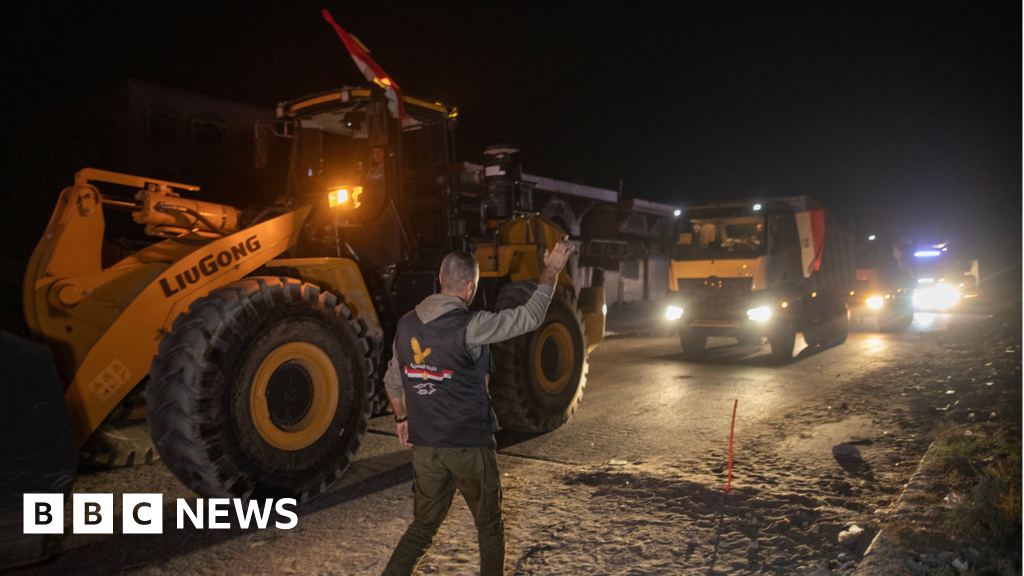
Egypt and Red Cross step up efforts to recover hostages’ remains in Gaza

In the ongoing saga of Gaza, geopolitical tensions have reached a critical point, with international players now deeply involved in a complex chess game of power, morality, and security. The recent development sees Egyptian teams and the International Committee of the Red Cross (ICRC) granted access to search for deceased hostages, a move that has significant how decisions affect nations and societies. This access comes after more than two years of devastating Israeli military operations and intense efforts to recover bodies buried beneath rubble, a grim reminder of the human toll inflicted in the name of security and sovereignty.

Under the recent US-brokered ceasefire agreement, Hamas has transferred 15 out of 28 deceased Israeli hostages, a first phase considered vital to restoring some semblance of humanity amid chaos. Yet, the situation remains fragile and politically charged, with tensions simmering over the retrieval of bodies and the question of justice for families on both sides. Warnings from global leaders like former President Donald Trump have signaled potential military escalation; he has warned Hamas that failure to return bodies quickly could provoke swift and decisive international action. Meanwhile, Israeli Prime Minister Benjamin Netanyahu asserts that Israel will control who enters Gaza, especially regarding a proposed international force aimed at securing the ceasefire. The Israeli government, in conjunction with the US, has revealed that Turkey has been vetoed from participating, underscoring the delicate balance of power and trust in diplomatic negotiations.

Analysts suggest any international intervention in Gaza is a double-edged sword; while it might help stabilize the region, it could also ignite further resistance and deepen divisions. Historians warn that the bottom line remains— until the root causes, including extremism and territorial disputes, are addressed, these cycles of violence will persist. With Gaza’s territory reduced to rubble—estimated by the UN to be up to 84%—the challenge of both rebuilding and reconciliation looms large. The renewed focus on the return of bodies, some of which Hamas claims are buried under bombed-out buildings, symbolizes the larger fight for dignity and truth in a land scarred by years of conflict and international neglect.

The unfolding events mark a grim chapter, yet history has demonstrated that the decisions made today in Gaza’s conflict could ripple for generations. As international organizations, leaders, and everyday citizens watch, the weight of history presses down with an undeniable significance: what happens in Gaza will determine the future of regional stability, the course of international diplomacy, and the very moral fabric of justice and security in the 21st century. Will diplomacy prevail over chaos? Or will the cycle of violence continue, forever echoing the unfulfilled promises of peace in a land torn by history? The answer remains uncertain, but the pages of history are being written in the blood and hope of those caught in the crossfire.

Social Media Auto Publish Powered By : XYZScripts.com