Matox News

Truth Over Trends, always!

Bondi Beach Shooting: What We Know About the Victims

Bondi Beach Terror Attack: A Tragedy with Far-Reaching Geopolitical Consequences

The recent attack at Bondi Beach has shaken the international community to its core, leaving a trail of tragic loss and raising profound questions about the state of global security and societal resilience. At least 15 civilians, many attending a celebration of the Jewish festival of Hanukkah, fell victim to a barbaric act of terrorism. Among the victims were notable figures such as Rabbi Eli Schlanger, known as the “Bondi Rabbi”, and Matilda, a 10-year-old girl whose bright spirit was extinguished in an instant. The attack was reportedly carried out by a gunman with radical motives that continue to be unraveled, but its ramifications extend far beyond the event itself, dramatically impacting international relations and societal stability across nations.

Authorities have identified the victims who embodied the fabric of their communities—rabbis, Holocaust survivors, young children, and doctors—each with personal stories that underscore the human toll of this violence. This tragedy exposes a chilling truth: that even in perceived safe havens, extremism lurks and threatens to destabilize the very foundations of multicultural societies. The death of Rabbi Eli Schlanger, a respected leader of the local Jewish community and head of the Chabad mission, has sent shockwaves through Australia and the international Jewish diaspora. His familial and community ties illustrate the profound loss as images of mourning flood social media, a stark reminder that deep-rooted cultural and religious identities remain targets in a global landscape marred by terrorism and intolerance.

International Reactions and Geopolitical Ripple Effects

Global leaders and organizations quickly responded to the attack with condemnations and calls for unity. President of France, Jean-Noël Barrot, expressed profound sorrow over the death of Dan Elkayam, a French national who had recently moved to Australia. Elkayam’s death highlights the increasingly interconnected nature of international migrant communities, and how violence in one part of the world reverberates throughout the global fabric. Analysts like Dr. Margaret Chen of the International Security Council warn that such acts of terror are not isolated incidents but signals of escalating geopolitical tensions fueled by radical ideologies that cross national borders.

In the broader context, this attack underscores the fragile state of international commitments to combat anti-Semitism and terrorism. Nations such as Australia, France, and the United Nations are under mounting pressure to intensify cooperation and prevent future tragedies. However, critics argue that political inaction and increasing polarization threaten to undermine collaborative efforts. Key international agreements meant to promote security, like the Global Counter-Terrorism Convention, appear to be faltering as radicals exploit political divisions to advance their cause. Historians warn that history has shown societies often face “turning points” when complacency gives way to tragic casualties, and the question remains: are nations prepared to confront the rising tide of radical extremism?

How Decisions Shape Societies and the Future

The decisions made in the wake of Bondi’s tragedy will define societal resilience for years to come. Governments are urged to reassess policies on immigration, surveillance, and community integration—tools essential to stem the spread of extremist narratives. The attack also highlights how societal attitudes towards multiculturalism can either foster unity or be manipulated to deepen divisions, potentially fueling further violence. International organizations such as the United Nations and regional bodies will face pressure to deliver tangible actions that prevent similar incidents globally. The stories of victims like Larisa Kleytman, who recounted how her husband’s heroism saved her from the gunfire, are a stark reminder of human bravery amid chaos—yet they also point to urgent questions about security and the resilience of societal values.

As the dust begins to settle over Bondi, the haunting realization remains: this is but a chapter in an ongoing story of history—in which freely elected leaders, institutions, and societies must grapple with the enduring threat of radicalism. The legacy of those lost is not only in their stories but in the actions nations undertake to forge a safer future. History watches us now, reminding us that the choices we make today will echo through generations, shaping the course of humanity’s struggle against hatred and violence—a struggle that remains painfully unfinished.
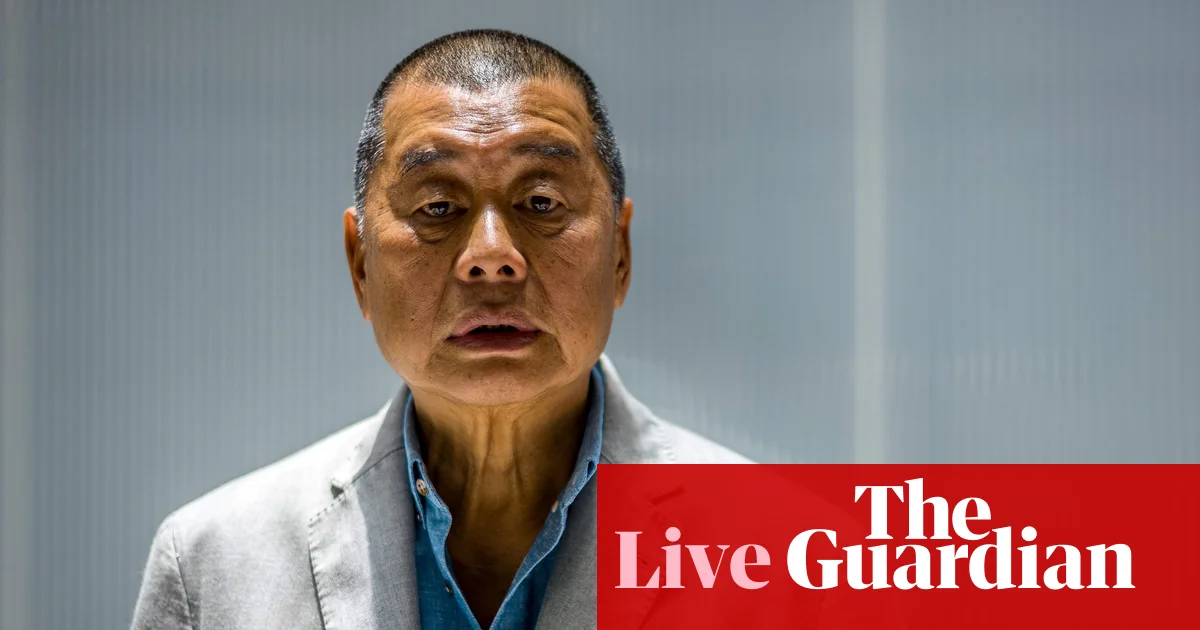

Jimmy Lai’s conviction signals the end for Hong Kong’s press freedom, warns Amnesty — live updates | Jimmy Lai

The recent verdicts against Jimmy Lai, the prominent Hong Kong media mogul and ardent supporter of democracy, mark a watershed moment in the ongoing struggle over press freedom and human rights in one of the world’s most geopolitically sensitive regions. Lai’s conviction on charges relating to national security – specifically conspiracy to collude with foreign powers and conspiracy to publish seditious content – follows a trial that has lasted over two years, culminating in what many see as a symbolic suppression of independent journalism in Hong Kong.

The response from international organizations and regional governments underscores the geopolitical significance of this event. Amnesty International, the Committee to Protect Journalists, and Human Rights Watch have all condemned Lai’s sentencing as emblematic of a broader campaign by Beijing and the Hong Kong authorities to dismantle the city’s once-vibrant democratic institutions. They describe Lai as a prisoner of conscience and warn that his incarceration not only threatens individual liberty but signals a systematic erasure of free expression in Hong Kong—a place once seen as a beacon of autonomy outside Chinese control.

This crackdown’s profound geopolitical impact extends beyond the city itself. Taiwan’s Mainland Affairs Council openly called Lai’s trial a “death knell” for Hong Kong’s democracy, emphasizing how the erosion of rights in Hong Kong sets a dangerous precedent for international law and the global fight for liberty. By weaponizing the judicial process against Lai, Beijing sends a clear message that any challenge to its authority—whether through media, protests, or civil society—will be met with severe punishment, regardless of international outcry. This shift in Hong Kong’s political landscape aligns with China’s broader strategy to expand authoritarian control, challenging the norms established under numerous international agreements and treaties.

Historians and geopolitical analysts highlight that the Lai case symbolizes the waning influence of Western-style democracies in the face of China’s rising power. As Lai’s health deteriorates in solitary confinement, global democratic powers face a stark choice: respond with concrete action or witness the gradual extension of authoritarianism into territories long considered bastions of freedom. Lai’s fate underscores how decisions made in Beijing and Hong Kong’s courts directly influence societal freedoms, press independence, and international relations—altering the geopolitical terrain in Asia and beyond. The outcome of his appeal and the potential sentencing will determine whether this moment signifies a retreat into darkness or a rallying cry for democracy worldwide.

In the shadow of Lai’s conviction, the question remains: will the international community finally recognize the threat posed to the principles of free speech and sovereignty, or will it continue to allow authoritarian regimes to rewrite the rules of justice and human dignity? As history unfolds in the courts of Hong Kong, the world is left to ponder how this chapter will be remembered: as a testament to the resilience of free societies or as a tragic turning point in the global fight for liberty. For now, the echoes of Lai’s trial serve as a reminder that the price of free press in the modern age is paid in endurance and courage, amid the relentless tide of rising authoritarianism.

From Uber driver in the U.S. to fearing jihadist threats in Somalia—how local roots meet global dangers

Geopolitical Shifts in the Wake of Somali Deportations: A Warning from the Frontlines

In recent months, a wave of deportations from the United States to Somalia has exposed the fragility of international migration policies amid rising anti-immigrant rhetoric and changing administrations. These deportations, involving Somali nationals who sought refuge in the US, are not merely individual cases but signals of profound geopolitical repercussions that resonate far beyond the borders of the United States. As President Donald Trump publicly disparages Somali migrants, calling for tougher restrictions and even suggesting they should “go back to where they came from,” the international community, analysts, and historians warn that these policies threaten to undermine years of fragile stability in the Horn of Africa while fueling anti-foreigner sentiments domestically.

Most noteworthy is the case of Mahad Mohamud, a Somali man deported from Minneapolis after spending over a decade in various countries, including South Africa, Brazil, and the US. Mahad, known on social media as Garyaqaan, built a significant following defending his clan’s interests in Somalia—an act viewed with suspicion by US authorities amid the broader discourse of national security. His case highlights how independent voices, particularly those amplified through social media, are increasingly perceived as threats to political narratives. Mahad’s detention and eventual deportation—despite his claims of innocence and FBI clearance—mirror broader policies that cast aside nuanced assessments of individual safety in favor of harsh border enforcement. The geopolitical impact is vast, as deported individuals often face an unstable Somalia ravaged by years of anarchy, Islamist insurgencies, and economic collapse. Historians warn that these policies, driven by election-year rhetoric, risk reigniting conflicts and depriving Somali society of diaspora-led development efforts.

Moreover, the deportation crisis is casting a long shadow over the Somali-American community—America’s largest Somali diaspora, numbering approximately 80,000 in Minneapolis alone. Following statements from President Trump vowing the end of temporary protected status, the Somali community faces renewed hostility, with social media videos depicting immigration agents conducting door-to-door searches in neighborhoods like Little Mogadishu. Many residents, fearing deportation, have responded by evacuating their homes discreetly, leaving lives in limbo. This tension unravels the broader how decisions made in Washington directly affect the fabric of local societies, fueling fears, protests, and a sense of abandonment. These developments echo the warnings of international observers who argue that a shift towards aggressive immigration crackdowns without comprehensive security frameworks risks destabilizing immigrant communities in the US while emboldening Islamist militant groups like al-Shabab. The repercussions for stability and security, both in the US and the Horn of Africa, are profound and ongoing.

As history’s ongoing narrative unfolds, the deportation phenomenon underscores a brutal reality: policies driven by populist rhetoric often overlook the intricate human stories behind migration. Mahad Mohamud’s heartfelt reunion with his children and his fears of assassination are emblematic of the human toll inflicted by political agendas that treat these individuals as mere pawns. Analysts and seasoned diplomats warn that the current trajectory risks not only exacerbating Somalia’s humanitarian crisis but also deepening the divide between immigrant communities and their host nations, creating fertile ground for radicalization and conflict. With the shadows of past conflicts and current instability lengthening, the international community is left to ponder whether these policies will serve as a turning point or a catalyst for unforeseen chaos. The weight of history presses heavily upon these unfolding events, reminding the world that in the arena of geopolitics, choices today carve the legacy of tomorrow—a legacy still being written, and nowhere more critically than in the lives of those caught between nations.

Five suspects detained over plan to target German Christmas market

In a significant display of resilience and vigilant security measures, Germany thwarted an Islamist plot aimed at unleashing violence during one of its most cherished traditions — the Christmas market. Five men, comprising three Moroccans, an Egyptian, and a Syrian, were detained last Friday in the southern Bavarian state, suspected of conspiring or actively participating in a plan to ram a vehicle into festive crowds. Authorities underlined the Islamist motive behind this plot, reaffirming ongoing concerns about the resurgence of extremist threats amid a complex geopolitical landscape.

Prosecutors disclosed that the Egyptian suspect, a 56-year-old imam linked to a local mosque, allegedly called for a vehicle attack with the explicit goal of causing maximum casualties. Meanwhile, the Moroccan suspects, aged 22, 28, and 30, purportedly agreed to execute the attack, with the 37-year-old Syrian being accused of encouraging the others in their sinister intent. The detail that the Egyptian imam might have played a role in radicalization underscores a broader debate within Europe about religious extremism and the integration failures that facilitate such plots. While authorities did not specify the exact timing or the precise location of the planned assault, intelligence linked it to an area northeast of Munich—Dingolfing-Landau—heightening fears of a coordinated attack during an already sensitive season.

Germany’s robust security response highlights the heightened alertness following a history of Islamist violence against Christmas markets, including the deadly attack in Berlin in 2016, which claimed twelve lives. The swift cooperation between security agencies, as noted by Bavaria’s Interior Minister Joachim Herrmann, showcases a proactive stance against these threats. Yet, this incident also starkly reveals how international jihadi networks continue to pose a destabilizing influence across Europe, requiring persistent vigilance and intelligence-sharing. Analysts warn that temporary security gains must be reinforced with more effective counter-radicalization efforts, especially within integrated communities where extremist rhetoric sometimes still finds fertile ground.

The geopolitical impact of this thwarted attack extends beyond Germany’s borders, serving as a stark reminder of how international and regional conflicts—such as the destabilization in parts of the Middle East—fuel global terrorism. The incident underscores the persistent threat that radicalized fighters and ideologues from North Africa and Near East pose to Western societies and their values. International organizations, including the United Nations, have consistently called for coordinated efforts to combat extremism, but critics argue that such measures often fall short of addressing the root causes.

As nations grapple with their internal security challenges, the unfolding story of this attempted attack serves as a vivid reminder that the frontlines of radical Islam are as much ideological as they are geographical. History’s historians and security experts caution that today’s efforts to prevent such plots may only buy a temporary reprieve. The weight of this warning hangs heavy as Europe stands at a crossroads: will it succumb to fear and overreach, or will it forge a new path towards understanding and resilience? As the world watches and the shadows of history lengthen, one truth remains undeniable—the battle for society’s soul, and the integrity of its physical boundaries, is far from over.

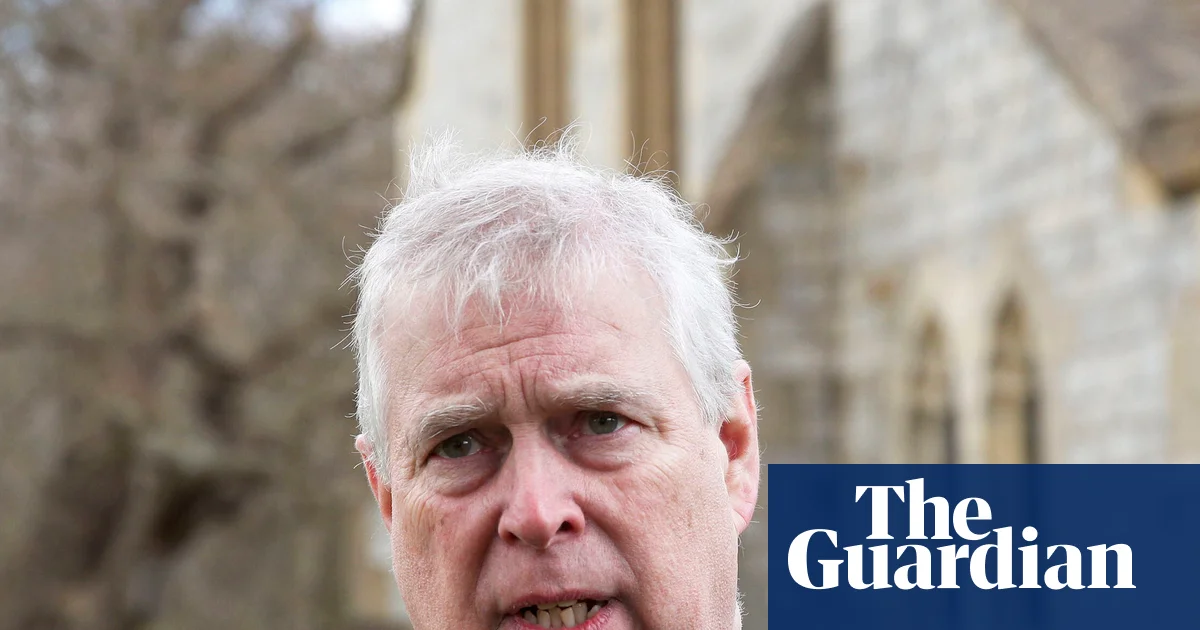
Prince Andrew becomes the punchline in this year’s top Christmas cracker joke—Andrew Mountbatten-Windsor strikes again

As the world approaches the end of 2023, the geopolitical landscape remains a tapestry of dramatic shifts, contentious conflicts, and cultural upheavals. This year has underscored the profound ways in which internal political shifts and international decisions ripple across nations, societies, and global institutions. Each headline, each political joke or scandal, encapsulates a broader narrative of a world grappling with the consequences of leadership struggles, cultural transformations, and the relentless march of history. Equally, the public’s humorous reflection on these serious matters—be it via satire or satire-like jokes—serves as a testament to the tension between authority and societal sentiment.

The decline of Prince Andrew symbolized more than just a royal scandal; it became a reflection of shifting societal values and the diminished trust in traditional symbols of authority. This year’s humorous jabs, crowned by a popular British joke questioning why Andrew isn’t writing Christmas books because “he hasn’t got any titles,” exemplify how cultural narratives adapt to the changing perception of monarchy and privilege. The joke’s resonance signals a broader cultural shift where aristocratic power complexes no longer hold the same sway, especially among the digital-savvy youth who demand accountability and transparency. According to internationalists and historians, this erosion of old-standing figures underscores a foundational transformation in how nations and their governing institutions are viewed—less as symbols of unchangeable heritage and more as entities subject to societal scrutiny.

Furthermore, the year saw a rise in sharp humor surrounding political figures like Angela Rayner and Nigel Farage, highlighting ongoing ideological conflicts within the United Kingdom. Such satire reflects the deep divisions that continue to shape the political climate, impacting everything from domestic reforms to international diplomacy. Meanwhile, international organizations have issued warnings about the potential for political polarization to escalate into instability, emphasizing how internal decisions in one country reverberate globally. The ‘cultural pandemic’ of satire encapsulates a collective anxieties about future governance, societal cohesion, and the preservation of traditional values amidst rapid change. Analysts argue that these jokes are not mere entertainment—they are a form of societal barometer, revealing the pulse of a transformed public consciousness seeking to redefine its future pathways.

On the global stage, external shifts—such as the ongoing impacts of international conflicts and negotiations—continue to realign alliances, affect trade routes, and challenge the sovereignty of nations. The delicate balance of power that once guaranteed stability is being renegotiated, with regional conflicts and coups threatening to plunge some areas into chaos while others forge new partnerships. For instance, the recent friction in Eastern Europe and next-level engagement by superpowers illustrate a climate of strategic uncertainty. International bodies like the UN and NATO are increasingly seen as ineffective or outdated, sparking calls among many nations for new alliances and a reevaluation of global governance. This tumultuous environment amplifies the stakes for democratic nations striving to protect their sovereignty and social orders, as the “great game” of geopolitics fuels economic uncertainty and societal strain worldwide.

As history continues to unfold on a grand scale, the tension between tradition and transformation persists. The scenes of politicking, cultural shifts, and international power plays echo through the corridors of power and within the streets of countless cities, leaving the world at a crossroads. The undeniably impact of these decisions resonates far beyond the headlines: they will shape not only the geopolitical map but the societal fabric of future generations. The weight of history presses down, as leaders and citizens alike navigate this treacherous, uncharted terrain—knowing full well that the story’s next chapter remains unwritten, its destiny still hanging in the balance of global choices and collective resolve.

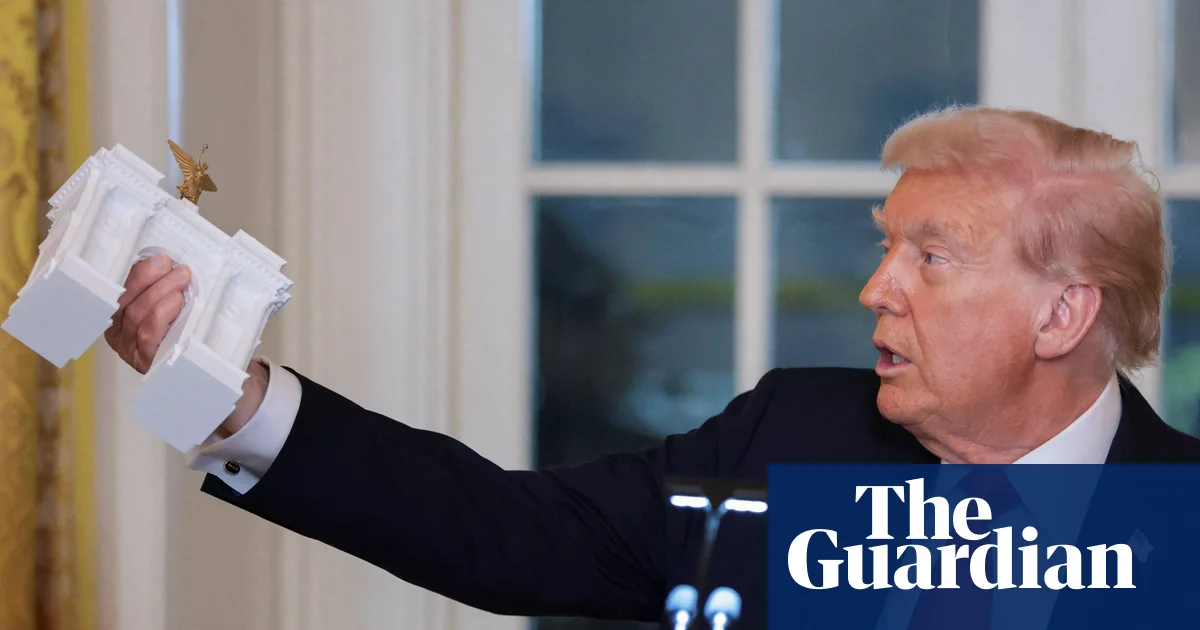
Trump: Building DC Triumphial Arch, Domestic Policy Chief’s Top Priority

United States Domestic Politics: A New Symbol of Priorities Amid Growing Struggles

The recent revelations from President Donald Trump regarding the construction of a triumphal arch in Washington, D.C., mark a significant shift in the narrative of American governance. Trump’s praise for his domestic policy chief, Vince Haley, and the unveiling of a project reminiscent of historic monuments have sparked widespread controversy. While the nation faces an alarming affordability crisis—with health insurance premiums expected to surge for over 20 million Americans—and rising tariffs that inflate everyday costs, the administration exhibits a focus on symbolism over substantive policy solutions.

Analysts and international observers have voiced concern about the geopolitical implications of such misplaced priorities. The decision to channel federal funds into a decorative monument, rather than address deeply rooted economic hardships, underscores a disconnect between political spectacle and urgent societal needs. According to historians specializing in American greatness and public policy, this emphasis on monument-building amid hardship echoes a recurring pattern in history where national leaders prioritize legacy projects over sustainable economic reform.

Symbolism Versus Substance: The American Dilemma

During a White House holiday event, Trump bandied about grandiose visions of a triumphal arch, situated near the Lincoln Memorial and Arlington Cemetery—sites of profound national significance. He boasted that the project would eclipse Napoleon’s famous arch, representing a bold, even patriotic, statement—yet critics argue that this lends itself more to ego than effective governance. The project’s costs and its symbolic resonance are raising alarms among policymakers and social critics, who see it as emblematic of a decadent distraction from economic realities faced by millions.

International organizations such as the United Nations and think tanks like the Cato Institute have warned that such public displays at a time of economic turmoil may further erode confidence in leadership. Economists warn that with insurance premiums set to double or even triple, and tariffs contributing to inflation, the American public’s trust in government’s ability to solve real problems could further decline. As the United States grapples with these domestic issues, the federal government’s focus on monuments risks redefining its priorities in a manner reminiscent of late-stage empires of history—more obsessed with legacy than legacy of prosperity.

The Impact on Society and Global Power

Global perceptions are also shifting. China and Russia continue to watch closely, aware that internal distractions and apparent neglect of domestic welfare could weaken America’s standing on the world stage. Analysts warn that such internal divisions and the perception of elected leaders engaging in emblematic excess could embolden adversaries and weaken alliances. Moreover, the country’s youth, increasingly burdened by economic hardship, are beginning to question the legitimacy of a political elite more invested in spectacle than substance.

For many, the decision to build an imposing arch rather than tackle tangible economic issues signals a dangerous slide into prioritizing superficial symbols over sustainable policy reforms. As history’s course continues to unfold, the coming months pose a critical crossroads—whether the nation can rally around meaningful change or succumb to the divisions created by misplaced priorities and hollow promises. The weight of history presses down, reminding us that the true monument of a nation’s greatness lies not in its monuments, but in the resilience and grit of its people amid the stormy times ahead.

Belarusian prisoners celebrate freedom as US sanctions are lifted

The recent release of 123 political prisoners from Belarus marks a significant, albeit complex, turning point in Eastern European geopolitics. After years of brutal repression under Alexander Lukashenko, the dictator whose grip on power has strained Belarusian society and alarmed Western democracies, this move signals a delicate shift in diplomatic engagement. Driven largely by intense negotiations led by the United States and facilitated through high-profile visits by envoys like John Coale, the prisoner releases seem to hint at a broader strategy—one aimed at softening Belarusian authoritarianism and re-establishing US influence in the region.

The Geopolitical Impact of the Prisoners’ Release

  • First, this development alters the geopolitical landscape of Eastern Europe, where Belarus sits as a critical buffer zone between Russia and NATO member states. The release of opposition figures such as Maria Kolesnikova and Ales Bialiatski, who have long represented the resilient spirit of the Belarusian democracy movement, underscores a potential opening for reform—or at least a strategic diplomatic maneuver. Analysts emphasize that Lukashenko’s decision might be motivated less by genuine liberalization and more by diplomatic necessity, as he seeks to regain favor with the West and break free from international sanctions.
  • Secondly, the softening stance affects how societies in Belarus and neighboring countries perceive resistance and authoritarian control. The emotional scenes of prisoners reuniting with families in Vilnius and Kiev serve as symbolic victories for activists, demonstrating that even in the shadow of repression, hope persists. However, critics warn that these releases could be carefully calibrated to contain dissent rather than dismantle Lukashenko’s autocratic machinery.
  • Finally, this move is intricately tied to the ongoing conflicts surrounding Ukraine and Russia’s military ambitions. With Belarus as an active military partner of Moscow, any diplomatic thaw within Belarus could influence the wider security dynamics of the region. Significantly, the US’s engagement may be viewed by Moscow as a provocation or a sign of shifting loyalties, possibly prompting Russia to strengthen its military presence or diplomatic pressure.

How Decisions Shape Nations and Societies

The decision to release these prisoners is a nuanced calculation that goes beyond human rights advocacy; it exemplifies how international diplomacy directly influences national trajectories. As historians like Anne Applebaum suggest, every such move contributes to the evolving narrative of sovereignty and resistance in post-Soviet politics. The hope for many in Belarus is that this moment signals a genuine push toward reform, but the warnings from analysts remain clear—authoritarian regimes often use strategic gestures to mask deeper power consolidations.

Meanwhile, the societal ripple effects are profound. For the Belarusian opposition and its supporters worldwide, these releases bolster a spirit of activism and resilience. Yet, lingering fears remain among critics—whether these prisoners will be replaced, and whether true democratization is truly within reach. The international community now watches keenly, knowing that such moments are fleeting, and history’s pen is poised to continue writing the fate of Belarus amidst the shadows of great power rivalries.

As the dust settles and the diplomatic chessboard shifts, the weight of history reminds us—what begins as a moment of liberation can quickly become a new chapter in the ongoing contest for influence, freedom, and sovereignty in a region that has never known true peace. The world peers into Belarus’s future, unsure whether this recomposition of alliances offers hope or merely a temporary pause before the next act of a complex geopolitical drama.

BREAKING: Bondi Beach terror attack leaves at least 16 dead, including a child, and 40 injured—that's a shocking assault on our community—more updates to come.
BREAKING: Bondi Beach terror attack leaves at least 16 dead, including a child, and 40 injured—that’s a shocking assault on our community—more updates to come.

Bondi Beach Terror Attack: A Turning Point in Global Security and Society

The recent terror assault on Bondi Beach, an iconic Australian landmark, has sent shockwaves across the international community, highlighting the persistent threat of radical extremism in an era where geopolitical tensions often appear to fuel hate and violence. The attack, which resulted in at least 16 fatalities—including a child—and dozens wounded, marks one of the most horrific acts of violence Australia has faced in decades. As details unfold, analysts and global leaders alike are examining the incident not just as a tragic outlier but as a reflection of deeper, troubling trends in international security.

Prime Minister Anthony Albanese described the attack as a ‘horrendous act of terror,’ and international leaders have echoed this sentiment, framing it within the broader context of rising antisemitic violence worldwide. The attack is distinguished not merely by its brutality but by its clear targeting of Jewish Americans and Australians during Hanukah—a festival of light and resilience—therefore emphasizing the dangerous potential of ideological extremism to threaten societal cohesion. World organizations, including the United Nations, have issued condemnations, calling for urgent international cooperation to combat hate-motivated acts.

  • Australia’s internal security apparatus has declared the incident a terrorist attack, triggering special legislation and intensifying efforts to trace the origins and motivations behind the assault.
  • Suspected links to violent extremist ideologies have prompted joint investigations by Australian police and global counterterrorism units, emphasizing international collaboration in preventing further violence.
  • Prominent figures such as French President Emmanuel Macron and Israeli leader Isaac Herzog expressed solidarity, labeling the atrocity as an act of hatred and terrorism that transcends national borders.

How the Decision to Recognize a Palestinian State Influences Global Narratives

Adding a complex layer to the geopolitical landscape, Australia’s recent recognition of a Palestinian state—an unprecedented move in Western foreign policy—appears to be intertwined with ongoing regional tensions. This shift has exacerbated debates about the global challenge of extremism and the way geopolitical decisions influence perceptions and acts of violence. Historians argue that such gestures, while aimed at fostering peace, can concurrently serve as catalysts for extremist narratives, which exploit perceived betrayals or alliances to justify their actions.

Expert analysts warn that the incident at Bondi is a grim indicator of how ideological conflicts—whether rooted in regional disputes or historical grievances—are increasingly manifesting as domestic terrorism across Western democracies. The attack’s timing during Hanukah, along with the discovery of suspected incendiary devices, has amplified concerns about how cultural and religious tensions are exploited by malicious entities to destabilize societies. This tragedy underscores the necessity for governments to foster resilience and unity, championing security without surrendering core freedoms or tolerating hatred.

As history unfolds, the legacy of this attack will serve as a test for Australia’s national resolve and the international community’s ability to confront the rising tide of ethnoreligious violence. The heroism of individuals who intervened, risking their lives to prevent further carnage, reminds us that the battle against terror is fought not only through military means but also through unwavering societal strength. The voices of global leaders today echo a pressing warning: the light of hope and unity must shine brighter than ever, for in this darkness, the true test of a civilization’s character is measured. The world’s eyes remain fixed on Bondi, a battleground where the hopes for peace clash against the shadows of hatred—an ongoing saga that will shape the course of history for generations to come.

John Cena Retires After Final WWE Bout — A Legend Leaves the Ring

In a momentous event that transcended sports entertainment, US actor and wrestler John Cena officially concluded his illustrious 24-year career in professional wrestling with a final match held in Washington on Saturday night. Cena, aged 48, is renowned not only for his in-ring exploits but also for his influence as a global cultural icon, symbolizing resilience, American entertainment mastery, and international popularity. His retirement, announced earlier in July 2024, reflects the physical toll that decades of high-intensity performance take on even the most dedicated athletes. Nevertheless, Cena’s continued involvement as a WWE ambassador ensures his ongoing influence within the industry, reaffirming the strategic importance of entertainment figures in global soft power initiatives.

The international geopolitical landscape is increasingly shaped by cultural diplomacy—where figures like Cena often serve as de facto ambassadors. His role in promoting American values and entertainment underscores the soft power leveraged by the United States, especially in regions where media and popular culture are carefully calibrated tools of influence. Analysts note that Cena’s global appeal extends beyond the ring, fostering transnational connections that indirectly bolster diplomatic standing. Meanwhile, some international leaders—particularly within Europe and Asia—recognize the significance of such cultural icons as part of a wider strategy to influence public opinion and garner support for American policies worldwide.

  • The sport entertainment industry’s evolution reflects broader geopolitical shifts, with alliances formed through shared cultural experiences and international fan bases.
  • Retirement events for icons like Cena often serve as pivotal moments, symbolizing transitions in global power dynamics, especially as new generations of entertainment and sports figures emerge.
  • Organizations like the United Nations and various think tanks emphasize the importance of understanding these cultural influences in shaping international relations.

Though Cena may have hung up his boots, his departure signals a larger narrative—one where the lines between entertainment, nationalism, and international diplomacy continue to blur. Observers like historians and geopolitical analysts warn that such shifts demand careful scrutiny; as global conflict zones simmer and alliances shift, every cultural pivot could herald new alignments. Facing an uncertain future, nations must consider how their cultural ambassadors—whether in sports, entertainment, or media—impact not just public sentiment, but the geopolitical balance itself.

As history unfolds in real-time, Cena’s farewell is a stark reminder: in the grand chessboard of global influence, every move, every icon, carries weight—shaping the future of nations and societies. The echoes of this final act resonate far beyond the ring, reminding us that the power of soft influence endures, even as the once-untouchable champions of yesterday pass into legend. This chapter may close, but the saga of cultural power remains ongoing—ever more compelling, ever more crucial for those who understand the language of influence and the persistent march of history.

Bystander videos heroic action, stops shooter in fiery street confrontation

The tragic events at Bondi Beach, one of Australia’s most iconic coastal landmarks, have sent shockwaves through both national security circles and international observers. On a seemingly ordinary Sunday, a violent shooting resulted in the loss of twelve lives, with at least eleven others injured, including police officers tasked with maintaining order. Witness footage capturing a dramatic moment of heroism has now become a focal point of the incident, showing a bystander wrestling the alleged gunman to recover the weapon. This act of bravery underscores the unpredictable chaos that such violence ignites within a society unprepared for such brutality.

Australian authorities, led by Premier Chris Minns, confirmed that one of the suspected perpetrators was killed at the scene, while another was taken into custody. As the nation mourns, questions multiply regarding the motives behind the attack and the security measures currently in place. This event comes at a time when international intelligence agencies warn of rising threats from extremist incidents triggered by global instability, migration pressures, and social divides. Analysts suggest that such localized tragedies can ripple outward, fueling anti-immigrant sentiments and nationalistic rhetoric, which can have serious geopolitical implications.

The incident at Bondi Beach is more than a tragic anomaly; it fits into a disturbing pattern of increasing violence that many international experts trace back to wider geopolitical shifts. According to International Crisis Group reports, nations are increasingly vulnerable to inside threats, especially with the proliferation of firearms and the erosion of traditional community cohesion. The rise of radicalization, sometimes fueled by economic disparity and social unrest, is exacerbated by international conflicts and the widespread dissemination of extremist ideologies online. This raises urgent questions about how nations can effectively counteract these threats without infringing on civil liberties, a dilemma that complicates homeland security efforts in democracies like Australia.

  • The Bondi Beach attack underscores the importance of rapid law enforcement response capabilities and community resilience
  • It highlights the vulnerability of societies unprepared for lone-wolf attacks amidst rising global terrorism concerns
  • International organizations call for increased cooperation and intelligence sharing among nations to prevent future attacks

In this ongoing landscape of violent unpredictability, where incidents can drastically shift public perception and political discourse, many experts, including historians and security analysts, warn of the *dangers of complacency*. The unfolding tragedy in Australia serves as a stark reminder that the decisions made today—regarding security, migration, and international cooperation—will have lasting consequences. As governments brace for what might come next, the world watches, acutely aware that such moments are the contours of history being written in real time — fragile, volatile, and seemingly unpredictable. The question that lingers amid the ash and shattered glass of Bondi Beach is whether nations will learn to effectively navigate this perilous era before it is too late, or if they will become resigned to a future shaped by violence and chaos that once seemed unimaginable.

Social Media Auto Publish Powered By : XYZScripts.com