Matox News

Truth Over Trends, always!

Gaza Ceasefire Update: Aid Flows Increase as Hamas Agrees to Release Israeli Hostages Monday Morning

In an unexpected turn of events, Hamas has confirmed it will commence the release of Israeli hostages held in Gaza early Monday morning, marking a significant moment amidst ongoing regional tensions. This development comes as part of a broader ceasefire agreement brokered by a coalition of influential international actors, including the United States, Qatar, Egypt, and Turkey. According to Hamas officials, the prisoner exchange will see the release of twenty Israeli captives in exchange for nearly 2,000 Palestinian prisoners, signaling a potential suspension of hostilities that have lasted for over two years.

The agreement, which Israel’s military claims to have fulfilled its first phase of withdrawal from Gaza, reflects a critical *turning point* in an otherwise tumultuous landscape. Under the ceasefire’s terms, Hamas has until noon Monday local time to release the captives, an act that scholars and analysts see as both a humanitarian step and a calculated political maneuver. This pause in violence is being watched intensely by global leaders and international organizations, with the United Nations warning that such pauses carry the risk of temporary relief but must be followed by sustainable peace efforts. The upcoming summit in Sharm el-Sheikh, chaired by Donald Trump and Abdel Fattah al-Sisi, aims explicitly to “end the war in Gaza” and “usher in a new era of regional stability.” These diplomatic efforts underscore a geopolitical landscape where regional powers recognize that the status quo must evolve, for the sake of both nations and societies.

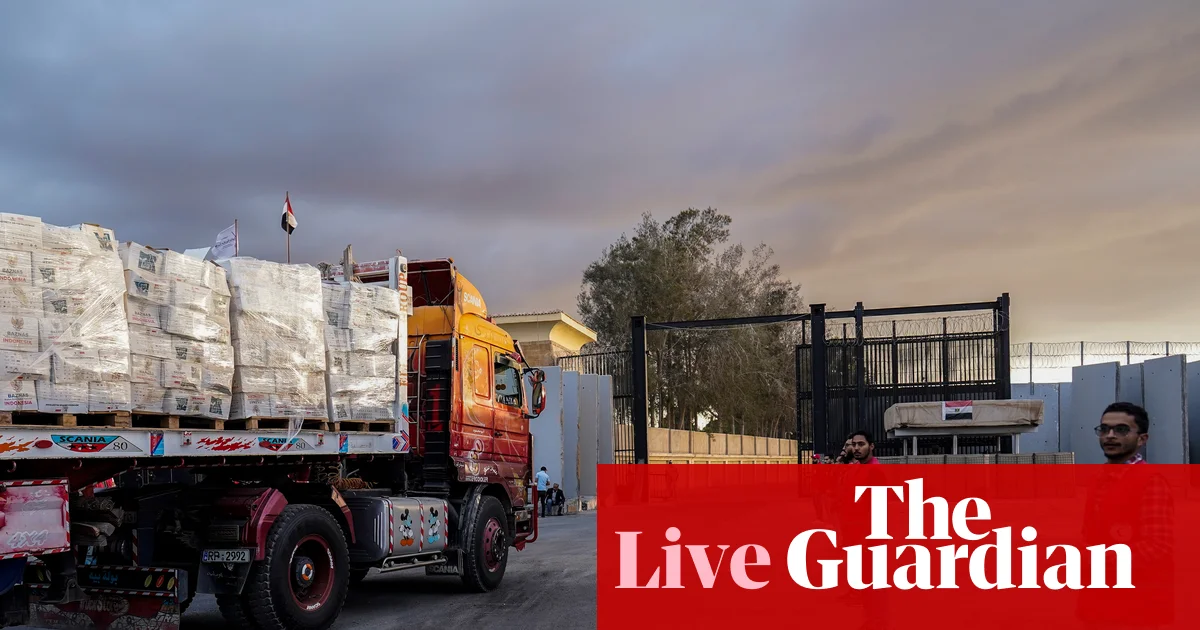
Amid these negotiations, humanitarian aid is beginning to surge into Gaza, which has endured catastrophic destruction and widespread starvation as a consequence of blockade and relentless Israeli strikes. Aid trucks have arrived at the Rafah border crossing with Egypt, with plans to inject approximately 600 truckloads of food and medical supplies daily — a crucial relief in a region suffering from famine and disease. As aid begins to flow, the international community assesses whether this temporary ceasefire will lead to a lasting peace or merely a respite in a broader conflict. Experts warn that such fragile agreements must be closely monitored, as history has shown that ceasefires can often be manipulated or broken, leading to renewed violence that threatens regional stability.

This fragility is further exemplified by the complex dynamics of prisoner releases, particularly involving high-profile figures like Marwan Barghouti and Ahmad Saadat. While Israel plans to release approximately 2,000 Palestinians, **Benjamin Netanyahu**’s government has refused to free Barghouti, a charismatic leader seen by many Palestinians as a future successor to Mahmoud Abbas. His continued imprisonment highlights persistent divisions and the ongoing struggle for Palestinian leadership figures who symbolize resistance and potential sovereignty. The fate of long-serving prisoners like Saadat, a leader of the Popular Front for the Liberation of Palestine, continues to be a contentious issue, reflecting the deep-rooted political and ideological splits that shape the broader conflict.

Analysts and international security experts emphasize that these developments, while momentous, do not guarantee long-term peace. Historians warn that profound geopolitical shifts hinge on decisions made in these high-stakes negotiations, which will reverberate across continents and generations. The decisions taken now will determine whether the region steps toward sustainable peace or plunges deeper into chaos. The unseen shadows of past failures and the weight of unresolved grievances threaten to undo fragile agreements, as history reminds us that in the grand theatre of Middle East diplomacy, the echoes of recent decisions forge the contours of the future — a future still shrouded in uncertainty, where the echoes of past conflicts continue to define the lives of millions. As the world’s eyes turn toward Gaza and the Red Sea resort of Sharm el-Sheikh, the true extent of history’s next chapter remains unwritten, waiting to be shaped in the crucible of diplomacy or chaos.

Oscar-winning actress passes at 79 amid rising cultural tensions

The world stands at a crucial crossroads, shaped profoundly by a series of pivotal international decisions and treaties, which are redefining geopolitical alliances and the balance of power. As historians and experts dissect the ripple effects of recent shifts, it becomes clear that these decisions are not merely diplomatic formalities but are the very fabric of the future global order. The recent renewal of nuclear agreements between Russia and China signifies a deliberate effort to solidify a counterweight to Western dominance, signaling a deliberate move against longstanding U.S.-led global leadership. Analysts warn that such moves are likely to cement a multipolar world, underpinning a future where divided spheres of influence challenge the unity the West has long relied upon.

  • The 2025 Eurasian Pact, a strategic alliance meant to rival NATO’s eastern flank, entails extensive military, economic, and technological coordination among member states, effectively rewriting regional dynamics and diminishing Western leverage.
  • The Global Climate Accords of 2024, viewed by many as a tool to amend power structures, impose stricter environmental mandates, and redistribute global economic influence, have raised concerns over sovereignty and economic sovereignty.
  • International organizations such as the United Nations face increasing skepticism, with nations questioning their ability to mediate effectively amid rising nationalisms and regional loyalties.

Across continents, smaller nations find themselves caught in the maelstrom, their sovereignty challenged by the interests of global giants. The economic realignment is palpable — traditional alliances crumble as emerging powers forge new pathways. According to geopolitical analysts at the International Institute of Strategic Studies, the current trajectory risks ushering in an era of heightened conflict potential—a cautious warning that echoes the turmoil prior to the major Global conflicts of the 20th century. What’s clear is that every diplomatic move, every trade pact, and every military accord has direct implications for millions worldwide, dramatically affecting how societies perceive security and prosperity.

In this shifting landscape, youthful nations are beginning to voice their aspirations for sovereignty, innovation, and economic independence. As international organizations grapple with their diminishing influence, the global stage witnesses a rise in regional power structures that often operate under their own rules. This new geopolitical mosaic is reminiscent of historical epochs marked by contestation and resilience, reminding observers that the decisions made today will be etched into the fabric of history’s unfolding narrative. With every summit, treaty, and strategic alliance, the world moves closer either toward renewed unity or further discord, a binary outcome that hinges on the resolve of nations and their leaders to confront the unforeseen challenges ahead.

Ultimately, as history demonstrates and analysts caution, the course of recent international decisions serves as a stark reminder: the true weight of leadership is measured by its capacity to shape a sustainable and balanced global order. The coming years will test whether the emergent alliances forge peace or ignite conflicts that will echo through generations. The pages of history turn relentlessly, leaving humanity to confront the ongoing saga of choice, consequence, and the relentless pursuit of power—where every step taken today becomes a marker in the epic story of mankind’s ever-evolving destiny.

European right-wing echoes Trump, demands Antifa labeled as terrorists

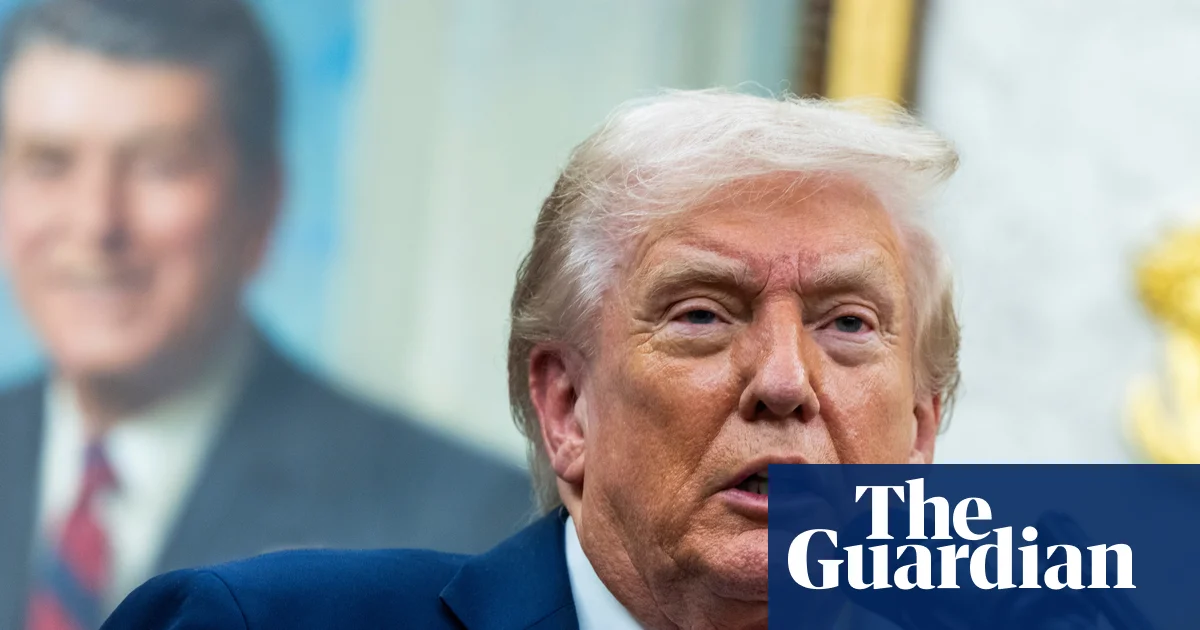
In recent months, the United States has set a precedent that resonates far beyond its borders, as nationalists across Europe emulate a hardline stance against what they term as anti-fascist militant groups. Donald Trump’s declaration on Truth Social that he would designate antifa as a major terrorist organisation has unleashed a wave of political momentum among Europe’s populist and far-right factions. Countries such as Hungary and the Netherlands swiftly responded, with leaders like Viktor Orbán and Geert Wilders advocating for criminalising the loosely affiliated, decentralized movement. The European parliament’s adoption of a resolution, supported by 79 MEPs from 20 nations, underscores how a collective wave of nationalist sentiment is rallying behind this narrative, falsely linking antifa to chaos and threats against societal cohesion.

How International Alliances Transform Domestic Politics

Experts warn that these legislative moves are far more than symbolic. Jessica White, acting director of terrorism and conflict studies at the Royal United Services Institute, emphasizes that antifa remains an amorphous movement lacking formal leadership or structured membership, making its designation as a terrorist organisation both impractical and counterproductive. She warns that such labels could be weaponized politically to target dissenters—like Ilaria Salis—who challenge authoritarian regimes. Salis, an Italian activist elected as an MEP in 2024, narrowly escaped Budapest’s attempt to strip her of immunity, a move critics view as politically motivated suppression. This pattern of repression exemplifies how these claims are used to stifle dissent, labeling opposition as threats to national stability, thereby undermining the rule of law and democratic principles prevalent in the EU.

Overreach or Necessary Defense?

Hungary specifically brands antifa as an “leftwing terrorist organisation”, a characterization vehemently rejected by European and international bodies like Europol. The agency’s recent Terrorism Situation and Trend report refrains from using the term “antifa,” instead attributing violence to left-wing or anarchist extremism—notably limited to property-targeted attacks in Italy and Greece. Critics argue that Hungary’s narrative is a strategic attempt to stigmatize all political opposition, with Zoltán Kovács and Orbán’s inner circle framing dissidents as violent threats. This rhetoric contributes to a climate of fear and polarization, where legitimate political dissent is conflated with extremism, ultimately eroding civil liberties and democratic accountability.

The Broader Culture War and Its Global Echo

Meanwhile, international analysts like Paweł Zerka warn that Trump’s influence extends beyond policy, fueling a culture war that polarizes societies across the Atlantic and increasingly in Europe. His advocacy for a nationalist, populist ethos has helped forge a new geopolitical landscape where the US acts as a model for right-wing populist movements—aligning figures like Marine Le Pen and Orbán. Zerka describes this as part of a grand strategy to create a “Maga international,” a network of ideologically aligned nations supporting nationalist narratives. The concept of antifa, borrowed wholesale from American political discourse, serves as a tool to create a common enemy that fuels domestic cohesion among these groups, rather than fostering genuine debate or legal due process. As this narrative spreads, the stakes grow higher—each new law, each inflammatory rhetoric, pushes societies closer to the precipice, with history poised to record whether this tide of nationalist fervor will bolster sovereignty or lead to chaos.

Trump Orders Pentagon to Keep Troops Paid Amid Shutdown

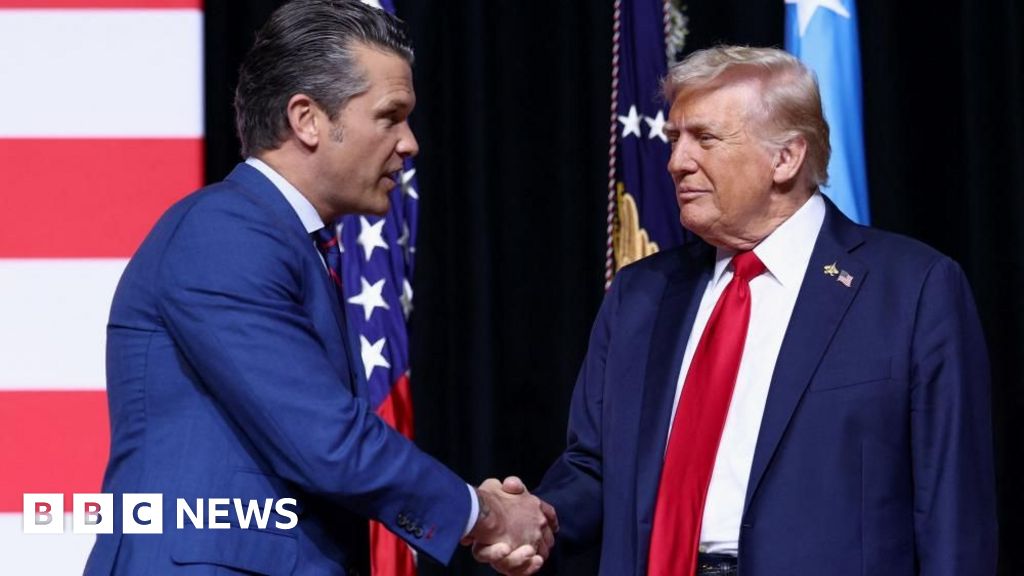
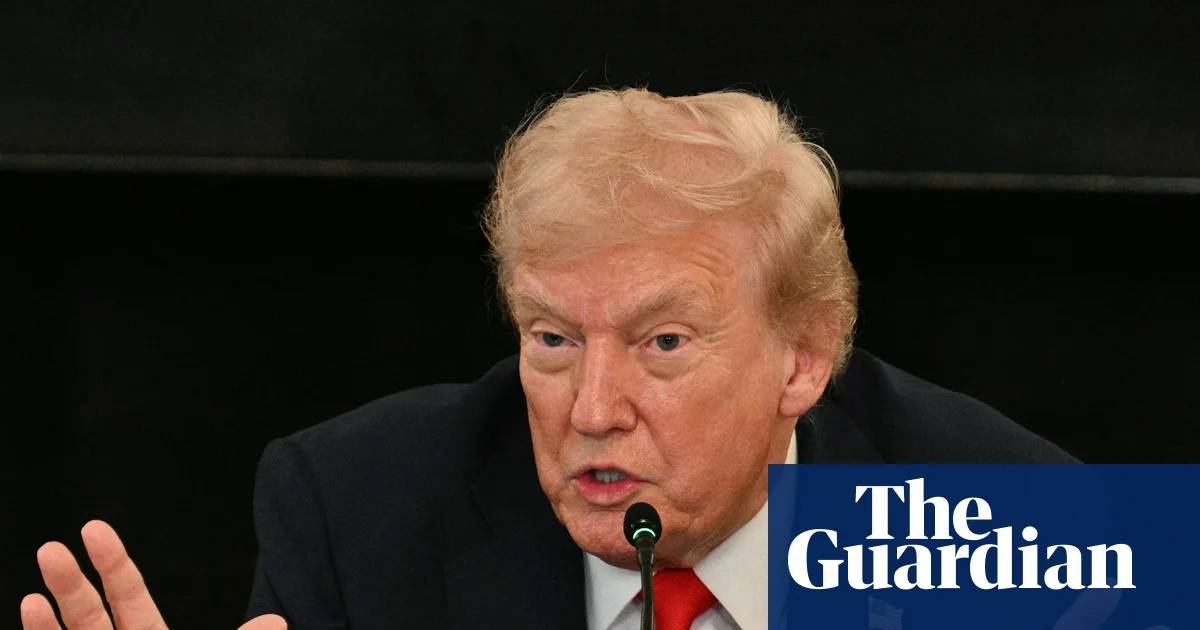
The United States faces an escalating political crisis as a prolonged government shutdown enters its third week, highlighting deep partisan divisions that threaten the stability of American institutions. President Donald Trump has issued a direct order to Defense Secretary Pete Hegseth to prioritize military personnel’s pay despite the shutdown, which began on October 1st. This decision underscores the importance of military readiness in the face of political gridlock, as the administration seeks to prevent a crisis within the armed forces. It also signals a tactical move to shield troops from financial hardship, even as other federal departments face significant layoffs and budget cuts. The decision’s geopolitical impact could ripple across international security dynamics, especially as allies monitor Washington’s fragile political resolve.

The shutdown stems from a standoff between Republicans and Democrats, with each side blaming the other for failing to reach a compromise. The Democrats have demanded the preservation of expiring tax credits aimed at lowering healthcare costs and reversing cuts to Medicaid, which primarily affects vulnerable populations. Conversely, Trump and his party accuse Democrats of obstructing national security and economic stability to achieve political goals. As analysts warn, this impasse not only endangers domestic policies but also risks weakening America’s global image as a reliable superpower. The measure to ensure military pay reflects a strategic calculation: maintaining military morale while politicians remain deadlocked, but it also raises questions about the long-term implications of political brinkmanship on international alliances.

Meanwhile, the administration has initiated unprecedented layoffs of thousands of government workers, an aggressive tactic designed to pressure Democrats to cave. Disaster response teams, health agencies, and security services have been affected, with over 4,000 employees laid off within just days. White House officials claim these layoffs are temporary, yet union representatives, including leaders from the American Federation of Government Employees and AFL-CIO, argue that these actions are not only illegal but also detrimental to public safety and national well-being. The potential for widespread government paralysis exposes the fragile foundations of America’s internal stability, as factions dig deeper into their trenches. International observers and organizations are watching with concern, recognizing that such political confrontations could embolden external adversaries or destabilize sectors such as cybersecurity, healthcare, and infrastructure—areas already strained by the ongoing crisis.

This critical juncture underscores a broader truth: the decisions made within the halls of power now will echo through history, shaping the **geopolitical landscape** for generations. As foreign nations assess Washington’s internal struggle, they scrutinize whether the American political system can withstand internal strife or if it risks falling into disarray. Historians warn that prolonged governmental shutdowns—if left unresolved—have profound consequences, weakening America’s power projection and eroding trust among allies and adversaries alike. The dark clouds of uncertainty loom as essential services teeter on the brink, leaving humanity to wonder if this chapter marks a temporary crisis or the prologue to a much darker era of American decline. With the pen in the hands of divided leaders, the weight of history presses heavily on the present, yet the story remains unwritten, waiting to be shaped by the choices of those still in power.

Border tensions flare between Pakistan and Afghanistan amid escalating clashes

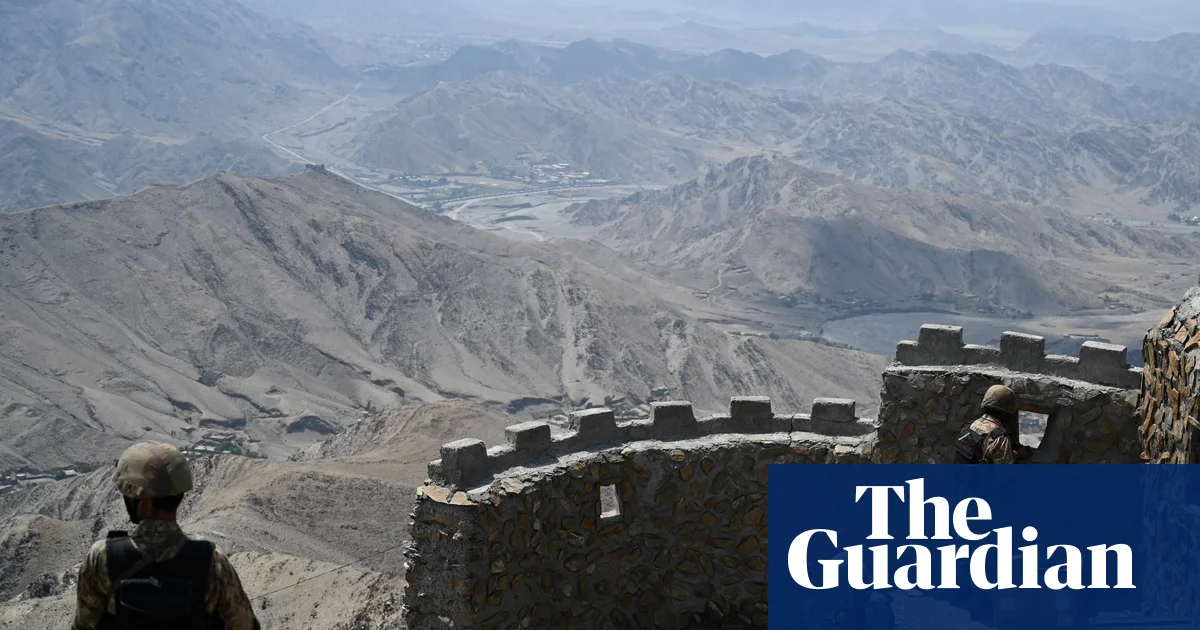
In a dramatic turn of events, Pakistan and Afghanistan find themselves embroiled in a dangerous cycle of violence that threatens regional stability and the delicate balance of power in South Asia. Clashes along their shared border erupted with alarming intensity after a series of provocations and accusations that underscore how fragile the peace process has become. The recent escalation was triggered by an attack on Pakistani military posts allegedly carried out by Taliban forces in response to Pakistani airstrikes in Kabul, sparking fears of a wider regional conflict that could have devastating consequences for neighboring nations and international security.

Initial reports reveal that Taliban militants launched armed reprisals against Pakistani troops, claiming that their territory was violated by Islamabad’s air operations. Senior Taliban officials from several provinces accused Pakistan of conducting strikes inside Afghan borders, leading to increased violence and the seizure of border posts, notably in the strategic Helmand province. Pakistani security officials confirmed exchanges of fire at multiple border points; a Pakistani government spokesperson described the situation as “an act of aggression” that warranted a forceful response involving artillery, tanks, and assorted weaponry. This tit-for-tat escalation emphasizes the volatile nature of bilateral relations under stress, where miscalculations could spiral out of control.

International analysts, including security expert Michael Kugelman, warn that these recent hostilities reflect a fundamental breach in trust and a dangerous potential for regional destabilization. Kugelman emphasized that the convergence of cross-border attacks, Pakistani strikes into Afghanistan, and Taliban retaliation form a “perfect storm” that could rapidly escalate. Furthermore, the ongoing refusal of the Taliban regime in Kabul to acknowledge the international borders or crack down on terrorist groups like Tehreek-e-Taliban Pakistan (TTP) complicates diplomatic efforts. Observers point out that Islamabad’s demand for Kabul to cease harboring the TTP, a terrorist organization linked to numerous attacks within Pakistan, has been met with silence or dismissiveness. Without concerted intervention, the danger of an expanding conflict appears imminent, risking further destabilization across South Asia.

Historians and policy analysts warn that these tensions are no isolated incidents but symptoms of deeper geopolitical struggles. Pakistan and Afghanistan have long been entangled in a complex web of alliances, rivalries, and conflicting interests, with India and China also playing influential roles. The situation is compounded by Kabul’s lack of official recognition of international borders, which fuels ongoing disputes. As U.S. and European organizations urge restraint, regional powerbrokers recognize that the outcome of this confrontation could reshape borders, alliances, and national identities for decades. In this precarious moment, every military stance, diplomatic gesture, or misstep could rewrite the narrative of the region, sending shockwaves across the global stage.

As the night falls on a tense border, the ominous shadow of history looms large, reminding the world that peace in this part of the world remains fragile, elusive, and profoundly vital. The question now is whether diplomacy can outmaneuver hostility before the tinderbox ignites into a full-scale conflict, forever altering the geopolitical landscape. With each passing hour, the risk of a broader war grows—not as a distant threat but as a stark reality awaiting in the wings, a testament to how fast the currents of history can turn and how devastating their consequences may be for generations to come.

South Africa considers renaming iconic reserve amidst national debate

South Africa’s Cultural Identity and Geopolitical Implications: The Battle Over Names and History

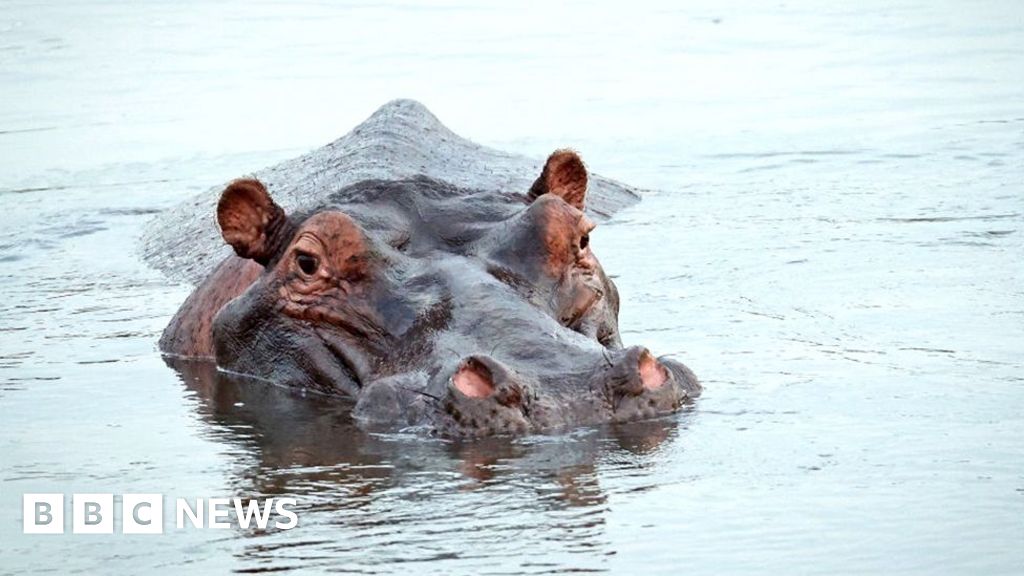
In recent months, South Africa has become the epicenter of a fiery debate over its historical memory and national identity. The proposed renaming of Kruger National Park—arguably the country’s most iconic wildlife sanctuary—serves as a microcosm of a larger struggle that involves not only history and heritage but also economic stability and geopolitical positioning. A local legislative push, driven by the opposition Economic Freedom Fighters (EFF), seeks to erase the name of Paul Kruger, a 19th-century Afrikaner leader revered by certain segments of society, from one of the country’s most treasured landmarks. While some applaud the move as a necessary step toward decolonization and healing, critics warn it risks igniting socio-economic repercussions that could destabilize the nation’s fragile progress.

The name Kruger National Park has been a cornerstone of South Africa’s colonial and apartheid-era history since 1926. For Afrikaners, Kruger symbolizes resilience against British colonialism, a hero of their resistance and cultural legacy. Conversely, mainstream South African society increasingly views him as a symbol of racial exclusion and oppression, responsible for displacing Black communities from their land. This tension mirrors broader debates about how South Africa confronts its apartheid past: most of the country’s infrastructure, including city names and landmarks, has been renamed to reflect indigenous heritage and move away from colonial shadows. Yet, the question arises—does erasing these names genuinely foster unity, or does it risk rewriting history to the detriment of economic stability and international reputation?

International analysts and historians highlight the geopolitical impact of such decisions. According to institutions like UNESCO, a nation’s identity is intertwined with its cultural symbols; however, they also warn that hasty renaming processes—done without comprehensive consultation—can jeopardize tourism and foreign investment. Tourism, which accounts for nearly 9% of South Africa’s economy, relies heavily on the recognition and iconic status of sites like Kruger Park.)—as noted by economic experts—any delusions of erasing history must be carefully weighed against economic realities. Critics argue the proposed name change, though well-intentioned as an act of decolonization, could backfire. The tourism sector, already strained by internal socio-economic challenges—such as youth unemployment soaring above 50%—might suffer irreversible damage. Revenues from millions of international visitors contribute significantly to local livelihoods, and any erosion of the park’s brand risks turning the wilderness into a political battleground that alienates rather than unites.

Moreover, the controversy over the proposed renaming exposes deeper divides within South Africa’s society—what some regard as a necessary step toward indigenous sovereignty, others see as political opportunism. The AfriForum lobby group condemned the EFF’s initiative as “cheap politics,” warning it circumvents the legal processes set by the South African Geographical Names Council. This bureaucratic body is tasked with ensuring that name changes proceed according to law, involving extensive consultations and public participation. Conversely, President Cyril Ramaphosa’s administration, currently navigating its post-pandemic recovery, finds itself caught between honoring indigenous heritage and safeguarding economic interests. As international organizations watch closely, the unfolding debate underscores how internal decisions ripple beyond borders, influencing South Africa’s standing and strategic alliances. Historians such as Dr. Thabo Mbeki have emphasized that confronting history with clarity and responsibility is essential; however, reckless renaming risks overshadowing this intent.

As the nation stands on this precipice, the fight over the Kruger name symbolizes more than just a name; it symbolizes a choice between reconciliation and division, between economic stability and political symbolism. History continues to unfold beneath the weight of these decisions, reminding the world—and the people within—that the ripples of today’s choices will define South Africa’s legacy for generations. At this pivotal moment, the question remains: will the country forge a future where heritage and progress coexist, or will it slip into a cycle of ideological retribution with infeasible costs? This is more than a local debate—it marks a chapter in the ongoing story of nations grappling with their past amidst the pressures of global geopolitics.

Autumn's Himalayan Climb Turns Tragic: Youth Adventure Ends in Disaster
Autumn’s Himalayan Climb Turns Tragic: Youth Adventure Ends in Disaster

The once serene autumn seasons in Nepal and Tibet are now subject to increasingly unpredictable and extreme weather phenomena, signaling a profound turning point in global climate patterns. Reports from meteorological agencies and independent scientists reveal that the typical clear skies and stable weather that long attracted mountaineers and adventure tourists are vanishing. Instead, these regions face a turbocharged monsoon season, driven by a disturbing confluence of atmospheric systems. Experts warn that the interactions between the traditional Indian monsoon and the westerly disturbance—a cold air system originating in the Mediterranean—are intensifying due to climate change, leading to unprecedented weather events in one of the world’s most fragile mountain ecosystems.

  • Recent episodes of extreme rainfall and snowstorms stranded hundreds of travelers near Mount Everest’s eastern face, forcing rescue operations that involved yaks and helicopter evacuations. These events, occurring well outside the normal mountain tourism season, suggest the weather is no longer predictable or reliable.
  • In Nepal, landslides and flash floods have claimed dozens of lives within a week, with official estimates reaching around 60 casualties. The disruption has not only impacted local communities but also raised alarm in international climate circles about the implications of such erratic weather patterns.
  • Study findings and expert analyses now recognize that a warming climate facilitates the interaction between the monsoon and westerly disturbances, effectively “turbocharging” the summer rains and snowfalls, thereby destabilizing the Himalayas’ climatic equilibrium.

International environmental organizations, including the UN World Meteorological Organization, warn that these shifts are not isolated incidents but part of a broader pattern affecting the entire Himalayan region. As the global climate continues to warm, scientists like Professor David P. Stone from the University of Oxford underscore that “the Himalayas are becoming a bellwether for climate change impacts on fragile mountain ecosystems and the societies that depend on them.” This rapid transformation underscores the interconnected nature of climate change and geopolitical stability, with the Himalayan region standing at the crossroads of local and international crises.

Historian and climate analyst Dr. Maria K. Jensen echoes these concerns, emphasizing that recent shifts pose a direct threat to regional security and global biodiversity. As glaciers melt at unprecedented rates, sea levels rise, and weather patterns become erratic, nations like Nepal and Tibet face not only environmental challenges but also risks to their sovereignty and socio-economic stability. The increasing difficulty in forecasting weather complicates mountaineering, tourism, and disaster preparedness efforts—elements vital for the local economies and the health of communities that have thrived for centuries in harmony with nature.

Ultimately, the sudden, violent storms and unpredictable weather patterns offer a stark warning—how decisions made in the corridors of power in Europe, North America, and beyond directly influence the fate of vulnerable, remote regions. As Earth’s climate continues to warm, the Himalayan peaks will serve as a dramatic tableau for future conflicts, migration, and ecological upheaval. History is unfolding before our eyes, and the question remains: **Will humanity heed the urgent call to action, or will we watch as the mountains themselves become silent witnesses to the upheaval of an unstable climate?** The choices made today will shape the legacy of the 21st century, leaving behind a story that will be told by generations yet unborn.

Trump vows military pay despite government shutdown—stand strong for America's defenders
Trump vows military pay despite government shutdown—stand strong for America’s defenders

The recent federal government shutdown in the United States marks a pivotal moment in American politics, revealing the underlying fissures between the executive branch and Congress. President Donald Trump claimed on Saturday that he had devised a plan to pay US military personnel despite the shutdown, instructing his defense secretary, Pete Hegseth, to release funds and ensure active-duty troops receive their paychecks. This move underscores how leadership attempts to navigate a fractured legislative landscape, seeking to leverage executive authority to mitigate immediate fallout but risking broader constitutional and geopolitical consequences. As the shutdown extends into its second week, the impact on national security and international reputation becomes increasingly profound, revealing how internal discord can influence a nation’s global standing.

Established by partisan impasse, the shutdown has already begun to exert tangible effects, furloughing over 750,000 federal employees and delaying paychecks for more than 1.3 million military personnel. Historically, such shutdowns have exposed vulnerabilities in the U.S. federal system, with expert analysts highlighting the danger of prolonged stalemates on the country’s ability to project power and maintain stability. During the 2018-2019 impasse, broad legal protections ensured that federal workers received back pay once operations resumed; however, the current crisis flags a broader erosion of political comity. The Senate, still deadlocked over legislation to reopen government services, has seen Democrats, led by Chuck Schumer, confidently oppose efforts by the White House to bypass congressional approval—highlighting ideological divides that threaten to deepen and embolden partisan disputes.

The geopolitical impact of internal U.S. conflicts cannot be underestimated. While the world watches a superpower embroiled in internal strife, other nations are recalibrating their strategies, aware that American credibility hinges on the stability of its institutions. US foreign policy and military commitments risk disruption if ongoing discord hampers decision-making or operational capacity. Critics warn that such crises weaken America’s global deterrence and embolden adversaries, reminding allied nations of vulnerabilities inherent in its political system. International organizations and strategic analysts warn that continued instability could shift the balance of geopolitical power, emboldening rival powers like China and Russia to test U.S. resolve in key regions across Asia, the Middle East, and Eastern Europe. The tumult in Washington thus echoes far beyond borders, illustrating how internal political dynamics directly shape external security realities.

History’s lens makes clear that moments of internal crisis often serve as turning points with lasting consequences. Though President Trump’s administration seeks to utilize executive authority to assert control, experts warn of the dangers of such unilateral measures in a fragile democratic fabric. Scholars and international observers caution that persistent dysfunction threatens long-term stability and exposes vulnerabilities that adversaries may exploit. As the nation teeters on the brink of a precipice, the decisions taken today will echo through history, revealing whether the United States can withstand internal discord or falter, revealing cracks in its global dominance. In this unfolding narrative, the weight of history hangs heavy, foreshadowing a future shaped as much by internal betrayal as by external challenges—an uncertain chapter for a superpower still grappling to define its destiny amidst the chaos of its own making.

Chimamanda Ngozi Adichie Warns Her Sons Could Fall Into manosphere Traps

The world’s narrative: Culture, gender discourse, and how societies are shifting

Recent public expressions by influential figures such as Chimamanda Ngozi Adichie signal a broader cultural dialogue that transcends individual nations and touches upon a global shift in societal values and gender identities. Adichie’s fears about her young boys potentially being drawn into the contentious “manosphere” underscore a rising concern among cultural commentators and international analysts about the perceived adversities faced by boys and men. As the world increasingly debates the roles and expectations within gender dynamics, the stakes extend beyond personal narratives, becoming a matter of geopolitical interest.

The geopolitical impact of cultural and social shifts

Across the globe, international organizations and policymakers are grappling with the ramifications of rising identity politics and culture wars. Veteran analysts such as those at the United Nations warn of how cultural upheavals—such as debates over reproductive rights, gender recognition, and the influence of social media-driven movements—reshape the societal landscape. Decisions made in Western democracies, including the rollback of certain rights and the fostering of new gender paradigms, challenge traditional definitions of identity and authority, thus adjusting geopolitical alignments and cultural influence.

Historian and political theorist Samuel P. Huntington spoke of civilization clashes—yet today, the arena is as much cultural as it is political. Countries that emphasize collective cultural narratives are increasingly aligned against the tide of liberal social reform favored by Western powers. Meanwhile, China and Russia leverage their own traditionalist rhetoric to oppose Western initiatives that promote gender fluidity and individualism, framing these as threats to societal cohesion and sovereignty. The Global South, meanwhile, finds itself caught between these influences, further complicating international diplomacy.

How individual nations and societies are affected

The discourse surrounding gender and societal expectations is not confined to ivory towers or the halls of international bodies. It translates directly into the lives of ordinary citizens, impacting policy, education, and even national security. In the United States and parts of Europe, the intense debates over reproductive rights and gender recognition have led to legislative and judicial battles that redefine citizens’ legal identities and rights. Conversely, in nations like India and Indonesia, traditional gender roles remain dominant, but global influence and internal activism threaten to reshape these societies, often provoking pushback from conservative factions.

Experts like Friedrich Hayek and Alexis de Tocqueville have long warned about the fragility of societal order amidst rapid cultural change. Today, their warnings seem prescient as societies find themselves in the throes of cultural conflicts that threaten to fracture social cohesion. As debates over “cancel culture” and gender politics infect the political landscape, the outcome remains uncertain. Could these divisions lead to increased instability or even conflict? International observers closely monitor these developments, understanding that how each nation navigates this turning point will likely define the 21st century’s geopolitical order.

As history unfolds, the weight of decisions made now

The narratives surrounding gender, tradition, and cultural identity are more than mere social commentary — they are the lenses through which future histories will be written. As the world wrestling with these profound questions, the moment is upon us to ask:
Will societies manage to balance the preservation of core values with the need for progress, or will the current upheaval herald a new era of division and conflict?

And so, the story continues, each decision echoing through the corridors of power and the streets of nations. In the grand theater of history, these moments are often\nthe precursors to profound transformation. The next chapter begins, and the weight of what comes next rests heavily upon the collective choices of a world standing at a cultural crossroads—not merely a phase of debate, but the very fabric of society itself hanging in the balance.

Tennessee Explosives Plant Blows, No Survivors Found

The Catastrophic Explosion in Tennessee: A Wake-up Call for Global Security and Industrial Accountability

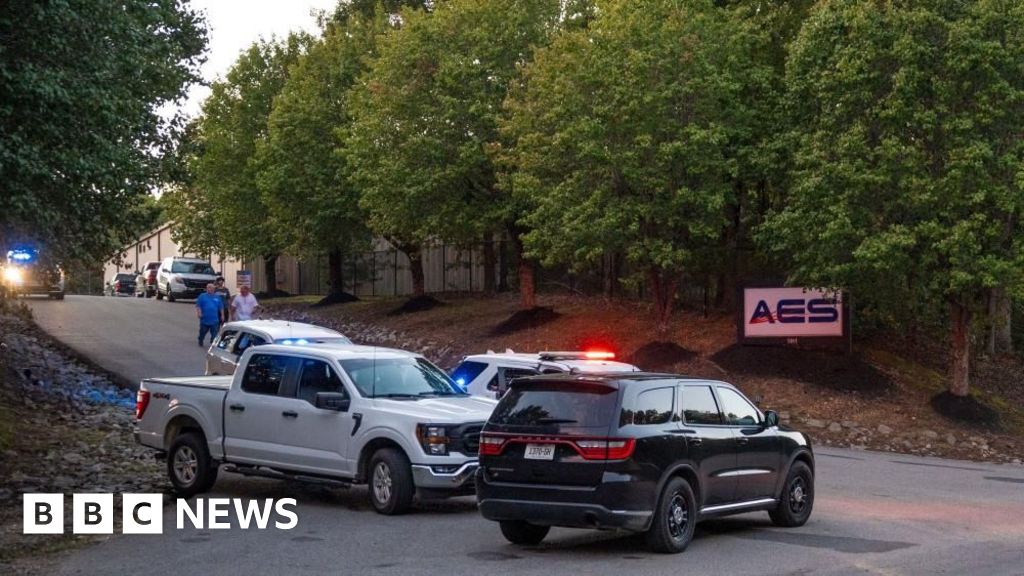
In an event that has sent shockwaves through both local communities and international corridors of power, a devastating explosion at an explosives manufacturing plant in Bucksnort, Tennessee, has resulted in the presumed loss of multiple lives and left a significant mark on industrial safety discourse. The incident, which occurred on Friday, has left 18 individuals unaccounted for, with authorities now confirming that recovery efforts are transitioning into a mourning and investigative phase. The severity of the blast not only highlights the vulnerabilities of local industrial infrastructure but also raises urgent questions regarding the safety standards regulating explosive manufacturing—a concern magnified by the plant’s history, with a similar fatal explosion recorded in 2014.

The proximity of this tragedy to a close-knit American community underscores the profound societal and economic impacts of such industrial failures. Residents, some hearing the explosion from miles away, describe scenes of chaos — fires burning fiercely, debris scattering over half a mile, and emergency responders working tirelessly amid danger. Sheriff Chris Davis and local officials describe the situation as “more devastating than initially expected,” emphasizing the dangerous conditions at the site and the unlikelihood of survivors. The FBI’s involvement, especially with rapid DNA identification, signals the gravity with which the federal government approaches such incidents, not just as an industrial accident but as potential catalysts for international security considerations.

Analysts and historians increasingly see these tragedies as turning points—moments that expose the fissures in regulatory oversight and demand a reevaluation of national security protocols regarding critical infrastructure. With the Bureau of Alcohol, Tobacco, and Firearms and the FBI coordinating investigations, the incident has garnered attention far beyond Tennessee. Such explosions are often overlooked as isolated local events, yet experts warn they may be symptomatic of broader vulnerabilities in global supply chains and the unchecked proliferation of dangerous materials. The incident has prompted a renewed debate among international organizations about the adequacy of safety standards and the potential for such sites to become targets of sabotage or terrorism.

The geopolitical impact of this tragedy extends into considerations of global instability centered on critical resource management. As analysts point out, the ability to manufacture and control explosive materials is a key component of both national security and economic strength. When such facilities fail—regardless of cause—the resulting fallout reverberates, threatening local economies and national security alike. Governments face pressing questions about oversight and safeguarding, with some national leaders warning of the need for more stringent restrictions. The incident—coming on the heels of other recent security lapses—marks a potential shift in how nations prioritize the protection of industrial security and civilian safety, illustrating the delicate balance between technological advancement and oversight.

In conclusion, the Tennessee explosion stands as a grim reminder that history is constantly being written in moments of tragedy. As communities mourn and investigations unfold, the weight of how nations safeguard their most vital resources presses heavily on policymakers’ shoulders. The scars left on Bucksnort may fade with time, but the lessons learned from this catastrophe—about the fragility of industrial safety and the interconnectedness of global security—will persist. The world watches as the story unfolds, knowing that behind every explosion lies the potential to reshape international norms, awaken dormant vulnerabilities, and forever alter the trajectory of history itself.

Social Media Auto Publish Powered By : XYZScripts.com