Matox News

Truth Over Trends, always!

Richard Desmond sues UK Gambling Commission for £1.3bn over lottery dispute

In a case that underscores the intense complexities of national regulation mingled with high-stakes capitalism, Britain’s judiciary is set to scrutinize a legal battle involving Richard Desmond, a billionaire media tycoon renowned for his ownership of outlets such as the Daily Express. This dispute, centered around a £1.3 billion damages claim against the Gambling Commission, exemplifies how private interests can clash with public regulatory frameworks, shaping the geopolitical landscape of economic sovereignty and regulatory integrity. What is at stake extends far beyond Britain’s borders—reflecting broader international tensions over regulatory oversight, market fairness, and the costs of political influence.

Desmond’s legal challenge alleges manifest errors in the competitional process that awarded Britain’s largest public sector lottery contract to Allwyn, a Czech-backed entity controlled by billionaire Karel Komárek. His lawyers contend that procedural flaws, including a changed contract after the award—an accusation that hints at underhanded manipulations—justify rerunning the bidding process. The legal confrontation reveals not only a dispute over billions in potential damages but also highlights the vulnerability of national regulatory agencies to private legal maneuverings. This case could set a precedent on how courts interpret regulatory fairness and transparency, influencing how governments across the globe craft engagement rules and safeguard their economic interests.

From an international perspective, the case holds profound geopolitical significance. It serves as a stark reminder of the geopolitical influence wielded by wealthy global financiers, such as Komárek, and the potential for foreign capital to sway national policy and economic outcomes. Analysts like those from the International Economic Forum warn that escalating legal challenges like this threaten to undermine the independence of national regulatory agencies, fostering an environment where political and economic meddling could increasingly dictate market access—for better or worse. Such disputes also illuminate the broader contest for control over lucrative industries—particularly in gambling and finance—that are fueling national debts and social policy debates worldwide.

At the heart of this legal drama lies a broader societal question: how do nations balance the need for fair, transparent regulation with the influence of wealthy private interests? The potential costs of a win for Desmond could extend beyond the courtroom. A payout exceeding the lottery fund—estimated at approximately £30 million weekly—might necessitate taxpayer-funded compensation. This unfolding saga mirrors the wider pressures faced by governments faced with privatization, regulation, and the delicate dance of protecting societal interests while fostering economic competitiveness. As international organizations such as OECD and World Bank continue to emphasize transparency and accountability in governance, legal battles like this serve as a warning of the power struggles threatening to tip the scales in favor of the well-connected elite.

In an era riddled with economic uncertainty and geopolitical tension, the unfolding legal contest in Britain is more than a national dispute—it is a reflection of a world where the lines between sovereignty, capitalism, and influence are increasingly blurred. The decisions made in this courtroom could ripple across borders, echoing in the halls of power and markets worldwide, as each side stakes its claim to a slice of global economic dominance. With history at a crossroads, the outcome may well define not just the fate of a British lottery but the very fabric of international regulation—leaving the world to watch as, once again, the future is written in the ink of legal battles and the shadows of unearthed influence.
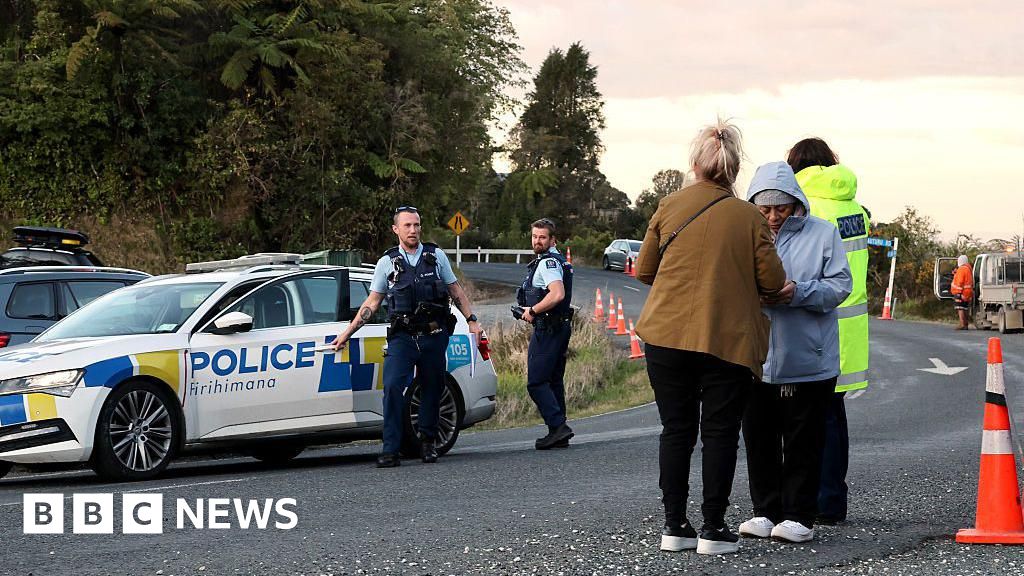

Parents apologize for chaos caused by New Zealand fugitive

Unfolding Tragedy in New Zealand: A Fight for Justice in the Wilderness

The harrowing story of Tom Phillips and his three children has left a scar on the collective conscience of New Zealand, revealing tensions between law enforcement, societal values, and individual rights. After nearly four years of evading justice through dense bushland and forests, Phillips, a known hunter familiar with the treacherous terrain of Waikato’s smaller towns, was ultimately shot dead in a violent police shoot-out. This tragic episode underscores how decisions from the government and law enforcement shape societal safety, especially in conflict zones where tradition, wilderness, and law collide.

International organizations and analysts have closely observed the events, emphasizing the consequences of escalation and the importance of balanced law enforcement tactics. The police operation, focused primarily on “locating and returning the children safely,” highlighted the perilous nature of such missions when armed suspects are understood to be dangerous and motivated by firearms. The intense firefight, which left an officer seriously injured but alive, signifies the perilous thin line law enforcement must walk when confronting armed fugitives in remote terrains. While some critics argue that aggressive tactics escalate conflicts, others argue that decisive action is essential where lives—especially vulnerable children—are at stake.

Implications for National Security and Society

  • The case spotlights the blurring of boundaries between personal freedom, parental rights, and national security. As Phillips’ family appeals for his return, international observers debate whether the state’s response was proportionate or overreach.
  • Recent analyses point to the wider implications of such incidents in shaping public trust in law enforcement strategies. “This event brings to light the growing need for precision and restraint in armed conflict scenarios within rural communities,” notes historian Dr. Amelia Cortez, emphasizing the importance of balanced tactical approaches.
  • Meanwhile, local communities in Waikato grapple with lingering trauma and questions about the safety of their environment, as dense terrain and local terrain experts complicate search and rescue operations.

The tragedy also reveals a poignant dimension of how societal and family conflicts continue to influence international perspectives. New Zealand’s own investigation, still ongoing, might serve as a cautionary tale for other nations confronting similar threats—reminding us that behind every headline, there are narratives of despair, hope, and the relentless quest for justice. In the words of international security analyst Marcus Bell, “Such incidents illustrate the dangerous brink where personal crises threaten societal stability and challenge the very foundations of law and order.”

The Weight of History Unfolding

As the dust settles, the question remains: how will nations respond to such unfolding tragedies? The decisions made today—whether in the heat of conflict or through diplomatic channels—set a course for how societies cope with crisis and preserve peace. In the shadow of this deadly confrontation, the world stands at a precipice, watching history write itself in the wilderness’s silent pages. The outcome will resonate far beyond New Zealand, echoing in corridors of power where the verdict on justice, safety, and sovereignty continues to be penned—reminding us all that the true battle is often fought deep within the heart of nature’s most untamed realms.

Discord warns: ID photos of 70,000 users may be leaked—security concerns mount for young users

Discord Data Leak: A Symptom of Broader Cybersecurity Challenges

The recent cyber incident involving Discord, a social platform with over 200 million users worldwide, underscores a pressing reality faced by nations, corporations, and societies in the digital age. The platform disclosed that approximately 70,000 users had their personal information and partial credit card details leaked. Although officials confirmed that the core platform was not compromised, the breach involved a third-party vendor responsible for age verification, revealing vulnerabilities in what is often considered “the digital frontier of the 21st century.” This incident exemplifies the escalating arms race between cybercriminals and security agencies, where hackers increasingly target auxiliary systems exploiting their less robust defenses.

International analysts and cybersecurity experts widely agree that such breaches are not isolated but part of a broader pattern impacting all sectors and regions. Recent investigations suggest that cybercriminals are relentless in their pursuit of lucrative data, which can command premium prices on the black market. These illicit markets facilitate scams, identity theft, and financial fraud, threatening not only individual users but also national security. Recognized organizations, including INTERPOL and EUROPOL, warn that the proliferation of such cyber threats could destabilize digital economies and undermine public trust in international institutions. The United States and other Western nations have responded by accelerating efforts to bolster cybersecurity resilience, but adversaries continue to find new vectors of attack.

Critics of current cybersecurity measures highlight that patching vulnerabilities in third-party vendors is no longer sufficient. Instead, they call for a comprehensive overhaul of digital infrastructure, emphasizing the importance of stringent vetting and continuous monitoring. Cybersecurity analysts warn that if nations fail to address these systemic weaknesses, the risk of a sustained cyber arms race becomes inevitable, with consequences comparable to traditional conflicts. Meanwhile, some experts claim that data breaches, such as this one with Discord, are just a precursor to more large-scale attacks targeting critical infrastructure and governmental networks in the coming years.

As nations grapple with balancing technological innovation and security, the geopolitical impact of such cyber incidents is profound. Countries that lead in cybersecurity technology and strategy secure advantages in international diplomacy and economic stability, while those caught unprepared risk becoming vulnerable targets or pawns in broader geopolitical chess. Historians warn that recent lapses in digital security could leave a lasting scar on the fabric of international relations, as cyber conflicts increasingly intertwine with traditional diplomacy. With the digital battleground extending beyond borders and ideologies, the world stands at a crossroads where every data breach could be the spark igniting a new era of conflict. As the weight of this unfolding history bears down, the question remains: will global power structures adapt swiftly enough to prevent chaos, or will they be overwhelmed as the digital age’s darker side emerges from the shadows?

Gaza Ceasefire Update: Trump Predicts Likely Hostage Release Monday; IDF Warns Gaza City Remains ‘Highly Dangerous’

International Spotlight on Gaza Ceasefire: A Tipping Point in Middle East Politics

The recent ceasefire agreement in Gaza, brokered amid intense negotiations involving regional mediators and highlighted by statements from leaders like Donald Trump and Benjamin Netanyahu, marks a critical juncture in the ongoing Middle East conflict. While the specifics of the deal remain cloaked in secrecy, the overarching narrative underscores a potential shift in regional diplomacy with global ripple effects. Such an achievement, claimed by Trump as his “biggest diplomatic accomplishment,” signals both a hope for peace and the profound challenges that lie ahead for world powers invested in stabilizing or controlling the volatile landscape.

The agreement’s foundation revolves around the *return of hostages* in exchange for a *limited Israeli military withdrawal* from Gaza. This early phase, hailed by Hamas and Israeli officials alike, hints at a fragile but meaningful step toward de-escalation. The involvement of mediators from Qatar, Egypt, and Turkey highlights a regional consensus aiming to temper violence, which has persisted for over two years, leaving tens of thousands dead and destabilizing much of the Middle East. Yet, significant questions remain: Will Hamas be disarmed? How will governance of Gaza evolve post-conflict? These are the *hard questions* that could determine whether the current moment leads to a lasting peace or another chapter of chaos.

Historically, peace efforts in this region have been cyclical, often collapsing amid disagreements over militant disarmament and territorial sovereignty. Analysts from international organizations like the United Nations warn that “the stakes have never been higher”, emphasizing the importance of full compliance with the ceasefire terms and the necessity of a political framework that respects the rights of both Israelis and Palestinians. The UN Secretary-General, António Guterres, has called for the *immediate, unimpeded entry of humanitarian aid* and a *credible political path toward a two-state solution*, underscoring that the world cannot afford to remain complacent. This moment presents a *historic opportunity*, but it is simultaneously a testing ground for international resolve amid the persistent specter of renewed violence.

The geopolitical impact extends beyond the borders of the Middle East, reaching the corridors of power worldwide. Leaders from the UK to Japan, recognizing the devastating human toll, have expressed hope and urged all parties to honor their commitments. Yet, the core issues — including Hamas’ future, Israeli security concerns, and Palestinian sovereignty — remain unresolved. Decisions made now will influence regional stability, global diplomatic relations, and spheres of influence for years to come. As history witnesses this unfolding chapter, the weight of responsibility presses heavily on the shoulders of those who hold the keys to peace, for in these momentous days, the very fabric of the Middle East’s future is being rewritten, with the world watching with bated breath — uncertain if this is merely a pause or the dawn of genuine peace.

Did Russians really establish a military base in my childhood home?

Rising Tensions in Zaporizhzhia: Satellite Evidence Highlights Strategic Occupation

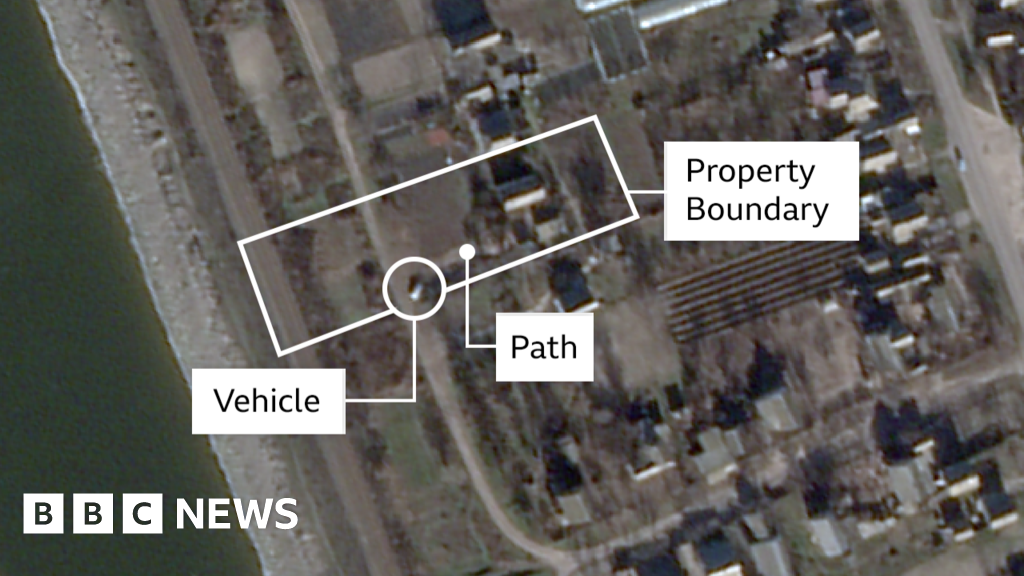
The ongoing conflict in Ukraine has once again moved into a critical phase, with satellite imagery revealing disturbing insights into the evolving Russian military strategy in the southern regions of Ukraine. Verkhnya Krynytsya, a small, sleepy village in Zaporizhzhia, exemplifies how the war’s brutal reality continues to reshape societies and geostrategic landscapes. Once a peaceful community imbued with Ukrainian culture and memories, it now appears to be a pivotal node in Russia’s tactical operations. Satellite images from as recently as 2023 illustrate a well-established, periodically used path leading directly to what was once the residence of a local Ukrainian, highlighting the covert activity purporting to involve both occupation forces and possible new residents—described by analysts as likely Russian military personnel seeking clandestine logistics routes.

Experts and international organizations, such as the United Nations and think tanks specializing in global security, warn that these small-scale tactical movements are symptomatic of a broader shift towards fortified, occupied zones. The imagery, analyzed by BBC Verify, indicates that the path—absent early in the invasion—reappeared six months post-occupation, and became more defined over time. Its reappearance and use by vehicles further confirm ongoing Russian presence and infrastructure development in an area where Ukrainian forces face relentless aerial and ground assaults. Such movements symbolize a strategic deepening of Russia’s hold in Ukraine’s south, which analysts say could have profound geopolitical implications for regional stability and NATO’s security calculus.

The Human Cost and Societal Shift Under Occupation

The human toll in Verkhnya Krynytsya exemplifies the broader suffering inflicted by unyielding conflict. Once a peaceful village with local traditions, it has been rapidly transformed by war. The destruction of the nearby Kakhovka dam in June 2023 caused floods that devastated homes and livelihoods, further displacing residents. According to eyewitness accounts, many locals fled, leaving behind ghostly remnants of their past lives. Those who remained live under constant fear: Ukrainian residents report frequent drone attacks, while Russian occupation has introduced an atmosphere of suspicion and repression. In interviews, residents have expressed fear of speaking openly, knowing retribution from occupation forces can be swift and brutal, exemplified by the torture of local leaders caught resisting. The geopolitical impact is evident—these occupied territories are becoming a buffer zone, transforming populations physically and culturally, and complicating Ukraine’s fight for sovereignty.

Adding to this turmoil, the destruction of the Kakhovka dam has drastically altered the local environment, turning what was once called “the Sea” into a flooded wasteland. This environmental catastrophe underscores how ecological and military crises intertwine, complicating reconstruction efforts and hindering civilian lives. As international aid workers and Ukrainian forces strategize to regain lost ground, the shadow of occupation persists. The symbolism of a small village, now a silent battleground, echoes the broader narrative of Ukraine’s resilience and Russia’s expanding footprint—the true battle for control and influence. Historians warn that such micro-manipulations, if unchecked, could set dangerous precedents, transforming the region’s future.

The Broader Geopolitical Ramifications

Global leaders continue to grapple with the implications of Russia’s ongoing military expansion in Ukraine. The European Union, NATO, and the U.S. government monitor satellite reports with growing concern, recognizing that these strategic shifts may signal a new phase in Russia’s campaign—one designed not just for territorial conquest but for carving out a sustainable occupation zone. Experts caution that the longer these small villages are occupied and militarized, the more entrenched the conflict will become, potentially dragging Europe into an even broader confrontation. And with Ukraine’s military resilience tested repeatedly, the conflict now hinges on how the international community responds to Russia’s tactics of covert occupation, environmental devastation, and societal upheaval.

As the world watches the unfolding story in Verkhnya Krynytsya and other frontline communities, what remains clear is that history continues to be written with every satellite image, every displaced family, and every strategic maneuver. The fate of Ukraine hangs in the balance, with each decision rippling across nations and societies, shaping the future of a continent caught in the crucible of conflict. The question now is whether this fragile line of resistance can hold or if these small villages will become the silent witnesses to a theater of war that will define generations to come.

NSW Transport Official Confesses to Bribery Scandal at Oporto to Inflate Invoices

Corruption Scandal in New South Wales: A Window into International Governance and Accountability

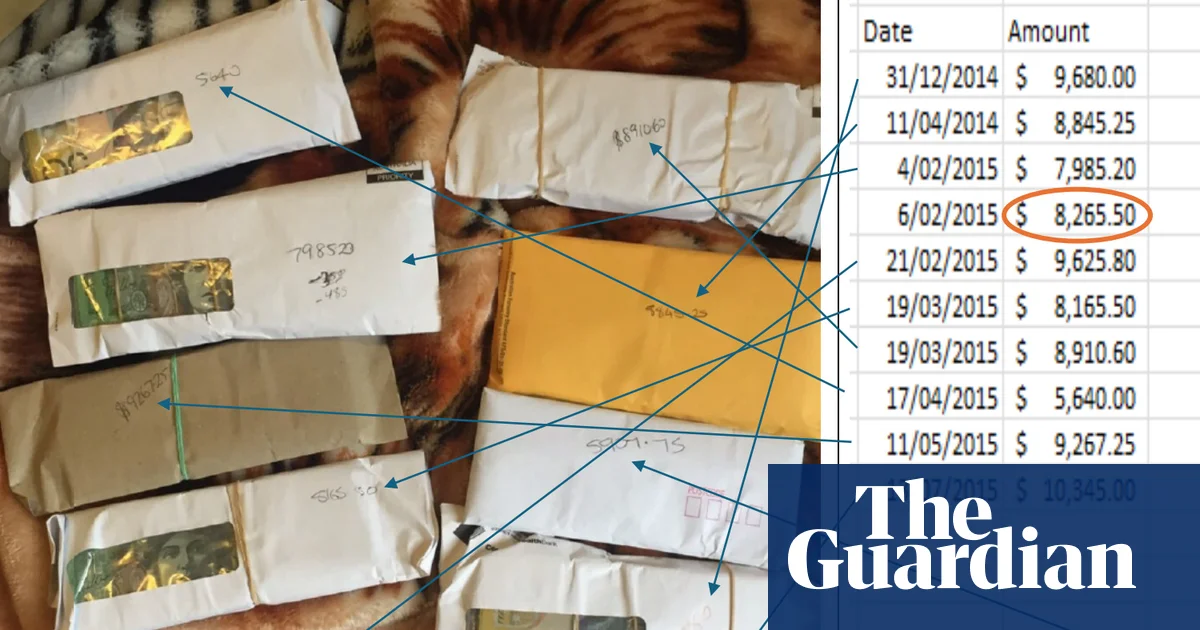
In a development that underscores the persistent fight against corruption within governmental institutions, Australia’s New South Wales Independent Commission Against Corruption (ICAC) is currently investigating a multi-million-dollar kickback scheme involving senior officials. The case of Ibrahim Helmy, a former project engineer at the Roads and Maritime Services (RMS), offers a disturbing glimpse into how entrenched corruption can erode trust in public infrastructure development, which has significant geopolitical undertones, especially in regions with booming infrastructure projects. As the investigation unfolds through detailed testimonies—exposing falsified invoices, illicit cash exchanges, and scheming at the heart of Sydney’s transport sector—the implications ripple far beyond Australia, impacting regional stability and international perceptions of governance.

This scandal is not merely an isolated incident; it reflects broader systemic vulnerabilities that many nations face in their efforts to combat corruption. Helmy’s admissions, including his involvement in inflating invoices related to key Sydney roads such as the M4 motorway, highlight how state resources are manipulated to benefit private interests at society’s expense. Such breaches of integrity threaten not only economic development but also the legitimacy of state institutions. In the context of Australia’s strategic regional role—positioned within the Indo-Pacific—a failure to address corruption effectively could weaken alliances, deepen foreign skepticism, and hinder efforts towards regional cooperation on governance reforms. Asian and Pacific analysts warn that unchecked internal scandal feeds into a narrative of governance fragility, which adversaries could exploit to undermine Western-backed infrastructure and development initiatives.

Moreover, the case of Helmy underscores how international standards and treaties—such as the United Nations Convention Against Corruption—are vital in establishing accountability benchmarks, even as local institutions grapple with enforcement challenges. According to experts at Transparency International, the persistence of such schemes in federal or provincial levels demonstrates that anti-corruption frameworks require not only legislative strength but also political will. The international community watches closely as Australia demonstrates its commitment to transparency, for its credibility directly influences regional and global cooperation. Whether or not Helmy’s case results in criminal charges, the exposure of these corrupt practices may catalyze tougher reforms in public procurement laws and enforcement agencies that can serve as models for emerging economies grappling with similar issues.

Finally, the broader geopolitical impact of this scandal is evident in the way corruption scandals taint international perceptions of stability and governance. As historian Dr. Laura Grant notes, “cases like Helmy’s serve as a reminder that even seemingly stable democracies are vulnerable to internal decay, which can be exploited by adversaries to foster instability or justify external interventions.” With ongoing investigations extending into allegations of over $11.5 million in personal receipts, and the involvement of figures linked to private contractors, the case echoes through corridors of power and influences international discourse on governance integrity. The unfolding story remains a stark warning—one that reminds us all that in the relentless tide of history, the struggle against corruption is a vital battleground shaping the future of nations.

Trump claims Israel and Hamas both agree to first phase of Gaza ceasefire

Potential Breakthrough in Gaza: A New Chapter in Middle East Peace Efforts

Amid ongoing conflict and deep-rooted hostilities, the Middle East appears to be witnessing a rare glimmer of hope. US President Donald Trump has announced that Israel and Hamas have reached an initial agreement on the first phase of a peace process following constructive indirect negotiations in Egypt. According to Trump, both parties have “signed off” on the plan, which foresees the *release of all hostages* and the *withdrawal of Israeli troops to an agreed-upon boundary*, marking the beginning of what officials are calling a potential path toward a *“strong, durable, and everlasting peace.”* The announcement promptly drew confirmation from both sides. While details remain complex and negotiations ongoing, the official statements indicate a pivotal moment that could reshape the geopolitical landscape.

International observers have been watching the developments closely. This agreement, part of a broader diplomatic effort mediated by Egypt, Qatar, Turkey, and the US, could mark a *significant turning point*—a fragile glimmer of stability after years of violence. The negotiations, which lasted three days, reflect an effort to break free from what some analysts describe as a seemingly endless cycle of conflict. However, concerns persist about unresolved issues such as Hamas’s disarmament and the future political governance of Gaza. The conditions for a lasting peace remain uncertain, with critics warning that any misstep could cause this fragile accord to unravel. Nonetheless, the international community remains cautiously optimistic, with UN diplomats and regional allies emphasizing the importance of implementing and sustaining these initial agreements.

Yet, beneath the diplomatic optimism lie the grim realities of war. Gaza’s health ministry reports a persistent toll — with at least 8 casualties over the last 24 hours, the lowest in recent memory, but still a stark reminder of the ongoing suffering. The Israeli military reports that it has neutralized “several terrorists,” reaffirming its assertion that it remains engaged in *counter-terrorism operations* meant to protect its citizens. Still, the conflict’s toll amounts to over 67,000 deaths, with tens of thousands of civilians, including nearly 20,000 children, victims of relentless military campaigns. Despite Netanyahu’s repeated denials of a famine, reports from the UN-backed Food Security Phase Classification indicate widespread malnutrition, underscoring how the war continues to devastate local societies. As the ceasefire dialogue advances, the weight of previous atrocities and the ongoing humanitarian crisis demonstrate just how precarious hope truly is in this war-torn region.

Geopolitical Shifts and Future Ramifications

This potential peace agreement doesn’t only mark a local development; it signals a **possible shift in regional dynamics** that could influence global geopolitics for years to come. Historian Victor Davis Hanson and others warn that such breakthroughs are fragile and often short-lived without sustained international support and internal political will. Many analysts believe that the alignment of multiple regional powers and the involvement of the US has created a unique window for peace, but caution that the underlying causes—territorial disputes, political ideologies, and historical grievances—must be addressed comprehensively. Turkey and Qatar have positioned themselves as key mediators, while Israel’s internal political landscape remains tense, with Prime Minister Benjamin Netanyahu urging the government to ratify the agreement swiftly. The broader implications *extend beyond Gaza,* affecting the security calculus of neighboring countries like Lebanon, Syria, and Egypt, all of which have vested interests in stability or chaos.

Furthermore, these developments are happening against the backdrop of broader geopolitical shifts. With Russia and China expanding their influence in Middle Eastern affairs, the United States seems intent on recalibrating its strategy in the region—aiming to bolster its allies while containing Iran’s ambitions. International organizations like the United Nations emphasize that *lasting peace requires not only ceasefire agreements* but a fundamental transformation of governing structures and security guarantees.However, history reminds us that peace in this volatile region remains a delicate dance, with the shadows of past failures lurking.

Conclusion: The Unfolding Page of History

As the international community holds its breath, the unfolding story of this fragile peace process continues to write itself into history. The potential end of hostilities in Gaza signifies more than just a temporary pause; it embodies the hope for a future where nations once again navigate the treacherous waters of diplomacy. But the scars of prior conflicts linger, and the full realization of peace remains an uncertain horizon. The world watches—waiting for the next chapter that will determine whether this promising pause will evolve into years of stability or once again succumb to the relentless tides of chaos. The weight of history bears down on each decision, and only time will reveal whether the lessons learned can forge a lasting peace in one of the world’s most enduring conflicts.

Trump heads to Walter Reed for his second routine checkup of the year

In a move that underscores the enduring importance of American leadership stability, President Donald Trump, the oldest person to assume the office of US President, is set to visit the Walter Reed National Military Medical Center for what was described as a “routine yearly check-up.” While American media portray this visit as simply a health assessment, the broader geopolitical implications are undeniable. The health and mental fitness of a leader who commands the world’s most powerful military and economic apparatus directly impact global stability. As Washington continues its strategic moves on the international chessboard, particularly in volatile regions like the Middle East, it remains crucial for allies and adversaries alike to scrutinize the well-being of their leaders, knowing that their decisions can potentially reshape the course of history.

Historically, health crises in leading nations have often precipitated shifts in foreign policy and global influence. Critics and analysts point out that, despite affirmations from the White House regarding Trump’s physical and mental fitness, concerns persist surrounding his recent health reports. Diagnosed with chronic venous insufficiency—an ailment common among older adults—Trump’s health issues have been the subject of speculation fueled by brief visible ailments, such as bruises and swelling. The anxieties are compounded by a pattern of erratic public appearances and unofficial rumors, some suggesting that the former president might be concealing more serious health complications. Historian Dr. Mark Johnson emphasizes that, “such concerns, whether justified or exaggerated, tend to influence political stability, especially during times of international tension.” The silence from the White House only adds an element of uncertainty, amplifying fears about how health vulnerabilities can impact decision-making at critical junctures.

Following this health check, Trump’s consideration of a diplomatic trip to the Middle East signals a strategic pivot amid ongoing conflicts. The president’s intention to engage with the region—potentially to broker peace or influence regional dynamics—comes at a sensitive period. Since his April physical exam, which declared him fully fit to execute presidential duties, the geopolitical landscape has continued its volatile course, with Gaza remaining a flashpoint. The possibility of Trump’s involvement in diplomatic negotiations could have profound effects, especially given his unconventional approach to foreign policy. Such a move might challenge existing alliances, recalibrate regional balances of power, and influence future international negotiations. Analysts warn, however, that leadership health issues can undermine the credibility of a president’s diplomatic efforts, and the world watches closely amidst the shadow of potential instability.

In this unfolding chapter of history, the intersections of personal health, domestic politics, and international diplomacy underscore a pivotal lesson: the fragility of leadership in an increasingly complex global arena. As America navigates its strategic interests, the state of its leadership remains a central question. Will the currents of history flow toward stability or chaos? The weight of this moment is heavy, and the future remains uncertain. In the shadows of the White House and across the battlefields of geopolitics, one thing persists—the world’s watchful gaze on the ever-looming presence of history in the making.

Macron to name new French PM within 48 hours—bold move ahead of key decisions

France’s Political Turmoil: A Nation on the Brink of Uncertain Future

The recent developments in France signify a critical juncture in the nation’s political landscape, with President Emmanuel Macron poised to name a new prime minister within the next 48 hours, as confirmed by the Elysee Palace. This move comes amidst escalating political division following snap elections in July 2024 that failed to produce a clear parliamentary majority. Since then, France has been mired in a political stalemate, with successive prime ministers, including Sébastien Lecornu, struggling to steer the country through its daunting economic and social crises. Historians warn that such persistent instability could erode France‘s influence within the European Union and compromise global efforts to address economic and security challenges.

This internal crisis, driven by an inability to form a cohesive government, masks the deeper problems that threaten France’s future trajectory. The nation faces mounting debt—€3.4 trillion, nearly 114% of its GDP—placing it behind only Greece and Italy within the eurozone. Previous governments have failed to implement sustainable reforms, often ousted after presenting austerity budgets that were politically unfeasible to pass. Now, with Macron’s coalition fractured and factions on the far right and left voicing extreme demands—including calls for fresh elections and Macron’s resignation—the question arises whether France can stabilize or if it teeters on the brink of deeper chaos. Analysts from the European Economic Review suggest that ongoing fiscal turmoil and ideological rigidity could weaken France’s position on the global stage, emboldening rivals and destabilizing regional alliances.

The international geopolitical impact of France’s internal disarray extends beyond its borders. As a core member of the European Union and a nuclear power, France’s stability is crucial for European security architecture and its role as a mediator on the world stage. Geopolitical strategist Dr. Marcus Bell points out that the declining authority of Macron’s government may lead to a shift in regional balances, with the potential rise of populist and nationalist movements pushing an inward-looking agenda. This political fragmentation could impair Europe’s collective response to emerging threats, such as instability in Eastern Europe, rising Russia-China alliances, and the ongoing global competition for influence in Africa and the Middle East. As some international organizations warn, “a divided France may embolden adversaries,” particularly amid crises testing the resilience of Western democracies.

Meanwhile, within France, leaders are increasingly aware of the stakes.

  • Far-right leader Marine Le Pen has reiterated her stance against the current government, vowing to prevent the formation of any new administration and demanding fresh elections.
  • Left-wing factions, exemplified by Mathilde Panot, are pushing for the resignation of Macron, citing constitutional failures and systemic discontent.

Ever more apparent is the divergence between political factions, as Macron’s once steady leadership appears increasingly isolated. The international community watches with cautious concern, recognizing that the outcomes in France will influence the broader geopolitical landscape. As Macron navigates this turbulent period—a moment historians may later regard as a turning point—the weight of history lingers, awaiting the next chapter to be written. How France’s leaders choose to act now may very well determine whether the nation emerges stronger from these shadows or descends into a period of unprecedented chaos, echoing through the annals of history for generations to come.

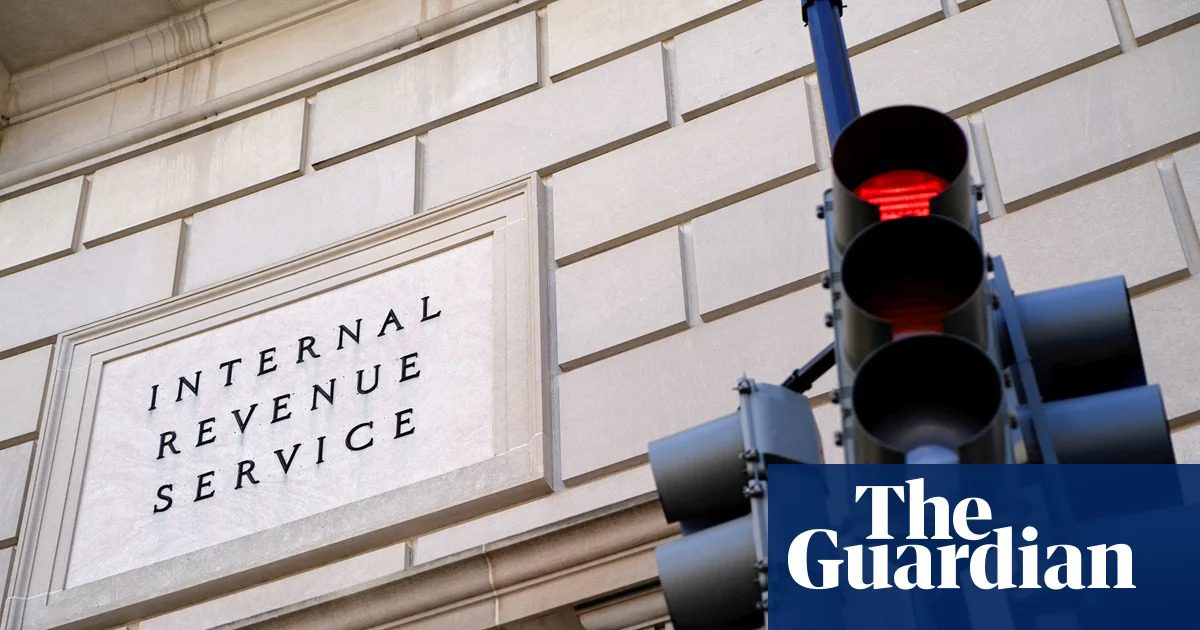
IRS to Lay Off Half Its Staff Amid Government Shutdown—A Wake-Up Call for Fiscal Responsibility

The United States continues to grapple with a prolonged government shutdown, an event that once again exposes the fragility of its bureaucratic machinery and signals potentially more profound repercussions on the global stage. As the Internal Revenue Service (IRS) announces it will furlough nearly 34,000 employees — approximately 53.6% of its workforce — the ripple effects are felt not only within domestic borders but across international economic networks. With vital tax enforcement and financial oversight hamstrung, analysts warn that global financial markets and diplomatic relations could become increasingly volatile.

The decision by the IRS comes amidst a broader political standoff in Washington over budget allocations, which has forced the federal government into a shutdown scenario. This internal crisis intensifies questions about the stability of American governance at a time when the nation’s geopolitical influence appears to be waning. The furlough, effective from October 8, leaves only about 39,870 employees working, as the agency warns of potentially increased delays in tax processing, enforcement, and taxpayer assistance. For an economy that claims to be the world’s financial nucleus, such disruptions underscore how internal political discord can weaken global standing.

International institutions and foreign governments are closely monitoring the fallout. The International Monetary Fund and World Bank have issued cautious statements, emphasizing that the United States’ political gridlock fosters **uncertainty** that could hinder emerging markets and global trade agreements. With the U.S. fiscal posture appearing increasingly unstable, countries dependent on dollar reserves and international commerce face mounting risks. Meanwhile, critics within global geopolitics warn that ongoing internal chaos may embolden adversaries, fueling narratives that America’s capacity to lead on the world stage is compromised.

  • A day after the furlough announcement, a White House memo suggested that furloughed federal employees, including those in the IRS, might not receive back pay, contradicting the protections established by the *Government Employee Fair Treatment Act of 2019*. Such conflicting signals intensify fears of escalating internal discord, which could serve as a strategic advantage for geopolitical rivals like China and Russia.
  • Historians point out that previous shutdowns have historically exposed the vulnerabilities in the American political system, but this instance’s broader economic implications are far more significant in an interconnected era where national security, trade, and diplomacy are inseparable.

As the crisis deepens, the global community watches intently. The echoes of internal strife in America serve as a sober reminder that the decisions made within the corridors of power resonate far beyond national borders. With each day that the government remains paralyzed, the world witnesses a chapter of internal disarray threatening to reshape the geopolitical landscape itself — a narrative still being written in the shadow of a nation that once stood as an unmatched superpower. History’s judgment, waiting patiently at the crossroads, will weigh heavily on those who choose to ignore the signs of an empire in peril, as the unfolding story bears the weight of the future.

Social Media Auto Publish Powered By : XYZScripts.com